Sobre
Sobre
The Biafra War (Nigerian Civil War), 1967–1970
A Full Historical Account
The Biafra War, officially known as the Nigerian Civil War, was fought between 1967 and 1970. It remains one of the most consequential and tragic conflicts in African history, claiming over one million lives, most of them civilians. The war reshaped Nigeria’s political structure, ethnic relations, and national identity, leaving wounds that still influence the country today.
Colonial Roots of the Conflict
The origins of the Biafra War lie in British colonial rule. When Britain created Nigeria, it merged diverse ethnic groups into one political entity without shared history or unity. Major groups such as the Hausa-Fulani in the North, Yoruba in the West, and Igbo in the East were forced into a single state.
Colonial policies favored indirect rule and deepened regional and ethnic divisions. At independence in 1960, Nigeria inherited these structural tensions.
Early Independence and Political Crisis
Nigeria’s First Republic was fragile. Politics became dominated by regional rivalry, corruption, and ethnic competition. Census disputes, election violence, and power struggles weakened trust in the federal system.
By the mid-1960s, the nation was unstable, and the military increasingly saw itself as the only force capable of restoring order.
The 1966 Coups and Their Aftermath
In January 1966, a group of young military officers staged Nigeria’s first coup. Most of the plotters were Igbo, and many northern political leaders were killed. Although the coup failed, it intensified ethnic suspicion.
A counter-coup followed in July 1966, led largely by northern officers. This resulted in the killing of many Igbo soldiers and civilians. Across northern Nigeria, massacres of Igbo civilians occurred, forcing hundreds of thousands to flee back to the Eastern Region.
Trust in a united Nigeria collapsed.
The Road to Secession
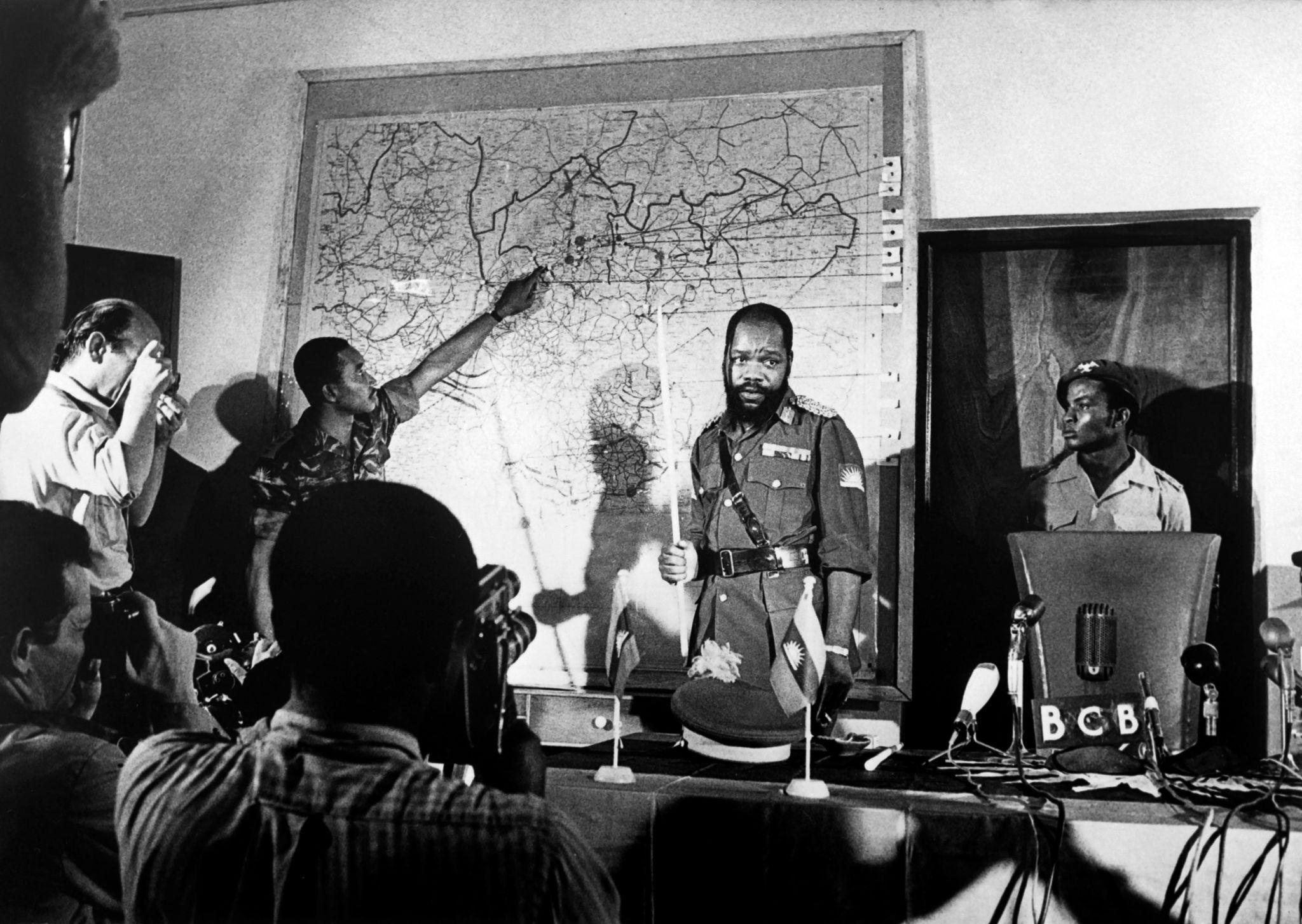
The Eastern Region, under the military governor Chukwuemeka Odumegwu Ojukwu, demanded greater autonomy and protection for its people. Peace talks, including the Aburi Accord in Ghana, failed due to disagreements over implementation.
On 30 May 1967, Ojukwu declared the Eastern Region an independent state called Biafra.
The Nigerian federal government, led by Yakubu Gowon, rejected the secession and prepared for war.
Outbreak of War (1967)
In July 1967, federal troops launched military operations to reclaim Biafra. What was expected to be a quick conflict turned into a brutal, prolonged war.
Biafran forces initially achieved surprising successes, pushing into parts of the Mid-West and threatening Lagos. However, Nigeria’s superior manpower, resources, and international backing soon shifted the balance.
Blockade and Humanitarian Catastrophe
By 1968, Nigeria imposed a land, sea, and air blockade on Biafra. This cut off food, medicine, and supplies.
The result was a devastating famine. Images of starving Biafran children shocked the world and triggered one of the first major global humanitarian responses. Aid organizations and foreign volunteers attempted relief flights, but many civilians died from hunger and disease.
International Involvement
The war drew international attention:
-
Britain and the Soviet Union supported the Nigerian federal government
-
France and a few African states showed sympathy for Biafra
-
International relief agencies played unprecedented roles
Despite sympathy, Biafra received little official recognition and lacked the resources to sustain the war.
Final Offensive and End of the War
By late 1969, federal forces launched decisive offensives, capturing key Biafran territories. Isolated, exhausted, and starving, Biafra could no longer resist.
In January 1970, Biafra surrendered. Ojukwu fled into exile, while his deputy formally ended the rebellion.
General Gowon declared a policy of “No victor, no vanquished”, promising reconciliation and national unity.
Aftermath and Legacy
Although the fighting ended, the consequences were lasting:
-
Over one million deaths, mostly civilians
-
Massive displacement and trauma
-
Economic destruction in eastern Nigeria
-
Lingering feelings of marginalization among the Igbo
Post-war reconstruction was uneven, and many former Biafrans faced economic and political exclusion.
Historical Significance
The Biafra War:
-
Tested the survival of Nigeria as a nation
-
Changed the role of humanitarian aid in global conflicts
-
Exposed the human cost of ethnic division and state power
It remains a defining chapter in Nigerian history and a reminder of the dangers of unresolved injustice.
Conclusion
The Biafra War was more than a military conflict. It was a struggle over identity, safety, and belonging within a young nation. Its lessons continue to echo in Nigeria’s politics and collective memory, making it essential to understand not just how the war was fought, but why it happened.


Categorias
Leia Mais
Afrobeats star Bella Shmurda is known for his energetic sound and street-inspired lyrics, but behind the music lies a more complex reality — the emotional toll of fame. In a recent candid interview, the “Cash App” hitmaker opened up about how celebrity life has reshaped his personal freedom, revealing that the pressures of fame have made him feel “like I’m in a...

Stephen Keshi In the vibrant city of Azare in present day Bauchi State, on January 23, 1962, a child was born who would grow into one of Africa’s most respected football figures. Raised in Delta State, that boy would become captain, leader, trailblazer, and eventually a continental champion from the sidelines. His name was Stephen Keshi. Across stadiums from Lagos to...
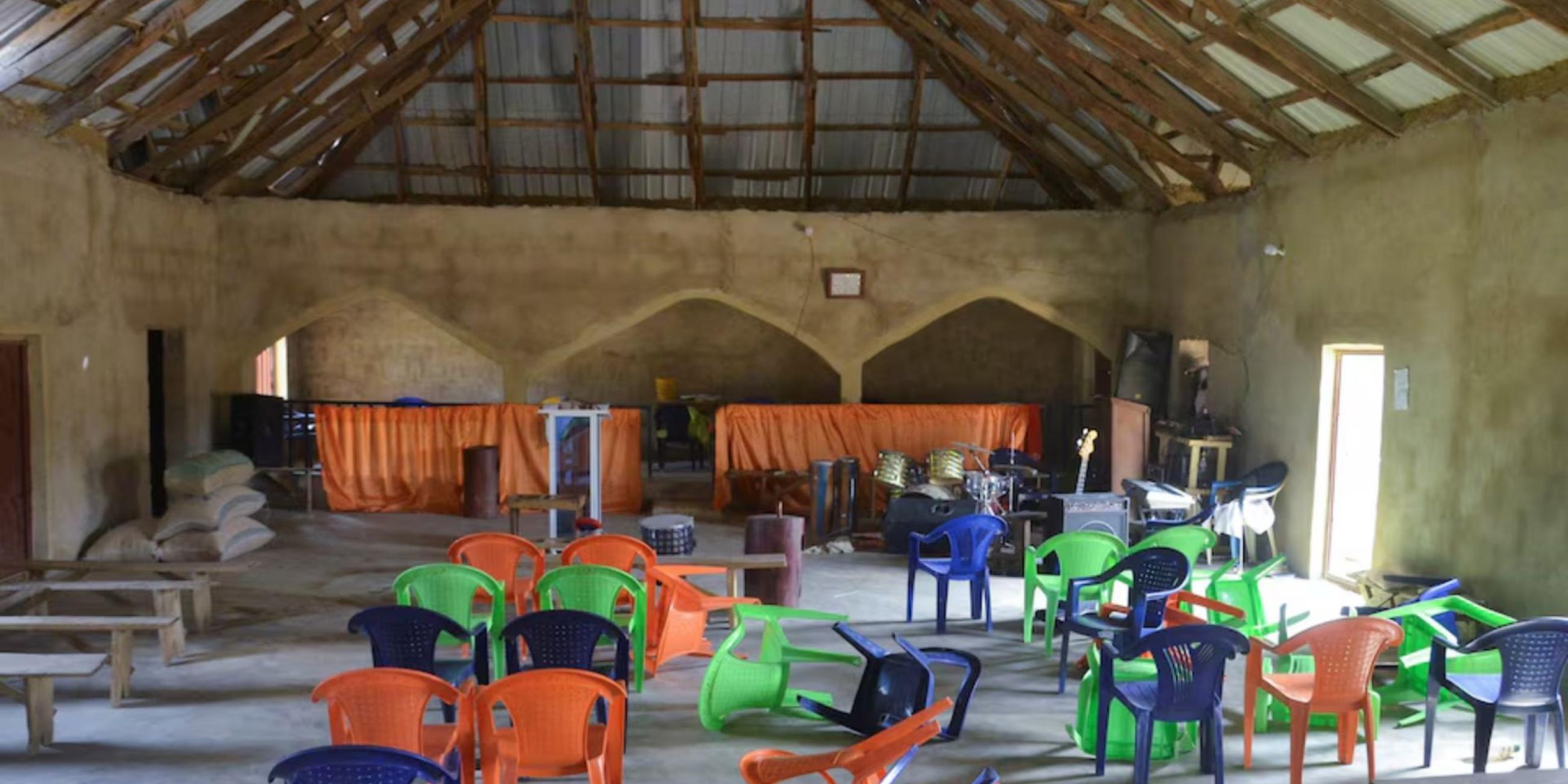
Fresh revelations suggest the Kaduna State Government initially denied the mass abduction of Christian worshippers in Kajuru Local Government Area to manage international perception and avoid scrutiny from the United States. The denial followed a deadly bandit attack on multiple churches in Kurmin Wali during Sunday services, where over 100 worshippers were reportedly kidnapped. While the...
Muyiwa Adegoke Before the polished British accent that would later echo through Yoruba movie scenes, before audiences began laughing the moment he opened his mouth on screen, and before producers started writing roles tailored to his unique persona, there was a young boy growing up in southwestern Nigeria with an ear for sound and a gift for performance. The industry knows him simply...

Episode One: The Ilorin Shock The first day I entered Ilorin, my heart was light. I was going to school. A new beginning. A new life. As our car slowed down, I noticed strange things people hanging their bathing sponges outside, clothes draped on rusty nails, buckets lined up like soldiers. The compound looked tired, like it had seen too much suffering and had given up complaining. Still,...