Environ
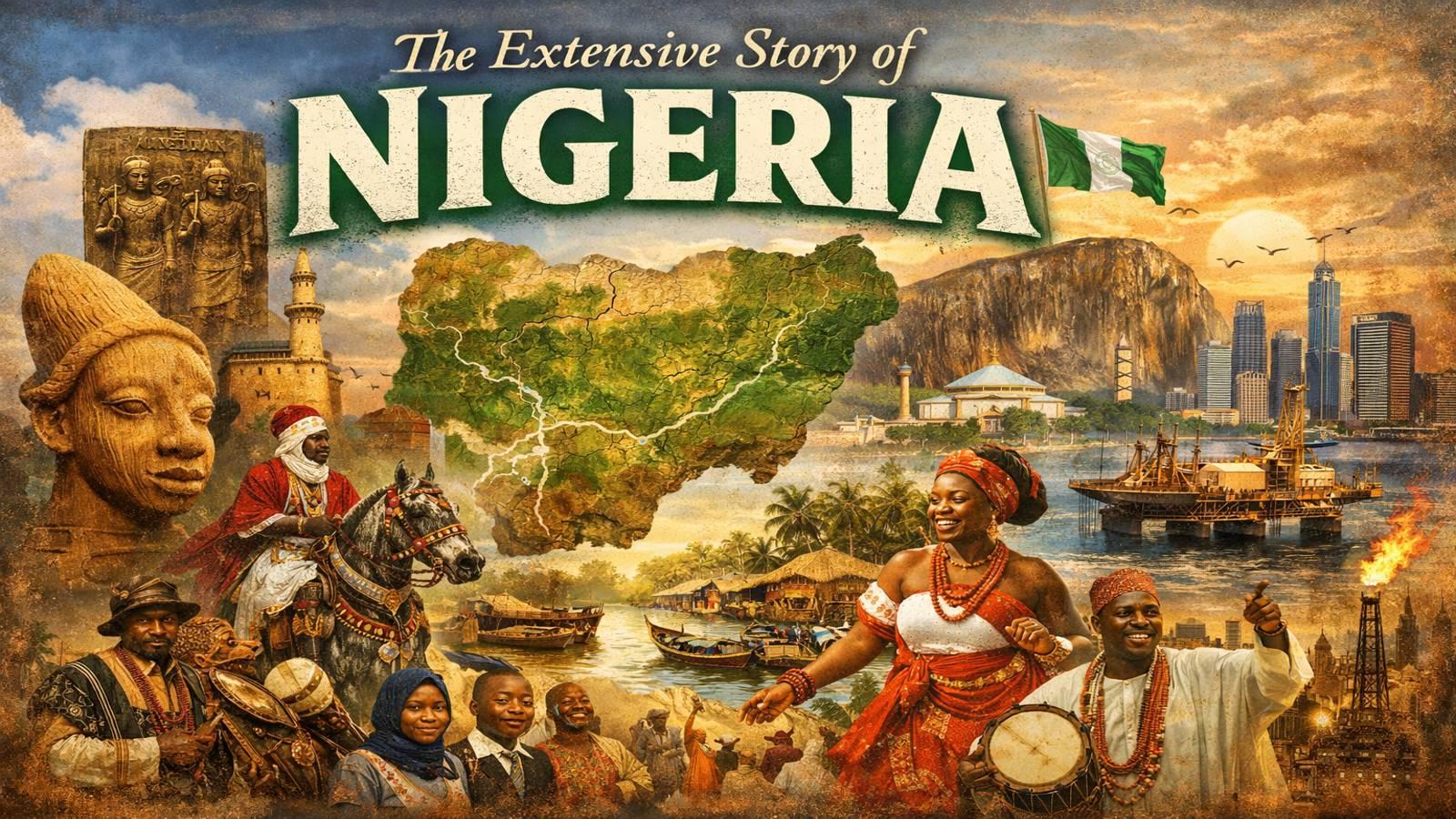
The Extensive Story of Nigeria
The Extensive Story of Nigeria
Before Nigeria became a name on a map, it was many worlds living side by side.
The Ancient Roots
Thousands of years ago, people settled along rivers, forests, and savannahs, shaping civilizations long before Europe knew their names. The Nok culture crafted iron tools and sculptures that still astonish historians today. In the forests of the west rose powerful kingdoms with organized governments, skilled artists, and deep spiritual systems. The east thrived on trade, kinship, and republican leadership, while the north built walled cities, learning centers, and trans-Saharan trade routes that connected Africa to the wider world.
These societies were not waiting to be “discovered.”
They were already alive, complex, and confident.
Kingdoms, Empires, and Identity
In the west, royalty ruled with ceremony and law, producing bronze, ivory, and terracotta art that told stories of power and ancestry. In the north, Islamic scholarship flourished, creating libraries, courts, and systems of governance that lasted centuries. In the east, communities valued debate, consensus, and commerce, forming networks that spread far beyond their homelands.
What united them was not sameness, but balance each people knowing who they were.
The Colonial Disruption
Everything changed in the late 19th century.
European powers arrived first as traders, then as conquerors. Lands were seized, cultures dismissed, and borders drawn with rulers on paper rather than respect for history. In 1914, many distinct nations were forced into one political entity. That forced marriage was called Nigeria.
Colonial rule disrupted traditional leadership, redirected wealth outward, and planted divisions that would later deepen. Yet even then, resistance never stopped. Kings protested. Communities rebelled. Intellectuals wrote, spoke, and organized.
Nigeria learned to resist before it learned to rule itself.
Independence and High Hopes
In 1960, independence arrived like sunrise after a long night. There was celebration, pride, and belief that greatness was inevitable. Nigerians dreamed of unity, prosperity, and leadership on the African continent.
But dreams met reality quickly.
Ethnic tensions, political rivalry, and foreign interests collided. Democracy struggled to take root. By 1966, military coups shattered civilian rule, leading to mistrust and fear.
The Civil War
From 1967 to 1970, Nigeria faced its darkest chapter the civil war. Families were divided. Hunger became a weapon. Millions suffered, and many died. When the war ended, the country chose reconciliation over revenge, declaring “no victor, no vanquished.”
But scars remained.
Oil, Power, and Paradox
Oil transformed Nigeria into one of Africa’s richest nations on paper. Cities expanded, elites grew powerful, and expectations soared. Yet corruption, mismanagement, and inequality meant wealth rarely reached the majority.
Nigeria became a land of paradox:
Oil-rich but power-poor
Educated youth but limited opportunity
Massive potential but constant struggle
Military regimes came and went, promising order but delivering silence. Still, artists sang, writers spoke truth, and ordinary people endured.
Return to Democracy
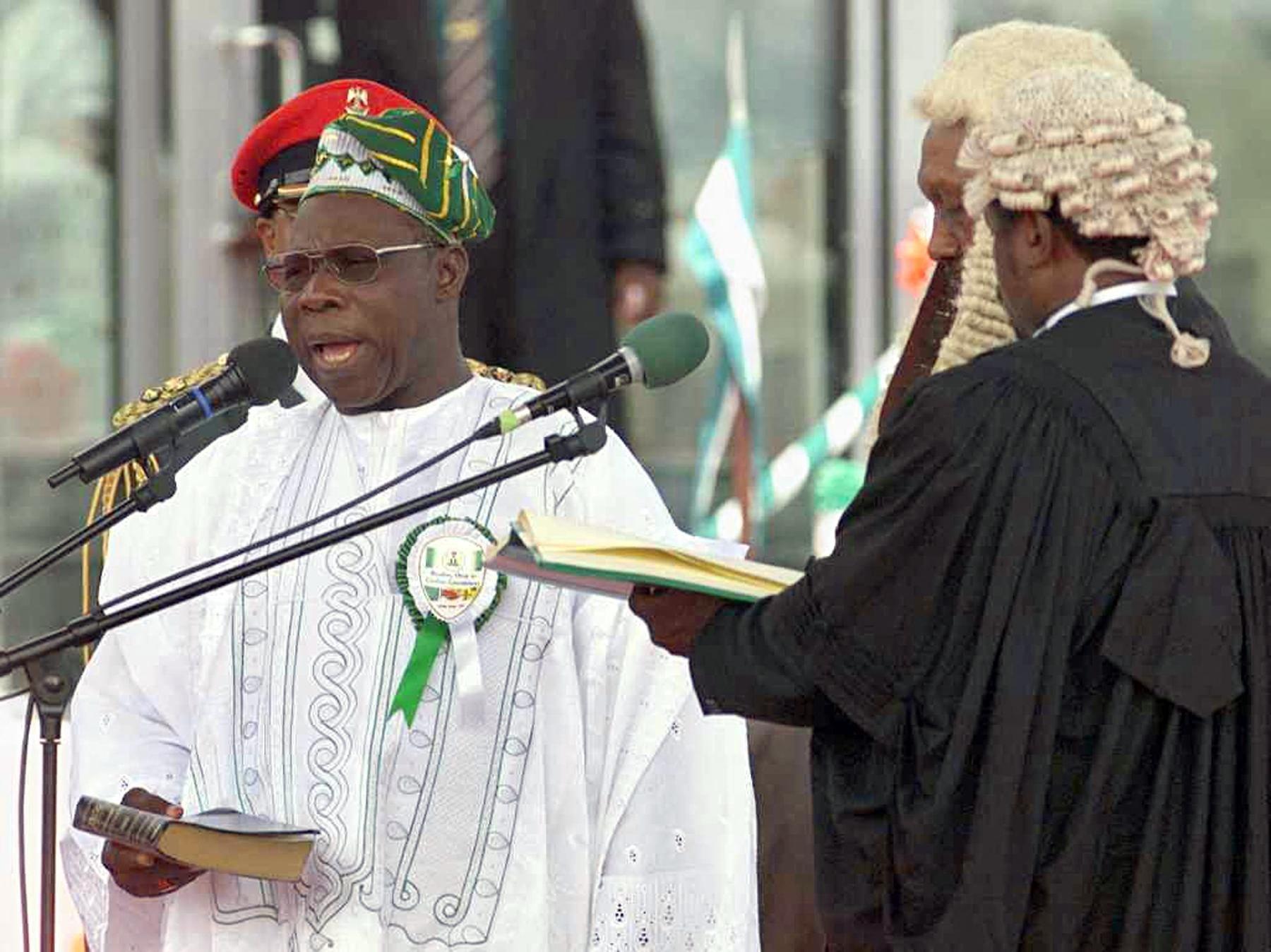
In 1999, democracy returned. It was imperfect, noisy, and frustrating but it was civilian. Nigerians voted, protested, criticized leaders, and demanded better. Elections became battlegrounds of hope and disappointment.
Yet one thing was clear: the people would no longer be silent.
The Spirit of the People
What truly defines Nigeria is not politics or oil it is its people.
In overcrowded cities, entrepreneurs build businesses from nothing. In villages, traditions survive modern pressure. Music, film, and literature travel the world, telling Nigerian stories in Nigerian voices. Humor becomes armor. Faith becomes strength. Community becomes survival.
Even in hardship, Nigerians laugh.
Even in failure, Nigerians try again.
Nigeria Today
Nigeria stands unfinished.
It is young, restless, talented, and demanding more from itself. Its challenges are real security, governance, unity but so is its resilience. Every generation pushes the story forward, refusing to let the past define the future.
Nigeria is not a single narrative.
It is millions of lives moving at once.
A country that argues with itself, doubts itself, believes in itself, and against all odds keeps going.
This is the extensive story of Nigeria:
a nation born from many histories, tested by struggle, and carried forward by unbreakable spirit.


Catégories
Lire la suite
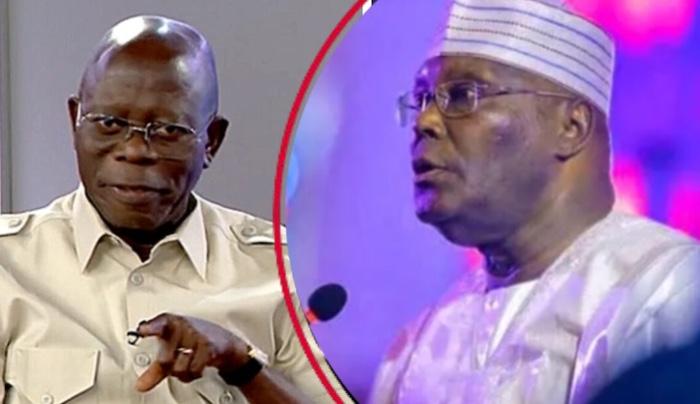
The camp of former Vice-President Atiku Abubakar, on Tuesday, launched a blistering counterattack on Senator Adams Oshiomhole, accusing the former national chairman of the ruling All Progressives Congress APC of “weaponising noise to mask the catastrophic failures” of the party. Chuks Okocha
Abubakar Idris, widely known as Dadiyata, a prominent social media influencer who went missing in 2019, has been confirmed dead following a private investigation. Dadiyata was abducted at gunpoint from his home in Barnawa, Kaduna State, on August 2, 2019. His disappearance sparked national and international concern, with many suspecting political motives due to his outspoken criticism of top...
Lamido Sanusi In the ancient northern city of Kano, where history is layered in sandstone walls and royal drums echo across centuries, a child was born into a lineage that understood both power and its price. His name was Sanusi Lamido Sanusi. He would grow to become an economist of global reputation, a banking reformer who shook Nigeria’s financial system, and later a monarch...
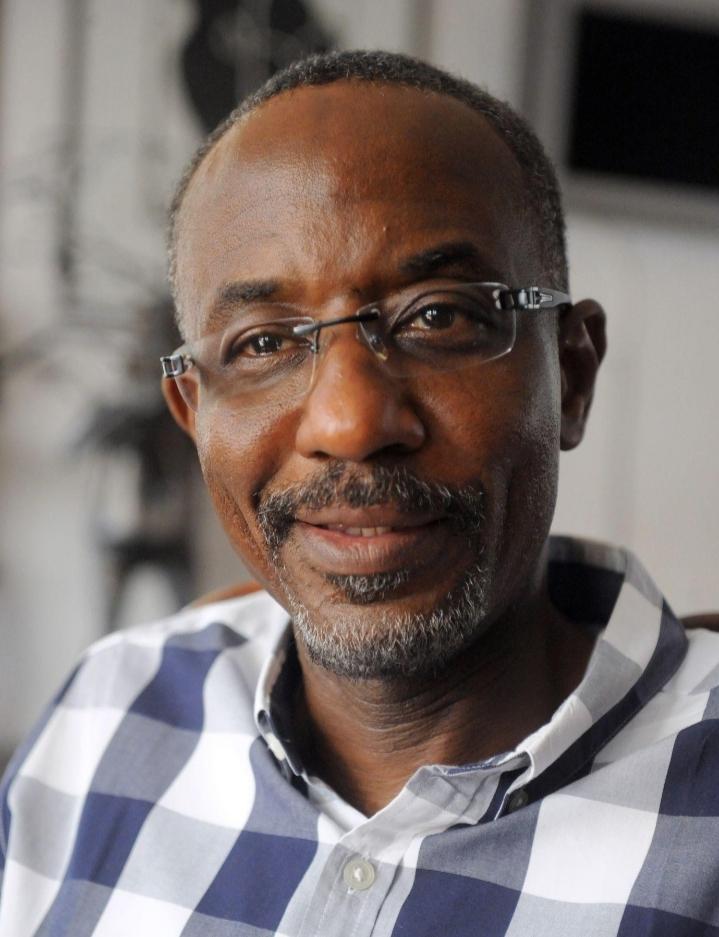
U.S. proposes $1 trillion defence budget for 2026 The budget includes $848.3 billion for the discretionary budget and $113.3 billion in mandatory funding through congressional reconciliation. President Donald Trump has proposed a $1.01 trillion national defence budget request for fiscal year 2026. The U.S. Department of Defence said the request represented a 13.4 per cent increase from...
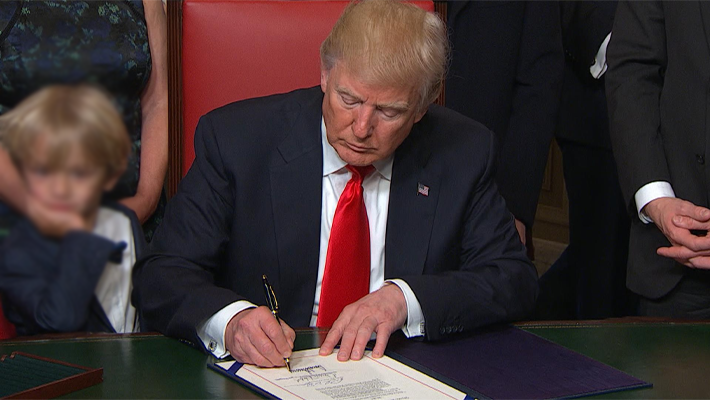
Olusegun Obasanjo is one of Nigeria’s most influential political figures, having served both as a military Head of State and later as a democratically elected President. His leadership spans critical periods in Nigeria’s political history, including the post civil war era and the return to civilian rule in 1999. Early Life and Education Olusegun Matthew Okikiola Aremu Obasanjo was...