Sobre
Sobre
THE STORY OF ABEOKUTA
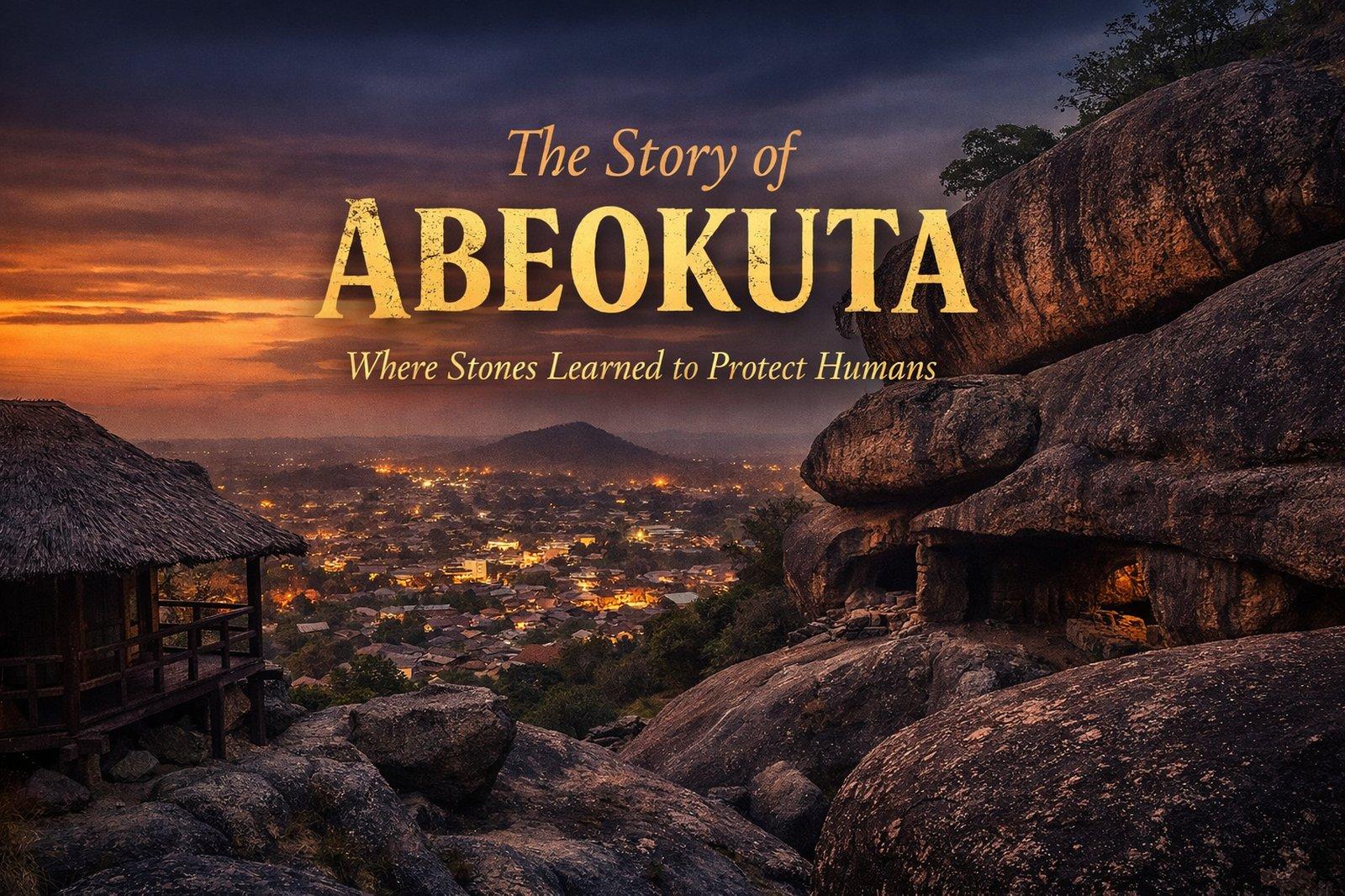
Before the city had a name, there was fear.
Villages burned easily in those days. People slept with one ear open, listening for the sound of war drums, the scream of metal against metal, the rush of feet in the dark. Children learned how to run before they learned how to laugh.
The Egba people were always moving.
They moved when kingdoms fell.
They moved when raiders came.
They moved when betrayal walked in familiar faces.
Each movement carried loss, homes abandoned, graves left behind, stories interrupted.
Until one day, the running stopped.
Not because the danger ended…
but because the land itself spoke.
They reached a place where massive rocks rose from the earth like giants who had been waiting. Stones piled upon stones. Narrow paths that swallowed sound. Shadows deep enough to hide entire families. Caves that felt like breath held inside the earth.
Someone whispered, “Abe òkúta.”
Under the rock.
And the name stayed.
THE ROCK THAT BECAME A SHIELD
The rocks were not gentle.
They cut bare feet. They scraped skin. They demanded respect. But they also hid the people from enemies who did not know the land. Raiders came and left confused, chasing echoes, fighting shadows, afraid of an enemy they could not see.
Women learned which paths disappeared.
Children learned which stones sang when struck.
Warriors learned patience.
Abeokuta did not rise in one day.
It grew the way scars grow slowly, painfully, permanently.
LIFE UNDER STONE
Life under the rocks was not easy.
Water had to be fetched from deep places. Fires had to be hidden. Voices had to be controlled. Children were taught early that silence could save lives.
But something beautiful happened.
Stories became currency. Elders spoke at night, their voices bouncing softly off stone walls, carrying wisdom farther than sound ever should. Songs were sung low but strong. Drums were beaten with care, coded rhythms that spoke to those who understood.
Under the rock, the Egba people stopped being refugees.
They became a people again.
THE WOMEN WHO HELD THE CITY TOGETHER
Abeokuta was not built by warriors alone.
Women traded, negotiated, organized, and resisted. Markets became places of power. Words became weapons sharper than spears. When authority became unjust, women did not whisper, they rose.
Abeokuta learned early that survival was not only about fighting.
It was about structure.
THE CITY THAT REFUSED TO DISAPPEAR
Empires rose and fell around Abeokuta.
Colonial forces arrived with paper laws and unfamiliar flags. They tried to rename, restructure, redefine. Some things changed. Many things broke.
But the rocks did not move.
They had seen worse.
Abeokuta learned to bend without forgetting itself. It learned to speak new languages without losing its own. It learned that survival in a new world sometimes meant endurance, not resistance.
TODAY
Today, Abeokuta is louder.
Cars replace footsteps. Phones replace moonlit stories. Concrete grows where silence once ruled. But if you stand still, truly still, you will feel it.
The rocks are still watching.
They remember children hiding.
They remember mothers praying.
They remember warriors waiting.
Abeokuta is not just a city.
It is a memory that refused to die.
A lesson carved into stone.
A reminder that sometimes, survival does not come from strength—
but from where you choose to stand.
Under the rock.

Categorias
Leia Mais
Confusion over which Nigerian agency has the authority to demand a driver’s licence is common, especially during frequent stop-and-check operations on major roads. This post breaks down the legal powers of FRSC, VIO, and the Nigeria Police Force. It explains that only FRSC and the Police have the lawful right to request a driver’s licence, while VIO is limited to vehicle...

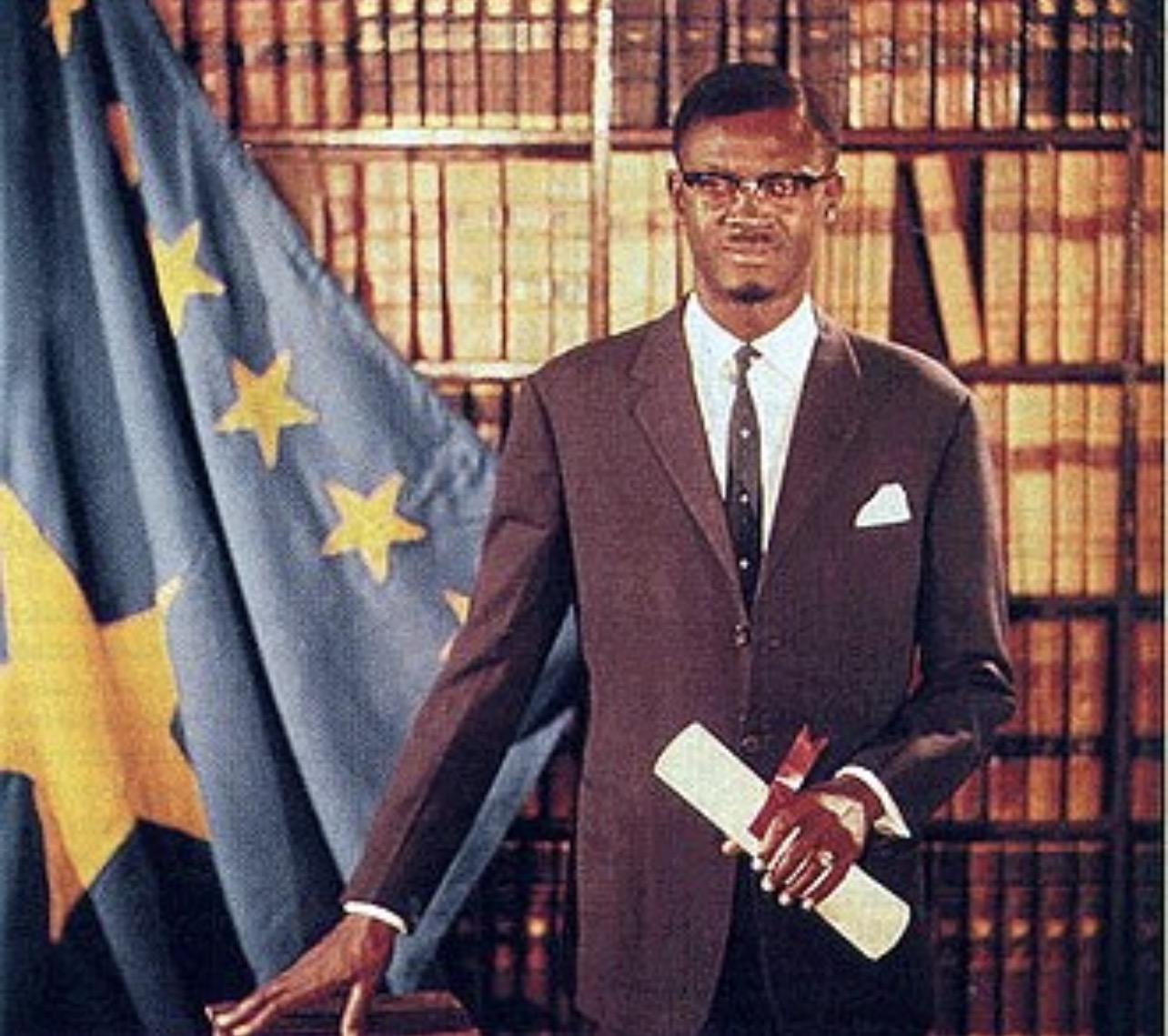
Patrice Lumumba Early Life and Background Patrice Lumumba was born on July 2, 1925, in Onalua village in the Kasai region of what was then the Belgian Congo. He grew up in a simple African home where life was not easy, but it was filled with strong cultural values and community spirit. As a young boy, Lumumba was curious and intelligent. He loved learning and often asked questions...
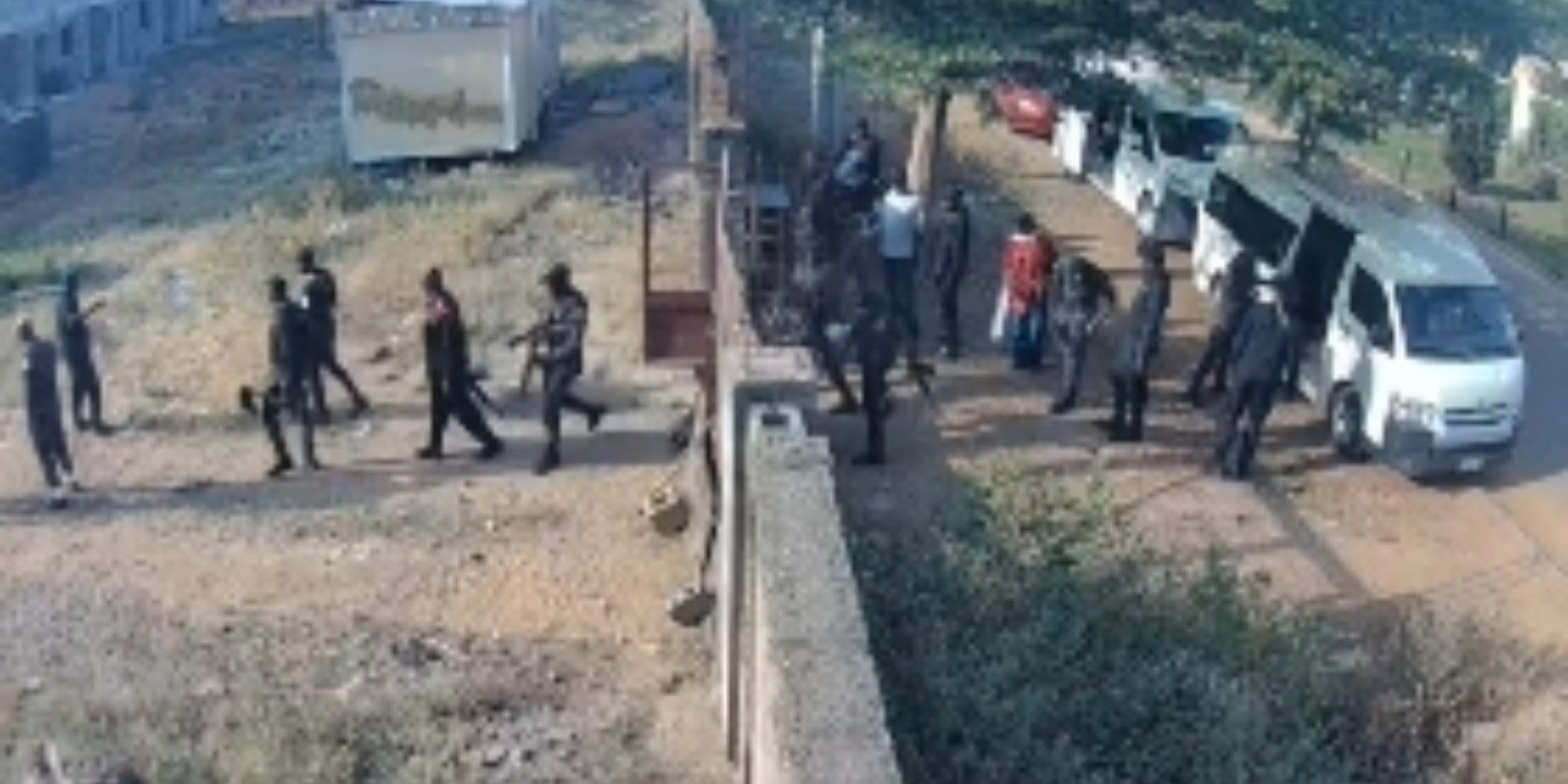
The Economic and Financial Crimes Commission (EFCC) has again invaded a disputed Mabushi property in Abuja despite a restraining order issued by the FCT High Court, which also awarded N20 million in damages to Jona Brothers Construction Ltd. Videos obtained by SaharaReporters show EFCC operatives entering the land with mattresses, allegedly to occupy the premises. Justice Modupe...
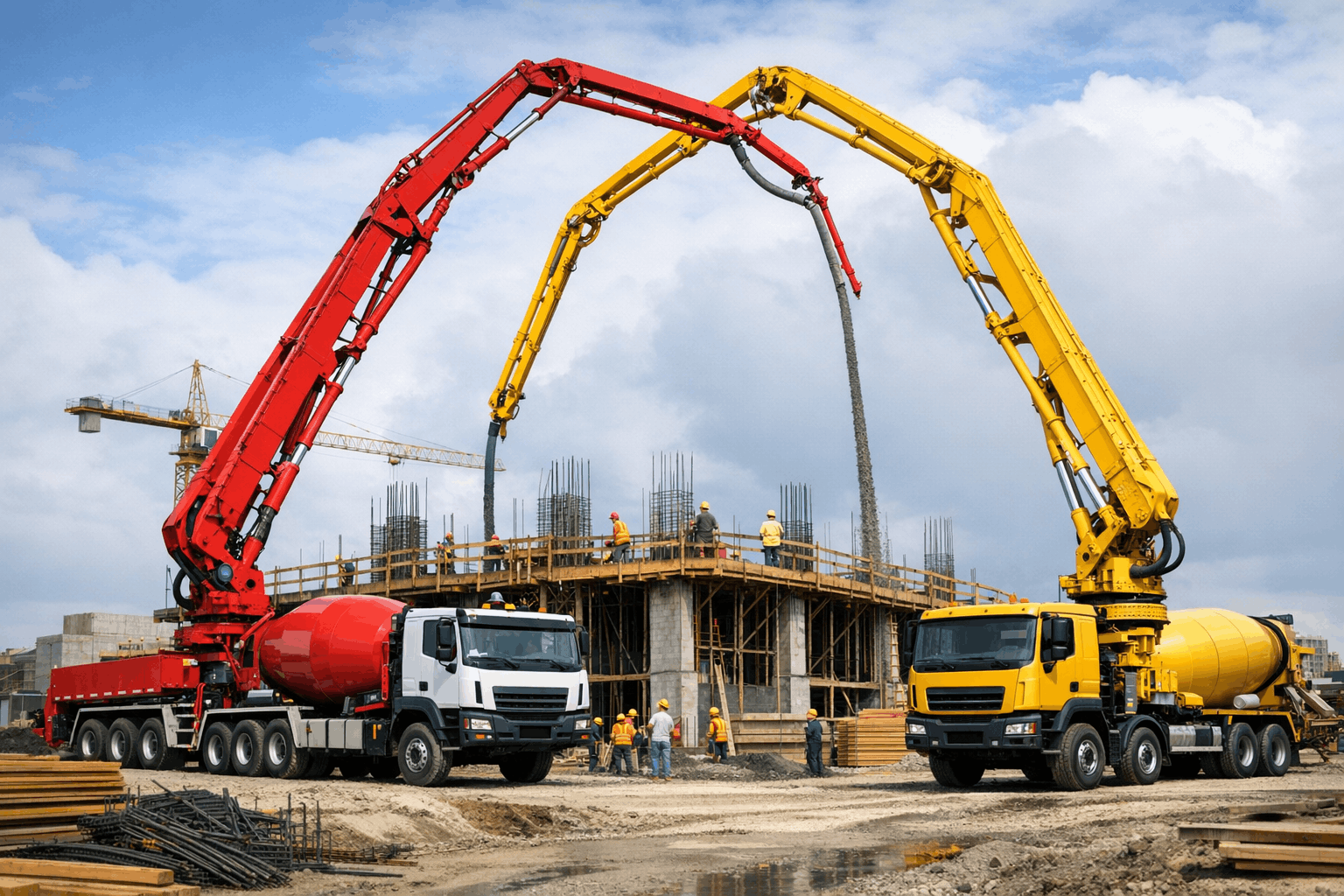
The Concrete Pumps Market Overview presented in The Insight Partners' published research report encompasses a detailed examination of the competitive landscape within this global industry. The market, valued at US$ 3.35 billion in 2023 and projected to reach US$ 5.05 billion by 2031 at a CAGR of 5.3%, is characterized by a competitive environment populated by large multinational...
Oluyemi’s POV I couldn’t deny it any longer. The late nights, the lingering glances, the ache in my chest when she wasn’t around it had all become unbearable. I told myself I could maintain professionalism, keep my distance, control my feelings. But that was a lie. It happened on a rainy Thursday evening. The office was empty, except for the hum of the air...