About
About
THE STORY OF ONE KOBO
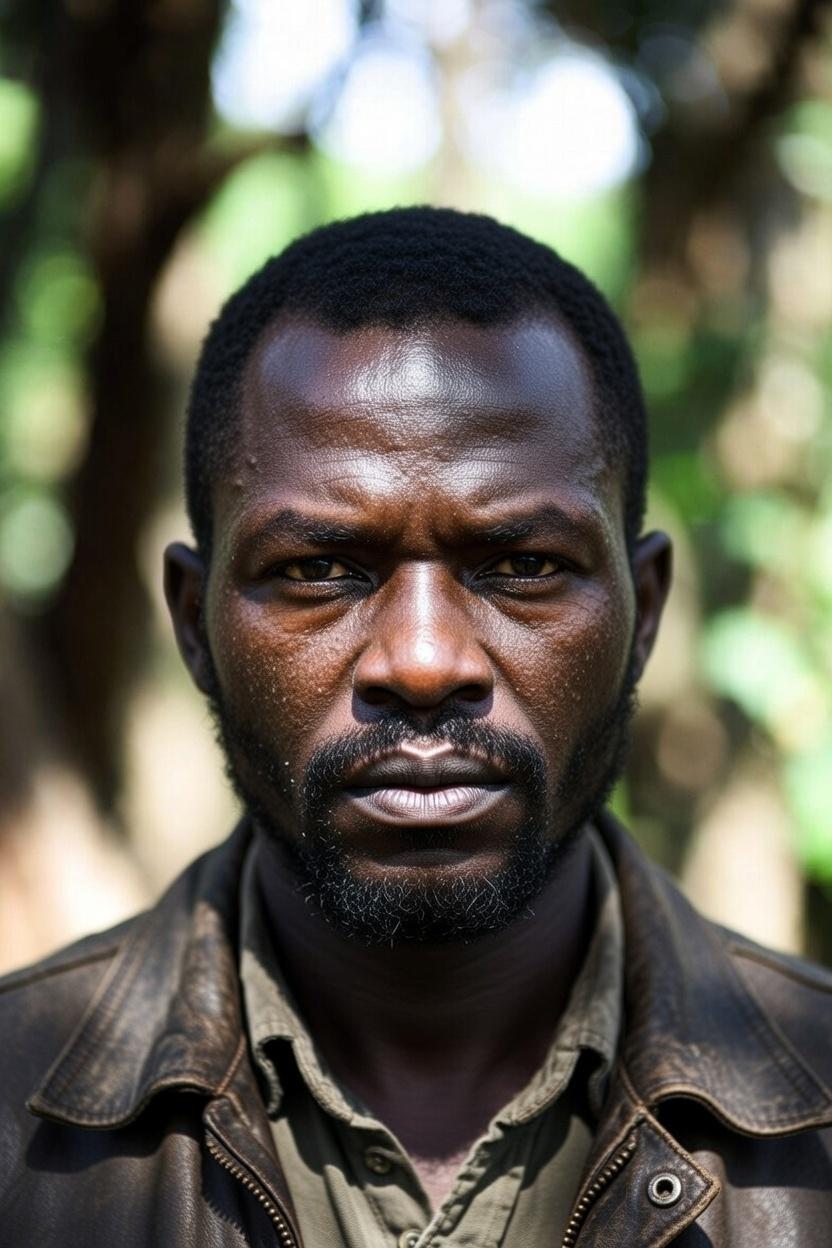
They had called him One Kobo long before politics ever found him.
Not because he was useless, but because life never gave him enough. From childhood, he learned a hard truth early: survival was about taking whatever came your way, no matter how small. One kobo today was better than the promise of tomorrow.
He grew up in the backstreets, where hunger was familiar and hope was something people only talked about. School faded from his life too soon. Jobs came and went like bad weather. As the years passed, his body grew stronger, his fists tougher, and his heart colder. Patience was a luxury he could not afford.
When election season arrived, the politicians noticed men like him. Young men with nothing to lose. Angry men with empty pockets. Forgotten men looking for meaning. They did not ask One Kobo about his dreams. They did not care about his future. They only saw his strength—and how useful it could be.
At first, the work was small. He stood near polling units. He shouted slogans. He scared voters away with his eyes and his voice. They paid him little money, gave him alcohol, and filled his ears with promises of connection after victory. For the first time in a long while, One Kobo felt important. He felt seen.
Soon, election violence became his way of life.
He learned to move fast, to listen without asking questions, to grab ballot boxes and disappear into waiting vehicles. Fear always sat heavy in his chest, but hunger screamed louder. And whenever something went wrong, the politicians were never around. It was always men like One Kobo who ran. Men like him who bled. Men like him who were arrested or beaten.
Still, he kept going back.
Because poverty does not let go easily.
Because hope can be dangerous.
Because when every right door is closed, even the wrong road feels like a path forward.
The election that killed him felt different from the start. The air was heavy. Everyone knew the stakes were high. The order came clearly: get the ballot box at all costs. One Kobo tightened his grip and told himself it would be quick. In and out. Just like before.
But it was not like before.
The people had had enough.
As he rushed toward the polling unit, everything broke loose. Voices rose. Screams filled the air. Chairs were thrown. Stones followed. Security agents pushed forward. Residents fought back. In the middle of the chaos, One Kobo lost his balance and fell.
Then the beating began.
Hands struck him. Boots kicked him. Sticks came down hard. Anger poured from every direction. No politician appeared. No help came. No escape opened. The crowd did not see a hired thug anymore—they saw the face of stolen votes, broken promises, and a failed system.
When the noise finally died down, One Kobo lay on the ground, broken and bleeding.
He did not die immediately. He stayed alive just long enough to feel everything. His body swelled. His breath came slowly. Pain lived in every part of him. In those last hours, there were no campaign songs, no posters, no promises—only silence. And regret. And the quiet understanding that he had always been alone.
The news spread quickly. Then it faded.
The politicians spoke of “election violence” and moved on. They did not say his name. They did not visit his family. They did not pay hospital bills. They did not claim him.
One Kobo was buried quietly.
Another number in the record books.
Another forgotten face.
Another victim of a system that feeds on desperation.
He died the way he lived—used, discarded, and unnamed by the powerful.
And his story remains, like a wound that refuses to heal—a warning written in blood:
when politics is built on violence, the foot soldiers always die first, and they die alone.


Categories
Read More
Jibola Dabo Jibola Dabo is a Nigerian actor, television personality, and motivational speaker. He is widely known for his roles in Nollywood films and television productions. Early Life and Background Jibola Dabo was born on August 12, 1942, in Lagos State, Nigeria. He originally comes from Owo in Ondo State, southwestern Nigeria. He grew up during a time when education and...

THE BILLIONAIRE IN BORROWED SKIN Clara Mendoza used to believe that love would come to her in sunlight. In her imagination it would arrive gently, carried by laughter and simple joy. A hardworking man with honest hands would take her away from the cramped house she grew up in. They would build something small but real together. Instead, love arrived wrapped in humiliation. Her...

About eight people lost their lives and others were injured due to a powerful electricity surge that caused electrical wires to break at Tudun Wada Pantami area of Gombe metropolis, Gombe State. Sources told The Guardian that the electric surge occurred in a major transformer in the community which led to breaking of electric wires, sparking and electrocuting the victims. About eight people...
When it comes to building a thriving garden in Grow A Garden, there are certain items that are more than just nice to have — they are essential for maintaining your success and ensuring consistent growth. Whether you're a seasoned player or just starting out, knowing which items to keep in your inventory can make all the difference between a flourishing garden and a struggle to stay...

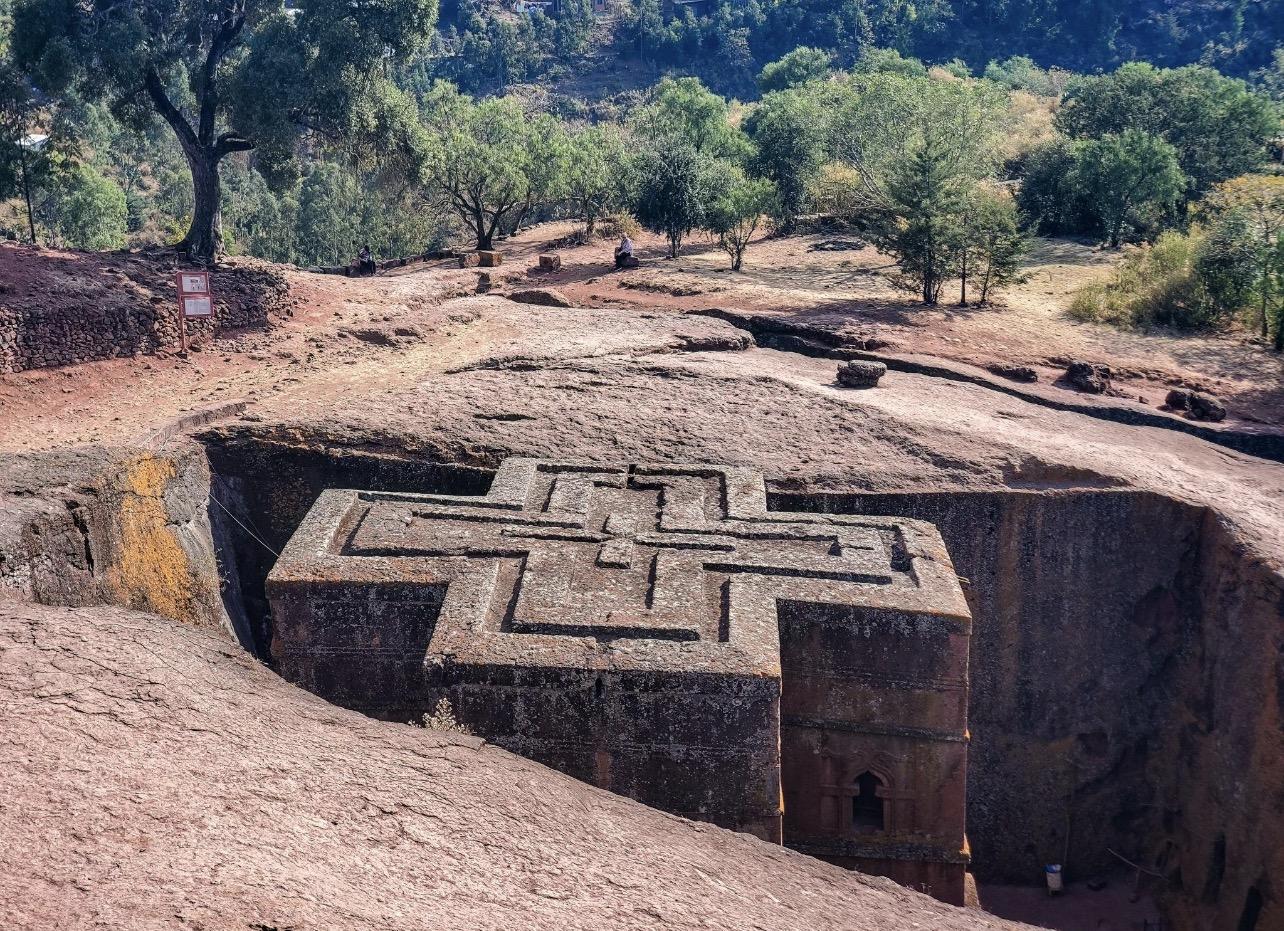
The Sacred Stone City of Faith Long before modern cities rose across Africa and centuries before skyscrapers touched the clouds, there existed a sacred place carved entirely from solid rock in the highlands of Ethiopia. Hidden among mountains and rugged terrain lies one of the most mysterious and astonishing religious sites in the world. It is known today as the Rock Hewn Churches of...