Environ
Poverty Made Me Do This

I never planned to cross that line. As a child, I believed honesty was something you carried no matter how empty your pockets were. But poverty has a way of bending beliefs, of whispering justifications into your ear when hunger becomes louder than morals.
I grew up in a tin-roofed house that rattled when it rained. My mother worked as a cleaner, my father disappeared early into my childhood, and school became optional when survival wasn’t. Some nights, we slept with our stomachs aching, pretending it was normal. I learned early that wanting was dangerous it made you hope, and hope hurt.
The day everything changed, my mother collapsed at work. The hospital demanded money before treatment. I stood in the hallway, counting the coins in my pocket, knowing they weren’t enough to save her.
That’s when poverty spoke to me.
It told me rules were made by people who never went hungry. It told me one small wrong could fix a bigger injustice. It told me survival wasn’t a crime.
So I stole.
It was a wallet left unattended on a bus seat. My hands shook as I picked it up. Inside was more money than I had ever held. Enough for medicine. Enough for food. Enough to breathe again. I didn’t feel like a thief I felt like a son doing what he had to do.
My mother recovered. Life moved on. But something inside me didn’t heal.
Every time I looked at her, I remembered the hands that money once belonged to. Every time I passed that bus stop, my chest tightened. Poverty had solved one problem and created another guilt.
Years later, I found myself working at a small repair shop. Honest work. Small pay. One afternoon, a man walked in, his face tired, his clothes worn. He dropped his wallet while paying and didn’t notice.
I recognized it instantly.
The same worn leather. The same photograph inside.
He looked at me and said, “My wife’s in the hospital. I’m just trying to fix my bike so I can get to work.”
The room went silent.
In that moment, poverty spoke again but this time, I answered back.
I picked up the wallet and handed it to him. He checked it, relief flooding his face, and thanked me like I had done something extraordinary.
After he left, I sat down and cried not from hunger or fear, but from release.
I realized then that poverty can push you, corner you, and strip away your choices but it doesn’t have to define who you become. What I did back then saved my mother, but it haunted me because I knew I had lost a piece of myself.
That day, I took it back.
I couldn’t erase the past, but I could decide what kind of man I would be going forward.
MORAL
Poverty can pressure people into desperate actions, but it does not erase responsibility or choice. Survival may explain a mistake, but integrity is what heals us afterward. True freedom comes not from escaping poverty alone, but from refusing to let it decide our character.

Catégories
Lire la suite
Oxlade Some artists are made by privilege. Others are shaped by pressure. The journey of Oxlade is a story of talent meeting hardship, of a young boy who lost his mother too early and found comfort in melody. Before the global tours and streaming numbers, before the bright lights and viral hits, there was simply Ikuforiji Olaitan Abdulrahman, a boy in Surulere with a voice that refused...

Prince Adewale (POV) I left her quarters troubled. This was not how things were meant to be. A servant falls sick; the palace moves on. That was the rule. That was the way. Yet I could not shake the image of her lying there—small, exhausted, fragile in a way she never allowed herself to be while standing. That night, I barely slept. King Adeyemi (POV) News travels fast in a palace....

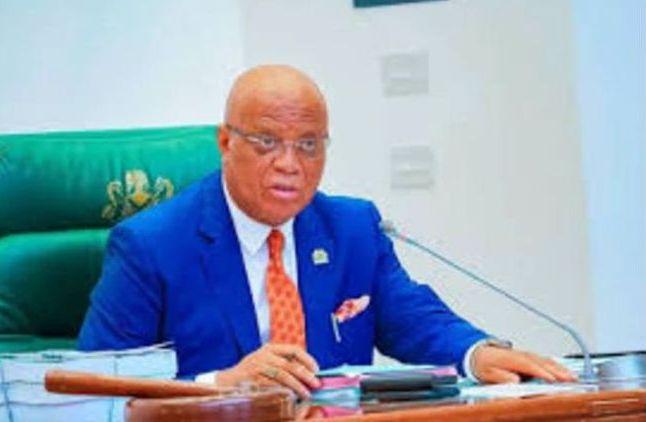
Akwa Ibom Assembly Members, Key Allies Reject Governor Eno’s Defection to APC. A significant political rift has emerged in Akwa Ibom State as several prominent figures, including members of the State House of Assembly and top allies of Governor Umo Eno, have distanced themselves from his recent defection to the All Progressives Congress (APC). Despite Governor Eno’s formal...
Kathryn Bernardo Kathryn Bernardo is a Filipino actress, model, and entrepreneur widely regarded as one of the most successful and influential actresses in the Philippines. Born Kathryn Chandria Manuel Bernardo on March 26, 1996, in Cabanatuan City, Nueva Ecija, Philippines, she rose to fame through television dramas and blockbuster films. Early Life and Background Kathryn Bernardo was born...

Adebimpe (Episode 12) Yet I felt the distance between us widen. As I cleaned, my thoughts wandered to my mother again. She used to say, “When someone shows you how much they trust you, believe them. When they show you doubt, remember it too.” I remembered. After finishing, I bowed. “I will return later, my prince.” “Wait,” he said. I stopped....