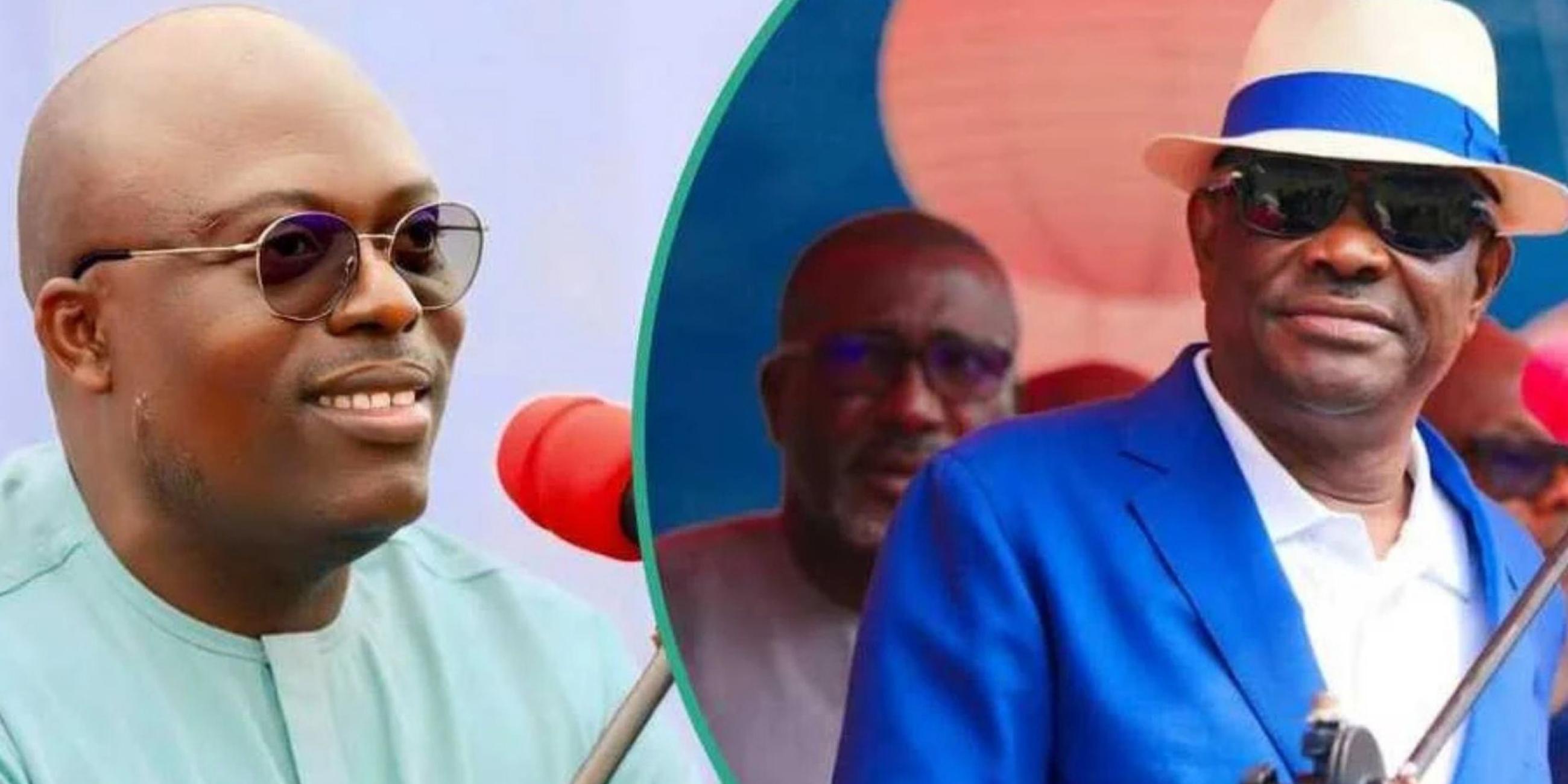
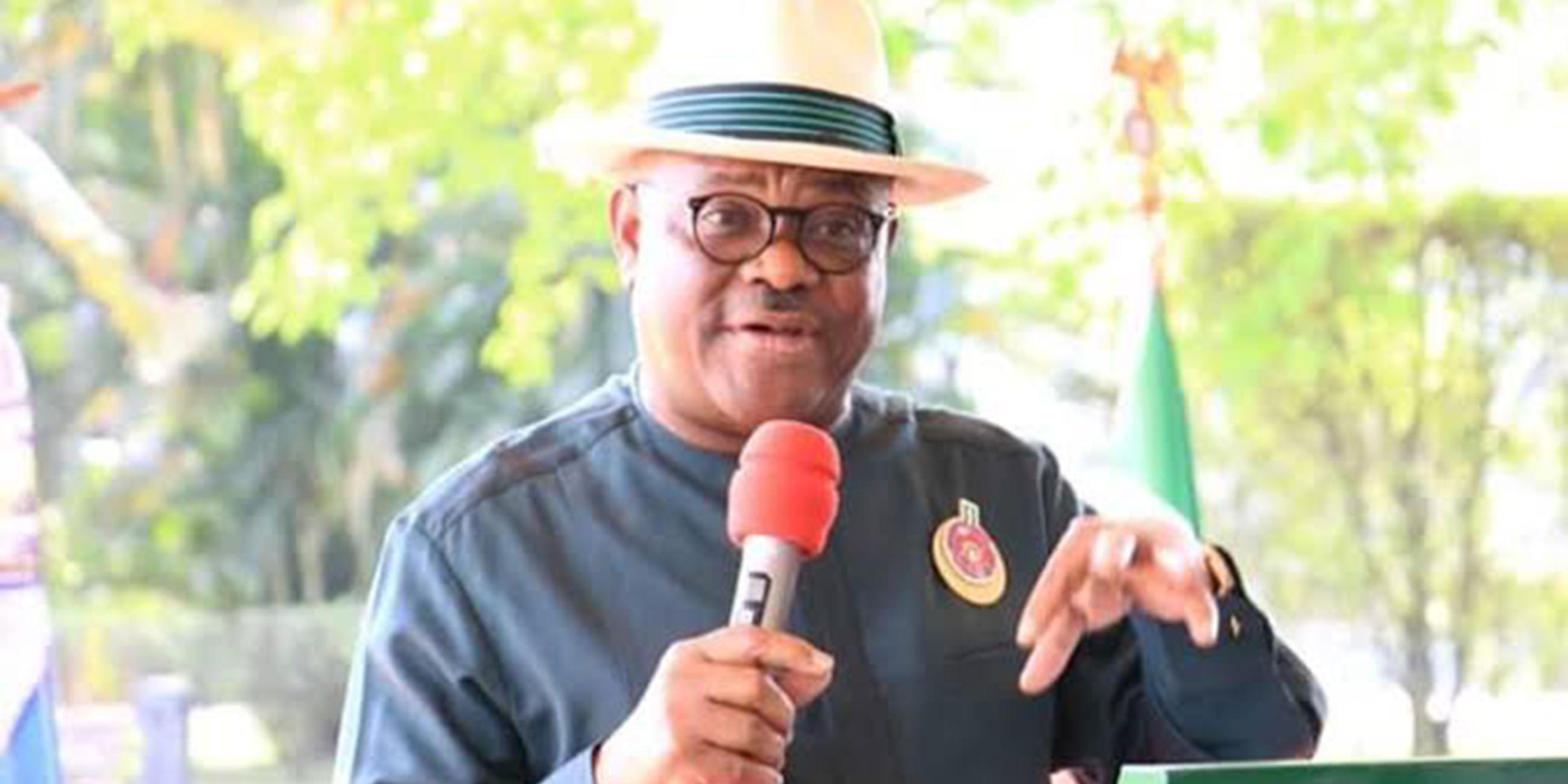
• Is Nyesom Wike Undermining APC from Inside Government? Why Rivers APC Leaders Are Urging Tinubu to Sanction the FCT Minister Over ‘Anti-Party’ Activities

    Why would leaders of the ruling All Progressives Congress (APC) publicly demand the removal of a sitting minister appointed by their own government? And is Nigeria witnessing one of the most serious internal party confrontations since the 2023 elections?

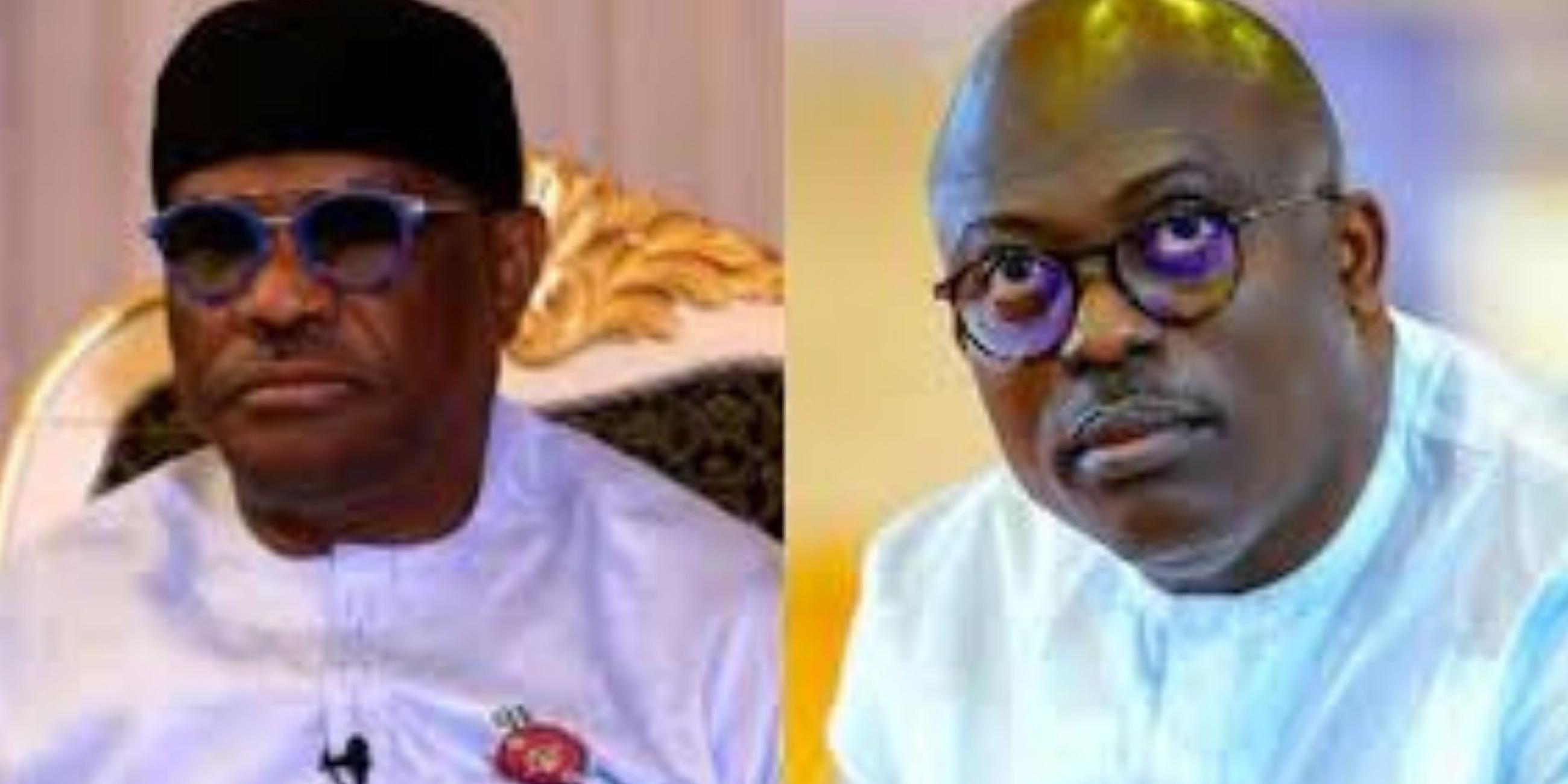
    A coalition of APC leaders has formally asked President Bola Tinubu to sanction or remove the Minister of the Federal Capital Territory (FCT), Nyesom Wike, accusing him of repeated anti-party conduct and statements that allegedly threaten national unity. The demand was conveyed in a memo addressed to the President through the APC National Chairman, Prof. Nentawe Yilwatda, and was accompanied by plans for a protest at the party’s national secretariat in Abuja.

    The signatories—including party chieftains and youth leaders—say their action was prompted by growing concern that Wike, a former Rivers State governor and still a member of the opposition Peoples Democratic Party (PDP), has consistently attacked APC leadership while serving in an APC-led federal government. Could a minister appointed from outside the ruling party be working at cross-purposes with the party that empowered him?

    At the heart of the dispute are comments allegedly made by Wike during a “thank-you tour” in Oyigbo, Rivers State, where he was said to have criticised the APC National Secretary, Senator Ajibola Basiru, accusing him of meddling in state politics for personal reasons and warning that those who interfere would “get their fingers burnt.” APC leaders argue that such remarks amount to direct disrespect for the party’s National Working Committee and an attempt by Wike to exert influence in Rivers State despite not being a registered APC member.

    The coalition further alleges that Wike has been undermining the APC-led government in Rivers State through persistent public attacks on Governor Siminalayi Fubara, reportedly calling his emergence a “mistake” and suggesting that the situation should be corrected in the 2027 elections. Are these political opinions—or a calculated strategy to weaken APC’s hold on Rivers State from within?

    Beyond party politics, the memo raises alarms over what it describes as “dangerous and inflammatory” statements, including claims attributed to Wike that “nobody can enter Rivers State.” The APC leaders warn that portraying any part of Nigeria as a “no-go area” challenges federal authority, risks reviving tensions in the Niger Delta, and could undermine the President’s constitutional role as Commander-in-Chief. Could such rhetoric threaten national cohesion at a time when unity remains fragile?

    The group insists that failure to act against the FCT Minister may deepen internal divisions, erode party discipline, and weaken APC’s electoral prospects in Rivers State. They have vowed to escalate their protests nationwide if their demand is ignored.

    Is this a necessary stand to defend party supremacy and national unity—or a dramatic political showdown that exposes deeper fractures within Nigeria’s ruling party? As the standoff unfolds, all eyes remain on President Tinubu and whether he will heed the call to sanction one of the most powerful political figures in the country.


    Is Nyesom Wike Undermining APC from Inside Government? Why Rivers APC Leaders Are Urging Tinubu to Sanction the FCT Minister Over ‘Anti-Party’ Activities Why would leaders of the ruling All Progressives Congress (APC) publicly demand the removal of a sitting minister appointed by their own government? And is Nigeria witnessing one of the most serious internal party confrontations since the 2023 elections? A coalition of APC leaders has formally asked President Bola Tinubu to sanction or remove the Minister of the Federal Capital Territory (FCT), Nyesom Wike, accusing him of repeated anti-party conduct and statements that allegedly threaten national unity. The demand was conveyed in a memo addressed to the President through the APC National Chairman, Prof. Nentawe Yilwatda, and was accompanied by plans for a protest at the party’s national secretariat in Abuja. The signatories—including party chieftains and youth leaders—say their action was prompted by growing concern that Wike, a former Rivers State governor and still a member of the opposition Peoples Democratic Party (PDP), has consistently attacked APC leadership while serving in an APC-led federal government. Could a minister appointed from outside the ruling party be working at cross-purposes with the party that empowered him? At the heart of the dispute are comments allegedly made by Wike during a “thank-you tour” in Oyigbo, Rivers State, where he was said to have criticised the APC National Secretary, Senator Ajibola Basiru, accusing him of meddling in state politics for personal reasons and warning that those who interfere would “get their fingers burnt.” APC leaders argue that such remarks amount to direct disrespect for the party’s National Working Committee and an attempt by Wike to exert influence in Rivers State despite not being a registered APC member. The coalition further alleges that Wike has been undermining the APC-led government in Rivers State through persistent public attacks on Governor Siminalayi Fubara, reportedly calling his emergence a “mistake” and suggesting that the situation should be corrected in the 2027 elections. Are these political opinions—or a calculated strategy to weaken APC’s hold on Rivers State from within? Beyond party politics, the memo raises alarms over what it describes as “dangerous and inflammatory” statements, including claims attributed to Wike that “nobody can enter Rivers State.” The APC leaders warn that portraying any part of Nigeria as a “no-go area” challenges federal authority, risks reviving tensions in the Niger Delta, and could undermine the President’s constitutional role as Commander-in-Chief. Could such rhetoric threaten national cohesion at a time when unity remains fragile? The group insists that failure to act against the FCT Minister may deepen internal divisions, erode party discipline, and weaken APC’s electoral prospects in Rivers State. They have vowed to escalate their protests nationwide if their demand is ignored. Is this a necessary stand to defend party supremacy and national unity—or a dramatic political showdown that exposes deeper fractures within Nigeria’s ruling party? As the standoff unfolds, all eyes remain on President Tinubu and whether he will heed the call to sanction one of the most powerful political figures in the country.
    0 Comments ·0 Shares ·177 Views
  • Rivers APC Rejects Impeachment of Governor Fubara Amid Political Crisis and PDP Pressure

    The All Progressives Congress (APC) in Rivers State has formally rejected ongoing impeachment moves against Governor Siminalayi Fubara and Deputy Governor Ngozi Oduh, warning that such action could destabilize the state and tarnish the party’s image. The impeachment effort, reportedly signed by 26 lawmakers, alleges gross misconduct by the state executive.

    In a statement, the Rivers APC acknowledged the legislature’s constitutional independence but stressed that it cannot support removing a governor elected on its platform. The party linked the impeachment threat to internal disputes within the Peoples Democratic Party (PDP) and cautioned against external pressures influencing APC lawmakers.

    The APC also addressed claims that the move was related to budgetary issues, highlighting that the ₦1.485 trillion budget for 2025–2026 had been approved and that the governor has constitutional leeway in its execution. The party urged lawmakers to discontinue the impeachment process to preserve governance, democracy, and political stability in Rivers State.

    The political tension follows a lingering rift between Governor Fubara and his predecessor, Nyesom Wike, which continues to polarize the state’s political landscape. APC officials have emphasized that leadership positions are tied to current officeholders, underscoring the party’s commitment to defending its elected executives and maintaining internal cohesion.

    This development adds to the ongoing narrative of political turbulence in Nigerian states, highlighting party loyalty, legislative tensions, and the complexities of state governance under partisan pressures.

    Rivers APC Rejects Impeachment of Governor Fubara Amid Political Crisis and PDP Pressure The All Progressives Congress (APC) in Rivers State has formally rejected ongoing impeachment moves against Governor Siminalayi Fubara and Deputy Governor Ngozi Oduh, warning that such action could destabilize the state and tarnish the party’s image. The impeachment effort, reportedly signed by 26 lawmakers, alleges gross misconduct by the state executive. In a statement, the Rivers APC acknowledged the legislature’s constitutional independence but stressed that it cannot support removing a governor elected on its platform. The party linked the impeachment threat to internal disputes within the Peoples Democratic Party (PDP) and cautioned against external pressures influencing APC lawmakers. The APC also addressed claims that the move was related to budgetary issues, highlighting that the ₦1.485 trillion budget for 2025–2026 had been approved and that the governor has constitutional leeway in its execution. The party urged lawmakers to discontinue the impeachment process to preserve governance, democracy, and political stability in Rivers State. The political tension follows a lingering rift between Governor Fubara and his predecessor, Nyesom Wike, which continues to polarize the state’s political landscape. APC officials have emphasized that leadership positions are tied to current officeholders, underscoring the party’s commitment to defending its elected executives and maintaining internal cohesion. This development adds to the ongoing narrative of political turbulence in Nigerian states, highlighting party loyalty, legislative tensions, and the complexities of state governance under partisan pressures.
    0 Comments ·0 Shares ·184 Views
  • Did Wike Admit Using the Judiciary for APC’s Political Battles? Why the FCT Minister Says He Helped Kill Osun’s LG Funds Case—and What It Means for Democracy in Nigeria

    Nigeria’s political space was thrown into controversy after Minister of the Federal Capital Territory (FCT), Nyesom Wike, openly claimed that he helped influential figures within the ruling All Progressives Congress (APC) use the judiciary to frustrate the Osun State local government funds lawsuit. Speaking in a video circulating online, Wike boasted that the court actions that led to the withholding of Osun’s local government allocations were not accidental but carefully engineered by powerful political actors working behind the scenes.

    Addressing a crowd in Port Harcourt, the former Rivers State governor accused APC National Secretary, Senator Ajibola Basiru, of enjoying the political benefits of judicial decisions against the Osun State Government without acknowledging those who made them possible. According to Wike, the lawsuit—widely viewed as targeting Governor Ademola Adeleke’s administration—was part of a broader political strategy rather than a purely legal process.

    Wike warned APC leaders against what he described as ingratitude, insisting that their current advantage in Osun was the result of unseen political manoeuvres. “Today, you are enjoying in Osun. You don’t know those who did the work,” he said, cautioning party leaders not to “take our support for Mr President for granted.” His remarks appeared to be a direct response to Basiru’s criticism of his involvement in Rivers State politics.

    The political clash follows Basiru’s demand that Wike resign as FCT minister, arguing that he is not a member of the APC and therefore has no standing to interfere in the party’s internal affairs. Basiru maintained that his comments were aimed at defending party structure and respecting sitting governors, adding that Wike’s response was inappropriate for a member of the Federal Executive Council.

    The controversy also reopens debate surrounding the Supreme Court’s December 2025 ruling on the Osun local government funds dispute. While the Court faulted the Federal Government for withholding funds, it also ruled that the Osun Attorney General lacked the authority to sue on behalf of the local councils without proper authorisation. A minority judgment, however, criticised the Federal Government’s action as harmful to local governance.

    Wike’s admission has triggered intense reactions across political and civil society circles, raising troubling questions about judicial independence, political influence over court processes, and the weaponisation of legal institutions for partisan gain. If court outcomes can be “worked out” through political connections, critics ask, what does this mean for democracy, federalism, and the rule of law in Nigeria?

    As tensions escalate between Wike and APC leadership, the episode underscores a deeper struggle over power, loyalty, and accountability within Nigeria’s political system—one that could reshape party alliances, governance in Osun and Rivers States, and public trust in the judiciary.


    Did Wike Admit Using the Judiciary for APC’s Political Battles? Why the FCT Minister Says He Helped Kill Osun’s LG Funds Case—and What It Means for Democracy in Nigeria Nigeria’s political space was thrown into controversy after Minister of the Federal Capital Territory (FCT), Nyesom Wike, openly claimed that he helped influential figures within the ruling All Progressives Congress (APC) use the judiciary to frustrate the Osun State local government funds lawsuit. Speaking in a video circulating online, Wike boasted that the court actions that led to the withholding of Osun’s local government allocations were not accidental but carefully engineered by powerful political actors working behind the scenes. Addressing a crowd in Port Harcourt, the former Rivers State governor accused APC National Secretary, Senator Ajibola Basiru, of enjoying the political benefits of judicial decisions against the Osun State Government without acknowledging those who made them possible. According to Wike, the lawsuit—widely viewed as targeting Governor Ademola Adeleke’s administration—was part of a broader political strategy rather than a purely legal process. Wike warned APC leaders against what he described as ingratitude, insisting that their current advantage in Osun was the result of unseen political manoeuvres. “Today, you are enjoying in Osun. You don’t know those who did the work,” he said, cautioning party leaders not to “take our support for Mr President for granted.” His remarks appeared to be a direct response to Basiru’s criticism of his involvement in Rivers State politics. The political clash follows Basiru’s demand that Wike resign as FCT minister, arguing that he is not a member of the APC and therefore has no standing to interfere in the party’s internal affairs. Basiru maintained that his comments were aimed at defending party structure and respecting sitting governors, adding that Wike’s response was inappropriate for a member of the Federal Executive Council. The controversy also reopens debate surrounding the Supreme Court’s December 2025 ruling on the Osun local government funds dispute. While the Court faulted the Federal Government for withholding funds, it also ruled that the Osun Attorney General lacked the authority to sue on behalf of the local councils without proper authorisation. A minority judgment, however, criticised the Federal Government’s action as harmful to local governance. Wike’s admission has triggered intense reactions across political and civil society circles, raising troubling questions about judicial independence, political influence over court processes, and the weaponisation of legal institutions for partisan gain. If court outcomes can be “worked out” through political connections, critics ask, what does this mean for democracy, federalism, and the rule of law in Nigeria? As tensions escalate between Wike and APC leadership, the episode underscores a deeper struggle over power, loyalty, and accountability within Nigeria’s political system—one that could reshape party alliances, governance in Osun and Rivers States, and public trust in the judiciary.
    0 Comments ·0 Shares ·115 Views
  • Rivers State House of Assembly Initiates Impeachment Proceedings Against Governor Fubara Amid Rift With Wike

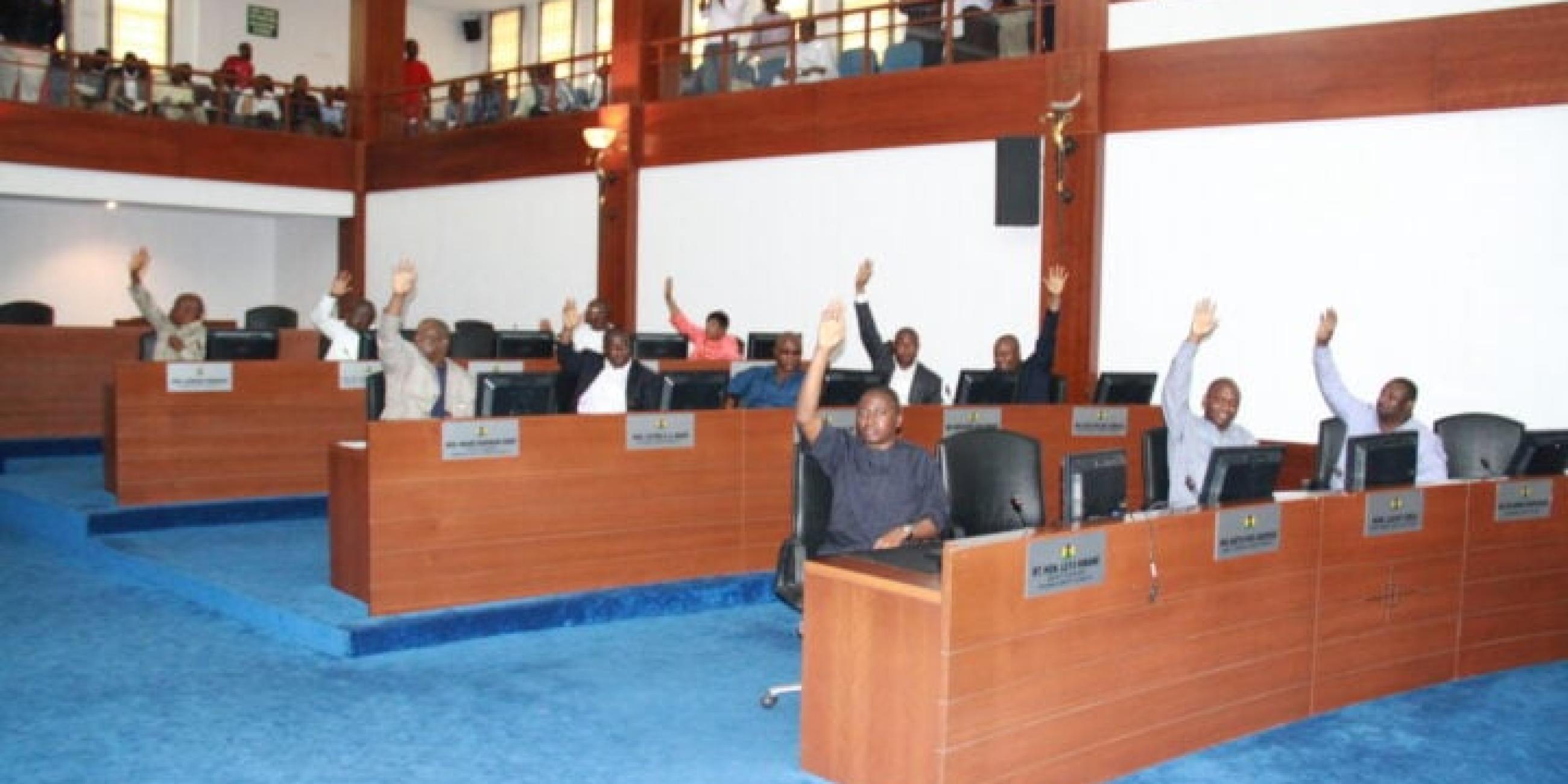
    The political landscape in Rivers State has taken a dramatic turn as the Rivers State House of Assembly formally began impeachment proceedings against Governor Siminalayi Fubara and his deputy, Ngozi Oduh. During a plenary session presided over by Speaker Martins Amaewhule, the Majority Leader, Major Jack, read a notice detailing allegations and claims of gross misconduct against Governor Fubara.

    A total of 26 lawmakers reportedly signed the notice, which they claim aligns with provisions of the Nigerian Constitution. The Speaker announced that the notice would be formally served to Governor Fubara within seven days, in line with legislative procedures. Similarly, Deputy Governor Oduh faces a separate notice read by Deputy Majority Leader Linda Stewart.

    The impeachment proceedings occur against the backdrop of a long-standing political rift between Governor Fubara and his predecessor and political mentor, Nyesom Wike, which continues to polarize Rivers State’s political structure. The All Progressives Congress (APC) emphasized that Wike’s potential involvement in the party would not override Fubara’s current office and leadership, underscoring the link between political roles and office-holding.

    The ongoing crisis highlights the tensions within the state’s political elite, raising questions about governance, party dynamics, and the stability of Rivers State’s administration. The situation remains fluid as the assembly moves forward with the impeachment process, which could significantly impact the state’s political alignment and future leadership.
    Rivers State House of Assembly Initiates Impeachment Proceedings Against Governor Fubara Amid Rift With Wike The political landscape in Rivers State has taken a dramatic turn as the Rivers State House of Assembly formally began impeachment proceedings against Governor Siminalayi Fubara and his deputy, Ngozi Oduh. During a plenary session presided over by Speaker Martins Amaewhule, the Majority Leader, Major Jack, read a notice detailing allegations and claims of gross misconduct against Governor Fubara. A total of 26 lawmakers reportedly signed the notice, which they claim aligns with provisions of the Nigerian Constitution. The Speaker announced that the notice would be formally served to Governor Fubara within seven days, in line with legislative procedures. Similarly, Deputy Governor Oduh faces a separate notice read by Deputy Majority Leader Linda Stewart. The impeachment proceedings occur against the backdrop of a long-standing political rift between Governor Fubara and his predecessor and political mentor, Nyesom Wike, which continues to polarize Rivers State’s political structure. The All Progressives Congress (APC) emphasized that Wike’s potential involvement in the party would not override Fubara’s current office and leadership, underscoring the link between political roles and office-holding. The ongoing crisis highlights the tensions within the state’s political elite, raising questions about governance, party dynamics, and the stability of Rivers State’s administration. The situation remains fluid as the assembly moves forward with the impeachment process, which could significantly impact the state’s political alignment and future leadership.
    0 Comments ·0 Shares ·145 Views
  • Will Wike Have to Bow to Fubara in APC? Why the Party Says the FCT Minister Must Follow Rivers Governor—and What This Power Shift Means for 2027 Politics

    Is Nyesom Wike’s political influence in Rivers State finally being clipped? If the Federal Capital Territory (FCT) Minister decides to join the All Progressives Congress (APC), will he really be forced to operate under his successor, Governor Siminalayi Fubara? And what does this internal power struggle reveal about the battle for 2027?

    The APC has made its position unmistakably clear: if Wike defects to the ruling party, he will not assume a dominant leadership role over the sitting Rivers State governor. According to the party’s Director of Information, Bala Ibrahim, leadership within the APC is tied strictly to current political office—not past power. While Wike would be “given a position” within the party, Ibrahim stressed that he would “certainly be under” Governor Fubara, who currently holds the highest elective office in Rivers State.

    Why such a firm stance? Ibrahim explained that political authority follows office, not personality. “When he was the governor, he was followed. Now that he’s not the governor, he must follow,” he said, underscoring that once a leader vacates a seat, they no longer retain its power. In other words, past influence cannot override present authority in the APC’s hierarchy.

    But is this just about party protocol—or something deeper? Reports suggest that Wike’s alleged efforts to undermine Fubara’s 2027 re-election bid have suffered a major blow. Several APC governors are said to have rallied behind Fubara, signaling growing support for the Rivers governor at the highest levels of the party. Party sources indicate that renewed tensions between the two men were triggered after top APC figures openly endorsed Fubara for a second term—an outcome Wike is reportedly opposed to.

    What changed inside the APC? Insiders say the party leadership has become increasingly impressed with Fubara’s governance style and development projects, earning him favor among key decision-makers. This apparent shift in loyalty is being interpreted as a strategic move to consolidate power around the sitting governor while weakening Wike’s influence in his home state.

    The conflict reportedly deepened when Wike’s allies attempted to push a preferred candidate for the Imo governorship without consulting the APC Governors’ Chairman, Governor Hope Uzodimma. Party officials claim this move backfired, prompting APC governors to close ranks around Fubara as part of a broader effort to curb Wike’s political reach. Some insiders even suggest that powerful figures within the Tinubu administration no longer see Wike as a favored ally.

    So what does this mean going forward? If Wike eventually joins the APC, he may find himself navigating a party structure where authority is no longer shaped by his past dominance but by current officeholders—chief among them Governor Fubara. The unfolding drama raises critical questions: Is Wike’s era of control in Rivers coming to an end? Will Fubara emerge as the undisputed political force ahead of 2027? And is the APC deliberately re-engineering power in Rivers to sideline one of Nigeria’s most formidable political figures?

    As endorsements mount and party leadership draws firm lines, one thing is clear: Rivers State politics is entering a decisive phase—and the outcome could reshape the state’s political landscape for years to come.
    Will Wike Have to Bow to Fubara in APC? Why the Party Says the FCT Minister Must Follow Rivers Governor—and What This Power Shift Means for 2027 Politics Is Nyesom Wike’s political influence in Rivers State finally being clipped? If the Federal Capital Territory (FCT) Minister decides to join the All Progressives Congress (APC), will he really be forced to operate under his successor, Governor Siminalayi Fubara? And what does this internal power struggle reveal about the battle for 2027? The APC has made its position unmistakably clear: if Wike defects to the ruling party, he will not assume a dominant leadership role over the sitting Rivers State governor. According to the party’s Director of Information, Bala Ibrahim, leadership within the APC is tied strictly to current political office—not past power. While Wike would be “given a position” within the party, Ibrahim stressed that he would “certainly be under” Governor Fubara, who currently holds the highest elective office in Rivers State. Why such a firm stance? Ibrahim explained that political authority follows office, not personality. “When he was the governor, he was followed. Now that he’s not the governor, he must follow,” he said, underscoring that once a leader vacates a seat, they no longer retain its power. In other words, past influence cannot override present authority in the APC’s hierarchy. But is this just about party protocol—or something deeper? Reports suggest that Wike’s alleged efforts to undermine Fubara’s 2027 re-election bid have suffered a major blow. Several APC governors are said to have rallied behind Fubara, signaling growing support for the Rivers governor at the highest levels of the party. Party sources indicate that renewed tensions between the two men were triggered after top APC figures openly endorsed Fubara for a second term—an outcome Wike is reportedly opposed to. What changed inside the APC? Insiders say the party leadership has become increasingly impressed with Fubara’s governance style and development projects, earning him favor among key decision-makers. This apparent shift in loyalty is being interpreted as a strategic move to consolidate power around the sitting governor while weakening Wike’s influence in his home state. The conflict reportedly deepened when Wike’s allies attempted to push a preferred candidate for the Imo governorship without consulting the APC Governors’ Chairman, Governor Hope Uzodimma. Party officials claim this move backfired, prompting APC governors to close ranks around Fubara as part of a broader effort to curb Wike’s political reach. Some insiders even suggest that powerful figures within the Tinubu administration no longer see Wike as a favored ally. So what does this mean going forward? If Wike eventually joins the APC, he may find himself navigating a party structure where authority is no longer shaped by his past dominance but by current officeholders—chief among them Governor Fubara. The unfolding drama raises critical questions: Is Wike’s era of control in Rivers coming to an end? Will Fubara emerge as the undisputed political force ahead of 2027? And is the APC deliberately re-engineering power in Rivers to sideline one of Nigeria’s most formidable political figures? As endorsements mount and party leadership draws firm lines, one thing is clear: Rivers State politics is entering a decisive phase—and the outcome could reshape the state’s political landscape for years to come.
    0 Comments ·0 Shares ·98 Views
  • What Will Be the End of Nyesom Wike? Analysis of His Political Influence and Future Prospects”

    In this incisive opinion piece, Pelumi Olajengbesi, Esq., examines the political trajectory and future of Nyesom Wike, one of Nigeria’s most influential and polarizing politicians. Wike, formerly instrumental in shaping the emergence of President Tinubu, has long dominated Rivers State politics, pushing aside rivals and asserting a near-absolute influence over his political domain. His style, a combination of strategic brilliance, territorial control, and relentless confrontation, has both earned him admiration and created friction with allies and the opposition alike.
    Wike’s political approach has been defined by territorial command—he defines the political space, punishes disloyalty, and keeps opponents uncertain. This method proved highly effective when he fully controlled Rivers politics, yet the shifting political terrain has begun to challenge his authority. The analysis highlights that when his former protégé, Governor Fubara, aligned with the APC, Wike’s influence began to face constraints, illustrating that political power dependent on perception and intimidation can be fragile.
    Olajengbesi notes that Wike’s predicament is heightened by his dual position as both a useful ally and an outsider within the ruling party. While his support for Tinubu and his ability to destabilize opposition calculations have made him relevant at the federal level, his independence and confrontational style are increasingly perceived as a threat to party discipline and structure. As the ruling party prepares for the next political cycle, Wike’s influence risks erosion if it continues to undermine institutional hierarchy.
    The opinion piece predicts several possible outcomes for Wike: gradual isolation, where his access and influence diminish quietly; neutralisation, where he retains office but loses political leverage; or forced realignment, requiring him to fully submit to party structures, sacrificing the independence that has defined his political brand. However, Wike’s experience and strategic acumen suggest he may yet adapt, potentially transitioning from territorial dominance to coalition management, balancing influence with accommodation.
    Ultimately, Olajengbesi portrays Wike as a fascinating case study of power, strategy, and political survival, highlighting that his future depends not only on strength but on his capacity to navigate institutional politics without alienating the structures that sustain it. The piece underscores that in Nigerian politics, influence without institutional belonging is potent but precarious, and Wike’s next moves will determine whether his story ends in decline or reinvention.
    What Will Be the End of Nyesom Wike? Analysis of His Political Influence and Future Prospects” In this incisive opinion piece, Pelumi Olajengbesi, Esq., examines the political trajectory and future of Nyesom Wike, one of Nigeria’s most influential and polarizing politicians. Wike, formerly instrumental in shaping the emergence of President Tinubu, has long dominated Rivers State politics, pushing aside rivals and asserting a near-absolute influence over his political domain. His style, a combination of strategic brilliance, territorial control, and relentless confrontation, has both earned him admiration and created friction with allies and the opposition alike. Wike’s political approach has been defined by territorial command—he defines the political space, punishes disloyalty, and keeps opponents uncertain. This method proved highly effective when he fully controlled Rivers politics, yet the shifting political terrain has begun to challenge his authority. The analysis highlights that when his former protégé, Governor Fubara, aligned with the APC, Wike’s influence began to face constraints, illustrating that political power dependent on perception and intimidation can be fragile. Olajengbesi notes that Wike’s predicament is heightened by his dual position as both a useful ally and an outsider within the ruling party. While his support for Tinubu and his ability to destabilize opposition calculations have made him relevant at the federal level, his independence and confrontational style are increasingly perceived as a threat to party discipline and structure. As the ruling party prepares for the next political cycle, Wike’s influence risks erosion if it continues to undermine institutional hierarchy. The opinion piece predicts several possible outcomes for Wike: gradual isolation, where his access and influence diminish quietly; neutralisation, where he retains office but loses political leverage; or forced realignment, requiring him to fully submit to party structures, sacrificing the independence that has defined his political brand. However, Wike’s experience and strategic acumen suggest he may yet adapt, potentially transitioning from territorial dominance to coalition management, balancing influence with accommodation. Ultimately, Olajengbesi portrays Wike as a fascinating case study of power, strategy, and political survival, highlighting that his future depends not only on strength but on his capacity to navigate institutional politics without alienating the structures that sustain it. The piece underscores that in Nigerian politics, influence without institutional belonging is potent but precarious, and Wike’s next moves will determine whether his story ends in decline or reinvention.
    0 Comments ·0 Shares ·131 Views
  • Breaking: FCT Minister Nyesom Wike Reaffirms Support for President Tinubu Amid Rivers APC Clash Ahead of 2027 Elections

    FCT Minister Nyesom Wike has declared his unwavering support for President Bola Ahmed Tinubu ahead of the 2027 general election, emphasizing that his political structure in Rivers State is fully committed to the President. Wike made the statement on January 6, 2026, during ongoing consultations across local government areas in Rivers State. His declaration comes amid a public clash with APC National Secretary Ajibola Basiru over party influence and local politics. Wike warned against interference in Rivers State, calling it a “no-go area” for outsiders. The tensions reflect deep divisions within the APC, particularly following Governor Siminalayi Fubara’s defection from the PDP to the ruling party. Despite these challenges, Wike affirmed that his loyalty to Tinubu remains non-negotiable, reinforcing his influence over grassroots structures in Rivers State as a key factor in the party’s electoral strategy.

    #NyesomWike #BolaTinubu #APC #RiversStatePolitics #2027Elections #PoliticalTensions #FCTMinister #NigeriaPolitics
    Breaking: FCT Minister Nyesom Wike Reaffirms Support for President Tinubu Amid Rivers APC Clash Ahead of 2027 Elections FCT Minister Nyesom Wike has declared his unwavering support for President Bola Ahmed Tinubu ahead of the 2027 general election, emphasizing that his political structure in Rivers State is fully committed to the President. Wike made the statement on January 6, 2026, during ongoing consultations across local government areas in Rivers State. His declaration comes amid a public clash with APC National Secretary Ajibola Basiru over party influence and local politics. Wike warned against interference in Rivers State, calling it a “no-go area” for outsiders. The tensions reflect deep divisions within the APC, particularly following Governor Siminalayi Fubara’s defection from the PDP to the ruling party. Despite these challenges, Wike affirmed that his loyalty to Tinubu remains non-negotiable, reinforcing his influence over grassroots structures in Rivers State as a key factor in the party’s electoral strategy. #NyesomWike #BolaTinubu #APC #RiversStatePolitics #2027Elections #PoliticalTensions #FCTMinister #NigeriaPolitics
    0 Comments ·0 Shares ·282 Views
  • Abuja Health Centre in Kuje Left in Ruins for Years, Linked to Childbirth Deaths as Residents Urge FCT Minister Nyesom Wike to Intervene

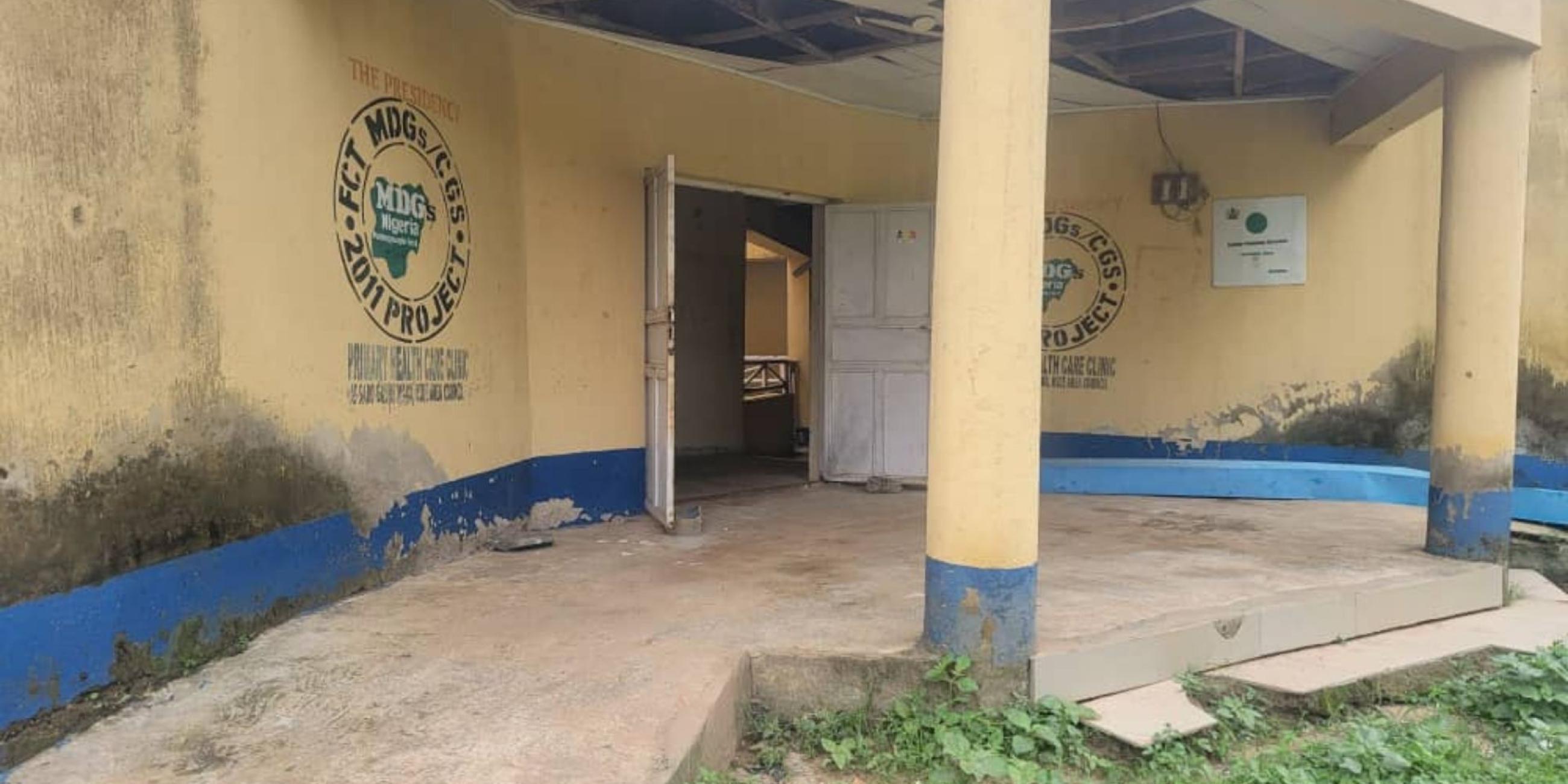
    Residents of Sabo community in Kuje Area Council, Abuja, have raised alarm over the prolonged neglect of their only primary healthcare facility, linking its dilapidated condition to preventable maternal deaths. The Sabo Primary Health Care Centre, which serves an estimated 7,200 people, has been largely non-functional for years, severely limiting access to basic and emergency medical services, particularly for pregnant women.

    According to Tracka, BudgIT’s public expenditure tracking platform, the centre’s infrastructure has collapsed, with damaged roofs and ceilings, wards without beds, and a complete lack of drugs and essential medical equipment. The facility has reportedly remained abandoned and vandalised for nearly seven years, forcing residents to depend on local chemists and unqualified alternatives for treatment. Community members disclosed that several women have died during childbirth due to the absence of functional maternal healthcare services.

    In response, Tracka and affected residents have appealed directly to FCT Minister Nyesom Wike, alongside Senator Ireti Kingibe and Hon. Abdullahi Sabo, urging them to prioritise the reconstruction, equipping, and staffing of the centre. They stressed that restoring the facility is critical to safeguarding public health, reducing maternal mortality, and ensuring that vulnerable residents can access lifesaving medical care within their community.
    Abuja Health Centre in Kuje Left in Ruins for Years, Linked to Childbirth Deaths as Residents Urge FCT Minister Nyesom Wike to Intervene Residents of Sabo community in Kuje Area Council, Abuja, have raised alarm over the prolonged neglect of their only primary healthcare facility, linking its dilapidated condition to preventable maternal deaths. The Sabo Primary Health Care Centre, which serves an estimated 7,200 people, has been largely non-functional for years, severely limiting access to basic and emergency medical services, particularly for pregnant women. According to Tracka, BudgIT’s public expenditure tracking platform, the centre’s infrastructure has collapsed, with damaged roofs and ceilings, wards without beds, and a complete lack of drugs and essential medical equipment. The facility has reportedly remained abandoned and vandalised for nearly seven years, forcing residents to depend on local chemists and unqualified alternatives for treatment. Community members disclosed that several women have died during childbirth due to the absence of functional maternal healthcare services. In response, Tracka and affected residents have appealed directly to FCT Minister Nyesom Wike, alongside Senator Ireti Kingibe and Hon. Abdullahi Sabo, urging them to prioritise the reconstruction, equipping, and staffing of the centre. They stressed that restoring the facility is critical to safeguarding public health, reducing maternal mortality, and ensuring that vulnerable residents can access lifesaving medical care within their community.
    0 Comments ·0 Shares ·117 Views
  • APC National Secretary Basiru Tells FCT Minister Wike to Resign Over Rivers State Politics Interference

    Senator Ajibola Basiru, National Secretary of the All Progressives Congress (APC), has called on FCT Minister Nyesom Wike to resign immediately, accusing him of meddling in Rivers State politics while serving in an APC-led government.

    Basiru argued that Wike, a non-APC member, has no right to interfere in the party’s affairs and dismissed allegations of corruption involving Rivers APC as “cheap blackmail.” He described Wike’s actions as an attempt to import PDP-style politics into the APC and destabilize party structures.

    The APC secretary emphasized that peaceful party operations must be respected and warned that continued interference could lead to legal action. Basiru stressed that Wike’s support for President Tinubu does not confer APC membership and reiterated that party governance should remain free from external disruption.
    APC National Secretary Basiru Tells FCT Minister Wike to Resign Over Rivers State Politics Interference Senator Ajibola Basiru, National Secretary of the All Progressives Congress (APC), has called on FCT Minister Nyesom Wike to resign immediately, accusing him of meddling in Rivers State politics while serving in an APC-led government. Basiru argued that Wike, a non-APC member, has no right to interfere in the party’s affairs and dismissed allegations of corruption involving Rivers APC as “cheap blackmail.” He described Wike’s actions as an attempt to import PDP-style politics into the APC and destabilize party structures. The APC secretary emphasized that peaceful party operations must be respected and warned that continued interference could lead to legal action. Basiru stressed that Wike’s support for President Tinubu does not confer APC membership and reiterated that party governance should remain free from external disruption.
    0 Comments ·0 Shares ·222 Views
  • Police Arrest Port Harcourt Pastor Over Alleged Plot to Assassinate FCT Minister Wike, Hunt Underway for Ex-Rivers SSG

    Security operatives from the Inspector-General of Police Intelligence Response Team (IRT) have detained Dr. Tombari Joseph Gbeneol, a medical doctor and pastor of Life Forte Chapel Church in Port Harcourt, over an alleged plan to assassinate FCT Minister Nyesom Wike.

    The arrest followed the interception of a phone call between Gbeneol and former Rivers State Secretary to the Government (SSG), Dr. Tammy Danagogo, in which they allegedly discussed hiring Israeli nationals to carry out the assassination and seeking funding from Governor Siminalayi Fubara.

    Police confirmed Gbeneol is in custody, with investigations ongoing. Authorities are still searching for Danagogo, who reportedly went underground after the plot was uncovered. Security sources described the case as a grave national security threat.
    Police Arrest Port Harcourt Pastor Over Alleged Plot to Assassinate FCT Minister Wike, Hunt Underway for Ex-Rivers SSG Security operatives from the Inspector-General of Police Intelligence Response Team (IRT) have detained Dr. Tombari Joseph Gbeneol, a medical doctor and pastor of Life Forte Chapel Church in Port Harcourt, over an alleged plan to assassinate FCT Minister Nyesom Wike. The arrest followed the interception of a phone call between Gbeneol and former Rivers State Secretary to the Government (SSG), Dr. Tammy Danagogo, in which they allegedly discussed hiring Israeli nationals to carry out the assassination and seeking funding from Governor Siminalayi Fubara. Police confirmed Gbeneol is in custody, with investigations ongoing. Authorities are still searching for Danagogo, who reportedly went underground after the plot was uncovered. Security sources described the case as a grave national security threat.
    0 Comments ·0 Shares ·207 Views
  • FCT Minister Wike Warns APC National Secretary Basiru Against Meddling in Rivers State Politics

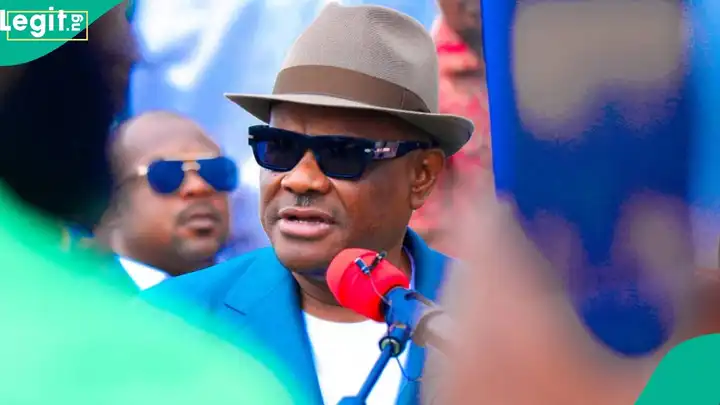
    Federal Capital Territory (FCT) Minister Nyesom Wike has threatened APC National Secretary Ajibola Basiru, warning him to stop interfering in Rivers State politics. Speaking at a rally in Oyigbo, Wike accused Basiru of commenting on matters outside his jurisdiction, particularly concerning the N600 billion funds in Rivers State.

    Wike cautioned Basiru against taking Rivers State’s support for President Bola Tinubu for granted and threatened to brief the President about the issue. He emphasized that anyone interfering with Rivers State affairs would face consequences, stating, “Anything you see, take it.”

    The tension follows Basiru’s earlier criticism of an APC official who referred to Rivers Governor Siminalayi Fubara as a “so-called governor,” noting that elected offices must be respected regardless of political differences. Wike, however, remains determined to prevent Fubara from securing a second term in office.
    FCT Minister Wike Warns APC National Secretary Basiru Against Meddling in Rivers State Politics Federal Capital Territory (FCT) Minister Nyesom Wike has threatened APC National Secretary Ajibola Basiru, warning him to stop interfering in Rivers State politics. Speaking at a rally in Oyigbo, Wike accused Basiru of commenting on matters outside his jurisdiction, particularly concerning the N600 billion funds in Rivers State. Wike cautioned Basiru against taking Rivers State’s support for President Bola Tinubu for granted and threatened to brief the President about the issue. He emphasized that anyone interfering with Rivers State affairs would face consequences, stating, “Anything you see, take it.” The tension follows Basiru’s earlier criticism of an APC official who referred to Rivers Governor Siminalayi Fubara as a “so-called governor,” noting that elected offices must be respected regardless of political differences. Wike, however, remains determined to prevent Fubara from securing a second term in office.
    0 Comments ·0 Shares ·239 Views
  • PRESIDENT TINUBU NOMINATES BOARD MEMBERS FOR NMDPRA, NUPRC, SEEKS SENATE CONFIRMATION

    President Bola Ahmed Tinubu has written two letters to the Senate, seeking confirmation of 21 nominees for the boards of the Nigerian Midstream and Downstream Petroleum Regulatory Authority (NMDPRA) and the Nigerian Upstream Petroleum Regulatory Commission (NUPRC).

    A statement by Bayo Onanuga, special Adviser to the President, Information & Strategy, indicates that in the first letter, President Tinubu nominated Senator Magnus Abe to serve as the NUPRC board chair. Abe, who represented Rivers South East in the Senate for two terms, is a former NNPC board member and current chairman of the National Agency of the Great Green Wall.

    Other nominees for the NUPRC board are Engineer Paul Yaro Jezhi, a former Trade Union Congress chairman in Kaduna, and Mr Sunday Adebayo Babalola, a former deputy director of the Department of Petroleum Resources (DPR), which was abolished by the PIA in 2021. Both men will serve as non-executive commissioners.

    President Tinubu also nominated executive commissioners to the board.

    They are: Muhammed Sabo Lamido, executive commissioner for finance; Mr Edu Inyang, executive commissioner for Exploration and Acreage; Justin Ezeala, executive commissioner for economic regulation and strategic planning; and Henry Darlington Oki, executive commissioner for Development and Production. Others are Indabawa Bashari Alka, executive commissioner for corporate services and administration; Mahmood Tijani, executive commissioner for health, safety and environment; and Ms Olayemi Adeboyejo, as secretary and legal adviser.

    Former President Buhari appointed Lamido and Adeboyejo in 2022, while President Tinubu appointed Alka in 2023. Inyang, Ezeala, the former managing director of Nigerian Gas Marketing Limited, Mahmood Tijani, Babalola and Jezhi are new appointees of President Tinubu.

    In his second letter to the Senate, President Tinubu nominated Mr Adegbite Ebiowei Adeniji, a lawyer, as chairman of the NMDPRA board. Adeniji has over 30 years of experience in energy and natural resources issues. He was a special technical adviser to the Minister of State for Petroleum on upstream and gas until 2018. He was a member of the Oil & Gas Policy team at the World Bank, which advised the Government of Nigeria on the reform and restructuring of the petroleum sector, including the development of the Strategic Gas Plan for Nigeria. He is currently the managing partner at ENR Advisory.

    President Tinubu also nominated Chief Kenneth Kobani and Mrs Asabe Ahmed as non-executive members. Kobani was a former minister of state for trade under President Jonathan and secretary to the government of Rivers State, under Nyesom Wike.

    Also nominated for confirmation are Abiodun Adeniji, executive director of finance; Francis Ogaree, executive director of hydrocarbon; Oluwole Adama, executive director of midstream and Downstream gas infrastructure; and Dr Mustapha Lamorde, executive director of Corporate Services and Administration. President Tinubu appointed Adama in 2024, while late President Buhari appointed Lamorde and Adeniji in 2021 and Ogaree in 2022

    Other members of the NMDPRA board, as proposed by President Tinubu, are Mr Yahaya Nasamu Yinusa, executive director, distribution systems; Adeyemi Murtala Aminu, executive director, corporate services; Ms Modie Ogechukwu, executive director, economic regulation and strategic planning; and Barrister Olawale Dawodu, as board secretary and legal adviser. Dawodu is an industry player and was, at a time, the Financial Reporting Manager at Exxon Nigerian subsidiaries.

    The President urged the Senate to approve the nominees expeditiously.

    The requests followed the recent appointment of chief executive officers for the two regulatory agencies. The Senate confirmed Oritsemeyiwa Eyesan as the chief executive officer (CEO) of the Nigerian Upstream Petroleum Regulatory Commission (NUPRC) and Engineer Saidu Aliyu Mohammed as CEO of NMDPRA.

    Mr President has charged all the appointees and nominees to discharge their duties and responsibilities professionally as regulators of the oil and gas sectors.
    PRESIDENT TINUBU NOMINATES BOARD MEMBERS FOR NMDPRA, NUPRC, SEEKS SENATE CONFIRMATION President Bola Ahmed Tinubu has written two letters to the Senate, seeking confirmation of 21 nominees for the boards of the Nigerian Midstream and Downstream Petroleum Regulatory Authority (NMDPRA) and the Nigerian Upstream Petroleum Regulatory Commission (NUPRC). A statement by Bayo Onanuga, special Adviser to the President, Information & Strategy, indicates that in the first letter, President Tinubu nominated Senator Magnus Abe to serve as the NUPRC board chair. Abe, who represented Rivers South East in the Senate for two terms, is a former NNPC board member and current chairman of the National Agency of the Great Green Wall. Other nominees for the NUPRC board are Engineer Paul Yaro Jezhi, a former Trade Union Congress chairman in Kaduna, and Mr Sunday Adebayo Babalola, a former deputy director of the Department of Petroleum Resources (DPR), which was abolished by the PIA in 2021. Both men will serve as non-executive commissioners. President Tinubu also nominated executive commissioners to the board. They are: Muhammed Sabo Lamido, executive commissioner for finance; Mr Edu Inyang, executive commissioner for Exploration and Acreage; Justin Ezeala, executive commissioner for economic regulation and strategic planning; and Henry Darlington Oki, executive commissioner for Development and Production. Others are Indabawa Bashari Alka, executive commissioner for corporate services and administration; Mahmood Tijani, executive commissioner for health, safety and environment; and Ms Olayemi Adeboyejo, as secretary and legal adviser. Former President Buhari appointed Lamido and Adeboyejo in 2022, while President Tinubu appointed Alka in 2023. Inyang, Ezeala, the former managing director of Nigerian Gas Marketing Limited, Mahmood Tijani, Babalola and Jezhi are new appointees of President Tinubu. In his second letter to the Senate, President Tinubu nominated Mr Adegbite Ebiowei Adeniji, a lawyer, as chairman of the NMDPRA board. Adeniji has over 30 years of experience in energy and natural resources issues. He was a special technical adviser to the Minister of State for Petroleum on upstream and gas until 2018. He was a member of the Oil & Gas Policy team at the World Bank, which advised the Government of Nigeria on the reform and restructuring of the petroleum sector, including the development of the Strategic Gas Plan for Nigeria. He is currently the managing partner at ENR Advisory. President Tinubu also nominated Chief Kenneth Kobani and Mrs Asabe Ahmed as non-executive members. Kobani was a former minister of state for trade under President Jonathan and secretary to the government of Rivers State, under Nyesom Wike. Also nominated for confirmation are Abiodun Adeniji, executive director of finance; Francis Ogaree, executive director of hydrocarbon; Oluwole Adama, executive director of midstream and Downstream gas infrastructure; and Dr Mustapha Lamorde, executive director of Corporate Services and Administration. President Tinubu appointed Adama in 2024, while late President Buhari appointed Lamorde and Adeniji in 2021 and Ogaree in 2022 Other members of the NMDPRA board, as proposed by President Tinubu, are Mr Yahaya Nasamu Yinusa, executive director, distribution systems; Adeyemi Murtala Aminu, executive director, corporate services; Ms Modie Ogechukwu, executive director, economic regulation and strategic planning; and Barrister Olawale Dawodu, as board secretary and legal adviser. Dawodu is an industry player and was, at a time, the Financial Reporting Manager at Exxon Nigerian subsidiaries. The President urged the Senate to approve the nominees expeditiously. The requests followed the recent appointment of chief executive officers for the two regulatory agencies. The Senate confirmed Oritsemeyiwa Eyesan as the chief executive officer (CEO) of the Nigerian Upstream Petroleum Regulatory Commission (NUPRC) and Engineer Saidu Aliyu Mohammed as CEO of NMDPRA. Mr President has charged all the appointees and nominees to discharge their duties and responsibilities professionally as regulators of the oil and gas sectors.
    0 Comments ·0 Shares ·172 Views
  • EFCC Rejects Bala Mohammed’s Persecution Claims, Insists Bauchi Corruption Probe Is Lawful and Not Driven by FCT Minister Nyesom Wike

    The Economic and Financial Crimes Commission (EFCC) has strongly dismissed allegations by Bauchi State Governor, Bala Mohammed, that he is being politically persecuted through the agency at the instigation of the Minister of the Federal Capital Territory, Nyesom Wike. The anti-graft body described the claims as baseless, mischievous and far-fetched, insisting that it operates independently and without political influence.

    In a statement issued on Friday, the EFCC said it was wrong and derogatory for the governor to link its investigative activities in Bauchi State to Wike or any other political office holder. The commission stressed that it is a non-partisan institution mandated by law to fight economic and financial crimes, and that no politician has the power to dictate its operations.

    The EFCC further pointed out that Governor Mohammed had faced money laundering charges before assuming office in 2019, noting that only the constitutional immunity attached to his position as governor suspended the case. It questioned who influenced the commission to investigate and prosecute him in 2016, arguing that the current allegations of persecution were misleading.

    On the ongoing case involving some Bauchi State officials, the commission maintained that the matter is already before the court and based on evidence gathered through what it described as painstaking investigation. It urged Nigerians to examine the court filings themselves to determine whether the case is motivated by vendetta or supported by facts, adding that Mohammed is mentioned in the charges because he was the approving authority in the state.

    The EFCC also dismissed the governor’s denial of alleged links between Bauchi officials and terrorism financing, describing such claims as a distraction and “crying wolf.” It accused politicians across party lines of hypocrisy, noting that opposition figures often cry persecution when called to account but remain silent when members of the ruling party face corruption charges.

    Concluding its statement, the EFCC advised Governor Mohammed to focus on governance rather than attacking the agency, while reaffirming its commitment to cleaning Nigeria’s financial system in line with its statutory mandate.
    EFCC Rejects Bala Mohammed’s Persecution Claims, Insists Bauchi Corruption Probe Is Lawful and Not Driven by FCT Minister Nyesom Wike The Economic and Financial Crimes Commission (EFCC) has strongly dismissed allegations by Bauchi State Governor, Bala Mohammed, that he is being politically persecuted through the agency at the instigation of the Minister of the Federal Capital Territory, Nyesom Wike. The anti-graft body described the claims as baseless, mischievous and far-fetched, insisting that it operates independently and without political influence. In a statement issued on Friday, the EFCC said it was wrong and derogatory for the governor to link its investigative activities in Bauchi State to Wike or any other political office holder. The commission stressed that it is a non-partisan institution mandated by law to fight economic and financial crimes, and that no politician has the power to dictate its operations. The EFCC further pointed out that Governor Mohammed had faced money laundering charges before assuming office in 2019, noting that only the constitutional immunity attached to his position as governor suspended the case. It questioned who influenced the commission to investigate and prosecute him in 2016, arguing that the current allegations of persecution were misleading. On the ongoing case involving some Bauchi State officials, the commission maintained that the matter is already before the court and based on evidence gathered through what it described as painstaking investigation. It urged Nigerians to examine the court filings themselves to determine whether the case is motivated by vendetta or supported by facts, adding that Mohammed is mentioned in the charges because he was the approving authority in the state. The EFCC also dismissed the governor’s denial of alleged links between Bauchi officials and terrorism financing, describing such claims as a distraction and “crying wolf.” It accused politicians across party lines of hypocrisy, noting that opposition figures often cry persecution when called to account but remain silent when members of the ruling party face corruption charges. Concluding its statement, the EFCC advised Governor Mohammed to focus on governance rather than attacking the agency, while reaffirming its commitment to cleaning Nigeria’s financial system in line with its statutory mandate.
    0 Comments ·0 Shares ·206 Views
  • Bauchi Governor Bala Mohammed Claims Immunity Protects Him from Questioning, Even If He Were a Terrorist, Amid EFCC Probe

    Bauchi State Governor Bala Mohammed sparked debate after stating in an interview that, as a sitting governor, he cannot be questioned—even if he were involved in terrorism—due to his constitutional immunity. The remark came amid the prosecution of his Finance Commissioner, Yakubu Adamu, by the EFCC over alleged terrorism financing totaling $9.7 million.

    Governor Bala alleged that the FCT Minister, Nyesom Wike, and unnamed federal officials are using state institutions to pressure him to join the ruling APC ahead of the 2027 elections. He rejected defection, criticized political persecution, and called for accountability in federal institutions. Nigerians reacted strongly online, with many questioning the limits of governors’ immunity and calling for greater transparency and accountability.
    Bauchi Governor Bala Mohammed Claims Immunity Protects Him from Questioning, Even If He Were a Terrorist, Amid EFCC Probe Bauchi State Governor Bala Mohammed sparked debate after stating in an interview that, as a sitting governor, he cannot be questioned—even if he were involved in terrorism—due to his constitutional immunity. The remark came amid the prosecution of his Finance Commissioner, Yakubu Adamu, by the EFCC over alleged terrorism financing totaling $9.7 million. Governor Bala alleged that the FCT Minister, Nyesom Wike, and unnamed federal officials are using state institutions to pressure him to join the ruling APC ahead of the 2027 elections. He rejected defection, criticized political persecution, and called for accountability in federal institutions. Nigerians reacted strongly online, with many questioning the limits of governors’ immunity and calling for greater transparency and accountability.
    0 Comments ·0 Shares ·264 Views
  • Face Your Problems, I Have No Business In It’, Wike Replies Gov Mohammed
    Wike distanced himself from the prosecution of some of Governor Mohammed’s cabinet members by the EFCC, insisting that law enforcement actions should not be politicised.
    The Minister of the Federal Capital Territory, Nyesom Wike, has responded to an allegation by the Bauchi State Governor, Bala Mohammed, that he is behind a plot to ruin his name.
    Face Your Problems, I Have No Business In It’, Wike Replies Gov Mohammed Wike distanced himself from the prosecution of some of Governor Mohammed’s cabinet members by the EFCC, insisting that law enforcement actions should not be politicised. The Minister of the Federal Capital Territory, Nyesom Wike, has responded to an allegation by the Bauchi State Governor, Bala Mohammed, that he is behind a plot to ruin his name.
    0 Comments ·0 Shares ·175 Views
  • Bauchi Governor Bala Mohammed Accuses FCT Minister Nyesom Wike of Plot to Destabilise Bauchi, Says Tinubu Is Surrounded by “Hooligans and Charlatans” Amid Alleged Political Victimisation

    Bauchi State Governor, Bala Mohammed, has accused the Federal Government and the Minister of the Federal Capital Territory (FCT), Nyesom Wike, of orchestrating a coordinated campaign of political victimisation, intimidation, and abuse of state institutions aimed at destroying his political career.

    Speaking during an interview on Channels Television, the governor alleged that Wike was actively influencing security agencies and anti-corruption institutions, including the Economic and Financial Crimes Commission (EFCC), to target him and officials in his administration. Mohammed claimed that petitions, court processes, and security actions against his government were politically motivated and designed to tarnish his reputation, force political alignment, or neutralise him as a perceived threat.

    The governor further alleged that Wike had threatened to “put fire” in Bauchi State, accusing him of bribing people, manipulating institutions, and selling influence. He said intelligence from within the EFCC suggested that documents and petitions were deliberately orchestrated to implicate his Commissioner for Finance and cast suspicion on his government.

    Mohammed described the actions as a violation of his fundamental human rights and said he had written to the Attorney General of the Federation and other agencies, warning that he would escalate the matter to the international community. He stated that he was seeking protection against what he termed “reckless” political persecution.

    In a sharp rebuke of the presidency, the Bauchi governor said President Bola Tinubu was surrounded by “hooligans and charlatans” determined to destroy opposition figures. He also accused Wike of being a destabilising force within the Peoples Democratic Party (PDP), alleging divided loyalties and describing him as an “undertaker” of the opposition party.

    Mohammed warned that the alleged impunity within the ruling circle poses a serious threat to democracy, accountability, and political stability in Nigeria, insisting that unchecked abuse of power would have grave consequences for the country.
    Bauchi Governor Bala Mohammed Accuses FCT Minister Nyesom Wike of Plot to Destabilise Bauchi, Says Tinubu Is Surrounded by “Hooligans and Charlatans” Amid Alleged Political Victimisation Bauchi State Governor, Bala Mohammed, has accused the Federal Government and the Minister of the Federal Capital Territory (FCT), Nyesom Wike, of orchestrating a coordinated campaign of political victimisation, intimidation, and abuse of state institutions aimed at destroying his political career. Speaking during an interview on Channels Television, the governor alleged that Wike was actively influencing security agencies and anti-corruption institutions, including the Economic and Financial Crimes Commission (EFCC), to target him and officials in his administration. Mohammed claimed that petitions, court processes, and security actions against his government were politically motivated and designed to tarnish his reputation, force political alignment, or neutralise him as a perceived threat. The governor further alleged that Wike had threatened to “put fire” in Bauchi State, accusing him of bribing people, manipulating institutions, and selling influence. He said intelligence from within the EFCC suggested that documents and petitions were deliberately orchestrated to implicate his Commissioner for Finance and cast suspicion on his government. Mohammed described the actions as a violation of his fundamental human rights and said he had written to the Attorney General of the Federation and other agencies, warning that he would escalate the matter to the international community. He stated that he was seeking protection against what he termed “reckless” political persecution. In a sharp rebuke of the presidency, the Bauchi governor said President Bola Tinubu was surrounded by “hooligans and charlatans” determined to destroy opposition figures. He also accused Wike of being a destabilising force within the Peoples Democratic Party (PDP), alleging divided loyalties and describing him as an “undertaker” of the opposition party. Mohammed warned that the alleged impunity within the ruling circle poses a serious threat to democracy, accountability, and political stability in Nigeria, insisting that unchecked abuse of power would have grave consequences for the country.
    0 Comments ·0 Shares ·301 Views

  • Wike Threatens To Reveal Details Of Agreement With Fubara

    The Minister of the Federal Capital Territory (FCT), Nyesom Wike, has warned that he will make public the agreement he reached with Rivers State Governor, Siminalayi Fubara, before President Bola Ahmed Tinubu, if the governor fails to disclose it to the people of the state.
    Wike Threatens To Reveal Details Of Agreement With Fubara The Minister of the Federal Capital Territory (FCT), Nyesom Wike, has warned that he will make public the agreement he reached with Rivers State Governor, Siminalayi Fubara, before President Bola Ahmed Tinubu, if the governor fails to disclose it to the people of the state.
    0 Comments ·0 Shares ·223 Views
  • Rivers State Lawmakers Reject ₦100,000 Christmas Gift from Governor Fubara, Cite Unapproved Spending and Constitutional Violations

    Rivers State House of Assembly members have rejected a ₦100,000 Christmas gift allegedly sent by Governor Siminalayi Fubara, describing it as unsolicited and unapproved. The lawmakers, loyal to Minister Nyesom Wike, returned the funds and stated that such expenditures violate constitutional provisions requiring legislative approval.

    The Assembly accused Governor Fubara of consistently drawing from the state’s Consolidated Revenue Account without authorization since taking office in 2023, despite warnings, court judgments, and separation of powers principles. They also warned civil servants against participating in what they described as unlawful financial practices.

    The rejection highlights the ongoing power struggle between the executive and legislative arms of government in Rivers State, which has intensified following the lifting of emergency rule in September 2025.
    Rivers State Lawmakers Reject ₦100,000 Christmas Gift from Governor Fubara, Cite Unapproved Spending and Constitutional Violations Rivers State House of Assembly members have rejected a ₦100,000 Christmas gift allegedly sent by Governor Siminalayi Fubara, describing it as unsolicited and unapproved. The lawmakers, loyal to Minister Nyesom Wike, returned the funds and stated that such expenditures violate constitutional provisions requiring legislative approval. The Assembly accused Governor Fubara of consistently drawing from the state’s Consolidated Revenue Account without authorization since taking office in 2023, despite warnings, court judgments, and separation of powers principles. They also warned civil servants against participating in what they described as unlawful financial practices. The rejection highlights the ongoing power struggle between the executive and legislative arms of government in Rivers State, which has intensified following the lifting of emergency rule in September 2025.
    0 Comments ·0 Shares ·271 Views
  • Wike Blames Makinde’s Presidential Ambition for PDP Crisis, Denies Promising to ‘Hold PDP’ for Tinubu Ahead of 2027

    Federal Capital Territory Minister Nyesom Wike has dismissed claims by Oyo State Governor Seyi Makinde that he promised President Bola Tinubu to “hold” the Peoples Democratic Party (PDP) ahead of the 2027 presidential election. Describing the allegation as false and unfair, Wike insisted no such meeting took place and said the visit to the President involved several former and serving governors on general party matters. Wike accused Makinde of fueling the PDP’s internal crisis through unchecked ambition and alleged legal missteps, arguing that Makinde’s actions deepened divisions within the opposition party. He maintained that while ambition is legitimate, it must follow due process and party rules.
    Wike Blames Makinde’s Presidential Ambition for PDP Crisis, Denies Promising to ‘Hold PDP’ for Tinubu Ahead of 2027 Federal Capital Territory Minister Nyesom Wike has dismissed claims by Oyo State Governor Seyi Makinde that he promised President Bola Tinubu to “hold” the Peoples Democratic Party (PDP) ahead of the 2027 presidential election. Describing the allegation as false and unfair, Wike insisted no such meeting took place and said the visit to the President involved several former and serving governors on general party matters. Wike accused Makinde of fueling the PDP’s internal crisis through unchecked ambition and alleged legal missteps, arguing that Makinde’s actions deepened divisions within the opposition party. He maintained that while ambition is legitimate, it must follow due process and party rules.
    0 Comments ·0 Shares ·213 Views
  • 2027: APC Membership No Automatic Ticket for Second Term — Wike Warns Politicians

    Minister of the Federal Capital Territory (FCT), Nyesom Wike, has cautioned politicians eyeing re-election in 2027 that joining the All Progressives Congress (APC) or openly declaring loyalty to President Bola Tinubu does not automatically guarantee a second-term ticket.

    Wike stressed that politics should be built on clear, well-defined agreements, not blind loyalty. According to him, promises made during political alignments must be honoured, noting that loyalty without structure, commitment, or enforceable understanding carries no assurance.

    He warned that political survival depends on credibility, performance, and adherence to agreed terms, not just party switches or public displays of allegiance.

    #Wike #APC #2027Elections #NigerianPolitics
    2027: APC Membership No Automatic Ticket for Second Term — Wike Warns Politicians Minister of the Federal Capital Territory (FCT), Nyesom Wike, has cautioned politicians eyeing re-election in 2027 that joining the All Progressives Congress (APC) or openly declaring loyalty to President Bola Tinubu does not automatically guarantee a second-term ticket. Wike stressed that politics should be built on clear, well-defined agreements, not blind loyalty. According to him, promises made during political alignments must be honoured, noting that loyalty without structure, commitment, or enforceable understanding carries no assurance. He warned that political survival depends on credibility, performance, and adherence to agreed terms, not just party switches or public displays of allegiance. #Wike #APC #2027Elections #NigerianPolitics
    0 Comments ·0 Shares ·367 Views
More Results
Fintter https://fintter.com