Site içinde arama yapın
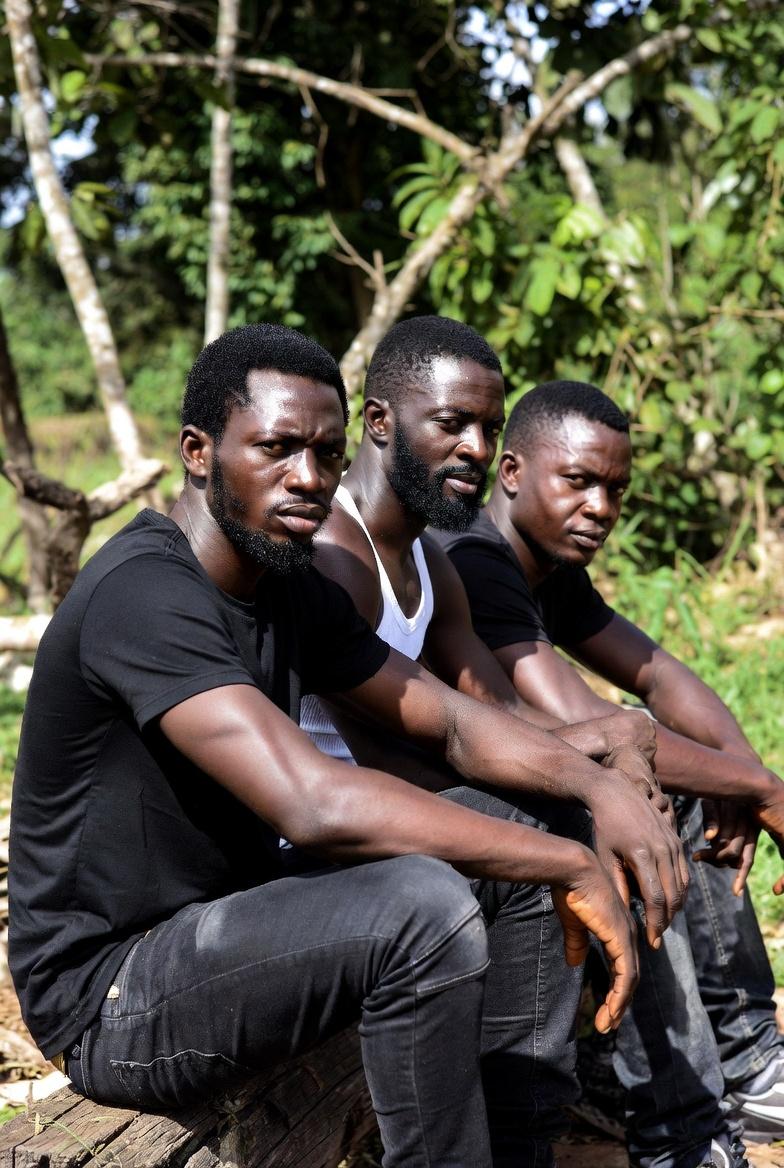
  • About two weeks after I arrived in Lagos, I was still looking for a job. Everything felt new and strange—so different from my hometown. People moved fast, streets looked unfamiliar, and I didn’t know anyone. I was jobless, tired, and weak from not working, but I refused to give up.

    I called one of my in-laws, Hassan, and we decided to check a construction site for work. We searched and searched, but nothing worked out.

    On our way back, we passed another site and saw some older men sitting on wooden timbers, using blades to cut their hands and applying some kind of traditional medicine. They waved at us to come closer.

    I told Hassan, “Don’t go near them. We have no business there.”

    But I, feeling bold, stepped forward on my own. I didn’t look back.

    Suddenly, a huge stick hit my shoulder. My heart sank—I was terrified. I dropped to my knees and pleaded,
    “Please… I was just scared of what you were doing. That’s why I didn’t join!”

    After that, they finally let me go.

    Even today, I cannot forget that moment—the fear, the pain, and the relief all mixed together. It was my first real lesson in how unpredictable life in Lagos can be. #LagosLife #CityStories #SurvivalInLagos #JobHustle #NewCityAdventures #FearAndRelief #LifeLessons
    About two weeks after I arrived in Lagos, I was still looking for a job. Everything felt new and strange—so different from my hometown. People moved fast, streets looked unfamiliar, and I didn’t know anyone. I was jobless, tired, and weak from not working, but I refused to give up. I called one of my in-laws, Hassan, and we decided to check a construction site for work. We searched and searched, but nothing worked out. On our way back, we passed another site and saw some older men sitting on wooden timbers, using blades to cut their hands and applying some kind of traditional medicine. They waved at us to come closer. I told Hassan, “Don’t go near them. We have no business there.” But I, feeling bold, stepped forward on my own. I didn’t look back. Suddenly, a huge stick hit my shoulder. My heart sank—I was terrified. I dropped to my knees and pleaded, “Please… I was just scared of what you were doing. That’s why I didn’t join!” After that, they finally let me go. Even today, I cannot forget that moment—the fear, the pain, and the relief all mixed together. It was my first real lesson in how unpredictable life in Lagos can be. #LagosLife #CityStories #SurvivalInLagos #JobHustle #NewCityAdventures #FearAndRelief #LifeLessons
    love
    1
    · 1 Yorumlar ·0 hisse senetleri ·962 Views
  • They Said Obituary, God Said Convocation”: UNILAG Graduate Shares Survival After Death Threat…….


    A UNILAG graduate has gone viral after revealing she once received a chilling death threat from a coursemate. She shared a screenshot of the message, where the sender warned she wouldn’t live to see graduation. Defying the odds, she celebrated her convocation and captioned it, “They said obituary. God said convocation.” Her story sparked reactions online, with many praising her resilience and urging schools to take threats seriously.
    #fintternews
    They Said Obituary, God Said Convocation”: UNILAG Graduate Shares Survival After Death Threat……. A UNILAG graduate has gone viral after revealing she once received a chilling death threat from a coursemate. She shared a screenshot of the message, where the sender warned she wouldn’t live to see graduation. Defying the odds, she celebrated her convocation and captioned it, “They said obituary. God said convocation.” Her story sparked reactions online, with many praising her resilience and urging schools to take threats seriously. #fintternews
    love
    1
    · 0 Yorumlar ·0 hisse senetleri ·520 Views
  • Makoko in Tears: Thousands Homeless After Lagos Government Demolishes Waterfront Homes

    Residents of Makoko, one of Lagos’ oldest fishing communities, are struggling to survive after the Lagos State government demolished parts of the densely populated waterfront settlement, leaving thousands without shelter and livelihoods.

    In late December, bulldozers moved into sections of Makoko, pulling down wooden homes and small shops built on stilts above the lagoon. The state government said the action was taken for safety and urban planning reasons, citing environmental risks and the proximity of some structures to high-voltage power lines.

    However, displaced residents tell a different story. Many say they received little or no prior notice before their homes were destroyed, leaving families stranded, children displaced, and breadwinners without means of survival.

    Beyond policies and plans, Makoko is home to real people whose lives have been shattered overnight. As the dust settles, residents are calling for compassion, dialogue, and urgent support to help them heal, rebuild, and regain dignity.

    #Makoko #Lagos #HousingCrisis #Humanity
    Makoko in Tears: Thousands Homeless After Lagos Government Demolishes Waterfront Homes Residents of Makoko, one of Lagos’ oldest fishing communities, are struggling to survive after the Lagos State government demolished parts of the densely populated waterfront settlement, leaving thousands without shelter and livelihoods. In late December, bulldozers moved into sections of Makoko, pulling down wooden homes and small shops built on stilts above the lagoon. The state government said the action was taken for safety and urban planning reasons, citing environmental risks and the proximity of some structures to high-voltage power lines. However, displaced residents tell a different story. Many say they received little or no prior notice before their homes were destroyed, leaving families stranded, children displaced, and breadwinners without means of survival. Beyond policies and plans, Makoko is home to real people whose lives have been shattered overnight. As the dust settles, residents are calling for compassion, dialogue, and urgent support to help them heal, rebuild, and regain dignity. #Makoko #Lagos #HousingCrisis #Humanity
    0 Yorumlar ·0 hisse senetleri ·502 Views
  • Wahala Don Set Oo! Nigerian BEA Scholar in Hungary Faces Expulsion Over Unpaid $10,450 Allowance

    Wahala don really set for abroad oo! A Nigerian postgraduate student studying in Hungary under the Federal Government’s Bilateral Education Agreement (BEA) scholarship has raised alarm after spending over one year without receiving a single kobo of his approved allowances. Now, he is facing possible expulsion and homelessness because his residence permit is about to expire.

    The student, Oluwasegun Michael Ogundele of the University of Pannonia, has petitioned the House of Representatives Committee on Student Loans, Scholarships, and Higher Education Financing, crying out that since he resumed studies in September 2024, the Federal Scholarship Board (FSB) and the Federal Ministry of Education have failed to pay any of the funds promised under his scholarship.

    According to him, the agreement between the Nigerian and Hungarian governments clearly stated his entitlements, yet nothing has been paid till date. These include a $6,000 yearly allowance, $250 for warm clothing, $200 for health insurance, a N100,000 take-off grant, a $1,000 postgraduate research grant, and a return ticket to Nigeria. In total, the unpaid money now stands at $10,450.

    Ogundele said the situation has pushed him into serious hardship. For the past 18 months, he has survived only on a small monthly stipend of about €110 from Hungary’s Tempus Scholarship Foundation. He described his condition as one of illness, emotional trauma, and constant anxiety about basic survival.

    “My academic performance and mental health have suffered. I am constantly worried about how to eat, pay bills, and remain legal in this country,” he said.

    The wahala no end there. His programme is expected to finish by January 30, 2026, while his residence permit expires the very next day. Yet, he has no money to buy a ticket back to Nigeria. His passage allowance of $2,500, which should help him return home, has also not been paid.

    He further revealed that he has not taken up any paid job because scholarship rules forbid it. Still, despite obeying all conditions, the government has failed to honour its own agreement.

    In his petition, Ogundele begged the House Committee to urgently intervene and ensure immediate payment of all outstanding entitlements. He warned that his case is not isolated, stating that many Nigerian students abroad under the BEA scheme are suffering in silence. Some, according to him, have taken degrading jobs to survive, while others have reportedly died due to stress and untreated illnesses.

    “Many of us are being treated like beggars abroad. We are looked down upon, and it has destroyed our dignity as Nigerians. The suffering imposed on us is unimaginable,” he wrote.

    The matter has also drawn political attention. Former Vice President Atiku Abubakar recently accused the Tinubu administration of abandoning Nigerian students under the BEA programme, saying over 1,600 students abroad are owed stipends and have been left stranded.

    However, the Federal Government has denied abandoning students, stating that funding delays were due to fiscal constraints and that it remains committed to students already enrolled. The Ministry of Education also disclosed that no new bilateral scholarships were awarded in 2025, as Nigeria now claims it has enough local capacity to train students at home.

    But for students like Ogundele, policy explanations no dey stop hunger.

    As his deadline approaches and eviction looms, Nigerians are now asking: how can a government send students abroad in the name of national development, then leave them to suffer alone?

    One thing be sure: wahala don set oo for this BEA scholarship matter—and everybody dey watch how government go respond.
    Wahala Don Set Oo! Nigerian BEA Scholar in Hungary Faces Expulsion Over Unpaid $10,450 Allowance Wahala don really set for abroad oo! A Nigerian postgraduate student studying in Hungary under the Federal Government’s Bilateral Education Agreement (BEA) scholarship has raised alarm after spending over one year without receiving a single kobo of his approved allowances. Now, he is facing possible expulsion and homelessness because his residence permit is about to expire. The student, Oluwasegun Michael Ogundele of the University of Pannonia, has petitioned the House of Representatives Committee on Student Loans, Scholarships, and Higher Education Financing, crying out that since he resumed studies in September 2024, the Federal Scholarship Board (FSB) and the Federal Ministry of Education have failed to pay any of the funds promised under his scholarship. According to him, the agreement between the Nigerian and Hungarian governments clearly stated his entitlements, yet nothing has been paid till date. These include a $6,000 yearly allowance, $250 for warm clothing, $200 for health insurance, a N100,000 take-off grant, a $1,000 postgraduate research grant, and a return ticket to Nigeria. In total, the unpaid money now stands at $10,450. Ogundele said the situation has pushed him into serious hardship. For the past 18 months, he has survived only on a small monthly stipend of about €110 from Hungary’s Tempus Scholarship Foundation. He described his condition as one of illness, emotional trauma, and constant anxiety about basic survival. “My academic performance and mental health have suffered. I am constantly worried about how to eat, pay bills, and remain legal in this country,” he said. The wahala no end there. His programme is expected to finish by January 30, 2026, while his residence permit expires the very next day. Yet, he has no money to buy a ticket back to Nigeria. His passage allowance of $2,500, which should help him return home, has also not been paid. He further revealed that he has not taken up any paid job because scholarship rules forbid it. Still, despite obeying all conditions, the government has failed to honour its own agreement. In his petition, Ogundele begged the House Committee to urgently intervene and ensure immediate payment of all outstanding entitlements. He warned that his case is not isolated, stating that many Nigerian students abroad under the BEA scheme are suffering in silence. Some, according to him, have taken degrading jobs to survive, while others have reportedly died due to stress and untreated illnesses. “Many of us are being treated like beggars abroad. We are looked down upon, and it has destroyed our dignity as Nigerians. The suffering imposed on us is unimaginable,” he wrote. The matter has also drawn political attention. Former Vice President Atiku Abubakar recently accused the Tinubu administration of abandoning Nigerian students under the BEA programme, saying over 1,600 students abroad are owed stipends and have been left stranded. However, the Federal Government has denied abandoning students, stating that funding delays were due to fiscal constraints and that it remains committed to students already enrolled. The Ministry of Education also disclosed that no new bilateral scholarships were awarded in 2025, as Nigeria now claims it has enough local capacity to train students at home. But for students like Ogundele, policy explanations no dey stop hunger. As his deadline approaches and eviction looms, Nigerians are now asking: how can a government send students abroad in the name of national development, then leave them to suffer alone? One thing be sure: wahala don set oo for this BEA scholarship matter—and everybody dey watch how government go respond.
    0 Yorumlar ·0 hisse senetleri ·783 Views
  • Is the Okada Ban Being Enforced Again in Abuja? Police Impound 21 Motorcycles, Arrest Riders as Security Agencies Crack Down on Restricted Roads

    Is the long-standing ban on commercial motorcycles finally being enforced with renewed force in Abuja—and what does it mean for commuters, riders, and public safety in the nation’s capital?

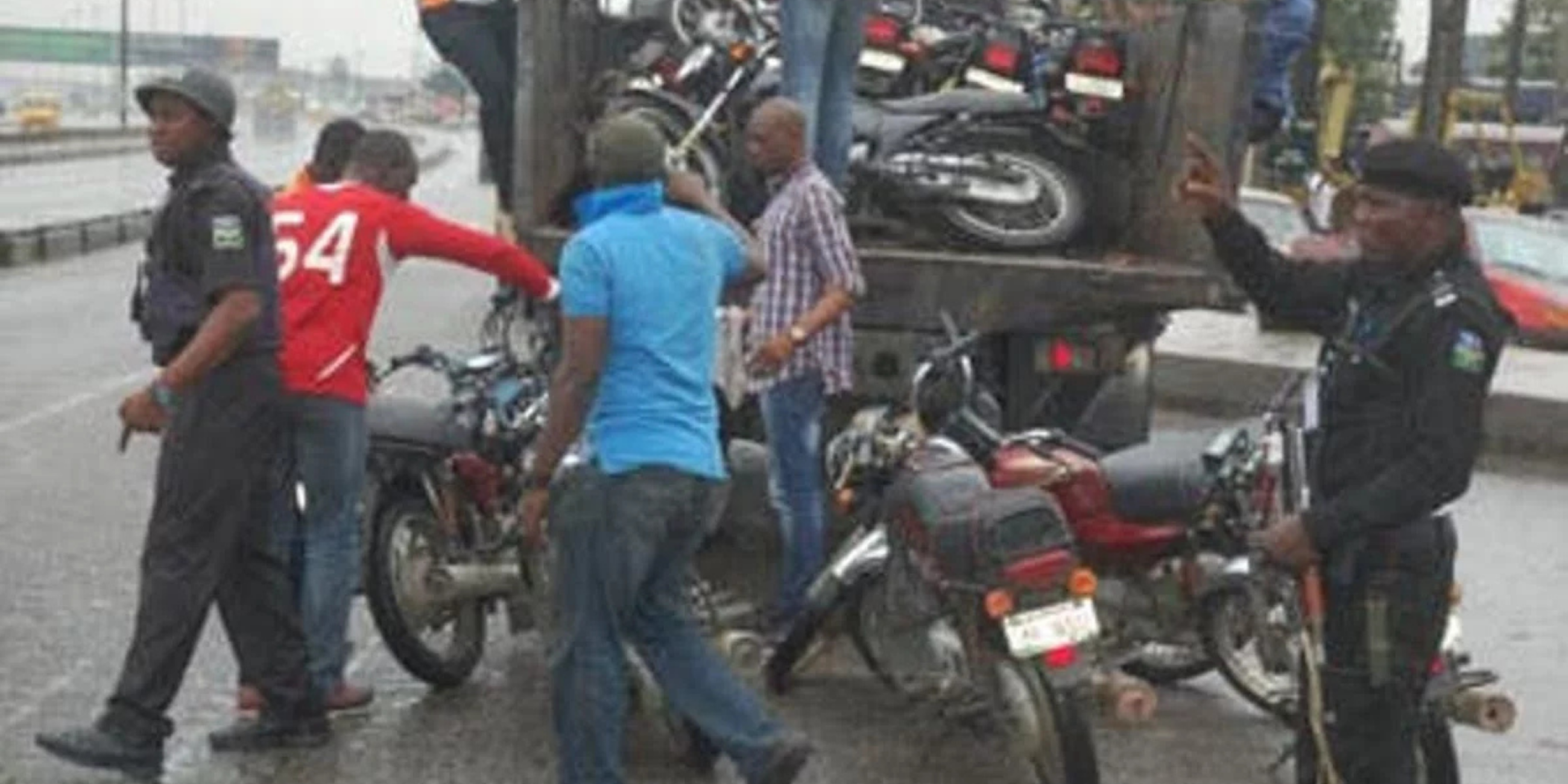
    The Federal Capital Territory (FCT) Police Command, working with other security agencies, has impounded 21 commercial motorcycles and arrested their riders for violating restrictions on motorcycle operations along major roads and highways in Abuja. The enforcement, carried out on Thursday under the Operation Sweep initiative alongside officials of the Vehicle Inspection Office (VIO), targeted key corridors where commercial motorcyclists—popularly known as okada riders—were found flouting existing traffic and security laws.

    According to a statement issued by the Police Public Relations Officer, Josephine Adeh, the arrested riders and seized motorcycles were apprehended strictly in line with “extant laws guiding traffic and security operations” in the FCT. The police described the action as part of a sustained inter-agency strategy aimed at curbing traffic-related crimes, preventing the use of commercial motorcycles for criminal activities, and strengthening public safety across Abuja.

    But is this operation merely routine traffic enforcement—or a signal of a broader security clampdown? Authorities say the ban on commercial motorcycles along major highways remains in force, citing persistent concerns over accidents, robbery, and the ease with which criminals can use motorcycles to evade arrest. By focusing on major roads and restricted routes, the agencies involved insist they are prioritizing both road safety and crime prevention.

    Reacting to the operation, the Commissioner of Police, FCT Command, Miller Dantawaye, reaffirmed the command’s commitment to strict enforcement of all traffic and security regulations designed to protect lives and property. He warned that continued defiance of the motorcycle ban would attract “decisive enforcement actions”, adding that similar operations would be intensified across the six Area Councils of the FCT.

    The police also urged residents to cooperate with security agencies, comply with traffic directives, and promptly report suspicious activities through official emergency lines. Yet, questions remain: Will sustained enforcement reduce crime and accidents, or will it deepen the economic hardship of riders who rely on commercial motorcycles for survival? How will commuters in underserved areas cope with limited transport options if restrictions tighten further?

    As Abuja grapples with balancing security, mobility, and livelihoods, the latest crackdown has reignited debate over the future of commercial motorcycles in the capital—testing whether enforcement alone can deliver safer roads without leaving thousands of riders stranded.

    Is the Okada Ban Being Enforced Again in Abuja? Police Impound 21 Motorcycles, Arrest Riders as Security Agencies Crack Down on Restricted Roads Is the long-standing ban on commercial motorcycles finally being enforced with renewed force in Abuja—and what does it mean for commuters, riders, and public safety in the nation’s capital? The Federal Capital Territory (FCT) Police Command, working with other security agencies, has impounded 21 commercial motorcycles and arrested their riders for violating restrictions on motorcycle operations along major roads and highways in Abuja. The enforcement, carried out on Thursday under the Operation Sweep initiative alongside officials of the Vehicle Inspection Office (VIO), targeted key corridors where commercial motorcyclists—popularly known as okada riders—were found flouting existing traffic and security laws. According to a statement issued by the Police Public Relations Officer, Josephine Adeh, the arrested riders and seized motorcycles were apprehended strictly in line with “extant laws guiding traffic and security operations” in the FCT. The police described the action as part of a sustained inter-agency strategy aimed at curbing traffic-related crimes, preventing the use of commercial motorcycles for criminal activities, and strengthening public safety across Abuja. But is this operation merely routine traffic enforcement—or a signal of a broader security clampdown? Authorities say the ban on commercial motorcycles along major highways remains in force, citing persistent concerns over accidents, robbery, and the ease with which criminals can use motorcycles to evade arrest. By focusing on major roads and restricted routes, the agencies involved insist they are prioritizing both road safety and crime prevention. Reacting to the operation, the Commissioner of Police, FCT Command, Miller Dantawaye, reaffirmed the command’s commitment to strict enforcement of all traffic and security regulations designed to protect lives and property. He warned that continued defiance of the motorcycle ban would attract “decisive enforcement actions”, adding that similar operations would be intensified across the six Area Councils of the FCT. The police also urged residents to cooperate with security agencies, comply with traffic directives, and promptly report suspicious activities through official emergency lines. Yet, questions remain: Will sustained enforcement reduce crime and accidents, or will it deepen the economic hardship of riders who rely on commercial motorcycles for survival? How will commuters in underserved areas cope with limited transport options if restrictions tighten further? As Abuja grapples with balancing security, mobility, and livelihoods, the latest crackdown has reignited debate over the future of commercial motorcycles in the capital—testing whether enforcement alone can deliver safer roads without leaving thousands of riders stranded.
    0 Yorumlar ·0 hisse senetleri ·468 Views
  • What Will 2026 Really Bring for Nigeria and the World? Azu Ishiekwene Predicts Power Shifts, Economic Strain, AI Disruption, 2027 Politics and Who Wins the World Cup

    Is 2026 a year of quiet recovery—or the beginning of deeper political, economic and global turbulence? And is Nigeria already slipping into the politics of 2027?

    In what he describes as possibly his final annual forecast, journalist and columnist Azu Ishiekwene delivers a sweeping, high-stakes outlook on Nigeria and the world, blending political prediction, economic analysis, technology trends and global power shifts. Known for earlier forecasts that accurately anticipated election outcomes and cabinet shake-ups, Ishiekwene argues that 2026 will be a year where politics collides head-on with harsh economic realities, leaving citizens caught between daily hardship and recycled political promises.

    He warns that Nigeria’s economy will remain under pressure, with tensions growing between tight monetary policy and rising demands for fiscal expansion in a pre-election year. Could divisions inside the Ministry of Finance undermine investor confidence? And will petrol prices remain stable around ₦850 per litre, as he suggests, only if oil output rises and NNPC escapes its heavy crude obligations?

    While cheaper fuel from the Dangote Refinery may offer temporary consumer relief, Ishiekwene predicts continued instability in electricity supply, pointing to a fragile transmission system that still requires massive investment. He also foresees President Bola Tinubu possibly unveiling private-sector-led reforms in power transmission involving major business players.

    But is Nigeria already entering the politics of 2027 in 2026?

    Ishiekwene argues that although early elections are unlikely, political realignments are accelerating. With multiple opposition governors defecting to the ruling APC, claims of a creeping one-party state are growing. Yet, he suggests the reality is more complex: a weakened opposition plagued by internal fractures, financial constraints and a lack of coherent alternatives.

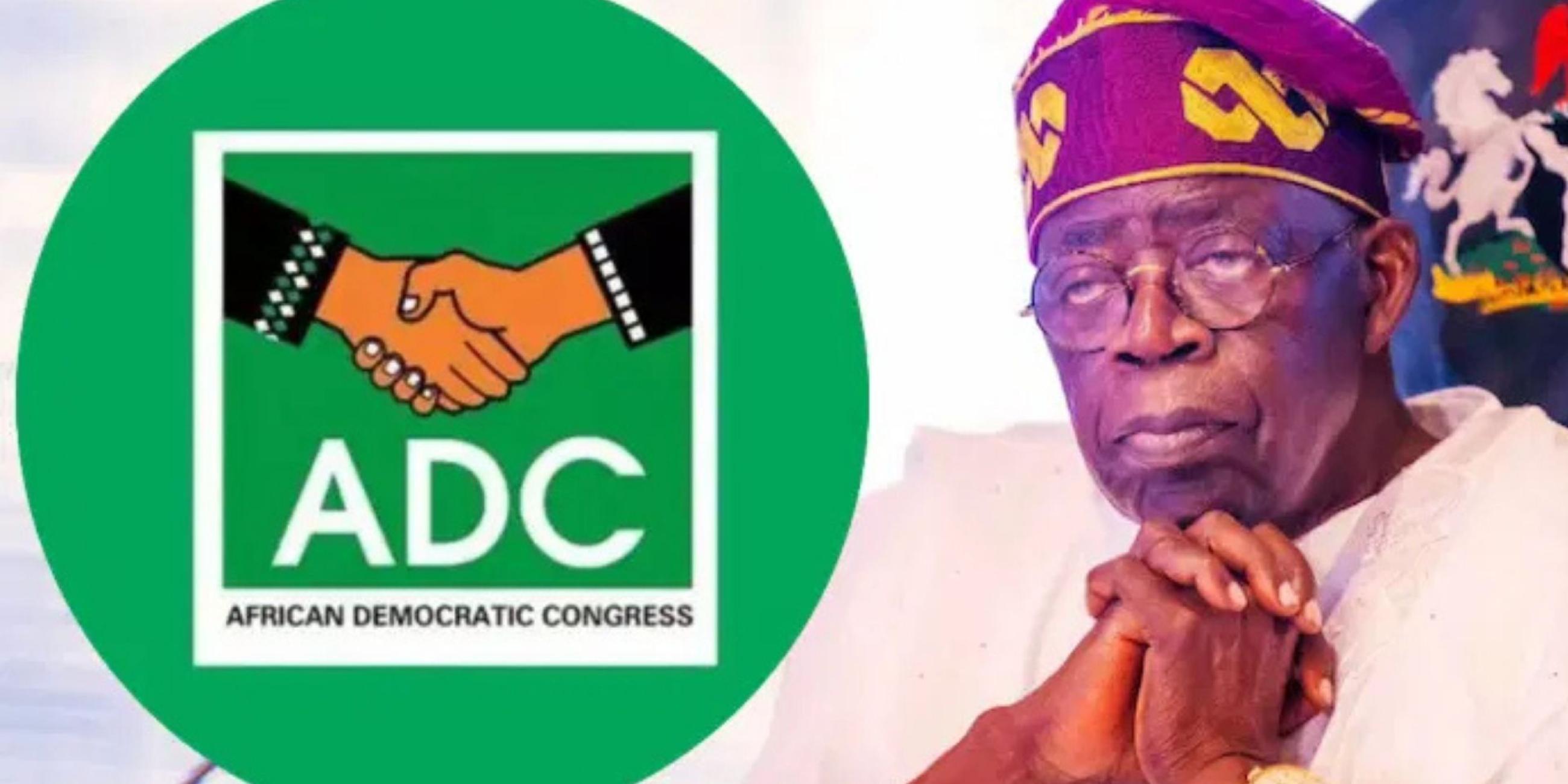
    Turning to the emerging African Democratic Congress (ADC) coalition—uniting figures such as Atiku Abubakar, Peter Obi, Nasir El-Rufai, Rotimi Amaechi and Rabiu Kwankwaso—he raises a critical question: is ADC truly built to win in 2027, or merely to survive until 2031? He predicts Atiku will clinch the party’s ticket over Obi, with Obi likely offered the vice-presidential slot—potentially triggering backlash among “Obidients.” With limited grassroots reach and the enormous financial demands of a presidential campaign, Ishiekwene concludes that ADC may struggle to pose a serious challenge to the ruling party in the next election cycle.

    Beyond Nigeria, he paints 2026 as a year shaped by geopolitical rivalry, especially between Donald Trump’s America and Xi Jinping’s China, and by growing global unease over U.S. trade policies, immigration enforcement and economic nationalism. Could gold and non-dollar assets accelerate as the world quietly prepares for a less dollar-centric future?

    He also highlights the rapid evolution of artificial intelligence, warning that 2026 will mark a shift from basic generative AI to agentic, autonomous systems capable of independent action. As AI blurs the line between reality and fabrication, he predicts rising confusion, misinformation, and ethical challenges—ushering in what he calls the “Year of the Humanoid.”

    Even football is not spared his forecasting. With the 2026 FIFA World Cup approaching, Ishiekwene tips Spain to win, citing tactical depth and cohesion, while acknowledging Morocco as Africa’s strongest hope.

    Ultimately, the essay asks uncomfortable but urgent questions:
    Is Nigeria drifting toward political dominance by one party?
    Will economic reforms truly ease citizens’ burdens—or merely reshuffle the pressure?
    Can a fractured opposition reorganise in time?
    And in a world increasingly shaped by AI and geopolitical rivalry, where does Nigeria truly stand?

    For Ishiekwene, 2026 is not just another year—it is a crossroads where technology, politics, power and survival intersect, setting the tone for Nigeria’s future well beyond the next election.


    What Will 2026 Really Bring for Nigeria and the World? Azu Ishiekwene Predicts Power Shifts, Economic Strain, AI Disruption, 2027 Politics and Who Wins the World Cup Is 2026 a year of quiet recovery—or the beginning of deeper political, economic and global turbulence? And is Nigeria already slipping into the politics of 2027? In what he describes as possibly his final annual forecast, journalist and columnist Azu Ishiekwene delivers a sweeping, high-stakes outlook on Nigeria and the world, blending political prediction, economic analysis, technology trends and global power shifts. Known for earlier forecasts that accurately anticipated election outcomes and cabinet shake-ups, Ishiekwene argues that 2026 will be a year where politics collides head-on with harsh economic realities, leaving citizens caught between daily hardship and recycled political promises. He warns that Nigeria’s economy will remain under pressure, with tensions growing between tight monetary policy and rising demands for fiscal expansion in a pre-election year. Could divisions inside the Ministry of Finance undermine investor confidence? And will petrol prices remain stable around ₦850 per litre, as he suggests, only if oil output rises and NNPC escapes its heavy crude obligations? While cheaper fuel from the Dangote Refinery may offer temporary consumer relief, Ishiekwene predicts continued instability in electricity supply, pointing to a fragile transmission system that still requires massive investment. He also foresees President Bola Tinubu possibly unveiling private-sector-led reforms in power transmission involving major business players. But is Nigeria already entering the politics of 2027 in 2026? Ishiekwene argues that although early elections are unlikely, political realignments are accelerating. With multiple opposition governors defecting to the ruling APC, claims of a creeping one-party state are growing. Yet, he suggests the reality is more complex: a weakened opposition plagued by internal fractures, financial constraints and a lack of coherent alternatives. Turning to the emerging African Democratic Congress (ADC) coalition—uniting figures such as Atiku Abubakar, Peter Obi, Nasir El-Rufai, Rotimi Amaechi and Rabiu Kwankwaso—he raises a critical question: is ADC truly built to win in 2027, or merely to survive until 2031? He predicts Atiku will clinch the party’s ticket over Obi, with Obi likely offered the vice-presidential slot—potentially triggering backlash among “Obidients.” With limited grassroots reach and the enormous financial demands of a presidential campaign, Ishiekwene concludes that ADC may struggle to pose a serious challenge to the ruling party in the next election cycle. Beyond Nigeria, he paints 2026 as a year shaped by geopolitical rivalry, especially between Donald Trump’s America and Xi Jinping’s China, and by growing global unease over U.S. trade policies, immigration enforcement and economic nationalism. Could gold and non-dollar assets accelerate as the world quietly prepares for a less dollar-centric future? He also highlights the rapid evolution of artificial intelligence, warning that 2026 will mark a shift from basic generative AI to agentic, autonomous systems capable of independent action. As AI blurs the line between reality and fabrication, he predicts rising confusion, misinformation, and ethical challenges—ushering in what he calls the “Year of the Humanoid.” Even football is not spared his forecasting. With the 2026 FIFA World Cup approaching, Ishiekwene tips Spain to win, citing tactical depth and cohesion, while acknowledging Morocco as Africa’s strongest hope. Ultimately, the essay asks uncomfortable but urgent questions: Is Nigeria drifting toward political dominance by one party? Will economic reforms truly ease citizens’ burdens—or merely reshuffle the pressure? Can a fractured opposition reorganise in time? And in a world increasingly shaped by AI and geopolitical rivalry, where does Nigeria truly stand? For Ishiekwene, 2026 is not just another year—it is a crossroads where technology, politics, power and survival intersect, setting the tone for Nigeria’s future well beyond the next election.
    0 Yorumlar ·0 hisse senetleri ·1K Views
  • How Did Anthony Joshua Survive While His Friends Died? Boxer Breaks Silence After Tragic Crash, Mourns Sina Ghami and Latif ‘Latz’ Ayodele

    How does a world-famous champion come to terms with a tragedy that took the lives of those closest to him? And what does faith, grief, and survival mean when you are left behind?

    Former heavyweight boxing champion Anthony Joshua has finally broken his silence after the fatal crash that claimed the lives of his close friends, Sina Ghami and Latif “Latz” Ayodele, describing the moment as one of deep sorrow, reflection, and spiritual resolve. In his first public message since the incident, Joshua turned to X (formerly Twitter) to thank supporters and mourn the men he called his “brothers.”

    Their funeral prayers, held at the London Central Mosque, drew large crowds of mourners from both the Nigerian and British communities, including friends, associates, and supporters who gathered to pay their final respects. The turnout reflected not just the loss of two individuals, but the weight of a tragedy that has shaken Joshua’s inner circle.

    In his message, the boxer revealed how he had never fully understood the importance of those around him until it was too late. “I didn’t even realise how special they are… not even knowing God kept me in the presence of great men,” he wrote. His words captured the pain of hindsight—how ordinary moments of laughter and companionship suddenly became memories of irreplaceable lives.

    But was Joshua the true victim of the crash—or merely the survivor of a loss that families will carry forever? The boxer acknowledged that while the experience had been emotionally devastating for him, the burden on the parents and loved ones of the deceased was far heavier. “100% it’s tough for me, but I know it’s even tougher for their parents,” he said.

    Joshua also turned to faith for comfort, expressing his belief that God understood the hearts of the men who were lost. “I have a strong mind, and I believe God knows their hearts,” he wrote, before ending with a simple but powerful prayer: “May God have mercy on my brothers.”

    As investigations into the circumstances surrounding the crash continue, public attention has remained fixed not only on the tragedy itself but on Joshua’s survival. Why was the boxing star spared when those closest to him were not? And how does one move forward when fame, success, and strength cannot shield against grief?

    For fans around the world, Joshua’s message offers more than mourning—it reveals a deeply personal side of a global sports icon grappling with loss, faith, and the fragile nature of life. In the aftermath of the crash, his words stand as a reminder that even champions are not immune to heartbreak, and that survival can sometimes be the heaviest burden of all.


    How Did Anthony Joshua Survive While His Friends Died? Boxer Breaks Silence After Tragic Crash, Mourns Sina Ghami and Latif ‘Latz’ Ayodele How does a world-famous champion come to terms with a tragedy that took the lives of those closest to him? And what does faith, grief, and survival mean when you are left behind? Former heavyweight boxing champion Anthony Joshua has finally broken his silence after the fatal crash that claimed the lives of his close friends, Sina Ghami and Latif “Latz” Ayodele, describing the moment as one of deep sorrow, reflection, and spiritual resolve. In his first public message since the incident, Joshua turned to X (formerly Twitter) to thank supporters and mourn the men he called his “brothers.” Their funeral prayers, held at the London Central Mosque, drew large crowds of mourners from both the Nigerian and British communities, including friends, associates, and supporters who gathered to pay their final respects. The turnout reflected not just the loss of two individuals, but the weight of a tragedy that has shaken Joshua’s inner circle. In his message, the boxer revealed how he had never fully understood the importance of those around him until it was too late. “I didn’t even realise how special they are… not even knowing God kept me in the presence of great men,” he wrote. His words captured the pain of hindsight—how ordinary moments of laughter and companionship suddenly became memories of irreplaceable lives. But was Joshua the true victim of the crash—or merely the survivor of a loss that families will carry forever? The boxer acknowledged that while the experience had been emotionally devastating for him, the burden on the parents and loved ones of the deceased was far heavier. “100% it’s tough for me, but I know it’s even tougher for their parents,” he said. Joshua also turned to faith for comfort, expressing his belief that God understood the hearts of the men who were lost. “I have a strong mind, and I believe God knows their hearts,” he wrote, before ending with a simple but powerful prayer: “May God have mercy on my brothers.” As investigations into the circumstances surrounding the crash continue, public attention has remained fixed not only on the tragedy itself but on Joshua’s survival. Why was the boxing star spared when those closest to him were not? And how does one move forward when fame, success, and strength cannot shield against grief? For fans around the world, Joshua’s message offers more than mourning—it reveals a deeply personal side of a global sports icon grappling with loss, faith, and the fragile nature of life. In the aftermath of the crash, his words stand as a reminder that even champions are not immune to heartbreak, and that survival can sometimes be the heaviest burden of all.
    0 Yorumlar ·0 hisse senetleri ·443 Views
  • Is Tinubu Failing Yoruba Land? Pan-Yoruba Group Slams President Over Insecurity, Kidnapped Monarchs and ‘Silence From Power

    Is Nigeria’s security crisis finally reaching a breaking point in Yoruba land—and is President Bola Ahmed Tinubu truly doing enough to stop it? These are the urgent questions being raised after a Pan-Yoruba socio-political group, Ìgbìnmó Májékóbájé Ilé-Yorùbá, publicly condemned the President over what it described as his “deafening silence” in the face of worsening insecurity across the South-West.

    The group’s outcry followed the shocking abduction of a Kwara State monarch, Oba S. Y. Olaonipekun, and his son, Olaolu, who were reportedly kidnapped by suspected terrorists in the Ile-Ire district. For many observers, the incident marks a dangerous escalation in Nigeria’s security crisis: when even traditional rulers—symbols of authority, culture, and community stability—are no longer safe, what hope remains for ordinary citizens?

    In a strongly worded statement signed by its Convener, Olusola Badero, and released through Home Director Princess Balogun, the group accused President Tinubu of abandoning his constitutional duty as the nation’s chief security officer. According to the group, violent attacks, kidnappings, and killings have spread across Yoruba communities with little visible federal response. They argued that while statements are often issued, concrete action has been painfully absent.

    The union alleged that forests and rural communities in parts of Kwara and the wider South-West have become safe havens for armed groups posing as herdsmen, whom they directly described as terrorists. It lamented what it called the humiliation of Yoruba traditional institutions, stressing that the kidnapping of monarchs was once unimaginable in the region’s history. Quoting a Yoruba proverb—“Oríadé kì í sùn tán” (Royalty does not sleep outside)—the group said the abduction of kings represents not only a security failure but also a deep cultural wound.

    Beyond insecurity, the group launched a broader political critique of President Tinubu’s leadership. They accused him of prioritising personal interests, political allies, and future elections over the immediate safety and welfare of citizens. They further criticised what they described as his frequent foreign trips, alleging that he enjoys public funds abroad while Nigerians face poverty, fear, collapsing healthcare, and deteriorating schools at home. For the group, this contrast symbolises a widening gap between those in power and the people they govern.

    The statement also targeted Kwara State Governor AbdulRahman AbdulRazaq, accusing the state government of failing to protect residents. The group demanded the immediate release of the abducted monarch and his son, as well as other kidnapped citizens, including workers from the Kwara State Ministry of Works.

    To underline what it sees as a pattern of lawlessness, the union recalled earlier incidents, including the killing of Segun Aremu, a retired army general and monarch (the Olúkòrò of Koro), and the abduction of Kamilu Salami, the Oníbàrà of Bayagan Ile, who reportedly spent weeks in captivity before regaining freedom. These cases, the group argued, show that the crisis is not isolated but systemic.

    Perhaps most striking is the group’s warning that continued political inaction could lead to long-term devastation: deserted villages, abandoned farmlands, and forests fully occupied by armed groups. They questioned how elections can even matter if citizens are no longer safe enough to live in their communities. “Who will be alive to vote,” they asked, “if our villages are deserted and our forests controlled by terrorists?”

    The union went further, calling on Yoruba people at home and in the diaspora to take collective responsibility for protecting their region, suggesting that reliance on political leaders who have “clearly failed” could invite even greater catastrophe.

    As this controversy unfolds, Nigerians are left with uncomfortable but necessary questions: Has the federal government lost control of internal security? Is President Tinubu doing enough to protect his own region? And what happens when traditional institutions—once seen as untouchable—become targets of violence?

    On Fintter, this story is more than breaking news; it is a national conversation about leadership, accountability, and survival. Are these criticisms justified, or are they politically motivated? Can Nigeria still reverse its security decline, or has the crisis reached a point of no return? The answers may shape not just the future of Yoruba land, but the fate of the entire nation.

    What do you think? Is Tinubu truly failing on security—or is the crisis beyond any single leader? Share your thoughts and join the debate on Fintter.

    Is Tinubu Failing Yoruba Land? Pan-Yoruba Group Slams President Over Insecurity, Kidnapped Monarchs and ‘Silence From Power Is Nigeria’s security crisis finally reaching a breaking point in Yoruba land—and is President Bola Ahmed Tinubu truly doing enough to stop it? These are the urgent questions being raised after a Pan-Yoruba socio-political group, Ìgbìnmó Májékóbájé Ilé-Yorùbá, publicly condemned the President over what it described as his “deafening silence” in the face of worsening insecurity across the South-West. The group’s outcry followed the shocking abduction of a Kwara State monarch, Oba S. Y. Olaonipekun, and his son, Olaolu, who were reportedly kidnapped by suspected terrorists in the Ile-Ire district. For many observers, the incident marks a dangerous escalation in Nigeria’s security crisis: when even traditional rulers—symbols of authority, culture, and community stability—are no longer safe, what hope remains for ordinary citizens? In a strongly worded statement signed by its Convener, Olusola Badero, and released through Home Director Princess Balogun, the group accused President Tinubu of abandoning his constitutional duty as the nation’s chief security officer. According to the group, violent attacks, kidnappings, and killings have spread across Yoruba communities with little visible federal response. They argued that while statements are often issued, concrete action has been painfully absent. The union alleged that forests and rural communities in parts of Kwara and the wider South-West have become safe havens for armed groups posing as herdsmen, whom they directly described as terrorists. It lamented what it called the humiliation of Yoruba traditional institutions, stressing that the kidnapping of monarchs was once unimaginable in the region’s history. Quoting a Yoruba proverb—“Oríadé kì í sùn tán” (Royalty does not sleep outside)—the group said the abduction of kings represents not only a security failure but also a deep cultural wound. Beyond insecurity, the group launched a broader political critique of President Tinubu’s leadership. They accused him of prioritising personal interests, political allies, and future elections over the immediate safety and welfare of citizens. They further criticised what they described as his frequent foreign trips, alleging that he enjoys public funds abroad while Nigerians face poverty, fear, collapsing healthcare, and deteriorating schools at home. For the group, this contrast symbolises a widening gap between those in power and the people they govern. The statement also targeted Kwara State Governor AbdulRahman AbdulRazaq, accusing the state government of failing to protect residents. The group demanded the immediate release of the abducted monarch and his son, as well as other kidnapped citizens, including workers from the Kwara State Ministry of Works. To underline what it sees as a pattern of lawlessness, the union recalled earlier incidents, including the killing of Segun Aremu, a retired army general and monarch (the Olúkòrò of Koro), and the abduction of Kamilu Salami, the Oníbàrà of Bayagan Ile, who reportedly spent weeks in captivity before regaining freedom. These cases, the group argued, show that the crisis is not isolated but systemic. Perhaps most striking is the group’s warning that continued political inaction could lead to long-term devastation: deserted villages, abandoned farmlands, and forests fully occupied by armed groups. They questioned how elections can even matter if citizens are no longer safe enough to live in their communities. “Who will be alive to vote,” they asked, “if our villages are deserted and our forests controlled by terrorists?” The union went further, calling on Yoruba people at home and in the diaspora to take collective responsibility for protecting their region, suggesting that reliance on political leaders who have “clearly failed” could invite even greater catastrophe. As this controversy unfolds, Nigerians are left with uncomfortable but necessary questions: Has the federal government lost control of internal security? Is President Tinubu doing enough to protect his own region? And what happens when traditional institutions—once seen as untouchable—become targets of violence? On Fintter, this story is more than breaking news; it is a national conversation about leadership, accountability, and survival. Are these criticisms justified, or are they politically motivated? Can Nigeria still reverse its security decline, or has the crisis reached a point of no return? The answers may shape not just the future of Yoruba land, but the fate of the entire nation. 💬 What do you think? Is Tinubu truly failing on security—or is the crisis beyond any single leader? Share your thoughts and join the debate on Fintter.
    0 Yorumlar ·0 hisse senetleri ·823 Views
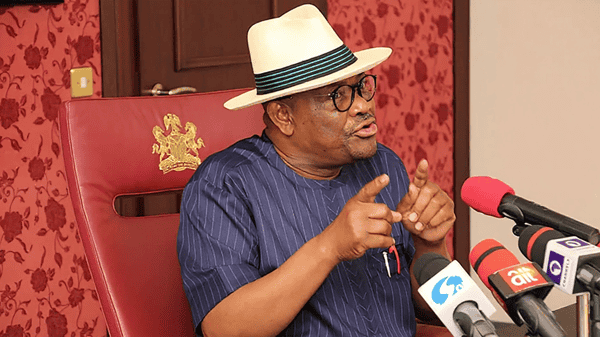
  • What Will Be the End of Nyesom Wike? Analysis of His Political Influence and Future Prospects”

    In this incisive opinion piece, Pelumi Olajengbesi, Esq., examines the political trajectory and future of Nyesom Wike, one of Nigeria’s most influential and polarizing politicians. Wike, formerly instrumental in shaping the emergence of President Tinubu, has long dominated Rivers State politics, pushing aside rivals and asserting a near-absolute influence over his political domain. His style, a combination of strategic brilliance, territorial control, and relentless confrontation, has both earned him admiration and created friction with allies and the opposition alike.
    Wike’s political approach has been defined by territorial command—he defines the political space, punishes disloyalty, and keeps opponents uncertain. This method proved highly effective when he fully controlled Rivers politics, yet the shifting political terrain has begun to challenge his authority. The analysis highlights that when his former protégé, Governor Fubara, aligned with the APC, Wike’s influence began to face constraints, illustrating that political power dependent on perception and intimidation can be fragile.
    Olajengbesi notes that Wike’s predicament is heightened by his dual position as both a useful ally and an outsider within the ruling party. While his support for Tinubu and his ability to destabilize opposition calculations have made him relevant at the federal level, his independence and confrontational style are increasingly perceived as a threat to party discipline and structure. As the ruling party prepares for the next political cycle, Wike’s influence risks erosion if it continues to undermine institutional hierarchy.
    The opinion piece predicts several possible outcomes for Wike: gradual isolation, where his access and influence diminish quietly; neutralisation, where he retains office but loses political leverage; or forced realignment, requiring him to fully submit to party structures, sacrificing the independence that has defined his political brand. However, Wike’s experience and strategic acumen suggest he may yet adapt, potentially transitioning from territorial dominance to coalition management, balancing influence with accommodation.
    Ultimately, Olajengbesi portrays Wike as a fascinating case study of power, strategy, and political survival, highlighting that his future depends not only on strength but on his capacity to navigate institutional politics without alienating the structures that sustain it. The piece underscores that in Nigerian politics, influence without institutional belonging is potent but precarious, and Wike’s next moves will determine whether his story ends in decline or reinvention.
    What Will Be the End of Nyesom Wike? Analysis of His Political Influence and Future Prospects” In this incisive opinion piece, Pelumi Olajengbesi, Esq., examines the political trajectory and future of Nyesom Wike, one of Nigeria’s most influential and polarizing politicians. Wike, formerly instrumental in shaping the emergence of President Tinubu, has long dominated Rivers State politics, pushing aside rivals and asserting a near-absolute influence over his political domain. His style, a combination of strategic brilliance, territorial control, and relentless confrontation, has both earned him admiration and created friction with allies and the opposition alike. Wike’s political approach has been defined by territorial command—he defines the political space, punishes disloyalty, and keeps opponents uncertain. This method proved highly effective when he fully controlled Rivers politics, yet the shifting political terrain has begun to challenge his authority. The analysis highlights that when his former protégé, Governor Fubara, aligned with the APC, Wike’s influence began to face constraints, illustrating that political power dependent on perception and intimidation can be fragile. Olajengbesi notes that Wike’s predicament is heightened by his dual position as both a useful ally and an outsider within the ruling party. While his support for Tinubu and his ability to destabilize opposition calculations have made him relevant at the federal level, his independence and confrontational style are increasingly perceived as a threat to party discipline and structure. As the ruling party prepares for the next political cycle, Wike’s influence risks erosion if it continues to undermine institutional hierarchy. The opinion piece predicts several possible outcomes for Wike: gradual isolation, where his access and influence diminish quietly; neutralisation, where he retains office but loses political leverage; or forced realignment, requiring him to fully submit to party structures, sacrificing the independence that has defined his political brand. However, Wike’s experience and strategic acumen suggest he may yet adapt, potentially transitioning from territorial dominance to coalition management, balancing influence with accommodation. Ultimately, Olajengbesi portrays Wike as a fascinating case study of power, strategy, and political survival, highlighting that his future depends not only on strength but on his capacity to navigate institutional politics without alienating the structures that sustain it. The piece underscores that in Nigerian politics, influence without institutional belonging is potent but precarious, and Wike’s next moves will determine whether his story ends in decline or reinvention.
    0 Yorumlar ·0 hisse senetleri ·513 Views
  • ADC Says Trump’s Action Against Venezuela’s Maduro Is a Warning to Illegitimate Governments, Slams Tinubu’s Silence as Embarrassing for Nigeria

    The African Democratic Congress (ADC) has described recent actions by the United States under President Donald Trump against Venezuelan President Nicolás Maduro and his wife as a strong warning to governments that lack legitimacy, urging Nigeria to draw lessons from the development. In a statement signed by its National Publicity Secretary, Bolaji Abdullahi, the party said the move sends “a strong message” to Nigeria and other countries where leadership is allegedly sustained by flawed elections and repression.

    While reaffirming its support for national sovereignty and non-interference as enshrined in the UN Charter, the ADC argued that these principles should not be used to shield tyranny, electoral fraud, and the denial of citizens’ right to choose their leaders. Citing the 2024 Venezuelan presidential election, the party noted widespread international condemnation over alleged fraud, repression, exclusion of opposition candidates, violent suppression of protests, and the use of state institutions against citizens—developments it said have driven mass migration and regional instability.

    The ADC acknowledged that U.S. intervention raises concerns under international law but maintained that the public celebrations within Venezuela reflect a deep legitimacy crisis for the Maduro government. The party also criticised the Tinubu administration’s silence, calling it “deeply embarrassing” and evidence that Nigeria has lost influence and moral authority on the global stage. It concluded that sovereignty must reflect the will of the people, not merely the survival of a regime, warning that “contrived mandates” and election rigging will no longer find safe haven.
    ADC Says Trump’s Action Against Venezuela’s Maduro Is a Warning to Illegitimate Governments, Slams Tinubu’s Silence as Embarrassing for Nigeria The African Democratic Congress (ADC) has described recent actions by the United States under President Donald Trump against Venezuelan President Nicolás Maduro and his wife as a strong warning to governments that lack legitimacy, urging Nigeria to draw lessons from the development. In a statement signed by its National Publicity Secretary, Bolaji Abdullahi, the party said the move sends “a strong message” to Nigeria and other countries where leadership is allegedly sustained by flawed elections and repression. While reaffirming its support for national sovereignty and non-interference as enshrined in the UN Charter, the ADC argued that these principles should not be used to shield tyranny, electoral fraud, and the denial of citizens’ right to choose their leaders. Citing the 2024 Venezuelan presidential election, the party noted widespread international condemnation over alleged fraud, repression, exclusion of opposition candidates, violent suppression of protests, and the use of state institutions against citizens—developments it said have driven mass migration and regional instability. The ADC acknowledged that U.S. intervention raises concerns under international law but maintained that the public celebrations within Venezuela reflect a deep legitimacy crisis for the Maduro government. The party also criticised the Tinubu administration’s silence, calling it “deeply embarrassing” and evidence that Nigeria has lost influence and moral authority on the global stage. It concluded that sovereignty must reflect the will of the people, not merely the survival of a regime, warning that “contrived mandates” and election rigging will no longer find safe haven.
    0 Yorumlar ·0 hisse senetleri ·391 Views
  • ‘I’m Left With Only the Clothes I Wore’: Survivor Recounts Niger State Terror Attack as Over 40 Killed and Many Abducted in Kasuwar Daji

    A survivor of the deadly terror attack in Kasuwar Daji, Borgu Local Government Area of Niger State, has narrated the harrowing ordeal that left over 40 people dead and many others abducted, including women, children, and the elderly. Mohammed Suleiman, one of the victims, said the attackers destroyed everything the community depended on for survival, leaving residents destitute and traumatised.

    Speaking in a video shared online, Suleiman revealed that farmlands, food stores, and harvested crops such as rice, maize, guinea corn, and sugar cane were completely burnt during the coordinated assault, which involved machetes, gunfire, and arson. He lamented that he was left with only the clothes he wore during the attack, with no footwear or personal belongings remaining.

    According to eyewitness accounts, the assailants, believed to have emerged from the Kainji Lake National Park forest, launched the attack in the late afternoon and continued into the night, setting homes, markets, and food reserves ablaze. Several villagers, including children and elderly residents, were reportedly rounded up and killed, while others were taken away by the attackers.

    Survivors say the community now faces severe food shortages, with nothing left to feed displaced children and families. Suleiman and other affected residents are appealing for urgent government intervention, calling for improved security, humanitarian assistance, and long-term solutions as fear and trauma continue to grip Kasuwar Daji and surrounding communities.
    ‘I’m Left With Only the Clothes I Wore’: Survivor Recounts Niger State Terror Attack as Over 40 Killed and Many Abducted in Kasuwar Daji A survivor of the deadly terror attack in Kasuwar Daji, Borgu Local Government Area of Niger State, has narrated the harrowing ordeal that left over 40 people dead and many others abducted, including women, children, and the elderly. Mohammed Suleiman, one of the victims, said the attackers destroyed everything the community depended on for survival, leaving residents destitute and traumatised. Speaking in a video shared online, Suleiman revealed that farmlands, food stores, and harvested crops such as rice, maize, guinea corn, and sugar cane were completely burnt during the coordinated assault, which involved machetes, gunfire, and arson. He lamented that he was left with only the clothes he wore during the attack, with no footwear or personal belongings remaining. According to eyewitness accounts, the assailants, believed to have emerged from the Kainji Lake National Park forest, launched the attack in the late afternoon and continued into the night, setting homes, markets, and food reserves ablaze. Several villagers, including children and elderly residents, were reportedly rounded up and killed, while others were taken away by the attackers. Survivors say the community now faces severe food shortages, with nothing left to feed displaced children and families. Suleiman and other affected residents are appealing for urgent government intervention, calling for improved security, humanitarian assistance, and long-term solutions as fear and trauma continue to grip Kasuwar Daji and surrounding communities.
    0 Yorumlar ·0 hisse senetleri ·396 Views
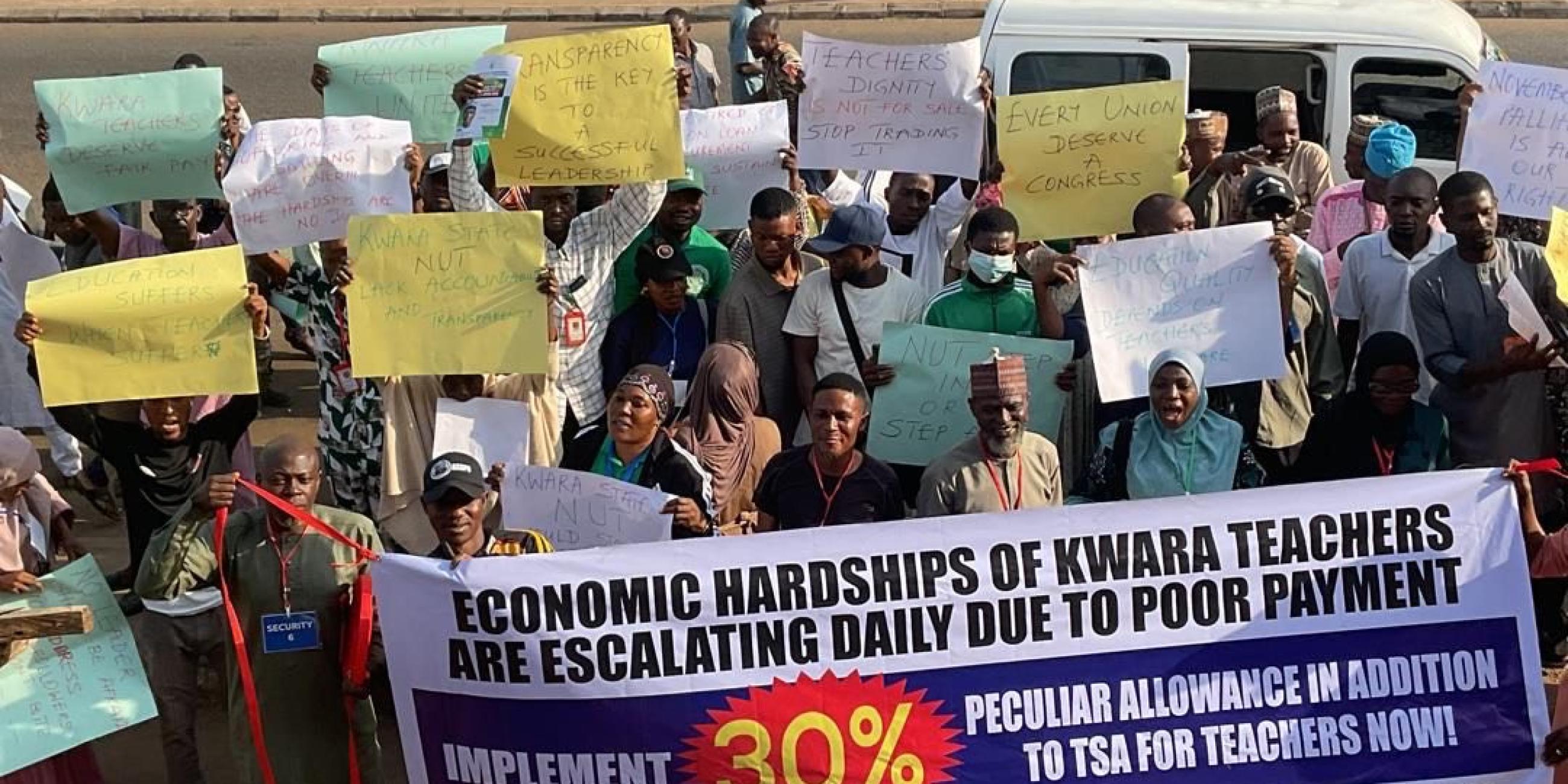
  • BREAKING: Kwara Public School Teachers Protest Salary Disparity, Accuse Government and NUT of Excluding Them From 30% Peculiar Allowance Amid Growing Economic Hardship

    Public school teachers in Kwara State on Friday staged a protest over their exclusion from the recently approved 30% peculiar salary allowance granted to other categories of state workers. The protesting teachers accused the Kwara State Government and the leadership of the Nigeria Union of Teachers (NUT) of neglect, betrayal and failure to protect their welfare amid rising economic hardship.

    During the protest, teachers carried placards lamenting poor pay, widening salary disparities and worsening living conditions, with some stating they were “surviving on loans” to meet basic needs. The protesters demanded the immediate implementation of the 30% peculiar allowance for teachers, arguing that their exclusion leaves them earning less than other civil servants in the state.

    The teachers also targeted the NUT leadership, accusing it of complacency and inaction. Some protesters noted that the 27% Teachers’ Specific Allowance being referenced by authorities was not new and had been implemented in other states since 2018, while other state workers had already begun receiving the 30% allowance in December 2025.

    Meanwhile, the NUT Kwara State leadership distanced itself from the protest, insisting it neither authorised nor endorsed the action. In a statement, the union warned that anyone protesting in the name of teachers did so at their own risk, while also praising the state government for approving teacher-related allowances. The development highlights growing tension between teachers, their union and the state government over pay equity and economic survival.
    BREAKING: Kwara Public School Teachers Protest Salary Disparity, Accuse Government and NUT of Excluding Them From 30% Peculiar Allowance Amid Growing Economic Hardship Public school teachers in Kwara State on Friday staged a protest over their exclusion from the recently approved 30% peculiar salary allowance granted to other categories of state workers. The protesting teachers accused the Kwara State Government and the leadership of the Nigeria Union of Teachers (NUT) of neglect, betrayal and failure to protect their welfare amid rising economic hardship. During the protest, teachers carried placards lamenting poor pay, widening salary disparities and worsening living conditions, with some stating they were “surviving on loans” to meet basic needs. The protesters demanded the immediate implementation of the 30% peculiar allowance for teachers, arguing that their exclusion leaves them earning less than other civil servants in the state. The teachers also targeted the NUT leadership, accusing it of complacency and inaction. Some protesters noted that the 27% Teachers’ Specific Allowance being referenced by authorities was not new and had been implemented in other states since 2018, while other state workers had already begun receiving the 30% allowance in December 2025. Meanwhile, the NUT Kwara State leadership distanced itself from the protest, insisting it neither authorised nor endorsed the action. In a statement, the union warned that anyone protesting in the name of teachers did so at their own risk, while also praising the state government for approving teacher-related allowances. The development highlights growing tension between teachers, their union and the state government over pay equity and economic survival.
    0 Yorumlar ·0 hisse senetleri ·262 Views
  • Israel Announces ‘New Front’ to Protect Christian Communities in Africa and Middle East, Names Nigeria Among Key Focus Areas

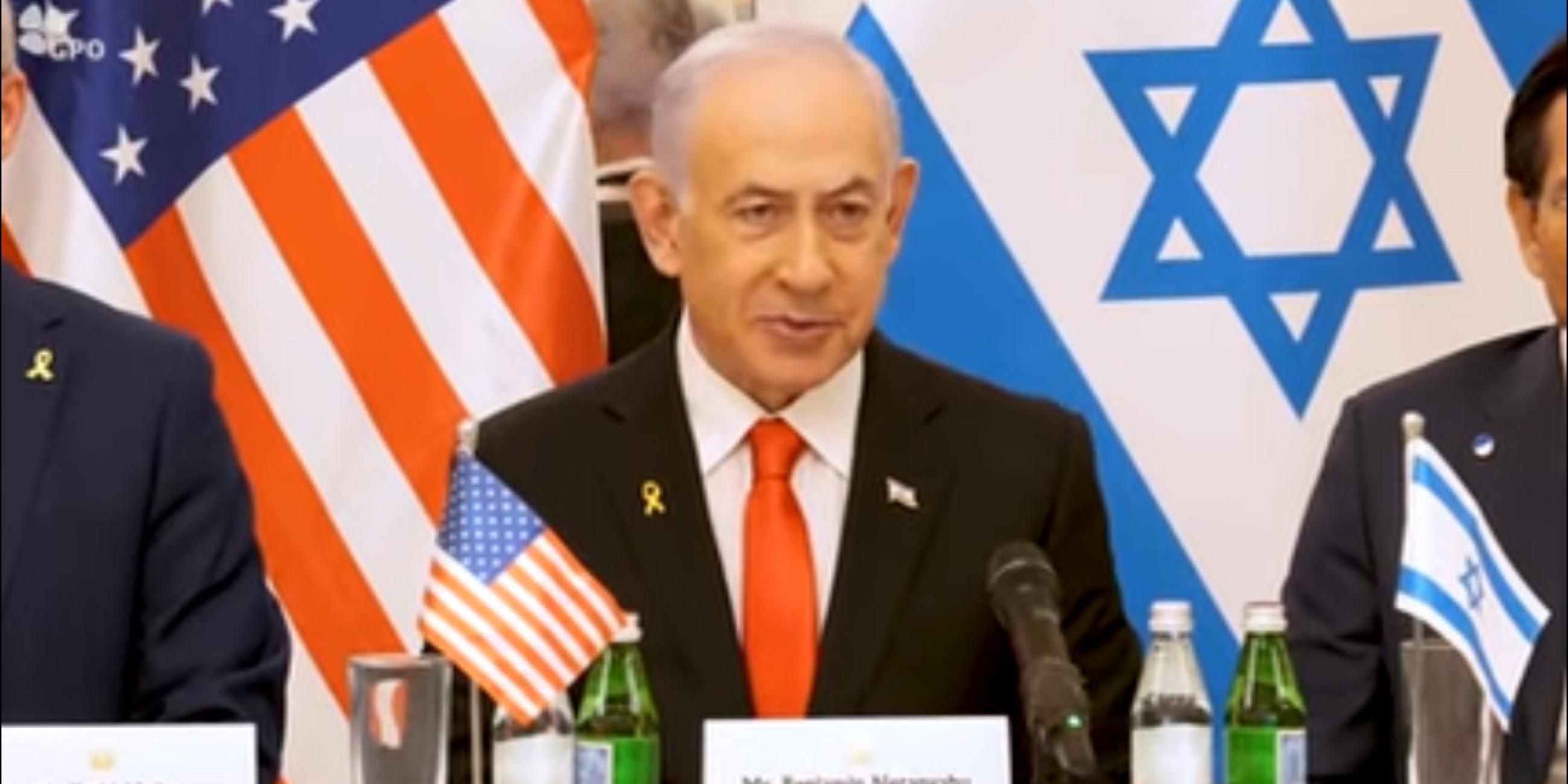
    Israeli Prime Minister Benjamin Netanyahu has announced the opening of what he described as a “new front” dedicated to protecting Christian communities across Africa and the Middle East, including Nigeria. Speaking to an audience of Christian Zionists in a speech published on the Israeli Prime Minister’s official YouTube channel, Netanyahu said Israel was responding to growing global threats against what he termed the “Judeo-Christian civilization.”

    He credited Christian Zionists with playing a crucial role in the emergence and survival of Israel and described the partnership as enduring and strategic. Netanyahu claimed Israel had recently fought and survived a “seven-front war” but insisted an “eighth front” had emerged—one focused on influencing hearts and minds, especially of young people.

    According to him, the struggle extends beyond Israel to the United States and its allies, framing it as a broader battle for Western civilization. He identified radical Shiite and Sunni Islamist groups, naming Iran and the Muslim Brotherhood, as major threats, alleging their influence stretches across Europe, the U.S., Africa, and Nigeria.

    Netanyahu also highlighted what he described as widespread persecution of Christians in countries such as Nigeria, Syria, Lebanon, Turkey, and others, asserting that Israel is the only country actively protecting and enabling Christian communities to thrive. He announced Israel’s intention to join efforts to form a global coalition—likened to a “United Nations” for Christian community protection—offering intelligence and other forms of support, particularly in Africa and the Middle East.

    He concluded by reaffirming Israel’s commitment to defending Christian communities worldwide and extended New Year and Christmas greetings, expressing hope for peace, security, and prosperity, especially for persecuted Christians.
    Israel Announces ‘New Front’ to Protect Christian Communities in Africa and Middle East, Names Nigeria Among Key Focus Areas Israeli Prime Minister Benjamin Netanyahu has announced the opening of what he described as a “new front” dedicated to protecting Christian communities across Africa and the Middle East, including Nigeria. Speaking to an audience of Christian Zionists in a speech published on the Israeli Prime Minister’s official YouTube channel, Netanyahu said Israel was responding to growing global threats against what he termed the “Judeo-Christian civilization.” He credited Christian Zionists with playing a crucial role in the emergence and survival of Israel and described the partnership as enduring and strategic. Netanyahu claimed Israel had recently fought and survived a “seven-front war” but insisted an “eighth front” had emerged—one focused on influencing hearts and minds, especially of young people. According to him, the struggle extends beyond Israel to the United States and its allies, framing it as a broader battle for Western civilization. He identified radical Shiite and Sunni Islamist groups, naming Iran and the Muslim Brotherhood, as major threats, alleging their influence stretches across Europe, the U.S., Africa, and Nigeria. Netanyahu also highlighted what he described as widespread persecution of Christians in countries such as Nigeria, Syria, Lebanon, Turkey, and others, asserting that Israel is the only country actively protecting and enabling Christian communities to thrive. He announced Israel’s intention to join efforts to form a global coalition—likened to a “United Nations” for Christian community protection—offering intelligence and other forms of support, particularly in Africa and the Middle East. He concluded by reaffirming Israel’s commitment to defending Christian communities worldwide and extended New Year and Christmas greetings, expressing hope for peace, security, and prosperity, especially for persecuted Christians.
    0 Yorumlar ·0 hisse senetleri ·490 Views
  • Stop Treating Nigerians Like ATMs” — AAC FCT Chairman Warns of Mass Hardship, Slams Tinubu’s Tax Policies as ‘Declaration of War’ on the Poor in 2026

    The Chairman of the African Action Congress (AAC) in the Federal Capital Territory, Agena Robert Ande, has issued a strong warning that Nigeria is heading into a “year of reckoning” in 2026, accusing President Bola Tinubu’s administration of imposing a harsh and suffocating tax regime that disproportionately affects poor and vulnerable citizens. In a New Year statement, Ande described the government’s tax policies as exploitative, insisting that nearly everything Nigerians rely on for survival is now taxed.

    He rejected official claims that recent tax reforms are designed to target the wealthy, arguing instead that the rich evade taxes through offshore arrangements while ordinary Nigerians pay through Value Added Tax on food, fuel, data, transport and other essentials. According to the AAC chairman, subsidy removal has worsened living conditions nationwide, with transport costs soaring and food prices tripling, further pushing citizens into poverty.

    Ande also criticized the student loan scheme, saying it traps young graduates in debt due to high interest rates and bureaucratic barriers that exclude the most marginalized. He accused the political elite of manipulating public sentiment by weaponising poverty to silence criticism, warning that desperation created by poverty fuels gullibility and social instability.

    Questioning accountability, the AAC leader demanded transparency in the use of tax revenues, pointing to poor infrastructure, failing healthcare systems and dilapidated schools as evidence that increased taxation has not translated into development. He called for the removal of VAT on essential goods and services, insisting that luxury items—not basic livelihoods—should be taxed.

    Describing the tax policies as a “declaration of war against ordinary Nigerians,” Ande urged citizens to resist deception, organize politically and hold leaders accountable through civic engagement and the ballot. He concluded by warning that silence equals complicity, stressing that 2026 presents Nigerians with a choice to reject policies that deepen hardship and inequality.
    Stop Treating Nigerians Like ATMs” — AAC FCT Chairman Warns of Mass Hardship, Slams Tinubu’s Tax Policies as ‘Declaration of War’ on the Poor in 2026 The Chairman of the African Action Congress (AAC) in the Federal Capital Territory, Agena Robert Ande, has issued a strong warning that Nigeria is heading into a “year of reckoning” in 2026, accusing President Bola Tinubu’s administration of imposing a harsh and suffocating tax regime that disproportionately affects poor and vulnerable citizens. In a New Year statement, Ande described the government’s tax policies as exploitative, insisting that nearly everything Nigerians rely on for survival is now taxed. He rejected official claims that recent tax reforms are designed to target the wealthy, arguing instead that the rich evade taxes through offshore arrangements while ordinary Nigerians pay through Value Added Tax on food, fuel, data, transport and other essentials. According to the AAC chairman, subsidy removal has worsened living conditions nationwide, with transport costs soaring and food prices tripling, further pushing citizens into poverty. Ande also criticized the student loan scheme, saying it traps young graduates in debt due to high interest rates and bureaucratic barriers that exclude the most marginalized. He accused the political elite of manipulating public sentiment by weaponising poverty to silence criticism, warning that desperation created by poverty fuels gullibility and social instability. Questioning accountability, the AAC leader demanded transparency in the use of tax revenues, pointing to poor infrastructure, failing healthcare systems and dilapidated schools as evidence that increased taxation has not translated into development. He called for the removal of VAT on essential goods and services, insisting that luxury items—not basic livelihoods—should be taxed. Describing the tax policies as a “declaration of war against ordinary Nigerians,” Ande urged citizens to resist deception, organize politically and hold leaders accountable through civic engagement and the ballot. He concluded by warning that silence equals complicity, stressing that 2026 presents Nigerians with a choice to reject policies that deepen hardship and inequality.
    0 Yorumlar ·0 hisse senetleri ·541 Views
  • Ogun-Osun River Basin Development Authority Bars Casual Workers Above 60 Years, Sparks Panic and Calls for Policy Review

    The Ogun-Osun River Basin Development Authority (OORBDA) has barred casual workers aged above 60 years from continuing their duties, a decision that has triggered panic and concern among affected workers. According to sources who spoke anonymously, the policy was announced during a recent meeting and came as a shock, as there had been no previous age limit for casual workers. Many workers fear the decision will negatively affect their livelihoods and survival, prompting pleas for a review to allow time for adjustment. The development comes amid ongoing controversies surrounding OORBDA, including abandoned projects, unfulfilled dredging promises, and an EFCC investigation into alleged procurement irregularities.
    Ogun-Osun River Basin Development Authority Bars Casual Workers Above 60 Years, Sparks Panic and Calls for Policy Review The Ogun-Osun River Basin Development Authority (OORBDA) has barred casual workers aged above 60 years from continuing their duties, a decision that has triggered panic and concern among affected workers. According to sources who spoke anonymously, the policy was announced during a recent meeting and came as a shock, as there had been no previous age limit for casual workers. Many workers fear the decision will negatively affect their livelihoods and survival, prompting pleas for a review to allow time for adjustment. The development comes amid ongoing controversies surrounding OORBDA, including abandoned projects, unfulfilled dredging promises, and an EFCC investigation into alleged procurement irregularities.
    0 Yorumlar ·0 hisse senetleri ·291 Views
  • Human Rights Lawyer Ejiofor Criticizes Tinubu Govt Over Widespread Hunger, Poverty, and Security Failures in 2025

    Human rights lawyer Barrister Ifeanyi Ejiofor has condemned Nigeria’s socio-economic and security situation under President Bola Tinubu in 2025, citing insecurity, economic hardship, and legislative failure as defining issues. He described hunger and poverty as “democratised” and no longer selective, attributing worsening conditions to inflation, stagnant wages, and poorly conceived policies.

    Ejiofor criticized the National Assembly for rubber-stamping bills like the Tax Reform Act without proper oversight and accused the government of selective responses to violent attacks, worsening inequality and shrinking the middle class. Despite the grim assessment, he expressed gratitude for survival and urged the emergence of compassionate leadership, people-centered policies, and a security architecture rooted in justice as Nigeria enters 2026.
    Human Rights Lawyer Ejiofor Criticizes Tinubu Govt Over Widespread Hunger, Poverty, and Security Failures in 2025 Human rights lawyer Barrister Ifeanyi Ejiofor has condemned Nigeria’s socio-economic and security situation under President Bola Tinubu in 2025, citing insecurity, economic hardship, and legislative failure as defining issues. He described hunger and poverty as “democratised” and no longer selective, attributing worsening conditions to inflation, stagnant wages, and poorly conceived policies. Ejiofor criticized the National Assembly for rubber-stamping bills like the Tax Reform Act without proper oversight and accused the government of selective responses to violent attacks, worsening inequality and shrinking the middle class. Despite the grim assessment, he expressed gratitude for survival and urged the emergence of compassionate leadership, people-centered policies, and a security architecture rooted in justice as Nigeria enters 2026.
    0 Yorumlar ·0 hisse senetleri ·516 Views
  • Anthony Joshua Survives Lagos-Ibadan Expressway Crash That Killed 2: Lawyer Explains How Boxer Escaped Death

    A lawyer has suggested that British boxer Anthony Joshua survived the fatal Lagos-Ibadan Expressway car accident because of his seating position behind the driver. The crash claimed the lives of his strength and conditioning coach, Sina Ghami, and fitness trainer, Latif “Latz” Ayodele. The incident has sparked mixed reactions online, with some attributing his survival to divine intervention rather than positioning.
    Anthony Joshua Survives Lagos-Ibadan Expressway Crash That Killed 2: Lawyer Explains How Boxer Escaped Death A lawyer has suggested that British boxer Anthony Joshua survived the fatal Lagos-Ibadan Expressway car accident because of his seating position behind the driver. The crash claimed the lives of his strength and conditioning coach, Sina Ghami, and fitness trainer, Latif “Latz” Ayodele. The incident has sparked mixed reactions online, with some attributing his survival to divine intervention rather than positioning.
    0 Yorumlar ·0 hisse senetleri ·340 Views
  • 2027: APC Membership No Automatic Ticket for Second Term — Wike Warns Politicians

    Minister of the Federal Capital Territory (FCT), Nyesom Wike, has cautioned politicians eyeing re-election in 2027 that joining the All Progressives Congress (APC) or openly declaring loyalty to President Bola Tinubu does not automatically guarantee a second-term ticket.

    Wike stressed that politics should be built on clear, well-defined agreements, not blind loyalty. According to him, promises made during political alignments must be honoured, noting that loyalty without structure, commitment, or enforceable understanding carries no assurance.

    He warned that political survival depends on credibility, performance, and adherence to agreed terms, not just party switches or public displays of allegiance.

    #Wike #APC #2027Elections #NigerianPolitics
    2027: APC Membership No Automatic Ticket for Second Term — Wike Warns Politicians Minister of the Federal Capital Territory (FCT), Nyesom Wike, has cautioned politicians eyeing re-election in 2027 that joining the All Progressives Congress (APC) or openly declaring loyalty to President Bola Tinubu does not automatically guarantee a second-term ticket. Wike stressed that politics should be built on clear, well-defined agreements, not blind loyalty. According to him, promises made during political alignments must be honoured, noting that loyalty without structure, commitment, or enforceable understanding carries no assurance. He warned that political survival depends on credibility, performance, and adherence to agreed terms, not just party switches or public displays of allegiance. #Wike #APC #2027Elections #NigerianPolitics
    0 Yorumlar ·0 hisse senetleri ·586 Views
  • From Idle Plots to Survival Farms: How Ogun Community Turns Vacant Lands Into Food Security Solutions

    Amid Nigeria’s ongoing economic hardships, residents of Iwoye-Aiyedokun in Ogun State have transformed idle lands into small-scale survival farms, producing maize, cassava, plantain, vegetables, and fruits to sustain their families. Families like Rukayat Ogunjimi and Ademola Adedokun grow crops in unused plots near their homes, minimizing food costs and transportation while improving access to fresh produce. The initiative is inspired by backyard gardening campaigns promoted by prominent Nigerians, including Nonye Soludo and First Lady Remi Tinubu, emphasizing subsistence farming as a solution to rising food prices. Local regulations now protect crops from free-ranging livestock, helping maintain farm productivity. The project demonstrates how communities creatively address food security and reduce dependency on commercial markets.
    From Idle Plots to Survival Farms: How Ogun Community Turns Vacant Lands Into Food Security Solutions Amid Nigeria’s ongoing economic hardships, residents of Iwoye-Aiyedokun in Ogun State have transformed idle lands into small-scale survival farms, producing maize, cassava, plantain, vegetables, and fruits to sustain their families. Families like Rukayat Ogunjimi and Ademola Adedokun grow crops in unused plots near their homes, minimizing food costs and transportation while improving access to fresh produce. The initiative is inspired by backyard gardening campaigns promoted by prominent Nigerians, including Nonye Soludo and First Lady Remi Tinubu, emphasizing subsistence farming as a solution to rising food prices. Local regulations now protect crops from free-ranging livestock, helping maintain farm productivity. The project demonstrates how communities creatively address food security and reduce dependency on commercial markets.
    0 Yorumlar ·0 hisse senetleri ·404 Views
  • President Trump’s US Airstrikes Send Strong Message as Nigerian Christians Receive Relief Amid Tinubu’s Leadership Failure — Opinion

    In this opinion piece, Bayo Oluwasanmi argues that US President Donald Trump’s decision to launch targeted airstrikes against ISIS-linked terrorists in northwest Nigeria represents bold leadership in contrast to what he describes as President Bola Tinubu’s weak and indecisive response to the prolonged killings of Nigerian Christians. The author praises Trump for fulfilling his warning to act against terrorists allegedly responsible for mass violence, insisting the operation was a precise counterterrorism strike rather than a resource-driven or religious agenda. Oluwasanmi accuses the Nigerian government of prioritising political survival over citizen security, calling the US intervention a decisive step that could mark the beginning of the end for terrorist violence against Christians in Nigeria.
    President Trump’s US Airstrikes Send Strong Message as Nigerian Christians Receive Relief Amid Tinubu’s Leadership Failure — Opinion In this opinion piece, Bayo Oluwasanmi argues that US President Donald Trump’s decision to launch targeted airstrikes against ISIS-linked terrorists in northwest Nigeria represents bold leadership in contrast to what he describes as President Bola Tinubu’s weak and indecisive response to the prolonged killings of Nigerian Christians. The author praises Trump for fulfilling his warning to act against terrorists allegedly responsible for mass violence, insisting the operation was a precise counterterrorism strike rather than a resource-driven or religious agenda. Oluwasanmi accuses the Nigerian government of prioritising political survival over citizen security, calling the US intervention a decisive step that could mark the beginning of the end for terrorist violence against Christians in Nigeria.
    0 Yorumlar ·0 hisse senetleri ·301 Views
Arama Sonuçları
Fintter https://fintter.com