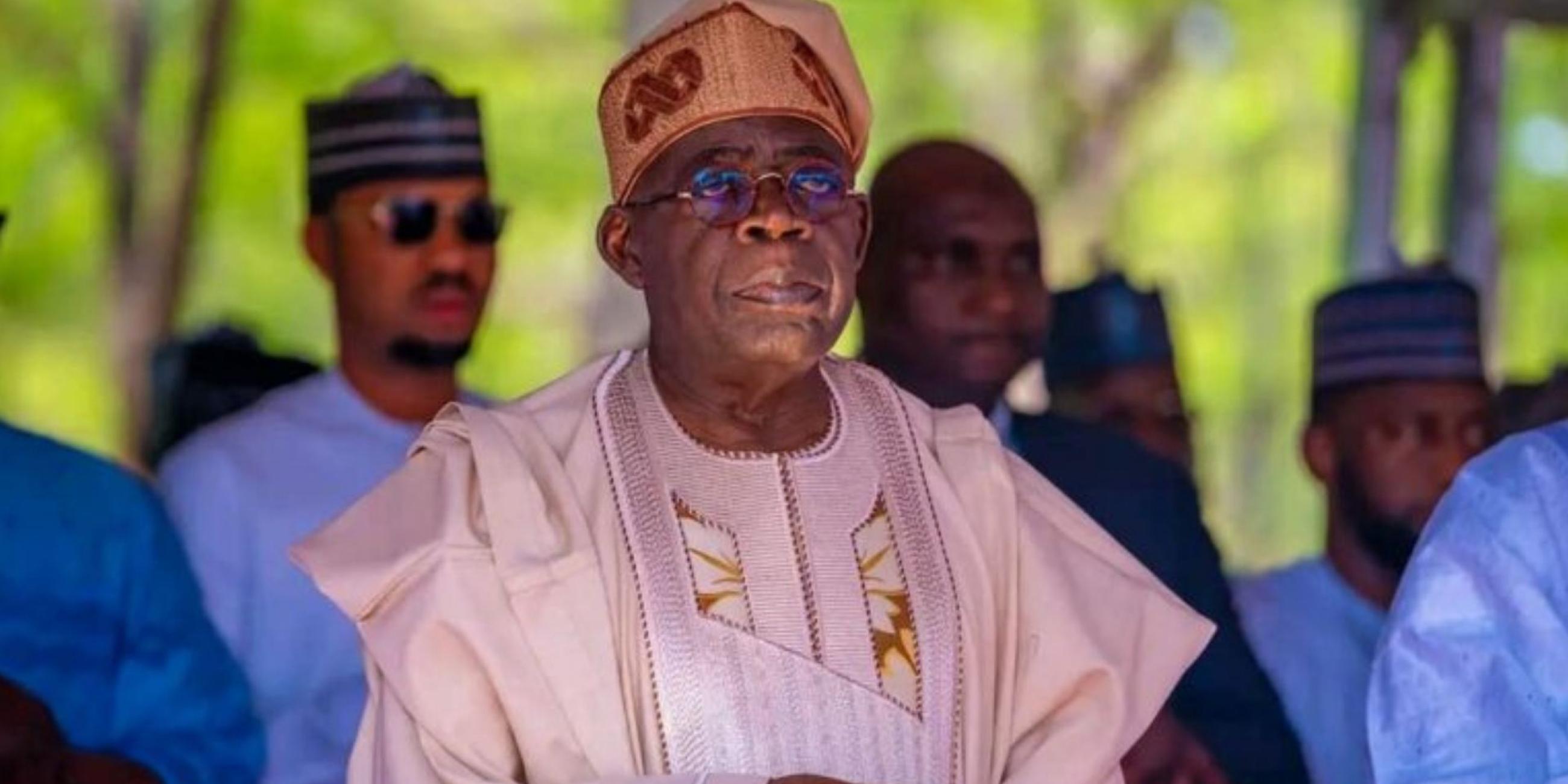
• BREAKING NEWS : Nigerian President Bola Ahmed Tinubu, who is on an official visit to Turkey, suddenly lost his balance and fell at the Presidential Complex, where he was welcomed with an official ceremony
    BREAKING NEWS : Nigerian President Bola Ahmed Tinubu, who is on an official visit to Turkey, suddenly lost his balance and fell at the Presidential Complex, where he was welcomed with an official ceremony
    love
    1
    · 0 Reacties ·0 aandelen ·656 Views
  • Nigerian Nurse Loses Licence in Australia Over Sleeping on Duty…..


    A Nigerian nurse has lost her professional licence in Australia after being found guilty of repeatedly sleeping while on duty, putting elderly patients at risk. A disciplinary panel ruled that her actions amounted to professional misconduct, citing concerns over patient safety and care standards. The licence revocation follows investigations into multiple incidents at an aged-care facility.
    Nigerian Nurse Loses Licence in Australia Over Sleeping on Duty….. A Nigerian nurse has lost her professional licence in Australia after being found guilty of repeatedly sleeping while on duty, putting elderly patients at risk. A disciplinary panel ruled that her actions amounted to professional misconduct, citing concerns over patient safety and care standards. The licence revocation follows investigations into multiple incidents at an aged-care facility.
    love
    2
    · 0 Reacties ·0 aandelen ·590 Views
  • Bandits have killed an Islamic cleric, Malam Zainu AB Mada, in Zamfara State after collecting ₦2 million ransom, two phones, and ₦70,000 airtime from his family.

    Malam Zainu was abducted along the Kwatarkwashi–Mada highway, a road now known for frequent bandit attacks. Despite his family meeting all the demands, the bandits still brutally killed him.

    His funeral prayer was held on Thursday.

    This tragic killing shows a painful reality: paying ransom no longer guarantees safety. Zamfara residents continue to live in fear as kidnappings, killings, and attacks on major roads persist, despite government assurances.

    How many more lives will be lost before real action is taken?

    #Zamfara #Banditry #Insecurity #Kidnapping #NigeriaNews #StopTheKillings
    Bandits have killed an Islamic cleric, Malam Zainu AB Mada, in Zamfara State after collecting ₦2 million ransom, two phones, and ₦70,000 airtime from his family. Malam Zainu was abducted along the Kwatarkwashi–Mada highway, a road now known for frequent bandit attacks. Despite his family meeting all the demands, the bandits still brutally killed him. His funeral prayer was held on Thursday. This tragic killing shows a painful reality: paying ransom no longer guarantees safety. Zamfara residents continue to live in fear as kidnappings, killings, and attacks on major roads persist, despite government assurances. How many more lives will be lost before real action is taken? 💔🇳🇬 #Zamfara #Banditry #Insecurity #Kidnapping #NigeriaNews #StopTheKillings
    0 Reacties ·0 aandelen ·798 Views

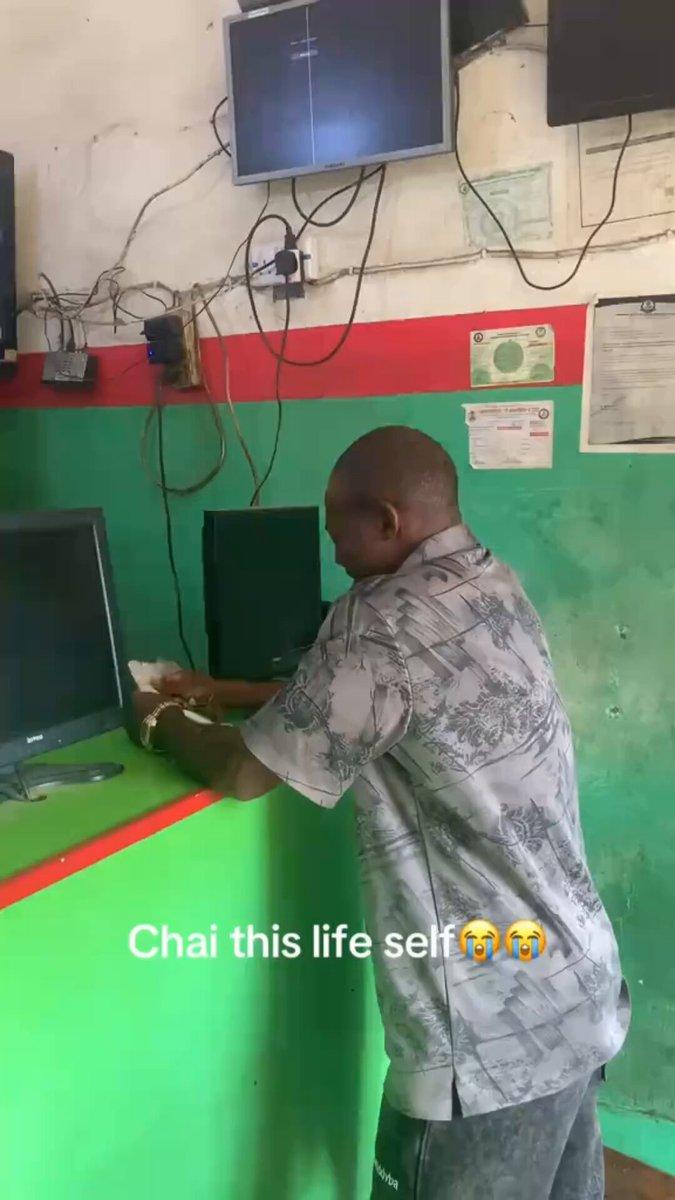
  • Man Breaks Down After Losing Savings on Man City Bet


    A man has gone viral after placing a huge bet using his entire savings on Manchester City to defeat Manchester United, fully confident of winning. Unfortunately, City lost the match, and he was left in tears as his hopes crashed. Witnesses say he has been crying ever since the result, sparking mixed reactions online, with some sympathizing and others warning against staking one’s life savings on sports betting.
    #fintternews
    Man Breaks Down After Losing Savings on Man City Bet A man has gone viral after placing a huge bet using his entire savings on Manchester City to defeat Manchester United, fully confident of winning. Unfortunately, City lost the match, and he was left in tears as his hopes crashed. Witnesses say he has been crying ever since the result, sparking mixed reactions online, with some sympathizing and others warning against staking one’s life savings on sports betting. #fintternews
    love
    1
    · 0 Reacties ·0 aandelen ·267 Views
  • Midnight Fire Guts Adamawa Grains Market, Traders Count Heavy Losses As Foodstuffs Burn to Ashes

    A devastating midnight fire has razed Dumne’s popular grains market, Kasuwan Dadi, in Adamawa State, destroying large quantities of foodstuffs and traders’ goods. The inferno reportedly started around 1:22am, catching traders off guard as flames swept through key sections of the market. Though no lives were lost, many families suffered huge economic losses. Youths, mothers and elderly women bravely battled the fire to prevent further spread. Residents are urging government authorities to assess the damage and provide urgent relief, warning the incident could worsen food and economic hardship.

    #AdamawaFire #NigeriaNews #MarketInferno
    Midnight Fire Guts Adamawa Grains Market, Traders Count Heavy Losses As Foodstuffs Burn to Ashes A devastating midnight fire has razed Dumne’s popular grains market, Kasuwan Dadi, in Adamawa State, destroying large quantities of foodstuffs and traders’ goods. The inferno reportedly started around 1:22am, catching traders off guard as flames swept through key sections of the market. Though no lives were lost, many families suffered huge economic losses. Youths, mothers and elderly women bravely battled the fire to prevent further spread. Residents are urging government authorities to assess the damage and provide urgent relief, warning the incident could worsen food and economic hardship. #AdamawaFire #NigeriaNews #MarketInferno
    love
    1
    · 0 Reacties ·0 aandelen ·407 Views
  • About Us – Fintter

    Our Story

    Fintter was born from a simple idea: people talk every day, but very few are truly heard. In a world crowded with content, trending headlines, and noise, authentic conversations often get lost. We wanted to create a space where stories matter, curiosity thrives, and every voice has the chance to be understood.

    What We Do

    At Fintter, we turn conversations into meaningful content. We ask the questions that matter, listen deeply, and share insights that inspire, educate, and connect. From podcasts and interviews to articles and social media content, everything we create is designed to spark thought, foster understanding, and bring people closer together.

    Our Mission

    We exist to help people feel seen, heard, and understood. Our mission is to:
    • Build meaningful connections through storytelling
    • Give voices a platform to share their journeys
    • Turn curiosity into knowledge, and knowledge into action

    Why Fintter?

    Because every story matters. Every question matters. Every conversation can change how we see the world. Fintter is more than a brand—it’s a community, a platform, and a mindset for anyone who believes in the power of human connection.

    Join Us

    Whether you’re here to share your story, learn from others, or simply explore new ideas, Fintter welcomes you. Together, we turn conversations into understanding, one story at a time.
    About Us – Fintter Our Story Fintter was born from a simple idea: people talk every day, but very few are truly heard. In a world crowded with content, trending headlines, and noise, authentic conversations often get lost. We wanted to create a space where stories matter, curiosity thrives, and every voice has the chance to be understood. What We Do At Fintter, we turn conversations into meaningful content. We ask the questions that matter, listen deeply, and share insights that inspire, educate, and connect. From podcasts and interviews to articles and social media content, everything we create is designed to spark thought, foster understanding, and bring people closer together. Our Mission We exist to help people feel seen, heard, and understood. Our mission is to: • Build meaningful connections through storytelling • Give voices a platform to share their journeys • Turn curiosity into knowledge, and knowledge into action Why Fintter? Because every story matters. Every question matters. Every conversation can change how we see the world. Fintter is more than a brand—it’s a community, a platform, and a mindset for anyone who believes in the power of human connection. Join Us Whether you’re here to share your story, learn from others, or simply explore new ideas, Fintter welcomes you. Together, we turn conversations into understanding, one story at a time.
    0 Reacties ·0 aandelen ·507 Views
  • About Us – Fintter

    Our Story

    Fintter was born from a simple idea: people talk every day, but very few are truly heard. In a world crowded with content, trending headlines, and noise, authentic conversations often get lost. We wanted to create a space where stories matter, curiosity thrives, and every voice has the chance to be understood.

    What We Do

    At Fintter, we turn conversations into meaningful content. We ask the questions that matter, listen deeply, and share insights that inspire, educate, and connect. From podcasts and interviews to articles and social media content, everything we create is designed to spark thought, foster understanding, and bring people closer together.

    Our Mission

    We exist to help people feel seen, heard, and understood. Our mission is to:
    • Build meaningful connections through storytelling
    • Give voices a platform to share their journeys
    • Turn curiosity into knowledge, and knowledge into action

    Why Fintter?

    Because every story matters. Every question matters. Every conversation can change how we see the world. Fintter is more than a brand—it’s a community, a platform, and a mindset for anyone who believes in the power of human connection.

    Join Us

    Whether you’re here to share your story, learn from others, or simply explore new ideas, Fintter welcomes you. Together, we turn conversations into understanding, one story at a time.
    About Us – Fintter Our Story Fintter was born from a simple idea: people talk every day, but very few are truly heard. In a world crowded with content, trending headlines, and noise, authentic conversations often get lost. We wanted to create a space where stories matter, curiosity thrives, and every voice has the chance to be understood. What We Do At Fintter, we turn conversations into meaningful content. We ask the questions that matter, listen deeply, and share insights that inspire, educate, and connect. From podcasts and interviews to articles and social media content, everything we create is designed to spark thought, foster understanding, and bring people closer together. Our Mission We exist to help people feel seen, heard, and understood. Our mission is to: • Build meaningful connections through storytelling • Give voices a platform to share their journeys • Turn curiosity into knowledge, and knowledge into action Why Fintter? Because every story matters. Every question matters. Every conversation can change how we see the world. Fintter is more than a brand—it’s a community, a platform, and a mindset for anyone who believes in the power of human connection. Join Us Whether you’re here to share your story, learn from others, or simply explore new ideas, Fintter welcomes you. Together, we turn conversations into understanding, one story at a time.
    0 Reacties ·0 aandelen ·445 Views
  • Breaking News ……

    Anthony Joshua is BACK

    He shared a video of him training on Snapchat. According to what we heard , he is planning to fight Tyson Fury and every money he makes from it , he will give it all to the family of his two friends he lost .

    Bro revealed that he can’t cry his friends forever . He needs to stand up and be a man . His next fight will be for his friends …
    Breaking News …… Anthony Joshua is BACK💪💪💪 He shared a video of him training on Snapchat. According to what we heard , he is planning to fight Tyson Fury and every money he makes from it , he will give it all to the family of his two friends he lost . Bro revealed that he can’t cry his friends forever . He needs to stand up and be a man . His next fight will be for his friends …
    love
    1
    · 0 Reacties ·0 aandelen ·329 Views
  • Nigerian billionaire, Abdul Samad Rabiu says he will still go ahead to fulfill his promise of rewarding the Super Eagles squad with $500k even after they lost to Morocco in the AFCON semi-final.

    The Super Eagles lost to Morocco 4-2 on penalties on Wednesday, January 14.

    They will be playing third place match against Egypt.
    Nigerian billionaire, Abdul Samad Rabiu says he will still go ahead to fulfill his promise of rewarding the Super Eagles squad with $500k even after they lost to Morocco in the AFCON semi-final. The Super Eagles lost to Morocco 4-2 on penalties on Wednesday, January 14. They will be playing third place match against Egypt.
    love
    1
    · 0 Reacties ·0 aandelen ·105 Views
  • Bauchi Traders Protest as Katagum Council Demolishes Dozens of Shops for Alleged Gas Station Project – “They Left Us With Nothing”

    Traders in Bauchi State’s Katagum Local Government Area have expressed deep frustration and financial ruin after council authorities demolished dozens of market shops to make way for an alleged gas station project. Business owners, many of whom have operated in the market for years, say the demolition was carried out with little or no notice, leaving them with lost goods, destroyed property, and shattered livelihoods. “They left us with nothing,” said one displaced trader, lamenting the absence of compensation or alternative business space. The Katagum Council claims the demolition is part of a planned development initiative, asserting the need to improve infrastructure and attract investment. However, affected traders and civil society groups argue that the lack of engagement and the sudden enforcement have thrown families into hardship. Many have called on state government officials to intervene, provide fair compensation, and offer resettlement plans to help them restart their businesses. The controversy highlights ongoing tensions between development projects and informal market economies in northern Nigeria.
    Bauchi Traders Protest as Katagum Council Demolishes Dozens of Shops for Alleged Gas Station Project – “They Left Us With Nothing” Traders in Bauchi State’s Katagum Local Government Area have expressed deep frustration and financial ruin after council authorities demolished dozens of market shops to make way for an alleged gas station project. Business owners, many of whom have operated in the market for years, say the demolition was carried out with little or no notice, leaving them with lost goods, destroyed property, and shattered livelihoods. “They left us with nothing,” said one displaced trader, lamenting the absence of compensation or alternative business space. The Katagum Council claims the demolition is part of a planned development initiative, asserting the need to improve infrastructure and attract investment. However, affected traders and civil society groups argue that the lack of engagement and the sudden enforcement have thrown families into hardship. Many have called on state government officials to intervene, provide fair compensation, and offer resettlement plans to help them restart their businesses. The controversy highlights ongoing tensions between development projects and informal market economies in northern Nigeria.
    love
    1
    · 0 Reacties ·0 aandelen ·203 Views
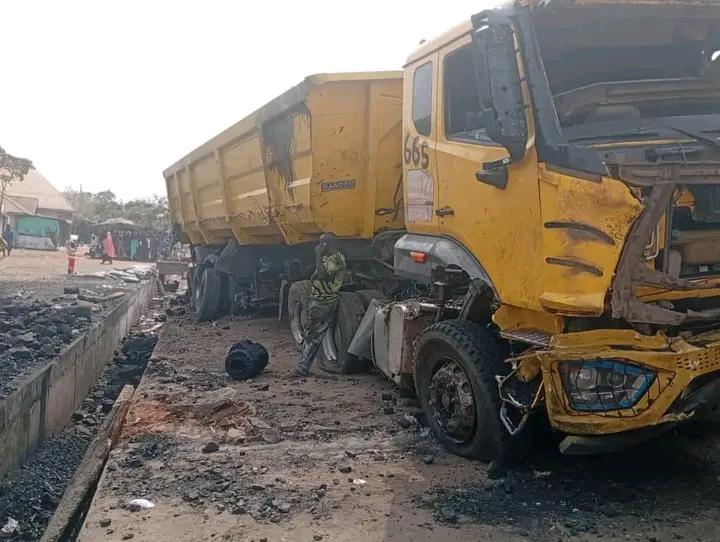
  • Wahala Don Set Oo! FRSC Confirms Deadly Crash As 12 People Die On Yangoji–Abuja Road

    Wahala don happen for the Yangoji–Abuja corridor as the Federal Road Safety Corps (FRSC) has confirmed a fatal multiple-vehicle crash that claimed 12 lives at Gada Biyu on Sunday, January 11, 2026. According to a statement by the Corps Public Education Officer, Segun Ogungbemide, the accident occurred around 11:45am and involved four vehicles: a commercial trailer carrying coal, a commercial bus, and two commercial cars. Preliminary findings indicate that speed violation and dangerous driving caused the crash. The truck driver was said to be driving above the legal speed limit, lost control and rammed into already parked vehicles, triggering the deadly collision. Out of 18 people involved, five died instantly at the scene, while seven others who were rescued and taken to hospital later succumbed to their injuries. Three victims sustained varying injuries and are currently receiving treatment.
    Wahala Don Set Oo! FRSC Confirms Deadly Crash As 12 People Die On Yangoji–Abuja Road Wahala don happen for the Yangoji–Abuja corridor as the Federal Road Safety Corps (FRSC) has confirmed a fatal multiple-vehicle crash that claimed 12 lives at Gada Biyu on Sunday, January 11, 2026. According to a statement by the Corps Public Education Officer, Segun Ogungbemide, the accident occurred around 11:45am and involved four vehicles: a commercial trailer carrying coal, a commercial bus, and two commercial cars. Preliminary findings indicate that speed violation and dangerous driving caused the crash. The truck driver was said to be driving above the legal speed limit, lost control and rammed into already parked vehicles, triggering the deadly collision. Out of 18 people involved, five died instantly at the scene, while seven others who were rescued and taken to hospital later succumbed to their injuries. Three victims sustained varying injuries and are currently receiving treatment.
    0 Reacties ·0 aandelen ·377 Views
  • Wahala Don Set for Delta! 26-Year-Old Woman Accuses Baby Daddy, Family of Brutal Beatings, Child Neglect

    Wahala don sup for Delta State as a 26-year-old woman, Favour Kalamatoro, has come out with a heartbreaking story of alleged domestic abuse, assault and child neglect by her children’s father and his family.

    Favour, an Urhobo indigene from Obiayagha in Ughelli South, told SaharaReporters that her nightmare began after she went to her children’s father’s house in Udu Local Government Area to check on her two kids. Instead of peace, she said she was attacked by the man, Ikovie Odephiare, his mother, Mrs Ikovie Ekaete, his elder brother, Ikovie Etabunor, and other relatives.

    According to her, she has two children with the man—a four-year-old boy and a seven-month-old baby girl—and has endured years of abuse, abandonment and suffering that pushed her into street begging and menial jobs just to survive.

    Favour revealed that the violence started while she was pregnant with her second child.
    “I was physically assaulted by my children’s father, his mother and his elder brother, all because I went to visit my kids,” she said.

    She alleged that during her pregnancy, she was constantly insulted, starved and beaten.
    “The abuse started when I was seven months pregnant and living in his house. He would insult me, beat me and even starve me, forcing me to go outside and beg for food while I was pregnant,” she narrated.

    Things reportedly got worse when she was eight months pregnant.
    “He beat me until I fainted, threw me out of the house and locked the door. Neighbours rushed me to a clinic, and I almost lost my baby. I survived, but the next day, the beatings continued.”

    Unable to cope anymore, Favour said she left the house with her first child and began hawking sachet water just to feed herself and the boy.
    “I packed my things and left with my four-year-old son. I started selling ‘pure water’ just to survive,” she said.

    She further alleged that after she delivered her second child, the man and his family abandoned her completely.
    “When I gave birth, none of them came to see me. My father and siblings paid all the hospital bills and took care of me and my two children.”

    Although the children’s father later promised her family that he would take responsibility, she said he never fulfilled it.
    “Six months later, he came and told my father he would take care of the children and pay the hospital bills, but he never did.”

    According to Favour, whenever she asked for money to buy baby food or diapers, she was insulted and threatened.
    “He told me not to ask him for anything again and said if I was tired, I should bring the children to him. Later, he told me never to contact him again because he wanted to start a new life and family, while we had nothing to eat.”

    She said she once involved the police in Warri so he could formally agree to support the first child, but after sending ₦15,000 once, he allegedly stopped.
    “He told me I could do my worst, that he was not afraid of the police or anybody.”

    Favour also explained that years of dependence left her without any skills or stable source of income.
    “He left me handicapped. I had no handwork, no business to fall back on. The small business I tried to run was ruined because he kept borrowing money from me.”

    Out of desperation, she said she eventually took the children to their grandmother’s house for care, begging her to feed them. According to her, the woman initially agreed.

    But wahala really burst when she went back to visit her children on Monday, January 10, 2026.
    “When I went to see my children, their father, his mother and elder brother gathered and beat me. They punched me, flogged me with a cane and even a shovel, damaged my phone, and I sustained bruises on my mouth and all over my body,” she alleged.

    Favour said she reported the matter to the police, but before officers could make an arrest, the children’s grandmother reportedly fled with the kids. She added that when police contacted the children’s father, he claimed he was out of town. Officers later discovered that the mother’s shop had been abandoned, allegedly on his instruction.

    As of the time of filing this report, SaharaReporters said attempts to reach Ikovie Odephiare were unsuccessful, with his phone lines reportedly switched off.

    “This is my story,” Favour said. “I am seeking urgent help to protect myself and my children.”

    For many Nigerians reading this, one thing is clear: domestic violence and child neglect remain serious issues, and in this case, wahala don truly set oo for Delta.
    Wahala Don Set for Delta! 26-Year-Old Woman Accuses Baby Daddy, Family of Brutal Beatings, Child Neglect Wahala don sup for Delta State as a 26-year-old woman, Favour Kalamatoro, has come out with a heartbreaking story of alleged domestic abuse, assault and child neglect by her children’s father and his family. Favour, an Urhobo indigene from Obiayagha in Ughelli South, told SaharaReporters that her nightmare began after she went to her children’s father’s house in Udu Local Government Area to check on her two kids. Instead of peace, she said she was attacked by the man, Ikovie Odephiare, his mother, Mrs Ikovie Ekaete, his elder brother, Ikovie Etabunor, and other relatives. According to her, she has two children with the man—a four-year-old boy and a seven-month-old baby girl—and has endured years of abuse, abandonment and suffering that pushed her into street begging and menial jobs just to survive. Favour revealed that the violence started while she was pregnant with her second child. “I was physically assaulted by my children’s father, his mother and his elder brother, all because I went to visit my kids,” she said. She alleged that during her pregnancy, she was constantly insulted, starved and beaten. “The abuse started when I was seven months pregnant and living in his house. He would insult me, beat me and even starve me, forcing me to go outside and beg for food while I was pregnant,” she narrated. Things reportedly got worse when she was eight months pregnant. “He beat me until I fainted, threw me out of the house and locked the door. Neighbours rushed me to a clinic, and I almost lost my baby. I survived, but the next day, the beatings continued.” Unable to cope anymore, Favour said she left the house with her first child and began hawking sachet water just to feed herself and the boy. “I packed my things and left with my four-year-old son. I started selling ‘pure water’ just to survive,” she said. She further alleged that after she delivered her second child, the man and his family abandoned her completely. “When I gave birth, none of them came to see me. My father and siblings paid all the hospital bills and took care of me and my two children.” Although the children’s father later promised her family that he would take responsibility, she said he never fulfilled it. “Six months later, he came and told my father he would take care of the children and pay the hospital bills, but he never did.” According to Favour, whenever she asked for money to buy baby food or diapers, she was insulted and threatened. “He told me not to ask him for anything again and said if I was tired, I should bring the children to him. Later, he told me never to contact him again because he wanted to start a new life and family, while we had nothing to eat.” She said she once involved the police in Warri so he could formally agree to support the first child, but after sending ₦15,000 once, he allegedly stopped. “He told me I could do my worst, that he was not afraid of the police or anybody.” Favour also explained that years of dependence left her without any skills or stable source of income. “He left me handicapped. I had no handwork, no business to fall back on. The small business I tried to run was ruined because he kept borrowing money from me.” Out of desperation, she said she eventually took the children to their grandmother’s house for care, begging her to feed them. According to her, the woman initially agreed. But wahala really burst when she went back to visit her children on Monday, January 10, 2026. “When I went to see my children, their father, his mother and elder brother gathered and beat me. They punched me, flogged me with a cane and even a shovel, damaged my phone, and I sustained bruises on my mouth and all over my body,” she alleged. Favour said she reported the matter to the police, but before officers could make an arrest, the children’s grandmother reportedly fled with the kids. She added that when police contacted the children’s father, he claimed he was out of town. Officers later discovered that the mother’s shop had been abandoned, allegedly on his instruction. As of the time of filing this report, SaharaReporters said attempts to reach Ikovie Odephiare were unsuccessful, with his phone lines reportedly switched off. “This is my story,” Favour said. “I am seeking urgent help to protect myself and my children.” For many Nigerians reading this, one thing is clear: domestic violence and child neglect remain serious issues, and in this case, wahala don truly set oo for Delta.
    0 Reacties ·0 aandelen ·909 Views
  • Bandits Kill Four, Burn Homes and Loot Livestock in Niger State as Wawa Community Comes Under Fresh Attack.

    Bandits have launched another deadly attack on Wawa community in Borgu Local Government Area of Niger State, killing four residents, burning homes and a church, and carting away villagers’ livestock in a violent raid that has deepened fear across the area.

    According to local sources, the assailants struck Damala village near the Woko–Daba mining axis between 8:00pm and 8:30pm, catching residents off guard. Eyewitnesses said the attackers moved swiftly, setting houses ablaze, killing civilians, and escaping into surrounding forests with stolen animals before any help could arrive.

    Survivors described scenes of terror as families fled burning homes while others mourned loved ones lost in the assault. Community members say the absence of security personnel has left the area exposed to repeated attacks, forcing residents to abandon farms, churches, and daily activities out of fear.

    A community leader, Comrade Zakari Y. Adamu, appealed to state and federal authorities for urgent intervention, warning that without immediate deployment of security forces, more communities in Niger State could face similar bloodshed.

    The latest attack highlights the worsening security crisis in Nigeria’s rural and mining regions, where forested terrain continues to provide safe routes for armed groups. As residents demand action, concerns grow that violence may spread if authorities fail to respond decisively.
    Bandits Kill Four, Burn Homes and Loot Livestock in Niger State as Wawa Community Comes Under Fresh Attack. Bandits have launched another deadly attack on Wawa community in Borgu Local Government Area of Niger State, killing four residents, burning homes and a church, and carting away villagers’ livestock in a violent raid that has deepened fear across the area. According to local sources, the assailants struck Damala village near the Woko–Daba mining axis between 8:00pm and 8:30pm, catching residents off guard. Eyewitnesses said the attackers moved swiftly, setting houses ablaze, killing civilians, and escaping into surrounding forests with stolen animals before any help could arrive. Survivors described scenes of terror as families fled burning homes while others mourned loved ones lost in the assault. Community members say the absence of security personnel has left the area exposed to repeated attacks, forcing residents to abandon farms, churches, and daily activities out of fear. A community leader, Comrade Zakari Y. Adamu, appealed to state and federal authorities for urgent intervention, warning that without immediate deployment of security forces, more communities in Niger State could face similar bloodshed. The latest attack highlights the worsening security crisis in Nigeria’s rural and mining regions, where forested terrain continues to provide safe routes for armed groups. As residents demand action, concerns grow that violence may spread if authorities fail to respond decisively.
    0 Reacties ·0 aandelen ·630 Views
  • Jersey To Return $9.5 Million In Alleged Corruption Proceeds To Nigeria — But Key Questions Remain

    Jersey, a British Crown Dependency in the Channel Islands, has announced plans to return over $9.5 million (£7 million) linked to corruption to Nigeria, with claims that the money will be used for infrastructure projects.

    However, this raises critical questions:
    Who exactly was responsible for the corruption?
    Which specific projects will receive the funds?
    How will Nigerians track and verify that this money is not lost again to mismanagement?

    As recovered funds continue to return to Nigeria, many citizens are asking whether transparency and accountability will finally follow or if this is just another recycled headline.

    Will this money truly benefit the public, or disappear once more into the system?
    What do you think?

    #Nigeria #Corruption #Accountability #PublicFunds
    Jersey To Return $9.5 Million In Alleged Corruption Proceeds To Nigeria — But Key Questions Remain Jersey, a British Crown Dependency in the Channel Islands, has announced plans to return over $9.5 million (£7 million) linked to corruption to Nigeria, with claims that the money will be used for infrastructure projects. However, this raises critical questions: Who exactly was responsible for the corruption? Which specific projects will receive the funds? How will Nigerians track and verify that this money is not lost again to mismanagement? As recovered funds continue to return to Nigeria, many citizens are asking whether transparency and accountability will finally follow or if this is just another recycled headline. Will this money truly benefit the public, or disappear once more into the system? What do you think? #Nigeria #Corruption #Accountability #PublicFunds
    0 Reacties ·0 aandelen ·430 Views
  • Who Is Responsible for Oworonshoki’s Death Traps? How Exposed Electric Cables From Illegal Demolitions Killed a Lagos Teen After Oba-Ordered Evictions

    How did a demolition exercise in Lagos turn into a deadly public hazard? And why were dangerous electric cables left exposed for months in a residential community?

    Another teenager has been electrocuted in Oworonshoki, Lagos State, after coming into contact with live electricity wires abandoned following what residents describe as illegal demolitions ordered by the Oloworo of Oworonshoki Kingdom, Oba Saliu Babatunde. The incident, which occurred on Thursday, has intensified outrage over the failure to remove or secure exposed cables after buildings were pulled down late last year.

    According to community members who spoke to SaharaReporters, the demolitions carried out in November 2025 left behind dangling electric wires and open power lines, effectively turning streets and former residential areas into death traps. Despite repeated complaints, the hazardous infrastructure was never cleared, ultimately leading to the fatal electrocution of a young resident. A photograph obtained at the scene reportedly shows the teenager lying lifeless on the ground.

    This latest death adds to a series of traumatic events linked to the demolition exercise. On November 25, 2025, SaharaReporters documented how two young girls returned from school to find their home allegedly burned down during the operation. In a widely circulated video, the children—one still in school uniform—described how their house was destroyed while their parents were at work, with no opportunity to retrieve personal belongings.

    Residents allege that police officers and local vigilantes known as “Madanwo” participated in the operation, acting on the monarch’s directives. Bystanders in the footage accused authorities of burning houses without notice, arresting residents during clashes, and ignoring claims that government had ordered a halt to forced demolitions in the area.

    Now, the fatal electrocution has raised urgent questions:
    Why were live electric cables left exposed for months?
    Who bears responsibility for clearing dangerous infrastructure after demolitions?
    And how many more lives must be lost before accountability is enforced?

    Community members insist the tragedy was preventable, arguing that basic safety measures—such as disconnecting power lines or fencing off hazardous areas—could have saved lives. The incident highlights a broader pattern of urban displacement, alleged abuse of authority, and neglect of public safety, especially in low-income communities affected by forced evictions.

    As families mourn the teenager’s death, residents continue to demand answers from traditional authorities, security agencies, and government officials. The Oworonshoki case has become a stark symbol of how demolition policies, when carried out without planning, oversight, or accountability, can turn vulnerable neighborhoods into deadly zones—raising a chilling question: is urban “development” in Lagos now coming at the cost of human life?
    Who Is Responsible for Oworonshoki’s Death Traps? How Exposed Electric Cables From Illegal Demolitions Killed a Lagos Teen After Oba-Ordered Evictions How did a demolition exercise in Lagos turn into a deadly public hazard? And why were dangerous electric cables left exposed for months in a residential community? Another teenager has been electrocuted in Oworonshoki, Lagos State, after coming into contact with live electricity wires abandoned following what residents describe as illegal demolitions ordered by the Oloworo of Oworonshoki Kingdom, Oba Saliu Babatunde. The incident, which occurred on Thursday, has intensified outrage over the failure to remove or secure exposed cables after buildings were pulled down late last year. According to community members who spoke to SaharaReporters, the demolitions carried out in November 2025 left behind dangling electric wires and open power lines, effectively turning streets and former residential areas into death traps. Despite repeated complaints, the hazardous infrastructure was never cleared, ultimately leading to the fatal electrocution of a young resident. A photograph obtained at the scene reportedly shows the teenager lying lifeless on the ground. This latest death adds to a series of traumatic events linked to the demolition exercise. On November 25, 2025, SaharaReporters documented how two young girls returned from school to find their home allegedly burned down during the operation. In a widely circulated video, the children—one still in school uniform—described how their house was destroyed while their parents were at work, with no opportunity to retrieve personal belongings. Residents allege that police officers and local vigilantes known as “Madanwo” participated in the operation, acting on the monarch’s directives. Bystanders in the footage accused authorities of burning houses without notice, arresting residents during clashes, and ignoring claims that government had ordered a halt to forced demolitions in the area. Now, the fatal electrocution has raised urgent questions: Why were live electric cables left exposed for months? Who bears responsibility for clearing dangerous infrastructure after demolitions? And how many more lives must be lost before accountability is enforced? Community members insist the tragedy was preventable, arguing that basic safety measures—such as disconnecting power lines or fencing off hazardous areas—could have saved lives. The incident highlights a broader pattern of urban displacement, alleged abuse of authority, and neglect of public safety, especially in low-income communities affected by forced evictions. As families mourn the teenager’s death, residents continue to demand answers from traditional authorities, security agencies, and government officials. The Oworonshoki case has become a stark symbol of how demolition policies, when carried out without planning, oversight, or accountability, can turn vulnerable neighborhoods into deadly zones—raising a chilling question: is urban “development” in Lagos now coming at the cost of human life?
    0 Reacties ·0 aandelen ·449 Views
  • How Did Anthony Joshua Survive While His Friends Died? Boxer Breaks Silence After Tragic Crash, Mourns Sina Ghami and Latif ‘Latz’ Ayodele

    How does a world-famous champion come to terms with a tragedy that took the lives of those closest to him? And what does faith, grief, and survival mean when you are left behind?

    Former heavyweight boxing champion Anthony Joshua has finally broken his silence after the fatal crash that claimed the lives of his close friends, Sina Ghami and Latif “Latz” Ayodele, describing the moment as one of deep sorrow, reflection, and spiritual resolve. In his first public message since the incident, Joshua turned to X (formerly Twitter) to thank supporters and mourn the men he called his “brothers.”

    Their funeral prayers, held at the London Central Mosque, drew large crowds of mourners from both the Nigerian and British communities, including friends, associates, and supporters who gathered to pay their final respects. The turnout reflected not just the loss of two individuals, but the weight of a tragedy that has shaken Joshua’s inner circle.

    In his message, the boxer revealed how he had never fully understood the importance of those around him until it was too late. “I didn’t even realise how special they are… not even knowing God kept me in the presence of great men,” he wrote. His words captured the pain of hindsight—how ordinary moments of laughter and companionship suddenly became memories of irreplaceable lives.

    But was Joshua the true victim of the crash—or merely the survivor of a loss that families will carry forever? The boxer acknowledged that while the experience had been emotionally devastating for him, the burden on the parents and loved ones of the deceased was far heavier. “100% it’s tough for me, but I know it’s even tougher for their parents,” he said.

    Joshua also turned to faith for comfort, expressing his belief that God understood the hearts of the men who were lost. “I have a strong mind, and I believe God knows their hearts,” he wrote, before ending with a simple but powerful prayer: “May God have mercy on my brothers.”

    As investigations into the circumstances surrounding the crash continue, public attention has remained fixed not only on the tragedy itself but on Joshua’s survival. Why was the boxing star spared when those closest to him were not? And how does one move forward when fame, success, and strength cannot shield against grief?

    For fans around the world, Joshua’s message offers more than mourning—it reveals a deeply personal side of a global sports icon grappling with loss, faith, and the fragile nature of life. In the aftermath of the crash, his words stand as a reminder that even champions are not immune to heartbreak, and that survival can sometimes be the heaviest burden of all.


    How Did Anthony Joshua Survive While His Friends Died? Boxer Breaks Silence After Tragic Crash, Mourns Sina Ghami and Latif ‘Latz’ Ayodele How does a world-famous champion come to terms with a tragedy that took the lives of those closest to him? And what does faith, grief, and survival mean when you are left behind? Former heavyweight boxing champion Anthony Joshua has finally broken his silence after the fatal crash that claimed the lives of his close friends, Sina Ghami and Latif “Latz” Ayodele, describing the moment as one of deep sorrow, reflection, and spiritual resolve. In his first public message since the incident, Joshua turned to X (formerly Twitter) to thank supporters and mourn the men he called his “brothers.” Their funeral prayers, held at the London Central Mosque, drew large crowds of mourners from both the Nigerian and British communities, including friends, associates, and supporters who gathered to pay their final respects. The turnout reflected not just the loss of two individuals, but the weight of a tragedy that has shaken Joshua’s inner circle. In his message, the boxer revealed how he had never fully understood the importance of those around him until it was too late. “I didn’t even realise how special they are… not even knowing God kept me in the presence of great men,” he wrote. His words captured the pain of hindsight—how ordinary moments of laughter and companionship suddenly became memories of irreplaceable lives. But was Joshua the true victim of the crash—or merely the survivor of a loss that families will carry forever? The boxer acknowledged that while the experience had been emotionally devastating for him, the burden on the parents and loved ones of the deceased was far heavier. “100% it’s tough for me, but I know it’s even tougher for their parents,” he said. Joshua also turned to faith for comfort, expressing his belief that God understood the hearts of the men who were lost. “I have a strong mind, and I believe God knows their hearts,” he wrote, before ending with a simple but powerful prayer: “May God have mercy on my brothers.” As investigations into the circumstances surrounding the crash continue, public attention has remained fixed not only on the tragedy itself but on Joshua’s survival. Why was the boxing star spared when those closest to him were not? And how does one move forward when fame, success, and strength cannot shield against grief? For fans around the world, Joshua’s message offers more than mourning—it reveals a deeply personal side of a global sports icon grappling with loss, faith, and the fragile nature of life. In the aftermath of the crash, his words stand as a reminder that even champions are not immune to heartbreak, and that survival can sometimes be the heaviest burden of all.
    0 Reacties ·0 aandelen ·437 Views
  • How Were an Elderly Woman and Her Granddaughter Freed by Bandits in Southern Kaduna After a Ransom Payment?

    In a dramatic turn of events in Southern Kaduna, an elderly woman, Mrs. Averik Arak, and her granddaughter were released by bandits after their family paid an undisclosed ransom. The victims had been abducted earlier this week in Arak village, Sanga Local Government Area, following a violent attack in which Mrs. Arak’s son, Kefas Habila Averik, and another resident were killed.

    The release occurred on Wednesday night, after negotiations between the family and the abductors. The victims were immediately taken to an undisclosed hospital for medical examinations, and they are reportedly in stable condition.

    A family member, Racheal Averik, confirmed the ordeal on social media, expressing deep gratitude for the prayers and support received during the challenging period. She revealed that the abduction occurred just 48 hours after her mother’s son was killed, and that the elderly woman, already in mourning, was particularly vulnerable when the bandits struck.

    This incident highlights the growing security challenges in Southern Kaduna, where banditry, kidnappings, and violent attacks have become increasingly frequent. Local authorities and security agencies continue to face pressure to protect vulnerable communities and prevent similar tragedies.

    The Kaduna kidnapping saga underscores the human cost of insecurity, showing how families are forced to pay ransoms while mourning lost loved ones, and raises urgent questions about government measures to tackle banditry and protect civilians in Nigeria’s most affected regions.

    How Were an Elderly Woman and Her Granddaughter Freed by Bandits in Southern Kaduna After a Ransom Payment? In a dramatic turn of events in Southern Kaduna, an elderly woman, Mrs. Averik Arak, and her granddaughter were released by bandits after their family paid an undisclosed ransom. The victims had been abducted earlier this week in Arak village, Sanga Local Government Area, following a violent attack in which Mrs. Arak’s son, Kefas Habila Averik, and another resident were killed. The release occurred on Wednesday night, after negotiations between the family and the abductors. The victims were immediately taken to an undisclosed hospital for medical examinations, and they are reportedly in stable condition. A family member, Racheal Averik, confirmed the ordeal on social media, expressing deep gratitude for the prayers and support received during the challenging period. She revealed that the abduction occurred just 48 hours after her mother’s son was killed, and that the elderly woman, already in mourning, was particularly vulnerable when the bandits struck. This incident highlights the growing security challenges in Southern Kaduna, where banditry, kidnappings, and violent attacks have become increasingly frequent. Local authorities and security agencies continue to face pressure to protect vulnerable communities and prevent similar tragedies. The Kaduna kidnapping saga underscores the human cost of insecurity, showing how families are forced to pay ransoms while mourning lost loved ones, and raises urgent questions about government measures to tackle banditry and protect civilians in Nigeria’s most affected regions.
    0 Reacties ·0 aandelen ·512 Views
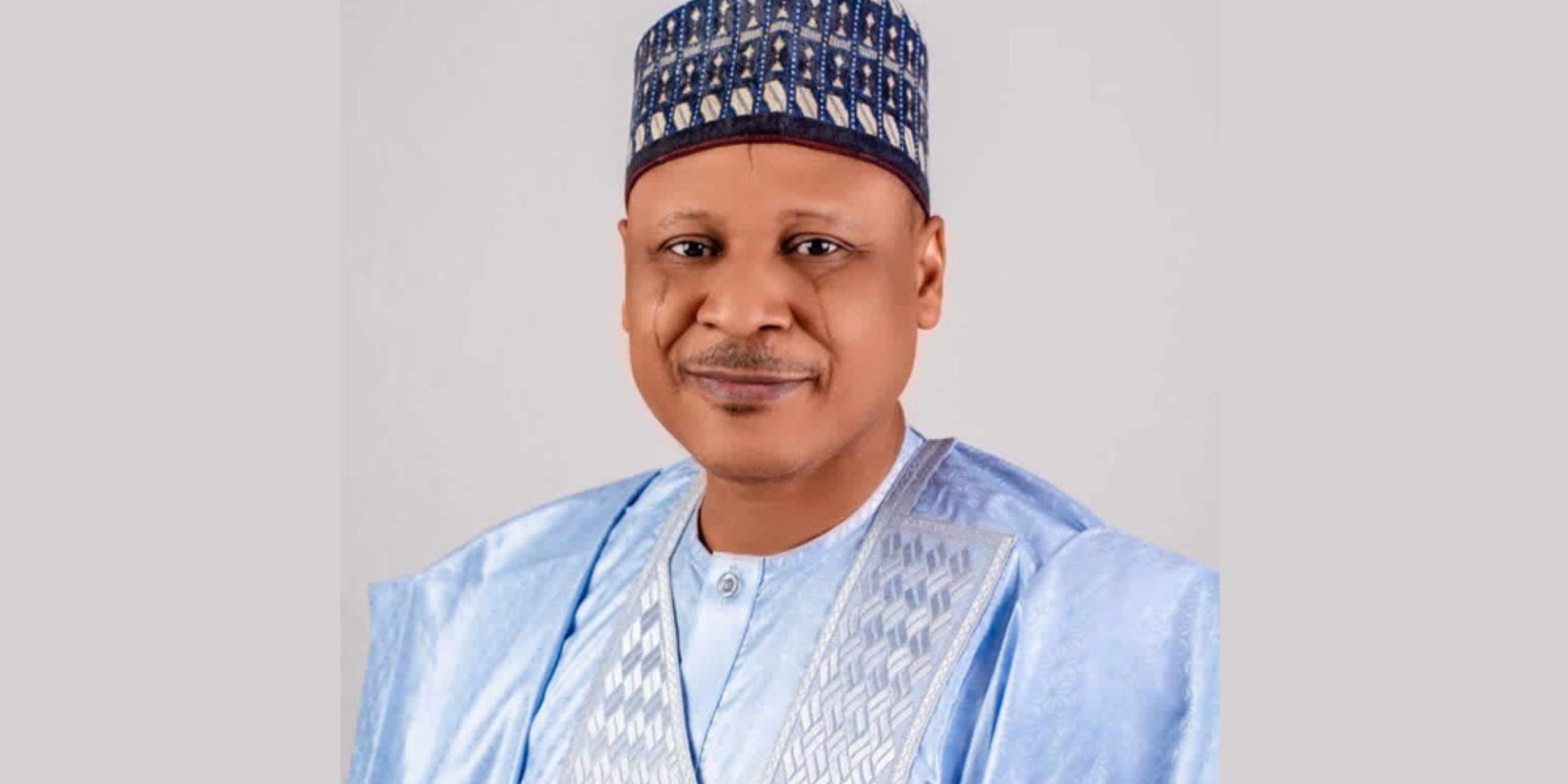
  • Tinubu’s Information Minister Suspends Aide Over Unauthorised 2027 Niger Election Write-Up
    January 7, 2026 – Politics

    Nigeria’s Minister of Information and National Orientation, Mohammed Idris Malagi, has suspended his aide, Sa’idu Enagi, for publishing an unauthorised political article discussing the 2027 Niger State governorship election. The write-up, titled “Malagi 2027”, circulated without the Minister’s approval, prompting the Ministry to clarify that it does not represent Malagi’s views.

    In a statement, Malagi’s Special Assistant on Media, Rabiu Ibrahim, urged the public to disregard the publication. He confirmed that Malagi had initiated an immediate investigation and disciplined the aide by issuing a suspension letter with immediate effect.

    The Ministry emphasized that Malagi maintains a positive relationship with Niger State Governor Mohammed Umaru Bago, highlighting that speculation about the 2027 elections could undermine their collaborative efforts for the state. Malagi remains focused on his federal responsibilities at the Ministry of Information.

    Prior to his ministerial appointment in August 2023 by President Bola Ahmed Tinubu, Malagi had contested the Niger State governorship under the All Progressives Congress (APC) but lost the primary to Umar Bago.
    Tinubu’s Information Minister Suspends Aide Over Unauthorised 2027 Niger Election Write-Up January 7, 2026 – Politics Nigeria’s Minister of Information and National Orientation, Mohammed Idris Malagi, has suspended his aide, Sa’idu Enagi, for publishing an unauthorised political article discussing the 2027 Niger State governorship election. The write-up, titled “Malagi 2027”, circulated without the Minister’s approval, prompting the Ministry to clarify that it does not represent Malagi’s views. In a statement, Malagi’s Special Assistant on Media, Rabiu Ibrahim, urged the public to disregard the publication. He confirmed that Malagi had initiated an immediate investigation and disciplined the aide by issuing a suspension letter with immediate effect. The Ministry emphasized that Malagi maintains a positive relationship with Niger State Governor Mohammed Umaru Bago, highlighting that speculation about the 2027 elections could undermine their collaborative efforts for the state. Malagi remains focused on his federal responsibilities at the Ministry of Information. Prior to his ministerial appointment in August 2023 by President Bola Ahmed Tinubu, Malagi had contested the Niger State governorship under the All Progressives Congress (APC) but lost the primary to Umar Bago.
    0 Reacties ·0 aandelen ·628 Views
  • Is Tinubu Failing Yoruba Land? Pan-Yoruba Group Slams President Over Insecurity, Kidnapped Monarchs and ‘Silence From Power

    Is Nigeria’s security crisis finally reaching a breaking point in Yoruba land—and is President Bola Ahmed Tinubu truly doing enough to stop it? These are the urgent questions being raised after a Pan-Yoruba socio-political group, Ìgbìnmó Májékóbájé Ilé-Yorùbá, publicly condemned the President over what it described as his “deafening silence” in the face of worsening insecurity across the South-West.

    The group’s outcry followed the shocking abduction of a Kwara State monarch, Oba S. Y. Olaonipekun, and his son, Olaolu, who were reportedly kidnapped by suspected terrorists in the Ile-Ire district. For many observers, the incident marks a dangerous escalation in Nigeria’s security crisis: when even traditional rulers—symbols of authority, culture, and community stability—are no longer safe, what hope remains for ordinary citizens?

    In a strongly worded statement signed by its Convener, Olusola Badero, and released through Home Director Princess Balogun, the group accused President Tinubu of abandoning his constitutional duty as the nation’s chief security officer. According to the group, violent attacks, kidnappings, and killings have spread across Yoruba communities with little visible federal response. They argued that while statements are often issued, concrete action has been painfully absent.

    The union alleged that forests and rural communities in parts of Kwara and the wider South-West have become safe havens for armed groups posing as herdsmen, whom they directly described as terrorists. It lamented what it called the humiliation of Yoruba traditional institutions, stressing that the kidnapping of monarchs was once unimaginable in the region’s history. Quoting a Yoruba proverb—“Oríadé kì í sùn tán” (Royalty does not sleep outside)—the group said the abduction of kings represents not only a security failure but also a deep cultural wound.

    Beyond insecurity, the group launched a broader political critique of President Tinubu’s leadership. They accused him of prioritising personal interests, political allies, and future elections over the immediate safety and welfare of citizens. They further criticised what they described as his frequent foreign trips, alleging that he enjoys public funds abroad while Nigerians face poverty, fear, collapsing healthcare, and deteriorating schools at home. For the group, this contrast symbolises a widening gap between those in power and the people they govern.

    The statement also targeted Kwara State Governor AbdulRahman AbdulRazaq, accusing the state government of failing to protect residents. The group demanded the immediate release of the abducted monarch and his son, as well as other kidnapped citizens, including workers from the Kwara State Ministry of Works.

    To underline what it sees as a pattern of lawlessness, the union recalled earlier incidents, including the killing of Segun Aremu, a retired army general and monarch (the Olúkòrò of Koro), and the abduction of Kamilu Salami, the Oníbàrà of Bayagan Ile, who reportedly spent weeks in captivity before regaining freedom. These cases, the group argued, show that the crisis is not isolated but systemic.

    Perhaps most striking is the group’s warning that continued political inaction could lead to long-term devastation: deserted villages, abandoned farmlands, and forests fully occupied by armed groups. They questioned how elections can even matter if citizens are no longer safe enough to live in their communities. “Who will be alive to vote,” they asked, “if our villages are deserted and our forests controlled by terrorists?”

    The union went further, calling on Yoruba people at home and in the diaspora to take collective responsibility for protecting their region, suggesting that reliance on political leaders who have “clearly failed” could invite even greater catastrophe.

    As this controversy unfolds, Nigerians are left with uncomfortable but necessary questions: Has the federal government lost control of internal security? Is President Tinubu doing enough to protect his own region? And what happens when traditional institutions—once seen as untouchable—become targets of violence?

    On Fintter, this story is more than breaking news; it is a national conversation about leadership, accountability, and survival. Are these criticisms justified, or are they politically motivated? Can Nigeria still reverse its security decline, or has the crisis reached a point of no return? The answers may shape not just the future of Yoruba land, but the fate of the entire nation.

    What do you think? Is Tinubu truly failing on security—or is the crisis beyond any single leader? Share your thoughts and join the debate on Fintter.

    Is Tinubu Failing Yoruba Land? Pan-Yoruba Group Slams President Over Insecurity, Kidnapped Monarchs and ‘Silence From Power Is Nigeria’s security crisis finally reaching a breaking point in Yoruba land—and is President Bola Ahmed Tinubu truly doing enough to stop it? These are the urgent questions being raised after a Pan-Yoruba socio-political group, Ìgbìnmó Májékóbájé Ilé-Yorùbá, publicly condemned the President over what it described as his “deafening silence” in the face of worsening insecurity across the South-West. The group’s outcry followed the shocking abduction of a Kwara State monarch, Oba S. Y. Olaonipekun, and his son, Olaolu, who were reportedly kidnapped by suspected terrorists in the Ile-Ire district. For many observers, the incident marks a dangerous escalation in Nigeria’s security crisis: when even traditional rulers—symbols of authority, culture, and community stability—are no longer safe, what hope remains for ordinary citizens? In a strongly worded statement signed by its Convener, Olusola Badero, and released through Home Director Princess Balogun, the group accused President Tinubu of abandoning his constitutional duty as the nation’s chief security officer. According to the group, violent attacks, kidnappings, and killings have spread across Yoruba communities with little visible federal response. They argued that while statements are often issued, concrete action has been painfully absent. The union alleged that forests and rural communities in parts of Kwara and the wider South-West have become safe havens for armed groups posing as herdsmen, whom they directly described as terrorists. It lamented what it called the humiliation of Yoruba traditional institutions, stressing that the kidnapping of monarchs was once unimaginable in the region’s history. Quoting a Yoruba proverb—“Oríadé kì í sùn tán” (Royalty does not sleep outside)—the group said the abduction of kings represents not only a security failure but also a deep cultural wound. Beyond insecurity, the group launched a broader political critique of President Tinubu’s leadership. They accused him of prioritising personal interests, political allies, and future elections over the immediate safety and welfare of citizens. They further criticised what they described as his frequent foreign trips, alleging that he enjoys public funds abroad while Nigerians face poverty, fear, collapsing healthcare, and deteriorating schools at home. For the group, this contrast symbolises a widening gap between those in power and the people they govern. The statement also targeted Kwara State Governor AbdulRahman AbdulRazaq, accusing the state government of failing to protect residents. The group demanded the immediate release of the abducted monarch and his son, as well as other kidnapped citizens, including workers from the Kwara State Ministry of Works. To underline what it sees as a pattern of lawlessness, the union recalled earlier incidents, including the killing of Segun Aremu, a retired army general and monarch (the Olúkòrò of Koro), and the abduction of Kamilu Salami, the Oníbàrà of Bayagan Ile, who reportedly spent weeks in captivity before regaining freedom. These cases, the group argued, show that the crisis is not isolated but systemic. Perhaps most striking is the group’s warning that continued political inaction could lead to long-term devastation: deserted villages, abandoned farmlands, and forests fully occupied by armed groups. They questioned how elections can even matter if citizens are no longer safe enough to live in their communities. “Who will be alive to vote,” they asked, “if our villages are deserted and our forests controlled by terrorists?” The union went further, calling on Yoruba people at home and in the diaspora to take collective responsibility for protecting their region, suggesting that reliance on political leaders who have “clearly failed” could invite even greater catastrophe. As this controversy unfolds, Nigerians are left with uncomfortable but necessary questions: Has the federal government lost control of internal security? Is President Tinubu doing enough to protect his own region? And what happens when traditional institutions—once seen as untouchable—become targets of violence? On Fintter, this story is more than breaking news; it is a national conversation about leadership, accountability, and survival. Are these criticisms justified, or are they politically motivated? Can Nigeria still reverse its security decline, or has the crisis reached a point of no return? The answers may shape not just the future of Yoruba land, but the fate of the entire nation. 💬 What do you think? Is Tinubu truly failing on security—or is the crisis beyond any single leader? Share your thoughts and join the debate on Fintter.
    0 Reacties ·0 aandelen ·820 Views
  • How Did Detained Police Officers Still Get Paid After the Deadly Omuma Shooting? Panel Acquits 10, Demotes Two – What Went Wrong?”

    An exclusive SaharaReporters investigation reveals shocking details about the June 18, 2024 deadly shooting at the Eberi-Omuma Local Government Council Secretariat in Rivers State, where at least two people lost their lives. Despite being detained over the incident, Inspector Hycent Oboh continued to receive his salary of ₦249,138.13 in December 2025, raising questions about accountability within the Nigerian Police Force.
    The incident, triggered by heightened political tensions in Omuma, involved multiple armed police officers allegedly firing live bullets and deploying teargas, leaving Inspector David Mgbada and civilian security operative Samuel Nwigwe dead. Eyewitnesses described chaos, teargas clouds, and indiscriminate gunfire, some linking officers to political actors. Yet, the police orderly room trial, which began in August 2024 at the SCIID in Port Harcourt, found that evidential gaps and investigative lapses prevented most officers from being held accountable.
    After hearing testimonies from eight witnesses, the Executive Chairman of Omuma LGA, and the accused officers themselves, the panel acquitted 10 officers of all charges due to lack of proof. Only Inspectors Michael Etim (D5) and Nelson Mbang (D8) were demoted for discreditable conduct, having joined an unauthorised security detail, highlighting a serious breakdown in police discipline and investigative rigor.
    The panel criticized the Investigating Police Officers (IPO) for failing to verify evidence, including video footage, conduct ballistic analyses, or identify officers present at the scene. This failure, the panel said, compromised justice for the victims and reflected political influence and systemic weaknesses within the force. Shockingly, the panel even recommended a posthumous trial for late Inspector Mgbada, underscoring the unusual and controversial nature of the proceedings.
    The case raises serious questions about police accountability, salary payments during detention, and systemic failures in handling politically sensitive incidents. Citizens and stakeholders continue to demand transparency, proper investigations, and meaningful reforms to prevent future abuses and ensure justice for victims.
    Fintter readers, we want to hear from you: How can the Nigerian Police Force be held accountable when investigations fail and officers continue to draw salaries despite detention? Share your thoughts in the comments.
    How Did Detained Police Officers Still Get Paid After the Deadly Omuma Shooting? Panel Acquits 10, Demotes Two – What Went Wrong?” An exclusive SaharaReporters investigation reveals shocking details about the June 18, 2024 deadly shooting at the Eberi-Omuma Local Government Council Secretariat in Rivers State, where at least two people lost their lives. Despite being detained over the incident, Inspector Hycent Oboh continued to receive his salary of ₦249,138.13 in December 2025, raising questions about accountability within the Nigerian Police Force. The incident, triggered by heightened political tensions in Omuma, involved multiple armed police officers allegedly firing live bullets and deploying teargas, leaving Inspector David Mgbada and civilian security operative Samuel Nwigwe dead. Eyewitnesses described chaos, teargas clouds, and indiscriminate gunfire, some linking officers to political actors. Yet, the police orderly room trial, which began in August 2024 at the SCIID in Port Harcourt, found that evidential gaps and investigative lapses prevented most officers from being held accountable. After hearing testimonies from eight witnesses, the Executive Chairman of Omuma LGA, and the accused officers themselves, the panel acquitted 10 officers of all charges due to lack of proof. Only Inspectors Michael Etim (D5) and Nelson Mbang (D8) were demoted for discreditable conduct, having joined an unauthorised security detail, highlighting a serious breakdown in police discipline and investigative rigor. The panel criticized the Investigating Police Officers (IPO) for failing to verify evidence, including video footage, conduct ballistic analyses, or identify officers present at the scene. This failure, the panel said, compromised justice for the victims and reflected political influence and systemic weaknesses within the force. Shockingly, the panel even recommended a posthumous trial for late Inspector Mgbada, underscoring the unusual and controversial nature of the proceedings. The case raises serious questions about police accountability, salary payments during detention, and systemic failures in handling politically sensitive incidents. Citizens and stakeholders continue to demand transparency, proper investigations, and meaningful reforms to prevent future abuses and ensure justice for victims. Fintter readers, we want to hear from you: How can the Nigerian Police Force be held accountable when investigations fail and officers continue to draw salaries despite detention? Share your thoughts in the comments.
    0 Reacties ·0 aandelen ·466 Views
Zoekresultaten
Fintter https://fintter.com