About
About
Is Abortion ‘Fake Compassion’? Why Pope Leo’s First Major Vatican Speech Condemning Abortion, Surrogacy and Euthanasia Is Reigniting a Global Moral Debate
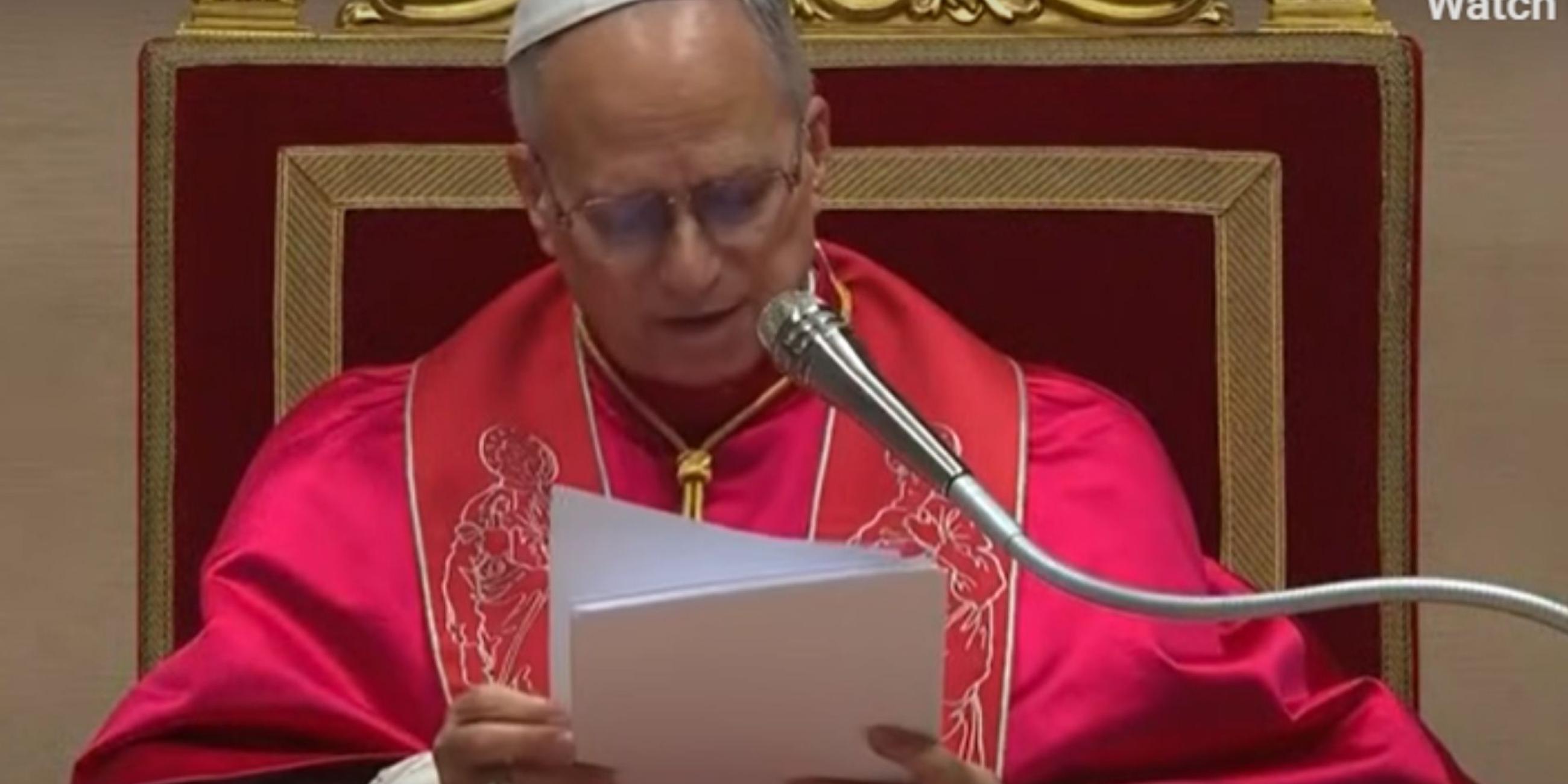
Is the world redefining compassion in a way that undermines human dignity? In his first major address at the Vatican, Pope Leo has taken a firm stance against abortion, surrogacy, and euthanasia, branding them as practices that distort the true meaning of compassion and threaten the sanctity of human life.
Speaking on issues ranging from justice and prisoners’ rights to family life and the protection of vulnerable groups, the new pontiff described abortion as a direct rejection of life, stating that it “cuts short a growing life and refuses to welcome the gift of life.” He warned against what he called “deceptive forms of compassion” promoted by modern societies, arguing that true compassion must defend life rather than eliminate it.
Pope Leo framed his message within a broader reflection on human dignity, emphasizing that human beings are created in the image and likeness of God and are called to love. According to him, this calling finds its clearest expression within the family—an institution he said is now under sustained pressure worldwide. He identified two major challenges facing families today: neglect by international systems and the rise of fragile, broken households afflicted by internal struggles, including domestic violence.
Stressing the moral responsibility toward unborn children, the Pope said the union between a man and a woman carries an ethical obligation to protect life. He condemned growing international efforts to expand access to abortion across borders, expressing deep concern over projects that fund “cross-border mobility” for what he described as the “so-called right to safe abortion.” He called it “deplorable” that public resources are used to suppress life rather than support mothers and families, insisting that governments should prioritize protecting unborn children while providing concrete assistance to women facing difficult pregnancies.
Beyond abortion, Pope Leo also denounced surrogacy, describing it as a practice that strips both women and children of dignity by turning pregnancy into a negotiable service. He argued that such arrangements reduce children to commodities and exploit women’s bodies, distorting the natural and relational foundation of the family.
The pontiff further criticized euthanasia, again labeling it a misleading form of compassion, and urged states to invest in palliative care and authentic solidarity instead of policies that hasten death. In the same address, he spoke out on prisoners’ rights, political detainees, migrants, and the abolition of the death penalty, which he described as a punishment that “destroys all hope of forgiveness and renewal.”
The speech marks the clearest articulation yet of Pope Leo’s moral priorities and signals what many observers see as a continuation—and possible intensification—of the Vatican’s opposition to abortion, surrogacy, and euthanasia. As governments, activists, and faith communities worldwide remain sharply divided on reproductive rights and end-of-life policies, the Pope’s remarks have reignited a global conversation: Is modern society redefining compassion in ways that contradict the protection of life, or is the Vatican standing against changing realities of human rights and personal choice?
Is the world redefining compassion in a way that undermines human dignity? In his first major address at the Vatican, Pope Leo has taken a firm stance against abortion, surrogacy, and euthanasia, branding them as practices that distort the true meaning of compassion and threaten the sanctity of human life.
Speaking on issues ranging from justice and prisoners’ rights to family life and the protection of vulnerable groups, the new pontiff described abortion as a direct rejection of life, stating that it “cuts short a growing life and refuses to welcome the gift of life.” He warned against what he called “deceptive forms of compassion” promoted by modern societies, arguing that true compassion must defend life rather than eliminate it.
Pope Leo framed his message within a broader reflection on human dignity, emphasizing that human beings are created in the image and likeness of God and are called to love. According to him, this calling finds its clearest expression within the family—an institution he said is now under sustained pressure worldwide. He identified two major challenges facing families today: neglect by international systems and the rise of fragile, broken households afflicted by internal struggles, including domestic violence.
Stressing the moral responsibility toward unborn children, the Pope said the union between a man and a woman carries an ethical obligation to protect life. He condemned growing international efforts to expand access to abortion across borders, expressing deep concern over projects that fund “cross-border mobility” for what he described as the “so-called right to safe abortion.” He called it “deplorable” that public resources are used to suppress life rather than support mothers and families, insisting that governments should prioritize protecting unborn children while providing concrete assistance to women facing difficult pregnancies.
Beyond abortion, Pope Leo also denounced surrogacy, describing it as a practice that strips both women and children of dignity by turning pregnancy into a negotiable service. He argued that such arrangements reduce children to commodities and exploit women’s bodies, distorting the natural and relational foundation of the family.
The pontiff further criticized euthanasia, again labeling it a misleading form of compassion, and urged states to invest in palliative care and authentic solidarity instead of policies that hasten death. In the same address, he spoke out on prisoners’ rights, political detainees, migrants, and the abolition of the death penalty, which he described as a punishment that “destroys all hope of forgiveness and renewal.”
The speech marks the clearest articulation yet of Pope Leo’s moral priorities and signals what many observers see as a continuation—and possible intensification—of the Vatican’s opposition to abortion, surrogacy, and euthanasia. As governments, activists, and faith communities worldwide remain sharply divided on reproductive rights and end-of-life policies, the Pope’s remarks have reignited a global conversation: Is modern society redefining compassion in ways that contradict the protection of life, or is the Vatican standing against changing realities of human rights and personal choice?
Is Abortion ‘Fake Compassion’? Why Pope Leo’s First Major Vatican Speech Condemning Abortion, Surrogacy and Euthanasia Is Reigniting a Global Moral Debate
Is the world redefining compassion in a way that undermines human dignity? In his first major address at the Vatican, Pope Leo has taken a firm stance against abortion, surrogacy, and euthanasia, branding them as practices that distort the true meaning of compassion and threaten the sanctity of human life.
Speaking on issues ranging from justice and prisoners’ rights to family life and the protection of vulnerable groups, the new pontiff described abortion as a direct rejection of life, stating that it “cuts short a growing life and refuses to welcome the gift of life.” He warned against what he called “deceptive forms of compassion” promoted by modern societies, arguing that true compassion must defend life rather than eliminate it.
Pope Leo framed his message within a broader reflection on human dignity, emphasizing that human beings are created in the image and likeness of God and are called to love. According to him, this calling finds its clearest expression within the family—an institution he said is now under sustained pressure worldwide. He identified two major challenges facing families today: neglect by international systems and the rise of fragile, broken households afflicted by internal struggles, including domestic violence.
Stressing the moral responsibility toward unborn children, the Pope said the union between a man and a woman carries an ethical obligation to protect life. He condemned growing international efforts to expand access to abortion across borders, expressing deep concern over projects that fund “cross-border mobility” for what he described as the “so-called right to safe abortion.” He called it “deplorable” that public resources are used to suppress life rather than support mothers and families, insisting that governments should prioritize protecting unborn children while providing concrete assistance to women facing difficult pregnancies.
Beyond abortion, Pope Leo also denounced surrogacy, describing it as a practice that strips both women and children of dignity by turning pregnancy into a negotiable service. He argued that such arrangements reduce children to commodities and exploit women’s bodies, distorting the natural and relational foundation of the family.
The pontiff further criticized euthanasia, again labeling it a misleading form of compassion, and urged states to invest in palliative care and authentic solidarity instead of policies that hasten death. In the same address, he spoke out on prisoners’ rights, political detainees, migrants, and the abolition of the death penalty, which he described as a punishment that “destroys all hope of forgiveness and renewal.”
The speech marks the clearest articulation yet of Pope Leo’s moral priorities and signals what many observers see as a continuation—and possible intensification—of the Vatican’s opposition to abortion, surrogacy, and euthanasia. As governments, activists, and faith communities worldwide remain sharply divided on reproductive rights and end-of-life policies, the Pope’s remarks have reignited a global conversation: Is modern society redefining compassion in ways that contradict the protection of life, or is the Vatican standing against changing realities of human rights and personal choice?
0 Comments
·0 Shares
·5K Views