• Is the ‘Christian Genocide’ in Nigeria a Political Narrative? Why Trump Admits Muslims Are Also Killed as Sowore Accuses the U.S. of Using Religion to Justify Power, Oil, and Military Influence

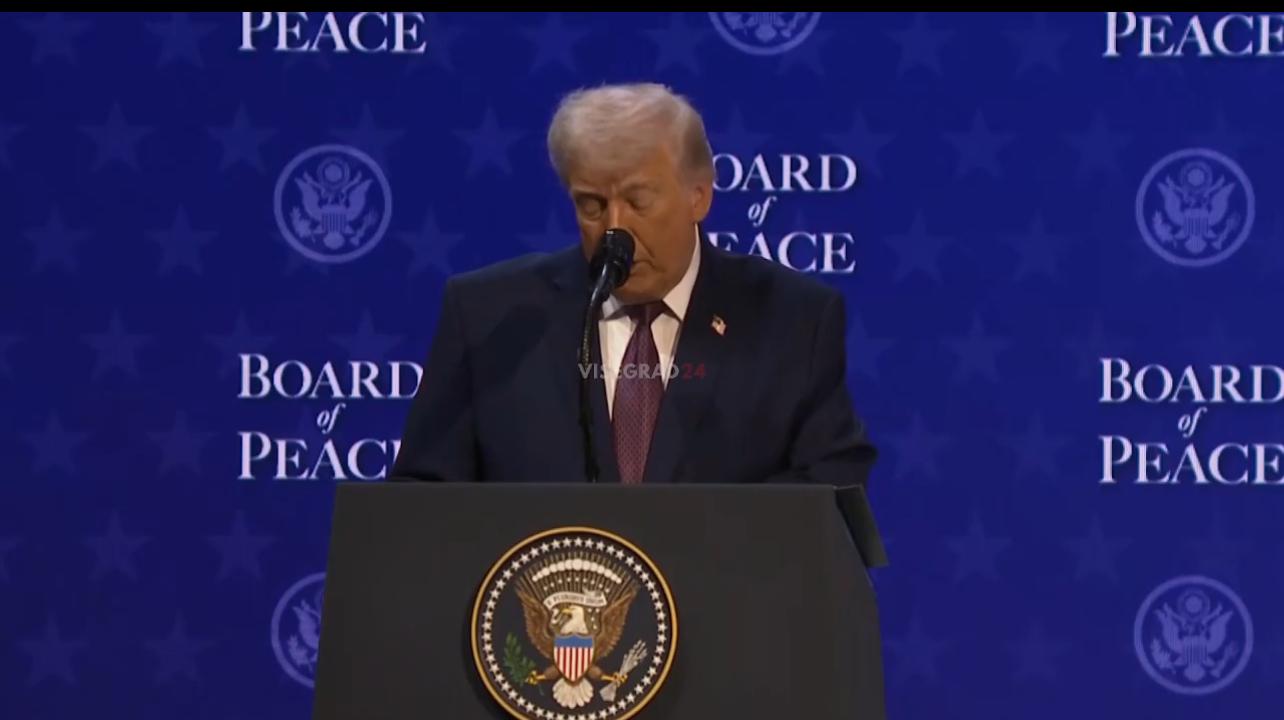
    Is the narrative of a “Christian genocide” in Nigeria an honest reflection of the country’s security crisis—or a political tool shaped by foreign interests? United States President Donald Trump has made a partial shift in his long-standing rhetoric on religious violence in Nigeria, acknowledging that Muslims are also being killed, even while maintaining that Christians remain the primary victims.

    Trump made the remarks during an interview with The New York Times following questions about Washington’s Christmas Day military strike in northwest Nigeria. The U.S. military said the operation, carried out at the request of the Nigerian government, targeted Islamic State West Africa Province (ISWAP), a Boko Haram splinter group responsible for years of deadly attacks across northern Nigeria.

    When asked about earlier comments from his own Africa adviser—who had stated that extremist groups in Nigeria kill more Muslims than Christians—Trump responded: “I think that Muslims are being killed also in Nigeria. But it’s mostly Christians.” The statement marked a rare acknowledgment that Nigeria’s victims of terrorism cut across religious lines, even as Trump continued to frame the conflict primarily through a Christian persecution lens.

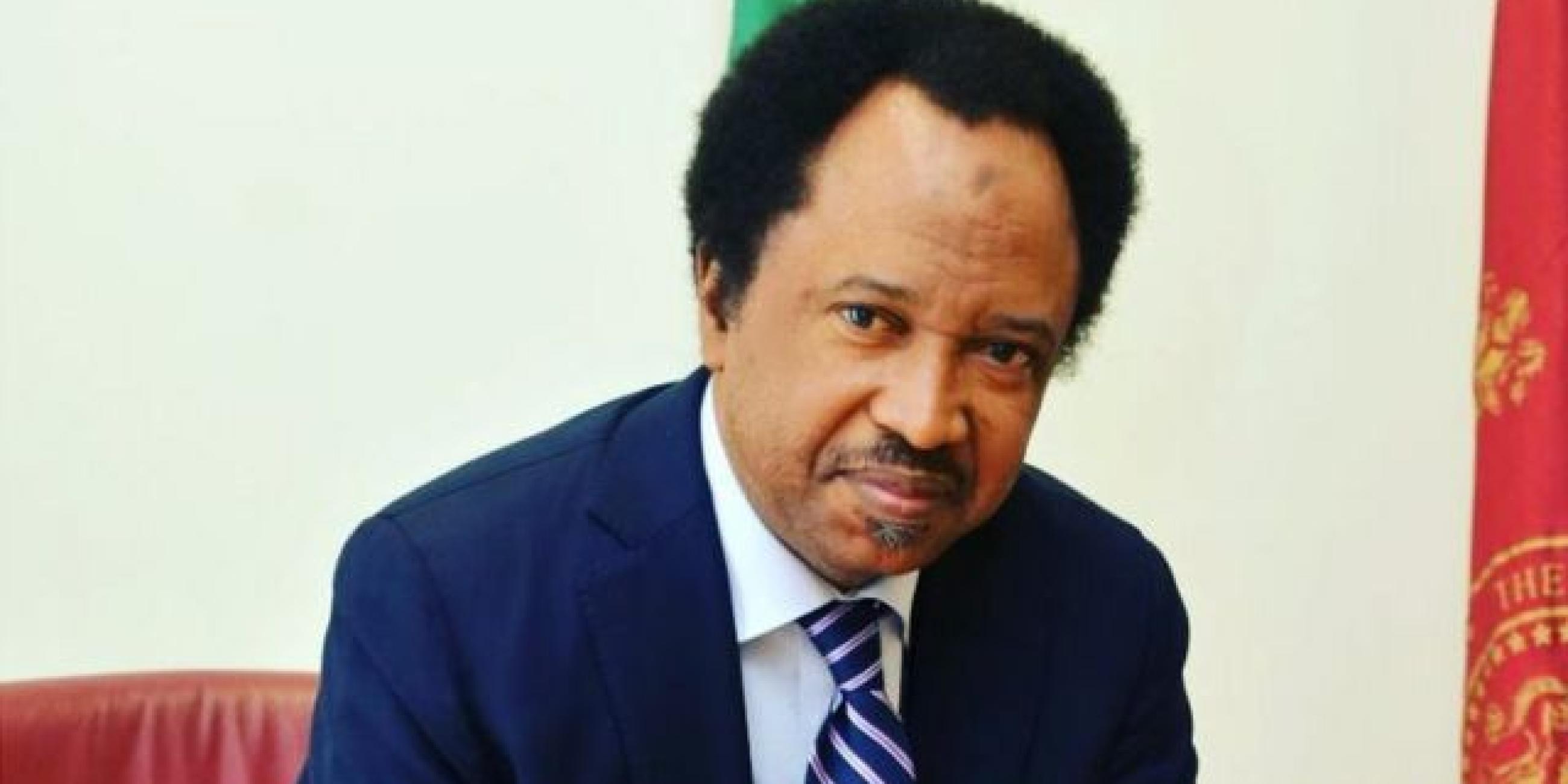
    The comments immediately drew a sharp response from Omoyele Sowore, former Nigerian presidential candidate and prominent human rights activist. In a series of posts on X (formerly Twitter), Sowore dismissed the “Christian genocide” narrative as a calculated political construct, arguing that it is designed to stir emotion, mobilize conservative audiences abroad, and provide moral cover for foreign military, economic, and geopolitical agendas.

    Sowore accused Trump of using religion as a rhetorical device while pursuing what he described as imperial interests tied to oil, rare earth minerals, and strategic dominance. “The narrative used to justify it is secondary,” Sowore wrote, adding that such framing only needs to “match the gullibility of the intended audience.” According to him, claims of systematic religious genocide in Nigeria are not grounded in objective reality but are deliberately shaped to occupy a powerful emotional space in Western political discourse.

    He further challenged Trump’s moral authority to speak on Christian values, asserting that the former U.S. president does not embody the compassion, humility, or solidarity central to the faith he frequently invokes. Sowore argued that Trump’s selective concern for religious identity masks a broader indifference to human suffering—both abroad and at home—unless it aligns with his political interests.

    The controversy highlights a deeper question: Is Nigeria’s complex security crisis being oversimplified into a religious conflict for international consumption? While jihadist groups like ISWAP and Boko Haram have undeniably targeted Christian communities, they have also killed thousands of Muslims, including traditional leaders, clerics, villagers, and security personnel. Analysts have long warned that framing the violence as exclusively anti-Christian risks distorting reality, inflaming sectarian tensions, and obscuring the political, economic, and territorial dimensions of the conflict.

    Trump’s admission that Muslims are also victims, even if partial, challenges his earlier absolutist framing. Yet his insistence that Christians remain the main targets continues to fuel debate about whether U.S. policy toward Nigeria is being shaped by faith-based narratives rather than nuanced security analysis.

    As Nigeria battles insurgency, banditry, and transnational terrorism, the exchange between Trump and Sowore underscores how global power politics, religious identity, and media narratives intersect in shaping international responses to African conflicts. The key question remains: is the world seeing Nigeria’s crisis as it truly is—or as it is most politically useful to portray?


    Is the ‘Christian Genocide’ in Nigeria a Political Narrative? Why Trump Admits Muslims Are Also Killed as Sowore Accuses the U.S. of Using Religion to Justify Power, Oil, and Military Influence Is the narrative of a “Christian genocide” in Nigeria an honest reflection of the country’s security crisis—or a political tool shaped by foreign interests? United States President Donald Trump has made a partial shift in his long-standing rhetoric on religious violence in Nigeria, acknowledging that Muslims are also being killed, even while maintaining that Christians remain the primary victims. Trump made the remarks during an interview with The New York Times following questions about Washington’s Christmas Day military strike in northwest Nigeria. The U.S. military said the operation, carried out at the request of the Nigerian government, targeted Islamic State West Africa Province (ISWAP), a Boko Haram splinter group responsible for years of deadly attacks across northern Nigeria. When asked about earlier comments from his own Africa adviser—who had stated that extremist groups in Nigeria kill more Muslims than Christians—Trump responded: “I think that Muslims are being killed also in Nigeria. But it’s mostly Christians.” The statement marked a rare acknowledgment that Nigeria’s victims of terrorism cut across religious lines, even as Trump continued to frame the conflict primarily through a Christian persecution lens. The comments immediately drew a sharp response from Omoyele Sowore, former Nigerian presidential candidate and prominent human rights activist. In a series of posts on X (formerly Twitter), Sowore dismissed the “Christian genocide” narrative as a calculated political construct, arguing that it is designed to stir emotion, mobilize conservative audiences abroad, and provide moral cover for foreign military, economic, and geopolitical agendas. Sowore accused Trump of using religion as a rhetorical device while pursuing what he described as imperial interests tied to oil, rare earth minerals, and strategic dominance. “The narrative used to justify it is secondary,” Sowore wrote, adding that such framing only needs to “match the gullibility of the intended audience.” According to him, claims of systematic religious genocide in Nigeria are not grounded in objective reality but are deliberately shaped to occupy a powerful emotional space in Western political discourse. He further challenged Trump’s moral authority to speak on Christian values, asserting that the former U.S. president does not embody the compassion, humility, or solidarity central to the faith he frequently invokes. Sowore argued that Trump’s selective concern for religious identity masks a broader indifference to human suffering—both abroad and at home—unless it aligns with his political interests. The controversy highlights a deeper question: Is Nigeria’s complex security crisis being oversimplified into a religious conflict for international consumption? While jihadist groups like ISWAP and Boko Haram have undeniably targeted Christian communities, they have also killed thousands of Muslims, including traditional leaders, clerics, villagers, and security personnel. Analysts have long warned that framing the violence as exclusively anti-Christian risks distorting reality, inflaming sectarian tensions, and obscuring the political, economic, and territorial dimensions of the conflict. Trump’s admission that Muslims are also victims, even if partial, challenges his earlier absolutist framing. Yet his insistence that Christians remain the main targets continues to fuel debate about whether U.S. policy toward Nigeria is being shaped by faith-based narratives rather than nuanced security analysis. As Nigeria battles insurgency, banditry, and transnational terrorism, the exchange between Trump and Sowore underscores how global power politics, religious identity, and media narratives intersect in shaping international responses to African conflicts. The key question remains: is the world seeing Nigeria’s crisis as it truly is—or as it is most politically useful to portray?
    0 Σχόλια ·0 Μοιράστηκε ·83 Views
  • Bandits Kill Two, Loot Homes in Katsina Community Despite Peace Deal

    Bandits attacked Kwatangiri community in Funtua LGA, Katsina State, on Thursday night, killing at least two residents and looting multiple homes, SaharaReporters has learned. The incident has left the community in fear, highlighting the vulnerability of rural areas even amid ongoing peace initiatives.

    The attack raises questions about the effectiveness of a recent peace deal reportedly brokered between local officials and some bandit groups. Security expert Malam Bakatsine confirmed the attack, noting the sparse security presence in the region.

    Earlier reports revealed controversy surrounding the Katsina State government’s attempt to secure the release of detained bandits as a condition for sustaining peace. A “SECRET” letter dated January 2, 2026, from the Ministry of Justice to the Chief Judge disclosed that 48 suspects facing various banditry-related charges had been proposed for release under the peace accord. Another list of 22 inmates awaiting High Court trials was also included.

    The Ministry of Justice argued that these actions fall under the powers of the Criminal Justice Monitoring Committee as outlined in the Katsina State Administration of Criminal Justice Law, 2021. As of the report, no official statement had been issued by the Katsina State government or security agencies regarding the attack.

    #KatsinaInsecurity #NigeriaNews #Banditry”

    Bandits Kill Two, Loot Homes in Katsina Community Despite Peace Deal Bandits attacked Kwatangiri community in Funtua LGA, Katsina State, on Thursday night, killing at least two residents and looting multiple homes, SaharaReporters has learned. The incident has left the community in fear, highlighting the vulnerability of rural areas even amid ongoing peace initiatives. The attack raises questions about the effectiveness of a recent peace deal reportedly brokered between local officials and some bandit groups. Security expert Malam Bakatsine confirmed the attack, noting the sparse security presence in the region. Earlier reports revealed controversy surrounding the Katsina State government’s attempt to secure the release of detained bandits as a condition for sustaining peace. A “SECRET” letter dated January 2, 2026, from the Ministry of Justice to the Chief Judge disclosed that 48 suspects facing various banditry-related charges had been proposed for release under the peace accord. Another list of 22 inmates awaiting High Court trials was also included. The Ministry of Justice argued that these actions fall under the powers of the Criminal Justice Monitoring Committee as outlined in the Katsina State Administration of Criminal Justice Law, 2021. As of the report, no official statement had been issued by the Katsina State government or security agencies regarding the attack. #KatsinaInsecurity #NigeriaNews #Banditry”
    0 Σχόλια ·0 Μοιράστηκε ·107 Views
  • How Were an Elderly Woman and Her Granddaughter Freed by Bandits in Southern Kaduna After a Ransom Payment?

    In a dramatic turn of events in Southern Kaduna, an elderly woman, Mrs. Averik Arak, and her granddaughter were released by bandits after their family paid an undisclosed ransom. The victims had been abducted earlier this week in Arak village, Sanga Local Government Area, following a violent attack in which Mrs. Arak’s son, Kefas Habila Averik, and another resident were killed.

    The release occurred on Wednesday night, after negotiations between the family and the abductors. The victims were immediately taken to an undisclosed hospital for medical examinations, and they are reportedly in stable condition.

    A family member, Racheal Averik, confirmed the ordeal on social media, expressing deep gratitude for the prayers and support received during the challenging period. She revealed that the abduction occurred just 48 hours after her mother’s son was killed, and that the elderly woman, already in mourning, was particularly vulnerable when the bandits struck.

    This incident highlights the growing security challenges in Southern Kaduna, where banditry, kidnappings, and violent attacks have become increasingly frequent. Local authorities and security agencies continue to face pressure to protect vulnerable communities and prevent similar tragedies.

    The Kaduna kidnapping saga underscores the human cost of insecurity, showing how families are forced to pay ransoms while mourning lost loved ones, and raises urgent questions about government measures to tackle banditry and protect civilians in Nigeria’s most affected regions.

    How Were an Elderly Woman and Her Granddaughter Freed by Bandits in Southern Kaduna After a Ransom Payment? In a dramatic turn of events in Southern Kaduna, an elderly woman, Mrs. Averik Arak, and her granddaughter were released by bandits after their family paid an undisclosed ransom. The victims had been abducted earlier this week in Arak village, Sanga Local Government Area, following a violent attack in which Mrs. Arak’s son, Kefas Habila Averik, and another resident were killed. The release occurred on Wednesday night, after negotiations between the family and the abductors. The victims were immediately taken to an undisclosed hospital for medical examinations, and they are reportedly in stable condition. A family member, Racheal Averik, confirmed the ordeal on social media, expressing deep gratitude for the prayers and support received during the challenging period. She revealed that the abduction occurred just 48 hours after her mother’s son was killed, and that the elderly woman, already in mourning, was particularly vulnerable when the bandits struck. This incident highlights the growing security challenges in Southern Kaduna, where banditry, kidnappings, and violent attacks have become increasingly frequent. Local authorities and security agencies continue to face pressure to protect vulnerable communities and prevent similar tragedies. The Kaduna kidnapping saga underscores the human cost of insecurity, showing how families are forced to pay ransoms while mourning lost loved ones, and raises urgent questions about government measures to tackle banditry and protect civilians in Nigeria’s most affected regions.
    0 Σχόλια ·0 Μοιράστηκε ·206 Views
  • Oyo Bandit Attack: Governor Makinde Confirms Killing of Five Forest Guards in Cross-Border Operation

    Tragedy struck Oyo State as five National Park Service Forest Guard officers were killed in what authorities are calling a cross-border attack by suspected bandits. The incident occurred at the National Park Office in Oloka Village, according to a statement personally issued by Governor Seyi Makinde on Wednesday, January 7, 2026.

    Governor Makinde described the attack as a criminal act and mourned the loss of the officers, who were killed while performing their official duties. In his statement posted on social media, he said: “Earlier today, there was a criminal attack by bandits at the National Park Office, Oloka Village which resulted in the death of five National Park Service Forest Guard Officers. This is a devastating loss… May their souls rest in peace.”

    Preliminary investigations by security agencies indicate that the incident was a cross-border operation, suggesting that armed groups exploited forest corridors along Nigeria’s borders to carry out the attack. Governor Makinde assured residents that security agencies are already coordinating efforts to address the situation and have deployed additional personnel to prevent further incidents.

    He appealed to residents of Oriire Local Government Area and other border communities to remain calm and cooperate with security agencies in intelligence gathering, emphasizing that “our administration will leave no stone unturned to respond decisively to prevent a recurrence of such attacks.”

    The killing has heightened concerns about insecurity in border and forest-adjacent communities across Nigeria. Authorities have warned of the increasing frequency of attacks by armed groups exploiting vulnerable forest corridors, raising questions about regional security, cross-border collaboration, and the protection of personnel responsible for safeguarding national parks and natural resources.

    The attack has also caused uncertainty and fear among local residents, highlighting the urgent need for enhanced intelligence, community engagement, and stronger law enforcement responses to banditry and criminal incursions in vulnerable areas.

    This tragic event serves as a stark reminder of the risks faced by forest guards and the broader challenge of combating cross-border criminal activity in Nigeria’s forested regions.

    Oyo Bandit Attack: Governor Makinde Confirms Killing of Five Forest Guards in Cross-Border Operation Tragedy struck Oyo State as five National Park Service Forest Guard officers were killed in what authorities are calling a cross-border attack by suspected bandits. The incident occurred at the National Park Office in Oloka Village, according to a statement personally issued by Governor Seyi Makinde on Wednesday, January 7, 2026. Governor Makinde described the attack as a criminal act and mourned the loss of the officers, who were killed while performing their official duties. In his statement posted on social media, he said: “Earlier today, there was a criminal attack by bandits at the National Park Office, Oloka Village which resulted in the death of five National Park Service Forest Guard Officers. This is a devastating loss… May their souls rest in peace.” Preliminary investigations by security agencies indicate that the incident was a cross-border operation, suggesting that armed groups exploited forest corridors along Nigeria’s borders to carry out the attack. Governor Makinde assured residents that security agencies are already coordinating efforts to address the situation and have deployed additional personnel to prevent further incidents. He appealed to residents of Oriire Local Government Area and other border communities to remain calm and cooperate with security agencies in intelligence gathering, emphasizing that “our administration will leave no stone unturned to respond decisively to prevent a recurrence of such attacks.” The killing has heightened concerns about insecurity in border and forest-adjacent communities across Nigeria. Authorities have warned of the increasing frequency of attacks by armed groups exploiting vulnerable forest corridors, raising questions about regional security, cross-border collaboration, and the protection of personnel responsible for safeguarding national parks and natural resources. The attack has also caused uncertainty and fear among local residents, highlighting the urgent need for enhanced intelligence, community engagement, and stronger law enforcement responses to banditry and criminal incursions in vulnerable areas. This tragic event serves as a stark reminder of the risks faced by forest guards and the broader challenge of combating cross-border criminal activity in Nigeria’s forested regions.
    0 Σχόλια ·0 Μοιράστηκε ·120 Views
  • Is Nigeria Now Leading the War in the Air? Why the U.S. Is Shifting to Intelligence Support After Christmas Day Strikes—and What This Means for Terrorism, Banditry, and Security in the North

    Is Nigeria taking full control of the aerial war against terrorism and banditry? Why has the United States stepped back from direct airstrikes to an intelligence and reconnaissance role? And what does this new security arrangement mean for the fight against jihadist groups and armed gangs across the country’s troubled regions?

    Following U.S. airstrikes carried out on Christmas Day in Sokoto State, the Nigerian Air Force is set to lead subsequent military air operations, as Washington shifts its role to intelligence, surveillance, and reconnaissance support. A Nigerian official familiar with the new Nigeria–U.S. security framework confirmed that while the United States will now rely mainly on reconnaissance flights, Nigeria remains open to further American strikes if necessary.

    What triggered the change? The Christmas night strikes targeted what U.S. officials described as Islamic State–linked sites in northwestern Nigeria. According to Nigerian authorities, the operation was aimed at militants cooperating with the Lakurawa jihadist group and criminal “bandit” networks that have destabilised large parts of the northwest and north-central regions. Both countries reported that an unspecified number of fighters were killed.

    But why is the U.S. stepping back now? In the weeks before the strikes, analysts had already noted increased American surveillance flights over Nigeria—activity that has continued since. However, U.S. officials later described the bombing as a “one-off event,” signalling a strategic shift away from direct military action toward intelligence-sharing and operational support for Nigerian forces.

    What role did diplomacy play? The strikes came after a tense period in bilateral relations, sparked by U.S. President Donald Trump’s claims in October that violence in Nigeria amounted to the “persecution” and “genocide” of Christians—assertions rejected by Abuja and independent analysts. Although Nigeria later said the dispute had been resolved and that the partnership had been “strengthened,” the unilateral announcement of the strikes by Trump reportedly caused unease in Abuja. Nigeria’s Foreign Minister, Yusuf Tuggar, subsequently described the operation as a joint effort.

    What does this new arrangement mean for Nigeria’s security strategy? Nigeria has battled jihadist insurgency since 2009, mainly in the northeast, while heavily armed criminal gangs have entrenched themselves in rural communities across the northwest and north-central regions. By assuming full responsibility for air operations—with U.S. intelligence support—Nigeria appears to be asserting greater operational sovereignty while maintaining strategic cooperation with Washington.

    However, critical questions remain: will intelligence-backed Nigerian air power be enough to contain Islamic State–linked fighters and bandit networks? Could the U.S. return to direct strikes if the threat escalates? And does this shift mark a long-term change in America’s military posture in West Africa—or merely a tactical pause?

    As reconnaissance flights continue and Nigeria leads future air operations, the evolving partnership signals both a test of Nigeria’s military capacity and a recalibration of U.S. involvement in the region’s counterterrorism fight.


    Is Nigeria Now Leading the War in the Air? Why the U.S. Is Shifting to Intelligence Support After Christmas Day Strikes—and What This Means for Terrorism, Banditry, and Security in the North Is Nigeria taking full control of the aerial war against terrorism and banditry? Why has the United States stepped back from direct airstrikes to an intelligence and reconnaissance role? And what does this new security arrangement mean for the fight against jihadist groups and armed gangs across the country’s troubled regions? Following U.S. airstrikes carried out on Christmas Day in Sokoto State, the Nigerian Air Force is set to lead subsequent military air operations, as Washington shifts its role to intelligence, surveillance, and reconnaissance support. A Nigerian official familiar with the new Nigeria–U.S. security framework confirmed that while the United States will now rely mainly on reconnaissance flights, Nigeria remains open to further American strikes if necessary. What triggered the change? The Christmas night strikes targeted what U.S. officials described as Islamic State–linked sites in northwestern Nigeria. According to Nigerian authorities, the operation was aimed at militants cooperating with the Lakurawa jihadist group and criminal “bandit” networks that have destabilised large parts of the northwest and north-central regions. Both countries reported that an unspecified number of fighters were killed. But why is the U.S. stepping back now? In the weeks before the strikes, analysts had already noted increased American surveillance flights over Nigeria—activity that has continued since. However, U.S. officials later described the bombing as a “one-off event,” signalling a strategic shift away from direct military action toward intelligence-sharing and operational support for Nigerian forces. What role did diplomacy play? The strikes came after a tense period in bilateral relations, sparked by U.S. President Donald Trump’s claims in October that violence in Nigeria amounted to the “persecution” and “genocide” of Christians—assertions rejected by Abuja and independent analysts. Although Nigeria later said the dispute had been resolved and that the partnership had been “strengthened,” the unilateral announcement of the strikes by Trump reportedly caused unease in Abuja. Nigeria’s Foreign Minister, Yusuf Tuggar, subsequently described the operation as a joint effort. What does this new arrangement mean for Nigeria’s security strategy? Nigeria has battled jihadist insurgency since 2009, mainly in the northeast, while heavily armed criminal gangs have entrenched themselves in rural communities across the northwest and north-central regions. By assuming full responsibility for air operations—with U.S. intelligence support—Nigeria appears to be asserting greater operational sovereignty while maintaining strategic cooperation with Washington. However, critical questions remain: will intelligence-backed Nigerian air power be enough to contain Islamic State–linked fighters and bandit networks? Could the U.S. return to direct strikes if the threat escalates? And does this shift mark a long-term change in America’s military posture in West Africa—or merely a tactical pause? As reconnaissance flights continue and Nigeria leads future air operations, the evolving partnership signals both a test of Nigeria’s military capacity and a recalibration of U.S. involvement in the region’s counterterrorism fight.
    0 Σχόλια ·0 Μοιράστηκε ·123 Views
  • Bandits Kill Kogi Man After Collecting Over ₦1 Million Ransom, Motorcycle and Phone in Yagba West Kidnapping Case

    Gunmen have reportedly killed a man identified as Agba in Egbe community, Yagba West Local Government Area of Kogi State, despite collecting over ₦1 million in ransom, a Bajaj motorcycle, and a brand-new Samsung phone from the community. Agba was one of two emissaries sent to deliver the ransom for the release of a kidnapped resident, Mabe, who was abducted along the Egbe–Ogbe Road in December 2025. Although the kidnappers collected all demanded items and later freed Mabe, Agba was allegedly killed while in their custody after attempting to escape. The incident has heightened fears over rising insecurity in the area, following recent attacks in nearby communities that left residents dead and injured.

    #KogiState #YagbaWest #Banditry #KidnappingInNigeria #Insecurity #BreakingNews #NigeriaNews #Ransom
    Bandits Kill Kogi Man After Collecting Over ₦1 Million Ransom, Motorcycle and Phone in Yagba West Kidnapping Case Gunmen have reportedly killed a man identified as Agba in Egbe community, Yagba West Local Government Area of Kogi State, despite collecting over ₦1 million in ransom, a Bajaj motorcycle, and a brand-new Samsung phone from the community. Agba was one of two emissaries sent to deliver the ransom for the release of a kidnapped resident, Mabe, who was abducted along the Egbe–Ogbe Road in December 2025. Although the kidnappers collected all demanded items and later freed Mabe, Agba was allegedly killed while in their custody after attempting to escape. The incident has heightened fears over rising insecurity in the area, following recent attacks in nearby communities that left residents dead and injured. #KogiState #YagbaWest #Banditry #KidnappingInNigeria #Insecurity #BreakingNews #NigeriaNews #Ransom
    0 Σχόλια ·0 Μοιράστηκε ·173 Views
  • Kwara Police Clear, Release Six ‘Armed Men’ Initially Linked to Miyetti Allah After Investigation, Say They Are Legitimate Vigilantes in Federal Security Operation Against Banditry

    The Kwara State Police Command has confirmed the investigation and release of six armed men earlier alleged to be members of Miyetti Allah, stating that the individuals were legitimate vigilante operatives working with recognised security agencies in a federal security operation.

    The men were initially arrested by Nigerian Army personnel along the Auchi–Ikpeshi Road in Akoko-Edo Local Government Area of Edo State while travelling in a vehicle belonging to Ifelodun Local Government Area of Kwara State. Their interception, reportedly with AK-47 rifles, triggered widespread concern and speculation over possible links to armed groups operating across the North-Central region.

    In a statement by the Police Public Relations Officer, SP Adetoun Ejire-Adeyemi, the suspects were formally handed over to the Kwara Police Command by the 22 Armoured Brigade for investigation and profiling. According to police findings, the men were exonerated of any criminal wrongdoing and identified as members of a vigilante group collaborating with security agencies in efforts to combat banditry and other criminal activities. They were subsequently released to their leaders.

    Earlier, the Kwara State Government had clarified that the men were part of a federal security initiative coordinated through the Office of the National Security Adviser (NSA). This followed public outrage after reports suggested soldiers had intercepted armed individuals believed to be bandits, who allegedly claimed sponsorship by the “Ilorin government.”

    Further explanations by state officials revealed that the individuals were members of Miyetti Allah incorporated into a Joint Task Force–style security arrangement after deadly attacks in Ifelodun Local Government Area in September 2025. According to the governor’s aides, the operation involved recognised security officers alongside local vigilantes and Miyetti Allah members, with logistical support provided through local government channels.

    Officials also disclosed that after completing their assignment, the men allegedly absconded with a patrol vehicle, prompting security agencies to track and arrest them in Edo State. The state government later requested the return of the vehicle. Authorities clarified that the suspects were neither arrested within Kwara nor linked to any bandit activity.

    The police reaffirmed their commitment to inter-agency collaboration and lawful community-based security operations, assuring residents that security agencies remain focused on safeguarding lives and property across Kwara State.
    Kwara Police Clear, Release Six ‘Armed Men’ Initially Linked to Miyetti Allah After Investigation, Say They Are Legitimate Vigilantes in Federal Security Operation Against Banditry The Kwara State Police Command has confirmed the investigation and release of six armed men earlier alleged to be members of Miyetti Allah, stating that the individuals were legitimate vigilante operatives working with recognised security agencies in a federal security operation. The men were initially arrested by Nigerian Army personnel along the Auchi–Ikpeshi Road in Akoko-Edo Local Government Area of Edo State while travelling in a vehicle belonging to Ifelodun Local Government Area of Kwara State. Their interception, reportedly with AK-47 rifles, triggered widespread concern and speculation over possible links to armed groups operating across the North-Central region. In a statement by the Police Public Relations Officer, SP Adetoun Ejire-Adeyemi, the suspects were formally handed over to the Kwara Police Command by the 22 Armoured Brigade for investigation and profiling. According to police findings, the men were exonerated of any criminal wrongdoing and identified as members of a vigilante group collaborating with security agencies in efforts to combat banditry and other criminal activities. They were subsequently released to their leaders. Earlier, the Kwara State Government had clarified that the men were part of a federal security initiative coordinated through the Office of the National Security Adviser (NSA). This followed public outrage after reports suggested soldiers had intercepted armed individuals believed to be bandits, who allegedly claimed sponsorship by the “Ilorin government.” Further explanations by state officials revealed that the individuals were members of Miyetti Allah incorporated into a Joint Task Force–style security arrangement after deadly attacks in Ifelodun Local Government Area in September 2025. According to the governor’s aides, the operation involved recognised security officers alongside local vigilantes and Miyetti Allah members, with logistical support provided through local government channels. Officials also disclosed that after completing their assignment, the men allegedly absconded with a patrol vehicle, prompting security agencies to track and arrest them in Edo State. The state government later requested the return of the vehicle. Authorities clarified that the suspects were neither arrested within Kwara nor linked to any bandit activity. The police reaffirmed their commitment to inter-agency collaboration and lawful community-based security operations, assuring residents that security agencies remain focused on safeguarding lives and property across Kwara State.
    0 Σχόλια ·0 Μοιράστηκε ·123 Views
  • Terrorists Kill Two in Southern Kaduna, Abduct 32 Including Elderly Woman and Children in Fresh Wave of Attacks Across Sanga, Kauru, and Kajuru

    At least two residents have been killed and 32 others abducted in a renewed wave of terrorist attacks across Southern Kaduna, with victims including an elderly woman, children, and other vulnerable villagers. In Arak village, Sanga Local Government Area, bandits returned barely 48 hours after killing a man and another resident, abducting Mrs. Averik Arak and her granddaughter. Mrs. Arak had been mourning her son—killed in her presence—along with his wife and daughter, and was reportedly ill when the attackers struck again.

    Simultaneously, in Kajuru LGA, at least 15 villagers, mostly minors, were kidnapped from Unguwan Sarki Maro, while in Kadage village, Kauru LGA, 16 people were abducted and one person killed. A local source said more than 100 residents from seven surrounding villages in Kauru have been taken between December 1, 2025, and January 4, 2026, lamenting what he described as a media blackout on the escalating violence.

    The latest incidents follow previous deadly attacks in Kachia, where four members of a family were killed during an overnight raid, and residents reported that gunmen arrived in large numbers, injuring others who were rushed to hospital. Despite repeated assaults near major institutions and security formations, no official statement had been issued by the Kaduna State Police at the time of reporting.

    Southern Kaduna continues to face persistent banditry, killings, and mass kidnappings, prompting renewed calls from residents for stronger security measures by federal and state authorities to protect communities and curb the growing humanitarian crisis.
    Terrorists Kill Two in Southern Kaduna, Abduct 32 Including Elderly Woman and Children in Fresh Wave of Attacks Across Sanga, Kauru, and Kajuru At least two residents have been killed and 32 others abducted in a renewed wave of terrorist attacks across Southern Kaduna, with victims including an elderly woman, children, and other vulnerable villagers. In Arak village, Sanga Local Government Area, bandits returned barely 48 hours after killing a man and another resident, abducting Mrs. Averik Arak and her granddaughter. Mrs. Arak had been mourning her son—killed in her presence—along with his wife and daughter, and was reportedly ill when the attackers struck again. Simultaneously, in Kajuru LGA, at least 15 villagers, mostly minors, were kidnapped from Unguwan Sarki Maro, while in Kadage village, Kauru LGA, 16 people were abducted and one person killed. A local source said more than 100 residents from seven surrounding villages in Kauru have been taken between December 1, 2025, and January 4, 2026, lamenting what he described as a media blackout on the escalating violence. The latest incidents follow previous deadly attacks in Kachia, where four members of a family were killed during an overnight raid, and residents reported that gunmen arrived in large numbers, injuring others who were rushed to hospital. Despite repeated assaults near major institutions and security formations, no official statement had been issued by the Kaduna State Police at the time of reporting. Southern Kaduna continues to face persistent banditry, killings, and mass kidnappings, prompting renewed calls from residents for stronger security measures by federal and state authorities to protect communities and curb the growing humanitarian crisis.
    0 Σχόλια ·0 Μοιράστηκε ·124 Views
  • Terrorists Launch Coordinated Midnight Attacks in Katsina, Kill, Injure, and Kidnap Residents

    Heavily armed terrorists have attacked multiple communities in Katsina State during a night assault, killing and injuring residents while abducting several others. The attacks targeted Unguwar Alhaji Barau, Gidan Dan Mai-gizo, and Gidan Hazo in Na’alma Ward, Malumfashi Local Government Area.

    The incident follows a previous attack in Unguwar Daudu, Funtua LGA, where at least 20 people were kidnapped. Despite recent peace agreements, Katsina remains a hotspot of banditry and violent crimes, with local residents often facing kidnappings, killings, and displacement. Security agencies are yet to release official casualty figures or a statement on the incident.
    Terrorists Launch Coordinated Midnight Attacks in Katsina, Kill, Injure, and Kidnap Residents Heavily armed terrorists have attacked multiple communities in Katsina State during a night assault, killing and injuring residents while abducting several others. The attacks targeted Unguwar Alhaji Barau, Gidan Dan Mai-gizo, and Gidan Hazo in Na’alma Ward, Malumfashi Local Government Area. The incident follows a previous attack in Unguwar Daudu, Funtua LGA, where at least 20 people were kidnapped. Despite recent peace agreements, Katsina remains a hotspot of banditry and violent crimes, with local residents often facing kidnappings, killings, and displacement. Security agencies are yet to release official casualty figures or a statement on the incident.
    0 Σχόλια ·0 Μοιράστηκε ·184 Views
  • Terrorists Raid Katsina Community, Abduct 20 Residents in Night Attack on Unguwar Daudu Despite Ongoing Peace Deals

    Terrorists have launched a deadly night raid on Unguwar Daudu community in Dukke Ward of Funtua Local Government Area, Katsina State, abducting no fewer than 20 residents and injuring two others. The attack occurred on Sunday night, January 4, 2026, when heavily armed assailants stormed the rural community, spreading fear and chaos among residents.

    A Katsina-based security expert, Malam Bakatsine, confirmed the incident, noting that the attack happened despite multiple peace agreements recently brokered between local authorities and armed groups operating in the area. Funtua Local Government is among several parts of Katsina State that have witnessed persistent banditry, including kidnappings, killings, and mass displacement of residents.

    The incident comes amid a surge of violent attacks across Katsina. SaharaReporters had earlier reported a separate assault on Naino village in Naalma Ward of Malumfashi Local Government Area, where bandits killed two people and injured six others during an early morning attack on January 1, 2026. Security sources said the attackers entered the village from the Musawa axis at about 6:30 a.m., firing sporadically and causing widespread panic.

    Following the attacks, joint security forces were deployed to affected areas, with blockades established along suspected escape routes and cordon-and-search operations launched to track down the perpetrators. The injured victims from the Malumfashi attack were taken to Malumfashi General Hospital, where two were confirmed dead on arrival, while others are receiving treatment.

    The renewed violence has heightened concerns over the effectiveness of peace deals and security measures in Katsina State, as communities continue to face repeated attacks despite assurances of improved security.
    Terrorists Raid Katsina Community, Abduct 20 Residents in Night Attack on Unguwar Daudu Despite Ongoing Peace Deals Terrorists have launched a deadly night raid on Unguwar Daudu community in Dukke Ward of Funtua Local Government Area, Katsina State, abducting no fewer than 20 residents and injuring two others. The attack occurred on Sunday night, January 4, 2026, when heavily armed assailants stormed the rural community, spreading fear and chaos among residents. A Katsina-based security expert, Malam Bakatsine, confirmed the incident, noting that the attack happened despite multiple peace agreements recently brokered between local authorities and armed groups operating in the area. Funtua Local Government is among several parts of Katsina State that have witnessed persistent banditry, including kidnappings, killings, and mass displacement of residents. The incident comes amid a surge of violent attacks across Katsina. SaharaReporters had earlier reported a separate assault on Naino village in Naalma Ward of Malumfashi Local Government Area, where bandits killed two people and injured six others during an early morning attack on January 1, 2026. Security sources said the attackers entered the village from the Musawa axis at about 6:30 a.m., firing sporadically and causing widespread panic. Following the attacks, joint security forces were deployed to affected areas, with blockades established along suspected escape routes and cordon-and-search operations launched to track down the perpetrators. The injured victims from the Malumfashi attack were taken to Malumfashi General Hospital, where two were confirmed dead on arrival, while others are receiving treatment. The renewed violence has heightened concerns over the effectiveness of peace deals and security measures in Katsina State, as communities continue to face repeated attacks despite assurances of improved security.
    0 Σχόλια ·0 Μοιράστηκε ·193 Views
  • Nigerian Troops Kill Three Bandits in Fierce Gun Battle in Katsina Community, Arrest One Suspect and Recover Weapons, Motorcycles

    Nigerian security forces have killed three suspected bandits during a gun battle in Karaduwa village, Matazu Local Government Area of Katsina State, as part of ongoing operations to combat banditry in the North-West. According to reports shared on social media, troops engaged criminal elements operating in the community, resulting in the deaths of three bandits, while several others escaped with gunshot wounds.

    During the operation, security operatives arrested one suspect alive and recovered weapons from the scene, along with eight motorcycles believed to have been used by the bandits for attacks and mobility. The encounter underscores continued efforts by the military and other security agencies to dismantle bandit networks, curb violent attacks, and restore peace in Katsina State, which has faced persistent security challenges in recent years.
    Nigerian Troops Kill Three Bandits in Fierce Gun Battle in Katsina Community, Arrest One Suspect and Recover Weapons, Motorcycles Nigerian security forces have killed three suspected bandits during a gun battle in Karaduwa village, Matazu Local Government Area of Katsina State, as part of ongoing operations to combat banditry in the North-West. According to reports shared on social media, troops engaged criminal elements operating in the community, resulting in the deaths of three bandits, while several others escaped with gunshot wounds. During the operation, security operatives arrested one suspect alive and recovered weapons from the scene, along with eight motorcycles believed to have been used by the bandits for attacks and mobility. The encounter underscores continued efforts by the military and other security agencies to dismantle bandit networks, curb violent attacks, and restore peace in Katsina State, which has faced persistent security challenges in recent years.
    0 Σχόλια ·0 Μοιράστηκε ·258 Views
  • Bandits Attack Katsina Community on New Year Day, Kill Three Residents Despite Reported Peace Deal, Raising Fresh Security Concerns in Northwest Nigeria

    Suspected bandits launched a deadly early-morning attack on Unguwar Naino community in Na’alma ward of Malumfashi Local Government Area, Katsina State, on New Year’s Day, January 1, 2026, killing at least three residents and injuring several others. The assault occurred barely days after a reported peace agreement in the area, shattering hopes of an end to recurring violence.

    Local sources said the attackers stormed the community at dawn, firing sporadically and forcing residents to flee their homes in panic. The injured were rushed to nearby health facilities for treatment, while fear spread across surrounding villages. The attack was first reported publicly by Katsina-based social media commentator @DanKatsna50, who questioned the effectiveness of peace deals without sustained security presence and intelligence-led operations.

    Katsina State remains one of the epicentres of banditry in Nigeria’s northwest, with rural communities frequently targeted despite repeated negotiations and peace initiatives with armed groups. The latest incident has reignited public debate over the viability of peace agreements in the absence of consistent security operations and long-term strategies to protect vulnerable communities.

    Efforts by SaharaReporters to obtain a response from the Katsina State Police Command were unsuccessful, as the spokesperson, DSP Abubakar Sadiq Aliyu, neither answered calls nor responded to messages seeking official reaction to the attack.
    Bandits Attack Katsina Community on New Year Day, Kill Three Residents Despite Reported Peace Deal, Raising Fresh Security Concerns in Northwest Nigeria Suspected bandits launched a deadly early-morning attack on Unguwar Naino community in Na’alma ward of Malumfashi Local Government Area, Katsina State, on New Year’s Day, January 1, 2026, killing at least three residents and injuring several others. The assault occurred barely days after a reported peace agreement in the area, shattering hopes of an end to recurring violence. Local sources said the attackers stormed the community at dawn, firing sporadically and forcing residents to flee their homes in panic. The injured were rushed to nearby health facilities for treatment, while fear spread across surrounding villages. The attack was first reported publicly by Katsina-based social media commentator @DanKatsna50, who questioned the effectiveness of peace deals without sustained security presence and intelligence-led operations. Katsina State remains one of the epicentres of banditry in Nigeria’s northwest, with rural communities frequently targeted despite repeated negotiations and peace initiatives with armed groups. The latest incident has reignited public debate over the viability of peace agreements in the absence of consistent security operations and long-term strategies to protect vulnerable communities. Efforts by SaharaReporters to obtain a response from the Katsina State Police Command were unsuccessful, as the spokesperson, DSP Abubakar Sadiq Aliyu, neither answered calls nor responded to messages seeking official reaction to the attack.
    0 Σχόλια ·0 Μοιράστηκε ·199 Views
  • Tinubu Vows Stronger International Security Cooperation in 2026 to Eliminate Terrorists, Boost Peace, and Safeguard Nigeria’s Sovereignty

    President Bola Ahmed Tinubu has reaffirmed his administration’s commitment to eliminating terrorism and criminal threats in Nigeria through stronger collaboration with regional and global partners in 2026. In his New Year message to Nigerians, the President stressed that economic reforms and national development cannot succeed without peace, security, and stability.

    Tinubu acknowledged the persistent security challenges facing the country, noting that criminal and terrorist groups continue to threaten lives and national unity. He disclosed that Nigeria has already carried out joint counter-terrorism operations with international partners, including the United States, citing the December 24 airstrikes against terrorist targets in parts of the Northwest. According to him, military operations have continued across the Northwest and Northeast to dismantle terror networks and criminal strongholds.

    Looking ahead, the President said Nigeria’s security and intelligence agencies will deepen international cooperation in 2026 to eliminate all threats to national security. He reiterated the government’s resolve to protect citizens, property, and Nigeria’s territorial integrity, while also restating his support for security sector reforms such as decentralised policing and the deployment of properly regulated forest guards to combat terrorism and banditry effectively.

    Beyond security, Tinubu said 2026 would mark a more robust phase of economic growth, with tangible improvements in citizens’ lives. He announced plans to accelerate the Renewed Hope Ward Development Programme, aimed at empowering at least 10 million Nigerians through grassroots economic activities across the country’s 8,809 wards. The President added that investments in agriculture, trade, mining, and critical infrastructure—including roads, power, ports, railways, healthcare, and education—will continue without interruption.

    Calling for unity and shared responsibility, Tinubu urged Nigerians to support nation-building efforts with patriotism and integrity. He concluded by wishing citizens a peaceful, productive, and prosperous New Year, while praying for the safety of Nigeria’s troops and the defeat of forces threatening the nation’s peace and stability.
    Tinubu Vows Stronger International Security Cooperation in 2026 to Eliminate Terrorists, Boost Peace, and Safeguard Nigeria’s Sovereignty President Bola Ahmed Tinubu has reaffirmed his administration’s commitment to eliminating terrorism and criminal threats in Nigeria through stronger collaboration with regional and global partners in 2026. In his New Year message to Nigerians, the President stressed that economic reforms and national development cannot succeed without peace, security, and stability. Tinubu acknowledged the persistent security challenges facing the country, noting that criminal and terrorist groups continue to threaten lives and national unity. He disclosed that Nigeria has already carried out joint counter-terrorism operations with international partners, including the United States, citing the December 24 airstrikes against terrorist targets in parts of the Northwest. According to him, military operations have continued across the Northwest and Northeast to dismantle terror networks and criminal strongholds. Looking ahead, the President said Nigeria’s security and intelligence agencies will deepen international cooperation in 2026 to eliminate all threats to national security. He reiterated the government’s resolve to protect citizens, property, and Nigeria’s territorial integrity, while also restating his support for security sector reforms such as decentralised policing and the deployment of properly regulated forest guards to combat terrorism and banditry effectively. Beyond security, Tinubu said 2026 would mark a more robust phase of economic growth, with tangible improvements in citizens’ lives. He announced plans to accelerate the Renewed Hope Ward Development Programme, aimed at empowering at least 10 million Nigerians through grassroots economic activities across the country’s 8,809 wards. The President added that investments in agriculture, trade, mining, and critical infrastructure—including roads, power, ports, railways, healthcare, and education—will continue without interruption. Calling for unity and shared responsibility, Tinubu urged Nigerians to support nation-building efforts with patriotism and integrity. He concluded by wishing citizens a peaceful, productive, and prosperous New Year, while praying for the safety of Nigeria’s troops and the defeat of forces threatening the nation’s peace and stability.
    0 Σχόλια ·0 Μοιράστηκε ·259 Views
  • Primate Ayodele Warns Tinubu of Imminent Reprisal Attacks After US Airstrikes in Sokoto, Says Terrorists Are Ready and Government Must Prepare

    Popular Lagos-based cleric and founder of the INRI Evangelical Spiritual Church, Primate Babatunde Elijah Ayodele, has issued a strong warning to President Bola Ahmed Tinubu over Nigeria’s worsening security situation following recent United States airstrikes on suspected terrorist hideouts in Sokoto State.
    In a statement released through his media aide, Primate Ayodele cautioned Nigerians against celebrating the US-led military action, arguing that the strikes do not represent genuine support for Nigeria but rather serve America’s strategic interests. According to the cleric, the operation has exposed what he described as the weakness of the Tinubu administration in tackling insecurity, banditry and terrorism.
    Primate Ayodele claimed that terrorists and bandits affected by the airstrikes are already planning heavy reprisals and warned that further attacks could occur. He stressed that kidnapping, terrorism and general insecurity would not end through foreign intervention alone, insisting that Nigeria must take full responsibility for its security challenges. He urged the federal government and the Nigerian military to unite, strengthen intelligence gathering and prepare strategically for possible counter-attacks.
    “The government must get prepared,” Ayodele warned, stating that another bombing and violent retaliation could follow, as criminal groups are allegedly ready for the consequences of the recent strikes.
    His comments come amid intense national debate over the Christmas Day US airstrikes, which the Nigerian Army confirmed were carried out in collaboration with the United States Africa Command against Lakurawa terrorist camps in Sokoto. While the military says the operation degraded terrorist capacity, critics and religious leaders, including Sheikh Ahmad Gumi, have questioned the approach and called for alternative solutions such as education, dialogue and social support for vulnerable communities.
    The warning adds to growing concerns about Nigeria’s security outlook, as authorities continue to battle terrorists, bandits and kidnappers across several regions of the country, despite reported successes by the Nigerian Army and Air Force in neutralising criminal elements.
    Primate Ayodele Warns Tinubu of Imminent Reprisal Attacks After US Airstrikes in Sokoto, Says Terrorists Are Ready and Government Must Prepare Popular Lagos-based cleric and founder of the INRI Evangelical Spiritual Church, Primate Babatunde Elijah Ayodele, has issued a strong warning to President Bola Ahmed Tinubu over Nigeria’s worsening security situation following recent United States airstrikes on suspected terrorist hideouts in Sokoto State. In a statement released through his media aide, Primate Ayodele cautioned Nigerians against celebrating the US-led military action, arguing that the strikes do not represent genuine support for Nigeria but rather serve America’s strategic interests. According to the cleric, the operation has exposed what he described as the weakness of the Tinubu administration in tackling insecurity, banditry and terrorism. Primate Ayodele claimed that terrorists and bandits affected by the airstrikes are already planning heavy reprisals and warned that further attacks could occur. He stressed that kidnapping, terrorism and general insecurity would not end through foreign intervention alone, insisting that Nigeria must take full responsibility for its security challenges. He urged the federal government and the Nigerian military to unite, strengthen intelligence gathering and prepare strategically for possible counter-attacks. “The government must get prepared,” Ayodele warned, stating that another bombing and violent retaliation could follow, as criminal groups are allegedly ready for the consequences of the recent strikes. His comments come amid intense national debate over the Christmas Day US airstrikes, which the Nigerian Army confirmed were carried out in collaboration with the United States Africa Command against Lakurawa terrorist camps in Sokoto. While the military says the operation degraded terrorist capacity, critics and religious leaders, including Sheikh Ahmad Gumi, have questioned the approach and called for alternative solutions such as education, dialogue and social support for vulnerable communities. The warning adds to growing concerns about Nigeria’s security outlook, as authorities continue to battle terrorists, bandits and kidnappers across several regions of the country, despite reported successes by the Nigerian Army and Air Force in neutralising criminal elements.
    0 Σχόλια ·0 Μοιράστηκε ·237 Views
  • Tinubu Urges National Assembly to Summon IGP Kayode Egbetokun Over State Police Plan, Says Safeguards Needed

    President Bola Ahmed Tinubu has directed the National Assembly to summon the Inspector General of Police, Kayode Egbetokun, to address concerns surrounding the proposed creation of state police in Nigeria. Speaking at the APC National Executive Committee meeting in Abuja, Tinubu stressed that while state police is a necessary step to tackle terrorism, banditry, and rising insecurity, lawmakers must put strong safeguards in place to prevent abuse of power. The president reaffirmed his administration’s commitment to decentralised policing, as debates over state police continue to gain momentum nationwide amid worsening security challenges.
    Tinubu Urges National Assembly to Summon IGP Kayode Egbetokun Over State Police Plan, Says Safeguards Needed President Bola Ahmed Tinubu has directed the National Assembly to summon the Inspector General of Police, Kayode Egbetokun, to address concerns surrounding the proposed creation of state police in Nigeria. Speaking at the APC National Executive Committee meeting in Abuja, Tinubu stressed that while state police is a necessary step to tackle terrorism, banditry, and rising insecurity, lawmakers must put strong safeguards in place to prevent abuse of power. The president reaffirmed his administration’s commitment to decentralised policing, as debates over state police continue to gain momentum nationwide amid worsening security challenges.
    0 Σχόλια ·0 Μοιράστηκε ·312 Views
  • Tinubu’s Government Explains Roles of 7,000 Newly Recruited Forest Guards Deployed to Tackle Banditry

    The federal government under President Bola Ahmed Tinubu has clarified the job description of over 7,000 newly recruited Forest Guards deployed across seven frontline states to combat banditry and insecurity. The guards, trained for three months under the Presidential Forest Guards Initiative, are tasked with protecting Nigeria’s forests, gathering intelligence, supporting security agencies, and reclaiming territories overtaken by criminal elements. According to the Office of the National Security Adviser, the initiative marks a decisive step toward restoring state authority, with plans to recruit up to 180,000 forest guards nationwide to curb terrorism, kidnapping, and other crimes operating from forest reserves.
    Tinubu’s Government Explains Roles of 7,000 Newly Recruited Forest Guards Deployed to Tackle Banditry The federal government under President Bola Ahmed Tinubu has clarified the job description of over 7,000 newly recruited Forest Guards deployed across seven frontline states to combat banditry and insecurity. The guards, trained for three months under the Presidential Forest Guards Initiative, are tasked with protecting Nigeria’s forests, gathering intelligence, supporting security agencies, and reclaiming territories overtaken by criminal elements. According to the Office of the National Security Adviser, the initiative marks a decisive step toward restoring state authority, with plans to recruit up to 180,000 forest guards nationwide to curb terrorism, kidnapping, and other crimes operating from forest reserves.
    0 Σχόλια ·0 Μοιράστηκε ·311 Views
  • US and Nigeria Carry Out Joint Missile Strikes on Islamist Militants in Sokoto State on Christmas Day

    On December 25, 2025, the United States and Nigeria conducted precision missile strikes targeting Islamist militants in Sokoto State. Ordered by US President Donald Trump and approved by Nigerian President Bola Tinubu, the operation focused on ISIS-linked positions, aiming to degrade the group’s operational capabilities. The attacks underscore the complex terrorism landscape in north-west Nigeria, where fragmented militant groups, including Lakurawa fighters with shifting jihadi allegiances, have threatened civilians for years. Initially invited by local communities to combat banditry, groups like Lakurawa later turned violent, imposing radical practices and attacking both civilians and security forces. The strikes prompted suspected terrorists to relocate, though insecurity continues to affect Sokoto residents of all faiths.
    US and Nigeria Carry Out Joint Missile Strikes on Islamist Militants in Sokoto State on Christmas Day On December 25, 2025, the United States and Nigeria conducted precision missile strikes targeting Islamist militants in Sokoto State. Ordered by US President Donald Trump and approved by Nigerian President Bola Tinubu, the operation focused on ISIS-linked positions, aiming to degrade the group’s operational capabilities. The attacks underscore the complex terrorism landscape in north-west Nigeria, where fragmented militant groups, including Lakurawa fighters with shifting jihadi allegiances, have threatened civilians for years. Initially invited by local communities to combat banditry, groups like Lakurawa later turned violent, imposing radical practices and attacking both civilians and security forces. The strikes prompted suspected terrorists to relocate, though insecurity continues to affect Sokoto residents of all faiths.
    0 Σχόλια ·0 Μοιράστηκε ·275 Views
  • FG GRADUATES OVER 7,000 FOREST GUARDS, SET FOR IMMEDIATE DEPLOYMENT

    The Federal Government of Nigeria, through the Office of the National Security Adviser (ONSA), has announced the graduation of over 7,000 newly recruited Forest Guards drawn from seven frontline states, following the successful completion of an intensive three-month training programme under the Presidential Forest Guards Initiative launched by Bola Ahmed Tinubu, GCFR, in May 2025.

    The initiative represents a coordinated Federal–State security intervention aimed at reclaiming Nigeria’s forests from criminal exploitation.

    The graduation ceremonies were held on 27 December 2025 across Borno, Sokoto, Yobe, Adamawa, Niger, Kwara, and Kebbi States. The programme is designed to strengthen Nigeria’s internal security architecture by denying terrorists, bandits, kidnappers, and other criminal groups sanctuary within forested and hard-to-reach terrains.

    The training programme was deliberately intensive, structured, and demanding, designed to transform loyal and committed Nigerians into agile, disciplined, and capable field operatives. The curriculum integrated environmental conservation principles with advanced security competencies, ensuring a balanced, professional, and mission-ready force.

    Trainees underwent extensive physical and mental conditioning, including endurance exercises, obstacle-crossing drills, and long-range patrol simulations to prepare them for sustained forest operations.

    They were also trained in tactical fieldcraft, including movement techniques, enemy-contact drills, ambush response, rescue operations, and coordinated offensive actions—equipping them to deny criminal elements any form of sanctuary within Nigeria’s forest spaces.

    Equally central to the programme was a strong emphasis on ethics, legality, and professionalism. The curriculum placed significant focus on human rights, International Humanitarian Law (IHL), gender rights, and the protection of civilians.

    Arms handling and use-of-force protocols were strictly regulated in line with an Arms Management Manual jointly agreed upon by all participating agencies.

    Speaking at the ceremonies, the National Security Adviser, Nuhu Ribadu, described the initiative as a decisive step toward restoring state authority and protecting vulnerable communities.

    “These Forest Guards are not just uniformed personnel. They are first responders, community protectors, and a critical layer of Nigeria’s security architecture. They will hold ground, gather intelligence, and support security agencies in reclaiming territories previously overtaken by criminal elements.”

    The NSA confirmed that deployment will commence immediately, with no gap between graduation and operational duty.

    “There will be no delay between graduation and deployment. Salaries and allowances will commence immediately, and every certified guard will proceed directly to assigned duty posts,” he stated.

    The training programme recorded a 98.2 percent completion rate. A total of 81 trainees were disqualified on disciplinary grounds, while two trainees passed away due to pre-existing medical conditions. All successful participants have been fully certified and cleared for operational service.

    The graduating Forest Guards are indigenous to their respective local government areas, enabling them to leverage terrain familiarity and community trust in countering banditry, kidnapping, and the illegal exploitation of forest resources.

    The Nigerian Forest Guard is an inter-agency national security initiative established under the leadership and strategic guidance of the National Security Adviser, in collaboration with the Federal Ministry of Environment, and operationally coordinated by the Department of State Services (DSS) and the National Park Service.

    The programme draws doctrine, operational alignment, and strategic input from the Defence Headquarters, Nigerian Army, Nigerian Navy, Nigeria Police Force, and the Nigeria Security and Civil Defence Corps (NSCDC)—ensuring unity of command, clarity of purpose, and operational effectiveness.

    Governors and Deputy Governors from the seven participating states attended the ceremonies, including Governor AbdulRahman AbdulRazaq of Kwara State and Governor Mai Mala Buni of Yobe State, with other states represented by their Deputy Governors.

    Reaffirming the Federal Government’s commitment, the NSA concluded: “By protecting our forests, we are securing our territory. And by securing our territory, we are protecting our people. The Federal Government will not relent. This initiative will expand nationwide as part of our sustained effort to build a safer and more secure Nigeria.”
    FG GRADUATES OVER 7,000 FOREST GUARDS, SET FOR IMMEDIATE DEPLOYMENT The Federal Government of Nigeria, through the Office of the National Security Adviser (ONSA), has announced the graduation of over 7,000 newly recruited Forest Guards drawn from seven frontline states, following the successful completion of an intensive three-month training programme under the Presidential Forest Guards Initiative launched by Bola Ahmed Tinubu, GCFR, in May 2025. The initiative represents a coordinated Federal–State security intervention aimed at reclaiming Nigeria’s forests from criminal exploitation. The graduation ceremonies were held on 27 December 2025 across Borno, Sokoto, Yobe, Adamawa, Niger, Kwara, and Kebbi States. The programme is designed to strengthen Nigeria’s internal security architecture by denying terrorists, bandits, kidnappers, and other criminal groups sanctuary within forested and hard-to-reach terrains. The training programme was deliberately intensive, structured, and demanding, designed to transform loyal and committed Nigerians into agile, disciplined, and capable field operatives. The curriculum integrated environmental conservation principles with advanced security competencies, ensuring a balanced, professional, and mission-ready force. Trainees underwent extensive physical and mental conditioning, including endurance exercises, obstacle-crossing drills, and long-range patrol simulations to prepare them for sustained forest operations. They were also trained in tactical fieldcraft, including movement techniques, enemy-contact drills, ambush response, rescue operations, and coordinated offensive actions—equipping them to deny criminal elements any form of sanctuary within Nigeria’s forest spaces. Equally central to the programme was a strong emphasis on ethics, legality, and professionalism. The curriculum placed significant focus on human rights, International Humanitarian Law (IHL), gender rights, and the protection of civilians. Arms handling and use-of-force protocols were strictly regulated in line with an Arms Management Manual jointly agreed upon by all participating agencies. Speaking at the ceremonies, the National Security Adviser, Nuhu Ribadu, described the initiative as a decisive step toward restoring state authority and protecting vulnerable communities. “These Forest Guards are not just uniformed personnel. They are first responders, community protectors, and a critical layer of Nigeria’s security architecture. They will hold ground, gather intelligence, and support security agencies in reclaiming territories previously overtaken by criminal elements.” The NSA confirmed that deployment will commence immediately, with no gap between graduation and operational duty. “There will be no delay between graduation and deployment. Salaries and allowances will commence immediately, and every certified guard will proceed directly to assigned duty posts,” he stated. The training programme recorded a 98.2 percent completion rate. A total of 81 trainees were disqualified on disciplinary grounds, while two trainees passed away due to pre-existing medical conditions. All successful participants have been fully certified and cleared for operational service. The graduating Forest Guards are indigenous to their respective local government areas, enabling them to leverage terrain familiarity and community trust in countering banditry, kidnapping, and the illegal exploitation of forest resources. The Nigerian Forest Guard is an inter-agency national security initiative established under the leadership and strategic guidance of the National Security Adviser, in collaboration with the Federal Ministry of Environment, and operationally coordinated by the Department of State Services (DSS) and the National Park Service. The programme draws doctrine, operational alignment, and strategic input from the Defence Headquarters, Nigerian Army, Nigerian Navy, Nigeria Police Force, and the Nigeria Security and Civil Defence Corps (NSCDC)—ensuring unity of command, clarity of purpose, and operational effectiveness. Governors and Deputy Governors from the seven participating states attended the ceremonies, including Governor AbdulRahman AbdulRazaq of Kwara State and Governor Mai Mala Buni of Yobe State, with other states represented by their Deputy Governors. Reaffirming the Federal Government’s commitment, the NSA concluded: “By protecting our forests, we are securing our territory. And by securing our territory, we are protecting our people. The Federal Government will not relent. This initiative will expand nationwide as part of our sustained effort to build a safer and more secure Nigeria.”
    0 Σχόλια ·0 Μοιράστηκε ·395 Views
  • Bandits Invade Kwara Community After Christmas, Kidnap Seven Residents and Injure Others

    Armed bandits attacked Adanla community in Igbaja Ward 2, Ifelodun LGA, Kwara State, on the evening of December 26, 2025, a day after Christmas celebrations. The attackers abducted seven residents and injured several others, including a young girl reported to be in critical condition. The assailants reportedly stormed homes firing sporadically, leaving the community in panic and grief. As of the report, it is unclear if security forces have launched a rescue operation. This incident adds to the growing insecurity in Kwara State and the North-Central region, highlighting ongoing threats from banditry, kidnapping, and violent attacks, even during festive periods.
    Bandits Invade Kwara Community After Christmas, Kidnap Seven Residents and Injure Others Armed bandits attacked Adanla community in Igbaja Ward 2, Ifelodun LGA, Kwara State, on the evening of December 26, 2025, a day after Christmas celebrations. The attackers abducted seven residents and injured several others, including a young girl reported to be in critical condition. The assailants reportedly stormed homes firing sporadically, leaving the community in panic and grief. As of the report, it is unclear if security forces have launched a rescue operation. This incident adds to the growing insecurity in Kwara State and the North-Central region, highlighting ongoing threats from banditry, kidnapping, and violent attacks, even during festive periods.
    0 Σχόλια ·0 Μοιράστηκε ·234 Views
  • Sokoto Government Confirms Nigeria–US Airstrikes Destroy Terrorist Camps In Tangaza, Says No Civilian Casualties Recorded

    The Sokoto State Government has confirmed that a joint air operation conducted by the Nigerian military in collaboration with the United States targeted terrorist enclaves in Tangaza Local Government Area, resulting in the destruction of identified camps without any civilian casualties. In a statement issued by the Director-General of Media and Publicity, Abubakar Bawa, the government said investigations and post-strike assessments are still ongoing to determine the full impact of the operation. The state also addressed public concerns over suspicious objects discovered near Jabo town, noting that detailed analysis by Nigeria–US military authorities is underway. Reaffirming its support for security agencies, the Sokoto Government welcomed international collaboration against terrorism and urged residents to remain calm, cooperative and prayerful as efforts continue to combat banditry and cross-border crimes in the state.
    Sokoto Government Confirms Nigeria–US Airstrikes Destroy Terrorist Camps In Tangaza, Says No Civilian Casualties Recorded The Sokoto State Government has confirmed that a joint air operation conducted by the Nigerian military in collaboration with the United States targeted terrorist enclaves in Tangaza Local Government Area, resulting in the destruction of identified camps without any civilian casualties. In a statement issued by the Director-General of Media and Publicity, Abubakar Bawa, the government said investigations and post-strike assessments are still ongoing to determine the full impact of the operation. The state also addressed public concerns over suspicious objects discovered near Jabo town, noting that detailed analysis by Nigeria–US military authorities is underway. Reaffirming its support for security agencies, the Sokoto Government welcomed international collaboration against terrorism and urged residents to remain calm, cooperative and prayerful as efforts continue to combat banditry and cross-border crimes in the state.
    0 Σχόλια ·0 Μοιράστηκε ·271 Views
Αναζήτηση αποτελεσμάτων
Fintter https://fintter.com