Site içinde arama yapın
  • “I’m 34 and Ready for Marriage” - Nancy Isime Opens Up

    Nancy Isime has revealed that kindness is the most important quality she looks for in a potential husband.

    The actress said she is ready for marriage at 34 and would rather marry a kind man than someone wealthy but lacking good character.
    “I’m 34 and Ready for Marriage” - Nancy Isime Opens Up Nancy Isime has revealed that kindness is the most important quality she looks for in a potential husband. The actress said she is ready for marriage at 34 and would rather marry a kind man than someone wealthy but lacking good character.
    0 Yorumlar ·0 hisse senetleri ·388 Views
  • Abdullah Trained Amina Through School — Then Watched Her Marry Another Man

    Abdullah was not a wealthy man, but he was hardworking and hopeful. When he met Amina, she was young, focused, and determined to change her life through education. He saw potential in her long before others did, and he chose to stand by her.

    From secondary school through higher education, Abdullah paid Amina’s school fees, bought her books, and supported her daily needs. He made sacrifices quietly, often putting his own dreams on hold so she could pursue hers. To Abdullah, it was more than support — it was love, commitment, and belief in a future they would share.

    As the years passed and Amina approached graduation, things slowly began to change. The warmth in their conversations faded. Messages became less frequent. The bond that once felt unbreakable began to feel distant.

    Not long after Amina completed her studies, the news reached Abdullah — she was getting married to another man. There was no warning, no honest conversation beforehand. The announcement came like a sudden storm, leaving Abdullah with questions that had no answers.

    To Amina, her decision may have been shaped by personal reasons, family expectations, or a different vision for her life. To Abdullah, it felt like a deep betrayal — not just of love, but of the years of sacrifice he made with sincere intentions.

    This story is not only about heartbreak; it is about expectations and unspoken assumptions. It reminds us that support, no matter how genuine, does not guarantee commitment. Love must be freely chosen, not implied through sacrifice.

    In the end, Abdullah learned a painful but necessary lesson: helping someone rise does not always mean they will remain by your side. Sometimes, you are part of someone’s journey, not their destination.

    He walked away hurt, wiser, and stronger — carrying a truth many discover too late: true love is built on mutual choice, not obligation.
    Abdullah Trained Amina Through School — Then Watched Her Marry Another Man Abdullah was not a wealthy man, but he was hardworking and hopeful. When he met Amina, she was young, focused, and determined to change her life through education. He saw potential in her long before others did, and he chose to stand by her. From secondary school through higher education, Abdullah paid Amina’s school fees, bought her books, and supported her daily needs. He made sacrifices quietly, often putting his own dreams on hold so she could pursue hers. To Abdullah, it was more than support — it was love, commitment, and belief in a future they would share. As the years passed and Amina approached graduation, things slowly began to change. The warmth in their conversations faded. Messages became less frequent. The bond that once felt unbreakable began to feel distant. Not long after Amina completed her studies, the news reached Abdullah — she was getting married to another man. There was no warning, no honest conversation beforehand. The announcement came like a sudden storm, leaving Abdullah with questions that had no answers. To Amina, her decision may have been shaped by personal reasons, family expectations, or a different vision for her life. To Abdullah, it felt like a deep betrayal — not just of love, but of the years of sacrifice he made with sincere intentions. This story is not only about heartbreak; it is about expectations and unspoken assumptions. It reminds us that support, no matter how genuine, does not guarantee commitment. Love must be freely chosen, not implied through sacrifice. In the end, Abdullah learned a painful but necessary lesson: helping someone rise does not always mean they will remain by your side. Sometimes, you are part of someone’s journey, not their destination. He walked away hurt, wiser, and stronger — carrying a truth many discover too late: true love is built on mutual choice, not obligation.
    0 Yorumlar ·0 hisse senetleri ·708 Views
  • Nigeria Revenue Service Chairman Spotted Wearing ₦25.5 Million Patek Philippe While Citizens Face New VAT

    As Nigerians struggle with inflation and a new 7.5% VAT on banking services, NRS Executive Chairman Zacch Adedeji was spotted wearing a ₦25.5 million Patek Philippe Golden Ellipse wristwatch. The luxury timepiece, featuring platinum casing and blue gold dial, highlights extreme wealth while citizens face economic hardship. The sighting has sparked outrage over the moral implications of public officials flaunting luxury amid rising taxes and financial strain.

    #NigeriaVAT #NRS #LuxuryWatch #PatekPhilippe #EconomicHardship #NigeriaNews #TaxBurden
    Nigeria Revenue Service Chairman Spotted Wearing ₦25.5 Million Patek Philippe While Citizens Face New VAT As Nigerians struggle with inflation and a new 7.5% VAT on banking services, NRS Executive Chairman Zacch Adedeji was spotted wearing a ₦25.5 million Patek Philippe Golden Ellipse wristwatch. The luxury timepiece, featuring platinum casing and blue gold dial, highlights extreme wealth while citizens face economic hardship. The sighting has sparked outrage over the moral implications of public officials flaunting luxury amid rising taxes and financial strain. #NigeriaVAT #NRS #LuxuryWatch #PatekPhilippe #EconomicHardship #NigeriaNews #TaxBurden
    love
    1
    · 0 Yorumlar ·0 hisse senetleri ·608 Views
  • JUST IN!! Rolls-Royce’s throw pillows can buy a brand-new Toyota Camry — we are rich, bro, Cubana Chief Priest reveals.

    The socialite and businessman sparked reactions online after boasting about the luxury lifestyle associated with Rolls-Royce ownership, claiming even the car’s throw pillows are worth as much as a new Camry, a statement many see as a reflection of extreme wealth and opulence.

    #CubanaChiefPriest #LuxuryLife #RichLifestyle #CelebrityNews
    JUST IN!! Rolls-Royce’s throw pillows can buy a brand-new Toyota Camry — we are rich, bro, Cubana Chief Priest reveals. The socialite and businessman sparked reactions online after boasting about the luxury lifestyle associated with Rolls-Royce ownership, claiming even the car’s throw pillows are worth as much as a new Camry, a statement many see as a reflection of extreme wealth and opulence. #CubanaChiefPriest #LuxuryLife #RichLifestyle #CelebrityNews
    love
    1
    · 0 Yorumlar ·0 hisse senetleri ·322 Views
  • Wahala Don Set for Adamawa: Bachama Group Accuses Nigerian Army, Big Men of Backing Tchobo Militia to Grab Mineral Land

    Wahala don set for Adamawa State oo! Serious allegations don burst as Bachama militia group accuse the Nigerian military and powerful political big men of backing armed Tchobo militia to chase dem from their ancestral land – because of mineral wealth wey dey the area.

    According to Bachama leaders, this no be ordinary communal clash again. Dem talk say the fight don pass ethnic matter and don turn calculated land grab, where money, minerals and political interest don enter the matter.

    Dem say the crisis scatter well-well on July 7, 2025, when armed Tchobo fighters allegedly attack Bachama villages, kill innocent people without provocation. Bachama leaders insist say their people no retaliate, saying dem always try to remain on the defensive.

    When security forces later enter the area, Bachama people initially happy. But e no take long before dem begin cry say the deployment turn to “occupation in favour of our attackers.” As in, soldiers wey suppose protect everybody allegedly begin protect only one side.

    Wahala come rise again on December 8, 2025, when another attack allegedly happen. In a viral video, the Bachama group claim say while their youths try defend the community, soldiers allegedly intervene in a way wey lead to the killing of unarmed Bachama women wey gather dey pray for their men.

    Till today, dem say no serious investigation don come out, one full month after the incident.

    The group still talk about selective justice. Dem allege say two Bachama youths were arrested inside their bedrooms while sleeping, labeled as terrorists, and accused of keeping guns. As we speak, dem dey prison, waiting for trial.

    Meanwhile, according to the group, a Tchobo youth leader wey publicly issue threats and even call for the removal of the Hama Bachama (their paramount ruler) still dey walk free, untouched.

    “This is not accidental,” one Bachama leader talk. “The troops deployed here are compromised. They have taken sides and are protecting a tribal militia because powerful political actors want access to the mineral resources on our land.”

    Dem even question why soldiers – instead of mobile police wey dem usually use for communal crisis – were sent to the area. According to dem, this military presence don embolden armed militia, who now dey move freely with weapons while residents dey trapped inside their homes.

    Farmers no fit go farm. Families no fit work. Life don freeze. Meanwhile, armed men allegedly dey roam under the watch of security forces.

    According to Bachama leaders, the real plan be to intimidate and weaken their people until dem abandon the land, which dem believe say get valuable, untapped mineral deposits.

    “We are urging the Federal Government to withdraw these troops and stop this injustice,” the group said. “There can be no peace where security forces are seen as partners in exploitation.”

    Dem also call on the Adamawa State Government to release their arrested kinsmen within 48 hours, warning say if the detention continue while anger dey build, e fit ignite another round of violence.

    Police spokesman in the state, SP Suleiman Nguroje, confirm say two men don be charged to court over the conflict. But Bachama people insist say justice no dey balanced.

    SaharaReporters don previously report several times on the Bachama–Tchobo conflict, including allegations of village attacks, displacement, and claims of security bias. Observers don warn before say if elite interest and competition over land and minerals continue, the crisis fit turn full-blown humanitarian disaster.

    As e stand now, one thing clear:
    This no be ordinary communal clash again. Money, minerals, power don enter the matter. Wahala don set for Adamawa oo!


    Wahala Don Set for Adamawa: Bachama Group Accuses Nigerian Army, Big Men of Backing Tchobo Militia to Grab Mineral Land Wahala don set for Adamawa State oo! Serious allegations don burst as Bachama militia group accuse the Nigerian military and powerful political big men of backing armed Tchobo militia to chase dem from their ancestral land – because of mineral wealth wey dey the area. According to Bachama leaders, this no be ordinary communal clash again. Dem talk say the fight don pass ethnic matter and don turn calculated land grab, where money, minerals and political interest don enter the matter. Dem say the crisis scatter well-well on July 7, 2025, when armed Tchobo fighters allegedly attack Bachama villages, kill innocent people without provocation. Bachama leaders insist say their people no retaliate, saying dem always try to remain on the defensive. When security forces later enter the area, Bachama people initially happy. But e no take long before dem begin cry say the deployment turn to “occupation in favour of our attackers.” As in, soldiers wey suppose protect everybody allegedly begin protect only one side. Wahala come rise again on December 8, 2025, when another attack allegedly happen. In a viral video, the Bachama group claim say while their youths try defend the community, soldiers allegedly intervene in a way wey lead to the killing of unarmed Bachama women wey gather dey pray for their men. Till today, dem say no serious investigation don come out, one full month after the incident. The group still talk about selective justice. Dem allege say two Bachama youths were arrested inside their bedrooms while sleeping, labeled as terrorists, and accused of keeping guns. As we speak, dem dey prison, waiting for trial. Meanwhile, according to the group, a Tchobo youth leader wey publicly issue threats and even call for the removal of the Hama Bachama (their paramount ruler) still dey walk free, untouched. “This is not accidental,” one Bachama leader talk. “The troops deployed here are compromised. They have taken sides and are protecting a tribal militia because powerful political actors want access to the mineral resources on our land.” Dem even question why soldiers – instead of mobile police wey dem usually use for communal crisis – were sent to the area. According to dem, this military presence don embolden armed militia, who now dey move freely with weapons while residents dey trapped inside their homes. Farmers no fit go farm. Families no fit work. Life don freeze. Meanwhile, armed men allegedly dey roam under the watch of security forces. According to Bachama leaders, the real plan be to intimidate and weaken their people until dem abandon the land, which dem believe say get valuable, untapped mineral deposits. “We are urging the Federal Government to withdraw these troops and stop this injustice,” the group said. “There can be no peace where security forces are seen as partners in exploitation.” Dem also call on the Adamawa State Government to release their arrested kinsmen within 48 hours, warning say if the detention continue while anger dey build, e fit ignite another round of violence. Police spokesman in the state, SP Suleiman Nguroje, confirm say two men don be charged to court over the conflict. But Bachama people insist say justice no dey balanced. SaharaReporters don previously report several times on the Bachama–Tchobo conflict, including allegations of village attacks, displacement, and claims of security bias. Observers don warn before say if elite interest and competition over land and minerals continue, the crisis fit turn full-blown humanitarian disaster. As e stand now, one thing clear: This no be ordinary communal clash again. Money, minerals, power don enter the matter. Wahala don set for Adamawa oo!
    0 Yorumlar ·0 hisse senetleri ·813 Views
  • Why Is the UAE Cutting Scholarships for UK Universities? Is Fear of Islamist Radicalisation on British Campuses Redefining Emirati Foreign Policy, Student Mobility, and UK–Gulf Relations?

    Is the United Arab Emirates quietly reshaping global student mobility—and sending a political message to Britain in the process? The UAE has begun restricting state-funded scholarships for students seeking to study in the United Kingdom, citing concerns that some British university campuses are being influenced or “radicalised” by Islamist groups.

    Officials in Abu Dhabi confirmed to the Financial Times and The Times that federal funding for Emirati citizens planning to enrol in UK universities has been curtailed. The move reflects deepening unease within the UAE over what it views as the growing ideological presence of Islamist networks on British campuses, particularly those allegedly linked to the Muslim Brotherhood, which the UAE designates as a terrorist organisation.

    While the UAE has not imposed an outright ban on studying in the UK, the policy change marks a significant shift. Wealthier families can still send students abroad using private funds, and government scholarships remain available for studies in other countries. However, the restriction is already affecting numbers: UK student visa data show a sharp decline in Emirati enrolment, with only 213 UAE students granted UK study visas in the year ending September 2025—a 27% drop from the previous year and a 55% fall compared to 2022. This is particularly striking given that the Emirati student population in the UK had doubled between 2017 and 2024 to around 8,500 students, with major concentrations at institutions such as King’s College London, University College London, the University of Manchester, the University of Leeds, and the University of Central Lancashire.

    At the heart of the decision lies long-standing political tension between Abu Dhabi and London. The UAE has repeatedly urged Britain to ban the Muslim Brotherhood, a group it considers a security threat. However, successive UK governments have declined to proscribe the organisation. A 2014 inquiry ordered by then-Prime Minister David Cameron, led by former ambassador Sir John Jenkins, concluded that the Brotherhood’s beliefs were incompatible with British values but found insufficient legal grounds for a ban. More recently, Reform UK leader Nigel Farage has said he would proscribe the group if elected, underscoring how the issue has become embedded in British political debate.

    Concerns in Britain about alleged Islamist influence on university campuses have also fueled controversy. Student organisations have faced scrutiny for hosting speakers accused of promoting extremist ideologies, with critics warning that academic spaces may be vulnerable to ideological recruitment. For the UAE, which has previously jailed suspected Brotherhood members and strongly supported Egypt’s 2013 military ouster of President Mohammed Morsi, the presence of any perceived Brotherhood influence abroad is seen as a direct security risk.

    A Middle East expert quoted by The Times suggested that the Emirati leadership is “obsessed” with the Brotherhood, describing it as more of an ideological movement than a tightly organised group. According to the source, the scholarship restrictions function as a “warning shot” to students, signalling that engagement with Islamist networks abroad could carry consequences back home.

    Beyond education policy, the move raises broader geopolitical questions. Is the UAE using scholarships as a diplomatic lever to pressure the UK? Will other Gulf states follow suit? And what does this mean for Britain’s position as a global education hub, especially at a time when international student numbers are critical to university funding?

    As Emirati students increasingly turn to alternative destinations, the policy may reshape academic exchange, economic ties, and cultural diplomacy between the Gulf and the UK. More fundamentally, it highlights how security concerns, ideological conflict, and foreign policy priorities are now directly influencing where young people are allowed—or encouraged—to study abroad.


    Why Is the UAE Cutting Scholarships for UK Universities? Is Fear of Islamist Radicalisation on British Campuses Redefining Emirati Foreign Policy, Student Mobility, and UK–Gulf Relations? Is the United Arab Emirates quietly reshaping global student mobility—and sending a political message to Britain in the process? The UAE has begun restricting state-funded scholarships for students seeking to study in the United Kingdom, citing concerns that some British university campuses are being influenced or “radicalised” by Islamist groups. Officials in Abu Dhabi confirmed to the Financial Times and The Times that federal funding for Emirati citizens planning to enrol in UK universities has been curtailed. The move reflects deepening unease within the UAE over what it views as the growing ideological presence of Islamist networks on British campuses, particularly those allegedly linked to the Muslim Brotherhood, which the UAE designates as a terrorist organisation. While the UAE has not imposed an outright ban on studying in the UK, the policy change marks a significant shift. Wealthier families can still send students abroad using private funds, and government scholarships remain available for studies in other countries. However, the restriction is already affecting numbers: UK student visa data show a sharp decline in Emirati enrolment, with only 213 UAE students granted UK study visas in the year ending September 2025—a 27% drop from the previous year and a 55% fall compared to 2022. This is particularly striking given that the Emirati student population in the UK had doubled between 2017 and 2024 to around 8,500 students, with major concentrations at institutions such as King’s College London, University College London, the University of Manchester, the University of Leeds, and the University of Central Lancashire. At the heart of the decision lies long-standing political tension between Abu Dhabi and London. The UAE has repeatedly urged Britain to ban the Muslim Brotherhood, a group it considers a security threat. However, successive UK governments have declined to proscribe the organisation. A 2014 inquiry ordered by then-Prime Minister David Cameron, led by former ambassador Sir John Jenkins, concluded that the Brotherhood’s beliefs were incompatible with British values but found insufficient legal grounds for a ban. More recently, Reform UK leader Nigel Farage has said he would proscribe the group if elected, underscoring how the issue has become embedded in British political debate. Concerns in Britain about alleged Islamist influence on university campuses have also fueled controversy. Student organisations have faced scrutiny for hosting speakers accused of promoting extremist ideologies, with critics warning that academic spaces may be vulnerable to ideological recruitment. For the UAE, which has previously jailed suspected Brotherhood members and strongly supported Egypt’s 2013 military ouster of President Mohammed Morsi, the presence of any perceived Brotherhood influence abroad is seen as a direct security risk. A Middle East expert quoted by The Times suggested that the Emirati leadership is “obsessed” with the Brotherhood, describing it as more of an ideological movement than a tightly organised group. According to the source, the scholarship restrictions function as a “warning shot” to students, signalling that engagement with Islamist networks abroad could carry consequences back home. Beyond education policy, the move raises broader geopolitical questions. Is the UAE using scholarships as a diplomatic lever to pressure the UK? Will other Gulf states follow suit? And what does this mean for Britain’s position as a global education hub, especially at a time when international student numbers are critical to university funding? As Emirati students increasingly turn to alternative destinations, the policy may reshape academic exchange, economic ties, and cultural diplomacy between the Gulf and the UK. More fundamentally, it highlights how security concerns, ideological conflict, and foreign policy priorities are now directly influencing where young people are allowed—or encouraged—to study abroad.
    0 Yorumlar ·0 hisse senetleri ·732 Views
  • Jersey to Return $9.5 Million Abacha Loot to Nigeria for Major Infrastructure Project

    The Channel Island of Jersey has agreed to repatriate over $9.5 million (£7 million) linked to corrupt funds to the Nigerian government, continuing its cooperation in recovering assets stolen during the late military ruler Sani Abacha’s regime. The funds, traced to a Jersey bank account, were adjudged proceeds of corruption and will be returned under a Memorandum of Understanding (MoU) signed in December between Jersey’s Attorney General, Mark Temple KC, and Nigerian officials.

    This latest repatriation builds on prior agreements that recovered more than $300 million (£230 million) from Abacha-era looted funds. In January 2024, Jersey’s Royal Court confirmed that the funds were likely diverted by third-party contractors for the benefit of senior Nigerian officials.

    Nigeria’s Attorney-General and Minister of Justice, Lateef Fagbemi (SAN), stated that the recovered money will be used strictly according to the MoU and will fund infrastructure, specifically a critical highway connecting Abuja to Nigeria’s second-largest city. Mark Temple KC emphasized that Jersey’s civil forfeiture laws are effective tools in the fight against corruption, demonstrating the island’s commitment to preventing foreign safe havens for illicit wealth.

    The move underscores Nigeria’s ongoing international collaboration to retrieve stolen public assets and demonstrates the effectiveness of cross-border legal frameworks in combatting financial crimes and enhancing accountability.


    #AbachaLoot #NigeriaRecoversFunds #JerseyReturnsMoney #InfrastructureBoost


    Jersey to Return $9.5 Million Abacha Loot to Nigeria for Major Infrastructure Project The Channel Island of Jersey has agreed to repatriate over $9.5 million (£7 million) linked to corrupt funds to the Nigerian government, continuing its cooperation in recovering assets stolen during the late military ruler Sani Abacha’s regime. The funds, traced to a Jersey bank account, were adjudged proceeds of corruption and will be returned under a Memorandum of Understanding (MoU) signed in December between Jersey’s Attorney General, Mark Temple KC, and Nigerian officials. This latest repatriation builds on prior agreements that recovered more than $300 million (£230 million) from Abacha-era looted funds. In January 2024, Jersey’s Royal Court confirmed that the funds were likely diverted by third-party contractors for the benefit of senior Nigerian officials. Nigeria’s Attorney-General and Minister of Justice, Lateef Fagbemi (SAN), stated that the recovered money will be used strictly according to the MoU and will fund infrastructure, specifically a critical highway connecting Abuja to Nigeria’s second-largest city. Mark Temple KC emphasized that Jersey’s civil forfeiture laws are effective tools in the fight against corruption, demonstrating the island’s commitment to preventing foreign safe havens for illicit wealth. The move underscores Nigeria’s ongoing international collaboration to retrieve stolen public assets and demonstrates the effectiveness of cross-border legal frameworks in combatting financial crimes and enhancing accountability. #AbachaLoot #NigeriaRecoversFunds #JerseyReturnsMoney #InfrastructureBoost
    0 Yorumlar ·0 hisse senetleri ·631 Views
  • Will the U.S. Control Venezuela for Years? Trump Says Washington Will Oversee Venezuela’s Oil, Rebuild the Country and Decide Its Future After Maduro’s Removal

    Is the United States preparing to govern Venezuela for years, and will oil revenues determine the country’s political and economic future?

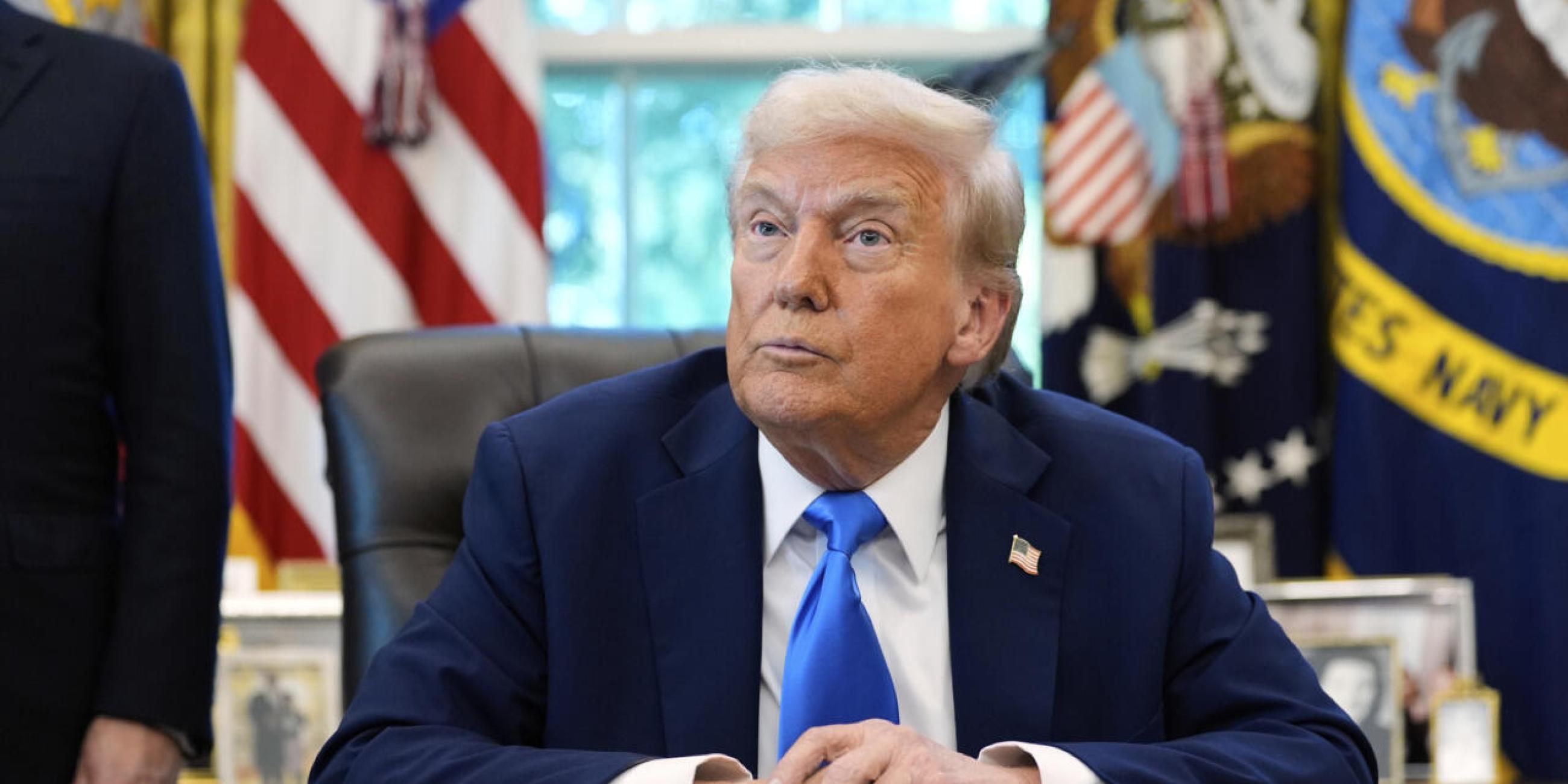
    U.S. President Donald Trump has said that Washington will take control of Venezuela and oversee its oil sector for a period that will extend far beyond a short-term transition. Speaking in a wide-ranging interview published on January 8, 2026, Trump indicated that American involvement in Venezuela would be long-term, with the country’s vast oil reserves at the center of U.S. strategy.

    When asked how long the United States would remain in control—whether for months, a year, or longer—Trump responded: “Only time will tell… I would say much longer.” The statement signals that U.S. oversight of Venezuela is not envisioned as a brief handover process but one that could last several years.

    Trump said the United States plans to rebuild Venezuela while exerting control over its most valuable resource, oil. “We will rebuild it in a very profitable way,” he said, following the January 3 operation in which U.S. forces seized President Nicolás Maduro. According to Trump, oil will play a central role in the rebuilding effort. “We’re going to be using oil, and we’re going to be taking oil. We’re getting oil prices down, and we’re going to be giving money to Venezuela, which they desperately need,” he stated.

    The president also confirmed that Washington is working closely with Venezuela’s interim government after Maduro’s removal, describing relations with interim president Delcy Rodríguez—a longtime ally and former vice president of Maduro—as cooperative. Trump further appeared to soften earlier rhetoric toward neighboring Colombia, inviting its leftist leader to Washington after previously criticizing him.

    The remarks come amid a broader shift in U.S.–Venezuela relations centered on energy and trade. Trump recently announced that Venezuela would use proceeds from a new oil agreement to purchase only American-made products, including agricultural goods, medicines, medical devices, and equipment for upgrading the country’s electricity grid and energy facilities. He portrayed the move as strengthening bilateral ties and positioning the United States as Venezuela’s principal commercial partner.

    Earlier reports also confirmed a deal allowing Venezuela to export $2 billion worth of crude oil to the United States—an agreement the administration described as a major diplomatic breakthrough. The arrangement is expected to divert Venezuelan oil away from China, ease production pressures, and mark a significant realignment in the region following months of heightened U.S. pressure on Caracas.

    But Trump’s comments raise major questions:
    Will U.S. control of Venezuela become a prolonged political and economic occupation?
    Who will ultimately decide how Venezuela’s oil wealth is managed and distributed?
    And can long-term foreign oversight deliver stability—or deepen regional tensions?

    As Washington places oil revenues at the heart of its strategy, the future of Venezuela appears increasingly tied to U.S. policy, energy markets, and geopolitical interests. Whether this approach leads to reconstruction or controversy, Trump’s statements make one thing clear: American involvement in Venezuela is not temporary, and the country’s oil will shape what comes next.


    Will the U.S. Control Venezuela for Years? Trump Says Washington Will Oversee Venezuela’s Oil, Rebuild the Country and Decide Its Future After Maduro’s Removal Is the United States preparing to govern Venezuela for years, and will oil revenues determine the country’s political and economic future? U.S. President Donald Trump has said that Washington will take control of Venezuela and oversee its oil sector for a period that will extend far beyond a short-term transition. Speaking in a wide-ranging interview published on January 8, 2026, Trump indicated that American involvement in Venezuela would be long-term, with the country’s vast oil reserves at the center of U.S. strategy. When asked how long the United States would remain in control—whether for months, a year, or longer—Trump responded: “Only time will tell… I would say much longer.” The statement signals that U.S. oversight of Venezuela is not envisioned as a brief handover process but one that could last several years. Trump said the United States plans to rebuild Venezuela while exerting control over its most valuable resource, oil. “We will rebuild it in a very profitable way,” he said, following the January 3 operation in which U.S. forces seized President Nicolás Maduro. According to Trump, oil will play a central role in the rebuilding effort. “We’re going to be using oil, and we’re going to be taking oil. We’re getting oil prices down, and we’re going to be giving money to Venezuela, which they desperately need,” he stated. The president also confirmed that Washington is working closely with Venezuela’s interim government after Maduro’s removal, describing relations with interim president Delcy Rodríguez—a longtime ally and former vice president of Maduro—as cooperative. Trump further appeared to soften earlier rhetoric toward neighboring Colombia, inviting its leftist leader to Washington after previously criticizing him. The remarks come amid a broader shift in U.S.–Venezuela relations centered on energy and trade. Trump recently announced that Venezuela would use proceeds from a new oil agreement to purchase only American-made products, including agricultural goods, medicines, medical devices, and equipment for upgrading the country’s electricity grid and energy facilities. He portrayed the move as strengthening bilateral ties and positioning the United States as Venezuela’s principal commercial partner. Earlier reports also confirmed a deal allowing Venezuela to export $2 billion worth of crude oil to the United States—an agreement the administration described as a major diplomatic breakthrough. The arrangement is expected to divert Venezuelan oil away from China, ease production pressures, and mark a significant realignment in the region following months of heightened U.S. pressure on Caracas. But Trump’s comments raise major questions: Will U.S. control of Venezuela become a prolonged political and economic occupation? Who will ultimately decide how Venezuela’s oil wealth is managed and distributed? And can long-term foreign oversight deliver stability—or deepen regional tensions? As Washington places oil revenues at the heart of its strategy, the future of Venezuela appears increasingly tied to U.S. policy, energy markets, and geopolitical interests. Whether this approach leads to reconstruction or controversy, Trump’s statements make one thing clear: American involvement in Venezuela is not temporary, and the country’s oil will shape what comes next.
    0 Yorumlar ·0 hisse senetleri ·666 Views
  • Are Nigeria’s New Tax Laws Unconstitutional? Why a Lawyer Is Suing the Federal Government Over Multiple Budgets, Fiscal Transparency, and the 2026 Tax Reforms

    Is Nigeria running its finances in violation of its own laws—and could the country’s new tax regime be declared unconstitutional? These are the questions now before the Federal High Court in Lagos following a landmark lawsuit filed by human rights lawyer, Mr. Tilewa Oyefeso.

    Oyefeso has dragged the Federal Government, the Senate President, the Speaker of the House of Representatives, the National Assembly, and the Attorney-General of the Federation to court, challenging what he describes as Nigeria’s “opaque and undisciplined fiscal regime.” At the heart of the case is the government’s practice of operating multiple federal budgets simultaneously and introducing new tax laws that he claims contradict both the Constitution and the Fiscal Responsibility Act (FRA) 2007.

    According to the suit, the Federal Government has extended capital components of the 2024 Appropriation Act into 2025 and 2026 while the 2025 budget is already in force—effectively running overlapping budgets. Oyefeso is asking the court to determine whether this practice complies with Nigeria’s Medium-Term Expenditure Framework (MTEF) and the unified annual budgeting system mandated by fiscal law.

    Why does this matter? The lawyer argues that overlapping budgets, supplementary appropriations, and extended capital projects undermine fiscal transparency, distort expenditure projections, and weaken the macroeconomic discipline the Fiscal Responsibility Act was designed to protect. He also accuses the government of failing to publish quarterly budget implementation reports within the legally required 30-day period—an omission he says makes it impossible for citizens to track public spending or hold authorities accountable.

    But the lawsuit goes beyond budgets. Oyefeso is also challenging four major tax laws scheduled to take effect from January 1, 2026: the Nigeria Tax Act 2025, the Nigeria Revenue Service (Establishment) Act 2025, the Joint Revenue Board of Nigeria (Establishment) Act 2025, and the Nigeria Tax Administration Act 2025.

    He contends that the new tax framework prioritises aggressive revenue generation without first ensuring compliance with constitutional limits on borrowing, deficit thresholds, fiscal accountability, and transparency. Citing Section 16 of the 1999 Constitution, which outlines Nigeria’s economic objectives, Oyefeso argues that fiscal and tax policies must promote social justice, equitable wealth distribution, macroeconomic stability, and the welfare of citizens—not merely expand government revenue.

    One of his key claims is that the reforms ignore the Fiscal Responsibility Act’s requirement that fiscal deficits should not exceed three per cent of GDP unless expressly approved by the National Assembly. By allegedly sidestepping these safeguards, he says, the new tax laws form part of a broader unconstitutional fiscal structure.

    Among the reliefs sought, Oyefeso is asking the court to declare the four tax laws unconstitutional, null, and void. He also wants an order of mandamus compelling the National Assembly to amend the Fiscal Responsibility Act to strengthen transparency, fiscal discipline, and prudent resource management. In addition, he seeks a perpetual injunction to halt the implementation of the new tax laws pending such amendments.

    What could this mean for Nigeria’s economy and governance? If the court upholds his arguments, the ruling could upend Nigeria’s 2026 tax framework, force reforms to budgetary practices, and redefine how fiscal responsibility is enforced under the Constitution.

    For now, the defendants have 30 days to respond, and the case is yet to be assigned to a judge. But the questions raised are already resonating nationwide: Is Nigeria violating its own fiscal laws? Are the new tax reforms legally sound? And will the courts finally impose transparency on how public funds are budgeted, spent, and taxed?
    Are Nigeria’s New Tax Laws Unconstitutional? Why a Lawyer Is Suing the Federal Government Over Multiple Budgets, Fiscal Transparency, and the 2026 Tax Reforms Is Nigeria running its finances in violation of its own laws—and could the country’s new tax regime be declared unconstitutional? These are the questions now before the Federal High Court in Lagos following a landmark lawsuit filed by human rights lawyer, Mr. Tilewa Oyefeso. Oyefeso has dragged the Federal Government, the Senate President, the Speaker of the House of Representatives, the National Assembly, and the Attorney-General of the Federation to court, challenging what he describes as Nigeria’s “opaque and undisciplined fiscal regime.” At the heart of the case is the government’s practice of operating multiple federal budgets simultaneously and introducing new tax laws that he claims contradict both the Constitution and the Fiscal Responsibility Act (FRA) 2007. According to the suit, the Federal Government has extended capital components of the 2024 Appropriation Act into 2025 and 2026 while the 2025 budget is already in force—effectively running overlapping budgets. Oyefeso is asking the court to determine whether this practice complies with Nigeria’s Medium-Term Expenditure Framework (MTEF) and the unified annual budgeting system mandated by fiscal law. Why does this matter? The lawyer argues that overlapping budgets, supplementary appropriations, and extended capital projects undermine fiscal transparency, distort expenditure projections, and weaken the macroeconomic discipline the Fiscal Responsibility Act was designed to protect. He also accuses the government of failing to publish quarterly budget implementation reports within the legally required 30-day period—an omission he says makes it impossible for citizens to track public spending or hold authorities accountable. But the lawsuit goes beyond budgets. Oyefeso is also challenging four major tax laws scheduled to take effect from January 1, 2026: the Nigeria Tax Act 2025, the Nigeria Revenue Service (Establishment) Act 2025, the Joint Revenue Board of Nigeria (Establishment) Act 2025, and the Nigeria Tax Administration Act 2025. He contends that the new tax framework prioritises aggressive revenue generation without first ensuring compliance with constitutional limits on borrowing, deficit thresholds, fiscal accountability, and transparency. Citing Section 16 of the 1999 Constitution, which outlines Nigeria’s economic objectives, Oyefeso argues that fiscal and tax policies must promote social justice, equitable wealth distribution, macroeconomic stability, and the welfare of citizens—not merely expand government revenue. One of his key claims is that the reforms ignore the Fiscal Responsibility Act’s requirement that fiscal deficits should not exceed three per cent of GDP unless expressly approved by the National Assembly. By allegedly sidestepping these safeguards, he says, the new tax laws form part of a broader unconstitutional fiscal structure. Among the reliefs sought, Oyefeso is asking the court to declare the four tax laws unconstitutional, null, and void. He also wants an order of mandamus compelling the National Assembly to amend the Fiscal Responsibility Act to strengthen transparency, fiscal discipline, and prudent resource management. In addition, he seeks a perpetual injunction to halt the implementation of the new tax laws pending such amendments. What could this mean for Nigeria’s economy and governance? If the court upholds his arguments, the ruling could upend Nigeria’s 2026 tax framework, force reforms to budgetary practices, and redefine how fiscal responsibility is enforced under the Constitution. For now, the defendants have 30 days to respond, and the case is yet to be assigned to a judge. But the questions raised are already resonating nationwide: Is Nigeria violating its own fiscal laws? Are the new tax reforms legally sound? And will the courts finally impose transparency on how public funds are budgeted, spent, and taxed?
    0 Yorumlar ·0 hisse senetleri ·421 Views
  • How Did Ex-AGF Abubakar Malami, His Sons Amass 57 Luxury Homes, Hotels, University Assets Worth ₦213 Billion? Inside the EFCC Money Laundering Case, Court Forfeiture Order, and Full Property List Shaking Nigeria

    How did a former Attorney-General of the Federation and Minister of Justice allegedly acquire 57 high-value properties across Abuja, Kebbi, Kano, and Kaduna? What explains the sudden emergence of luxury hotels, vast landed estates, factories, schools, filling stations, shopping complexes, and an entire private university tied to Abubakar Malami (SAN) and his two sons? And why has a Federal High Court now ordered the interim forfeiture of assets valued at a staggering ₦213.2 billion?

    In a dramatic legal move that has reignited national debate on corruption and elite wealth in Nigeria, Justice Emeka Nwite of the Federal High Court, Abuja, granted an ex-parte application filed by the Economic and Financial Crimes Commission (EFCC), authorising the temporary seizure of 57 properties allegedly linked to Malami and his sons, Abdulaziz and Abiru-Rahman. The court ruled that the assets are reasonably suspected to be proceeds of unlawful activity and should be preserved pending full investigation and trial.

    What exactly did investigators uncover? The forfeited properties include luxury duplexes in Maitama and Asokoro, high-end hotels in Abuja and Kano, shopping malls, warehouses, petrol stations, plazas, and sprawling estates across Kebbi State. Among the most striking assets are massive institutional holdings under the “Rayhaan” brand: Rayhaan University with multiple sites reportedly worth tens of billions of naira, agro-allied factories with heavy machinery, staff quarters, mosques, media outlets, model academies, and large commercial hubs such as Azbir Arena and Zeennoor Hotel in Kano.

    Why are these properties raising alarm? According to the EFCC, the scale, speed, and structure of the acquisitions—many made while Malami served as Nigeria’s chief law officer—point to potential money laundering and abuse of office. Several assets were allegedly purchased at relatively low values and later upgraded into multi-billion-naira developments. Others are held through foundations, companies, and educational or religious fronts, prompting questions about whether public office was leveraged to build a vast private empire.

    What happens next? The interim forfeiture does not yet mean permanent confiscation. The court has ordered that the assets be preserved while legal proceedings continue. Interested parties may be invited to show cause why the properties should not be finally forfeited to the Federal Government. Meanwhile, civil society groups and anti-corruption advocates are asking: will this case mark a turning point in Nigeria’s fight against high-level corruption, or will it join the long list of stalled elite prosecutions?

    As Nigerians digest the full list of 57 properties—ranging from luxury residences and hotels to universities, factories, schools, filling stations, and commercial plazas—the central question remains: how did a public official and his immediate family come to control assets worth over ₦213 billion, and will the courts finally provide answers that restore public trust?

    How Did Ex-AGF Abubakar Malami, His Sons Amass 57 Luxury Homes, Hotels, University Assets Worth ₦213 Billion? Inside the EFCC Money Laundering Case, Court Forfeiture Order, and Full Property List Shaking Nigeria How did a former Attorney-General of the Federation and Minister of Justice allegedly acquire 57 high-value properties across Abuja, Kebbi, Kano, and Kaduna? What explains the sudden emergence of luxury hotels, vast landed estates, factories, schools, filling stations, shopping complexes, and an entire private university tied to Abubakar Malami (SAN) and his two sons? And why has a Federal High Court now ordered the interim forfeiture of assets valued at a staggering ₦213.2 billion? In a dramatic legal move that has reignited national debate on corruption and elite wealth in Nigeria, Justice Emeka Nwite of the Federal High Court, Abuja, granted an ex-parte application filed by the Economic and Financial Crimes Commission (EFCC), authorising the temporary seizure of 57 properties allegedly linked to Malami and his sons, Abdulaziz and Abiru-Rahman. The court ruled that the assets are reasonably suspected to be proceeds of unlawful activity and should be preserved pending full investigation and trial. What exactly did investigators uncover? The forfeited properties include luxury duplexes in Maitama and Asokoro, high-end hotels in Abuja and Kano, shopping malls, warehouses, petrol stations, plazas, and sprawling estates across Kebbi State. Among the most striking assets are massive institutional holdings under the “Rayhaan” brand: Rayhaan University with multiple sites reportedly worth tens of billions of naira, agro-allied factories with heavy machinery, staff quarters, mosques, media outlets, model academies, and large commercial hubs such as Azbir Arena and Zeennoor Hotel in Kano. Why are these properties raising alarm? According to the EFCC, the scale, speed, and structure of the acquisitions—many made while Malami served as Nigeria’s chief law officer—point to potential money laundering and abuse of office. Several assets were allegedly purchased at relatively low values and later upgraded into multi-billion-naira developments. Others are held through foundations, companies, and educational or religious fronts, prompting questions about whether public office was leveraged to build a vast private empire. What happens next? The interim forfeiture does not yet mean permanent confiscation. The court has ordered that the assets be preserved while legal proceedings continue. Interested parties may be invited to show cause why the properties should not be finally forfeited to the Federal Government. Meanwhile, civil society groups and anti-corruption advocates are asking: will this case mark a turning point in Nigeria’s fight against high-level corruption, or will it join the long list of stalled elite prosecutions? As Nigerians digest the full list of 57 properties—ranging from luxury residences and hotels to universities, factories, schools, filling stations, and commercial plazas—the central question remains: how did a public official and his immediate family come to control assets worth over ₦213 billion, and will the courts finally provide answers that restore public trust?
    0 Yorumlar ·0 hisse senetleri ·512 Views
  • Is This Crazy or Inspirational? Why Did T-Pain Buy a Private Jet for His Family—and What Does It Say About His Comeback? | Fintter

    Is buying a private jet for your family a bold celebration of success—or a risky flex in an industry known for financial crashes?

    Grammy-winning American rapper and singer T-Pain has set social media ablaze after surprising his mother and family with a private jet, in an emotional moment captured on video. The clip, shared on his official pages on January 6, 2026, shows the artist—real name Faheem Rashad Najm—leading his loved ones toward a sleek blue-and-white aircraft on an airport tarmac before casually revealing: he bought it for them.

    His mother’s stunned reaction said it all.
    “You just bought the plane?! This is crazy!” she exclaimed, as the family broke into celebration, boarding the jet and enjoying snacks and drinks inside the cabin. For T-Pain, the moment symbolised more than luxury—it was victory after years of struggle.

    But the big question remains: Is this a powerful story of redemption, or a financial gamble dressed as success?

    From Financial Struggles to a Private Jet

    T-Pain’s lavish gift comes nearly a year after a major financial turning point. In February 2025, the rapper sold his music publishing catalogue and select master rights to HarbourView Equity Partners. He described the deal as one that would “secure wealth for generations,” marking a dramatic shift in his financial trajectory.

    This move followed a difficult chapter in his career. In the late 2000s, T-Pain revealed that mismanagement of a $40 million advance had led to serious financial setbacks, despite his global fame. For years, fans watched as one of music’s most influential hitmakers appeared to fade from the spotlight.

    Now, the private jet is being seen as a symbol of resurgence, redemption, and smart long-term strategy.

    A Celebration—or a Warning Sign?

    Online reactions have been mixed but emotional. Many fans praised T-Pain for making his mother proud and reclaiming his place at the top. Others offered words of caution, urging him to protect his wealth, avoid unnecessary spending, and ensure the jet is used strategically—through chartering, tax planning, or business operations.

    Some observers even called the purchase a “tax-savvy power move”, suggesting that with proper management, private aircraft ownership can reduce operating costs and generate income when leased.

    But critics ask: In an industry filled with stories of stars who went broke after extravagant spending, is buying a private jet truly wise? Or is it a dangerous symbol of excess?

    What Does This Say About Success in Music Today?

    Beyond the headlines, T-Pain’s story raises deeper questions about modern celebrity wealth:

    Is selling a music catalogue the smartest way for artists to secure long-term financial freedom?

    Does luxury spending reflect success—or does real wealth lie in investments and sustainability?

    Should public figures be celebrated for lavish displays, or for financial discipline?


    Interestingly, the debate echoes comments made by Nigerian music mogul Don Jazzy, who recently said he would never buy a private jet despite being able to afford one. He emphasised investments, personal growth, and long-term impact over flashy purchases.

    So where does T-Pain’s decision fall—visionary or risky?

    A Moment of Pride, a Test of Legacy

    For T-Pain and his family, the jet is more than a machine—it is a symbol of perseverance, recovery, and gratitude. His declaration in the video, “We fing did it,”* reflects the emotional weight of overcoming past mistakes and reclaiming success.

    Yet, for fans and critics alike, the story invites a broader conversation:
    Is this the ultimate example of “making it,” or a reminder that wealth must be handled with extreme care?


    ---

    Discussion Starters for Fintter Readers

    Is buying a private jet a smart business move or unnecessary luxury?

    Did T-Pain make the right choice selling his music catalogue?

    Should artists prioritise investments over high-profile purchases?

    Would you rather own a jet—or build long-term passive income?


    Join the conversation on Fintter:
    Is T-Pain’s private jet purchase inspirational—or is it a risky flex in an industry that has seen too many stars fall?

    Is This Crazy or Inspirational? Why Did T-Pain Buy a Private Jet for His Family—and What Does It Say About His Comeback? | Fintter Is buying a private jet for your family a bold celebration of success—or a risky flex in an industry known for financial crashes? Grammy-winning American rapper and singer T-Pain has set social media ablaze after surprising his mother and family with a private jet, in an emotional moment captured on video. The clip, shared on his official pages on January 6, 2026, shows the artist—real name Faheem Rashad Najm—leading his loved ones toward a sleek blue-and-white aircraft on an airport tarmac before casually revealing: he bought it for them. His mother’s stunned reaction said it all. “You just bought the plane?! This is crazy!” she exclaimed, as the family broke into celebration, boarding the jet and enjoying snacks and drinks inside the cabin. For T-Pain, the moment symbolised more than luxury—it was victory after years of struggle. But the big question remains: Is this a powerful story of redemption, or a financial gamble dressed as success? From Financial Struggles to a Private Jet T-Pain’s lavish gift comes nearly a year after a major financial turning point. In February 2025, the rapper sold his music publishing catalogue and select master rights to HarbourView Equity Partners. He described the deal as one that would “secure wealth for generations,” marking a dramatic shift in his financial trajectory. This move followed a difficult chapter in his career. In the late 2000s, T-Pain revealed that mismanagement of a $40 million advance had led to serious financial setbacks, despite his global fame. For years, fans watched as one of music’s most influential hitmakers appeared to fade from the spotlight. Now, the private jet is being seen as a symbol of resurgence, redemption, and smart long-term strategy. A Celebration—or a Warning Sign? Online reactions have been mixed but emotional. Many fans praised T-Pain for making his mother proud and reclaiming his place at the top. Others offered words of caution, urging him to protect his wealth, avoid unnecessary spending, and ensure the jet is used strategically—through chartering, tax planning, or business operations. Some observers even called the purchase a “tax-savvy power move”, suggesting that with proper management, private aircraft ownership can reduce operating costs and generate income when leased. But critics ask: In an industry filled with stories of stars who went broke after extravagant spending, is buying a private jet truly wise? Or is it a dangerous symbol of excess? What Does This Say About Success in Music Today? Beyond the headlines, T-Pain’s story raises deeper questions about modern celebrity wealth: Is selling a music catalogue the smartest way for artists to secure long-term financial freedom? Does luxury spending reflect success—or does real wealth lie in investments and sustainability? Should public figures be celebrated for lavish displays, or for financial discipline? Interestingly, the debate echoes comments made by Nigerian music mogul Don Jazzy, who recently said he would never buy a private jet despite being able to afford one. He emphasised investments, personal growth, and long-term impact over flashy purchases. So where does T-Pain’s decision fall—visionary or risky? A Moment of Pride, a Test of Legacy For T-Pain and his family, the jet is more than a machine—it is a symbol of perseverance, recovery, and gratitude. His declaration in the video, “We fing did it,”* reflects the emotional weight of overcoming past mistakes and reclaiming success. Yet, for fans and critics alike, the story invites a broader conversation: Is this the ultimate example of “making it,” or a reminder that wealth must be handled with extreme care? --- 💬 Discussion Starters for Fintter Readers Is buying a private jet a smart business move or unnecessary luxury? Did T-Pain make the right choice selling his music catalogue? Should artists prioritise investments over high-profile purchases? Would you rather own a jet—or build long-term passive income? 👉 Join the conversation on Fintter: Is T-Pain’s private jet purchase inspirational—or is it a risky flex in an industry that has seen too many stars fall?
    0 Yorumlar ·0 hisse senetleri ·460 Views
  • Why Did the US and Venezuela Sign a $2 Billion Oil Deal Now? Is Maduro’s Crisis Reshaping Global Energy Politics?”

    The United States and Venezuela have signed a controversial agreement allowing the export of $2 billion worth of Venezuelan crude oil to the U.S., a move that has triggered intense global debate. Announced by former U.S. President Donald Trump, the deal is being described as a major shift in relations between Washington and Caracas—coming at a time when Venezuela is grappling with political instability, economic collapse, and international sanctions.
    But the big question on Fintter is: Why now?
    According to U.S. officials, the agreement is designed to redirect Venezuelan oil away from China, weaken Beijing’s grip on the country’s energy sector, and prevent Venezuela from suffering deeper production cuts due to storage backlogs and export restrictions. Trump described the deal as a “flagship negotiation,” insisting that it reflects Venezuela’s compliance with U.S. demands to open its oil industry to American companies.
    Even more striking is the political backdrop. The deal comes after the reported capture of President Nicolás Maduro by U.S. forces, a move Venezuelan authorities have denounced as a “kidnapping” and an attempt by Washington to seize control of the country’s vast oil resources. While the U.S. claims the proceeds from the oil sales will be managed to benefit both nations, it remains unclear whether Venezuela’s state oil company PDVSA will gain any real financial access, given that it is still largely frozen out of the global financial system by U.S. sanctions.
    Trump further stated that 30 to 50 million barrels of what he called “sanctioned oil” would be transferred to the United States at market prices, with the U.S. government controlling the revenue. Energy Secretary Chris Wright is expected to oversee the operation, with crude shipped directly from tankers to U.S. ports. Industry insiders revealed that some shipments initially bound for China will now be redirected to the U.S.—potentially ending Beijing’s dominance as Venezuela’s biggest crude buyer.
    Market reactions were swift. U.S. oil prices dropped by more than 1.5%, while heavy crude prices along the Gulf Coast slipped amid expectations of increased supply. Currently, only Chevron is authorized to export Venezuelan crude under a special U.S. license, handling between 100,000 and 150,000 barrels per day, but this deal could dramatically expand that flow.
    At the same time, Venezuela’s oil output remains under threat. Storage shortages caused by the embargo have already forced production cuts, and industry sources warn that without stable export routes, output could decline even further. Meanwhile, discussions are ongoing about whether Venezuelan oil could eventually be used in the U.S. Strategic Petroleum Reserve, raising even bigger geopolitical implications.
    So, Fintter readers are left with powerful questions:
    Is this deal truly about helping Venezuela’s collapsing economy—or is it a strategic move to weaken China’s influence in global energy markets?
    Will Venezuelans actually benefit from this agreement, or will control of their oil wealth remain in foreign hands?
    Does this mark a new era of U.S.–Venezuela relations, or is it simply a high-stakes political maneuver tied to Maduro’s crisis?
    As global energy politics continue to shift, this $2 billion oil agreement could reshape not only Venezuela’s future, but also the balance of power between the U.S., China, and Latin America.
    What do you think, Fintter community? Is this a breakthrough for Venezuela—or another chapter in global resource politics? Drop your thoughts in the comments.
    Why Did the US and Venezuela Sign a $2 Billion Oil Deal Now? Is Maduro’s Crisis Reshaping Global Energy Politics?” The United States and Venezuela have signed a controversial agreement allowing the export of $2 billion worth of Venezuelan crude oil to the U.S., a move that has triggered intense global debate. Announced by former U.S. President Donald Trump, the deal is being described as a major shift in relations between Washington and Caracas—coming at a time when Venezuela is grappling with political instability, economic collapse, and international sanctions. But the big question on Fintter is: Why now? According to U.S. officials, the agreement is designed to redirect Venezuelan oil away from China, weaken Beijing’s grip on the country’s energy sector, and prevent Venezuela from suffering deeper production cuts due to storage backlogs and export restrictions. Trump described the deal as a “flagship negotiation,” insisting that it reflects Venezuela’s compliance with U.S. demands to open its oil industry to American companies. Even more striking is the political backdrop. The deal comes after the reported capture of President Nicolás Maduro by U.S. forces, a move Venezuelan authorities have denounced as a “kidnapping” and an attempt by Washington to seize control of the country’s vast oil resources. While the U.S. claims the proceeds from the oil sales will be managed to benefit both nations, it remains unclear whether Venezuela’s state oil company PDVSA will gain any real financial access, given that it is still largely frozen out of the global financial system by U.S. sanctions. Trump further stated that 30 to 50 million barrels of what he called “sanctioned oil” would be transferred to the United States at market prices, with the U.S. government controlling the revenue. Energy Secretary Chris Wright is expected to oversee the operation, with crude shipped directly from tankers to U.S. ports. Industry insiders revealed that some shipments initially bound for China will now be redirected to the U.S.—potentially ending Beijing’s dominance as Venezuela’s biggest crude buyer. Market reactions were swift. U.S. oil prices dropped by more than 1.5%, while heavy crude prices along the Gulf Coast slipped amid expectations of increased supply. Currently, only Chevron is authorized to export Venezuelan crude under a special U.S. license, handling between 100,000 and 150,000 barrels per day, but this deal could dramatically expand that flow. At the same time, Venezuela’s oil output remains under threat. Storage shortages caused by the embargo have already forced production cuts, and industry sources warn that without stable export routes, output could decline even further. Meanwhile, discussions are ongoing about whether Venezuelan oil could eventually be used in the U.S. Strategic Petroleum Reserve, raising even bigger geopolitical implications. So, Fintter readers are left with powerful questions: Is this deal truly about helping Venezuela’s collapsing economy—or is it a strategic move to weaken China’s influence in global energy markets? Will Venezuelans actually benefit from this agreement, or will control of their oil wealth remain in foreign hands? Does this mark a new era of U.S.–Venezuela relations, or is it simply a high-stakes political maneuver tied to Maduro’s crisis? As global energy politics continue to shift, this $2 billion oil agreement could reshape not only Venezuela’s future, but also the balance of power between the U.S., China, and Latin America. 👉 What do you think, Fintter community? Is this a breakthrough for Venezuela—or another chapter in global resource politics? Drop your thoughts in the comments.
    0 Yorumlar ·0 hisse senetleri ·547 Views
  • Why Was Former AGF Malami Granted ₦500m Bail? Is Justice Really Blind in Nigeria?”

    In a dramatic development, Justice Emeka Nwite of the Federal High Court in Abuja has granted ₦500 million bail to former Attorney General of the Federation, Abubakar Malami, along with his wife, Bashir Asabe, and son, Abdulaziz Malami. The court imposed strict conditions: the sureties must own property in highbrow Abuja districts such as Asokoro, Maitama, or Gwarinpa, and travel documents must be deposited and verified.
    Malami, currently remanded at the Kuje Correctional Centre, faces 16-count charges from the EFCC over alleged money laundering of ₦8.7 billion. Despite the seriousness of the allegations, the court allowed bail with stringent financial and procedural guarantees, while barring Malami from leaving the country without prior court approval.
    The case raises critical questions about accountability, fairness, and public perception of justice in Nigeria. Critics may ask: Why are high-profile defendants often granted huge bail while ordinary citizens face harsher restrictions? Does wealth and influence tilt the scales of justice? How does this decision impact public confidence in anti-corruption efforts?
    Fintter readers, we want your opinion: Is this bail a sign that the judicial system works fairly, or does it highlight systemic privilege? Should Nigeria reform bail and pre-trial policies to ensure equality before the law? Share your thoughts in the comments and join the conversation.
    Why Was Former AGF Malami Granted ₦500m Bail? Is Justice Really Blind in Nigeria?” In a dramatic development, Justice Emeka Nwite of the Federal High Court in Abuja has granted ₦500 million bail to former Attorney General of the Federation, Abubakar Malami, along with his wife, Bashir Asabe, and son, Abdulaziz Malami. The court imposed strict conditions: the sureties must own property in highbrow Abuja districts such as Asokoro, Maitama, or Gwarinpa, and travel documents must be deposited and verified. Malami, currently remanded at the Kuje Correctional Centre, faces 16-count charges from the EFCC over alleged money laundering of ₦8.7 billion. Despite the seriousness of the allegations, the court allowed bail with stringent financial and procedural guarantees, while barring Malami from leaving the country without prior court approval. The case raises critical questions about accountability, fairness, and public perception of justice in Nigeria. Critics may ask: Why are high-profile defendants often granted huge bail while ordinary citizens face harsher restrictions? Does wealth and influence tilt the scales of justice? How does this decision impact public confidence in anti-corruption efforts? Fintter readers, we want your opinion: Is this bail a sign that the judicial system works fairly, or does it highlight systemic privilege? Should Nigeria reform bail and pre-trial policies to ensure equality before the law? Share your thoughts in the comments and join the conversation.
    0 Yorumlar ·0 hisse senetleri ·377 Views
  • Gani Fawehinmi Memorial Group Rejects Tinubu’s Tax Reform, Describes It as IMF–World Bank Agenda to Deepen Poverty in Nigeria

    The Gani Fawehinmi Memorial Organization (GAFAMORG) has strongly rejected the proposed tax reform law being advanced by President Bola Ahmed Tinubu’s administration, describing it as an International Monetary Fund (IMF) and World Bank–inspired agenda aimed at deepening poverty and further exploiting Nigerians. The group warned that the country’s worsening economic crisis is the result of deliberate policy choices by a corrupt ruling elite aligned with failed foreign economic orthodoxies.

    In a statement signed by its Chairman, Babatunde Agunbiade, and Public Relations Officer, Adeoye Ade-Adewumi, GAFAMORG argued that Nigeria’s challenges are not caused by insufficient taxation but by criminal mismanagement, massive corruption, nepotism, and elite capture of state resources. The organisation said the proposed tax law would impose additional burdens on already over-taxed workers, small traders, and struggling households, while leaving the wealthy and powerful untouched.

    The group accused the Tinubu administration of ignoring large-scale tax evasion by elites, excessive tax waivers for multinational corporations, and widespread looting through inflated contracts and opaque concessions. It also criticised the operation of Free Trade Zones, describing them as tax havens for the rich where corporations enjoy sweeping exemptions and weak oversight, while ordinary Nigerians face aggressive and sometimes extortionate tax enforcement.

    GAFAMORG further described Nigeria’s tax administration system as broken, citing overlapping taxes, harassment by revenue agents, lack of transparency, and weak accountability. It warned that introducing new taxes without fixing these structural problems amounts to “economic violence against the poor.”

    Reflecting on Nigeria’s past experiences with IMF- and World Bank-backed reforms such as Structural Adjustment, privatisation, and subsidy removal, the organisation said these policies have consistently shrunk the middle class, expanded poverty, enriched a tiny elite, and weakened the country’s productive capacity.

    Invoking the legacy of late human rights lawyer Chief Gani Fawehinmi, GAFAMORG called on Nigerians to completely reject the proposed tax law, mobilise civic, legal, media, and popular resistance, and demand its immediate withdrawal. The group insisted that Nigeria does not need IMF-approved hardship but justice, accountability, equity, and people-centred governance.
    Gani Fawehinmi Memorial Group Rejects Tinubu’s Tax Reform, Describes It as IMF–World Bank Agenda to Deepen Poverty in Nigeria The Gani Fawehinmi Memorial Organization (GAFAMORG) has strongly rejected the proposed tax reform law being advanced by President Bola Ahmed Tinubu’s administration, describing it as an International Monetary Fund (IMF) and World Bank–inspired agenda aimed at deepening poverty and further exploiting Nigerians. The group warned that the country’s worsening economic crisis is the result of deliberate policy choices by a corrupt ruling elite aligned with failed foreign economic orthodoxies. In a statement signed by its Chairman, Babatunde Agunbiade, and Public Relations Officer, Adeoye Ade-Adewumi, GAFAMORG argued that Nigeria’s challenges are not caused by insufficient taxation but by criminal mismanagement, massive corruption, nepotism, and elite capture of state resources. The organisation said the proposed tax law would impose additional burdens on already over-taxed workers, small traders, and struggling households, while leaving the wealthy and powerful untouched. The group accused the Tinubu administration of ignoring large-scale tax evasion by elites, excessive tax waivers for multinational corporations, and widespread looting through inflated contracts and opaque concessions. It also criticised the operation of Free Trade Zones, describing them as tax havens for the rich where corporations enjoy sweeping exemptions and weak oversight, while ordinary Nigerians face aggressive and sometimes extortionate tax enforcement. GAFAMORG further described Nigeria’s tax administration system as broken, citing overlapping taxes, harassment by revenue agents, lack of transparency, and weak accountability. It warned that introducing new taxes without fixing these structural problems amounts to “economic violence against the poor.” Reflecting on Nigeria’s past experiences with IMF- and World Bank-backed reforms such as Structural Adjustment, privatisation, and subsidy removal, the organisation said these policies have consistently shrunk the middle class, expanded poverty, enriched a tiny elite, and weakened the country’s productive capacity. Invoking the legacy of late human rights lawyer Chief Gani Fawehinmi, GAFAMORG called on Nigerians to completely reject the proposed tax law, mobilise civic, legal, media, and popular resistance, and demand its immediate withdrawal. The group insisted that Nigeria does not need IMF-approved hardship but justice, accountability, equity, and people-centred governance.
    0 Yorumlar ·0 hisse senetleri ·568 Views
  • Tiwa Savage Claps Back at Fan Criticising Her for Riding Pickup Truck: "I Get Money Pass Your Papa"

    Nigerian Afrobeats star Tiwa Savage sparked online reactions after responding sharply to a fan who criticised her for riding in the back of a pickup truck during a public parade. The fan suggested she had “downgraded” herself, prompting Tiwa to reply, “I get money pass your papa,” highlighting her wealth and dismissing the judgment. The incident follows a viral video of her waving to crowds in elegant attire from the truck. Netizens praised her confidence, while some highlighted her authenticity and ability to live life on her own terms. The episode further cemented Tiwa Savage’s reputation as a bold and unapologetic figure in the Nigerian entertainment scene.
    Tiwa Savage Claps Back at Fan Criticising Her for Riding Pickup Truck: "I Get Money Pass Your Papa" Nigerian Afrobeats star Tiwa Savage sparked online reactions after responding sharply to a fan who criticised her for riding in the back of a pickup truck during a public parade. The fan suggested she had “downgraded” herself, prompting Tiwa to reply, “I get money pass your papa,” highlighting her wealth and dismissing the judgment. The incident follows a viral video of her waving to crowds in elegant attire from the truck. Netizens praised her confidence, while some highlighted her authenticity and ability to live life on her own terms. The episode further cemented Tiwa Savage’s reputation as a bold and unapologetic figure in the Nigerian entertainment scene.
    0 Yorumlar ·0 hisse senetleri ·340 Views
  • Peter Obi Criticises Tinubu’s Tax Policy, Warns Nigeria Cannot Prosper by “Taxing Poverty”

    Former Labour Party presidential candidate Peter Obi has condemned Nigeria’s current tax system, arguing that prosperity cannot be achieved by imposing heavier taxes on an already impoverished population. In a statement titled “Prosperity cannot come by taxing Poverty”, Obi stressed that honest leadership, transparency, and fairness are central to sustainable economic growth. He criticised a revenue-driven approach that prioritises government income over citizens’ welfare and highlighted a tax fraud controversy, claiming that the law being enforced differs from what was passed by the National Assembly. Obi called for a people-centered tax system that supports enterprise, protects the vulnerable, and restores public trust, insisting that wealth creation depends on production, not excessive taxation.
    Peter Obi Criticises Tinubu’s Tax Policy, Warns Nigeria Cannot Prosper by “Taxing Poverty” Former Labour Party presidential candidate Peter Obi has condemned Nigeria’s current tax system, arguing that prosperity cannot be achieved by imposing heavier taxes on an already impoverished population. In a statement titled “Prosperity cannot come by taxing Poverty”, Obi stressed that honest leadership, transparency, and fairness are central to sustainable economic growth. He criticised a revenue-driven approach that prioritises government income over citizens’ welfare and highlighted a tax fraud controversy, claiming that the law being enforced differs from what was passed by the National Assembly. Obi called for a people-centered tax system that supports enterprise, protects the vulnerable, and restores public trust, insisting that wealth creation depends on production, not excessive taxation.
    0 Yorumlar ·0 hisse senetleri ·431 Views
  • Revolutionary Socialist Movement Urges Nigerians to Resist Tinubu’s ‘Anti-Poor’ Tax Policies, Warns of Rising Hardship, Inflation, Fuel Hikes, and Growing Economic Inequality in 2026

    The Revolutionary Socialist Movement (RSM) has called on Nigerians to actively resist what it describes as “anti-poor tax policies” introduced by President Bola Tinubu’s administration, warning that the measures will deepen economic hardship for workers and low-income earners. In a New Year message issued by its Publicity Secretary, Comrade Salako Kayode, the group said Nigerians are entering 2026 under intense economic pressure driven by high inflation, soaring food prices, unemployment, repeated fuel price increases, and declining public services.

    RSM accused the federal government of responding to the economic crisis by shifting the burden onto ordinary citizens through new and increased taxes, while protecting wealthy individuals, big corporations, and political elites. According to the group, the current tax system has failed to improve essential services such as healthcare, education, housing, and employment, instead sustaining corruption, heavy debt servicing, and what it termed extravagant lifestyles among those in power.

    The movement argued that Nigerians should not be forced to pay for an economic crisis they did not create and proposed alternatives including recovering stolen public funds, ending wasteful governance and jumbo salaries, taxing big businesses and the super-rich, and investing more in public services and decent jobs. RSM also called on trade unions, civil society groups, students, and communities to form a united front and engage in peaceful mass resistance to defend living standards and democratic rights, expressing optimism that a more equitable Nigeria is achievable.
    Revolutionary Socialist Movement Urges Nigerians to Resist Tinubu’s ‘Anti-Poor’ Tax Policies, Warns of Rising Hardship, Inflation, Fuel Hikes, and Growing Economic Inequality in 2026 The Revolutionary Socialist Movement (RSM) has called on Nigerians to actively resist what it describes as “anti-poor tax policies” introduced by President Bola Tinubu’s administration, warning that the measures will deepen economic hardship for workers and low-income earners. In a New Year message issued by its Publicity Secretary, Comrade Salako Kayode, the group said Nigerians are entering 2026 under intense economic pressure driven by high inflation, soaring food prices, unemployment, repeated fuel price increases, and declining public services. RSM accused the federal government of responding to the economic crisis by shifting the burden onto ordinary citizens through new and increased taxes, while protecting wealthy individuals, big corporations, and political elites. According to the group, the current tax system has failed to improve essential services such as healthcare, education, housing, and employment, instead sustaining corruption, heavy debt servicing, and what it termed extravagant lifestyles among those in power. The movement argued that Nigerians should not be forced to pay for an economic crisis they did not create and proposed alternatives including recovering stolen public funds, ending wasteful governance and jumbo salaries, taxing big businesses and the super-rich, and investing more in public services and decent jobs. RSM also called on trade unions, civil society groups, students, and communities to form a united front and engage in peaceful mass resistance to defend living standards and democratic rights, expressing optimism that a more equitable Nigeria is achievable.
    0 Yorumlar ·0 hisse senetleri ·508 Views
  • Stop Treating Nigerians Like ATMs” — AAC FCT Chairman Warns of Mass Hardship, Slams Tinubu’s Tax Policies as ‘Declaration of War’ on the Poor in 2026

    The Chairman of the African Action Congress (AAC) in the Federal Capital Territory, Agena Robert Ande, has issued a strong warning that Nigeria is heading into a “year of reckoning” in 2026, accusing President Bola Tinubu’s administration of imposing a harsh and suffocating tax regime that disproportionately affects poor and vulnerable citizens. In a New Year statement, Ande described the government’s tax policies as exploitative, insisting that nearly everything Nigerians rely on for survival is now taxed.

    He rejected official claims that recent tax reforms are designed to target the wealthy, arguing instead that the rich evade taxes through offshore arrangements while ordinary Nigerians pay through Value Added Tax on food, fuel, data, transport and other essentials. According to the AAC chairman, subsidy removal has worsened living conditions nationwide, with transport costs soaring and food prices tripling, further pushing citizens into poverty.

    Ande also criticized the student loan scheme, saying it traps young graduates in debt due to high interest rates and bureaucratic barriers that exclude the most marginalized. He accused the political elite of manipulating public sentiment by weaponising poverty to silence criticism, warning that desperation created by poverty fuels gullibility and social instability.

    Questioning accountability, the AAC leader demanded transparency in the use of tax revenues, pointing to poor infrastructure, failing healthcare systems and dilapidated schools as evidence that increased taxation has not translated into development. He called for the removal of VAT on essential goods and services, insisting that luxury items—not basic livelihoods—should be taxed.

    Describing the tax policies as a “declaration of war against ordinary Nigerians,” Ande urged citizens to resist deception, organize politically and hold leaders accountable through civic engagement and the ballot. He concluded by warning that silence equals complicity, stressing that 2026 presents Nigerians with a choice to reject policies that deepen hardship and inequality.
    Stop Treating Nigerians Like ATMs” — AAC FCT Chairman Warns of Mass Hardship, Slams Tinubu’s Tax Policies as ‘Declaration of War’ on the Poor in 2026 The Chairman of the African Action Congress (AAC) in the Federal Capital Territory, Agena Robert Ande, has issued a strong warning that Nigeria is heading into a “year of reckoning” in 2026, accusing President Bola Tinubu’s administration of imposing a harsh and suffocating tax regime that disproportionately affects poor and vulnerable citizens. In a New Year statement, Ande described the government’s tax policies as exploitative, insisting that nearly everything Nigerians rely on for survival is now taxed. He rejected official claims that recent tax reforms are designed to target the wealthy, arguing instead that the rich evade taxes through offshore arrangements while ordinary Nigerians pay through Value Added Tax on food, fuel, data, transport and other essentials. According to the AAC chairman, subsidy removal has worsened living conditions nationwide, with transport costs soaring and food prices tripling, further pushing citizens into poverty. Ande also criticized the student loan scheme, saying it traps young graduates in debt due to high interest rates and bureaucratic barriers that exclude the most marginalized. He accused the political elite of manipulating public sentiment by weaponising poverty to silence criticism, warning that desperation created by poverty fuels gullibility and social instability. Questioning accountability, the AAC leader demanded transparency in the use of tax revenues, pointing to poor infrastructure, failing healthcare systems and dilapidated schools as evidence that increased taxation has not translated into development. He called for the removal of VAT on essential goods and services, insisting that luxury items—not basic livelihoods—should be taxed. Describing the tax policies as a “declaration of war against ordinary Nigerians,” Ande urged citizens to resist deception, organize politically and hold leaders accountable through civic engagement and the ballot. He concluded by warning that silence equals complicity, stressing that 2026 presents Nigerians with a choice to reject policies that deepen hardship and inequality.
    0 Yorumlar ·0 hisse senetleri ·538 Views
  • Geregu Power Ownership Changes: Femi Otedola Exits, Ma’am Energy Takes Control, Abdulaziz Yari Appointed Chairman

    Geregu Power has officially confirmed the sale of billionaire Femi Otedola’s controlling stake to Ma’am Energy Limited, signaling a major shift in the company’s leadership. The transaction involved 95% of Amperion Power’s shares—the vehicle through which Otedola held his stake—estimated at $750 million. Following the ownership change, Otedola, along with CEO Akin Akinfemiwa, deputy CEO Julius Omodayo Owotuga, and several non-executive directors, resigned from the board.

    Ma’am Energy, an Abuja-based energy solutions provider operating across power generation, oil and gas exploration, refining, and energy trading, is now the controlling entity. Four individuals hold significant control over the company: Abdulkarim Tsafe, Jari Jafar, Abdulaziz Yari, and Abdulaziz Ahmad, each with a 25% stake.

    Senator Abdulaziz Yari, son of the former Zamfara governor, has been appointed chairman of Geregu Power. Yari has an extensive political and educational background, including leadership and change certification from the London School of Economics and a master’s degree in Public Administration, Finance, and Investment Management from the University of Salford.

    The new board also includes seasoned professionals across finance, energy, and corporate management:

    Abdulkadeer Njiddah – Non-executive director, accounting and auditing expert

    Usman Mohammed – Independent non-executive director, former MD of Transmission Company of Nigeria

    Mohammed Jaafaru – Independent non-executive director, COO of Advance Link Petroleum

    Neka Adogu – Independent non-executive director, banking and wealth management expert

    Mahmud Magaji – Independent non-executive director, Senior Advocate of Nigeria with expertise in criminal law, aviation, and energy sector disputes


    This leadership overhaul comes after Otedola’s exit and marks a new phase for Geregu Power as Ma’am Energy assumes operational control and strategic direction.
    Geregu Power Ownership Changes: Femi Otedola Exits, Ma’am Energy Takes Control, Abdulaziz Yari Appointed Chairman Geregu Power has officially confirmed the sale of billionaire Femi Otedola’s controlling stake to Ma’am Energy Limited, signaling a major shift in the company’s leadership. The transaction involved 95% of Amperion Power’s shares—the vehicle through which Otedola held his stake—estimated at $750 million. Following the ownership change, Otedola, along with CEO Akin Akinfemiwa, deputy CEO Julius Omodayo Owotuga, and several non-executive directors, resigned from the board. Ma’am Energy, an Abuja-based energy solutions provider operating across power generation, oil and gas exploration, refining, and energy trading, is now the controlling entity. Four individuals hold significant control over the company: Abdulkarim Tsafe, Jari Jafar, Abdulaziz Yari, and Abdulaziz Ahmad, each with a 25% stake. Senator Abdulaziz Yari, son of the former Zamfara governor, has been appointed chairman of Geregu Power. Yari has an extensive political and educational background, including leadership and change certification from the London School of Economics and a master’s degree in Public Administration, Finance, and Investment Management from the University of Salford. The new board also includes seasoned professionals across finance, energy, and corporate management: Abdulkadeer Njiddah – Non-executive director, accounting and auditing expert Usman Mohammed – Independent non-executive director, former MD of Transmission Company of Nigeria Mohammed Jaafaru – Independent non-executive director, COO of Advance Link Petroleum Neka Adogu – Independent non-executive director, banking and wealth management expert Mahmud Magaji – Independent non-executive director, Senior Advocate of Nigeria with expertise in criminal law, aviation, and energy sector disputes This leadership overhaul comes after Otedola’s exit and marks a new phase for Geregu Power as Ma’am Energy assumes operational control and strategic direction.
    0 Yorumlar ·0 hisse senetleri ·371 Views
  • Minnesota Congresswoman Ilhan Omar has come under intense scrutiny after her assets appeared to skyrocket from only $1,000 to almost $30 million in just one year.

    Two companies, both owned by her husband and listed on Omar’s most recent financial disclosure form, appear to have experienced significant growth in value between 2023 and last year.

    Rose Lake Capital LLC was valued between $5 million and $25 million in 2024, according to the document, filed in May.

    The venture capital management firm is headquartered in Washington, DC. Omar lists the asset as ‘partnership income’ on her form and claimed she doesn’t receive any income from Rose Lake.

    However, in her 2023 report, released in May 2024, Rose Lake Capital is valued at between $1 and $1,000.

    In the same report, the Somali-born socialist stated that another company, ESTCRU LLC, was worth between $15,001 and $50,000.

    The firm is a winery in Santa Rosa, California. Its value is now listed between $1 million and $5 million, according to Omar’s recent disclosure.

    In response to the significant increase, the National Legal and Policy Center, a conservative nonprofit that monitors the ethics of liberal public officials, has confirmed it is ‘certainly looking’ at the progressive Congresswoman.

    Peter Flaherty, chairman of the organization, confirmed to the New York Post that the center is investigating Omar’s assets.

    Rose Lake’s website says it has worked with five diplomats in more than 80 countries to structure deals, mergers, and acquisitions.

    ‘From distressed assets to buying publicly traded companies – our team has the prowess to execute the right opportunities,’ the company’s description reads.

    ‘At Rose Lake we tap into our extensive global network to create strategic partnerships to maximize the strength of the businesses we partner with.’

    Rose Lake’s LinkedIn page also appears to have been removed amid reports of Omar’s wealth gains.

    The company’s website stripped team members’ names and bios. The webpage now only displays a brief summary of Rose Lake’s work.

    Minnesota Congresswoman Ilhan Omar has come under intense scrutiny after her assets appeared to skyrocket from only $1,000 to almost $30 million in just one year. Two companies, both owned by her husband and listed on Omar’s most recent financial disclosure form, appear to have experienced significant growth in value between 2023 and last year. Rose Lake Capital LLC was valued between $5 million and $25 million in 2024, according to the document, filed in May. The venture capital management firm is headquartered in Washington, DC. Omar lists the asset as ‘partnership income’ on her form and claimed she doesn’t receive any income from Rose Lake. However, in her 2023 report, released in May 2024, Rose Lake Capital is valued at between $1 and $1,000. In the same report, the Somali-born socialist stated that another company, ESTCRU LLC, was worth between $15,001 and $50,000. The firm is a winery in Santa Rosa, California. Its value is now listed between $1 million and $5 million, according to Omar’s recent disclosure. In response to the significant increase, the National Legal and Policy Center, a conservative nonprofit that monitors the ethics of liberal public officials, has confirmed it is ‘certainly looking’ at the progressive Congresswoman. Peter Flaherty, chairman of the organization, confirmed to the New York Post that the center is investigating Omar’s assets. Rose Lake’s website says it has worked with five diplomats in more than 80 countries to structure deals, mergers, and acquisitions. ‘From distressed assets to buying publicly traded companies – our team has the prowess to execute the right opportunities,’ the company’s description reads. ‘At Rose Lake we tap into our extensive global network to create strategic partnerships to maximize the strength of the businesses we partner with.’ Rose Lake’s LinkedIn page also appears to have been removed amid reports of Omar’s wealth gains. The company’s website stripped team members’ names and bios. The webpage now only displays a brief summary of Rose Lake’s work.
    0 Yorumlar ·0 hisse senetleri ·423 Views
Arama Sonuçları
Fintter https://fintter.com