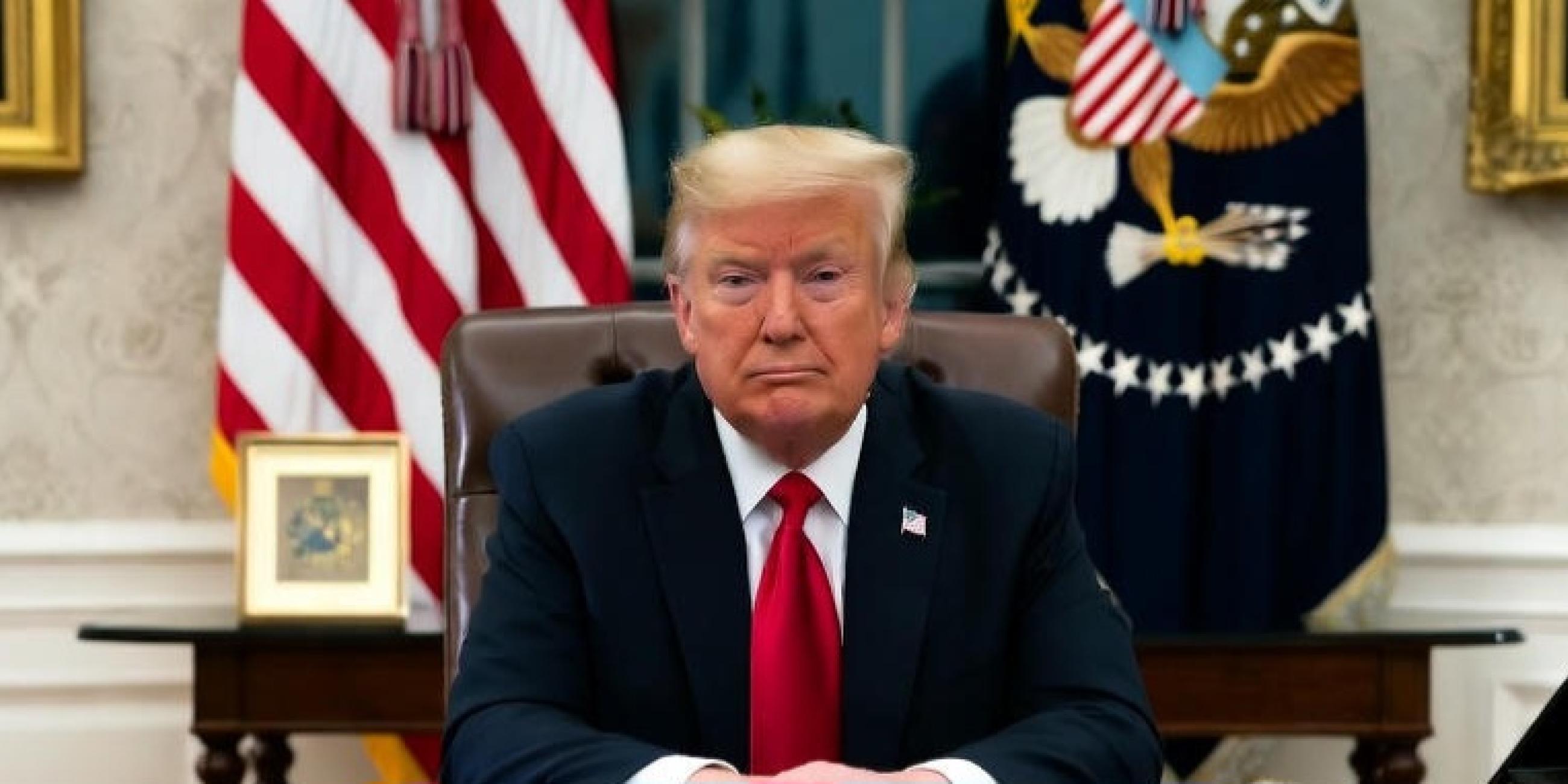
• Is Trump Becoming the Next “Fallen Despot”? Why Iran’s Supreme Leader Khamenei Compared Him to Pharaoh, Nimrod and the Shah Amid Rising U.S.–Iran Tensions

    Is Donald Trump being cast as the next ruler destined for historical downfall? Iran’s Supreme Leader, Ayatollah Ali Khamenei, has launched a sharp ideological attack on the U.S. president, accusing him of “tyrannical” leadership and warning that, like infamous rulers of the past, he too could ultimately fall from power.

    In a post shared on X (formerly Twitter), Khamenei condemned what he described as Trump’s habit of judging the world with arrogance, arguing that history offers repeated lessons about leaders who rule through hubris. Drawing striking parallels, the Iranian leader invoked figures such as Pharaoh, Nimrod, and Mohammad Reza Pahlavi—rulers who, he said, collapsed at the height of their authority after overreaching their power.

    “The US President who judges arrogantly about the whole world should know that tyrants and arrogant rulers of the world… saw their downfall when they were at the peak of their hubris. He too will fall,” Khamenei wrote. The message framed Trump not merely as a political rival, but as part of a long lineage of leaders whose dominance, according to Khamenei, eventually gave way to decline.

    The comments come amid deepening hostility between Tehran and Washington, defined by sanctions, military posturing, and public exchanges between senior officials. Khamenei, Iran’s highest authority, has consistently portrayed U.S. foreign policy as imperialistic, often embedding his criticisms within historical and religious narratives aimed at reinforcing Iran’s resistance ideology.

    Tensions intensified further following reports that Trump praised Israeli military strikes on Iran in June 2025. According to ABC News Chief Washington Correspondent Jonathan Karl, Trump described the attack as “excellent,” adding that Iran had been given a chance to change course but failed to do so—and warning that “there’s more to come, a lot more.” His remarks coincided with a series of escalating confrontations between Israel and Iran, including strikes on Iranian territory, some reportedly reaching as far as Tehran.

    Iran’s Foreign Ministry condemned the attacks as a “blatant act of aggression,” while regional analysts warned that rhetoric from both sides risks further destabilizing an already volatile Middle East. Against this backdrop, Khamenei’s comparison of Trump to fallen despots appears not only symbolic but strategic—seeking to frame U.S. pressure as morally bankrupt and historically doomed.

    The episode raises broader questions: Is Khamenei merely engaging in ideological posturing, or is Iran signaling that it sees Trump’s leadership style as unsustainable in the long run? And does invoking ancient and modern tyrants reflect a deeper effort to mobilize domestic and regional opinion against American influence?

    As U.S.–Iran relations continue to harden, the clash of narratives—Trump’s warnings of force and Khamenei’s predictions of downfall—underscores how geopolitical conflict today is fought not only with sanctions and weapons, but with history, symbolism, and the power of storytelling. Whether Trump’s approach will reinforce U.S. dominance or mirror the fate of leaders Khamenei cited remains a question shaping global attention.


    Is Trump Becoming the Next “Fallen Despot”? Why Iran’s Supreme Leader Khamenei Compared Him to Pharaoh, Nimrod and the Shah Amid Rising U.S.–Iran Tensions Is Donald Trump being cast as the next ruler destined for historical downfall? Iran’s Supreme Leader, Ayatollah Ali Khamenei, has launched a sharp ideological attack on the U.S. president, accusing him of “tyrannical” leadership and warning that, like infamous rulers of the past, he too could ultimately fall from power. In a post shared on X (formerly Twitter), Khamenei condemned what he described as Trump’s habit of judging the world with arrogance, arguing that history offers repeated lessons about leaders who rule through hubris. Drawing striking parallels, the Iranian leader invoked figures such as Pharaoh, Nimrod, and Mohammad Reza Pahlavi—rulers who, he said, collapsed at the height of their authority after overreaching their power. “The US President who judges arrogantly about the whole world should know that tyrants and arrogant rulers of the world… saw their downfall when they were at the peak of their hubris. He too will fall,” Khamenei wrote. The message framed Trump not merely as a political rival, but as part of a long lineage of leaders whose dominance, according to Khamenei, eventually gave way to decline. The comments come amid deepening hostility between Tehran and Washington, defined by sanctions, military posturing, and public exchanges between senior officials. Khamenei, Iran’s highest authority, has consistently portrayed U.S. foreign policy as imperialistic, often embedding his criticisms within historical and religious narratives aimed at reinforcing Iran’s resistance ideology. Tensions intensified further following reports that Trump praised Israeli military strikes on Iran in June 2025. According to ABC News Chief Washington Correspondent Jonathan Karl, Trump described the attack as “excellent,” adding that Iran had been given a chance to change course but failed to do so—and warning that “there’s more to come, a lot more.” His remarks coincided with a series of escalating confrontations between Israel and Iran, including strikes on Iranian territory, some reportedly reaching as far as Tehran. Iran’s Foreign Ministry condemned the attacks as a “blatant act of aggression,” while regional analysts warned that rhetoric from both sides risks further destabilizing an already volatile Middle East. Against this backdrop, Khamenei’s comparison of Trump to fallen despots appears not only symbolic but strategic—seeking to frame U.S. pressure as morally bankrupt and historically doomed. The episode raises broader questions: Is Khamenei merely engaging in ideological posturing, or is Iran signaling that it sees Trump’s leadership style as unsustainable in the long run? And does invoking ancient and modern tyrants reflect a deeper effort to mobilize domestic and regional opinion against American influence? As U.S.–Iran relations continue to harden, the clash of narratives—Trump’s warnings of force and Khamenei’s predictions of downfall—underscores how geopolitical conflict today is fought not only with sanctions and weapons, but with history, symbolism, and the power of storytelling. Whether Trump’s approach will reinforce U.S. dominance or mirror the fate of leaders Khamenei cited remains a question shaping global attention.
    0 Comments ·0 Shares ·92 Views
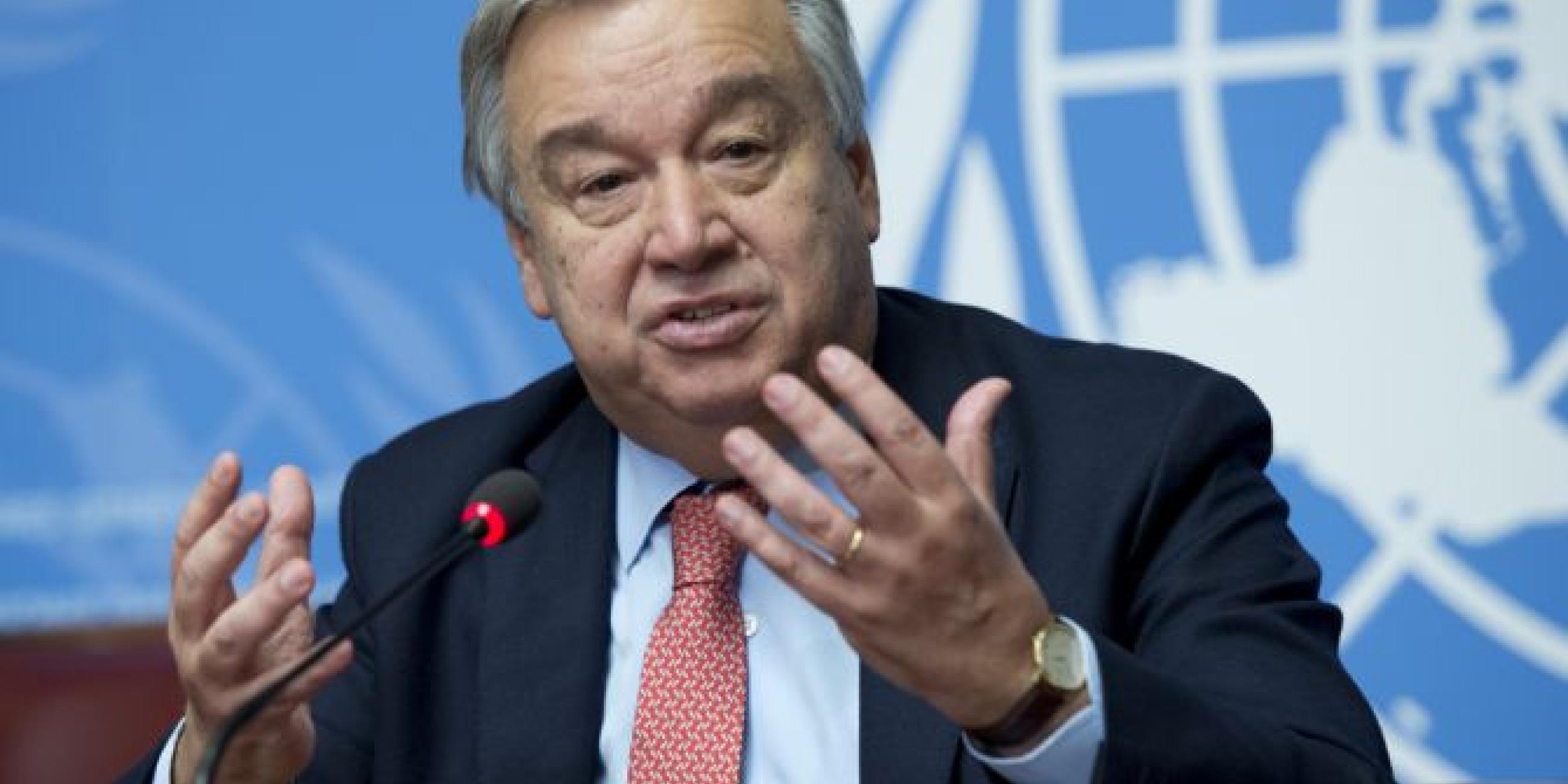
  • Is the U.S. Turning Its Back on the United Nations? Why UN Chief Guterres Regrets Trump’s Withdrawal From Dozens of Global Bodies and What It Means for World Governance

    United Nations Secretary-General Antonio Guterres has expressed strong regret over the United States’ decision to withdraw from multiple international organisations, warning that financial obligations to the UN remain legally binding under international law. The reaction follows a sweeping policy directive signed by U.S. President Donald Trump, ordering American withdrawal from 66 international bodies, including 31 United Nations entities and 35 non-UN organisations.

    In a statement delivered by UN Spokesman Stéphane Dujarric, the Secretary-General described the decision as “regrettable” and stressed that assessed contributions to the UN’s regular and peacekeeping budgets are mandatory under the UN Charter for all member states, including the United States. “Assessed contributions… are a legal obligation under the UN Charter,” Dujarric said, adding that all UN agencies would continue implementing their mandates despite political or financial challenges.

    While the UN statement did not specify which bodies would be affected or the immediate financial consequences, officials have long warned that funding shortfalls could undermine peacekeeping operations, humanitarian assistance, development programmes, and human-rights initiatives worldwide.

    The development stems from a Presidential Memorandum issued by Trump, declaring that continued U.S. participation in the listed organisations no longer serves American interests. The directive follows a comprehensive review ordered under Executive Order 14199 in February 2025, which assessed U.S. involvement in all international organisations, treaties, and conventions receiving American funding or support. After reviewing the findings with his Cabinet, Trump ordered federal agencies to take “immediate steps” to withdraw, where legally permissible.

    Among the non-UN organisations affected are bodies dealing with climate change, energy, environmental protection, democracy promotion, cybersecurity, and regional cooperation, including the Intergovernmental Panel on Climate Change (IPCC), the International Renewable Energy Agency (IRENA), the International Union for Conservation of Nature (IUCN), and the Freedom Online Coalition. The order also targets several security and justice-focused groups, such as the Global Counterterrorism Forum and the International Institute for Justice and the Rule of Law.

    On the UN side, the memorandum directs the United States to cease participation in or funding for multiple agencies and programmes, including UN Women, the UN Population Fund (UNFPA), UN Conference on Trade and Development (UNCTAD), the UN Framework Convention on Climate Change (UNFCCC), and offices focused on peacebuilding, development, oceans, water, international law, and human rights. It also affects entities such as the Peacebuilding Fund, UN Water, UN Oceans, and the UN University system.

    Despite the decision, the UN leadership insists its mission will continue. “All United Nations entities will go on with the implementation of their mandates as given by Member States,” the statement said, underscoring the organisation’s responsibility to people worldwide who rely on its work.

    The move has intensified global debate: Can the United States legally withdraw while still bound to financial obligations? Will UN programmes suffer operational setbacks? Does this signal a broader retreat from multilateralism—or a recalibration of U.S. foreign policy priorities? As the review process remains ongoing, with more organisations potentially targeted, the episode raises urgent questions about the future of international cooperation, global governance, and the stability of multilateral institutions.

    Is the U.S. Turning Its Back on the United Nations? Why UN Chief Guterres Regrets Trump’s Withdrawal From Dozens of Global Bodies and What It Means for World Governance United Nations Secretary-General Antonio Guterres has expressed strong regret over the United States’ decision to withdraw from multiple international organisations, warning that financial obligations to the UN remain legally binding under international law. The reaction follows a sweeping policy directive signed by U.S. President Donald Trump, ordering American withdrawal from 66 international bodies, including 31 United Nations entities and 35 non-UN organisations. In a statement delivered by UN Spokesman Stéphane Dujarric, the Secretary-General described the decision as “regrettable” and stressed that assessed contributions to the UN’s regular and peacekeeping budgets are mandatory under the UN Charter for all member states, including the United States. “Assessed contributions… are a legal obligation under the UN Charter,” Dujarric said, adding that all UN agencies would continue implementing their mandates despite political or financial challenges. While the UN statement did not specify which bodies would be affected or the immediate financial consequences, officials have long warned that funding shortfalls could undermine peacekeeping operations, humanitarian assistance, development programmes, and human-rights initiatives worldwide. The development stems from a Presidential Memorandum issued by Trump, declaring that continued U.S. participation in the listed organisations no longer serves American interests. The directive follows a comprehensive review ordered under Executive Order 14199 in February 2025, which assessed U.S. involvement in all international organisations, treaties, and conventions receiving American funding or support. After reviewing the findings with his Cabinet, Trump ordered federal agencies to take “immediate steps” to withdraw, where legally permissible. Among the non-UN organisations affected are bodies dealing with climate change, energy, environmental protection, democracy promotion, cybersecurity, and regional cooperation, including the Intergovernmental Panel on Climate Change (IPCC), the International Renewable Energy Agency (IRENA), the International Union for Conservation of Nature (IUCN), and the Freedom Online Coalition. The order also targets several security and justice-focused groups, such as the Global Counterterrorism Forum and the International Institute for Justice and the Rule of Law. On the UN side, the memorandum directs the United States to cease participation in or funding for multiple agencies and programmes, including UN Women, the UN Population Fund (UNFPA), UN Conference on Trade and Development (UNCTAD), the UN Framework Convention on Climate Change (UNFCCC), and offices focused on peacebuilding, development, oceans, water, international law, and human rights. It also affects entities such as the Peacebuilding Fund, UN Water, UN Oceans, and the UN University system. Despite the decision, the UN leadership insists its mission will continue. “All United Nations entities will go on with the implementation of their mandates as given by Member States,” the statement said, underscoring the organisation’s responsibility to people worldwide who rely on its work. The move has intensified global debate: Can the United States legally withdraw while still bound to financial obligations? Will UN programmes suffer operational setbacks? Does this signal a broader retreat from multilateralism—or a recalibration of U.S. foreign policy priorities? As the review process remains ongoing, with more organisations potentially targeted, the episode raises urgent questions about the future of international cooperation, global governance, and the stability of multilateral institutions.
    0 Comments ·0 Shares ·177 Views
Fintter https://fintter.com