• Why Is the Nigerian Government Restricting School Graduation Ceremonies to Only Final Classes—Is This the End of Costly, Fee-Driven Celebrations in Primary and Secondary Schools?

    Is Nigeria finally putting an end to the growing culture of expensive and repetitive school graduations? The Federal Government has announced a new education policy that restricts graduation ceremonies to only final-year classes—Primary 6, Junior Secondary School 3 (JSS3), and Senior Secondary School 3 (SSS3)—effectively banning the practice of holding graduation events for lower classes across the country.

    The policy was unveiled by the Minister of Education, Maruf Tunji Alausa, alongside the Minister of State for Education, Prof. Suiwaba Sai’d, as part of a broader reform agenda aimed at reducing the financial burden on parents and restoring focus to academic learning rather than ceremonial displays.

    According to the ministers, graduation ceremonies in many schools have become increasingly commercialized, with families often compelled to pay for gowns, souvenirs, photography, and multiple celebrations within a single academic year. These expenses, they said, place unnecessary pressure on households already struggling with the rising cost of education.

    By limiting graduations strictly to terminal classes, the government says it intends to eliminate fee-driven school practices and promote a more affordable and sustainable education system. The graduation reform also aligns with other cost-cutting measures introduced in the sector, including changes to textbook usage, academic planning, and resource sharing, which are designed to allow learning materials to be reused across multiple academic sessions.

    The policy further supports the introduction of a uniform national academic calendar, aimed at improving consistency in teaching, planning, and school administration while discouraging activities that impose additional financial strain on parents.

    Education officials insist that the move is not about diminishing students’ achievements but about resetting priorities in Nigerian schools—placing learning outcomes, classroom quality, and academic development above pageantry and social competition.

    However, the decision raises critical questions: Will schools comply fully with the new directive? How will private institutions adapt? And will the policy truly ease household education costs or face resistance from schools that rely on graduation-related fees? As implementation begins, parents, educators, and school administrators will be watching closely to see whether this reform marks a lasting shift toward affordability and academic focus—or sparks a new debate over tradition, celebration, and school funding in Nigeria’s education system.

    Why Is the Nigerian Government Restricting School Graduation Ceremonies to Only Final Classes—Is This the End of Costly, Fee-Driven Celebrations in Primary and Secondary Schools? Is Nigeria finally putting an end to the growing culture of expensive and repetitive school graduations? The Federal Government has announced a new education policy that restricts graduation ceremonies to only final-year classes—Primary 6, Junior Secondary School 3 (JSS3), and Senior Secondary School 3 (SSS3)—effectively banning the practice of holding graduation events for lower classes across the country. The policy was unveiled by the Minister of Education, Maruf Tunji Alausa, alongside the Minister of State for Education, Prof. Suiwaba Sai’d, as part of a broader reform agenda aimed at reducing the financial burden on parents and restoring focus to academic learning rather than ceremonial displays. According to the ministers, graduation ceremonies in many schools have become increasingly commercialized, with families often compelled to pay for gowns, souvenirs, photography, and multiple celebrations within a single academic year. These expenses, they said, place unnecessary pressure on households already struggling with the rising cost of education. By limiting graduations strictly to terminal classes, the government says it intends to eliminate fee-driven school practices and promote a more affordable and sustainable education system. The graduation reform also aligns with other cost-cutting measures introduced in the sector, including changes to textbook usage, academic planning, and resource sharing, which are designed to allow learning materials to be reused across multiple academic sessions. The policy further supports the introduction of a uniform national academic calendar, aimed at improving consistency in teaching, planning, and school administration while discouraging activities that impose additional financial strain on parents. Education officials insist that the move is not about diminishing students’ achievements but about resetting priorities in Nigerian schools—placing learning outcomes, classroom quality, and academic development above pageantry and social competition. However, the decision raises critical questions: Will schools comply fully with the new directive? How will private institutions adapt? And will the policy truly ease household education costs or face resistance from schools that rely on graduation-related fees? As implementation begins, parents, educators, and school administrators will be watching closely to see whether this reform marks a lasting shift toward affordability and academic focus—or sparks a new debate over tradition, celebration, and school funding in Nigeria’s education system.
    0 Commentaires ·0 Parts ·499 Vue
  • Why Are Nigerians Being Killed Abroad? Did New Year Violence in the UK and Canada Expose Growing Dangers for Nigerians in the Diaspora, as NiDCOM Mourns Two Victims?

    Are Nigerians in the diaspora becoming increasingly unsafe? The Nigerians in Diaspora Commission (NiDCOM) has expressed deep sorrow over the killing of two Nigerians in separate violent incidents in the United Kingdom and Canada in the early days of the new year, raising renewed concerns about the security of Nigerians living abroad.

    In a statement issued on behalf of the Commission’s Chairman and Chief Executive Officer, Abike Dabiri-Erewa, NiDCOM described the deaths as shocking and deeply troubling. The Commission noted that the incidents highlight growing fears over the vulnerability of Nigerians in foreign countries, even in societies often perceived as safer.

    Dabiri-Erewa extended heartfelt condolences to the families, friends, and loved ones of the victims, urging them to remain strong in the face of the tragic loss. While commending the prompt actions of the UK Metropolitan Police and the Toronto Police Service, she called for thorough, transparent, and timely investigations to ensure that those responsible are identified and brought to justice.

    According to reports, one of the victims, John Temitope Onetufo, a 23-year-old Nigerian, was fatally stabbed on New Year’s Eve in the Lewisham area of London. In a separate incident, Osemwengie Irorere, a 46-year-old Nigerian, was shot and killed at the Yorkdale GO Bus Terminal in Toronto, Canada, on Sunday, January 4. Both cases occurred within days of each other, amplifying anxiety within Nigerian communities abroad.

    NiDCOM further assured the public that it would work closely with the Nigerian High Commissions in the United Kingdom and Canada to provide all necessary support to the bereaved families, in line with the Commission’s mandate to safeguard the welfare and interests of Nigerians living outside the country.

    Beyond condolences, the tragedy has reignited a critical national conversation: Are existing diplomatic and consular protections enough to keep Nigerians abroad safe? Human rights advocates and diaspora groups argue that recurring reports of violent deaths, discrimination, and insecurity demand stronger international engagement, improved community policing partnerships, and better support systems for Nigerians facing risks overseas.

    As investigations continue, many Nigerians are asking whether these killings are isolated criminal acts—or part of a disturbing pattern affecting Africans and immigrants in Western societies. For families left behind and a diaspora already on edge, the pressing question remains: What more can be done to ensure that Nigerians seeking opportunity abroad do not pay the ultimate price?

    Why Are Nigerians Being Killed Abroad? Did New Year Violence in the UK and Canada Expose Growing Dangers for Nigerians in the Diaspora, as NiDCOM Mourns Two Victims? Are Nigerians in the diaspora becoming increasingly unsafe? The Nigerians in Diaspora Commission (NiDCOM) has expressed deep sorrow over the killing of two Nigerians in separate violent incidents in the United Kingdom and Canada in the early days of the new year, raising renewed concerns about the security of Nigerians living abroad. In a statement issued on behalf of the Commission’s Chairman and Chief Executive Officer, Abike Dabiri-Erewa, NiDCOM described the deaths as shocking and deeply troubling. The Commission noted that the incidents highlight growing fears over the vulnerability of Nigerians in foreign countries, even in societies often perceived as safer. Dabiri-Erewa extended heartfelt condolences to the families, friends, and loved ones of the victims, urging them to remain strong in the face of the tragic loss. While commending the prompt actions of the UK Metropolitan Police and the Toronto Police Service, she called for thorough, transparent, and timely investigations to ensure that those responsible are identified and brought to justice. According to reports, one of the victims, John Temitope Onetufo, a 23-year-old Nigerian, was fatally stabbed on New Year’s Eve in the Lewisham area of London. In a separate incident, Osemwengie Irorere, a 46-year-old Nigerian, was shot and killed at the Yorkdale GO Bus Terminal in Toronto, Canada, on Sunday, January 4. Both cases occurred within days of each other, amplifying anxiety within Nigerian communities abroad. NiDCOM further assured the public that it would work closely with the Nigerian High Commissions in the United Kingdom and Canada to provide all necessary support to the bereaved families, in line with the Commission’s mandate to safeguard the welfare and interests of Nigerians living outside the country. Beyond condolences, the tragedy has reignited a critical national conversation: Are existing diplomatic and consular protections enough to keep Nigerians abroad safe? Human rights advocates and diaspora groups argue that recurring reports of violent deaths, discrimination, and insecurity demand stronger international engagement, improved community policing partnerships, and better support systems for Nigerians facing risks overseas. As investigations continue, many Nigerians are asking whether these killings are isolated criminal acts—or part of a disturbing pattern affecting Africans and immigrants in Western societies. For families left behind and a diaspora already on edge, the pressing question remains: What more can be done to ensure that Nigerians seeking opportunity abroad do not pay the ultimate price?
    0 Commentaires ·0 Parts ·848 Vue
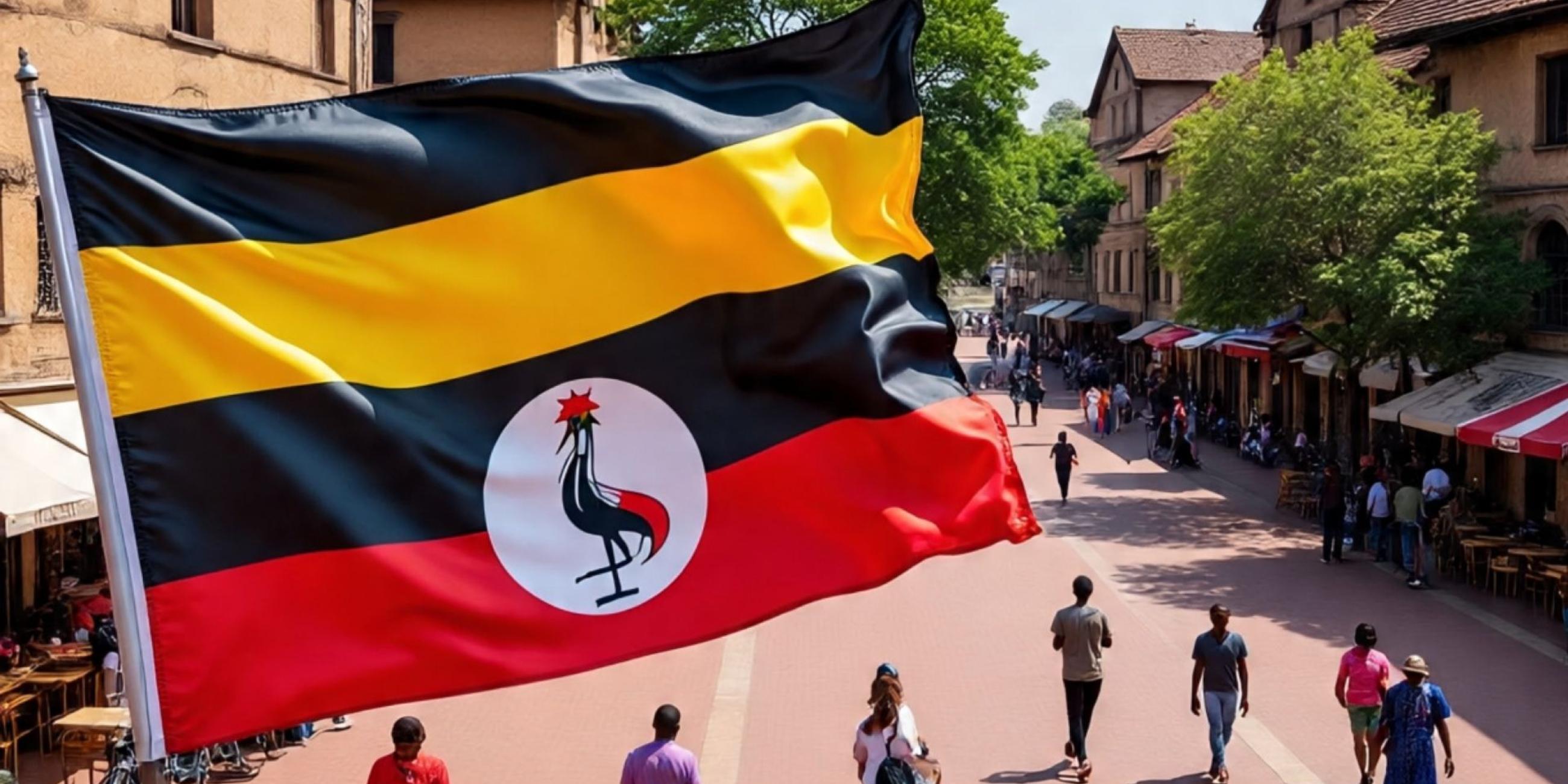
  • Uganda Election Tension: Bobi Wine Appeals To Elon Musk After Starlink Shuts Down Internet Access Days Before January 15 Polls

    Ugandan opposition leader and presidential candidate Bobi Wine has appealed directly to Elon Musk after Starlink suspended its satellite internet services in Uganda just days ahead of the country’s January 15 general election. The shutdown followed a directive from the Uganda Communications Commission (UCC), which accused Starlink of illegally providing telecommunication services without a valid operating licence.

    Bobi Wine condemned the development, warning that restricting internet access ahead of the election could further shrink civic space and undermine democratic participation. In a public post, he accused President Yoweri Museveni’s government of long-standing repression and argued that the Starlink shutdown would limit citizens’ ability to communicate, access information and monitor the electoral process.

    Starlink confirmed that it imposed a nationwide restriction on January 1, 2026, after receiving formal notice from the UCC. The company acknowledged that it is not yet licensed to operate in Uganda and said individuals had been using Starlink terminals imported from countries where the service is authorised. In response, Starlink said it disabled all terminals operating within Uganda to comply with regulatory demands.

    Despite the controversy, Starlink stated its willingness to cooperate with Ugandan authorities and complete the licensing process. The incident has heightened concerns over digital rights, election transparency and government control of communications as Uganda prepares for a highly contested vote, with President Museveni seeking a seventh term after nearly 40 years in power.
    Uganda Election Tension: Bobi Wine Appeals To Elon Musk After Starlink Shuts Down Internet Access Days Before January 15 Polls Ugandan opposition leader and presidential candidate Bobi Wine has appealed directly to Elon Musk after Starlink suspended its satellite internet services in Uganda just days ahead of the country’s January 15 general election. The shutdown followed a directive from the Uganda Communications Commission (UCC), which accused Starlink of illegally providing telecommunication services without a valid operating licence. Bobi Wine condemned the development, warning that restricting internet access ahead of the election could further shrink civic space and undermine democratic participation. In a public post, he accused President Yoweri Museveni’s government of long-standing repression and argued that the Starlink shutdown would limit citizens’ ability to communicate, access information and monitor the electoral process. Starlink confirmed that it imposed a nationwide restriction on January 1, 2026, after receiving formal notice from the UCC. The company acknowledged that it is not yet licensed to operate in Uganda and said individuals had been using Starlink terminals imported from countries where the service is authorised. In response, Starlink said it disabled all terminals operating within Uganda to comply with regulatory demands. Despite the controversy, Starlink stated its willingness to cooperate with Ugandan authorities and complete the licensing process. The incident has heightened concerns over digital rights, election transparency and government control of communications as Uganda prepares for a highly contested vote, with President Museveni seeking a seventh term after nearly 40 years in power.
    0 Commentaires ·0 Parts ·448 Vue
  • Nigerian Customs, NDLEA Intercept 30 Slabs of Cocaine at Apapa Port as Joint Security Operations Deal Fresh Blow to International Drug Traffickers

    The Nigeria Customs Service (NCS), Apapa Area Command, in collaboration with the National Drug Law Enforcement Agency (NDLEA), has intercepted 30 slabs of cocaine concealed aboard the MV Aruna, a Marshall Islands-flagged vessel, at the Greenview Terminal of Apapa Port in Lagos. The seizure, which occurred on Friday, represents a major New Year setback for international drug trafficking networks attempting to exploit Nigeria’s busiest seaport.

    According to Customs spokesperson Isah Sulaiman, the illicit drugs were carefully hidden on the vessel, highlighting the increasingly sophisticated methods used by smugglers. Apapa Customs Area Controller, Emmanuel Oshoba, commended the officers for their vigilance, describing the operation as a strong signal of the command’s zero-tolerance stance on illicit trade in 2026. The NDLEA has taken custody of the seized cocaine for further investigation and possible prosecution. Authorities say the interception is the third major drug bust by the joint NCS–NDLEA team in recent weeks, underscoring intensified efforts to curb drug trafficking through Nigeria’s seaports.
    Nigerian Customs, NDLEA Intercept 30 Slabs of Cocaine at Apapa Port as Joint Security Operations Deal Fresh Blow to International Drug Traffickers The Nigeria Customs Service (NCS), Apapa Area Command, in collaboration with the National Drug Law Enforcement Agency (NDLEA), has intercepted 30 slabs of cocaine concealed aboard the MV Aruna, a Marshall Islands-flagged vessel, at the Greenview Terminal of Apapa Port in Lagos. The seizure, which occurred on Friday, represents a major New Year setback for international drug trafficking networks attempting to exploit Nigeria’s busiest seaport. According to Customs spokesperson Isah Sulaiman, the illicit drugs were carefully hidden on the vessel, highlighting the increasingly sophisticated methods used by smugglers. Apapa Customs Area Controller, Emmanuel Oshoba, commended the officers for their vigilance, describing the operation as a strong signal of the command’s zero-tolerance stance on illicit trade in 2026. The NDLEA has taken custody of the seized cocaine for further investigation and possible prosecution. Authorities say the interception is the third major drug bust by the joint NCS–NDLEA team in recent weeks, underscoring intensified efforts to curb drug trafficking through Nigeria’s seaports.
    0 Commentaires ·0 Parts ·324 Vue
  • Retired Nigerian General Sues Army, Seeks ₦200B Over Unlawful Detention and Compulsory Retirement

    Retired Nigerian Army Major General Danjuma Hamisu Ali-Keffi has filed a ₦200 billion lawsuit at the National Industrial Court of Nigeria, Abuja, against the Nigerian Army, top military officials, the Minister of Defence, and the Attorney-General of the Federation. Ali-Keffi alleges unlawful arrest, 64 days of detention, torture, denial of fair hearing, and dishonourable compulsory retirement in violation of the Constitution, Armed Forces Act, and military regulations.
    The retired general claims his detention followed his leadership of a covert Presidential Task Force on counter-terrorism, Operation Service Wide (OSW), which exposed the release of terrorism financing suspects from Army custody. Ali-Keffi is seeking ₦100 billion in compensatory damages, ₦100 billion in punitive damages, ₦120 million for lost allowances, nullification of his compulsory retirement letter, and payment of all pensions and terminal benefits with 10% interest until liquidation. He also alleges death threats against him and his family following his detention and retirement, forcing repeated travel abroad for safety.

    #NigeriaArmy
    #AliKeffi
    #MilitaryLawsuit
    #CompulsoryRetirement
    Retired Nigerian General Sues Army, Seeks ₦200B Over Unlawful Detention and Compulsory Retirement Retired Nigerian Army Major General Danjuma Hamisu Ali-Keffi has filed a ₦200 billion lawsuit at the National Industrial Court of Nigeria, Abuja, against the Nigerian Army, top military officials, the Minister of Defence, and the Attorney-General of the Federation. Ali-Keffi alleges unlawful arrest, 64 days of detention, torture, denial of fair hearing, and dishonourable compulsory retirement in violation of the Constitution, Armed Forces Act, and military regulations. The retired general claims his detention followed his leadership of a covert Presidential Task Force on counter-terrorism, Operation Service Wide (OSW), which exposed the release of terrorism financing suspects from Army custody. Ali-Keffi is seeking ₦100 billion in compensatory damages, ₦100 billion in punitive damages, ₦120 million for lost allowances, nullification of his compulsory retirement letter, and payment of all pensions and terminal benefits with 10% interest until liquidation. He also alleges death threats against him and his family following his detention and retirement, forcing repeated travel abroad for safety. #NigeriaArmy #AliKeffi #MilitaryLawsuit #CompulsoryRetirement
    0 Commentaires ·0 Parts ·680 Vue
  • Seun Kuti Alleges Family Lost Terminal Cancer Patient and $250K After Trusting Pastor Enoch Adeboye’s Prayers at RCCG Redemption Camp

    Afrobeat singer Seun Kuti has shared a viral story alleging that a wealthy Nigerian family lost both a terminally ill loved one and approximately $250,000 after relying on Pastor Enoch Adeboye’s prayers at the Redeemed Christian Church of God (RCCG) Redemption Camp. According to Seun, doctors abroad had declared the cancer incurable, but the family trusted spiritual intervention instead of medical treatment. Despite assurances of divine healing and a promise to resurrect the woman after her death, she passed away, leaving the family devastated. The incident has sparked nationwide debate over faith healing, financial exploitation, and the limits of religious intervention.
    Seun Kuti Alleges Family Lost Terminal Cancer Patient and $250K After Trusting Pastor Enoch Adeboye’s Prayers at RCCG Redemption Camp Afrobeat singer Seun Kuti has shared a viral story alleging that a wealthy Nigerian family lost both a terminally ill loved one and approximately $250,000 after relying on Pastor Enoch Adeboye’s prayers at the Redeemed Christian Church of God (RCCG) Redemption Camp. According to Seun, doctors abroad had declared the cancer incurable, but the family trusted spiritual intervention instead of medical treatment. Despite assurances of divine healing and a promise to resurrect the woman after her death, she passed away, leaving the family devastated. The incident has sparked nationwide debate over faith healing, financial exploitation, and the limits of religious intervention.
    0 Commentaires ·0 Parts ·304 Vue
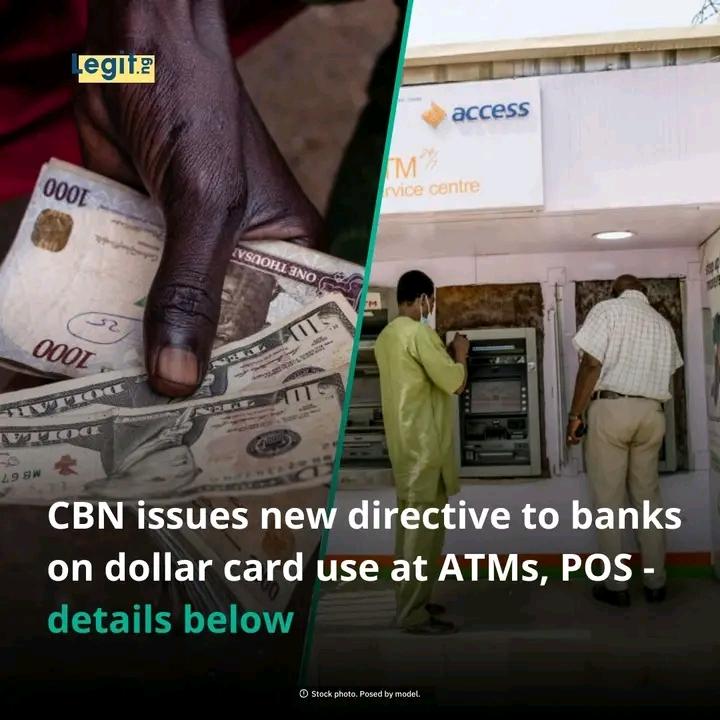
  • CBN Orders Nigerian Banks to Reconfigure ATMs, POS and Online Payment Platforms to Accept Foreign Cards Nationwide

    The Central Bank of Nigeria (CBN) has directed banks and non-bank acquirers to reconfigure all ATMs, POS terminals and virtual payment platforms to accept foreign-issued cards across Nigeria. According to a circular signed by the Director of Financial Policy and Regulation, the move is aimed at improving transaction efficiency for tourists and Nigerians returning from abroad. The apex bank mandated multi-factor authentication for foreign card transactions above $200 daily, strict compliance with withdrawal limits, transparent disclosure of exchange rates and charges, and support for contactless payments on low-value transactions. Banks are also required to strengthen KYC, AML and fraud-monitoring systems, ensure merchants are paid in naira, and resolve customer complaints within approved timelines.
    CBN Orders Nigerian Banks to Reconfigure ATMs, POS and Online Payment Platforms to Accept Foreign Cards Nationwide The Central Bank of Nigeria (CBN) has directed banks and non-bank acquirers to reconfigure all ATMs, POS terminals and virtual payment platforms to accept foreign-issued cards across Nigeria. According to a circular signed by the Director of Financial Policy and Regulation, the move is aimed at improving transaction efficiency for tourists and Nigerians returning from abroad. The apex bank mandated multi-factor authentication for foreign card transactions above $200 daily, strict compliance with withdrawal limits, transparent disclosure of exchange rates and charges, and support for contactless payments on low-value transactions. Banks are also required to strengthen KYC, AML and fraud-monitoring systems, ensure merchants are paid in naira, and resolve customer complaints within approved timelines.
    0 Commentaires ·0 Parts ·330 Vue
  • BREAKING: Gen. Muhammadu Buhari International Airport, Maiduguri Newly Built Terminal Extension set for Commissioning by Sen. Bola Ahmed Tinubu GCFR, President, Commander-In-Chief of the Armed forces of the Federal Republic of Nigeria today December 20th, 2025.
    BREAKING: Gen. Muhammadu Buhari International Airport, Maiduguri Newly Built Terminal Extension set for Commissioning by Sen. Bola Ahmed Tinubu GCFR, President, Commander-In-Chief of the Armed forces of the Federal Republic of Nigeria today December 20th, 2025.
    0 Commentaires ·0 Parts ·480 Vue
  • Ekiti Agro-Allied International Airport Begins Operations as United Nigeria Airlines Launches First Direct Flight

    Ekiti State has commenced commercial operations at the Ekiti Agro-Allied International Cargo Airport following a N49.7 billion investment by successive administrations. United Nigeria Airlines operated the inaugural direct flight from Abuja, carrying dignitaries and marking the beginning of passenger services. Governor Biodun Oyebanji revealed that N14 billion was spent between 2019 and 2022, while his administration invested an additional N34 billion to complete crucial infrastructure, including the terminal, control tower, drainage systems, and Instrument Landing System.
    The governor praised the contributions of former governors and Aare Afe Babalola, who donated $1.6 million worth of navigational equipment. Minister of Aviation Festus Keyamo described the milestone as a boost for regional trade and job creation. In a related development, Ogun State’s Gateway International Airport is also preparing to receive its first commercial flight after securing regulatory approval.

    Ekiti Agro-Allied International Airport Begins Operations as United Nigeria Airlines Launches First Direct Flight Ekiti State has commenced commercial operations at the Ekiti Agro-Allied International Cargo Airport following a N49.7 billion investment by successive administrations. United Nigeria Airlines operated the inaugural direct flight from Abuja, carrying dignitaries and marking the beginning of passenger services. Governor Biodun Oyebanji revealed that N14 billion was spent between 2019 and 2022, while his administration invested an additional N34 billion to complete crucial infrastructure, including the terminal, control tower, drainage systems, and Instrument Landing System. The governor praised the contributions of former governors and Aare Afe Babalola, who donated $1.6 million worth of navigational equipment. Minister of Aviation Festus Keyamo described the milestone as a boost for regional trade and job creation. In a related development, Ogun State’s Gateway International Airport is also preparing to receive its first commercial flight after securing regulatory approval.
    0 Commentaires ·0 Parts ·400 Vue

  • NEW: Enugu Govt to Restrict Tricycles, Yellow Buses From Major Highways as BRT Rollout Begins Soon

    The Enugu State Government has announced plans to restrict the operation of tricycles (Keke), yellow buses, and minibuses from five major highways across Enugu city, paving the way for the smooth implementation of the state’s Bus Rapid Transit (BRT) system.

    This was made known by the Commissioner for Transport, Dr. Obi Ozor, during a consultative meeting with transport unions and stakeholders at the ministry’s headquarters in Enugu on Monday.

    Dr. Ozor listed the affected traffic corridors as Okpara Avenue–Abakaliki Road–New Haven Junction–Naira Triangle–Emene Airport; Ogui Road–Chime Avenue–Naira Triangle; and New Haven Junction–Bisala Road–Rangers Avenue–WAEC–Nkpokiti–Zik’s Avenue.

    Others are Ogui Road–Presidential Road–WAEC–Nkpokiti and the entire Agbani Road stretch.

    According to the commissioner, these will become dedicated BRT routes in line with Governor Peter Mbah’s vision to reposition Enugu as a modern, multimodal and globally competitive city. He however stresed that taxis will be also allowed to ply the BRT routes.

    He noted that tricycles were never designed for high-speed highways, stressing that their presence on such routes disrupts traffic flow and puts lives at risk.

    “We must be open to change. This reform is not about taking anyone’s job. It is about reorganizing the system so that BRT buses operate on the primary roads, yellow buses serve the secondary routes, and tricycles provide last-mile connectivity. Everyone has a place in the value chain,” he stated.

    Dr. Ozor observed that the government has procured 200 CNG-powered BRT buses, alongside 4,000 electric taxis to be assembled locally at ANAMMCO in Enugu, with the first 1,000 taxis ready within three months.

    He said the Mbah administration has also built 84 new bus shelters across the city, forming the backbone of a modern transit network designed around safety, comfort, and affordability.

    He stated that Enugu, with an estimated two million daily commuters, requires at least 8,000 buses to meet mobility demands. The new BRT buses, he added, are equipped with padded seats, functional air-conditioning, WiFi, and strict safety features.

    “Passengers do not stand in these buses, and every vehicle is tracked and monitored from our central command and control centre. The BRT fare now comes with a 47 percent discount to cushion transportation costs for citizens,” he said.

    Dr. Ozor also announced some key resolutions reached at the meeting. He said that transport unions interested in participating in BRT bus or terminal operations are to submit proposals, including financial models, for government evaluation.

    He further explained that the Ije Card, the state’s electronic fare payment system designed to make commuting faster, cashless, and more convenient, will be decentralized so that sales points reach five million residents within 90 days.

    He added that the government regrets delays in allocating loading bays at the new transport terminals, noting that proposals are under review and would be finalized soon.

    He encouraged the transport unions to access financial facilities to procure their own buses or to participate in the BRT operations space.

    “There are enormous investment opportunities as Enugu expands its connectivity to other cities,” he said.

    Stakeholders across the transport unions expressed their support for the state’s transport transformation agenda, saying they recognized the long-term benefits for commuters, operators, and the economy of the state.

    The Enugu State Chairman of the Road Transport Employers Association of Nigeria (RTEAN), Comrade Chidiebere Aniagu, stated that the union was not opposed to the reforms and shares the government’s vision for a safer and more efficient transportation ecosystem. He appealed to the government to address the concerns of their members.
    NEW: Enugu Govt to Restrict Tricycles, Yellow Buses From Major Highways as BRT Rollout Begins Soon The Enugu State Government has announced plans to restrict the operation of tricycles (Keke), yellow buses, and minibuses from five major highways across Enugu city, paving the way for the smooth implementation of the state’s Bus Rapid Transit (BRT) system. This was made known by the Commissioner for Transport, Dr. Obi Ozor, during a consultative meeting with transport unions and stakeholders at the ministry’s headquarters in Enugu on Monday. Dr. Ozor listed the affected traffic corridors as Okpara Avenue–Abakaliki Road–New Haven Junction–Naira Triangle–Emene Airport; Ogui Road–Chime Avenue–Naira Triangle; and New Haven Junction–Bisala Road–Rangers Avenue–WAEC–Nkpokiti–Zik’s Avenue. Others are Ogui Road–Presidential Road–WAEC–Nkpokiti and the entire Agbani Road stretch. According to the commissioner, these will become dedicated BRT routes in line with Governor Peter Mbah’s vision to reposition Enugu as a modern, multimodal and globally competitive city. He however stresed that taxis will be also allowed to ply the BRT routes. He noted that tricycles were never designed for high-speed highways, stressing that their presence on such routes disrupts traffic flow and puts lives at risk. “We must be open to change. This reform is not about taking anyone’s job. It is about reorganizing the system so that BRT buses operate on the primary roads, yellow buses serve the secondary routes, and tricycles provide last-mile connectivity. Everyone has a place in the value chain,” he stated. Dr. Ozor observed that the government has procured 200 CNG-powered BRT buses, alongside 4,000 electric taxis to be assembled locally at ANAMMCO in Enugu, with the first 1,000 taxis ready within three months. He said the Mbah administration has also built 84 new bus shelters across the city, forming the backbone of a modern transit network designed around safety, comfort, and affordability. He stated that Enugu, with an estimated two million daily commuters, requires at least 8,000 buses to meet mobility demands. The new BRT buses, he added, are equipped with padded seats, functional air-conditioning, WiFi, and strict safety features. “Passengers do not stand in these buses, and every vehicle is tracked and monitored from our central command and control centre. The BRT fare now comes with a 47 percent discount to cushion transportation costs for citizens,” he said. Dr. Ozor also announced some key resolutions reached at the meeting. He said that transport unions interested in participating in BRT bus or terminal operations are to submit proposals, including financial models, for government evaluation. He further explained that the Ije Card, the state’s electronic fare payment system designed to make commuting faster, cashless, and more convenient, will be decentralized so that sales points reach five million residents within 90 days. He added that the government regrets delays in allocating loading bays at the new transport terminals, noting that proposals are under review and would be finalized soon. He encouraged the transport unions to access financial facilities to procure their own buses or to participate in the BRT operations space. “There are enormous investment opportunities as Enugu expands its connectivity to other cities,” he said. Stakeholders across the transport unions expressed their support for the state’s transport transformation agenda, saying they recognized the long-term benefits for commuters, operators, and the economy of the state. The Enugu State Chairman of the Road Transport Employers Association of Nigeria (RTEAN), Comrade Chidiebere Aniagu, stated that the union was not opposed to the reforms and shares the government’s vision for a safer and more efficient transportation ecosystem. He appealed to the government to address the concerns of their members.
    0 Commentaires ·0 Parts ·474 Vue
  • FG Bans Cash Payments Nationwide, Orders MDAs to Adopt Full Electronic Revenue Collection

    The Nigerian government has announced an immediate ban on all physical cash payments for federal revenue collection, directing Ministries, Departments, and Agencies (MDAs) to switch entirely to electronic channels. The policy, issued through four Treasury circulars from the Office of the Accountant-General of the Federation, mandates MDAs to install POS terminals within 45 days and display “No Cash Payment” notices.

    The circulars also prohibit MDAs from making unauthorised deductions on revenue, introduce a mandatory national e-receipt system effective January 1, 2026, and require full integration with the new Revenue Optimisation (RevOP) platform. The measures aim to eliminate leakages, strengthen TSA compliance, improve transparency, and modernise Nigeria’s revenue collection framework.
    FG Bans Cash Payments Nationwide, Orders MDAs to Adopt Full Electronic Revenue Collection The Nigerian government has announced an immediate ban on all physical cash payments for federal revenue collection, directing Ministries, Departments, and Agencies (MDAs) to switch entirely to electronic channels. The policy, issued through four Treasury circulars from the Office of the Accountant-General of the Federation, mandates MDAs to install POS terminals within 45 days and display “No Cash Payment” notices. The circulars also prohibit MDAs from making unauthorised deductions on revenue, introduce a mandatory national e-receipt system effective January 1, 2026, and require full integration with the new Revenue Optimisation (RevOP) platform. The measures aim to eliminate leakages, strengthen TSA compliance, improve transparency, and modernise Nigeria’s revenue collection framework.
    0 Commentaires ·0 Parts ·298 Vue
  • BREAKING NEWS: The Federal Government has banned the use of physical cash for the payment of revenue and directed Ministries, Departments, and Agencies to install Point of Sale terminals within 45 days.
    BREAKING NEWS: The Federal Government has banned the use of physical cash for the payment of revenue and directed Ministries, Departments, and Agencies to install Point of Sale terminals within 45 days.
    0 Commentaires ·0 Parts ·187 Vue
  • CAC Orders Nationwide Clampdown on Unregistered PoS Operators, Sets January 1 Deadline

    The Corporate Affairs Commission (CAC) has announced a nationwide crackdown on unregistered Point of Sale (PoS) operators, warning that all illegal operators will be shut down starting January 1, 2026. In a public notice, the Commission expressed concern over the rising number of unregistered PoS businesses violating CAMA 2020 and CBN Agent Banking Regulations, accusing some fintech companies of enabling these unlawful practices. CAC says unregulated PoS operations pose risks of fraud, financial losses, and threats to national security. Starting January 1, security agencies will enforce compliance, seize unregistered PoS terminals, and monitor enabling fintech companies. All operators have been urged to register immediately.
    CAC Orders Nationwide Clampdown on Unregistered PoS Operators, Sets January 1 Deadline The Corporate Affairs Commission (CAC) has announced a nationwide crackdown on unregistered Point of Sale (PoS) operators, warning that all illegal operators will be shut down starting January 1, 2026. In a public notice, the Commission expressed concern over the rising number of unregistered PoS businesses violating CAMA 2020 and CBN Agent Banking Regulations, accusing some fintech companies of enabling these unlawful practices. CAC says unregulated PoS operations pose risks of fraud, financial losses, and threats to national security. Starting January 1, security agencies will enforce compliance, seize unregistered PoS terminals, and monitor enabling fintech companies. All operators have been urged to register immediately.
    0 Commentaires ·0 Parts ·317 Vue
  • CAC Announces Nationwide Crackdown on Unregistered POS Operators Effective January 1, 2026

    The Corporate Affairs Commission (CAC) has issued a stern public notice declaring that all Point of Sale (POS) operators in Nigeria must be duly registered with the commission or face immediate shutdown starting from 1st January 2026.

    In a statement released today and signed by the Management of the CAC, the commission warned that unregistered POS terminals will be seized and operators shut down by security agencies across the country.

    The statement reads: “The CAC has observed the rising number of PoS operators running without registration, violating CAMA 2020 and CBN Agent Banking Regulations.

    “This reckless practice often enabled by some fintech companies puts Nigeria's financial system and citizens' investments at risk. This must stop.

    “EFFECTIVE 1 JANUARY 2026:
    No PoS operator will be allowed to operate without CAC registration.
    Security agencies will enforce nationwide compliance.

    “Unregistered PoS terminals will be seized or shut down by Security Officials.
    Fintechs enabling illegal operations will be placed on watchlist and reported to the CBN.

    “All operators are advised to regularize immediately. Compliance is mandatory.”
    CAC Announces Nationwide Crackdown on Unregistered POS Operators Effective January 1, 2026 The Corporate Affairs Commission (CAC) has issued a stern public notice declaring that all Point of Sale (POS) operators in Nigeria must be duly registered with the commission or face immediate shutdown starting from 1st January 2026. In a statement released today and signed by the Management of the CAC, the commission warned that unregistered POS terminals will be seized and operators shut down by security agencies across the country. The statement reads: “The CAC has observed the rising number of PoS operators running without registration, violating CAMA 2020 and CBN Agent Banking Regulations. “This reckless practice often enabled by some fintech companies puts Nigeria's financial system and citizens' investments at risk. This must stop. “EFFECTIVE 1 JANUARY 2026: No PoS operator will be allowed to operate without CAC registration. Security agencies will enforce nationwide compliance. “Unregistered PoS terminals will be seized or shut down by Security Officials. Fintechs enabling illegal operations will be placed on watchlist and reported to the CBN. “All operators are advised to regularize immediately. Compliance is mandatory.”
    0 Commentaires ·0 Parts ·290 Vue
  • CBN Raises Cash Withdrawal Limits, Scraps Deposit Caps in Major Policy Shift
    The Central Bank of Nigeria (CBN) has announced a significant relaxation of its cash withdrawal and deposit regulations, effective January 1, 2026, in a move aimed at improving liquidity and easing the burden on businesses and individuals amid prevailing economic challenges.
    In a circular signed by Dr. Rita I. Sike, Director of the Financial Policy and Regulation Department, the apex bank raised the weekly cash withdrawal limit for individuals from ₦100,000 to ₦500,000 across all channels, including ATMs, Point-of-Sale (POS) terminals, and over-the-counter transactions. Corporate entities will now enjoy a higher weekly limit of ₦5 million, up from the previous ₦500,000.
    At the same time, all restrictions and processing fees on cash deposits have been completely removed, allowing unrestricted deposits without penalties.
    Key Changes Effective January 1, 2026
    Weekly cash withdrawal (Individuals)
    ₦100,000 (all channels)
    ₦500,000 (all channels)
    Weekly cash withdrawal (Corporates)
    ₦500,000 (all channels)
    ₦5 million (all channels)
    Daily ATM withdrawal
    ₦20,000 – ₦40,000 (bank-dependent)
    Up to ₦100,000 (counts toward weekly limit)
    Cash deposits
    Caps applied; fees on excess
    No limits, no fees
    Third-party cheque withdrawals
    ₦100,000
    Remains ₦100,000 (counts toward weekly limit)
    Charges on excess withdrawals
    Strict enforcement
    3% (individuals), 5% (corporates); revenue shared 40% CBN, 60% banks
    Special authorisations for large withdrawals
    ₦5m (individuals)/₦10m (corporates) monthly
    Completely discontinued
    ATM currency loading
    Restricted denominations
    All denominations permitted
    The CBN stated that the revisions are intended to address current economic realities, including high inflation and liquidity constraints, while maintaining the broader goal of reducing cash dominance in the economy. The policy builds on the 2022-naira redesign and cash-limit framework, which was originally introduced to curb cash hoarding and money laundering.
    Banks are now required to submit monthly reports to the CBN on all withdrawals above the new limits and on cash deposit patterns.
    CBN Raises Cash Withdrawal Limits, Scraps Deposit Caps in Major Policy Shift The Central Bank of Nigeria (CBN) has announced a significant relaxation of its cash withdrawal and deposit regulations, effective January 1, 2026, in a move aimed at improving liquidity and easing the burden on businesses and individuals amid prevailing economic challenges. In a circular signed by Dr. Rita I. Sike, Director of the Financial Policy and Regulation Department, the apex bank raised the weekly cash withdrawal limit for individuals from ₦100,000 to ₦500,000 across all channels, including ATMs, Point-of-Sale (POS) terminals, and over-the-counter transactions. Corporate entities will now enjoy a higher weekly limit of ₦5 million, up from the previous ₦500,000. At the same time, all restrictions and processing fees on cash deposits have been completely removed, allowing unrestricted deposits without penalties. Key Changes Effective January 1, 2026 Weekly cash withdrawal (Individuals) ₦100,000 (all channels) ₦500,000 (all channels) Weekly cash withdrawal (Corporates) ₦500,000 (all channels) ₦5 million (all channels) Daily ATM withdrawal ₦20,000 – ₦40,000 (bank-dependent) Up to ₦100,000 (counts toward weekly limit) Cash deposits Caps applied; fees on excess No limits, no fees Third-party cheque withdrawals ₦100,000 Remains ₦100,000 (counts toward weekly limit) Charges on excess withdrawals Strict enforcement 3% (individuals), 5% (corporates); revenue shared 40% CBN, 60% banks Special authorisations for large withdrawals ₦5m (individuals)/₦10m (corporates) monthly Completely discontinued ATM currency loading Restricted denominations All denominations permitted The CBN stated that the revisions are intended to address current economic realities, including high inflation and liquidity constraints, while maintaining the broader goal of reducing cash dominance in the economy. The policy builds on the 2022-naira redesign and cash-limit framework, which was originally introduced to curb cash hoarding and money laundering. Banks are now required to submit monthly reports to the CBN on all withdrawals above the new limits and on cash deposit patterns.
    0 Commentaires ·0 Parts ·483 Vue
  • Peter Mbah Presents Record N1.62 Trillion ‘Budget of Renewed Momentum’ to Accelerate Enugu’s Transformation


    Enugu State Governor Peter Mbah has unveiled a landmark N1.62 trillion budget for 2026, marking a 66.5% increase from the revised 2025 budget. Tagged the “Budget of Renewed Momentum,” it allocates 80% (N1.29 trillion) to capital projects and 20% (N321 billion) to recurrent spending.
    The economic sector receives the largest share—N825.9 billion (51%)—to fund major infrastructure projects, including 1,200 urban roads, rural road networks, completion of key dual carriageways, expansion of Enugu Air’s fleet to 20 aircraft, and new transport terminals.
    The social sector gets N644.7 billion, with education taking 32.27%, supporting Smart Secondary Schools, TVET colleges, and expansion of the state’s Smart Green Schools initiative.
    The budget will be funded through N870 billion IGR, N387 billion federal allocation, and N329 billion capital receipts.
    Mbah praised President Tinubu’s economic reforms for boosting Enugu’s revenue, noting that IGR is expected to exceed N400 billion, the highest in the state’s history, while FAAC allocation surpassed projections by over 50%.
    He also earmarked funds for gratuity payments, security surveillance expansion, healthcare, and ongoing city development projects.


    #PeterMbah #EnuguState #EnuguBudget2026 #BudgetOfRenewedMomentum #NigeriaEconomy #InfrastructureDevelopment #SmartSchools #EnuguAir #TinubuReforms #IGR #FAAC #GideonArinze #BreakingNews #NigeriaPolitics
    Peter Mbah Presents Record N1.62 Trillion ‘Budget of Renewed Momentum’ to Accelerate Enugu’s Transformation Enugu State Governor Peter Mbah has unveiled a landmark N1.62 trillion budget for 2026, marking a 66.5% increase from the revised 2025 budget. Tagged the “Budget of Renewed Momentum,” it allocates 80% (N1.29 trillion) to capital projects and 20% (N321 billion) to recurrent spending. The economic sector receives the largest share—N825.9 billion (51%)—to fund major infrastructure projects, including 1,200 urban roads, rural road networks, completion of key dual carriageways, expansion of Enugu Air’s fleet to 20 aircraft, and new transport terminals. The social sector gets N644.7 billion, with education taking 32.27%, supporting Smart Secondary Schools, TVET colleges, and expansion of the state’s Smart Green Schools initiative. The budget will be funded through N870 billion IGR, N387 billion federal allocation, and N329 billion capital receipts. Mbah praised President Tinubu’s economic reforms for boosting Enugu’s revenue, noting that IGR is expected to exceed N400 billion, the highest in the state’s history, while FAAC allocation surpassed projections by over 50%. He also earmarked funds for gratuity payments, security surveillance expansion, healthcare, and ongoing city development projects. #PeterMbah #EnuguState #EnuguBudget2026 #BudgetOfRenewedMomentum #NigeriaEconomy #InfrastructureDevelopment #SmartSchools #EnuguAir #TinubuReforms #IGR #FAAC #GideonArinze #BreakingNews #NigeriaPolitics
    0 Commentaires ·0 Parts ·1KB Vue
  • The largest bus terminal in Nigeria is nearing completion… love him or hate him, Wike continues to stand out as the most impactful FCT Minister ever.
    The largest bus terminal in Nigeria is nearing completion… love him or hate him, Wike continues to stand out as the most impactful FCT Minister ever.❤️
    Wow
    1
    · 0 Commentaires ·0 Parts ·210 Vue
  • FG Approves just $1bn for Modernisation of Apapa, TinCan Ports in Lagos.

    The Federal Government has approved $1 billion (₦1.4 trillion) for the modernisation of Apapa and TinCan Island seaports in Lagos — Nigeria’s busiest commercial gateways.

    Minister of Marine and Blue Economy, Adegboyega Oyetola, announced this on Wednesday at the Chartered Institute of Logistics and Transport (CILT) Nigeria Conference in Lagos. 

    He said the project aims to enhance cargo handling, expand capacity, and align operations with global standards under the ministry’s 10-year marine and blue economy strategy.

    “We are working closely with stakeholders to achieve a paperless, technology-driven port environment that enhances efficiency, reduces turnaround time, and curbs corruption,” Oyetola stated.

    He added that similar port upgrades are being planned outside Lagos to ensure balanced development nationwide.

    Though the government has not released full details or a timeline, reports earlier this year indicated that ITB Nigeria — owned by Lebanese-Nigerian businessman Gilbert Chagoury — had been awarded a $700 million contract for the Lagos port renovation, expected to begin in mid-2025. 

    The project is to be financed through a Citibank loan backed by UK Export Finance, with additional support from Afreximbank.

    APM Terminals, operators of the Apapa port and a subsidiary of Maersk, has also proposed a $500 million investment.

    Oyetola noted that the ministry is fostering private sector participation through regulatory reforms, public-private partnerships, and incentives to drive innovation and job creation.

    Lagos ports, despite high fees and ageing infrastructure, remain vital trade hubs for West Africa and continue to attract major global shipping companies.
    FG Approves just $1bn for Modernisation of Apapa, TinCan Ports in Lagos. The Federal Government has approved $1 billion (₦1.4 trillion) for the modernisation of Apapa and TinCan Island seaports in Lagos — Nigeria’s busiest commercial gateways. Minister of Marine and Blue Economy, Adegboyega Oyetola, announced this on Wednesday at the Chartered Institute of Logistics and Transport (CILT) Nigeria Conference in Lagos.  He said the project aims to enhance cargo handling, expand capacity, and align operations with global standards under the ministry’s 10-year marine and blue economy strategy. “We are working closely with stakeholders to achieve a paperless, technology-driven port environment that enhances efficiency, reduces turnaround time, and curbs corruption,” Oyetola stated. He added that similar port upgrades are being planned outside Lagos to ensure balanced development nationwide. Though the government has not released full details or a timeline, reports earlier this year indicated that ITB Nigeria — owned by Lebanese-Nigerian businessman Gilbert Chagoury — had been awarded a $700 million contract for the Lagos port renovation, expected to begin in mid-2025.  The project is to be financed through a Citibank loan backed by UK Export Finance, with additional support from Afreximbank. APM Terminals, operators of the Apapa port and a subsidiary of Maersk, has also proposed a $500 million investment. Oyetola noted that the ministry is fostering private sector participation through regulatory reforms, public-private partnerships, and incentives to drive innovation and job creation. Lagos ports, despite high fees and ageing infrastructure, remain vital trade hubs for West Africa and continue to attract major global shipping companies.
    0 Commentaires ·0 Parts ·717 Vue
  • Tinubu Grants Historic Pardons to Herbert Macaulay, Mamman Vatsa, and the Ogoni Nine — 82 Inmates Freed, 65 Others Get Sentence Reduction

    In a landmark decision that underscores justice, mercy, and national reconciliation, President Bola Ahmed Tinubu has granted posthumous pardons to some of Nigeria’s most significant historical figures — Herbert Macaulay, Major General Mamman Jiya Vatsa, and the Ogoni Nine, alongside clemency for 82 inmates and sentence reductions for 65 others.

    The announcement, made after the National Council of State meeting in Abuja on Thursday, marks a historic gesture of healing and unity.

    Herbert Macaulay — revered as a founding father of Nigerian nationalism and co-founder of the National Council of Nigeria and the Cameroons (NCNC) — was cleared of his 1913 colonial conviction, which had barred him from holding public office. The pardon officially restores his place as a national hero and pioneer of Nigeria’s independence movement.

    Major General Mamman Jiya Vatsa, a respected poet and military officer executed in 1986 on treason charges, also received a posthumous pardon, symbolizing national acknowledgment of his service and creative legacy.

    Similarly, the Ogoni Nine — including Ken Saro-Wiwa, Baribor Bera, and Barinem Kiobel — who were executed in 1995 under controversial circumstances, were formally pardoned. President Tinubu also recommended national honours for the Ogoni Four: Chief Albert Badey, Chief Edward Kobani, Chief Samuel Orage, and Theophilus Orage.

    Among the living beneficiaries, notable names such as Farouk Lawan, Mrs. Anastasia Daniel Nwaobia, Barr. Hussaini Umar, and Ayinla Saadu Alanamu received presidential clemency for demonstrating remorse and readiness for reintegration into society.

    The pardons were recommended by the Presidential Advisory Committee on the Prerogative of Mercy (PACPM), chaired by Attorney General Lateef Fagbemi, which reviewed 294 cases and interviewed 175 inmates across correctional centers.

    The committee considered factors such as old age, terminal illness, good conduct, youthfulness, and rehabilitation efforts in making its recommendations.

    This sweeping act of mercy, President Tinubu noted, reflects his administration’s commitment to justice, human rights, and national unity — offering closure for past injustices and second chances for reformed citizens.
    Tinubu Grants Historic Pardons to Herbert Macaulay, Mamman Vatsa, and the Ogoni Nine — 82 Inmates Freed, 65 Others Get Sentence Reduction In a landmark decision that underscores justice, mercy, and national reconciliation, President Bola Ahmed Tinubu has granted posthumous pardons to some of Nigeria’s most significant historical figures — Herbert Macaulay, Major General Mamman Jiya Vatsa, and the Ogoni Nine, alongside clemency for 82 inmates and sentence reductions for 65 others. The announcement, made after the National Council of State meeting in Abuja on Thursday, marks a historic gesture of healing and unity. Herbert Macaulay — revered as a founding father of Nigerian nationalism and co-founder of the National Council of Nigeria and the Cameroons (NCNC) — was cleared of his 1913 colonial conviction, which had barred him from holding public office. The pardon officially restores his place as a national hero and pioneer of Nigeria’s independence movement. Major General Mamman Jiya Vatsa, a respected poet and military officer executed in 1986 on treason charges, also received a posthumous pardon, symbolizing national acknowledgment of his service and creative legacy. Similarly, the Ogoni Nine — including Ken Saro-Wiwa, Baribor Bera, and Barinem Kiobel — who were executed in 1995 under controversial circumstances, were formally pardoned. President Tinubu also recommended national honours for the Ogoni Four: Chief Albert Badey, Chief Edward Kobani, Chief Samuel Orage, and Theophilus Orage. Among the living beneficiaries, notable names such as Farouk Lawan, Mrs. Anastasia Daniel Nwaobia, Barr. Hussaini Umar, and Ayinla Saadu Alanamu received presidential clemency for demonstrating remorse and readiness for reintegration into society. The pardons were recommended by the Presidential Advisory Committee on the Prerogative of Mercy (PACPM), chaired by Attorney General Lateef Fagbemi, which reviewed 294 cases and interviewed 175 inmates across correctional centers. The committee considered factors such as old age, terminal illness, good conduct, youthfulness, and rehabilitation efforts in making its recommendations. This sweeping act of mercy, President Tinubu noted, reflects his administration’s commitment to justice, human rights, and national unity — offering closure for past injustices and second chances for reformed citizens.
    like
    1
    · 0 Commentaires ·0 Parts ·809 Vue
  • Nigeria’s 2 million banking agents must choose between Moniepoint, Opay, PalmPay by April 2026.

    If you are one of Nigeria’s two million banking agents holding on to a Moniepoint, OPay, or PalmPay POS terminals, it might be time to return at least two. From April 1, 2026, Point of Sale agents must be exclusive to one principal, i.e., banks, mobile money operators, microfinance banks, and payment service banks, as part of the Central Bank of Nigeria’s (CBN) new agent banking rules.

    The new guidelines, released on October 6, 2025, mark the most comprehensive regulatory overhaul since agent banking began in 2013. The rules were designed to “provide minimum standards for the regulation and operations of agent banking in Nigeria, enhance agent banking as a delivery channel for offering financial services to drive financial inclusion; and encourage responsible market conduct and improve service quality in the operations of Agent banking,” the CBN said in its circular.

    Banking agents, better known as Point-of-sale (PoS) operators, who have long operated across multiple platforms to serve customers of different banks, will now be allowed to work with only one principal (a bank, microfinance institution, payment service bank, or mobile money operator) or one licenced super agent.

    Banks, fintechs, and other principals must publish an updated list of their agents with location on their websites. The rules aim to enhance the enforcement of the new daily withdrawal limits of ₦1.2 million ($816.18) and location restrictions on banking agents, as the CBN intensifies its oversight of the country’s rapidly growing agent banking sector.

    Principals must now ensure that agent banking services are clearly demarcated from merchant activities and monitor agents’ BVN(s) to identify activities outside their designated account(s) and limits. Agents must now maintain records of all transactions and promptly report suspicious ones and incidents to their principals. The CBN can now, at any time, bypass principals and ask agents directly for their records.

    The industry has six months to comply, a move that could reshape Nigeria’s financial services distribution network and affect millions of daily cash transactions across urban and rural communities.
    Nigeria’s 2 million banking agents must choose between Moniepoint, Opay, PalmPay by April 2026. If you are one of Nigeria’s two million banking agents holding on to a Moniepoint, OPay, or PalmPay POS terminals, it might be time to return at least two. From April 1, 2026, Point of Sale agents must be exclusive to one principal, i.e., banks, mobile money operators, microfinance banks, and payment service banks, as part of the Central Bank of Nigeria’s (CBN) new agent banking rules. The new guidelines, released on October 6, 2025, mark the most comprehensive regulatory overhaul since agent banking began in 2013. The rules were designed to “provide minimum standards for the regulation and operations of agent banking in Nigeria, enhance agent banking as a delivery channel for offering financial services to drive financial inclusion; and encourage responsible market conduct and improve service quality in the operations of Agent banking,” the CBN said in its circular. Banking agents, better known as Point-of-sale (PoS) operators, who have long operated across multiple platforms to serve customers of different banks, will now be allowed to work with only one principal (a bank, microfinance institution, payment service bank, or mobile money operator) or one licenced super agent. Banks, fintechs, and other principals must publish an updated list of their agents with location on their websites. The rules aim to enhance the enforcement of the new daily withdrawal limits of ₦1.2 million ($816.18) and location restrictions on banking agents, as the CBN intensifies its oversight of the country’s rapidly growing agent banking sector. Principals must now ensure that agent banking services are clearly demarcated from merchant activities and monitor agents’ BVN(s) to identify activities outside their designated account(s) and limits. Agents must now maintain records of all transactions and promptly report suspicious ones and incidents to their principals. The CBN can now, at any time, bypass principals and ask agents directly for their records. The industry has six months to comply, a move that could reshape Nigeria’s financial services distribution network and affect millions of daily cash transactions across urban and rural communities.
    0 Commentaires ·0 Parts ·554 Vue
Plus de résultats
Fintter https://fintter.com