Is Tinubu Failing Yoruba Land? Pan-Yoruba Group Slams President Over Insecurity, Kidnapped Monarchs and ‘Silence From Power
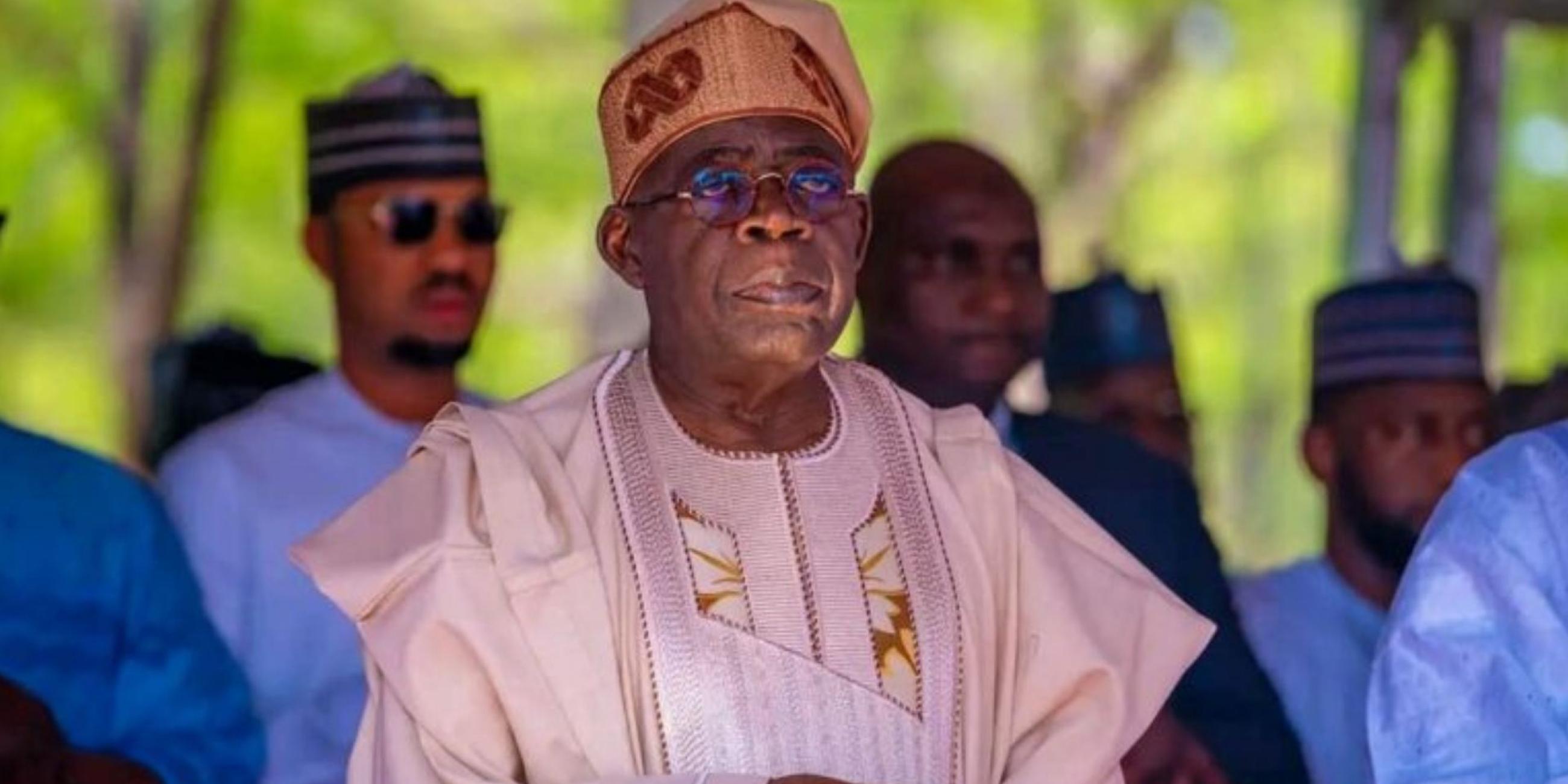
Is Nigeria’s security crisis finally reaching a breaking point in Yoruba land—and is President Bola Ahmed Tinubu truly doing enough to stop it? These are the urgent questions being raised after a Pan-Yoruba socio-political group, Ìgbìnmó Májékóbájé Ilé-Yorùbá, publicly condemned the President over what it described as his “deafening silence” in the face of worsening insecurity across the South-West.
The group’s outcry followed the shocking abduction of a Kwara State monarch, Oba S. Y. Olaonipekun, and his son, Olaolu, who were reportedly kidnapped by suspected terrorists in the Ile-Ire district. For many observers, the incident marks a dangerous escalation in Nigeria’s security crisis: when even traditional rulers—symbols of authority, culture, and community stability—are no longer safe, what hope remains for ordinary citizens?
In a strongly worded statement signed by its Convener, Olusola Badero, and released through Home Director Princess Balogun, the group accused President Tinubu of abandoning his constitutional duty as the nation’s chief security officer. According to the group, violent attacks, kidnappings, and killings have spread across Yoruba communities with little visible federal response. They argued that while statements are often issued, concrete action has been painfully absent.
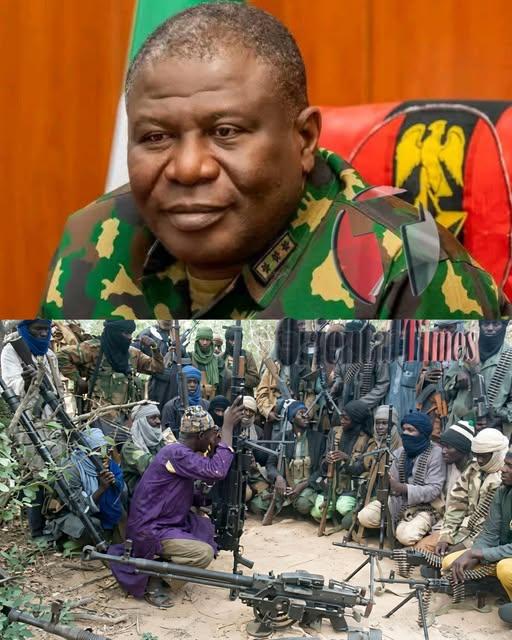
The union alleged that forests and rural communities in parts of Kwara and the wider South-West have become safe havens for armed groups posing as herdsmen, whom they directly described as terrorists. It lamented what it called the humiliation of Yoruba traditional institutions, stressing that the kidnapping of monarchs was once unimaginable in the region’s history. Quoting a Yoruba proverb—“Oríadé kì í sùn tán” (Royalty does not sleep outside)—the group said the abduction of kings represents not only a security failure but also a deep cultural wound.
Beyond insecurity, the group launched a broader political critique of President Tinubu’s leadership. They accused him of prioritising personal interests, political allies, and future elections over the immediate safety and welfare of citizens. They further criticised what they described as his frequent foreign trips, alleging that he enjoys public funds abroad while Nigerians face poverty, fear, collapsing healthcare, and deteriorating schools at home. For the group, this contrast symbolises a widening gap between those in power and the people they govern.
The statement also targeted Kwara State Governor AbdulRahman AbdulRazaq, accusing the state government of failing to protect residents. The group demanded the immediate release of the abducted monarch and his son, as well as other kidnapped citizens, including workers from the Kwara State Ministry of Works.
To underline what it sees as a pattern of lawlessness, the union recalled earlier incidents, including the killing of Segun Aremu, a retired army general and monarch (the Olúkòrò of Koro), and the abduction of Kamilu Salami, the Oníbàrà of Bayagan Ile, who reportedly spent weeks in captivity before regaining freedom. These cases, the group argued, show that the crisis is not isolated but systemic.
Perhaps most striking is the group’s warning that continued political inaction could lead to long-term devastation: deserted villages, abandoned farmlands, and forests fully occupied by armed groups. They questioned how elections can even matter if citizens are no longer safe enough to live in their communities. “Who will be alive to vote,” they asked, “if our villages are deserted and our forests controlled by terrorists?”
The union went further, calling on Yoruba people at home and in the diaspora to take collective responsibility for protecting their region, suggesting that reliance on political leaders who have “clearly failed” could invite even greater catastrophe.
As this controversy unfolds, Nigerians are left with uncomfortable but necessary questions: Has the federal government lost control of internal security? Is President Tinubu doing enough to protect his own region? And what happens when traditional institutions—once seen as untouchable—become targets of violence?
On Fintter, this story is more than breaking news; it is a national conversation about leadership, accountability, and survival. Are these criticisms justified, or are they politically motivated? Can Nigeria still reverse its security decline, or has the crisis reached a point of no return? The answers may shape not just the future of Yoruba land, but the fate of the entire nation.
What do you think? Is Tinubu truly failing on security—or is the crisis beyond any single leader? Share your thoughts and join the debate on Fintter.
Is Tinubu Failing Yoruba Land? Pan-Yoruba Group Slams President Over Insecurity, Kidnapped Monarchs and ‘Silence From Power
Is Nigeria’s security crisis finally reaching a breaking point in Yoruba land—and is President Bola Ahmed Tinubu truly doing enough to stop it? These are the urgent questions being raised after a Pan-Yoruba socio-political group, Ìgbìnmó Májékóbájé Ilé-Yorùbá, publicly condemned the President over what it described as his “deafening silence” in the face of worsening insecurity across the South-West.
The group’s outcry followed the shocking abduction of a Kwara State monarch, Oba S. Y. Olaonipekun, and his son, Olaolu, who were reportedly kidnapped by suspected terrorists in the Ile-Ire district. For many observers, the incident marks a dangerous escalation in Nigeria’s security crisis: when even traditional rulers—symbols of authority, culture, and community stability—are no longer safe, what hope remains for ordinary citizens?
In a strongly worded statement signed by its Convener, Olusola Badero, and released through Home Director Princess Balogun, the group accused President Tinubu of abandoning his constitutional duty as the nation’s chief security officer. According to the group, violent attacks, kidnappings, and killings have spread across Yoruba communities with little visible federal response. They argued that while statements are often issued, concrete action has been painfully absent.
The union alleged that forests and rural communities in parts of Kwara and the wider South-West have become safe havens for armed groups posing as herdsmen, whom they directly described as terrorists. It lamented what it called the humiliation of Yoruba traditional institutions, stressing that the kidnapping of monarchs was once unimaginable in the region’s history. Quoting a Yoruba proverb—“Oríadé kì í sùn tán” (Royalty does not sleep outside)—the group said the abduction of kings represents not only a security failure but also a deep cultural wound.
Beyond insecurity, the group launched a broader political critique of President Tinubu’s leadership. They accused him of prioritising personal interests, political allies, and future elections over the immediate safety and welfare of citizens. They further criticised what they described as his frequent foreign trips, alleging that he enjoys public funds abroad while Nigerians face poverty, fear, collapsing healthcare, and deteriorating schools at home. For the group, this contrast symbolises a widening gap between those in power and the people they govern.
The statement also targeted Kwara State Governor AbdulRahman AbdulRazaq, accusing the state government of failing to protect residents. The group demanded the immediate release of the abducted monarch and his son, as well as other kidnapped citizens, including workers from the Kwara State Ministry of Works.
To underline what it sees as a pattern of lawlessness, the union recalled earlier incidents, including the killing of Segun Aremu, a retired army general and monarch (the Olúkòrò of Koro), and the abduction of Kamilu Salami, the Oníbàrà of Bayagan Ile, who reportedly spent weeks in captivity before regaining freedom. These cases, the group argued, show that the crisis is not isolated but systemic.
Perhaps most striking is the group’s warning that continued political inaction could lead to long-term devastation: deserted villages, abandoned farmlands, and forests fully occupied by armed groups. They questioned how elections can even matter if citizens are no longer safe enough to live in their communities. “Who will be alive to vote,” they asked, “if our villages are deserted and our forests controlled by terrorists?”
The union went further, calling on Yoruba people at home and in the diaspora to take collective responsibility for protecting their region, suggesting that reliance on political leaders who have “clearly failed” could invite even greater catastrophe.
As this controversy unfolds, Nigerians are left with uncomfortable but necessary questions: Has the federal government lost control of internal security? Is President Tinubu doing enough to protect his own region? And what happens when traditional institutions—once seen as untouchable—become targets of violence?
On Fintter, this story is more than breaking news; it is a national conversation about leadership, accountability, and survival. Are these criticisms justified, or are they politically motivated? Can Nigeria still reverse its security decline, or has the crisis reached a point of no return? The answers may shape not just the future of Yoruba land, but the fate of the entire nation.
💬 What do you think? Is Tinubu truly failing on security—or is the crisis beyond any single leader? Share your thoughts and join the debate on Fintter.


 Sobre
Sobre