• JUST IN

    “What pained me most about Destiny Boy’s death,” says Iya Ogba, “was seeing the video where pliers and a hammer were used to remove his gold teeth. The people around him that day need to be arrested. They allowed too much access to his dead body.”

    Destiny Boy was just 22 years old (Oku Ofo). Who on earth is happy seeing the body of a 22-year-old?

    “I burst into tears when I saw that traumatizing video. Why didn’t you allow him to be buried with his teeth? Those greedy people removed them to sell, and you still had the mind to collect the money after selling them. Where is your conscience?”

    Iya Ogba continues:
    “Where were his parents and family members when they were removing the teeth? This shows people only care about you when you are alive. Nobody truly cares about your dead body. Enjoy your money while you are still alive. Some family members only care because you are giving them money.”

    #DestinyBoy #RestInPeace #StopExploitation #FamilyValues
    馃挃 JUST IN 馃挃 “What pained me most about Destiny Boy’s death,” says Iya Ogba, “was seeing the video where pliers and a hammer were used to remove his gold teeth. The people around him that day need to be arrested. They allowed too much access to his dead body.” Destiny Boy was just 22 years old (Oku Ofo). Who on earth is happy seeing the body of a 22-year-old? 馃槩 “I burst into tears when I saw that traumatizing video. Why didn’t you allow him to be buried with his teeth? Those greedy people removed them to sell, and you still had the mind to collect the money after selling them. Where is your conscience?” Iya Ogba continues: “Where were his parents and family members when they were removing the teeth? This shows people only care about you when you are alive. Nobody truly cares about your dead body. Enjoy your money while you are still alive. Some family members only care because you are giving them money.” #DestinyBoy #RestInPeace #StopExploitation #FamilyValues
    0 Comments 0 Shares 653 Views
  • Tragedy as School Bus Crashes into Truck, 13 Children Die on Their Way to School…..

    A deep sense of grief has enveloped parents, teachers, and residents after a tragic road accident claimed the lives of 13 schoolchildren on their way to school. Reports say their bus collided with a heavy-duty truck, killing the children instantly. Eyewitnesses described books and school bags scattered across the road as parents arrived in tears. Emergency responders rushed in, but could do little to save them, while the injured were taken to hospital. Authorities have launched an investigation and called for stricter road safety, especially for school transport.
    #fintternews


    Tragedy as School Bus Crashes into Truck, 13 Children Die on Their Way to School….. A deep sense of grief has enveloped parents, teachers, and residents after a tragic road accident claimed the lives of 13 schoolchildren on their way to school. Reports say their bus collided with a heavy-duty truck, killing the children instantly. Eyewitnesses described books and school bags scattered across the road as parents arrived in tears. Emergency responders rushed in, but could do little to save them, while the injured were taken to hospital. Authorities have launched an investigation and called for stricter road safety, especially for school transport. #fintternews
    love
    1
    0 Comments 0 Shares 347 Views
  • Mercy Johnson Drops Charges, Issues Strong Warning in Viral Video


    A heartfelt video of Nollywood actress Mercy Johnson has gone viral after she confirmed dropping charges against a TikToker who allegedly defamed her. In the emotional clip, she issued a stern warning while also exposing faceless blogs and those behind them, sparking widespread reactions online. Mercy revealed how false narratives about her deeply affected her family, saying some parents stopped their children from touching her kids’ school bags because she was branded a witch.#fintternews
    Mercy Johnson Drops Charges, Issues Strong Warning in Viral Video A heartfelt video of Nollywood actress Mercy Johnson has gone viral after she confirmed dropping charges against a TikToker who allegedly defamed her. In the emotional clip, she issued a stern warning while also exposing faceless blogs and those behind them, sparking widespread reactions online. Mercy revealed how false narratives about her deeply affected her family, saying some parents stopped their children from touching her kids’ school bags because she was branded a witch.#fintternews
    love
    1
    0 Comments 0 Shares 416 Views
  • Nasarawa Police Rescue 17 Suspected Human Trafficking Victims, Launch Full Investigation

    The Nasarawa State Police Command has rescued 17 suspected victims of human trafficking during a stop-and-search operation in Mararaba, Karu LGA. The victims—11 boys and 6 girls aged between 10 and 19—were intercepted in a vehicle allegedly transporting them from Plateau State to Kwara State for promised farming jobs. Police said efforts to reach their parents and the alleged recruiter failed. The victims are now in protective custody as investigations continue to dismantle the suspected trafficking network.

    #HumanTrafficking #nta #NasarawaPolice #NigeriaNews
    Nasarawa Police Rescue 17 Suspected Human Trafficking Victims, Launch Full Investigation The Nasarawa State Police Command has rescued 17 suspected victims of human trafficking during a stop-and-search operation in Mararaba, Karu LGA. The victims—11 boys and 6 girls aged between 10 and 19—were intercepted in a vehicle allegedly transporting them from Plateau State to Kwara State for promised farming jobs. Police said efforts to reach their parents and the alleged recruiter failed. The victims are now in protective custody as investigations continue to dismantle the suspected trafficking network. #HumanTrafficking #nta #NasarawaPolice #NigeriaNews
    love
    1
    0 Comments 0 Shares 438 Views
  • Stop kissing your kids mouth to mouth! What happened to the cheeks?- actress Angela Okotie tackles parents
    Stop kissing your kids mouth to mouth! What happened to the cheeks?- actress Angela Okotie tackles parents
    love
    1
    0 Comments 0 Shares 152 Views
  • Stop kissing your kids mouth to mouth! What happened to the cheeks?- actress Angela Okotie tackles parents
    Stop kissing your kids mouth to mouth! What happened to the cheeks?- actress Angela Okotie tackles parents
    1 Comments 0 Shares 135 Views
  • Tragedy at Lagos Govt Clinic: Father Claims Twin Babies Died After Fake Immunisation, Demands Justice

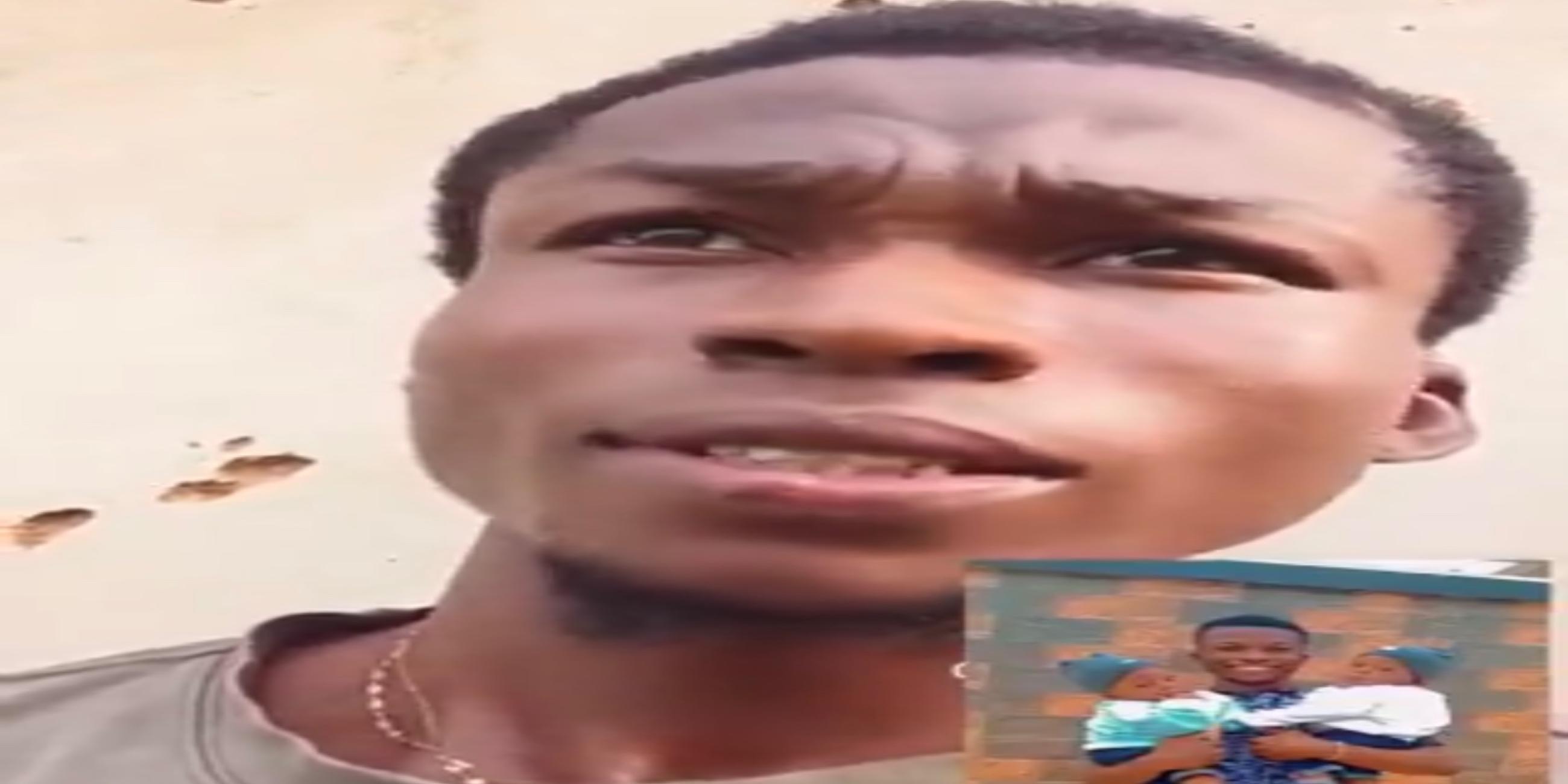
    A Lagos resident has accused Ajangbadi Primary Health Centre of causing the deaths of his nine-month-old twin boys after routine immunisation on December 24, 2025. In a viral video, he alleged the children were given fake or inappropriate drugs, including worm medicine without consent, which left them weak and led to their deaths the next day. The grieving father is appealing for legal help and human rights intervention, fearing bias since the facility is government-run. He warns other parents to verify vaccines given to their children, while Lagos health authorities have yet to respond.

    #LagosTragedy #FakeDrugsAlert #HealthJustice
    Tragedy at Lagos Govt Clinic: Father Claims Twin Babies Died After Fake Immunisation, Demands Justice A Lagos resident has accused Ajangbadi Primary Health Centre of causing the deaths of his nine-month-old twin boys after routine immunisation on December 24, 2025. In a viral video, he alleged the children were given fake or inappropriate drugs, including worm medicine without consent, which left them weak and led to their deaths the next day. The grieving father is appealing for legal help and human rights intervention, fearing bias since the facility is government-run. He warns other parents to verify vaccines given to their children, while Lagos health authorities have yet to respond. #LagosTragedy #FakeDrugsAlert #HealthJustice
    love
    1
    0 Comments 0 Shares 790 Views
  • Kwara Nurses Forum Sounds Alarm Over Illegal Nursing Schools, Warns of Danger to Lives

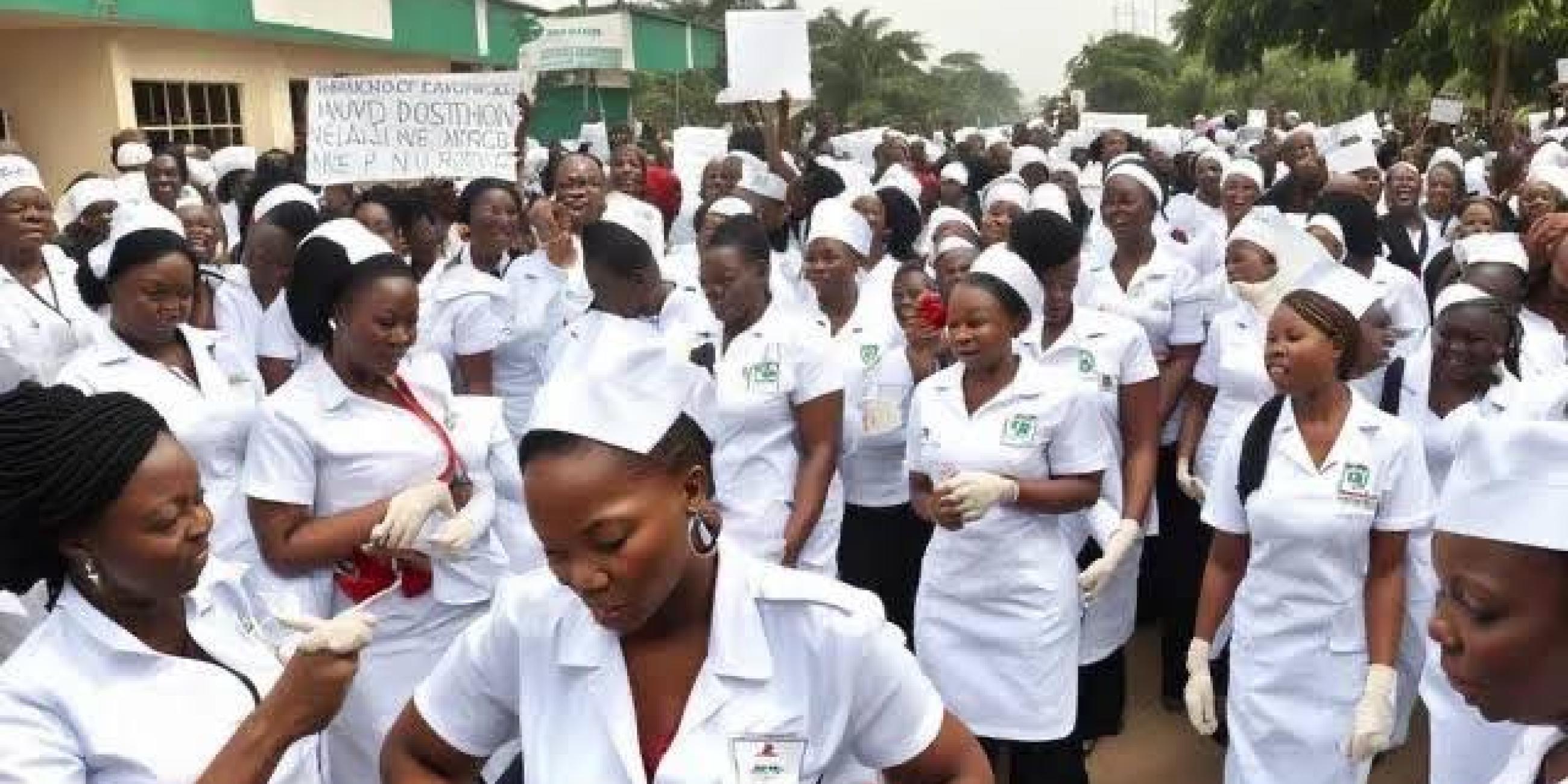
    The Elegant Nurses Forum has raised alarm over illegal and unapproved nursing programmes in Kwara State, warning that lives are at risk. Some Colleges of Health Technology are allegedly running Community Health and Public Health Nursing courses without accreditation from the Nursing and Midwifery Council of Nigeria (NMCN). The forum condemned the deception of students and parents, calling it “quackery in full view.” It demanded immediate closure of these schools, enforcement of NMCN guidelines, refunds for affected students, and sanctions for officials who approved the illegal programmes, urging the state government to protect citizens.
    Kwara Nurses Forum Sounds Alarm Over Illegal Nursing Schools, Warns of Danger to Lives The Elegant Nurses Forum has raised alarm over illegal and unapproved nursing programmes in Kwara State, warning that lives are at risk. Some Colleges of Health Technology are allegedly running Community Health and Public Health Nursing courses without accreditation from the Nursing and Midwifery Council of Nigeria (NMCN). The forum condemned the deception of students and parents, calling it “quackery in full view.” It demanded immediate closure of these schools, enforcement of NMCN guidelines, refunds for affected students, and sanctions for officials who approved the illegal programmes, urging the state government to protect citizens.
    0 Comments 0 Shares 443 Views
  • BREAKING: Parents of Arrested Protesters Stage Protest in Ekpoma

    Parents of protesters who were recently arrested have taken to the streets in Ekpoma, Edo State, demanding justice for their children.

    #EdoState #Ekpoma #Protest #BreakingNews #NigeriaNews #JusticeForProtesters #HumanRights #Activism
    馃毃 BREAKING: Parents of Arrested Protesters Stage Protest in Ekpoma Parents of protesters who were recently arrested have taken to the streets in Ekpoma, Edo State, demanding justice for their children. #EdoState #Ekpoma #Protest #BreakingNews #NigeriaNews #JusticeForProtesters #HumanRights #Activism
    0 Comments 0 Shares 395 Views 8 Plays
  • India Shuts Medical College Amid Hindu Protests Over Muslim Students

    Shri Mata Vaishno Devi Medical Institute in Reasi, Kashmir, has been shut down after Hindu groups protested the admission of a predominantly Muslim first-year MBBS class. The National Medical Commission revoked the college’s recognition, citing alleged technical deficiencies, though critics argue the move was politically and communally motivated. Students and parents contest the claims, saying facilities were adequate and admissions merit-based via NEET. Authorities plan to relocate affected students to other colleges, but the closure has sparked debates over secular education, minority rights, and communalism in India’s education system.
    #IndiaEducationCrisis #MedicalCollegeClosure #MinorityRights


    India Shuts Medical College Amid Hindu Protests Over Muslim Students Shri Mata Vaishno Devi Medical Institute in Reasi, Kashmir, has been shut down after Hindu groups protested the admission of a predominantly Muslim first-year MBBS class. The National Medical Commission revoked the college’s recognition, citing alleged technical deficiencies, though critics argue the move was politically and communally motivated. Students and parents contest the claims, saying facilities were adequate and admissions merit-based via NEET. Authorities plan to relocate affected students to other colleges, but the closure has sparked debates over secular education, minority rights, and communalism in India’s education system. #IndiaEducationCrisis #MedicalCollegeClosure #MinorityRights
    0 Comments 0 Shares 429 Views
  • KEY THINGS PEOPLE IGNORE BEFORE MARRIAGE
    1. Communication Style
    How you talk during peace is different from how you talk during conflict.
    2. Conflict Resolution
    Do you resolve issues or sweep them under the carpet?
    3. Money Mindset
    Spending habits, debt, saving culture, and financial transparency.
    4. Emotional Maturity
    Can your partner apologize, accept correction, and take responsibility?
    5. Expectations in Marriage
    Roles, responsibilities, lifestyle, and standards.
    6. Family Boundaries & In-Laws
    Who comes first — spouse or parents?
    7. Values & Beliefs
    Faith, morals, principles, and life priorities.
    8. Life Goals & Direction
    Career plans, relocation, children, and long-term vision.
    9. Anger & Temperament
    How your partner reacts when upset or stressed.
    10. Respect (Not Just Love)
    Love can fade temporarily, but respect must remain constant.
    11. Handling Stress & Pressure
    How they act during hardship, not comfort.
    12. Sexual Expectations & Intimacy
    Needs, boundaries, and openness (without details).
    13. Health & Genetics
    Physical, mental health history, and genotype discussions.
    14. Past Trauma & Baggage
    Unhealed wounds can show up in marriage.
    15. Parenting Style
    Discipline, education, and values for children.
    16. Friendships & Influences
    Who has access and influence over your partner?
    17. Honesty & Transparency
    Secrets before marriage often become scandals after.
    18. Growth Mindset
    Are you both willing to learn and change?
    19. Decision-Making Style
    Who decides what, and how?
    20. Definition of Love & Commitment
    What does cheating, loyalty, and commitment mean to each of you?
    馃攽 KEY THINGS PEOPLE IGNORE BEFORE MARRIAGE 1. Communication Style How you talk during peace is different from how you talk during conflict. 2. Conflict Resolution Do you resolve issues or sweep them under the carpet? 3. Money Mindset Spending habits, debt, saving culture, and financial transparency. 4. Emotional Maturity Can your partner apologize, accept correction, and take responsibility? 5. Expectations in Marriage Roles, responsibilities, lifestyle, and standards. 6. Family Boundaries & In-Laws Who comes first — spouse or parents? 7. Values & Beliefs Faith, morals, principles, and life priorities. 8. Life Goals & Direction Career plans, relocation, children, and long-term vision. 9. Anger & Temperament How your partner reacts when upset or stressed. 10. Respect (Not Just Love) Love can fade temporarily, but respect must remain constant. 11. Handling Stress & Pressure How they act during hardship, not comfort. 12. Sexual Expectations & Intimacy Needs, boundaries, and openness (without details). 13. Health & Genetics Physical, mental health history, and genotype discussions. 14. Past Trauma & Baggage Unhealed wounds can show up in marriage. 15. Parenting Style Discipline, education, and values for children. 16. Friendships & Influences Who has access and influence over your partner? 17. Honesty & Transparency Secrets before marriage often become scandals after. 18. Growth Mindset Are you both willing to learn and change? 19. Decision-Making Style Who decides what, and how? 20. Definition of Love & Commitment What does cheating, loyalty, and commitment mean to each of you?
    0 Comments 0 Shares 755 Views
  • Why Is the Nigerian Government Restricting School Graduation Ceremonies to Only Final Classes—Is This the End of Costly, Fee-Driven Celebrations in Primary and Secondary Schools?

    Is Nigeria finally putting an end to the growing culture of expensive and repetitive school graduations? The Federal Government has announced a new education policy that restricts graduation ceremonies to only final-year classes—Primary 6, Junior Secondary School 3 (JSS3), and Senior Secondary School 3 (SSS3)—effectively banning the practice of holding graduation events for lower classes across the country.

    The policy was unveiled by the Minister of Education, Maruf Tunji Alausa, alongside the Minister of State for Education, Prof. Suiwaba Sai’d, as part of a broader reform agenda aimed at reducing the financial burden on parents and restoring focus to academic learning rather than ceremonial displays.

    According to the ministers, graduation ceremonies in many schools have become increasingly commercialized, with families often compelled to pay for gowns, souvenirs, photography, and multiple celebrations within a single academic year. These expenses, they said, place unnecessary pressure on households already struggling with the rising cost of education.

    By limiting graduations strictly to terminal classes, the government says it intends to eliminate fee-driven school practices and promote a more affordable and sustainable education system. The graduation reform also aligns with other cost-cutting measures introduced in the sector, including changes to textbook usage, academic planning, and resource sharing, which are designed to allow learning materials to be reused across multiple academic sessions.

    The policy further supports the introduction of a uniform national academic calendar, aimed at improving consistency in teaching, planning, and school administration while discouraging activities that impose additional financial strain on parents.

    Education officials insist that the move is not about diminishing students’ achievements but about resetting priorities in Nigerian schools—placing learning outcomes, classroom quality, and academic development above pageantry and social competition.

    However, the decision raises critical questions: Will schools comply fully with the new directive? How will private institutions adapt? And will the policy truly ease household education costs or face resistance from schools that rely on graduation-related fees? As implementation begins, parents, educators, and school administrators will be watching closely to see whether this reform marks a lasting shift toward affordability and academic focus—or sparks a new debate over tradition, celebration, and school funding in Nigeria’s education system.


    Why Is the Nigerian Government Restricting School Graduation Ceremonies to Only Final Classes—Is This the End of Costly, Fee-Driven Celebrations in Primary and Secondary Schools? Is Nigeria finally putting an end to the growing culture of expensive and repetitive school graduations? The Federal Government has announced a new education policy that restricts graduation ceremonies to only final-year classes—Primary 6, Junior Secondary School 3 (JSS3), and Senior Secondary School 3 (SSS3)—effectively banning the practice of holding graduation events for lower classes across the country. The policy was unveiled by the Minister of Education, Maruf Tunji Alausa, alongside the Minister of State for Education, Prof. Suiwaba Sai’d, as part of a broader reform agenda aimed at reducing the financial burden on parents and restoring focus to academic learning rather than ceremonial displays. According to the ministers, graduation ceremonies in many schools have become increasingly commercialized, with families often compelled to pay for gowns, souvenirs, photography, and multiple celebrations within a single academic year. These expenses, they said, place unnecessary pressure on households already struggling with the rising cost of education. By limiting graduations strictly to terminal classes, the government says it intends to eliminate fee-driven school practices and promote a more affordable and sustainable education system. The graduation reform also aligns with other cost-cutting measures introduced in the sector, including changes to textbook usage, academic planning, and resource sharing, which are designed to allow learning materials to be reused across multiple academic sessions. The policy further supports the introduction of a uniform national academic calendar, aimed at improving consistency in teaching, planning, and school administration while discouraging activities that impose additional financial strain on parents. Education officials insist that the move is not about diminishing students’ achievements but about resetting priorities in Nigerian schools—placing learning outcomes, classroom quality, and academic development above pageantry and social competition. However, the decision raises critical questions: Will schools comply fully with the new directive? How will private institutions adapt? And will the policy truly ease household education costs or face resistance from schools that rely on graduation-related fees? As implementation begins, parents, educators, and school administrators will be watching closely to see whether this reform marks a lasting shift toward affordability and academic focus—or sparks a new debate over tradition, celebration, and school funding in Nigeria’s education system.
    0 Comments 0 Shares 500 Views
  • Jigawa Court Orders Arrest of DSS Officer Over Alleged Abduction, Sexual Exploitation, and Forced Conversion of 16-Year-Old Girl

    A Magistrate Court sitting in Hadejia, Jigawa State, has ordered the arrest of a serving officer of Nigeria’s Department of State Services (DSS), Ifeanyi Festus, over allegations of child abduction, sexual exploitation, unlawful detention, and forcible religious conversion involving a 16-year-old girl, Walida Abdulhadi.

    The directive was issued by His Worship, Sadisu Musa Esq., in Suit No: DCC/01/2026, following a petition filed by Abuja-based law firm Gamji Lawchain on behalf of Walida’s father, Alhaji Abdulhadi Ibrahim. The court ordered the Jigawa State Commissioner of Police or senior DSS officials to arrest the officer and discreetly investigate the allegations under Sections 125 and 102(5) of the Jigawa State Administration of Criminal Justice Law (ACJL). It also directed the DSS to immediately release and reunite the girl with her parents.

    According to the petition dated January 4, 2026, Walida was allegedly abducted from Hadejia over two years ago when she was still a minor and legally incapable of consenting to any sexual relationship. The family reportedly searched for her for years, and the prolonged trauma is said to have contributed to the death of her mother.

    The case reportedly resurfaced on January 1, 2026, when the accused officer allegedly contacted the girl’s father, claiming Walida had been living with him, had given birth to his child, and that he was now prepared to marry her. When a family representative was sent to Abuja, he was allegedly taken to a DSS facility at Karmajiji, where officials reportedly confirmed that Walida had been living within the DSS estate. Requests for her release were allegedly refused.

    The petition further claims that while under this custody, the teenager was allegedly converted from Islam to Christianity without parental consent and subjected to sexual exploitation that resulted in pregnancy and childbirth while she was still underage. The lawyers alleged that the acts could not have occurred without the knowledge or tacit approval of other officers, describing the matter as potential institutional complicity rather than isolated misconduct.

    In its ruling, the court emphasized the need for immediate investigation and ordered that Walida be released and reunited with her family. The case has since generated widespread public attention, raising serious questions about child protection, abuse of power, religious freedom, and accountability within Nigeria’s security agencies.


    Jigawa Court Orders Arrest of DSS Officer Over Alleged Abduction, Sexual Exploitation, and Forced Conversion of 16-Year-Old Girl A Magistrate Court sitting in Hadejia, Jigawa State, has ordered the arrest of a serving officer of Nigeria’s Department of State Services (DSS), Ifeanyi Festus, over allegations of child abduction, sexual exploitation, unlawful detention, and forcible religious conversion involving a 16-year-old girl, Walida Abdulhadi. The directive was issued by His Worship, Sadisu Musa Esq., in Suit No: DCC/01/2026, following a petition filed by Abuja-based law firm Gamji Lawchain on behalf of Walida’s father, Alhaji Abdulhadi Ibrahim. The court ordered the Jigawa State Commissioner of Police or senior DSS officials to arrest the officer and discreetly investigate the allegations under Sections 125 and 102(5) of the Jigawa State Administration of Criminal Justice Law (ACJL). It also directed the DSS to immediately release and reunite the girl with her parents. According to the petition dated January 4, 2026, Walida was allegedly abducted from Hadejia over two years ago when she was still a minor and legally incapable of consenting to any sexual relationship. The family reportedly searched for her for years, and the prolonged trauma is said to have contributed to the death of her mother. The case reportedly resurfaced on January 1, 2026, when the accused officer allegedly contacted the girl’s father, claiming Walida had been living with him, had given birth to his child, and that he was now prepared to marry her. When a family representative was sent to Abuja, he was allegedly taken to a DSS facility at Karmajiji, where officials reportedly confirmed that Walida had been living within the DSS estate. Requests for her release were allegedly refused. The petition further claims that while under this custody, the teenager was allegedly converted from Islam to Christianity without parental consent and subjected to sexual exploitation that resulted in pregnancy and childbirth while she was still underage. The lawyers alleged that the acts could not have occurred without the knowledge or tacit approval of other officers, describing the matter as potential institutional complicity rather than isolated misconduct. In its ruling, the court emphasized the need for immediate investigation and ordered that Walida be released and reunited with her family. The case has since generated widespread public attention, raising serious questions about child protection, abuse of power, religious freedom, and accountability within Nigeria’s security agencies.
    0 Comments 0 Shares 519 Views
  • Jigawa Court Orders Arrest of DSS Officer Over Alleged Crimes Against Minor, Directs Police Investigation

    A Magistrate Court in Hadejia, Jigawa State, has ordered the arrest of a Department of State Services (DSS) officer, Ifeanyi Festus, and directed the Nigeria Police Force to investigate alleged offences against a minor, following a petition filed by Abdulhadi Ibrahim. The court’s order, issued in Suit No: DCC/01/2026 and signed by His Worship Sadisu Musa Esq., signals the seriousness of the allegations and underscores the judiciary’s commitment to protecting vulnerable citizens.

    The application for the arrest and investigation was moved by Mr. Kabiru Adamu Esq., alongside Babangida Garba Esq., acting as counsel to the applicant. They urged the court to invoke its powers under Section 125 and Section 102(5) of the Administration of Criminal Justice Law (ACJL) to compel immediate action against the DSS officer.

    In granting the application, the court directed the Commissioner of Police, Jigawa State Police Command, or the Deputy Director-General of the DSS to arrest the respondent. It also specifically mandated the Nigeria Police Force, Jigawa State Command, to conduct a discreet investigation into the alleged offences.

    The court further issued an urgent directive to the DSS to immediately release the victim, identified as Walida Abdulhadi, and reunite her with her parents, emphasizing the protection of the minor as a matter of priority. The ruling highlights the legal mechanisms available to hold security personnel accountable when allegations of misconduct arise, even against agencies with high-level authority like the DSS.

    Observers say the case raises critical questions about accountability, child protection, and oversight of security agencies in Nigeria. It also demonstrates the judiciary’s willingness to intervene in sensitive matters involving minors and ensure adherence to the law, regardless of the accused’s position or rank.

    As of the time of reporting, there has been no official statement from the DSS or the Jigawa State Police Command regarding the implementation of the arrest or investigation orders. Legal analysts suggest that swift compliance with the court’s directives will be a litmus test for both the DSS and police in upholding justice in cases involving vulnerable citizens.

    The case continues to attract public attention, underlining the growing demand for transparency, rule of law, and protection of minors in Nigeria’s criminal justice system.

    Jigawa Court Orders Arrest of DSS Officer Over Alleged Crimes Against Minor, Directs Police Investigation A Magistrate Court in Hadejia, Jigawa State, has ordered the arrest of a Department of State Services (DSS) officer, Ifeanyi Festus, and directed the Nigeria Police Force to investigate alleged offences against a minor, following a petition filed by Abdulhadi Ibrahim. The court’s order, issued in Suit No: DCC/01/2026 and signed by His Worship Sadisu Musa Esq., signals the seriousness of the allegations and underscores the judiciary’s commitment to protecting vulnerable citizens. The application for the arrest and investigation was moved by Mr. Kabiru Adamu Esq., alongside Babangida Garba Esq., acting as counsel to the applicant. They urged the court to invoke its powers under Section 125 and Section 102(5) of the Administration of Criminal Justice Law (ACJL) to compel immediate action against the DSS officer. In granting the application, the court directed the Commissioner of Police, Jigawa State Police Command, or the Deputy Director-General of the DSS to arrest the respondent. It also specifically mandated the Nigeria Police Force, Jigawa State Command, to conduct a discreet investigation into the alleged offences. The court further issued an urgent directive to the DSS to immediately release the victim, identified as Walida Abdulhadi, and reunite her with her parents, emphasizing the protection of the minor as a matter of priority. The ruling highlights the legal mechanisms available to hold security personnel accountable when allegations of misconduct arise, even against agencies with high-level authority like the DSS. Observers say the case raises critical questions about accountability, child protection, and oversight of security agencies in Nigeria. It also demonstrates the judiciary’s willingness to intervene in sensitive matters involving minors and ensure adherence to the law, regardless of the accused’s position or rank. As of the time of reporting, there has been no official statement from the DSS or the Jigawa State Police Command regarding the implementation of the arrest or investigation orders. Legal analysts suggest that swift compliance with the court’s directives will be a litmus test for both the DSS and police in upholding justice in cases involving vulnerable citizens. The case continues to attract public attention, underlining the growing demand for transparency, rule of law, and protection of minors in Nigeria’s criminal justice system.
    0 Comments 0 Shares 503 Views
  • Is Superstition Holding Nigerian Communities Hostage? How Fear of ‘Poison,’ Rituals, and Dog Poop Is Fueling Paranoia, Poverty, and Exploitation – By Leo Igwe

    Is superstition silently destroying communities in Nigeria—and why are fear, paranoia, and ritual beliefs still shaping how people interpret illness, death, and misfortune?

    In this powerful and unsettling account, Leo Igwe recounts his return to his hometown in southeastern Nigeria after decades away, where he encountered what he describes as the toxic grip of superstition and irrational fear on everyday life. From the moment he arrived, Igwe says he witnessed how ordinary health issues were being interpreted as the work of unseen enemies using “poison,” spiritual attacks, or occult forces.

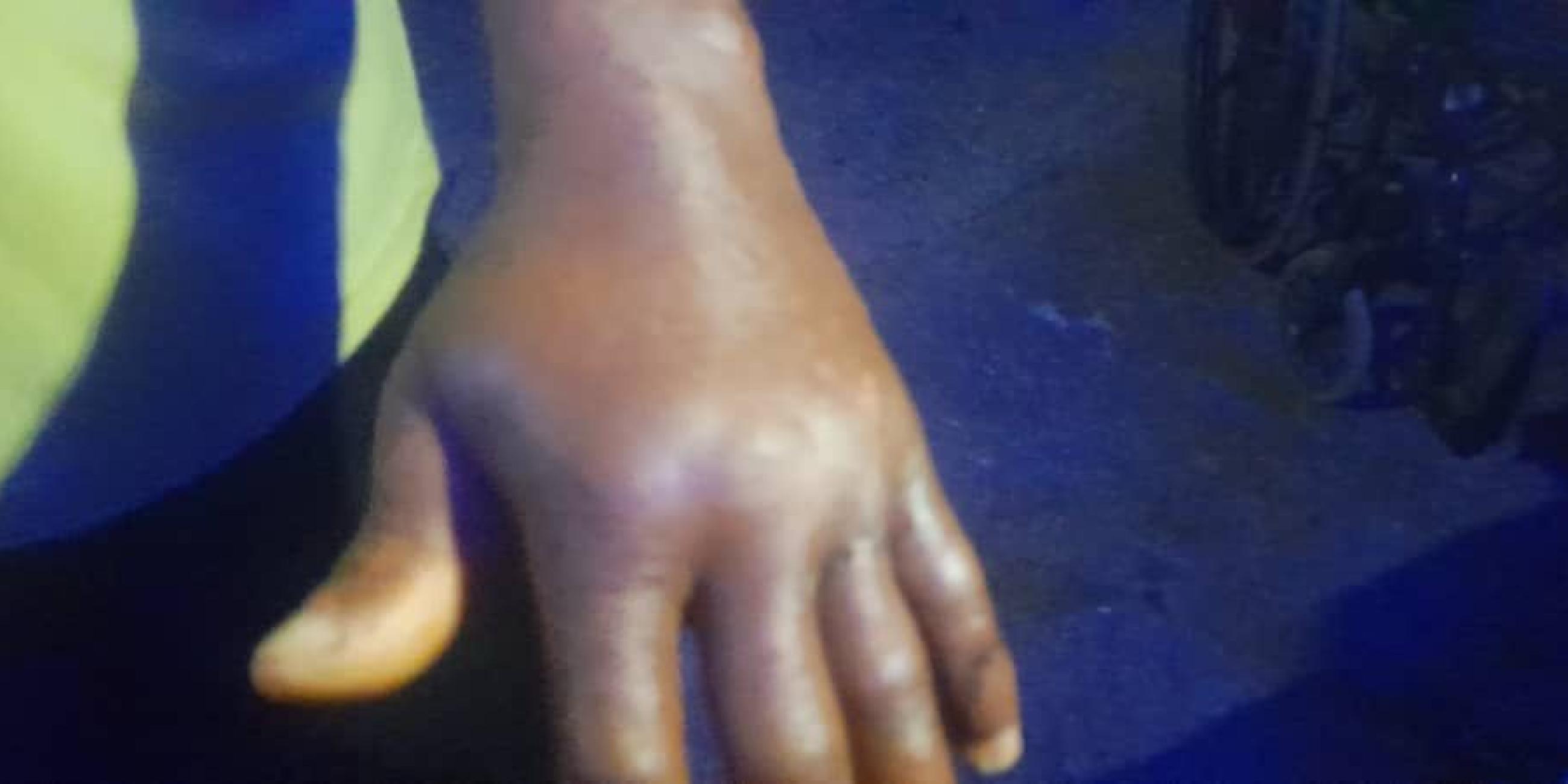
    A family housekeeper with a swollen hand claimed he had “picked up poison” while farming—an explanation widely accepted by community members, despite no one being able to describe what the poison was, how it worked, or where it came from. Rather than seeking medical help, the man was subjected to prayers, spiritual pressing, and ritual interventions, which only worsened the condition. For Igwe, this was a troubling reminder of how medical problems are often rebranded as spiritual attacks, delaying proper treatment and deepening fear.

    But why does this mindset persist? Igwe explains that in his community, no one is believed to die naturally. Death, illness, stroke, or paralysis are frequently attributed to enemies—often relatives or neighbors—who are accused of using occult means. Phrases like “they have killed him” or “they have finally gotten him” dominate conversations, reinforcing suspicion and tearing families apart. People live in constant fear that someone has planted spiritual “poisons” that they might step on or touch.

    Despite identifying as Christians, many residents, Igwe notes, move between churches, prophets, pastors, traditional priests, and ritual specialists. They pray to Jesus, invoke ancestors, hire “prayer warriors,” and perform sacrifices in an endless cycle of spiritual protection. But does this offer safety—or does it deepen exploitation? Igwe argues that this climate has created fertile ground for con artists, fake prophets, and self-styled spiritual practitioners who extract money in exchange for deliverance, exorcism, and supposed protection.

    One striking episode involved a roaming prayer man who went from house to house, collecting food or money after loud, theatrical prayers. In another home, Igwe witnessed a dramatic ritual in which sand was placed in people’s hands while God was commanded to “open doors,” even instructing someone to physically open the living room door to symbolize prosperity. To Igwe, this performance illustrated how faith is manipulated into spectacle while poverty remains unchanged.

    Perhaps the most disturbing moment came when a neighbor reported that dog feces found in their compound was not ordinary waste but a weapon of spiritual harm. The family believed it had been ritually placed to bring sickness or death—just as, they claimed, their parents had previously been killed. The response? Olive oil poured on it, urine used as a neutralizer, and the case escalated to village authorities. To Igwe, this episode captured how fear transforms harmless events into imagined threats, driving communities deeper into paranoia.

    Addressing a village meeting, Igwe warned of the dangerous consequences of baseless accusations, superstition, and occult blame, citing how such beliefs have destroyed families and communities across the region. He urged residents to free themselves from irrational fear and confront the social damage caused by suspicion, exploitation, and magical thinking.

    So what is the real cost of these beliefs? According to Igwe, communities trapped in superstition remain locked in poverty, fear, and manipulation, unable to address real health, economic, and social challenges. The essay ultimately asks a haunting question: Can communities break free from the cycle of fear before superstition consumes trust, development, and human dignity?

    Is Superstition Holding Nigerian Communities Hostage? How Fear of ‘Poison,’ Rituals, and Dog Poop Is Fueling Paranoia, Poverty, and Exploitation – By Leo Igwe Is superstition silently destroying communities in Nigeria—and why are fear, paranoia, and ritual beliefs still shaping how people interpret illness, death, and misfortune? In this powerful and unsettling account, Leo Igwe recounts his return to his hometown in southeastern Nigeria after decades away, where he encountered what he describes as the toxic grip of superstition and irrational fear on everyday life. From the moment he arrived, Igwe says he witnessed how ordinary health issues were being interpreted as the work of unseen enemies using “poison,” spiritual attacks, or occult forces. A family housekeeper with a swollen hand claimed he had “picked up poison” while farming—an explanation widely accepted by community members, despite no one being able to describe what the poison was, how it worked, or where it came from. Rather than seeking medical help, the man was subjected to prayers, spiritual pressing, and ritual interventions, which only worsened the condition. For Igwe, this was a troubling reminder of how medical problems are often rebranded as spiritual attacks, delaying proper treatment and deepening fear. But why does this mindset persist? Igwe explains that in his community, no one is believed to die naturally. Death, illness, stroke, or paralysis are frequently attributed to enemies—often relatives or neighbors—who are accused of using occult means. Phrases like “they have killed him” or “they have finally gotten him” dominate conversations, reinforcing suspicion and tearing families apart. People live in constant fear that someone has planted spiritual “poisons” that they might step on or touch. Despite identifying as Christians, many residents, Igwe notes, move between churches, prophets, pastors, traditional priests, and ritual specialists. They pray to Jesus, invoke ancestors, hire “prayer warriors,” and perform sacrifices in an endless cycle of spiritual protection. But does this offer safety—or does it deepen exploitation? Igwe argues that this climate has created fertile ground for con artists, fake prophets, and self-styled spiritual practitioners who extract money in exchange for deliverance, exorcism, and supposed protection. One striking episode involved a roaming prayer man who went from house to house, collecting food or money after loud, theatrical prayers. In another home, Igwe witnessed a dramatic ritual in which sand was placed in people’s hands while God was commanded to “open doors,” even instructing someone to physically open the living room door to symbolize prosperity. To Igwe, this performance illustrated how faith is manipulated into spectacle while poverty remains unchanged. Perhaps the most disturbing moment came when a neighbor reported that dog feces found in their compound was not ordinary waste but a weapon of spiritual harm. The family believed it had been ritually placed to bring sickness or death—just as, they claimed, their parents had previously been killed. The response? Olive oil poured on it, urine used as a neutralizer, and the case escalated to village authorities. To Igwe, this episode captured how fear transforms harmless events into imagined threats, driving communities deeper into paranoia. Addressing a village meeting, Igwe warned of the dangerous consequences of baseless accusations, superstition, and occult blame, citing how such beliefs have destroyed families and communities across the region. He urged residents to free themselves from irrational fear and confront the social damage caused by suspicion, exploitation, and magical thinking. So what is the real cost of these beliefs? According to Igwe, communities trapped in superstition remain locked in poverty, fear, and manipulation, unable to address real health, economic, and social challenges. The essay ultimately asks a haunting question: Can communities break free from the cycle of fear before superstition consumes trust, development, and human dignity?
    0 Comments 0 Shares 792 Views
  • Who Is Responsible for Oworonshoki’s Death Traps? How Exposed Electric Cables From Illegal Demolitions Killed a Lagos Teen After Oba-Ordered Evictions

    How did a demolition exercise in Lagos turn into a deadly public hazard? And why were dangerous electric cables left exposed for months in a residential community?

    Another teenager has been electrocuted in Oworonshoki, Lagos State, after coming into contact with live electricity wires abandoned following what residents describe as illegal demolitions ordered by the Oloworo of Oworonshoki Kingdom, Oba Saliu Babatunde. The incident, which occurred on Thursday, has intensified outrage over the failure to remove or secure exposed cables after buildings were pulled down late last year.

    According to community members who spoke to SaharaReporters, the demolitions carried out in November 2025 left behind dangling electric wires and open power lines, effectively turning streets and former residential areas into death traps. Despite repeated complaints, the hazardous infrastructure was never cleared, ultimately leading to the fatal electrocution of a young resident. A photograph obtained at the scene reportedly shows the teenager lying lifeless on the ground.

    This latest death adds to a series of traumatic events linked to the demolition exercise. On November 25, 2025, SaharaReporters documented how two young girls returned from school to find their home allegedly burned down during the operation. In a widely circulated video, the children—one still in school uniform—described how their house was destroyed while their parents were at work, with no opportunity to retrieve personal belongings.

    Residents allege that police officers and local vigilantes known as “Madanwo” participated in the operation, acting on the monarch’s directives. Bystanders in the footage accused authorities of burning houses without notice, arresting residents during clashes, and ignoring claims that government had ordered a halt to forced demolitions in the area.

    Now, the fatal electrocution has raised urgent questions:
    Why were live electric cables left exposed for months?
    Who bears responsibility for clearing dangerous infrastructure after demolitions?
    And how many more lives must be lost before accountability is enforced?

    Community members insist the tragedy was preventable, arguing that basic safety measures—such as disconnecting power lines or fencing off hazardous areas—could have saved lives. The incident highlights a broader pattern of urban displacement, alleged abuse of authority, and neglect of public safety, especially in low-income communities affected by forced evictions.

    As families mourn the teenager’s death, residents continue to demand answers from traditional authorities, security agencies, and government officials. The Oworonshoki case has become a stark symbol of how demolition policies, when carried out without planning, oversight, or accountability, can turn vulnerable neighborhoods into deadly zones—raising a chilling question: is urban “development” in Lagos now coming at the cost of human life?
    Who Is Responsible for Oworonshoki’s Death Traps? How Exposed Electric Cables From Illegal Demolitions Killed a Lagos Teen After Oba-Ordered Evictions How did a demolition exercise in Lagos turn into a deadly public hazard? And why were dangerous electric cables left exposed for months in a residential community? Another teenager has been electrocuted in Oworonshoki, Lagos State, after coming into contact with live electricity wires abandoned following what residents describe as illegal demolitions ordered by the Oloworo of Oworonshoki Kingdom, Oba Saliu Babatunde. The incident, which occurred on Thursday, has intensified outrage over the failure to remove or secure exposed cables after buildings were pulled down late last year. According to community members who spoke to SaharaReporters, the demolitions carried out in November 2025 left behind dangling electric wires and open power lines, effectively turning streets and former residential areas into death traps. Despite repeated complaints, the hazardous infrastructure was never cleared, ultimately leading to the fatal electrocution of a young resident. A photograph obtained at the scene reportedly shows the teenager lying lifeless on the ground. This latest death adds to a series of traumatic events linked to the demolition exercise. On November 25, 2025, SaharaReporters documented how two young girls returned from school to find their home allegedly burned down during the operation. In a widely circulated video, the children—one still in school uniform—described how their house was destroyed while their parents were at work, with no opportunity to retrieve personal belongings. Residents allege that police officers and local vigilantes known as “Madanwo” participated in the operation, acting on the monarch’s directives. Bystanders in the footage accused authorities of burning houses without notice, arresting residents during clashes, and ignoring claims that government had ordered a halt to forced demolitions in the area. Now, the fatal electrocution has raised urgent questions: Why were live electric cables left exposed for months? Who bears responsibility for clearing dangerous infrastructure after demolitions? And how many more lives must be lost before accountability is enforced? Community members insist the tragedy was preventable, arguing that basic safety measures—such as disconnecting power lines or fencing off hazardous areas—could have saved lives. The incident highlights a broader pattern of urban displacement, alleged abuse of authority, and neglect of public safety, especially in low-income communities affected by forced evictions. As families mourn the teenager’s death, residents continue to demand answers from traditional authorities, security agencies, and government officials. The Oworonshoki case has become a stark symbol of how demolition policies, when carried out without planning, oversight, or accountability, can turn vulnerable neighborhoods into deadly zones—raising a chilling question: is urban “development” in Lagos now coming at the cost of human life?
    0 Comments 0 Shares 449 Views
  • How Did Anthony Joshua Survive While His Friends Died? Boxer Breaks Silence After Tragic Crash, Mourns Sina Ghami and Latif ‘Latz’ Ayodele

    How does a world-famous champion come to terms with a tragedy that took the lives of those closest to him? And what does faith, grief, and survival mean when you are left behind?

    Former heavyweight boxing champion Anthony Joshua has finally broken his silence after the fatal crash that claimed the lives of his close friends, Sina Ghami and Latif “Latz” Ayodele, describing the moment as one of deep sorrow, reflection, and spiritual resolve. In his first public message since the incident, Joshua turned to X (formerly Twitter) to thank supporters and mourn the men he called his “brothers.”

    Their funeral prayers, held at the London Central Mosque, drew large crowds of mourners from both the Nigerian and British communities, including friends, associates, and supporters who gathered to pay their final respects. The turnout reflected not just the loss of two individuals, but the weight of a tragedy that has shaken Joshua’s inner circle.

    In his message, the boxer revealed how he had never fully understood the importance of those around him until it was too late. “I didn’t even realise how special they are… not even knowing God kept me in the presence of great men,” he wrote. His words captured the pain of hindsight—how ordinary moments of laughter and companionship suddenly became memories of irreplaceable lives.

    But was Joshua the true victim of the crash—or merely the survivor of a loss that families will carry forever? The boxer acknowledged that while the experience had been emotionally devastating for him, the burden on the parents and loved ones of the deceased was far heavier. “100% it’s tough for me, but I know it’s even tougher for their parents,” he said.

    Joshua also turned to faith for comfort, expressing his belief that God understood the hearts of the men who were lost. “I have a strong mind, and I believe God knows their hearts,” he wrote, before ending with a simple but powerful prayer: “May God have mercy on my brothers.”

    As investigations into the circumstances surrounding the crash continue, public attention has remained fixed not only on the tragedy itself but on Joshua’s survival. Why was the boxing star spared when those closest to him were not? And how does one move forward when fame, success, and strength cannot shield against grief?

    For fans around the world, Joshua’s message offers more than mourning—it reveals a deeply personal side of a global sports icon grappling with loss, faith, and the fragile nature of life. In the aftermath of the crash, his words stand as a reminder that even champions are not immune to heartbreak, and that survival can sometimes be the heaviest burden of all.


    How Did Anthony Joshua Survive While His Friends Died? Boxer Breaks Silence After Tragic Crash, Mourns Sina Ghami and Latif ‘Latz’ Ayodele How does a world-famous champion come to terms with a tragedy that took the lives of those closest to him? And what does faith, grief, and survival mean when you are left behind? Former heavyweight boxing champion Anthony Joshua has finally broken his silence after the fatal crash that claimed the lives of his close friends, Sina Ghami and Latif “Latz” Ayodele, describing the moment as one of deep sorrow, reflection, and spiritual resolve. In his first public message since the incident, Joshua turned to X (formerly Twitter) to thank supporters and mourn the men he called his “brothers.” Their funeral prayers, held at the London Central Mosque, drew large crowds of mourners from both the Nigerian and British communities, including friends, associates, and supporters who gathered to pay their final respects. The turnout reflected not just the loss of two individuals, but the weight of a tragedy that has shaken Joshua’s inner circle. In his message, the boxer revealed how he had never fully understood the importance of those around him until it was too late. “I didn’t even realise how special they are… not even knowing God kept me in the presence of great men,” he wrote. His words captured the pain of hindsight—how ordinary moments of laughter and companionship suddenly became memories of irreplaceable lives. But was Joshua the true victim of the crash—or merely the survivor of a loss that families will carry forever? The boxer acknowledged that while the experience had been emotionally devastating for him, the burden on the parents and loved ones of the deceased was far heavier. “100% it’s tough for me, but I know it’s even tougher for their parents,” he said. Joshua also turned to faith for comfort, expressing his belief that God understood the hearts of the men who were lost. “I have a strong mind, and I believe God knows their hearts,” he wrote, before ending with a simple but powerful prayer: “May God have mercy on my brothers.” As investigations into the circumstances surrounding the crash continue, public attention has remained fixed not only on the tragedy itself but on Joshua’s survival. Why was the boxing star spared when those closest to him were not? And how does one move forward when fame, success, and strength cannot shield against grief? For fans around the world, Joshua’s message offers more than mourning—it reveals a deeply personal side of a global sports icon grappling with loss, faith, and the fragile nature of life. In the aftermath of the crash, his words stand as a reminder that even champions are not immune to heartbreak, and that survival can sometimes be the heaviest burden of all.
    0 Comments 0 Shares 438 Views
  • Oyo Police Warn of Rising Drowning Cases, Urge Churches, Hotels, and Parents to Ensure Safety

    The Oyo State Police Command has raised serious concerns over a recent surge in drowning incidents across the state, urging religious organizations, hotels, recreational facilities, and parents to adopt strict safety measures. The advisory, issued on January 8, 2026, emphasizes that negligence around rivers, dams, wells, swimming pools, and other water bodies has led to avoidable deaths.

    In a statement signed by DSP Ayanlade Olayinka, Police Public Relations Officer, church leaders were specifically warned to ensure that worship centers near natural water bodies provide adequate supervision during religious activities, discouraging unsupervised access by children. Hotel and resort operators were also reminded of their legal and moral responsibilities to maintain safe premises, with swimming pools clearly marked, supervised, and equipped with functional rescue tools. Trained instructors, lifeguards, and swimming tutors were encouraged to reduce drowning risks.

    Parents and guardians were advised to closely monitor children around water, including wells and rivers, and ensure that all wells at home are securely covered and access restricted. Damaged or corroded covers should be repaired immediately to prevent tragedies.

    Commissioner of Police, CP Femi Haruna, described the loss of lives through drowning as unacceptable and avoidable, calling for collective responsibility in ensuring public safety. The police urged residents to remain vigilant, report emergencies promptly, and continue supporting the force in protecting lives and property across Oyo State.

    This alert underscores the importance of proactive safety measures, particularly in communities near natural water bodies, and highlights the role of institutions and parents in preventing drowning accidents.

    Oyo Police Warn of Rising Drowning Cases, Urge Churches, Hotels, and Parents to Ensure Safety The Oyo State Police Command has raised serious concerns over a recent surge in drowning incidents across the state, urging religious organizations, hotels, recreational facilities, and parents to adopt strict safety measures. The advisory, issued on January 8, 2026, emphasizes that negligence around rivers, dams, wells, swimming pools, and other water bodies has led to avoidable deaths. In a statement signed by DSP Ayanlade Olayinka, Police Public Relations Officer, church leaders were specifically warned to ensure that worship centers near natural water bodies provide adequate supervision during religious activities, discouraging unsupervised access by children. Hotel and resort operators were also reminded of their legal and moral responsibilities to maintain safe premises, with swimming pools clearly marked, supervised, and equipped with functional rescue tools. Trained instructors, lifeguards, and swimming tutors were encouraged to reduce drowning risks. Parents and guardians were advised to closely monitor children around water, including wells and rivers, and ensure that all wells at home are securely covered and access restricted. Damaged or corroded covers should be repaired immediately to prevent tragedies. Commissioner of Police, CP Femi Haruna, described the loss of lives through drowning as unacceptable and avoidable, calling for collective responsibility in ensuring public safety. The police urged residents to remain vigilant, report emergencies promptly, and continue supporting the force in protecting lives and property across Oyo State. This alert underscores the importance of proactive safety measures, particularly in communities near natural water bodies, and highlights the role of institutions and parents in preventing drowning accidents.
    0 Comments 0 Shares 182 Views
  • Who Is Illegally Selling Hostel Spaces at IBB University? Why IBBUL Is Warning Students, Investigating Racketeers, and Threatening Sanctions Over Exploitation of Freshers

    Who is behind the illegal sale of hostel spaces at Ibrahim Badamasi Babangida University (IBBUL), Lapai—and how are unsuspecting students being exploited? Why has the university stepped in with stern warnings, investigations, and threats of punishment? And what does this mean for students struggling to secure accommodation amid rising demand?

    IBB University, Niger State, has raised the alarm over what it describes as a growing and disturbing practice in which individuals and organised groups allegedly hijack hostel spaces and resell them to students at inflated prices. According to the institution, these activities typically target vulnerable students—especially freshers—who are desperate for accommodation at the beginning of academic sessions when hostel demand is highest.

    In a statement issued by the Deputy Registrar (Information), Alhaji Baba Akote, the university condemned the practice as exploitative and fraudulent. He explained that some individuals deliberately secure official hostel allocations only to turn around and sell them illegally at exorbitant rates, effectively profiting from students’ desperation and undermining the university’s accommodation system.

    How exactly does the scheme work? The university says these groups identify periods of high demand, corner available hostel spaces, and then offer them to students at prices far above approved rates—often misleading students into believing the transactions are legitimate. For many new students unfamiliar with campus processes, the trap is easy to fall into.

    What action is the university taking? IBBUL has directed its Student Affairs Division to launch a full investigation aimed at identifying and exposing those involved. University authorities insist that the matter will not be treated lightly and that all culprits will be held accountable.

    What are the consequences? In a strong warning, the management made it clear that both sellers and buyers of illegally traded hostel spaces will face disciplinary action. The university says “stringent measures” are being prepared to deter the practice and restore transparency and fairness in the hostel allocation process.

    But will this crackdown be enough to end racketeering on campus? As students continue to grapple with accommodation shortages, many are asking whether the investigation will uncover the networks behind the scheme—and whether enforcement will finally stop the exploitation that has quietly flourished for years.

    At the heart of the issue lies a pressing question for students and parents alike: can universities protect their communities from internal profiteering, or will desperate housing needs continue to be used as a tool for exploitation?
    Who Is Illegally Selling Hostel Spaces at IBB University? Why IBBUL Is Warning Students, Investigating Racketeers, and Threatening Sanctions Over Exploitation of Freshers Who is behind the illegal sale of hostel spaces at Ibrahim Badamasi Babangida University (IBBUL), Lapai—and how are unsuspecting students being exploited? Why has the university stepped in with stern warnings, investigations, and threats of punishment? And what does this mean for students struggling to secure accommodation amid rising demand? IBB University, Niger State, has raised the alarm over what it describes as a growing and disturbing practice in which individuals and organised groups allegedly hijack hostel spaces and resell them to students at inflated prices. According to the institution, these activities typically target vulnerable students—especially freshers—who are desperate for accommodation at the beginning of academic sessions when hostel demand is highest. In a statement issued by the Deputy Registrar (Information), Alhaji Baba Akote, the university condemned the practice as exploitative and fraudulent. He explained that some individuals deliberately secure official hostel allocations only to turn around and sell them illegally at exorbitant rates, effectively profiting from students’ desperation and undermining the university’s accommodation system. How exactly does the scheme work? The university says these groups identify periods of high demand, corner available hostel spaces, and then offer them to students at prices far above approved rates—often misleading students into believing the transactions are legitimate. For many new students unfamiliar with campus processes, the trap is easy to fall into. What action is the university taking? IBBUL has directed its Student Affairs Division to launch a full investigation aimed at identifying and exposing those involved. University authorities insist that the matter will not be treated lightly and that all culprits will be held accountable. What are the consequences? In a strong warning, the management made it clear that both sellers and buyers of illegally traded hostel spaces will face disciplinary action. The university says “stringent measures” are being prepared to deter the practice and restore transparency and fairness in the hostel allocation process. But will this crackdown be enough to end racketeering on campus? As students continue to grapple with accommodation shortages, many are asking whether the investigation will uncover the networks behind the scheme—and whether enforcement will finally stop the exploitation that has quietly flourished for years. At the heart of the issue lies a pressing question for students and parents alike: can universities protect their communities from internal profiteering, or will desperate housing needs continue to be used as a tool for exploitation?
    0 Comments 0 Shares 375 Views
  • Nigerian Police Foil Kidnapping Plot in Kaduna, Rescue 76 Children and Arrest Three Suspects”

    The Nigeria Police Force successfully foiled a kidnapping plot in Kasuwan Magani, Kaduna State, rescuing 76 children and arresting three suspects, according to a statement issued on January 7, 2026. The operation followed credible intelligence received on January 5, 2026, around 8:00 PM, indicating that armed bandits planned to target motorists transporting children.
    The police, under the supervision of the Divisional Police Officer (DPO) of Kasuwan Magani, mobilized a team immediately. On reaching the scene, officers engaged the suspects, repelled the attack, and ensured that all 76 children, both boys and girls aged between seven and 20 years, were rescued unharmed.
    Three suspects were apprehended during the operation: Jonathan John (25), Oliver Magaji (27), and Bitrus Sawaba (23). Preliminary investigations indicate that the suspects intended to transport the children to various parts of the country for child labor and other forms of exploitation. The suspects are currently in police custody, and the rescued children have been safely transferred to the Kaduna State Police Command Headquarters, awaiting the identification and arrival of their parents or guardians.
    Police authorities have intensified investigations to identify any additional collaborators and to fully uncover the circumstances surrounding the plot. The suspects will face court proceedings once the investigations are concluded.
    In reaffirming its commitment to public safety, the Nigeria Police Force urged citizens to continue providing timely and credible information, highlighting the importance of community cooperation in preventing crimes. The successful rescue demonstrates the effectiveness of proactive policing and the ongoing efforts to protect vulnerable groups, especially children, from criminal networks in Kaduna and other regions of Nigeria.
    Nigerian Police Foil Kidnapping Plot in Kaduna, Rescue 76 Children and Arrest Three Suspects” The Nigeria Police Force successfully foiled a kidnapping plot in Kasuwan Magani, Kaduna State, rescuing 76 children and arresting three suspects, according to a statement issued on January 7, 2026. The operation followed credible intelligence received on January 5, 2026, around 8:00 PM, indicating that armed bandits planned to target motorists transporting children. The police, under the supervision of the Divisional Police Officer (DPO) of Kasuwan Magani, mobilized a team immediately. On reaching the scene, officers engaged the suspects, repelled the attack, and ensured that all 76 children, both boys and girls aged between seven and 20 years, were rescued unharmed. Three suspects were apprehended during the operation: Jonathan John (25), Oliver Magaji (27), and Bitrus Sawaba (23). Preliminary investigations indicate that the suspects intended to transport the children to various parts of the country for child labor and other forms of exploitation. The suspects are currently in police custody, and the rescued children have been safely transferred to the Kaduna State Police Command Headquarters, awaiting the identification and arrival of their parents or guardians. Police authorities have intensified investigations to identify any additional collaborators and to fully uncover the circumstances surrounding the plot. The suspects will face court proceedings once the investigations are concluded. In reaffirming its commitment to public safety, the Nigeria Police Force urged citizens to continue providing timely and credible information, highlighting the importance of community cooperation in preventing crimes. The successful rescue demonstrates the effectiveness of proactive policing and the ongoing efforts to protect vulnerable groups, especially children, from criminal networks in Kaduna and other regions of Nigeria.
    0 Comments 0 Shares 305 Views
More Results
Fintter https://fintter.com