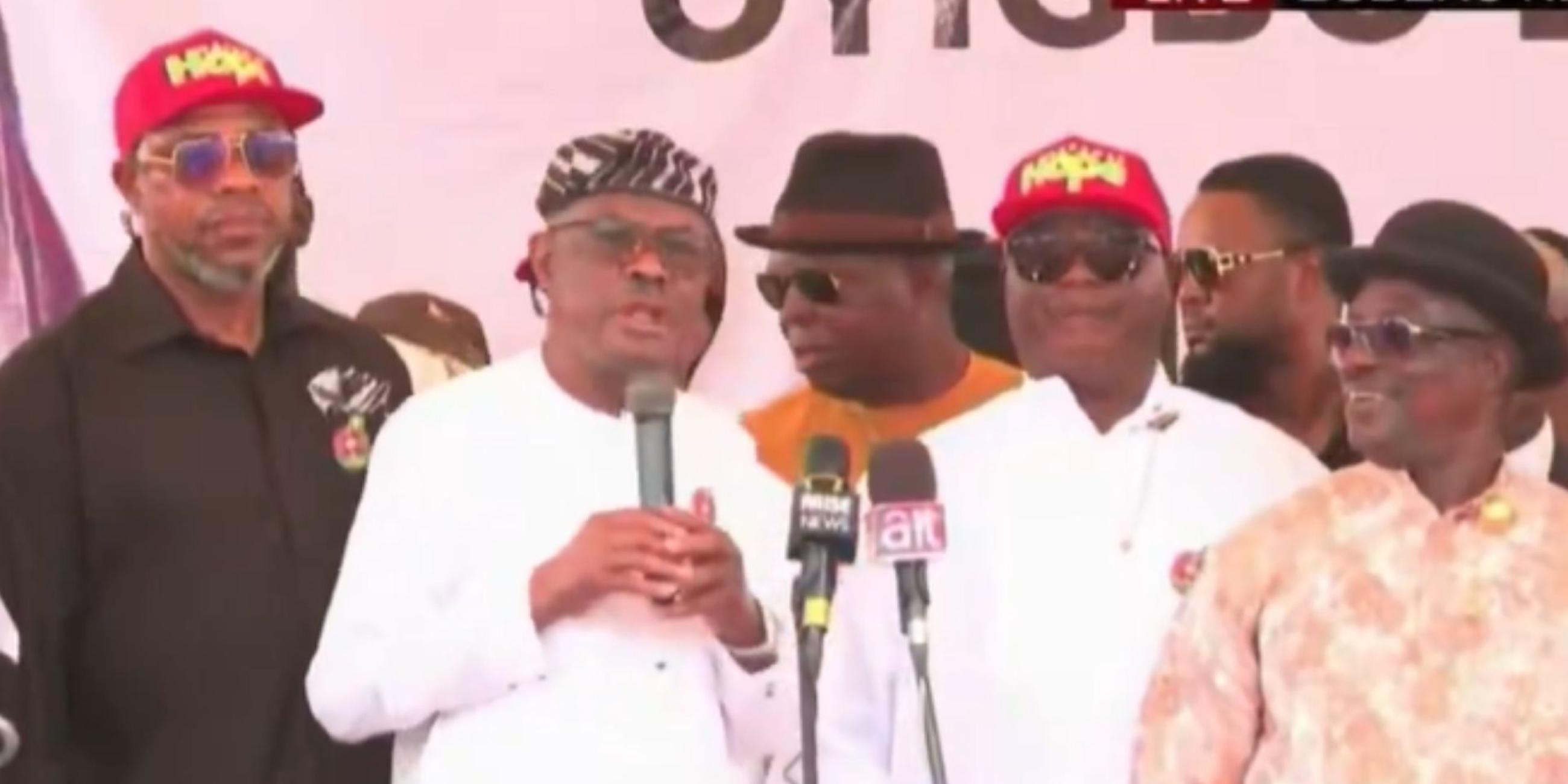
• Protesters Storm APC HQ, Demand Wike’s Ouster as FCT Minister…..


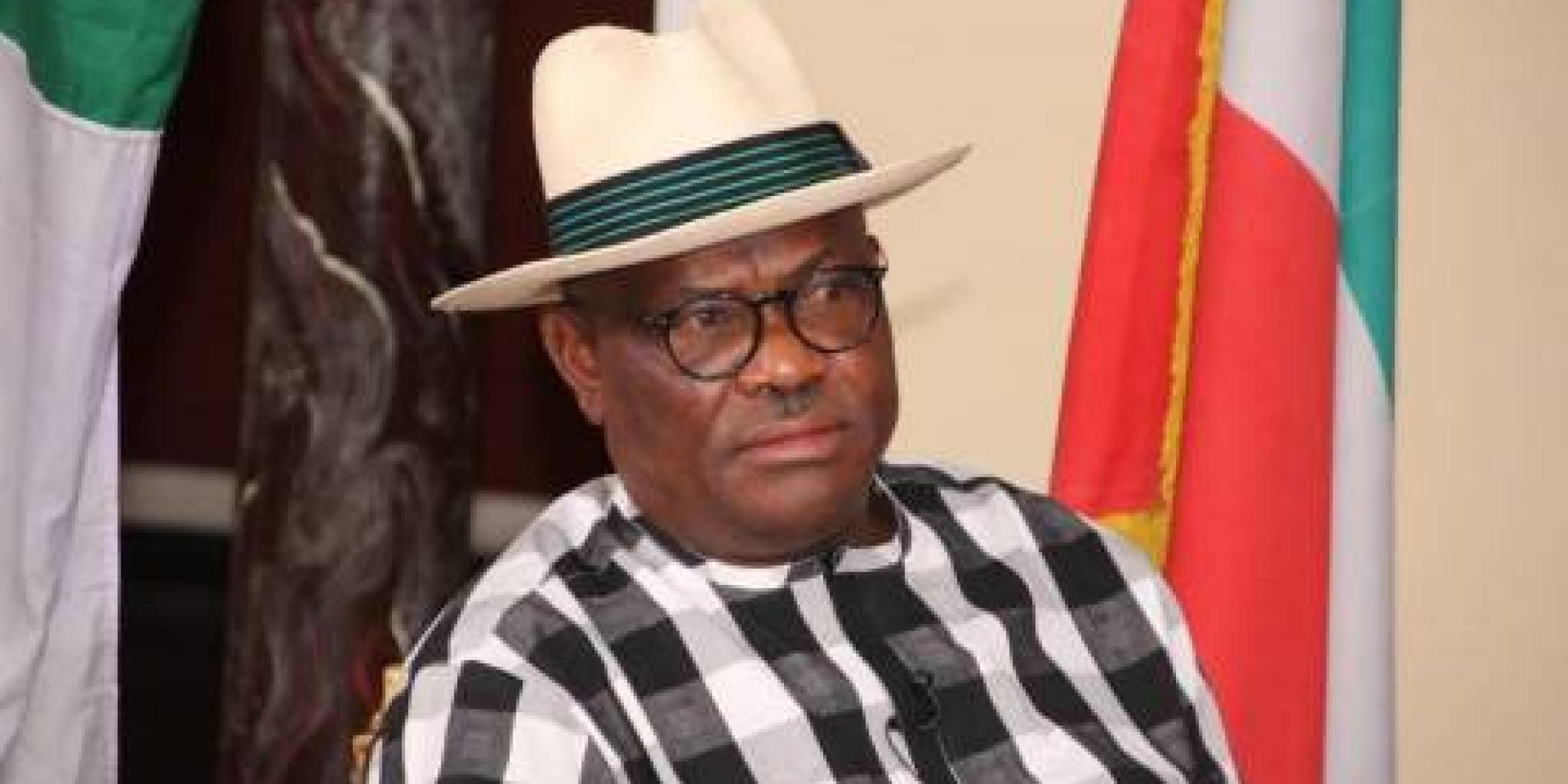
    Protesters on Thursday stormed the APC national headquarters in Abuja, calling for the immediate removal of Nyesom Wike from his position as Minister of the Federal Capital Territory (FCT). Demonstrators, carrying placards and chanting slogans, accused Wike of political overreach and escalating tensions across party lines. The protest highlights growing friction between the ruling APC and the opposition PDP, with Wike at the center of recent political controversies.
    Protesters Storm APC HQ, Demand Wike’s Ouster as FCT Minister….. Protesters on Thursday stormed the APC national headquarters in Abuja, calling for the immediate removal of Nyesom Wike from his position as Minister of the Federal Capital Territory (FCT). Demonstrators, carrying placards and chanting slogans, accused Wike of political overreach and escalating tensions across party lines. The protest highlights growing friction between the ruling APC and the opposition PDP, with Wike at the center of recent political controversies.
    love
    1
    · 0 Comments ·0 Shares ·446 Views
  • Fubara is APC Leader in Rivers — Wike Not a Member!

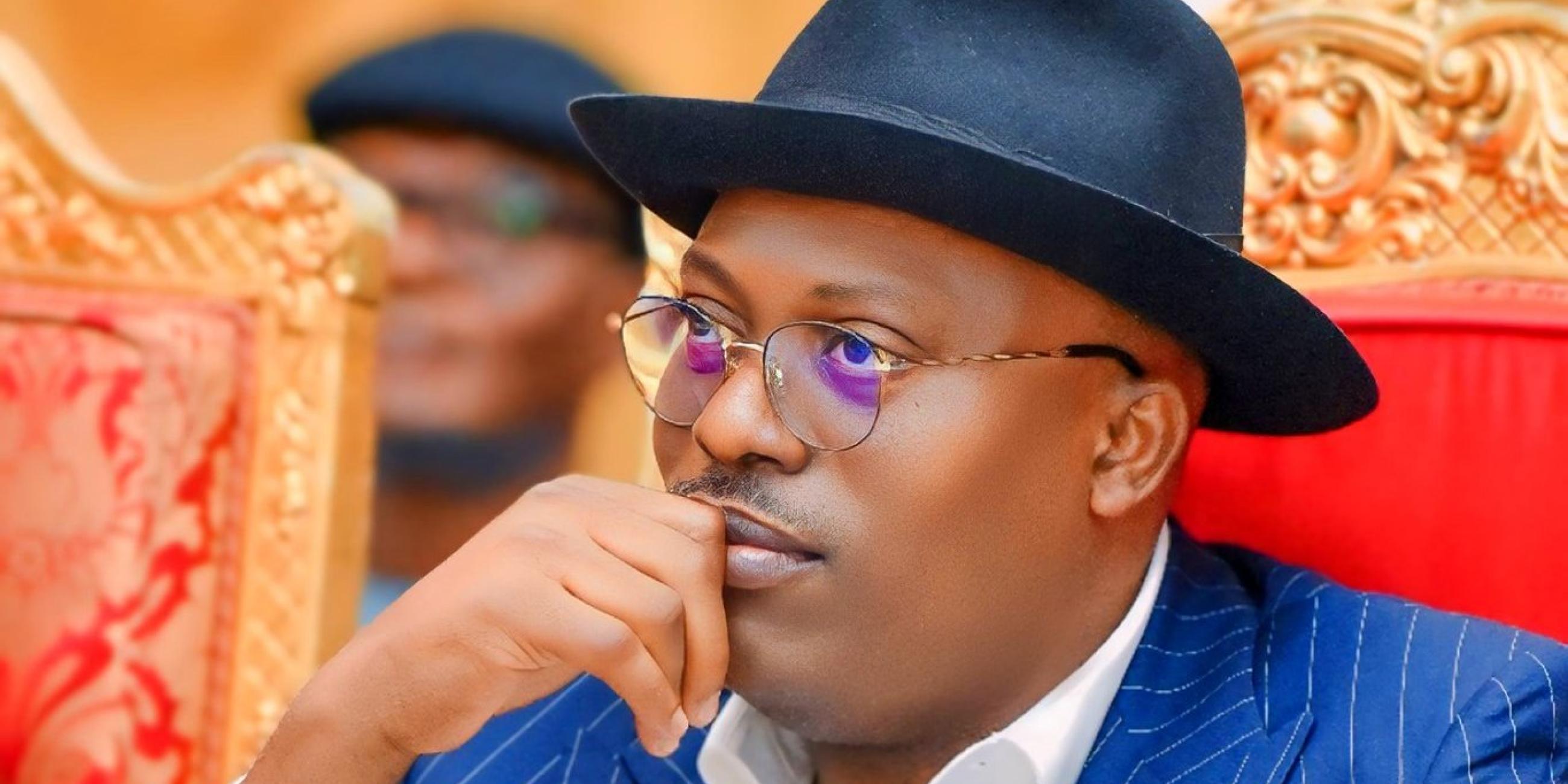
    Daniel Bwala, Special Adviser to President Tinubu, says Governor Siminalayi Fubara is the official APC leader in Rivers State. He stressed that ex-Governor Nyesom Wike, though influential in the PDP, has no authority in the ruling party.

    The battle for political influence in Rivers continues…
    🚨 Fubara is APC Leader in Rivers — Wike Not a Member! Daniel Bwala, Special Adviser to President Tinubu, says Governor Siminalayi Fubara is the official APC leader in Rivers State. He stressed that ex-Governor Nyesom Wike, though influential in the PDP, has no authority in the ruling party. The battle for political influence in Rivers continues… 💥
    love
    1
    · 0 Comments ·0 Shares ·492 Views
  • EXCLUSIVE: How 26 Pro-Wike Rivers Lawmakers Collected ₦350m Each For Projects Never Done

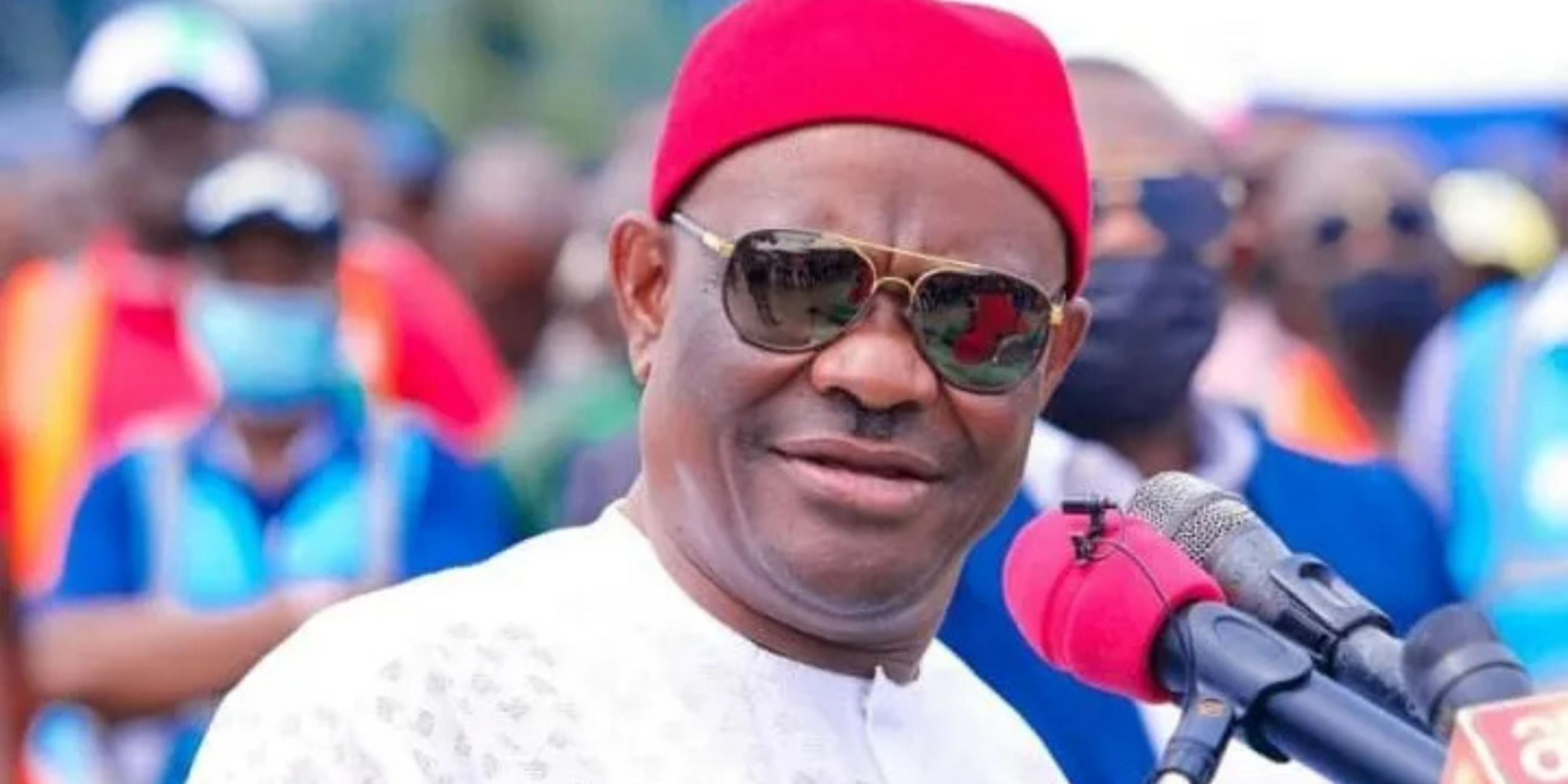
    At least 26 Rivers State lawmakers loyal to former governor and current FCT Minister, Nyesom Wike, reportedly received ₦350 million each for constituency projects that were never executed.

    Documents obtained by SaharaReporters show that the funds — totaling about ₦10.5 billion — were approved and released on September 12, 2025, during the period of emergency rule in Rivers State.

    Sources within the Rivers State Government House revealed that none of the projects were carried out in the affected constituencies. Investigations also found that many of the companies nominated to handle the projects were inactive, dormant, or suspected to be shell companies.

    The revelations have raised serious concerns over accountability and misuse of public funds in the state.

    #RiversPolitics #CorruptionAllegations #NigeriaNews #PublicFunds
    EXCLUSIVE: How 26 Pro-Wike Rivers Lawmakers Collected ₦350m Each For Projects Never Done At least 26 Rivers State lawmakers loyal to former governor and current FCT Minister, Nyesom Wike, reportedly received ₦350 million each for constituency projects that were never executed. Documents obtained by SaharaReporters show that the funds — totaling about ₦10.5 billion — were approved and released on September 12, 2025, during the period of emergency rule in Rivers State. Sources within the Rivers State Government House revealed that none of the projects were carried out in the affected constituencies. Investigations also found that many of the companies nominated to handle the projects were inactive, dormant, or suspected to be shell companies. The revelations have raised serious concerns over accountability and misuse of public funds in the state. #RiversPolitics #CorruptionAllegations #NigeriaNews #PublicFunds
    0 Comments ·0 Shares ·808 Views
  • SERAP Sues Nigerian Governors, Wike Over Billions in Unaccounted Security Votes

    The Socio-Economic Rights and Accountability Project (SERAP) has filed a lawsuit against Nigeria’s state governors and FCT Minister Nyesom Wike for failing to account for billions of naira spent as “security votes” since May 29, 2023. SERAP highlighted that despite over ₦400 billion allocated annually, insecurity persists, with some governors earmarking ₦140 billion in 2026 alone. The group seeks detailed disclosures on spending, project status, and plans to improve security infrastructure, warning that secrecy in security votes risks embezzlement and violates constitutional and human rights obligations.

    #SERAP #SecurityVotes #NigeriaCorruption #Accountability #NigerianGovernors
    SERAP Sues Nigerian Governors, Wike Over Billions in Unaccounted Security Votes The Socio-Economic Rights and Accountability Project (SERAP) has filed a lawsuit against Nigeria’s state governors and FCT Minister Nyesom Wike for failing to account for billions of naira spent as “security votes” since May 29, 2023. SERAP highlighted that despite over ₦400 billion allocated annually, insecurity persists, with some governors earmarking ₦140 billion in 2026 alone. The group seeks detailed disclosures on spending, project status, and plans to improve security infrastructure, warning that secrecy in security votes risks embezzlement and violates constitutional and human rights obligations. #SERAP #SecurityVotes #NigeriaCorruption #Accountability #NigerianGovernors
    love
    2
    · 0 Comments ·0 Shares ·681 Views
  • Nigerians have started talking as ADC candidate snubbed ex-VP Atiku Abubakar and Peter Obi, and sought the support of FCT Minister Nyesom Wike as the major election approaches. Details in the comment.
    Nigerians have started talking as ADC candidate snubbed ex-VP Atiku Abubakar and Peter Obi, and sought the support of FCT Minister Nyesom Wike as the major election approaches. Details in the comment.
    0 Comments ·0 Shares ·290 Views
  • Omo, gbe body oo! Former Rivers SSG, Tammy Danagogo, don ask police make dem shift him invitation. Na over alleged assassination plot against FCT Minister Nyesom Wike police wan question am. Letter from him lawyers talk say Danagogo dey out of town, so him no fit appear for January 15, dem beg make dem move am go January 26. Police dey investigate leaked audio wey dey link am with plan to hire Israeli people to kill Wike, plus approach Governor Fubara for funding. Meanwhile, Port Harcourt pastor, Dr. Tombari Gbeneol, don dey two weeks detention as police continue investigation. Police confirm say suspect dey custody, matter still dey under investigation.

    Omo, gbe body oo! Former Rivers SSG, Tammy Danagogo, don ask police make dem shift him invitation. Na over alleged assassination plot against FCT Minister Nyesom Wike police wan question am. Letter from him lawyers talk say Danagogo dey out of town, so him no fit appear for January 15, dem beg make dem move am go January 26. Police dey investigate leaked audio wey dey link am with plan to hire Israeli people to kill Wike, plus approach Governor Fubara for funding. Meanwhile, Port Harcourt pastor, Dr. Tombari Gbeneol, don dey two weeks detention as police continue investigation. Police confirm say suspect dey custody, matter still dey under investigation.
    love
    1
    · 0 Comments ·0 Shares ·424 Views
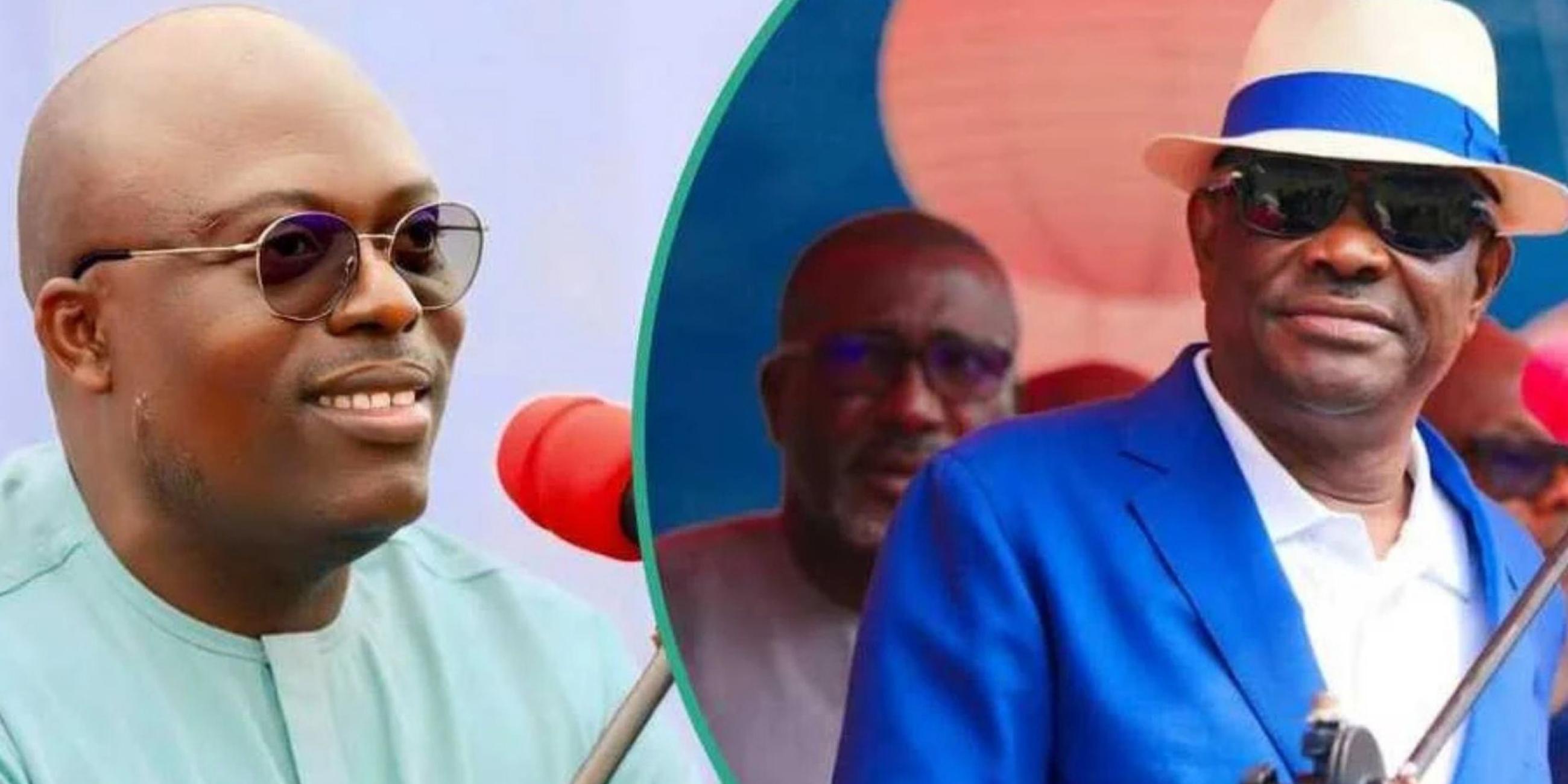
  • Wahala Don Set Oo! PANDEF Steps In As Wike, Fubara Political Fight Rock Rivers State

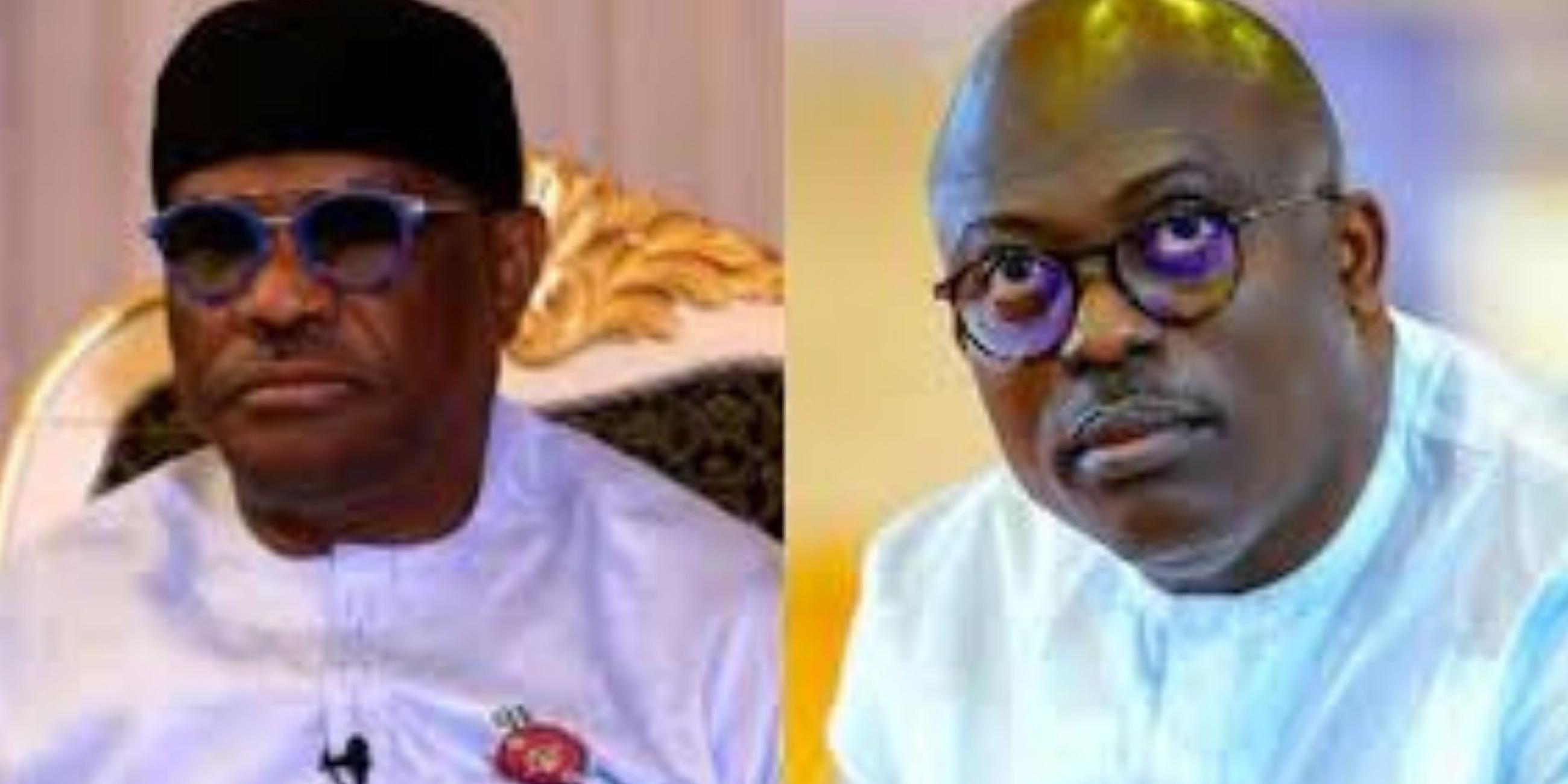
    Wahala don happen for Rivers State as the Pan Niger Delta Forum (PANDEF) has set up a seven-man peace committee to resolve the deepening political crisis between Governor Siminalayi Fubara and the Minister of the FCT, Nyesom Wike. The group has given the committee two weeks to restore calm and stability in the state. Chaired by former Attorney-General of the Federation, Kanu Agabi (SAN), the panel is tasked with de-escalating tensions between the executive and the Rivers State House of Assembly and encouraging dialogue among key stakeholders. PANDEF Chairman, Godknows Igali, urged both Fubara and Wike to respect the outcome of the reconciliation process. The committee will engage political leaders, traditional rulers and former governors before submitting a report within 14 days. Meanwhile, two lawmakers have withdrawn support for the impeachment move against the governor, calling for a political solution instead of removal from office.


    Wahala Don Set Oo! PANDEF Steps In As Wike, Fubara Political Fight Rock Rivers State Wahala don happen for Rivers State as the Pan Niger Delta Forum (PANDEF) has set up a seven-man peace committee to resolve the deepening political crisis between Governor Siminalayi Fubara and the Minister of the FCT, Nyesom Wike. The group has given the committee two weeks to restore calm and stability in the state. Chaired by former Attorney-General of the Federation, Kanu Agabi (SAN), the panel is tasked with de-escalating tensions between the executive and the Rivers State House of Assembly and encouraging dialogue among key stakeholders. PANDEF Chairman, Godknows Igali, urged both Fubara and Wike to respect the outcome of the reconciliation process. The committee will engage political leaders, traditional rulers and former governors before submitting a report within 14 days. Meanwhile, two lawmakers have withdrawn support for the impeachment move against the governor, calling for a political solution instead of removal from office.
    0 Comments ·0 Shares ·591 Views
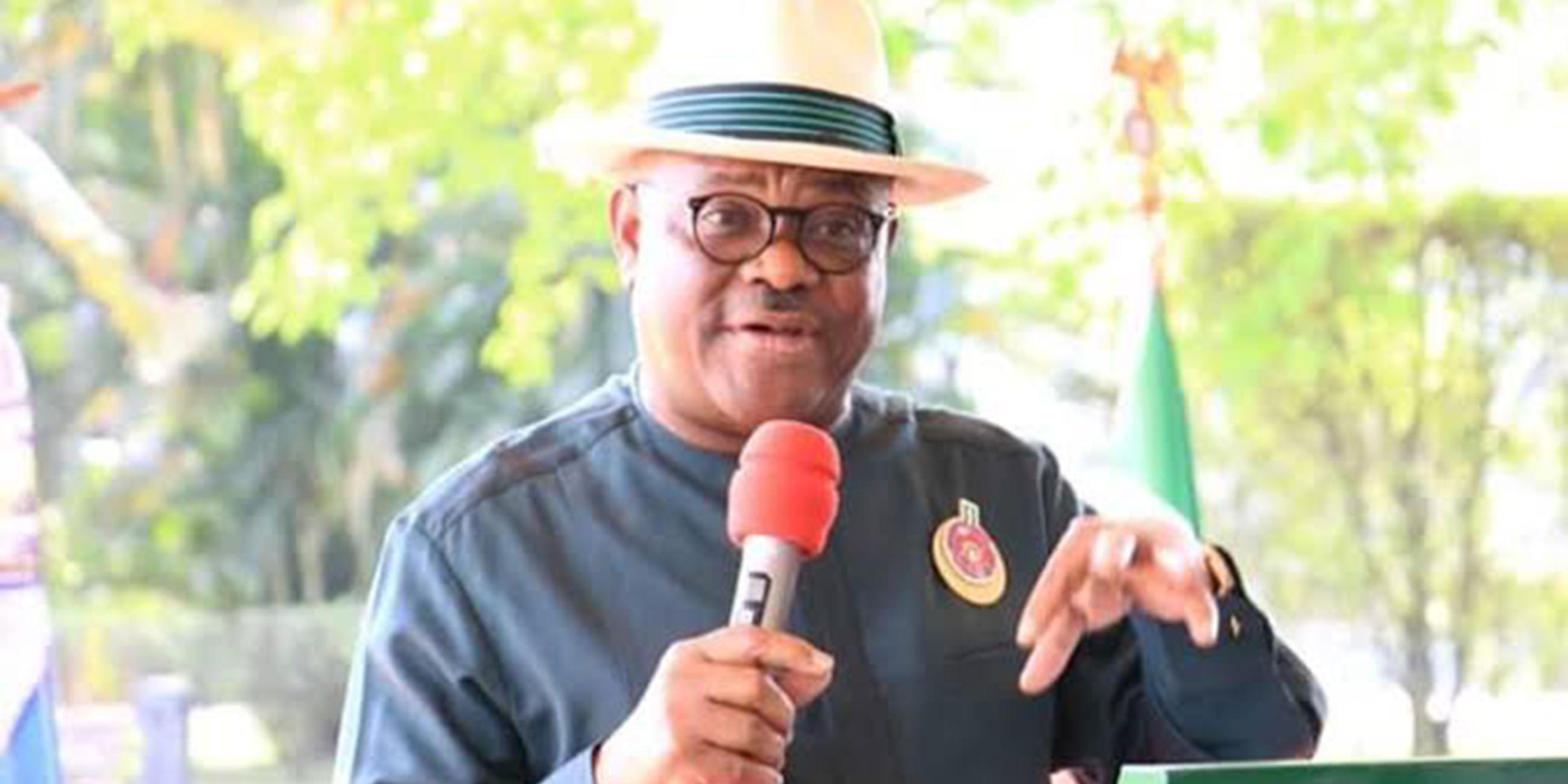
  • Can Anyone Really Push Wike Out of Rivers Politics? FCT Minister Boasts of Unshakable Control, Defies Rivals, and Says Only His Camp Truly Delivered Tinubu’s 2023 Victory

    Is Nyesom Wike still the most powerful political force in Rivers State, and can any group truly challenge his grip on the state’s politics? The Federal Capital Territory (FCT) Minister has answered that question with confidence, declaring that no political camp can push him or his loyalists out of Rivers State, despite threats, attacks, and growing opposition since the 2023 general elections.

    Speaking during a visit to the Port Harcourt City Local Government Area Secretariat, where he met party leaders, traditional rulers, women, and youth groups, Wike insisted that his political structure remains intact and battle-tested. “Nobody in this state can push us out. We have led this war since 2023 and we have never reneged,” he said, adding that his supporters had stood firm in the face of intense pressure.

    The former Rivers governor explained that his ongoing tour of the state’s 23 local government areas was both a show of appreciation to his supporters and a rallying call to maintain backing for President Bola Ahmed Tinubu ahead of the 2027 elections. According to Wike, Rivers State remains one of the President’s most dependable strongholds.

    “If there is one state the President knows he can go home and sleep with his two eyes closed, it is Rivers State,” he declared, arguing that his political camp paid the price for its early and unwavering commitment to Tinubu’s Renewed Hope agenda.

    Wike also fired back at politicians he accused of opportunism, claiming that those who failed to support Tinubu in 2023 are now attempting to take over the Renewed Hope movement. He dismissed such efforts as dishonest and bound to fail. Using a vivid metaphor, he said they were like people who contributed nothing to a meal but suddenly wanted to eat first once the food was ready.

    Describing Port Harcourt as a politically complex, cosmopolitan city, Wike said electoral victories there are particularly difficult, making any success significant. He further claimed that Rivers State is unique in its ability to bring leaders of the two major political parties together to work as a team—a strategy he said was central to Tinubu’s victory.

    “This is the only state where you can see the leadership of two major political parties working as a team,” he said, urging other states to emulate Rivers rather than resent it.

    While projecting strength, Wike also called for unity, humility, and responsive leadership within the state. “Leadership is not a birthright,” he warned, adding that good leaders must listen to the people and be willing to change when advised. He concluded by praising the Port Harcourt City council leadership for its cooperation and urged sustained unity to drive development.

    His bold remarks raise key political questions: Is Wike’s dominance in Rivers truly unbreakable? Are his rivals capable of mounting a serious challenge? And will Rivers remain a decisive power base for Tinubu as the 2027 elections approach?

    Can Anyone Really Push Wike Out of Rivers Politics? FCT Minister Boasts of Unshakable Control, Defies Rivals, and Says Only His Camp Truly Delivered Tinubu’s 2023 Victory Is Nyesom Wike still the most powerful political force in Rivers State, and can any group truly challenge his grip on the state’s politics? The Federal Capital Territory (FCT) Minister has answered that question with confidence, declaring that no political camp can push him or his loyalists out of Rivers State, despite threats, attacks, and growing opposition since the 2023 general elections. Speaking during a visit to the Port Harcourt City Local Government Area Secretariat, where he met party leaders, traditional rulers, women, and youth groups, Wike insisted that his political structure remains intact and battle-tested. “Nobody in this state can push us out. We have led this war since 2023 and we have never reneged,” he said, adding that his supporters had stood firm in the face of intense pressure. The former Rivers governor explained that his ongoing tour of the state’s 23 local government areas was both a show of appreciation to his supporters and a rallying call to maintain backing for President Bola Ahmed Tinubu ahead of the 2027 elections. According to Wike, Rivers State remains one of the President’s most dependable strongholds. “If there is one state the President knows he can go home and sleep with his two eyes closed, it is Rivers State,” he declared, arguing that his political camp paid the price for its early and unwavering commitment to Tinubu’s Renewed Hope agenda. Wike also fired back at politicians he accused of opportunism, claiming that those who failed to support Tinubu in 2023 are now attempting to take over the Renewed Hope movement. He dismissed such efforts as dishonest and bound to fail. Using a vivid metaphor, he said they were like people who contributed nothing to a meal but suddenly wanted to eat first once the food was ready. Describing Port Harcourt as a politically complex, cosmopolitan city, Wike said electoral victories there are particularly difficult, making any success significant. He further claimed that Rivers State is unique in its ability to bring leaders of the two major political parties together to work as a team—a strategy he said was central to Tinubu’s victory. “This is the only state where you can see the leadership of two major political parties working as a team,” he said, urging other states to emulate Rivers rather than resent it. While projecting strength, Wike also called for unity, humility, and responsive leadership within the state. “Leadership is not a birthright,” he warned, adding that good leaders must listen to the people and be willing to change when advised. He concluded by praising the Port Harcourt City council leadership for its cooperation and urged sustained unity to drive development. His bold remarks raise key political questions: Is Wike’s dominance in Rivers truly unbreakable? Are his rivals capable of mounting a serious challenge? And will Rivers remain a decisive power base for Tinubu as the 2027 elections approach?
    0 Comments ·0 Shares ·1K Views
  • Is Democracy Under Threat in Rivers State? Pro-Democracy Group NDF Demands Recall of Lawmakers Over Impeachment Move Against Governor Fubara

    Is the impeachment attempt against Rivers State Governor Siminalayi Fubara a genuine constitutional process—or a politically driven effort that could destabilize the state? The Nigeria Democratic Front (NDF) has strongly condemned the move by some members of the Rivers State House of Assembly to impeach the governor and his deputy, describing it as anti-democratic, self-serving, and dangerous to political stability.

    In a statement signed by its National Coordinator, Ikenna Ellis-Ezenekwe, the pro-democracy group accused the lawmakers behind the impeachment proceedings of abandoning the interests of their constituents in favour of what it called personal political loyalty to the Minister of the Federal Capital Territory (FCT), Nyesom Wike. According to the NDF, the action represents a “shameful display of political thuggery” rather than a lawful attempt to uphold accountability.

    The group went further to call on political stakeholders within Rivers State and the All Progressives Congress (APC) to initiate a recall process against the lawmakers involved, arguing that their conduct shows they no longer represent the will of the people. “Their action clearly shows that they no longer represent their constituents but their political paymaster,” the statement declared.

    The NDF also alleged that the impeachment move is part of a broader attempt to plunge the oil-rich state into prolonged political instability for personal and factional gain. It urged residents of Rivers State to resist what it described as the politics of godfatherism, greed, and elite control, insisting that such practices undermine democratic governance and development.

    Expressing firm support for Governor Fubara, the group called on him to remain resolute and unyielding in the face of political pressure, asserting that the governor enjoys widespread public backing. “Rivers State is ready for people-oriented development, not Wike-oriented destruction,” the NDF said, maintaining that the current administration should not be intimidated by forces seeking to derail governance through legislative conflict.

    In a direct appeal to the federal government, the group urged President Bola Ahmed Tinubu to intervene by calling the FCT minister to order, warning that failure to do so could deepen political tensions and erode democratic stability in the state.

    As of the time of reporting, neither the Rivers State House of Assembly nor the FCT Minister, Nyesom Wike, had responded to the allegations.

    The unfolding crisis raises pressing questions: Is the impeachment move truly about accountability or about political control? Will Rivers lawmakers face recall from their constituents? And can democratic institutions withstand the growing influence of political godfatherism in Nigeria’s state politics?

    Is Democracy Under Threat in Rivers State? Pro-Democracy Group NDF Demands Recall of Lawmakers Over Impeachment Move Against Governor Fubara Is the impeachment attempt against Rivers State Governor Siminalayi Fubara a genuine constitutional process—or a politically driven effort that could destabilize the state? The Nigeria Democratic Front (NDF) has strongly condemned the move by some members of the Rivers State House of Assembly to impeach the governor and his deputy, describing it as anti-democratic, self-serving, and dangerous to political stability. In a statement signed by its National Coordinator, Ikenna Ellis-Ezenekwe, the pro-democracy group accused the lawmakers behind the impeachment proceedings of abandoning the interests of their constituents in favour of what it called personal political loyalty to the Minister of the Federal Capital Territory (FCT), Nyesom Wike. According to the NDF, the action represents a “shameful display of political thuggery” rather than a lawful attempt to uphold accountability. The group went further to call on political stakeholders within Rivers State and the All Progressives Congress (APC) to initiate a recall process against the lawmakers involved, arguing that their conduct shows they no longer represent the will of the people. “Their action clearly shows that they no longer represent their constituents but their political paymaster,” the statement declared. The NDF also alleged that the impeachment move is part of a broader attempt to plunge the oil-rich state into prolonged political instability for personal and factional gain. It urged residents of Rivers State to resist what it described as the politics of godfatherism, greed, and elite control, insisting that such practices undermine democratic governance and development. Expressing firm support for Governor Fubara, the group called on him to remain resolute and unyielding in the face of political pressure, asserting that the governor enjoys widespread public backing. “Rivers State is ready for people-oriented development, not Wike-oriented destruction,” the NDF said, maintaining that the current administration should not be intimidated by forces seeking to derail governance through legislative conflict. In a direct appeal to the federal government, the group urged President Bola Ahmed Tinubu to intervene by calling the FCT minister to order, warning that failure to do so could deepen political tensions and erode democratic stability in the state. As of the time of reporting, neither the Rivers State House of Assembly nor the FCT Minister, Nyesom Wike, had responded to the allegations. The unfolding crisis raises pressing questions: Is the impeachment move truly about accountability or about political control? Will Rivers lawmakers face recall from their constituents? And can democratic institutions withstand the growing influence of political godfatherism in Nigeria’s state politics?
    0 Comments ·0 Shares ·1K Views
  • Is Nyesom Wike Undermining APC from Inside Government? Why Rivers APC Leaders Are Urging Tinubu to Sanction the FCT Minister Over ‘Anti-Party’ Activities

    Why would leaders of the ruling All Progressives Congress (APC) publicly demand the removal of a sitting minister appointed by their own government? And is Nigeria witnessing one of the most serious internal party confrontations since the 2023 elections?

    A coalition of APC leaders has formally asked President Bola Tinubu to sanction or remove the Minister of the Federal Capital Territory (FCT), Nyesom Wike, accusing him of repeated anti-party conduct and statements that allegedly threaten national unity. The demand was conveyed in a memo addressed to the President through the APC National Chairman, Prof. Nentawe Yilwatda, and was accompanied by plans for a protest at the party’s national secretariat in Abuja.

    The signatories—including party chieftains and youth leaders—say their action was prompted by growing concern that Wike, a former Rivers State governor and still a member of the opposition Peoples Democratic Party (PDP), has consistently attacked APC leadership while serving in an APC-led federal government. Could a minister appointed from outside the ruling party be working at cross-purposes with the party that empowered him?

    At the heart of the dispute are comments allegedly made by Wike during a “thank-you tour” in Oyigbo, Rivers State, where he was said to have criticised the APC National Secretary, Senator Ajibola Basiru, accusing him of meddling in state politics for personal reasons and warning that those who interfere would “get their fingers burnt.” APC leaders argue that such remarks amount to direct disrespect for the party’s National Working Committee and an attempt by Wike to exert influence in Rivers State despite not being a registered APC member.

    The coalition further alleges that Wike has been undermining the APC-led government in Rivers State through persistent public attacks on Governor Siminalayi Fubara, reportedly calling his emergence a “mistake” and suggesting that the situation should be corrected in the 2027 elections. Are these political opinions—or a calculated strategy to weaken APC’s hold on Rivers State from within?

    Beyond party politics, the memo raises alarms over what it describes as “dangerous and inflammatory” statements, including claims attributed to Wike that “nobody can enter Rivers State.” The APC leaders warn that portraying any part of Nigeria as a “no-go area” challenges federal authority, risks reviving tensions in the Niger Delta, and could undermine the President’s constitutional role as Commander-in-Chief. Could such rhetoric threaten national cohesion at a time when unity remains fragile?

    The group insists that failure to act against the FCT Minister may deepen internal divisions, erode party discipline, and weaken APC’s electoral prospects in Rivers State. They have vowed to escalate their protests nationwide if their demand is ignored.

    Is this a necessary stand to defend party supremacy and national unity—or a dramatic political showdown that exposes deeper fractures within Nigeria’s ruling party? As the standoff unfolds, all eyes remain on President Tinubu and whether he will heed the call to sanction one of the most powerful political figures in the country.


    Is Nyesom Wike Undermining APC from Inside Government? Why Rivers APC Leaders Are Urging Tinubu to Sanction the FCT Minister Over ‘Anti-Party’ Activities Why would leaders of the ruling All Progressives Congress (APC) publicly demand the removal of a sitting minister appointed by their own government? And is Nigeria witnessing one of the most serious internal party confrontations since the 2023 elections? A coalition of APC leaders has formally asked President Bola Tinubu to sanction or remove the Minister of the Federal Capital Territory (FCT), Nyesom Wike, accusing him of repeated anti-party conduct and statements that allegedly threaten national unity. The demand was conveyed in a memo addressed to the President through the APC National Chairman, Prof. Nentawe Yilwatda, and was accompanied by plans for a protest at the party’s national secretariat in Abuja. The signatories—including party chieftains and youth leaders—say their action was prompted by growing concern that Wike, a former Rivers State governor and still a member of the opposition Peoples Democratic Party (PDP), has consistently attacked APC leadership while serving in an APC-led federal government. Could a minister appointed from outside the ruling party be working at cross-purposes with the party that empowered him? At the heart of the dispute are comments allegedly made by Wike during a “thank-you tour” in Oyigbo, Rivers State, where he was said to have criticised the APC National Secretary, Senator Ajibola Basiru, accusing him of meddling in state politics for personal reasons and warning that those who interfere would “get their fingers burnt.” APC leaders argue that such remarks amount to direct disrespect for the party’s National Working Committee and an attempt by Wike to exert influence in Rivers State despite not being a registered APC member. The coalition further alleges that Wike has been undermining the APC-led government in Rivers State through persistent public attacks on Governor Siminalayi Fubara, reportedly calling his emergence a “mistake” and suggesting that the situation should be corrected in the 2027 elections. Are these political opinions—or a calculated strategy to weaken APC’s hold on Rivers State from within? Beyond party politics, the memo raises alarms over what it describes as “dangerous and inflammatory” statements, including claims attributed to Wike that “nobody can enter Rivers State.” The APC leaders warn that portraying any part of Nigeria as a “no-go area” challenges federal authority, risks reviving tensions in the Niger Delta, and could undermine the President’s constitutional role as Commander-in-Chief. Could such rhetoric threaten national cohesion at a time when unity remains fragile? The group insists that failure to act against the FCT Minister may deepen internal divisions, erode party discipline, and weaken APC’s electoral prospects in Rivers State. They have vowed to escalate their protests nationwide if their demand is ignored. Is this a necessary stand to defend party supremacy and national unity—or a dramatic political showdown that exposes deeper fractures within Nigeria’s ruling party? As the standoff unfolds, all eyes remain on President Tinubu and whether he will heed the call to sanction one of the most powerful political figures in the country.
    0 Comments ·0 Shares ·1K Views
  • Rivers APC Rejects Impeachment of Governor Fubara Amid Political Crisis and PDP Pressure

    The All Progressives Congress (APC) in Rivers State has formally rejected ongoing impeachment moves against Governor Siminalayi Fubara and Deputy Governor Ngozi Oduh, warning that such action could destabilize the state and tarnish the party’s image. The impeachment effort, reportedly signed by 26 lawmakers, alleges gross misconduct by the state executive.

    In a statement, the Rivers APC acknowledged the legislature’s constitutional independence but stressed that it cannot support removing a governor elected on its platform. The party linked the impeachment threat to internal disputes within the Peoples Democratic Party (PDP) and cautioned against external pressures influencing APC lawmakers.

    The APC also addressed claims that the move was related to budgetary issues, highlighting that the ₦1.485 trillion budget for 2025–2026 had been approved and that the governor has constitutional leeway in its execution. The party urged lawmakers to discontinue the impeachment process to preserve governance, democracy, and political stability in Rivers State.

    The political tension follows a lingering rift between Governor Fubara and his predecessor, Nyesom Wike, which continues to polarize the state’s political landscape. APC officials have emphasized that leadership positions are tied to current officeholders, underscoring the party’s commitment to defending its elected executives and maintaining internal cohesion.

    This development adds to the ongoing narrative of political turbulence in Nigerian states, highlighting party loyalty, legislative tensions, and the complexities of state governance under partisan pressures.

    Rivers APC Rejects Impeachment of Governor Fubara Amid Political Crisis and PDP Pressure The All Progressives Congress (APC) in Rivers State has formally rejected ongoing impeachment moves against Governor Siminalayi Fubara and Deputy Governor Ngozi Oduh, warning that such action could destabilize the state and tarnish the party’s image. The impeachment effort, reportedly signed by 26 lawmakers, alleges gross misconduct by the state executive. In a statement, the Rivers APC acknowledged the legislature’s constitutional independence but stressed that it cannot support removing a governor elected on its platform. The party linked the impeachment threat to internal disputes within the Peoples Democratic Party (PDP) and cautioned against external pressures influencing APC lawmakers. The APC also addressed claims that the move was related to budgetary issues, highlighting that the ₦1.485 trillion budget for 2025–2026 had been approved and that the governor has constitutional leeway in its execution. The party urged lawmakers to discontinue the impeachment process to preserve governance, democracy, and political stability in Rivers State. The political tension follows a lingering rift between Governor Fubara and his predecessor, Nyesom Wike, which continues to polarize the state’s political landscape. APC officials have emphasized that leadership positions are tied to current officeholders, underscoring the party’s commitment to defending its elected executives and maintaining internal cohesion. This development adds to the ongoing narrative of political turbulence in Nigerian states, highlighting party loyalty, legislative tensions, and the complexities of state governance under partisan pressures.
    0 Comments ·0 Shares ·689 Views
  • Did Wike Admit Using the Judiciary for APC’s Political Battles? Why the FCT Minister Says He Helped Kill Osun’s LG Funds Case—and What It Means for Democracy in Nigeria

    Nigeria’s political space was thrown into controversy after Minister of the Federal Capital Territory (FCT), Nyesom Wike, openly claimed that he helped influential figures within the ruling All Progressives Congress (APC) use the judiciary to frustrate the Osun State local government funds lawsuit. Speaking in a video circulating online, Wike boasted that the court actions that led to the withholding of Osun’s local government allocations were not accidental but carefully engineered by powerful political actors working behind the scenes.

    Addressing a crowd in Port Harcourt, the former Rivers State governor accused APC National Secretary, Senator Ajibola Basiru, of enjoying the political benefits of judicial decisions against the Osun State Government without acknowledging those who made them possible. According to Wike, the lawsuit—widely viewed as targeting Governor Ademola Adeleke’s administration—was part of a broader political strategy rather than a purely legal process.

    Wike warned APC leaders against what he described as ingratitude, insisting that their current advantage in Osun was the result of unseen political manoeuvres. “Today, you are enjoying in Osun. You don’t know those who did the work,” he said, cautioning party leaders not to “take our support for Mr President for granted.” His remarks appeared to be a direct response to Basiru’s criticism of his involvement in Rivers State politics.

    The political clash follows Basiru’s demand that Wike resign as FCT minister, arguing that he is not a member of the APC and therefore has no standing to interfere in the party’s internal affairs. Basiru maintained that his comments were aimed at defending party structure and respecting sitting governors, adding that Wike’s response was inappropriate for a member of the Federal Executive Council.

    The controversy also reopens debate surrounding the Supreme Court’s December 2025 ruling on the Osun local government funds dispute. While the Court faulted the Federal Government for withholding funds, it also ruled that the Osun Attorney General lacked the authority to sue on behalf of the local councils without proper authorisation. A minority judgment, however, criticised the Federal Government’s action as harmful to local governance.

    Wike’s admission has triggered intense reactions across political and civil society circles, raising troubling questions about judicial independence, political influence over court processes, and the weaponisation of legal institutions for partisan gain. If court outcomes can be “worked out” through political connections, critics ask, what does this mean for democracy, federalism, and the rule of law in Nigeria?

    As tensions escalate between Wike and APC leadership, the episode underscores a deeper struggle over power, loyalty, and accountability within Nigeria’s political system—one that could reshape party alliances, governance in Osun and Rivers States, and public trust in the judiciary.


    Did Wike Admit Using the Judiciary for APC’s Political Battles? Why the FCT Minister Says He Helped Kill Osun’s LG Funds Case—and What It Means for Democracy in Nigeria Nigeria’s political space was thrown into controversy after Minister of the Federal Capital Territory (FCT), Nyesom Wike, openly claimed that he helped influential figures within the ruling All Progressives Congress (APC) use the judiciary to frustrate the Osun State local government funds lawsuit. Speaking in a video circulating online, Wike boasted that the court actions that led to the withholding of Osun’s local government allocations were not accidental but carefully engineered by powerful political actors working behind the scenes. Addressing a crowd in Port Harcourt, the former Rivers State governor accused APC National Secretary, Senator Ajibola Basiru, of enjoying the political benefits of judicial decisions against the Osun State Government without acknowledging those who made them possible. According to Wike, the lawsuit—widely viewed as targeting Governor Ademola Adeleke’s administration—was part of a broader political strategy rather than a purely legal process. Wike warned APC leaders against what he described as ingratitude, insisting that their current advantage in Osun was the result of unseen political manoeuvres. “Today, you are enjoying in Osun. You don’t know those who did the work,” he said, cautioning party leaders not to “take our support for Mr President for granted.” His remarks appeared to be a direct response to Basiru’s criticism of his involvement in Rivers State politics. The political clash follows Basiru’s demand that Wike resign as FCT minister, arguing that he is not a member of the APC and therefore has no standing to interfere in the party’s internal affairs. Basiru maintained that his comments were aimed at defending party structure and respecting sitting governors, adding that Wike’s response was inappropriate for a member of the Federal Executive Council. The controversy also reopens debate surrounding the Supreme Court’s December 2025 ruling on the Osun local government funds dispute. While the Court faulted the Federal Government for withholding funds, it also ruled that the Osun Attorney General lacked the authority to sue on behalf of the local councils without proper authorisation. A minority judgment, however, criticised the Federal Government’s action as harmful to local governance. Wike’s admission has triggered intense reactions across political and civil society circles, raising troubling questions about judicial independence, political influence over court processes, and the weaponisation of legal institutions for partisan gain. If court outcomes can be “worked out” through political connections, critics ask, what does this mean for democracy, federalism, and the rule of law in Nigeria? As tensions escalate between Wike and APC leadership, the episode underscores a deeper struggle over power, loyalty, and accountability within Nigeria’s political system—one that could reshape party alliances, governance in Osun and Rivers States, and public trust in the judiciary.
    0 Comments ·0 Shares ·768 Views
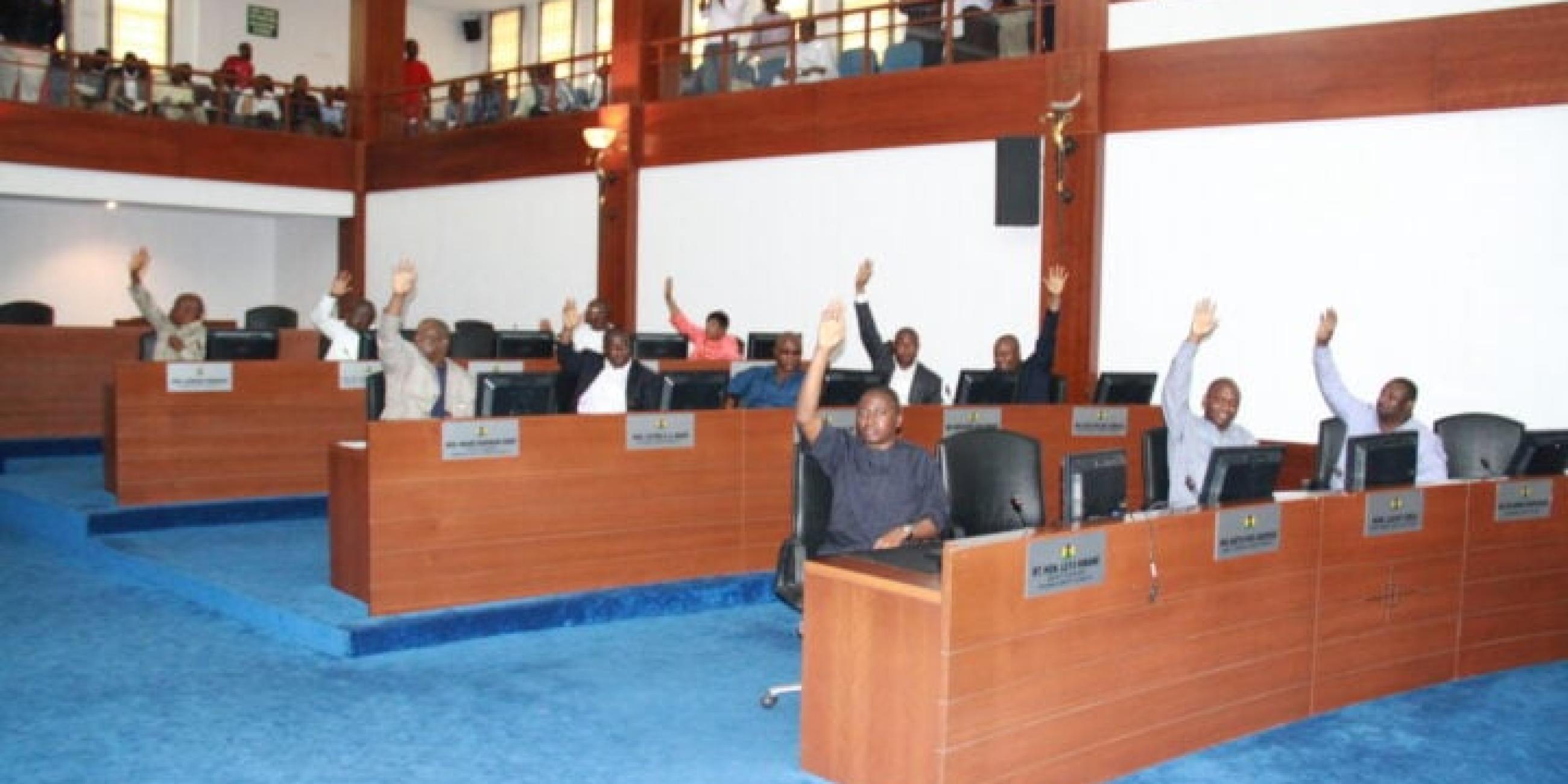
  • Rivers State House of Assembly Initiates Impeachment Proceedings Against Governor Fubara Amid Rift With Wike

    The political landscape in Rivers State has taken a dramatic turn as the Rivers State House of Assembly formally began impeachment proceedings against Governor Siminalayi Fubara and his deputy, Ngozi Oduh. During a plenary session presided over by Speaker Martins Amaewhule, the Majority Leader, Major Jack, read a notice detailing allegations and claims of gross misconduct against Governor Fubara.

    A total of 26 lawmakers reportedly signed the notice, which they claim aligns with provisions of the Nigerian Constitution. The Speaker announced that the notice would be formally served to Governor Fubara within seven days, in line with legislative procedures. Similarly, Deputy Governor Oduh faces a separate notice read by Deputy Majority Leader Linda Stewart.

    The impeachment proceedings occur against the backdrop of a long-standing political rift between Governor Fubara and his predecessor and political mentor, Nyesom Wike, which continues to polarize Rivers State’s political structure. The All Progressives Congress (APC) emphasized that Wike’s potential involvement in the party would not override Fubara’s current office and leadership, underscoring the link between political roles and office-holding.

    The ongoing crisis highlights the tensions within the state’s political elite, raising questions about governance, party dynamics, and the stability of Rivers State’s administration. The situation remains fluid as the assembly moves forward with the impeachment process, which could significantly impact the state’s political alignment and future leadership.
    Rivers State House of Assembly Initiates Impeachment Proceedings Against Governor Fubara Amid Rift With Wike The political landscape in Rivers State has taken a dramatic turn as the Rivers State House of Assembly formally began impeachment proceedings against Governor Siminalayi Fubara and his deputy, Ngozi Oduh. During a plenary session presided over by Speaker Martins Amaewhule, the Majority Leader, Major Jack, read a notice detailing allegations and claims of gross misconduct against Governor Fubara. A total of 26 lawmakers reportedly signed the notice, which they claim aligns with provisions of the Nigerian Constitution. The Speaker announced that the notice would be formally served to Governor Fubara within seven days, in line with legislative procedures. Similarly, Deputy Governor Oduh faces a separate notice read by Deputy Majority Leader Linda Stewart. The impeachment proceedings occur against the backdrop of a long-standing political rift between Governor Fubara and his predecessor and political mentor, Nyesom Wike, which continues to polarize Rivers State’s political structure. The All Progressives Congress (APC) emphasized that Wike’s potential involvement in the party would not override Fubara’s current office and leadership, underscoring the link between political roles and office-holding. The ongoing crisis highlights the tensions within the state’s political elite, raising questions about governance, party dynamics, and the stability of Rivers State’s administration. The situation remains fluid as the assembly moves forward with the impeachment process, which could significantly impact the state’s political alignment and future leadership.
    0 Comments ·0 Shares ·529 Views
  • Will Wike Have to Bow to Fubara in APC? Why the Party Says the FCT Minister Must Follow Rivers Governor—and What This Power Shift Means for 2027 Politics

    Is Nyesom Wike’s political influence in Rivers State finally being clipped? If the Federal Capital Territory (FCT) Minister decides to join the All Progressives Congress (APC), will he really be forced to operate under his successor, Governor Siminalayi Fubara? And what does this internal power struggle reveal about the battle for 2027?

    The APC has made its position unmistakably clear: if Wike defects to the ruling party, he will not assume a dominant leadership role over the sitting Rivers State governor. According to the party’s Director of Information, Bala Ibrahim, leadership within the APC is tied strictly to current political office—not past power. While Wike would be “given a position” within the party, Ibrahim stressed that he would “certainly be under” Governor Fubara, who currently holds the highest elective office in Rivers State.

    Why such a firm stance? Ibrahim explained that political authority follows office, not personality. “When he was the governor, he was followed. Now that he’s not the governor, he must follow,” he said, underscoring that once a leader vacates a seat, they no longer retain its power. In other words, past influence cannot override present authority in the APC’s hierarchy.

    But is this just about party protocol—or something deeper? Reports suggest that Wike’s alleged efforts to undermine Fubara’s 2027 re-election bid have suffered a major blow. Several APC governors are said to have rallied behind Fubara, signaling growing support for the Rivers governor at the highest levels of the party. Party sources indicate that renewed tensions between the two men were triggered after top APC figures openly endorsed Fubara for a second term—an outcome Wike is reportedly opposed to.

    What changed inside the APC? Insiders say the party leadership has become increasingly impressed with Fubara’s governance style and development projects, earning him favor among key decision-makers. This apparent shift in loyalty is being interpreted as a strategic move to consolidate power around the sitting governor while weakening Wike’s influence in his home state.

    The conflict reportedly deepened when Wike’s allies attempted to push a preferred candidate for the Imo governorship without consulting the APC Governors’ Chairman, Governor Hope Uzodimma. Party officials claim this move backfired, prompting APC governors to close ranks around Fubara as part of a broader effort to curb Wike’s political reach. Some insiders even suggest that powerful figures within the Tinubu administration no longer see Wike as a favored ally.

    So what does this mean going forward? If Wike eventually joins the APC, he may find himself navigating a party structure where authority is no longer shaped by his past dominance but by current officeholders—chief among them Governor Fubara. The unfolding drama raises critical questions: Is Wike’s era of control in Rivers coming to an end? Will Fubara emerge as the undisputed political force ahead of 2027? And is the APC deliberately re-engineering power in Rivers to sideline one of Nigeria’s most formidable political figures?

    As endorsements mount and party leadership draws firm lines, one thing is clear: Rivers State politics is entering a decisive phase—and the outcome could reshape the state’s political landscape for years to come.
    Will Wike Have to Bow to Fubara in APC? Why the Party Says the FCT Minister Must Follow Rivers Governor—and What This Power Shift Means for 2027 Politics Is Nyesom Wike’s political influence in Rivers State finally being clipped? If the Federal Capital Territory (FCT) Minister decides to join the All Progressives Congress (APC), will he really be forced to operate under his successor, Governor Siminalayi Fubara? And what does this internal power struggle reveal about the battle for 2027? The APC has made its position unmistakably clear: if Wike defects to the ruling party, he will not assume a dominant leadership role over the sitting Rivers State governor. According to the party’s Director of Information, Bala Ibrahim, leadership within the APC is tied strictly to current political office—not past power. While Wike would be “given a position” within the party, Ibrahim stressed that he would “certainly be under” Governor Fubara, who currently holds the highest elective office in Rivers State. Why such a firm stance? Ibrahim explained that political authority follows office, not personality. “When he was the governor, he was followed. Now that he’s not the governor, he must follow,” he said, underscoring that once a leader vacates a seat, they no longer retain its power. In other words, past influence cannot override present authority in the APC’s hierarchy. But is this just about party protocol—or something deeper? Reports suggest that Wike’s alleged efforts to undermine Fubara’s 2027 re-election bid have suffered a major blow. Several APC governors are said to have rallied behind Fubara, signaling growing support for the Rivers governor at the highest levels of the party. Party sources indicate that renewed tensions between the two men were triggered after top APC figures openly endorsed Fubara for a second term—an outcome Wike is reportedly opposed to. What changed inside the APC? Insiders say the party leadership has become increasingly impressed with Fubara’s governance style and development projects, earning him favor among key decision-makers. This apparent shift in loyalty is being interpreted as a strategic move to consolidate power around the sitting governor while weakening Wike’s influence in his home state. The conflict reportedly deepened when Wike’s allies attempted to push a preferred candidate for the Imo governorship without consulting the APC Governors’ Chairman, Governor Hope Uzodimma. Party officials claim this move backfired, prompting APC governors to close ranks around Fubara as part of a broader effort to curb Wike’s political reach. Some insiders even suggest that powerful figures within the Tinubu administration no longer see Wike as a favored ally. So what does this mean going forward? If Wike eventually joins the APC, he may find himself navigating a party structure where authority is no longer shaped by his past dominance but by current officeholders—chief among them Governor Fubara. The unfolding drama raises critical questions: Is Wike’s era of control in Rivers coming to an end? Will Fubara emerge as the undisputed political force ahead of 2027? And is the APC deliberately re-engineering power in Rivers to sideline one of Nigeria’s most formidable political figures? As endorsements mount and party leadership draws firm lines, one thing is clear: Rivers State politics is entering a decisive phase—and the outcome could reshape the state’s political landscape for years to come.
    0 Comments ·0 Shares ·663 Views
  • What Will Be the End of Nyesom Wike? Analysis of His Political Influence and Future Prospects”

    In this incisive opinion piece, Pelumi Olajengbesi, Esq., examines the political trajectory and future of Nyesom Wike, one of Nigeria’s most influential and polarizing politicians. Wike, formerly instrumental in shaping the emergence of President Tinubu, has long dominated Rivers State politics, pushing aside rivals and asserting a near-absolute influence over his political domain. His style, a combination of strategic brilliance, territorial control, and relentless confrontation, has both earned him admiration and created friction with allies and the opposition alike.
    Wike’s political approach has been defined by territorial command—he defines the political space, punishes disloyalty, and keeps opponents uncertain. This method proved highly effective when he fully controlled Rivers politics, yet the shifting political terrain has begun to challenge his authority. The analysis highlights that when his former protégé, Governor Fubara, aligned with the APC, Wike’s influence began to face constraints, illustrating that political power dependent on perception and intimidation can be fragile.
    Olajengbesi notes that Wike’s predicament is heightened by his dual position as both a useful ally and an outsider within the ruling party. While his support for Tinubu and his ability to destabilize opposition calculations have made him relevant at the federal level, his independence and confrontational style are increasingly perceived as a threat to party discipline and structure. As the ruling party prepares for the next political cycle, Wike’s influence risks erosion if it continues to undermine institutional hierarchy.
    The opinion piece predicts several possible outcomes for Wike: gradual isolation, where his access and influence diminish quietly; neutralisation, where he retains office but loses political leverage; or forced realignment, requiring him to fully submit to party structures, sacrificing the independence that has defined his political brand. However, Wike’s experience and strategic acumen suggest he may yet adapt, potentially transitioning from territorial dominance to coalition management, balancing influence with accommodation.
    Ultimately, Olajengbesi portrays Wike as a fascinating case study of power, strategy, and political survival, highlighting that his future depends not only on strength but on his capacity to navigate institutional politics without alienating the structures that sustain it. The piece underscores that in Nigerian politics, influence without institutional belonging is potent but precarious, and Wike’s next moves will determine whether his story ends in decline or reinvention.
    What Will Be the End of Nyesom Wike? Analysis of His Political Influence and Future Prospects” In this incisive opinion piece, Pelumi Olajengbesi, Esq., examines the political trajectory and future of Nyesom Wike, one of Nigeria’s most influential and polarizing politicians. Wike, formerly instrumental in shaping the emergence of President Tinubu, has long dominated Rivers State politics, pushing aside rivals and asserting a near-absolute influence over his political domain. His style, a combination of strategic brilliance, territorial control, and relentless confrontation, has both earned him admiration and created friction with allies and the opposition alike. Wike’s political approach has been defined by territorial command—he defines the political space, punishes disloyalty, and keeps opponents uncertain. This method proved highly effective when he fully controlled Rivers politics, yet the shifting political terrain has begun to challenge his authority. The analysis highlights that when his former protégé, Governor Fubara, aligned with the APC, Wike’s influence began to face constraints, illustrating that political power dependent on perception and intimidation can be fragile. Olajengbesi notes that Wike’s predicament is heightened by his dual position as both a useful ally and an outsider within the ruling party. While his support for Tinubu and his ability to destabilize opposition calculations have made him relevant at the federal level, his independence and confrontational style are increasingly perceived as a threat to party discipline and structure. As the ruling party prepares for the next political cycle, Wike’s influence risks erosion if it continues to undermine institutional hierarchy. The opinion piece predicts several possible outcomes for Wike: gradual isolation, where his access and influence diminish quietly; neutralisation, where he retains office but loses political leverage; or forced realignment, requiring him to fully submit to party structures, sacrificing the independence that has defined his political brand. However, Wike’s experience and strategic acumen suggest he may yet adapt, potentially transitioning from territorial dominance to coalition management, balancing influence with accommodation. Ultimately, Olajengbesi portrays Wike as a fascinating case study of power, strategy, and political survival, highlighting that his future depends not only on strength but on his capacity to navigate institutional politics without alienating the structures that sustain it. The piece underscores that in Nigerian politics, influence without institutional belonging is potent but precarious, and Wike’s next moves will determine whether his story ends in decline or reinvention.
    0 Comments ·0 Shares ·511 Views
  • Breaking: FCT Minister Nyesom Wike Reaffirms Support for President Tinubu Amid Rivers APC Clash Ahead of 2027 Elections

    FCT Minister Nyesom Wike has declared his unwavering support for President Bola Ahmed Tinubu ahead of the 2027 general election, emphasizing that his political structure in Rivers State is fully committed to the President. Wike made the statement on January 6, 2026, during ongoing consultations across local government areas in Rivers State. His declaration comes amid a public clash with APC National Secretary Ajibola Basiru over party influence and local politics. Wike warned against interference in Rivers State, calling it a “no-go area” for outsiders. The tensions reflect deep divisions within the APC, particularly following Governor Siminalayi Fubara’s defection from the PDP to the ruling party. Despite these challenges, Wike affirmed that his loyalty to Tinubu remains non-negotiable, reinforcing his influence over grassroots structures in Rivers State as a key factor in the party’s electoral strategy.

    #NyesomWike #BolaTinubu #APC #RiversStatePolitics #2027Elections #PoliticalTensions #FCTMinister #NigeriaPolitics
    Breaking: FCT Minister Nyesom Wike Reaffirms Support for President Tinubu Amid Rivers APC Clash Ahead of 2027 Elections FCT Minister Nyesom Wike has declared his unwavering support for President Bola Ahmed Tinubu ahead of the 2027 general election, emphasizing that his political structure in Rivers State is fully committed to the President. Wike made the statement on January 6, 2026, during ongoing consultations across local government areas in Rivers State. His declaration comes amid a public clash with APC National Secretary Ajibola Basiru over party influence and local politics. Wike warned against interference in Rivers State, calling it a “no-go area” for outsiders. The tensions reflect deep divisions within the APC, particularly following Governor Siminalayi Fubara’s defection from the PDP to the ruling party. Despite these challenges, Wike affirmed that his loyalty to Tinubu remains non-negotiable, reinforcing his influence over grassroots structures in Rivers State as a key factor in the party’s electoral strategy. #NyesomWike #BolaTinubu #APC #RiversStatePolitics #2027Elections #PoliticalTensions #FCTMinister #NigeriaPolitics
    0 Comments ·0 Shares ·1K Views
  • Abuja Health Centre in Kuje Left in Ruins for Years, Linked to Childbirth Deaths as Residents Urge FCT Minister Nyesom Wike to Intervene

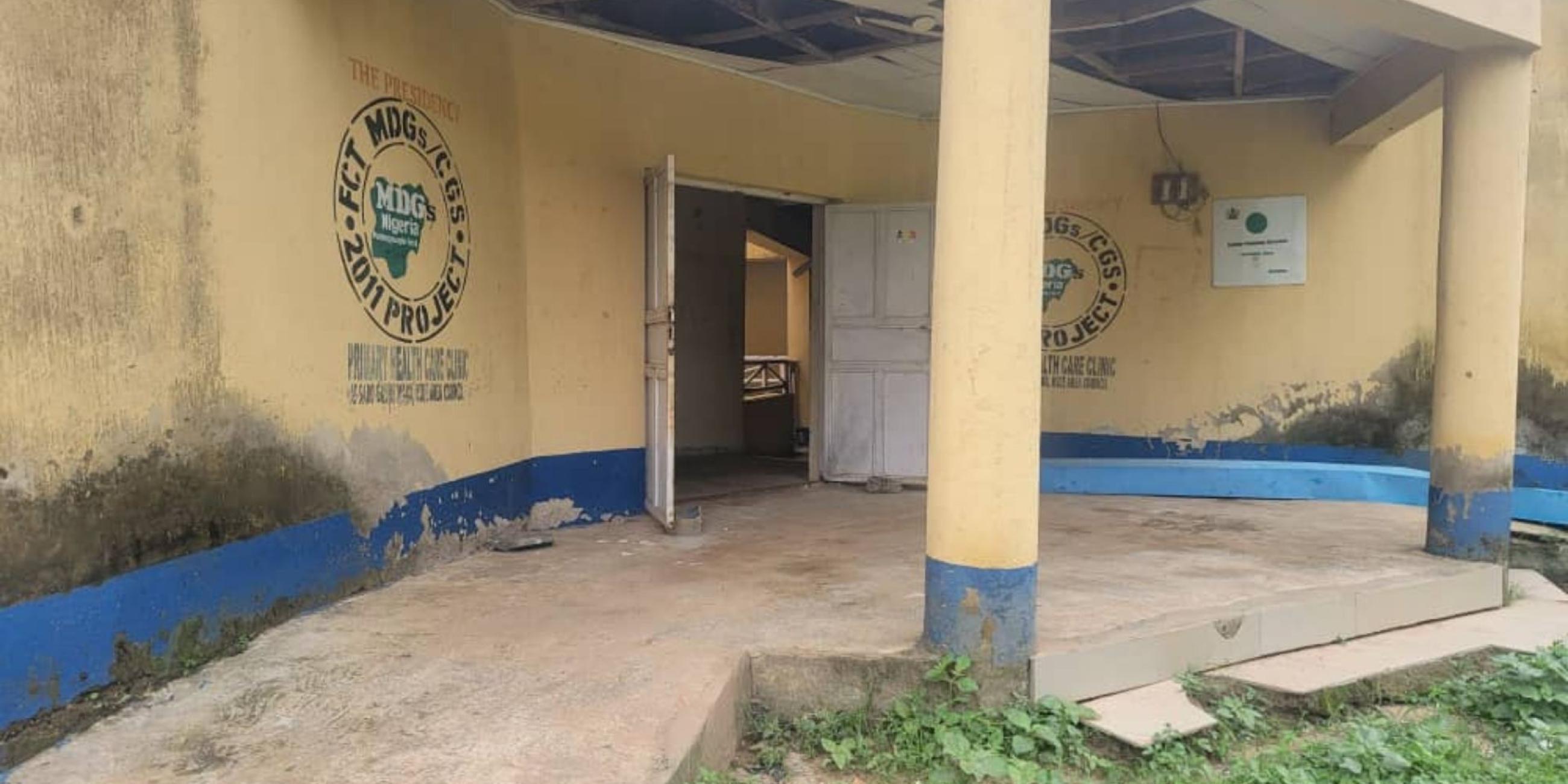
    Residents of Sabo community in Kuje Area Council, Abuja, have raised alarm over the prolonged neglect of their only primary healthcare facility, linking its dilapidated condition to preventable maternal deaths. The Sabo Primary Health Care Centre, which serves an estimated 7,200 people, has been largely non-functional for years, severely limiting access to basic and emergency medical services, particularly for pregnant women.

    According to Tracka, BudgIT’s public expenditure tracking platform, the centre’s infrastructure has collapsed, with damaged roofs and ceilings, wards without beds, and a complete lack of drugs and essential medical equipment. The facility has reportedly remained abandoned and vandalised for nearly seven years, forcing residents to depend on local chemists and unqualified alternatives for treatment. Community members disclosed that several women have died during childbirth due to the absence of functional maternal healthcare services.

    In response, Tracka and affected residents have appealed directly to FCT Minister Nyesom Wike, alongside Senator Ireti Kingibe and Hon. Abdullahi Sabo, urging them to prioritise the reconstruction, equipping, and staffing of the centre. They stressed that restoring the facility is critical to safeguarding public health, reducing maternal mortality, and ensuring that vulnerable residents can access lifesaving medical care within their community.
    Abuja Health Centre in Kuje Left in Ruins for Years, Linked to Childbirth Deaths as Residents Urge FCT Minister Nyesom Wike to Intervene Residents of Sabo community in Kuje Area Council, Abuja, have raised alarm over the prolonged neglect of their only primary healthcare facility, linking its dilapidated condition to preventable maternal deaths. The Sabo Primary Health Care Centre, which serves an estimated 7,200 people, has been largely non-functional for years, severely limiting access to basic and emergency medical services, particularly for pregnant women. According to Tracka, BudgIT’s public expenditure tracking platform, the centre’s infrastructure has collapsed, with damaged roofs and ceilings, wards without beds, and a complete lack of drugs and essential medical equipment. The facility has reportedly remained abandoned and vandalised for nearly seven years, forcing residents to depend on local chemists and unqualified alternatives for treatment. Community members disclosed that several women have died during childbirth due to the absence of functional maternal healthcare services. In response, Tracka and affected residents have appealed directly to FCT Minister Nyesom Wike, alongside Senator Ireti Kingibe and Hon. Abdullahi Sabo, urging them to prioritise the reconstruction, equipping, and staffing of the centre. They stressed that restoring the facility is critical to safeguarding public health, reducing maternal mortality, and ensuring that vulnerable residents can access lifesaving medical care within their community.
    0 Comments ·0 Shares ·558 Views
  • APC National Secretary Basiru Tells FCT Minister Wike to Resign Over Rivers State Politics Interference

    Senator Ajibola Basiru, National Secretary of the All Progressives Congress (APC), has called on FCT Minister Nyesom Wike to resign immediately, accusing him of meddling in Rivers State politics while serving in an APC-led government.

    Basiru argued that Wike, a non-APC member, has no right to interfere in the party’s affairs and dismissed allegations of corruption involving Rivers APC as “cheap blackmail.” He described Wike’s actions as an attempt to import PDP-style politics into the APC and destabilize party structures.

    The APC secretary emphasized that peaceful party operations must be respected and warned that continued interference could lead to legal action. Basiru stressed that Wike’s support for President Tinubu does not confer APC membership and reiterated that party governance should remain free from external disruption.
    APC National Secretary Basiru Tells FCT Minister Wike to Resign Over Rivers State Politics Interference Senator Ajibola Basiru, National Secretary of the All Progressives Congress (APC), has called on FCT Minister Nyesom Wike to resign immediately, accusing him of meddling in Rivers State politics while serving in an APC-led government. Basiru argued that Wike, a non-APC member, has no right to interfere in the party’s affairs and dismissed allegations of corruption involving Rivers APC as “cheap blackmail.” He described Wike’s actions as an attempt to import PDP-style politics into the APC and destabilize party structures. The APC secretary emphasized that peaceful party operations must be respected and warned that continued interference could lead to legal action. Basiru stressed that Wike’s support for President Tinubu does not confer APC membership and reiterated that party governance should remain free from external disruption.
    0 Comments ·0 Shares ·559 Views
  • Police Arrest Port Harcourt Pastor Over Alleged Plot to Assassinate FCT Minister Wike, Hunt Underway for Ex-Rivers SSG

    Security operatives from the Inspector-General of Police Intelligence Response Team (IRT) have detained Dr. Tombari Joseph Gbeneol, a medical doctor and pastor of Life Forte Chapel Church in Port Harcourt, over an alleged plan to assassinate FCT Minister Nyesom Wike.

    The arrest followed the interception of a phone call between Gbeneol and former Rivers State Secretary to the Government (SSG), Dr. Tammy Danagogo, in which they allegedly discussed hiring Israeli nationals to carry out the assassination and seeking funding from Governor Siminalayi Fubara.

    Police confirmed Gbeneol is in custody, with investigations ongoing. Authorities are still searching for Danagogo, who reportedly went underground after the plot was uncovered. Security sources described the case as a grave national security threat.
    Police Arrest Port Harcourt Pastor Over Alleged Plot to Assassinate FCT Minister Wike, Hunt Underway for Ex-Rivers SSG Security operatives from the Inspector-General of Police Intelligence Response Team (IRT) have detained Dr. Tombari Joseph Gbeneol, a medical doctor and pastor of Life Forte Chapel Church in Port Harcourt, over an alleged plan to assassinate FCT Minister Nyesom Wike. The arrest followed the interception of a phone call between Gbeneol and former Rivers State Secretary to the Government (SSG), Dr. Tammy Danagogo, in which they allegedly discussed hiring Israeli nationals to carry out the assassination and seeking funding from Governor Siminalayi Fubara. Police confirmed Gbeneol is in custody, with investigations ongoing. Authorities are still searching for Danagogo, who reportedly went underground after the plot was uncovered. Security sources described the case as a grave national security threat.
    0 Comments ·0 Shares ·719 Views
  • FCT Minister Wike Warns APC National Secretary Basiru Against Meddling in Rivers State Politics

    Federal Capital Territory (FCT) Minister Nyesom Wike has threatened APC National Secretary Ajibola Basiru, warning him to stop interfering in Rivers State politics. Speaking at a rally in Oyigbo, Wike accused Basiru of commenting on matters outside his jurisdiction, particularly concerning the N600 billion funds in Rivers State.

    Wike cautioned Basiru against taking Rivers State’s support for President Bola Tinubu for granted and threatened to brief the President about the issue. He emphasized that anyone interfering with Rivers State affairs would face consequences, stating, “Anything you see, take it.”

    The tension follows Basiru’s earlier criticism of an APC official who referred to Rivers Governor Siminalayi Fubara as a “so-called governor,” noting that elected offices must be respected regardless of political differences. Wike, however, remains determined to prevent Fubara from securing a second term in office.
    FCT Minister Wike Warns APC National Secretary Basiru Against Meddling in Rivers State Politics Federal Capital Territory (FCT) Minister Nyesom Wike has threatened APC National Secretary Ajibola Basiru, warning him to stop interfering in Rivers State politics. Speaking at a rally in Oyigbo, Wike accused Basiru of commenting on matters outside his jurisdiction, particularly concerning the N600 billion funds in Rivers State. Wike cautioned Basiru against taking Rivers State’s support for President Bola Tinubu for granted and threatened to brief the President about the issue. He emphasized that anyone interfering with Rivers State affairs would face consequences, stating, “Anything you see, take it.” The tension follows Basiru’s earlier criticism of an APC official who referred to Rivers Governor Siminalayi Fubara as a “so-called governor,” noting that elected offices must be respected regardless of political differences. Wike, however, remains determined to prevent Fubara from securing a second term in office.
    0 Comments ·0 Shares ·620 Views
More Results
Fintter https://fintter.com