• NAFDAC Raises Alarm Over Surge of Smuggled Prohibited Food Products in Nigerian Markets

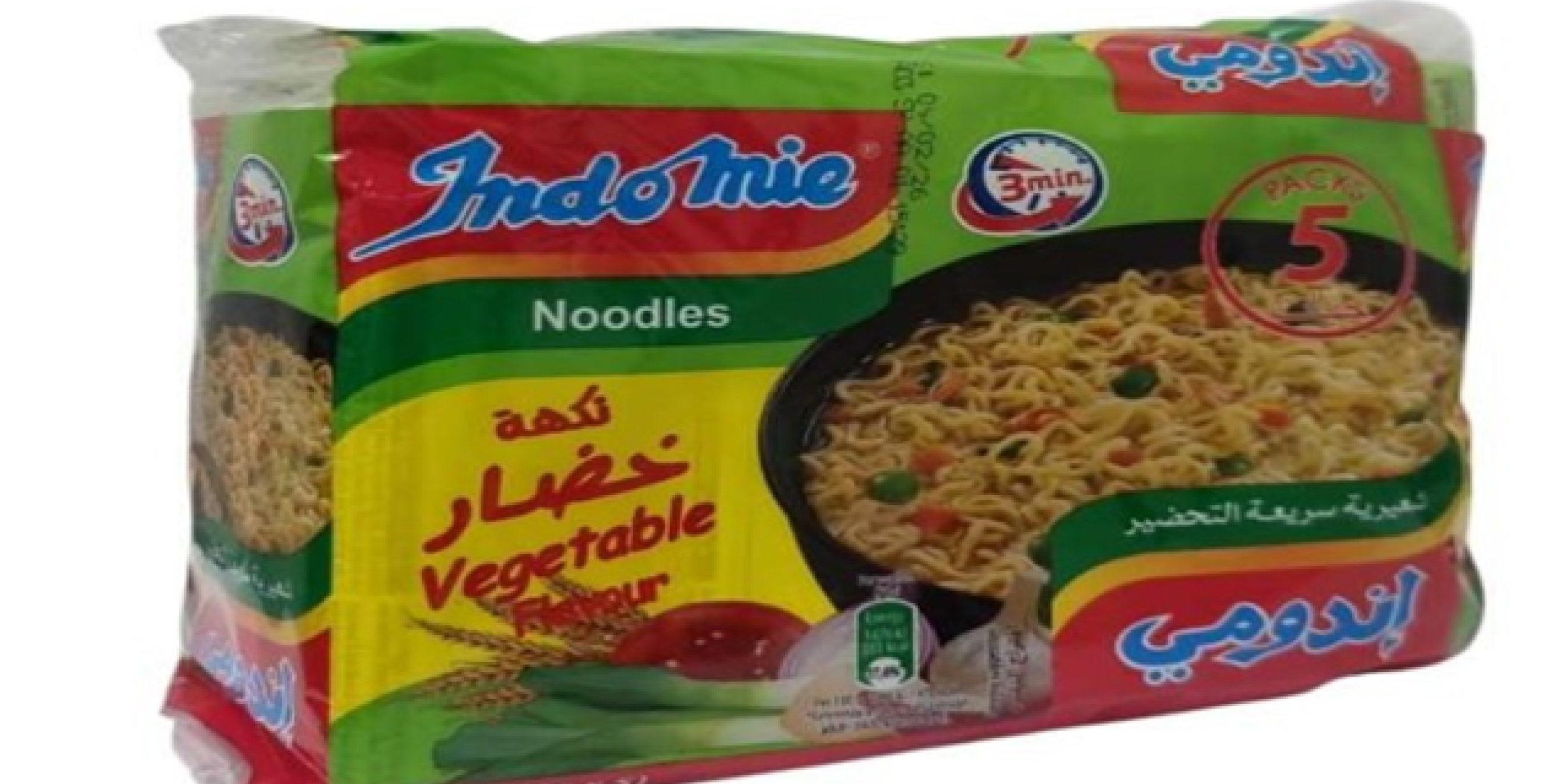
    NAFDAC has issued a public warning about the increasing circulation of prohibited food products—including pasta, noodles, sugar, and tomato paste—illegally smuggled into Nigerian markets. The agency says these items, listed on the Customs Prohibition List, bypass mandatory safety checks and pose serious health risks. NAFDAC has ordered importers, supermarkets, and traders to immediately stop the sale and distribution of such products or face seizures, licence revocations, and prosecution. The agency also called for coordinated action with Customs, Immigration, SON, NPA, NIMASA, NAQS, and other regulators to prevent further influx of unsafe items. NAFDAC reaffirmed its commitment to protecting consumers and enforcing food safety regulations nationwide.

    NAFDAC Raises Alarm Over Surge of Smuggled Prohibited Food Products in Nigerian Markets NAFDAC has issued a public warning about the increasing circulation of prohibited food products—including pasta, noodles, sugar, and tomato paste—illegally smuggled into Nigerian markets. The agency says these items, listed on the Customs Prohibition List, bypass mandatory safety checks and pose serious health risks. NAFDAC has ordered importers, supermarkets, and traders to immediately stop the sale and distribution of such products or face seizures, licence revocations, and prosecution. The agency also called for coordinated action with Customs, Immigration, SON, NPA, NIMASA, NAQS, and other regulators to prevent further influx of unsafe items. NAFDAC reaffirmed its commitment to protecting consumers and enforcing food safety regulations nationwide.
    0 Comentários ·0 Compartilhamentos ·218 Visualizações
  • Reps To Organise Summit On Drug Abuse, Alcohol Misuse.

    Reps To Organise Summit On Drug Abuse, Alcohol Misuse

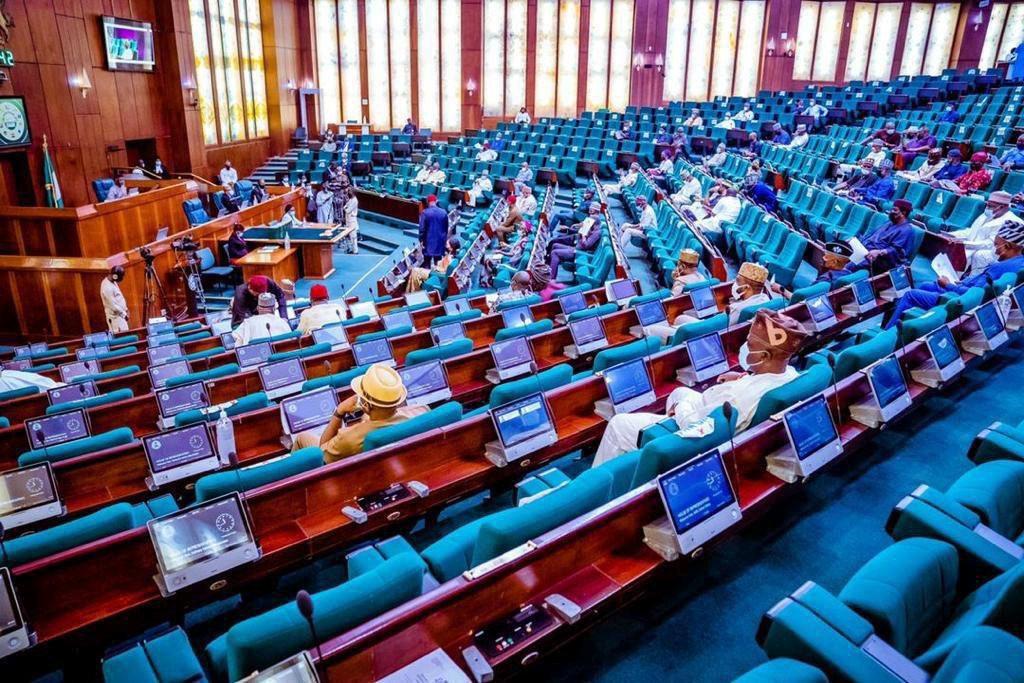
    The House of Representatives Ad-Hoc Committee investigating the rising cases of drug trafficking, alcohol, and substance abuse in Nigeria has announced plans to convene a multi-stakeholder conference in Lagos and Abuja to deliberate and gather public input on strategies to tackle the growing menace.

    He said the initiative was in response to mounting public concern over what he described as a “national emergency” that cuts across public health, youth safety, corporate accountability, and the integrity of Nigeria’s trade and regulatory systems.

    “Our mandate is clear. We are to investigate the conduct of companies operating within the drug, alcohol, and tobacco industries and ensure absolute compliance with Nigerian laws, regulations, and ethical obligations to the Nigerian people,” Adelegbe stated.

    According to him, the committee’s work will focus on key areas of national concern, including the increasing abuse of codeine-laced cough syrups, tramadol, and other controlled substances, as well as the unchecked production and sale of cheap spirit cocktails and illicit alcoholic beverages.

    The committee will also investigate the targeted marketing of alcohol and nicotine products to underage Nigerians, the circulation of fake and substandard drugs, corporate complicity, weak regulatory enforcement, and unethical market practices that endanger public health.

    Adelegbe emphasised that the committee’s work will prioritise human life and national interest above corporate profit, stressing that “The era of corporate recklessness, weak compliance, and regulatory compromise is over.”

    He listed the key laws and regulations guiding the investigation to include, “NAFDAC Act Cap N1 LFN 2004 – Product registration, safety, and standards; National Tobacco Control Act 2015 – Tobacco regulation and advertising; ARCON Act 2022 – Advertising standards and consumer protection; and FCCPC Act 2018 – Fair competition and consumer rights.”
    Reps To Organise Summit On Drug Abuse, Alcohol Misuse. Reps To Organise Summit On Drug Abuse, Alcohol Misuse The House of Representatives Ad-Hoc Committee investigating the rising cases of drug trafficking, alcohol, and substance abuse in Nigeria has announced plans to convene a multi-stakeholder conference in Lagos and Abuja to deliberate and gather public input on strategies to tackle the growing menace. He said the initiative was in response to mounting public concern over what he described as a “national emergency” that cuts across public health, youth safety, corporate accountability, and the integrity of Nigeria’s trade and regulatory systems. “Our mandate is clear. We are to investigate the conduct of companies operating within the drug, alcohol, and tobacco industries and ensure absolute compliance with Nigerian laws, regulations, and ethical obligations to the Nigerian people,” Adelegbe stated. According to him, the committee’s work will focus on key areas of national concern, including the increasing abuse of codeine-laced cough syrups, tramadol, and other controlled substances, as well as the unchecked production and sale of cheap spirit cocktails and illicit alcoholic beverages. The committee will also investigate the targeted marketing of alcohol and nicotine products to underage Nigerians, the circulation of fake and substandard drugs, corporate complicity, weak regulatory enforcement, and unethical market practices that endanger public health. Adelegbe emphasised that the committee’s work will prioritise human life and national interest above corporate profit, stressing that “The era of corporate recklessness, weak compliance, and regulatory compromise is over.” He listed the key laws and regulations guiding the investigation to include, “NAFDAC Act Cap N1 LFN 2004 – Product registration, safety, and standards; National Tobacco Control Act 2015 – Tobacco regulation and advertising; ARCON Act 2022 – Advertising standards and consumer protection; and FCCPC Act 2018 – Fair competition and consumer rights.”
    0 Comentários ·0 Compartilhamentos ·381 Visualizações
  • Mixed reactions trail Nigerian government’s move to end sachet alcohol production.

    Since the idea of banning alcoholic drinks in sachets and small bottles in Nigeria was first mooted, certain Nigerians have not been comfortable with the idea.

    The idea was first mentioned in 2018 but due to the public outcry then, the Federal Ministry of Health, Federal Competition and Consumer Protection Commission, FCCPC, National Agency for Food and Drug Administration and Control, NAFDAC, and bodies like the Association of Food, Beverages and Tobacco Employers (AFBTE), came together and agreed to sign a five-year memorandum of understanding (MoU) to gradually phase out sachet and small-bottle alcoholic drinks.

    Ever since then, the government has shifted the implementation a couple of times.

    However, following the latest moves, reactions have continued to trail the idea.

    First, it was alleged that the manufacturers of these categories of drinks went into an intense lobby to ensure that the idea was buried but that didn’t happen as it kept coming on and on.

    What the manufacturers have been able to do was to have delayed the full implementation of the policy.

    However, last week, specifically on Tuesday, November 5, the Senate ordered NAFDAC not to extend the December 31 implementation deadline for the production of alcohol in sachets and small bottles.

    The resolution followed a motion of urgent national importance sponsored by Senator Asuquo Ekpenyong representing Cross River South at plenary session on Tuesday last week.

    Mixed reactions trail Nigerian government’s move to end sachet alcohol production. Since the idea of banning alcoholic drinks in sachets and small bottles in Nigeria was first mooted, certain Nigerians have not been comfortable with the idea. The idea was first mentioned in 2018 but due to the public outcry then, the Federal Ministry of Health, Federal Competition and Consumer Protection Commission, FCCPC, National Agency for Food and Drug Administration and Control, NAFDAC, and bodies like the Association of Food, Beverages and Tobacco Employers (AFBTE), came together and agreed to sign a five-year memorandum of understanding (MoU) to gradually phase out sachet and small-bottle alcoholic drinks. Ever since then, the government has shifted the implementation a couple of times. However, following the latest moves, reactions have continued to trail the idea. First, it was alleged that the manufacturers of these categories of drinks went into an intense lobby to ensure that the idea was buried but that didn’t happen as it kept coming on and on. What the manufacturers have been able to do was to have delayed the full implementation of the policy. However, last week, specifically on Tuesday, November 5, the Senate ordered NAFDAC not to extend the December 31 implementation deadline for the production of alcohol in sachets and small bottles. The resolution followed a motion of urgent national importance sponsored by Senator Asuquo Ekpenyong representing Cross River South at plenary session on Tuesday last week.
    0 Comentários ·0 Compartilhamentos ·412 Visualizações
  • NAFDAC to Enforce Ban on Small-Packaged Alcohol from January 2026.

    The National Agency for Food and Drug Administration and Control (NAFDAC) has announced a firm December 2025 deadline for the prohibition of alcoholic beverages sold in sachets and bottles under 200 millilitres, with full enforcement set to begin in January 2026.

    Prof. Mojisola Adeyeye, the agency’s Director-General, emphasized that there will be no further extensions of the ban, urging manufacturers, distributors, and retailers to comply fully.

    Supported by the Senate and the Federal Ministry of Health and Social Welfare, the ban aims to protect children, adolescents, and young adults from the harmful effects of alcohol abuse.

    Adeyeye highlighted that small, cheap, and easily concealable alcoholic drinks contribute to addiction and have fueled social vices, including road accidents, domestic violence, school dropouts, and other forms of insecurity. “This ban is protective, not punitive. The health of our nation, especially our children, is more important than short-term economic gain,” she stated.

    Prof. Adeyeye underscored that the ban aligns with Nigeria’s commitment to the World Health Organization’s Global Strategy to Reduce the Harmful Use of Alcohol. She also urged Nigerians to view the measure as a collective responsibility, emphasizing that alcohol misuse among children poses a long-term threat to the nation’s security and workforce.

    “The decision is grounded in science, public health, and national interest. Protecting our children and ensuring the stability of our future workforce is not just NAFDAC’s duty it is a responsibility for all Nigerians,” she concluded.
    NAFDAC to Enforce Ban on Small-Packaged Alcohol from January 2026. The National Agency for Food and Drug Administration and Control (NAFDAC) has announced a firm December 2025 deadline for the prohibition of alcoholic beverages sold in sachets and bottles under 200 millilitres, with full enforcement set to begin in January 2026. Prof. Mojisola Adeyeye, the agency’s Director-General, emphasized that there will be no further extensions of the ban, urging manufacturers, distributors, and retailers to comply fully. Supported by the Senate and the Federal Ministry of Health and Social Welfare, the ban aims to protect children, adolescents, and young adults from the harmful effects of alcohol abuse. Adeyeye highlighted that small, cheap, and easily concealable alcoholic drinks contribute to addiction and have fueled social vices, including road accidents, domestic violence, school dropouts, and other forms of insecurity. “This ban is protective, not punitive. The health of our nation, especially our children, is more important than short-term economic gain,” she stated. Prof. Adeyeye underscored that the ban aligns with Nigeria’s commitment to the World Health Organization’s Global Strategy to Reduce the Harmful Use of Alcohol. She also urged Nigerians to view the measure as a collective responsibility, emphasizing that alcohol misuse among children poses a long-term threat to the nation’s security and workforce. “The decision is grounded in science, public health, and national interest. Protecting our children and ensuring the stability of our future workforce is not just NAFDAC’s duty it is a responsibility for all Nigerians,” she concluded.
    0 Comentários ·0 Compartilhamentos ·396 Visualizações
  • Senate Directs NAFDAC to Enforce Sachet Alcohol Ban Starting December 2025, Rejects Further Extensions.

    The Nigerian Senate has mandated the National Agency for Food and Drug Administration and Control (NAFDAC) and other regulatory agencies to begin strict enforcement of the ban on high-strength alcoholic beverages packaged in sachets from December 2025, with lawmakers explicitly ruling out any additional extensions beyond the existing moratorium.

    The directive came after the upper chamber adopted a motion sponsored by Senator Asuquo Ekpeyong, who highlighted the urgent need to end the phase-out of sachet-packaged alcohol without further delays.

    During plenary, Ekpeyong recounted how NAFDAC, aligning with global standards and following broad consultations with stakeholders, first announced a gradual ban on the importation, production, and sale of these products.

    In 2018, key players—including the Federal Ministry of Health, the Federal Competition and Consumer Protection Commission (FCCPC), NAFDAC, the Association of Food, Beverage & Tobacco Employers (AFBTE), and the Distillers and Blenders Association of Nigeria (DIBAN)—signed a five-year Memorandum of Understanding (MoU) to voluntarily eliminate the packaging format.

    The agreement was driven by growing concerns over the sachets’ low cost, easy portability, and appeal to vulnerable populations such as children, teenagers, commercial drivers, and low-income groups.

    Despite the original timeline, the Federal Government in 2024 granted manufacturers a one-year grace period to clear inventories and shift to alternative packaging, pushing the final deadline to December 2025.

    Ekpeyong, however, warned that some producers are now pressing for yet another postponement—a tactic he argued erodes regulatory credibility, endangers public health, and skews market competition.

    He pointed to mounting evidence linking sachet alcohol to youth addiction, traffic accidents, school attrition, domestic abuse, and broader societal problems.
    Senate Directs NAFDAC to Enforce Sachet Alcohol Ban Starting December 2025, Rejects Further Extensions. The Nigerian Senate has mandated the National Agency for Food and Drug Administration and Control (NAFDAC) and other regulatory agencies to begin strict enforcement of the ban on high-strength alcoholic beverages packaged in sachets from December 2025, with lawmakers explicitly ruling out any additional extensions beyond the existing moratorium. The directive came after the upper chamber adopted a motion sponsored by Senator Asuquo Ekpeyong, who highlighted the urgent need to end the phase-out of sachet-packaged alcohol without further delays. During plenary, Ekpeyong recounted how NAFDAC, aligning with global standards and following broad consultations with stakeholders, first announced a gradual ban on the importation, production, and sale of these products. In 2018, key players—including the Federal Ministry of Health, the Federal Competition and Consumer Protection Commission (FCCPC), NAFDAC, the Association of Food, Beverage & Tobacco Employers (AFBTE), and the Distillers and Blenders Association of Nigeria (DIBAN)—signed a five-year Memorandum of Understanding (MoU) to voluntarily eliminate the packaging format. The agreement was driven by growing concerns over the sachets’ low cost, easy portability, and appeal to vulnerable populations such as children, teenagers, commercial drivers, and low-income groups. Despite the original timeline, the Federal Government in 2024 granted manufacturers a one-year grace period to clear inventories and shift to alternative packaging, pushing the final deadline to December 2025. Ekpeyong, however, warned that some producers are now pressing for yet another postponement—a tactic he argued erodes regulatory credibility, endangers public health, and skews market competition. He pointed to mounting evidence linking sachet alcohol to youth addiction, traffic accidents, school attrition, domestic abuse, and broader societal problems.
    0 Comentários ·0 Compartilhamentos ·461 Visualizações

  • BREAKING NEWS: Only 300 psychiatrists serving over 200 million Nigerians.

    ~ NAFDAC says
    BREAKING NEWS: Only 300 psychiatrists serving over 200 million Nigerians. ~ NAFDAC says
    0 Comentários ·0 Compartilhamentos ·816 Visualizações
  • Poisoned Cough Syrups: World Health Body, NAFDAC Issue Public Alert.

    The news of poisoned cough syrups in circulation, with all its clear health dangers is causing stirs in medical and family circles.

    It has also made relevant regulatory bodies to forewarn parents and healthcare industry professionals to be on the alert.

    Rumours over the Poisoned Cough Syrups in circulation has made the World Health Organisation (WHO) to issue what it calls a Medical Product Alert.

    WHO says the concerns centre on three substandard (contaminated) oral liquid medicines containing active ingredients commonly used to relieve symptoms of the common cold, flu, or cough.

    Although identified in India and reported to WHO on 8 October 2025, there are fears that without proper recall, and poisoned cough syrups may find their way to other countries, which receive medicine and drugs supplies from India.

    The Eagle reports that last May, the National Agency for Food and Drug Administration and Control (NAFDAC) said it was in receipt of information regarding substandard drugs from the India authorities, following result of analyzed drug samples picked from sales/distribution point.

    NAFDAC not only listed the affected drugs, but affirmed that some of the affected pharmaceutical companies were reported to have subsidiaries, partners and products in Nigeria.

    “Administering substandard medicines poses significant risks to patient health and public health.

    “These risks include poisoning, treatment failure, drug resistance, and even death. Substandard medicines may contain toxic substances, incorrect ingredients, or incorrect dosages, leading to severe adverse effects”, NAFDAC warned.
    Poisoned Cough Syrups: World Health Body, NAFDAC Issue Public Alert. The news of poisoned cough syrups in circulation, with all its clear health dangers is causing stirs in medical and family circles. It has also made relevant regulatory bodies to forewarn parents and healthcare industry professionals to be on the alert. Rumours over the Poisoned Cough Syrups in circulation has made the World Health Organisation (WHO) to issue what it calls a Medical Product Alert. WHO says the concerns centre on three substandard (contaminated) oral liquid medicines containing active ingredients commonly used to relieve symptoms of the common cold, flu, or cough. Although identified in India and reported to WHO on 8 October 2025, there are fears that without proper recall, and poisoned cough syrups may find their way to other countries, which receive medicine and drugs supplies from India. The Eagle reports that last May, the National Agency for Food and Drug Administration and Control (NAFDAC) said it was in receipt of information regarding substandard drugs from the India authorities, following result of analyzed drug samples picked from sales/distribution point. NAFDAC not only listed the affected drugs, but affirmed that some of the affected pharmaceutical companies were reported to have subsidiaries, partners and products in Nigeria. “Administering substandard medicines poses significant risks to patient health and public health. “These risks include poisoning, treatment failure, drug resistance, and even death. Substandard medicines may contain toxic substances, incorrect ingredients, or incorrect dosages, leading to severe adverse effects”, NAFDAC warned.
    0 Comentários ·0 Compartilhamentos ·746 Visualizações
  • NAFDAC seals Chinese supermarkets, others in Abuja for selling unregistered, harmful products.

    The National Agency for Food and Drug Administration and Control (NAFDAC) has sealed two Chinese supermarkets and eight cosmetics shops in Abuja for selling unregistered and harmful products.

    In a statement posted on X on Friday, the agency said the enforcement in Jabi District and Wuse Market followed consumer complaints and surveillance operations.

    Officials discovered food items labelled only in Chinese and cosmetics without proper registration, in violation of NAFDAC’s regulations on sale, distribution and labelling.

    The supermarkets, located on Mike Akhigbe Way and Ebitu Ukiwe Street, were closed for breaching the agency’s labelling policy, which requires English translations for all products sold in the Nigerian market.

    NAFDAC noted that the action was part of efforts to protect public health and curb the circulation of products that endanger consumers.

    The statement reads, “NAFDAC Seals Chinese Supermarkets and Cosmetics Shops in Abuja for Selling Unregistered and Harmful Products

    “NAFDAC has sealed two Chinese supermarkets in Jabi District and eight cosmetics shops in Wuse Market, Abuja, for violating regulations on the sale, distribution, and labelling of regulated products.

    “The supermarkets, located on Mike Akhigbe Way and Ebitu Ukiwe Street, were shut down following consumer complaints and surveillance, which confirmed the sale of unregistered food items labelled only in Chinese, in breach of NAFDAC’s labelling policy, which requires English translations for the Nigerian market.”
    NAFDAC seals Chinese supermarkets, others in Abuja for selling unregistered, harmful products. The National Agency for Food and Drug Administration and Control (NAFDAC) has sealed two Chinese supermarkets and eight cosmetics shops in Abuja for selling unregistered and harmful products. In a statement posted on X on Friday, the agency said the enforcement in Jabi District and Wuse Market followed consumer complaints and surveillance operations. Officials discovered food items labelled only in Chinese and cosmetics without proper registration, in violation of NAFDAC’s regulations on sale, distribution and labelling. The supermarkets, located on Mike Akhigbe Way and Ebitu Ukiwe Street, were closed for breaching the agency’s labelling policy, which requires English translations for all products sold in the Nigerian market. NAFDAC noted that the action was part of efforts to protect public health and curb the circulation of products that endanger consumers. The statement reads, “NAFDAC Seals Chinese Supermarkets and Cosmetics Shops in Abuja for Selling Unregistered and Harmful Products “NAFDAC has sealed two Chinese supermarkets in Jabi District and eight cosmetics shops in Wuse Market, Abuja, for violating regulations on the sale, distribution, and labelling of regulated products. “The supermarkets, located on Mike Akhigbe Way and Ebitu Ukiwe Street, were shut down following consumer complaints and surveillance, which confirmed the sale of unregistered food items labelled only in Chinese, in breach of NAFDAC’s labelling policy, which requires English translations for the Nigerian market.”
    0 Comentários ·0 Compartilhamentos ·338 Visualizações
  • NAFDAC Bans Petroleum Tankers From Transporting Cooking Oil.

    National Agency for Food and Drug Administration and Control (NAFDAC) has ordered petroleum tankers to stop transport ing edible oil.

    At a meeting with the leadership of the National Union of Edible Oil Tanker Drivers of Nigeria (NUEOTDN) and edible oil manufacturers, the agency’s director of Investigations and Enforcement, Dr Martins Iluyomade, expressed worry over the use of the same tankers meant for petroleum products to transport edible Oil.

    Iluyomade, also a member of the Federal Task Force on Fake Drugs, issued a seven-day ultimatum to tanker owners to have dedicated trucks for the sole transportation of edible oil.

    According to the NAFDAC director, the directive was to protect public health and prevent Nigerians from taking adulterated cooking oil protected public health and prevented

    He said over 200 million Nigerians are directly or indirectly using cooking oil, so the agency must take steps before they fall prey to cooking oil mixed with petroleum products.

    “Calling for this meeting with members and the executive of the National Union of Edible Oil Tanker Drivers of Nigeria (NUEOTDN) and the manufacturers is based on the plan to halt petroleum product drivers from switching tankers meant for petroleum products for edible oil.

    “We are making it mandatory for all manufacturers of Edible oil and the tanker drivers to have dedicated tankers meant purely for conveying cooking oil, as the lives of over 200 million Nigerians could be at risk by using such tankers.

    “We are giving them up to the first week in October to have their tankers painted to green tankers, while the body head will carry the stickers of the National Union of Edible Oil Tanker Drivers of Nigeria (NUEOTDN) for early identification.”

    NAFDAC Bans Petroleum Tankers From Transporting Cooking Oil. National Agency for Food and Drug Administration and Control (NAFDAC) has ordered petroleum tankers to stop transport ing edible oil. At a meeting with the leadership of the National Union of Edible Oil Tanker Drivers of Nigeria (NUEOTDN) and edible oil manufacturers, the agency’s director of Investigations and Enforcement, Dr Martins Iluyomade, expressed worry over the use of the same tankers meant for petroleum products to transport edible Oil. Iluyomade, also a member of the Federal Task Force on Fake Drugs, issued a seven-day ultimatum to tanker owners to have dedicated trucks for the sole transportation of edible oil. According to the NAFDAC director, the directive was to protect public health and prevent Nigerians from taking adulterated cooking oil protected public health and prevented He said over 200 million Nigerians are directly or indirectly using cooking oil, so the agency must take steps before they fall prey to cooking oil mixed with petroleum products. “Calling for this meeting with members and the executive of the National Union of Edible Oil Tanker Drivers of Nigeria (NUEOTDN) and the manufacturers is based on the plan to halt petroleum product drivers from switching tankers meant for petroleum products for edible oil. “We are making it mandatory for all manufacturers of Edible oil and the tanker drivers to have dedicated tankers meant purely for conveying cooking oil, as the lives of over 200 million Nigerians could be at risk by using such tankers. “We are giving them up to the first week in October to have their tankers painted to green tankers, while the body head will carry the stickers of the National Union of Edible Oil Tanker Drivers of Nigeria (NUEOTDN) for early identification.”
    0 Comentários ·0 Compartilhamentos ·386 Visualizações
  • NAFDAC delists Flagyl, Artemether-Lumefantrine, 99 other drugs from circulation.

    The National Agency for Food and Drug Administration and Control (NAFDAC) says it has delisted 101 drugs from circulation in Nigeria.

    In a statement on Tuesday, the agency said the affected products are no longer permitted for manufacturing, importation, exportation, distribution, advertisement, sale, or use in the country.

    NAFDAC explained that some of the products were withdrawn voluntarily at the request of market authorisation holders, while others were suspended or outrightly cancelled by the agency.

    A suspension, it said, applies when the conditions under which a registration licence was issued are no longer met, while a cancellation occurs when the agency revokes a product’s licence.

    Popular medicines on the list

    The delisted products cut across a wide range of medicines and health items — from antimalarials and cough treatments to vaccines, insulin and growth-hormone injectables, diabetes medicines, inhalers, and eye drops.

    Some widely used medicines are on the list, including:

    Flagyl suspension and tablets, used to treat diarrhoea

    Penicillin G Sodium Sandoz, prescribed for bacterial infections

    NAFDAC delists Flagyl, Artemether-Lumefantrine, 99 other drugs from circulation. The National Agency for Food and Drug Administration and Control (NAFDAC) says it has delisted 101 drugs from circulation in Nigeria. In a statement on Tuesday, the agency said the affected products are no longer permitted for manufacturing, importation, exportation, distribution, advertisement, sale, or use in the country. NAFDAC explained that some of the products were withdrawn voluntarily at the request of market authorisation holders, while others were suspended or outrightly cancelled by the agency. A suspension, it said, applies when the conditions under which a registration licence was issued are no longer met, while a cancellation occurs when the agency revokes a product’s licence. Popular medicines on the list The delisted products cut across a wide range of medicines and health items — from antimalarials and cough treatments to vaccines, insulin and growth-hormone injectables, diabetes medicines, inhalers, and eye drops. Some widely used medicines are on the list, including: Flagyl suspension and tablets, used to treat diarrhoea Penicillin G Sodium Sandoz, prescribed for bacterial infections
    0 Comentários ·0 Compartilhamentos ·342 Visualizações
  • NAFDAC seizes fake Malaria Drugs worth N1.2B in Lagos State.
    NAFDAC seizes fake Malaria Drugs worth N1.2B in Lagos State.
    0 Comentários ·0 Compartilhamentos ·703 Visualizações
  • ‎NAFDAC arrest footballer in Abuja for manufacturing, distributing, unregistered hazardous chemicals.

    The National Agency for Food and Drug Administration and Control (NAFDAC) has arrested a local footballer, Ikechukwu Elijah, in the Apo-Waru area of Abuja for manufacturing and distributing hazardous, unregistered chemicals to the unsuspecting public.

    This was disclosed in a statement signed by NAFDAC’s deputy director of public relations and protocol, Adegboyega Osiyemi, on Friday, September 5.

    Counterfeit and substandard products have remained a persistent public health threat in Nigeria.

    NAFDAC has repeatedly warned that such items expose citizens to dangerous substances, compromise safety, and undermine trust in regulated goods.

    According to its statement, NAFDAC said the suspect operates an illegal factory in a residential building in the area and is notorious for counterfeiting popular brands of chemicals and insecticides.

    “Initially, when contacted for interrogation by detectives, he denied any knowledge of chemical production in the area.

    “He later confessed to the crime and admitted ownership of the illegal facility after a thorough search was conducted around the compound.

    “The operation also led to the arrest of his younger brother inside the factory.

    ‎NAFDAC arrest footballer in Abuja for manufacturing, distributing, unregistered hazardous chemicals. The National Agency for Food and Drug Administration and Control (NAFDAC) has arrested a local footballer, Ikechukwu Elijah, in the Apo-Waru area of Abuja for manufacturing and distributing hazardous, unregistered chemicals to the unsuspecting public. This was disclosed in a statement signed by NAFDAC’s deputy director of public relations and protocol, Adegboyega Osiyemi, on Friday, September 5. Counterfeit and substandard products have remained a persistent public health threat in Nigeria. NAFDAC has repeatedly warned that such items expose citizens to dangerous substances, compromise safety, and undermine trust in regulated goods. According to its statement, NAFDAC said the suspect operates an illegal factory in a residential building in the area and is notorious for counterfeiting popular brands of chemicals and insecticides. “Initially, when contacted for interrogation by detectives, he denied any knowledge of chemical production in the area. “He later confessed to the crime and admitted ownership of the illegal facility after a thorough search was conducted around the compound. “The operation also led to the arrest of his younger brother inside the factory.
    0 Comentários ·0 Compartilhamentos ·740 Visualizações
  • FG to Introduce Labelling for Genetically Modified Crops.

    The Federal Government says it will begin the labelling of genetically modified (GM) crops to ensure transparency, traceability, and public confidence in their use.

    Director of Food and Drug Service at the Federal Ministry of Health and Social Welfare, Mr. John Atanda, made this known in Abuja during a sensitisation workshop on GMOs for Directorate Officers, organised by the Open Forum for Agricultural Biotechnology (OFAB).

    Atanda explained that the ministry will collaborate with agencies such as the National Agency for Food and Drug Administration and Control (NAFDAC) and the National Biotechnology Management Agency (NBMA) to enforce proper labelling of GMO products.

    He stressed that the government remains committed to public health and will subject all biotechnology products to rigorous risk assessments, covering allergenicity, nutritional value, long-term health impacts, and environmental effects.

    Speaking at the workshop, OFAB Nigeria Country Director, Dr. Rose Gidado, highlighted that GMOs have been safely used for over 30 years in more than 45 countries. She dismissed fears about their dangers, saying: “The government cannot give poison to its people.

    If GMOs truly destroyed crops, Nigeria would have been wiped out by hunger by now.” Gidado further emphasised that GM crops are products of evidence-based research and warned that without serious investment in research and development, Nigeria risks continued dependence on food importation.
    FG to Introduce Labelling for Genetically Modified Crops. The Federal Government says it will begin the labelling of genetically modified (GM) crops to ensure transparency, traceability, and public confidence in their use. Director of Food and Drug Service at the Federal Ministry of Health and Social Welfare, Mr. John Atanda, made this known in Abuja during a sensitisation workshop on GMOs for Directorate Officers, organised by the Open Forum for Agricultural Biotechnology (OFAB). Atanda explained that the ministry will collaborate with agencies such as the National Agency for Food and Drug Administration and Control (NAFDAC) and the National Biotechnology Management Agency (NBMA) to enforce proper labelling of GMO products. He stressed that the government remains committed to public health and will subject all biotechnology products to rigorous risk assessments, covering allergenicity, nutritional value, long-term health impacts, and environmental effects. Speaking at the workshop, OFAB Nigeria Country Director, Dr. Rose Gidado, highlighted that GMOs have been safely used for over 30 years in more than 45 countries. She dismissed fears about their dangers, saying: “The government cannot give poison to its people. If GMOs truly destroyed crops, Nigeria would have been wiped out by hunger by now.” Gidado further emphasised that GM crops are products of evidence-based research and warned that without serious investment in research and development, Nigeria risks continued dependence on food importation.
    0 Comentários ·0 Compartilhamentos ·431 Visualizações
  • NAFDAC seals illegal Herbal Medicine facility in Kaduna, seizes products worth N5 Million.

    The National Agency for Food, Drug Administration and Control NAFDAC has shut down an illegal herbal medicine manufacturing facility in Mararaba Jos, Igabi Local Government Area of Kaduna State.

    The agency in a statement released said following credible intelligence, officers discovered unhygienic and substandard production equipment, confirming that the products manufactured in the facility posed serious risks to public health, as their safety, quality, and efficacy could not be guaranteed.

    The products valued at N5 million, were seized for destruction while the facility has been sealed pending further investigations.

    The agency assured the public of its commitment to safeguarding the health of Nigerians by clamping down on illegal operations and bringing violators to justice.
    NAFDAC seals illegal Herbal Medicine facility in Kaduna, seizes products worth N5 Million. The National Agency for Food, Drug Administration and Control NAFDAC has shut down an illegal herbal medicine manufacturing facility in Mararaba Jos, Igabi Local Government Area of Kaduna State. The agency in a statement released said following credible intelligence, officers discovered unhygienic and substandard production equipment, confirming that the products manufactured in the facility posed serious risks to public health, as their safety, quality, and efficacy could not be guaranteed. The products valued at N5 million, were seized for destruction while the facility has been sealed pending further investigations. The agency assured the public of its commitment to safeguarding the health of Nigerians by clamping down on illegal operations and bringing violators to justice.
    0 Comentários ·0 Compartilhamentos ·1K Visualizações
  • NAFDAC has sealed an illegal cosmetic factory, Shine Shine Skincare, in Agege, Lagos, for producing bleaching products falsely marketed as “organic.” The agency seized several unregistered items containing harmful substances, warning that such products pose severe health risks including skin thinning and delayed healing. Nigerians were urged to be cautious when buying cosmetics.

    #NAFDAC #PublicHealth #FakeCosmetics
    NAFDAC has sealed an illegal cosmetic factory, Shine Shine Skincare, in Agege, Lagos, for producing bleaching products falsely marketed as “organic.” The agency seized several unregistered items containing harmful substances, warning that such products pose severe health risks including skin thinning and delayed healing. Nigerians were urged to be cautious when buying cosmetics. #NAFDAC #PublicHealth #FakeCosmetics
    0 Comentários ·0 Compartilhamentos ·612 Visualizações
  • News Brief: NAFDAC Warns Nigerians Over Circulation Of Fake Postinor-2

    The National Agency for Food and Drug Administration and Control (NAFDAC) has warned the public about counterfeit batches of Postinor-2, an emergency contraceptive pill.

    The agency said the fake products, which pose serious health risks, were flagged by the Society for Family Health (SFH), the licensed distributor of the original brand.

    Packaging errors such as misspellings — including “Veify” instead of “Verify” and “Distnibuted in Nigeria” — distinguish the fake from the authentic product.

    Counterfeit batches include:

    Type 1: Batch No. T36184B (Mfg. Aug 2024, Exp. Aug 2028)

    Type 2: Batch No. 332 (Mfg. Mar 2023, Exp. Feb 2027)

    The genuine Postinor-2 currently in circulation is Batch No. T32458H (Mfg. Feb 2023, Exp. Feb 2027).

    NAFDAC warned that the fake drugs could cause severe side effects, contraceptive failure, long-term reproductive harm, or even death.

    #NAFDAC #HealthAlert #FakeDrugs
    News Brief: NAFDAC Warns Nigerians Over Circulation Of Fake Postinor-2 The National Agency for Food and Drug Administration and Control (NAFDAC) has warned the public about counterfeit batches of Postinor-2, an emergency contraceptive pill. The agency said the fake products, which pose serious health risks, were flagged by the Society for Family Health (SFH), the licensed distributor of the original brand. Packaging errors such as misspellings — including “Veify” instead of “Verify” and “Distnibuted in Nigeria” — distinguish the fake from the authentic product. Counterfeit batches include: Type 1: Batch No. T36184B (Mfg. Aug 2024, Exp. Aug 2028) Type 2: Batch No. 332 (Mfg. Mar 2023, Exp. Feb 2027) The genuine Postinor-2 currently in circulation is Batch No. T32458H (Mfg. Feb 2023, Exp. Feb 2027). NAFDAC warned that the fake drugs could cause severe side effects, contraceptive failure, long-term reproductive harm, or even death. #NAFDAC #HealthAlert #FakeDrugs
    0 Comentários ·0 Compartilhamentos ·376 Visualizações
  • GMO Foods Are Safe For Human Consumption – NAFDAC DG, Prof. Mojisola Adeyeye.

    The Director General of the National Agency for Food and Drug Administration and Control (NAFDAC), Prof. Mojisola Adeyeye, has stated that genetically modified foods (GMOs) are not h@rmful to human health, as long as they meet established safety standards.

    Speaking during an interview on Channels Television on Thursday, Adeyeye addressed the growing public concerns over GMO consumption and regulation in Nigeria. “GMOs are genetically modified foods, and they are not bad for us,” she said.

    “It depends on the type of food and whether safety considerations have been addressed.” She explained that the National Biosafety Management Agency (NBMA) is primarily responsible for ensuring the safety of GMO products, while NAFDAC works closely with them through a Memorandum of Understanding (MoU) to certify the safety and quality of such foods.

    “We collaborate with the biosafety agency. They are mandated to confirm that GMO foods are safe, of good quality, and effective. Without their certification, whether through lab testing or desk review we cannot approve any GMO product,” she stated.

    Describing herself as a “food fre@k,” Adeyeye stressed the importance of reading food labels, especially when it comes to identifying GMO products. She assured Nigerians that all approved GMO products in the market undergo rigorous evaluation before being cleared for consumption.

    “Our responsibility at NAFDAC is to ensure that any food we approve is safe, of high quality, and effective,” she added.
    GMO Foods Are Safe For Human Consumption – NAFDAC DG, Prof. Mojisola Adeyeye. The Director General of the National Agency for Food and Drug Administration and Control (NAFDAC), Prof. Mojisola Adeyeye, has stated that genetically modified foods (GMOs) are not h@rmful to human health, as long as they meet established safety standards. Speaking during an interview on Channels Television on Thursday, Adeyeye addressed the growing public concerns over GMO consumption and regulation in Nigeria. “GMOs are genetically modified foods, and they are not bad for us,” she said. “It depends on the type of food and whether safety considerations have been addressed.” She explained that the National Biosafety Management Agency (NBMA) is primarily responsible for ensuring the safety of GMO products, while NAFDAC works closely with them through a Memorandum of Understanding (MoU) to certify the safety and quality of such foods. “We collaborate with the biosafety agency. They are mandated to confirm that GMO foods are safe, of good quality, and effective. Without their certification, whether through lab testing or desk review we cannot approve any GMO product,” she stated. Describing herself as a “food fre@k,” Adeyeye stressed the importance of reading food labels, especially when it comes to identifying GMO products. She assured Nigerians that all approved GMO products in the market undergo rigorous evaluation before being cleared for consumption. “Our responsibility at NAFDAC is to ensure that any food we approve is safe, of high quality, and effective,” she added.
    0 Comentários ·0 Compartilhamentos ·620 Visualizações
  • "NAFDAC needs to raid all big supermarkets in Abuja" – Reality TV star, Leo Dasilva raises alarm over the amount of fake products in Nigeria.
    "NAFDAC needs to raid all big supermarkets in Abuja" – Reality TV star, Leo Dasilva raises alarm over the amount of fake products in Nigeria.
    0 Comentários ·0 Compartilhamentos ·475 Visualizações
  • Customs hands over 25 containers laden with hip, breast-enlargement drugs to NAFDAC

    Source: The Nation Nigeria

    The Nigeria Customs Service (NCS) yesterday handed over 25 containers filled with unregistered pharmaceutical products to the National Agency for Food and Drug Administration and Control (NAFDAC).

    The seized items included sexual enhancement drugs such as REDSUN and HYEGRA (sildenafil citrate products), codeine-containing cough syrups like CSC brands, antibiotic injections including oxytetracycline and artesunate, pain relief medications with diclofenac sodium and paracetamol, skin-lightening creams marketed as GBOGBONISE and SKIN CHEMIST, hip and breast enlargement products, as well as various tablets bearing fake NAFDAC registration numbers.

    Addressing reporters at the handover, the Comptroller-General of the Service, Bashir Adewale Adeniyi, disclosed that the shipments, mostly imported from India, have a street value of ₦9.2 billion
    Customs hands over 25 containers laden with hip, breast-enlargement drugs to NAFDAC Source: The Nation Nigeria The Nigeria Customs Service (NCS) yesterday handed over 25 containers filled with unregistered pharmaceutical products to the National Agency for Food and Drug Administration and Control (NAFDAC). The seized items included sexual enhancement drugs such as REDSUN and HYEGRA (sildenafil citrate products), codeine-containing cough syrups like CSC brands, antibiotic injections including oxytetracycline and artesunate, pain relief medications with diclofenac sodium and paracetamol, skin-lightening creams marketed as GBOGBONISE and SKIN CHEMIST, hip and breast enlargement products, as well as various tablets bearing fake NAFDAC registration numbers. Addressing reporters at the handover, the Comptroller-General of the Service, Bashir Adewale Adeniyi, disclosed that the shipments, mostly imported from India, have a street value of ₦9.2 billion
    0 Comentários ·0 Compartilhamentos ·753 Visualizações
  • BREAKING NEWS: NAFDAC has cleared 3,500 shops to reopen at the Onitsha drug market in Anambra state. copied.
    BREAKING NEWS: NAFDAC has cleared 3,500 shops to reopen at the Onitsha drug market in Anambra state. copied.
    0 Comentários ·0 Compartilhamentos ·582 Visualizações
Páginas Impulsionadas
Fintter https://fintter.com