• Wahala Don End: FG Finally Signs Deal With ASUU, Approves 40% Pay Rise & Full Pensions for Professors!

    Abeg, wahala don end for Nigerian universities! The Federal Government and ASUU (Academic Staff Union of Universities) are set to shake hands on a historic agreement this Wednesday, January 14, 2026, that promises to change the game for lecturers across the country.

    The official signing will hold at 11am in Abuja, according to a circular from the Ministry of Education sent to vice-chancellors and registrars of federal universities nationwide. And yes, attendance is mandatory!

    So, what’s in the bag? First, a juicy 40% salary increase for academic staff and beefed-up pension benefits. Under the new pension plan, professors will retire at 70 on pensions equivalent to their full annual salaries—a major win that ASUU has been fighting for years.

    The deal also introduces a new university funding model with dedicated allocations for research, libraries, labs, equipment, and staff development. Plus, a National Research Council will now fund research with at least 1% of Nigeria’s GDP.

    The agreement comes after years of tension. In December 2025, FG and ASUU finally concluded renegotiations of the 2009 FGN-ASUU agreement, ending a crisis that stalled talks for over 16 years. The new deal takes effect from January 1, 2026, with a three-year review plan.

    The Ministry says this milestone shows the government’s commitment to industrial peace, better teaching conditions, and sustainable growth in education, all in line with the President’s Renewed Hope Agenda.

    Na so! Nigerian lecturers finally get proper pay and pension benefits, while students can breathe a sigh of relief knowing that strikes might finally reduce.


    Wahala Don End: FG Finally Signs Deal With ASUU, Approves 40% Pay Rise & Full Pensions for Professors! Abeg, wahala don end for Nigerian universities! The Federal Government and ASUU (Academic Staff Union of Universities) are set to shake hands on a historic agreement this Wednesday, January 14, 2026, that promises to change the game for lecturers across the country. The official signing will hold at 11am in Abuja, according to a circular from the Ministry of Education sent to vice-chancellors and registrars of federal universities nationwide. And yes, attendance is mandatory! So, what’s in the bag? First, a juicy 40% salary increase for academic staff and beefed-up pension benefits. Under the new pension plan, professors will retire at 70 on pensions equivalent to their full annual salaries—a major win that ASUU has been fighting for years. The deal also introduces a new university funding model with dedicated allocations for research, libraries, labs, equipment, and staff development. Plus, a National Research Council will now fund research with at least 1% of Nigeria’s GDP. The agreement comes after years of tension. In December 2025, FG and ASUU finally concluded renegotiations of the 2009 FGN-ASUU agreement, ending a crisis that stalled talks for over 16 years. The new deal takes effect from January 1, 2026, with a three-year review plan. The Ministry says this milestone shows the government’s commitment to industrial peace, better teaching conditions, and sustainable growth in education, all in line with the President’s Renewed Hope Agenda. Na so! Nigerian lecturers finally get proper pay and pension benefits, while students can breathe a sigh of relief knowing that strikes might finally reduce.
    0 Commenti ·0 condivisioni ·695 Views
  • Why Is the Tinubu Presidency Planning to Spend N3.3 Billion on Vehicles and N115 Million on Tyres in 2026 Amid Calls for Government Prudence?

    A review of Nigeria’s 2026 budget reveals that the Tinubu Presidency intends to spend N3.3 billion on vehicle procurement and replacements, with N115 million specifically allocated for tyres. According to the budget proposal, N2.5 billion is earmarked for the acquisition of State House operational vehicles, while N758 million is designated for replacing SUVs. Tyres for bullet-proof vehicles, ambulances, SUVs, and other operational vehicles are budgeted at N115 million, though comparisons with 2025 spending are difficult due to incomplete public data.

    In 2025, N3.6 billion was set aside for operational vehicle purchases, and another N1 billion for SUV replacements. Reports from the Govspend public payments portal reveal that in 2024, the Presidency spent N366 million on tyres over three days, highlighting continued high expenditures on State House vehicles. Notably, N5.1 billion was spent on vehicle procurement between August 18 and September 9, 2024, including N3.4 billion for sixteen Toyota Prado vehicles and N1.7 billion for ten Toyota Camry V4 models, implying costs of N212 million per Prado.

    This ongoing spending on SUVs and operational vehicles comes amid growing calls for fiscal prudence and transparency in government resource management. Analysts and civil society groups have raised concerns over the prioritization of luxurious vehicle procurement in a period of economic challenges, especially when compared to other critical areas of national expenditure.

    The 2026 budget allocations for State House vehicles and tyres underscore a continued trend of heavy expenditure on presidential mobility and security infrastructure, reflecting both operational needs and ongoing debate over cost-effectiveness and accountability in Nigeria’s federal spending.


    #TinubuBudget #NigeriaSpending #StateHouseVehicles

    Why Is the Tinubu Presidency Planning to Spend N3.3 Billion on Vehicles and N115 Million on Tyres in 2026 Amid Calls for Government Prudence? A review of Nigeria’s 2026 budget reveals that the Tinubu Presidency intends to spend N3.3 billion on vehicle procurement and replacements, with N115 million specifically allocated for tyres. According to the budget proposal, N2.5 billion is earmarked for the acquisition of State House operational vehicles, while N758 million is designated for replacing SUVs. Tyres for bullet-proof vehicles, ambulances, SUVs, and other operational vehicles are budgeted at N115 million, though comparisons with 2025 spending are difficult due to incomplete public data. In 2025, N3.6 billion was set aside for operational vehicle purchases, and another N1 billion for SUV replacements. Reports from the Govspend public payments portal reveal that in 2024, the Presidency spent N366 million on tyres over three days, highlighting continued high expenditures on State House vehicles. Notably, N5.1 billion was spent on vehicle procurement between August 18 and September 9, 2024, including N3.4 billion for sixteen Toyota Prado vehicles and N1.7 billion for ten Toyota Camry V4 models, implying costs of N212 million per Prado. This ongoing spending on SUVs and operational vehicles comes amid growing calls for fiscal prudence and transparency in government resource management. Analysts and civil society groups have raised concerns over the prioritization of luxurious vehicle procurement in a period of economic challenges, especially when compared to other critical areas of national expenditure. The 2026 budget allocations for State House vehicles and tyres underscore a continued trend of heavy expenditure on presidential mobility and security infrastructure, reflecting both operational needs and ongoing debate over cost-effectiveness and accountability in Nigeria’s federal spending. #TinubuBudget #NigeriaSpending #StateHouseVehicles
    0 Commenti ·0 condivisioni ·530 Views
  • Why Is Tinubu Budgeting Another ₦7bn for Aso Rock Solar While Nigerians Face Blackouts? After ₦10bn in 2025, Is the Presidency Prioritising Itself Over the National Power Crisis?

    Amid worsening electricity shortages across Nigeria, the Bola Tinubu-led federal government has allocated another ₦7 billion in the 2026 budget for the solarisation of the Presidential Villa, Aso Rock, raising fresh questions about priorities, equity, and governance. The new allocation—listed by the Budget Office of the Federation under State House expenditures as “provision of solarisation of Villa with solar mini grid”—comes just a year after ₦10 billion was set aside for the same project in 2025.

    The decision has reignited public debate because it contrasts sharply with the everyday reality of millions of Nigerians who continue to endure persistent blackouts, business disruptions, and rising energy costs. Critics argue that while the Presidency secures reliable power through a premium solar project, households and small enterprises remain at the mercy of an unstable national grid.

    In April 2025, when the initial ₦10 billion allocation triggered public outrage, the Presidency defended the project as a long-term investment in sustainability and energy efficiency. Presidential spokesman Bayo Onanuga said the move follows “global standards,” citing the White House’s use of solar power and insisting the administration was not “reinventing the wheel” but adopting a tested model for powering critical institutions. Supporters of the project also frame it as a smart hedge against grid failures and a step toward cleaner energy.

    Yet the timing has kept the controversy alive. The latest budget increase coincides with a series of national grid collapses that have plunged much of the country into darkness. According to data from the Nigerian Independent System Operator (NISO), one major disturbance saw total power generation crash from 2,052.37MW to just 139.92MW within one hour, leaving only three of the country’s 11 distribution companies able to take any load. At different points, major DisCos—including Eko, Ikeja, Enugu, Jos, Kaduna, Kano, Port Harcourt and Yola—recorded zero allocation, underscoring the fragility of the system.

    Independent monitoring confirmed that even hours after such collapses, national supply remained severely constrained, with total available power far below what is needed to sustain homes, hospitals, businesses, and critical services. Similar incidents in March and September 2025 followed earlier government celebrations of rising generation, only for output to plunge again below sustainable levels.

    Against this backdrop, many Nigerians question whether investing billions to guarantee uninterrupted electricity for the seat of power—while the wider grid remains unreliable—signals a two-tier energy policy. Some see the solar project as an admission that government itself no longer trusts the national power system it oversees. Others argue that the Presidency’s energy security should not come at a time when ordinary citizens face daily outages, rising fuel costs for generators, and an economy already under strain.

    The debate now centres on urgent questions: Is the Tinubu administration protecting Aso Rock while the country stays in the dark? Should scarce public funds be channelled first into stabilising the national grid rather than insulating the Presidency? And does repeated spending—₦17 billion across two years—reflect forward-looking sustainability or misplaced priorities in the middle of a power crisis? As Nigeria’s electricity infrastructure continues to falter, the Aso Rock solar budget has become a powerful symbol in a wider argument about leadership, accountability, and who truly benefits from government policy.


    Why Is Tinubu Budgeting Another ₦7bn for Aso Rock Solar While Nigerians Face Blackouts? After ₦10bn in 2025, Is the Presidency Prioritising Itself Over the National Power Crisis? Amid worsening electricity shortages across Nigeria, the Bola Tinubu-led federal government has allocated another ₦7 billion in the 2026 budget for the solarisation of the Presidential Villa, Aso Rock, raising fresh questions about priorities, equity, and governance. The new allocation—listed by the Budget Office of the Federation under State House expenditures as “provision of solarisation of Villa with solar mini grid”—comes just a year after ₦10 billion was set aside for the same project in 2025. The decision has reignited public debate because it contrasts sharply with the everyday reality of millions of Nigerians who continue to endure persistent blackouts, business disruptions, and rising energy costs. Critics argue that while the Presidency secures reliable power through a premium solar project, households and small enterprises remain at the mercy of an unstable national grid. In April 2025, when the initial ₦10 billion allocation triggered public outrage, the Presidency defended the project as a long-term investment in sustainability and energy efficiency. Presidential spokesman Bayo Onanuga said the move follows “global standards,” citing the White House’s use of solar power and insisting the administration was not “reinventing the wheel” but adopting a tested model for powering critical institutions. Supporters of the project also frame it as a smart hedge against grid failures and a step toward cleaner energy. Yet the timing has kept the controversy alive. The latest budget increase coincides with a series of national grid collapses that have plunged much of the country into darkness. According to data from the Nigerian Independent System Operator (NISO), one major disturbance saw total power generation crash from 2,052.37MW to just 139.92MW within one hour, leaving only three of the country’s 11 distribution companies able to take any load. At different points, major DisCos—including Eko, Ikeja, Enugu, Jos, Kaduna, Kano, Port Harcourt and Yola—recorded zero allocation, underscoring the fragility of the system. Independent monitoring confirmed that even hours after such collapses, national supply remained severely constrained, with total available power far below what is needed to sustain homes, hospitals, businesses, and critical services. Similar incidents in March and September 2025 followed earlier government celebrations of rising generation, only for output to plunge again below sustainable levels. Against this backdrop, many Nigerians question whether investing billions to guarantee uninterrupted electricity for the seat of power—while the wider grid remains unreliable—signals a two-tier energy policy. Some see the solar project as an admission that government itself no longer trusts the national power system it oversees. Others argue that the Presidency’s energy security should not come at a time when ordinary citizens face daily outages, rising fuel costs for generators, and an economy already under strain. The debate now centres on urgent questions: Is the Tinubu administration protecting Aso Rock while the country stays in the dark? Should scarce public funds be channelled first into stabilising the national grid rather than insulating the Presidency? And does repeated spending—₦17 billion across two years—reflect forward-looking sustainability or misplaced priorities in the middle of a power crisis? As Nigeria’s electricity infrastructure continues to falter, the Aso Rock solar budget has become a powerful symbol in a wider argument about leadership, accountability, and who truly benefits from government policy.
    0 Commenti ·0 condivisioni ·745 Views
  • How Did Ex-AGF Abubakar Malami, His Sons Amass 57 Luxury Homes, Hotels, University Assets Worth ₦213 Billion? Inside the EFCC Money Laundering Case, Court Forfeiture Order, and Full Property List Shaking Nigeria

    How did a former Attorney-General of the Federation and Minister of Justice allegedly acquire 57 high-value properties across Abuja, Kebbi, Kano, and Kaduna? What explains the sudden emergence of luxury hotels, vast landed estates, factories, schools, filling stations, shopping complexes, and an entire private university tied to Abubakar Malami (SAN) and his two sons? And why has a Federal High Court now ordered the interim forfeiture of assets valued at a staggering ₦213.2 billion?

    In a dramatic legal move that has reignited national debate on corruption and elite wealth in Nigeria, Justice Emeka Nwite of the Federal High Court, Abuja, granted an ex-parte application filed by the Economic and Financial Crimes Commission (EFCC), authorising the temporary seizure of 57 properties allegedly linked to Malami and his sons, Abdulaziz and Abiru-Rahman. The court ruled that the assets are reasonably suspected to be proceeds of unlawful activity and should be preserved pending full investigation and trial.

    What exactly did investigators uncover? The forfeited properties include luxury duplexes in Maitama and Asokoro, high-end hotels in Abuja and Kano, shopping malls, warehouses, petrol stations, plazas, and sprawling estates across Kebbi State. Among the most striking assets are massive institutional holdings under the “Rayhaan” brand: Rayhaan University with multiple sites reportedly worth tens of billions of naira, agro-allied factories with heavy machinery, staff quarters, mosques, media outlets, model academies, and large commercial hubs such as Azbir Arena and Zeennoor Hotel in Kano.

    Why are these properties raising alarm? According to the EFCC, the scale, speed, and structure of the acquisitions—many made while Malami served as Nigeria’s chief law officer—point to potential money laundering and abuse of office. Several assets were allegedly purchased at relatively low values and later upgraded into multi-billion-naira developments. Others are held through foundations, companies, and educational or religious fronts, prompting questions about whether public office was leveraged to build a vast private empire.

    What happens next? The interim forfeiture does not yet mean permanent confiscation. The court has ordered that the assets be preserved while legal proceedings continue. Interested parties may be invited to show cause why the properties should not be finally forfeited to the Federal Government. Meanwhile, civil society groups and anti-corruption advocates are asking: will this case mark a turning point in Nigeria’s fight against high-level corruption, or will it join the long list of stalled elite prosecutions?

    As Nigerians digest the full list of 57 properties—ranging from luxury residences and hotels to universities, factories, schools, filling stations, and commercial plazas—the central question remains: how did a public official and his immediate family come to control assets worth over ₦213 billion, and will the courts finally provide answers that restore public trust?

    How Did Ex-AGF Abubakar Malami, His Sons Amass 57 Luxury Homes, Hotels, University Assets Worth ₦213 Billion? Inside the EFCC Money Laundering Case, Court Forfeiture Order, and Full Property List Shaking Nigeria How did a former Attorney-General of the Federation and Minister of Justice allegedly acquire 57 high-value properties across Abuja, Kebbi, Kano, and Kaduna? What explains the sudden emergence of luxury hotels, vast landed estates, factories, schools, filling stations, shopping complexes, and an entire private university tied to Abubakar Malami (SAN) and his two sons? And why has a Federal High Court now ordered the interim forfeiture of assets valued at a staggering ₦213.2 billion? In a dramatic legal move that has reignited national debate on corruption and elite wealth in Nigeria, Justice Emeka Nwite of the Federal High Court, Abuja, granted an ex-parte application filed by the Economic and Financial Crimes Commission (EFCC), authorising the temporary seizure of 57 properties allegedly linked to Malami and his sons, Abdulaziz and Abiru-Rahman. The court ruled that the assets are reasonably suspected to be proceeds of unlawful activity and should be preserved pending full investigation and trial. What exactly did investigators uncover? The forfeited properties include luxury duplexes in Maitama and Asokoro, high-end hotels in Abuja and Kano, shopping malls, warehouses, petrol stations, plazas, and sprawling estates across Kebbi State. Among the most striking assets are massive institutional holdings under the “Rayhaan” brand: Rayhaan University with multiple sites reportedly worth tens of billions of naira, agro-allied factories with heavy machinery, staff quarters, mosques, media outlets, model academies, and large commercial hubs such as Azbir Arena and Zeennoor Hotel in Kano. Why are these properties raising alarm? According to the EFCC, the scale, speed, and structure of the acquisitions—many made while Malami served as Nigeria’s chief law officer—point to potential money laundering and abuse of office. Several assets were allegedly purchased at relatively low values and later upgraded into multi-billion-naira developments. Others are held through foundations, companies, and educational or religious fronts, prompting questions about whether public office was leveraged to build a vast private empire. What happens next? The interim forfeiture does not yet mean permanent confiscation. The court has ordered that the assets be preserved while legal proceedings continue. Interested parties may be invited to show cause why the properties should not be finally forfeited to the Federal Government. Meanwhile, civil society groups and anti-corruption advocates are asking: will this case mark a turning point in Nigeria’s fight against high-level corruption, or will it join the long list of stalled elite prosecutions? As Nigerians digest the full list of 57 properties—ranging from luxury residences and hotels to universities, factories, schools, filling stations, and commercial plazas—the central question remains: how did a public official and his immediate family come to control assets worth over ₦213 billion, and will the courts finally provide answers that restore public trust?
    0 Commenti ·0 condivisioni ·567 Views
  • Can Datti Baba-Ahmed Really Replace Peter Obi? LP’s 2023 Running Mate Declares 2027 Presidential Ambition Amid Party Crisis

    Is a new political battle for Nigeria’s presidency already taking shape within the opposition—and could Senator Datti Baba-Ahmed be positioning himself as the next major contender? These are the questions dominating political discussions after the former Labour Party (LP) vice-presidential candidate in the 2023 election formally declared his intention to contest the 2027 presidency.

    Baba-Ahmed made the announcement at a rally at the Labour Party’s national secretariat in Abuja, at a time when the party is grappling with internal realignments following the high-profile exit of its 2023 presidential candidate, Peter Obi, to the African Democratic Congress (ADC). His declaration comes barely days after Obi’s departure, instantly igniting debate about the future direction of the Labour Party and the broader opposition ahead of the next general election.

    Addressing party members and supporters, Baba-Ahmed was quick to dismiss any suggestion that his ambition was a reaction to Obi’s political move. Instead, he insisted that his presidential aspiration predates his alliance with Obi, stressing that he was not “following anybody’s trajectory” or attempting to step into anyone’s political space. According to him, records clearly show that he had sought the presidency even before Obi entered the 2023 race.

    He recalled his participation in the 2018 presidential primaries of the Peoples Democratic Party (PDP) in Port Harcourt, noting that his eventual decision to serve as Obi’s running mate was driven by what he described as a rare opportunity for national unity rather than personal ambition. For Baba-Ahmed, aligning with Obi was not a surrender of his own political vision but a strategic choice aimed at offering Nigerians an alternative leadership model.

    Beyond ambition, his speech touched on sensitive but unavoidable themes in Nigerian politics—religion and ethnicity. Baba-Ahmed openly acknowledged his identity as a practising Muslim and a Hausa man, but maintained that the Nigerian Constitution guarantees every qualified citizen the right to seek elective office. According to him, his decision to run is rooted in what he described as a genuine desire to help rescue Nigeria from its many challenges, rather than sectional or personal interests.

    However, he also struck a cautious tone, emphasizing that he would respect due process within the Labour Party and the electoral framework. While affirming his intention, he stated that he would not formally pursue the ticket until the Independent National Electoral Commission (INEC) releases its timetable and the party leadership officially calls for aspirants. To him, this approach reflects both loyalty to party structures and adherence to democratic norms.

    His declaration has added a new layer of complexity to an already evolving opposition landscape. With Peter Obi now outside the Labour Party, questions are being raised about who will command the loyalty of the party’s grassroots supporters, many of whom were mobilized by the “Obidient” movement in 2023. Can Datti Baba-Ahmed inherit that momentum, or will the party struggle to redefine itself without its most visible figure?

    Reacting to the announcement, Labour Party National Chairman Julius Abure praised Baba-Ahmed for remaining within the party despite speculation that he might defect following Obi’s exit. For party loyalists, his decision to stay is being interpreted as a signal of continuity and internal stability. For critics, however, it raises deeper questions: does the Labour Party still have a unified ideological direction, or is it entering a phase of leadership contest and fragmentation?

    As 2027 approaches, Baba-Ahmed’s declaration invites broader national reflection. Is Nigeria’s opposition finally preparing early for the next election, or is this the beginning of another cycle of internal rivalry that could weaken alternative voices? Can Baba-Ahmed’s experience, ideology, and personal narrative convince Nigerians that he offers something fundamentally different from the political establishment? And perhaps most importantly, can he fill the vacuum left by Peter Obi’s departure—or will the Labour Party need a complete reinvention to remain politically relevant?

    On Fintter, this development is more than a headline. It is a conversation about leadership, loyalty, and the future of opposition politics in Nigeria. Is Datti Baba-Ahmed the natural successor within the Labour Party, or is his ambition likely to deepen internal divisions? Can he rally young voters and reform-minded citizens the way Obi once did?

    What do you think? Is Datti Baba-Ahmed the right figure to lead the Labour Party into 2027—or is the party losing its political identity? Share your views and join the debate on Fintter.

    Can Datti Baba-Ahmed Really Replace Peter Obi? LP’s 2023 Running Mate Declares 2027 Presidential Ambition Amid Party Crisis Is a new political battle for Nigeria’s presidency already taking shape within the opposition—and could Senator Datti Baba-Ahmed be positioning himself as the next major contender? These are the questions dominating political discussions after the former Labour Party (LP) vice-presidential candidate in the 2023 election formally declared his intention to contest the 2027 presidency. Baba-Ahmed made the announcement at a rally at the Labour Party’s national secretariat in Abuja, at a time when the party is grappling with internal realignments following the high-profile exit of its 2023 presidential candidate, Peter Obi, to the African Democratic Congress (ADC). His declaration comes barely days after Obi’s departure, instantly igniting debate about the future direction of the Labour Party and the broader opposition ahead of the next general election. Addressing party members and supporters, Baba-Ahmed was quick to dismiss any suggestion that his ambition was a reaction to Obi’s political move. Instead, he insisted that his presidential aspiration predates his alliance with Obi, stressing that he was not “following anybody’s trajectory” or attempting to step into anyone’s political space. According to him, records clearly show that he had sought the presidency even before Obi entered the 2023 race. He recalled his participation in the 2018 presidential primaries of the Peoples Democratic Party (PDP) in Port Harcourt, noting that his eventual decision to serve as Obi’s running mate was driven by what he described as a rare opportunity for national unity rather than personal ambition. For Baba-Ahmed, aligning with Obi was not a surrender of his own political vision but a strategic choice aimed at offering Nigerians an alternative leadership model. Beyond ambition, his speech touched on sensitive but unavoidable themes in Nigerian politics—religion and ethnicity. Baba-Ahmed openly acknowledged his identity as a practising Muslim and a Hausa man, but maintained that the Nigerian Constitution guarantees every qualified citizen the right to seek elective office. According to him, his decision to run is rooted in what he described as a genuine desire to help rescue Nigeria from its many challenges, rather than sectional or personal interests. However, he also struck a cautious tone, emphasizing that he would respect due process within the Labour Party and the electoral framework. While affirming his intention, he stated that he would not formally pursue the ticket until the Independent National Electoral Commission (INEC) releases its timetable and the party leadership officially calls for aspirants. To him, this approach reflects both loyalty to party structures and adherence to democratic norms. His declaration has added a new layer of complexity to an already evolving opposition landscape. With Peter Obi now outside the Labour Party, questions are being raised about who will command the loyalty of the party’s grassroots supporters, many of whom were mobilized by the “Obidient” movement in 2023. Can Datti Baba-Ahmed inherit that momentum, or will the party struggle to redefine itself without its most visible figure? Reacting to the announcement, Labour Party National Chairman Julius Abure praised Baba-Ahmed for remaining within the party despite speculation that he might defect following Obi’s exit. For party loyalists, his decision to stay is being interpreted as a signal of continuity and internal stability. For critics, however, it raises deeper questions: does the Labour Party still have a unified ideological direction, or is it entering a phase of leadership contest and fragmentation? As 2027 approaches, Baba-Ahmed’s declaration invites broader national reflection. Is Nigeria’s opposition finally preparing early for the next election, or is this the beginning of another cycle of internal rivalry that could weaken alternative voices? Can Baba-Ahmed’s experience, ideology, and personal narrative convince Nigerians that he offers something fundamentally different from the political establishment? And perhaps most importantly, can he fill the vacuum left by Peter Obi’s departure—or will the Labour Party need a complete reinvention to remain politically relevant? On Fintter, this development is more than a headline. It is a conversation about leadership, loyalty, and the future of opposition politics in Nigeria. Is Datti Baba-Ahmed the natural successor within the Labour Party, or is his ambition likely to deepen internal divisions? Can he rally young voters and reform-minded citizens the way Obi once did? 💬 What do you think? Is Datti Baba-Ahmed the right figure to lead the Labour Party into 2027—or is the party losing its political identity? Share your views and join the debate on Fintter.
    0 Commenti ·0 condivisioni ·774 Views
  • EXCLUSIVE: Taraba Governor Agbu Kefas Faces Backlash as Contractor Allegedly Collects N16 Billion, Abandons 60 Legacy Schools Project Across State

    SaharaReporters’ investigation reveals that Prezzo Shield Investment Nigeria Limited, the contractor handling Taraba State Government’s flagship 60 Model Schools project, allegedly received N16 billion before stalling work across multiple locations. Sources indicate that construction at several schools has either slowed or stopped entirely, with some sites abandoned for over five months.
    The stalled project has left hundreds of local artisans and engineers unpaid, while critical infrastructure—such as roofing, windows, and toilets—remains incomplete. At pilot schools in Jalingo and Ardo Kola, buildings have been roofed but are still not ready for use. Workers also reported that government-purchased brick-making machines were removed from sites, adding to confusion and delays.
    Launched as part of Governor Agbu Kefas’ free education agenda, the project was intended as a legacy initiative to expand access to quality education in Taraba. Communities and workers are calling for urgent government intervention to ensure accountability and the completion of the schools. Attempts to obtain official comments from the Taraba State Government were unsuccessful.

    #TarabaState #AgbuKefas #LegacySchoolsProject #EducationCrisis #ContractorAbandonment #NigeriaNews #CorruptionAlert #InfrastructureFailure
    EXCLUSIVE: Taraba Governor Agbu Kefas Faces Backlash as Contractor Allegedly Collects N16 Billion, Abandons 60 Legacy Schools Project Across State SaharaReporters’ investigation reveals that Prezzo Shield Investment Nigeria Limited, the contractor handling Taraba State Government’s flagship 60 Model Schools project, allegedly received N16 billion before stalling work across multiple locations. Sources indicate that construction at several schools has either slowed or stopped entirely, with some sites abandoned for over five months. The stalled project has left hundreds of local artisans and engineers unpaid, while critical infrastructure—such as roofing, windows, and toilets—remains incomplete. At pilot schools in Jalingo and Ardo Kola, buildings have been roofed but are still not ready for use. Workers also reported that government-purchased brick-making machines were removed from sites, adding to confusion and delays. Launched as part of Governor Agbu Kefas’ free education agenda, the project was intended as a legacy initiative to expand access to quality education in Taraba. Communities and workers are calling for urgent government intervention to ensure accountability and the completion of the schools. Attempts to obtain official comments from the Taraba State Government were unsuccessful. #TarabaState #AgbuKefas #LegacySchoolsProject #EducationCrisis #ContractorAbandonment #NigeriaNews #CorruptionAlert #InfrastructureFailure
    0 Commenti ·0 condivisioni ·703 Views
  • EXCLUSIVE: Kogi Governor Usman Ododo to Spend Over N1 Billion on Government House Remodelling and Residential Apartments Amid 80% of Revenue Committed to Debt Servicing in 2026

    SaharaReporters’ review of Kogi State’s 2026 draft budget reveals that Governor Usman Ododo plans to spend N1.015 billion on remodelling the Government House, alongside an additional N1 billion earmarked for minor capital works through direct labour. The budget also includes N500 million for constructing residential apartments for lawmakers and the head of legislative services on an “owner-occupier” basis, meaning the government-funded houses would belong to the recipients.
    These expenditures come amid mounting concerns over Kogi State’s debt profile, with over 80% of the state’s Internally Generated Revenue (IGR) projected to be spent on debt servicing from 2025 to 2027. Analysts have raised alarms about the state’s weak revenue base, heavy reliance on federal allocations, and limited capacity to meet obligations without compromising essential services. Previous budget reviews highlighted that debt servicing overshadowed allocations to critical sectors like health, education, water resources, and public works, raising questions about fiscal prudence and transparency in the management of public resources.

    #KogiState #GovernmentHouseRemodelling #UsmanOdodo #StateBudget2026 #DebtServicing #FiscalResponsibility #NigeriaNews
    EXCLUSIVE: Kogi Governor Usman Ododo to Spend Over N1 Billion on Government House Remodelling and Residential Apartments Amid 80% of Revenue Committed to Debt Servicing in 2026 SaharaReporters’ review of Kogi State’s 2026 draft budget reveals that Governor Usman Ododo plans to spend N1.015 billion on remodelling the Government House, alongside an additional N1 billion earmarked for minor capital works through direct labour. The budget also includes N500 million for constructing residential apartments for lawmakers and the head of legislative services on an “owner-occupier” basis, meaning the government-funded houses would belong to the recipients. These expenditures come amid mounting concerns over Kogi State’s debt profile, with over 80% of the state’s Internally Generated Revenue (IGR) projected to be spent on debt servicing from 2025 to 2027. Analysts have raised alarms about the state’s weak revenue base, heavy reliance on federal allocations, and limited capacity to meet obligations without compromising essential services. Previous budget reviews highlighted that debt servicing overshadowed allocations to critical sectors like health, education, water resources, and public works, raising questions about fiscal prudence and transparency in the management of public resources. #KogiState #GovernmentHouseRemodelling #UsmanOdodo #StateBudget2026 #DebtServicing #FiscalResponsibility #NigeriaNews
    0 Commenti ·0 condivisioni ·610 Views
  • Jigawa 2026 Budget: Governor Umar Namadi to Receive ₦895 Million in Allowances as Government House Plans ₦50 Million Laundry Facility, ₦115 Million Recess Allowance, and Reports of Heavy Spending on Luxury Vehicles Emerge

    A review of the Jigawa State 2026 budget by SaharaReporters reveals that Governor Umar Namadi has been allocated ₦895 million for allowances for the coming fiscal year. The budget also includes ₦115 million for “members’ recess allowance,” raising concerns over the scale of recurrent spending amid economic pressures.

    The report further highlights previous and ongoing expenditure patterns at the Government House, including ₦50 million earmarked for the construction of a laundry facility and earlier allocations totaling ₦800 million in 2025 for the construction and furnishing of a Presidential Wing—₦500 million for construction and ₦300 million for furnishing.

    Budget performance documents for January to September 2025 show that the Government House spent ₦437 million on utility vehicles in just three months, with a total of ₦672 million on vehicles within the same period. These figures surfaced amid allegations that the state government procured new luxury vehicles for the governor’s convoy, including 2025 models of Toyota Hiace buses, a Land Cruiser, and an armored Lexus—claims the government has denied, insisting the governor still uses vehicles left by his predecessor.

    Sources, however, allege that the vehicle purchases were heavily inflated and marred by irregularities, noting discrepancies between official denials and documented spending. The budget documents separately itemize expenditures for the Government House, distinct from those of the deputy governor and other offices, intensifying public scrutiny.

    Overall, the disclosures have fueled debate over government priorities, fiscal discipline, and transparency, with critics questioning the justification for large allowances, luxury expenditures, and non-essential facilities at a time when many citizens face economic hardship.
    Jigawa 2026 Budget: Governor Umar Namadi to Receive ₦895 Million in Allowances as Government House Plans ₦50 Million Laundry Facility, ₦115 Million Recess Allowance, and Reports of Heavy Spending on Luxury Vehicles Emerge A review of the Jigawa State 2026 budget by SaharaReporters reveals that Governor Umar Namadi has been allocated ₦895 million for allowances for the coming fiscal year. The budget also includes ₦115 million for “members’ recess allowance,” raising concerns over the scale of recurrent spending amid economic pressures. The report further highlights previous and ongoing expenditure patterns at the Government House, including ₦50 million earmarked for the construction of a laundry facility and earlier allocations totaling ₦800 million in 2025 for the construction and furnishing of a Presidential Wing—₦500 million for construction and ₦300 million for furnishing. Budget performance documents for January to September 2025 show that the Government House spent ₦437 million on utility vehicles in just three months, with a total of ₦672 million on vehicles within the same period. These figures surfaced amid allegations that the state government procured new luxury vehicles for the governor’s convoy, including 2025 models of Toyota Hiace buses, a Land Cruiser, and an armored Lexus—claims the government has denied, insisting the governor still uses vehicles left by his predecessor. Sources, however, allege that the vehicle purchases were heavily inflated and marred by irregularities, noting discrepancies between official denials and documented spending. The budget documents separately itemize expenditures for the Government House, distinct from those of the deputy governor and other offices, intensifying public scrutiny. Overall, the disclosures have fueled debate over government priorities, fiscal discipline, and transparency, with critics questioning the justification for large allowances, luxury expenditures, and non-essential facilities at a time when many citizens face economic hardship.
    0 Commenti ·0 condivisioni ·241 Views
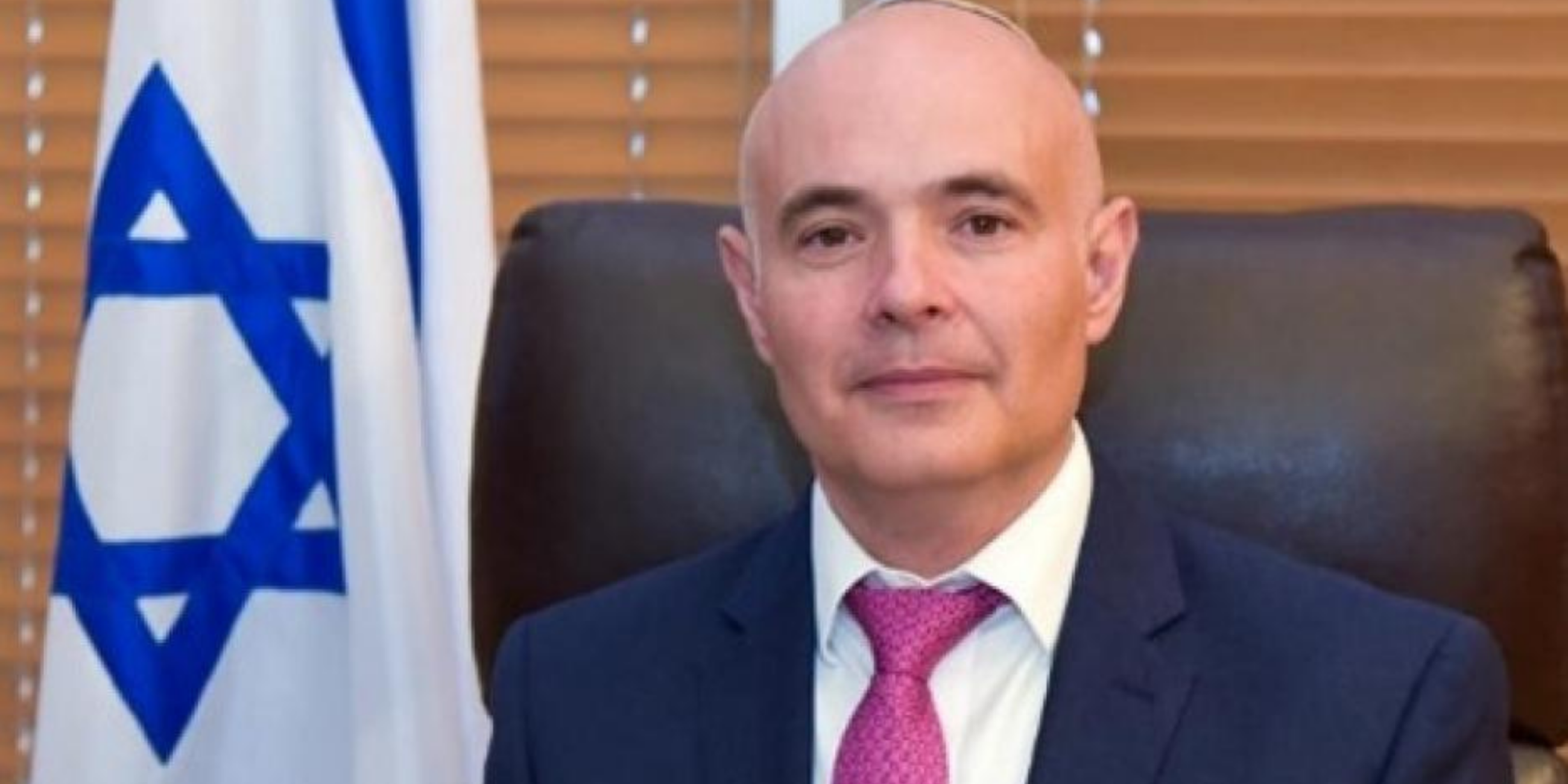
  • Israel Offers Intelligence Sharing to Nigeria to Tackle Insecurity, Protect Vulnerable Christian Communities – Envoy

    Israel plans to support Nigeria in addressing insecurity and protecting Christian communities through intelligence sharing and strategic cooperation, according to Israel’s Ambassador to Nigeria, Michael Freeman. The initiative, outlined by Prime Minister Benjamin Netanyahu, emphasizes working in partnership with the Nigerian government and respecting national sovereignty.

    Freeman stated the support targets broader security challenges, including terrorism, insurgency, and violent extremism, not just threats against Christians. He highlighted Israel’s model of religious freedom, pointing to the thriving Christian population in Israel as an example.

    Amid growing concerns over attacks on Christians in Nigeria’s Middle Belt and northern regions, the Israeli involvement is intended as cooperation rather than unilateral action, with all sensitive operations guided by Abuja. The ambassador declined to speculate on potential U.S. unilateral interventions in Nigeria, emphasizing that Israel will act only with government approval.

    The announcement comes as Nigeria continues to face threats from Boko Haram, ISWAP, and bandits, with recurring calls for international support to safeguard vulnerable communities.
    Israel Offers Intelligence Sharing to Nigeria to Tackle Insecurity, Protect Vulnerable Christian Communities – Envoy Israel plans to support Nigeria in addressing insecurity and protecting Christian communities through intelligence sharing and strategic cooperation, according to Israel’s Ambassador to Nigeria, Michael Freeman. The initiative, outlined by Prime Minister Benjamin Netanyahu, emphasizes working in partnership with the Nigerian government and respecting national sovereignty. Freeman stated the support targets broader security challenges, including terrorism, insurgency, and violent extremism, not just threats against Christians. He highlighted Israel’s model of religious freedom, pointing to the thriving Christian population in Israel as an example. Amid growing concerns over attacks on Christians in Nigeria’s Middle Belt and northern regions, the Israeli involvement is intended as cooperation rather than unilateral action, with all sensitive operations guided by Abuja. The ambassador declined to speculate on potential U.S. unilateral interventions in Nigeria, emphasizing that Israel will act only with government approval. The announcement comes as Nigeria continues to face threats from Boko Haram, ISWAP, and bandits, with recurring calls for international support to safeguard vulnerable communities.
    0 Commenti ·0 condivisioni ·598 Views
  • Soludo Government Awards ₦229 Million Contracts for Two Hospital Gates in Anambra as Audit Flags ₦725m Financial Irregularities

    The Anambra State Government under Governor Chukwuma Soludo has awarded contracts worth ₦229 million for the construction of two gates at General Hospitals in Okpoko and Fegge, SaharaReporters has revealed. A review of the Anambra State Open Contracting Portal shows that the projects, tagged “Solution Is Here Model Gate,” were awarded at an average cost of ₦114.5 million per gate.

    According to the contract details, Crystal Dove Construction Limited emerged as the contractor for both projects. However, checks on the Corporate Affairs Commission (CAC) portal did not provide verifiable information about the company, raising transparency concerns.

    The contract awards come amid growing scrutiny of Anambra State’s public finances following revelations in the state’s 2024 Audit Report. The report, issued by the Office of the Auditor-General, uncovered unresolved financial queries and alleged fiscal indiscipline totaling over ₦725 million across several ministries and parastatals.

    Key findings include the non-retirement of ₦263 million released to the Anambra State Investment Promotion and Protection Agency (ANSIPPA) for consultancy services related to a proposed industrial city master plan and special economic zone licence. Auditors noted that there was no evidence of the master plan or licence for which the funds were approved, describing the situation as a violation of financial accountability and fiscal responsibility principles.

    The audit also flagged missing government assets, including three vehicles—one Peugeot Panther and two Ford Rangers—that could not be accounted for by the Ministry of Commerce and Industry.

    These revelations have intensified public debate over spending priorities, transparency, and accountability in Anambra State, particularly as large sums are allocated to infrastructure projects like hospital gates while unresolved audit queries and missing public funds remain unaddressed.
    Soludo Government Awards ₦229 Million Contracts for Two Hospital Gates in Anambra as Audit Flags ₦725m Financial Irregularities The Anambra State Government under Governor Chukwuma Soludo has awarded contracts worth ₦229 million for the construction of two gates at General Hospitals in Okpoko and Fegge, SaharaReporters has revealed. A review of the Anambra State Open Contracting Portal shows that the projects, tagged “Solution Is Here Model Gate,” were awarded at an average cost of ₦114.5 million per gate. According to the contract details, Crystal Dove Construction Limited emerged as the contractor for both projects. However, checks on the Corporate Affairs Commission (CAC) portal did not provide verifiable information about the company, raising transparency concerns. The contract awards come amid growing scrutiny of Anambra State’s public finances following revelations in the state’s 2024 Audit Report. The report, issued by the Office of the Auditor-General, uncovered unresolved financial queries and alleged fiscal indiscipline totaling over ₦725 million across several ministries and parastatals. Key findings include the non-retirement of ₦263 million released to the Anambra State Investment Promotion and Protection Agency (ANSIPPA) for consultancy services related to a proposed industrial city master plan and special economic zone licence. Auditors noted that there was no evidence of the master plan or licence for which the funds were approved, describing the situation as a violation of financial accountability and fiscal responsibility principles. The audit also flagged missing government assets, including three vehicles—one Peugeot Panther and two Ford Rangers—that could not be accounted for by the Ministry of Commerce and Industry. These revelations have intensified public debate over spending priorities, transparency, and accountability in Anambra State, particularly as large sums are allocated to infrastructure projects like hospital gates while unresolved audit queries and missing public funds remain unaddressed.
    0 Commenti ·0 condivisioni ·626 Views
  • Taraba Schools Overcrowded, Classrooms Collapsing, Students Sit on Bare Floors as Governor Kefas’ Free Education Policy Falters

    Two years after Governor Agbu Kefas introduced a free and compulsory education policy in Taraba State, many public schools are struggling with severe infrastructural decay, overcrowding, and lack of basic learning facilities. While the policy initially boosted school enrollment and was celebrated as a major social intervention, the necessary support systems—classrooms, furniture, teachers, learning materials, and adequate funding—failed to keep pace.

    Across the state, classrooms designed for about 30 pupils now accommodate more than 70, forcing many students to sit on bare floors. Laboratories are largely non-functional due to lack of equipment, teachers are overstretched, discipline is deteriorating, and school safety has become a growing concern, highlighted by the killing of a teacher, Mr. Bassey Sardauna. Parents and educators describe the situation as “organised suffering,” arguing that children attend school but gain little meaningful learning.

    The government’s promise to build 60 model schools has largely stalled, with many projects abandoned at early construction stages. Compounding the crisis, schools have lost internally generated revenue from fees under the free education policy and now depend on government subventions widely described as inadequate. As a result, head teachers ration basic items like chalk, cancel science practicals, and lower academic expectations just to keep schools operating.

    Despite the policy’s lofty rhetoric, the reality in Taraba classrooms paints a grim picture of neglect and poor planning, raising serious questions about the sustainability and effectiveness of the state’s free education programme.
    Taraba Schools Overcrowded, Classrooms Collapsing, Students Sit on Bare Floors as Governor Kefas’ Free Education Policy Falters Two years after Governor Agbu Kefas introduced a free and compulsory education policy in Taraba State, many public schools are struggling with severe infrastructural decay, overcrowding, and lack of basic learning facilities. While the policy initially boosted school enrollment and was celebrated as a major social intervention, the necessary support systems—classrooms, furniture, teachers, learning materials, and adequate funding—failed to keep pace. Across the state, classrooms designed for about 30 pupils now accommodate more than 70, forcing many students to sit on bare floors. Laboratories are largely non-functional due to lack of equipment, teachers are overstretched, discipline is deteriorating, and school safety has become a growing concern, highlighted by the killing of a teacher, Mr. Bassey Sardauna. Parents and educators describe the situation as “organised suffering,” arguing that children attend school but gain little meaningful learning. The government’s promise to build 60 model schools has largely stalled, with many projects abandoned at early construction stages. Compounding the crisis, schools have lost internally generated revenue from fees under the free education policy and now depend on government subventions widely described as inadequate. As a result, head teachers ration basic items like chalk, cancel science practicals, and lower academic expectations just to keep schools operating. Despite the policy’s lofty rhetoric, the reality in Taraba classrooms paints a grim picture of neglect and poor planning, raising serious questions about the sustainability and effectiveness of the state’s free education programme.
    0 Commenti ·0 condivisioni ·307 Views
  • Tinubu Presidency Labels Peter Obi ‘Bitter, Failed Governor’ and ‘Copycat’

    Bayo Onanuga, Special Adviser on Media to President Bola Tinubu, criticized former Labour Party presidential candidate Peter Obi following his defection to the African Democratic Congress (ADC). Onanuga described Obi as bitter over the 2023 election and accused him of relying on foreign examples for national development.

    He questioned Obi’s leadership record as Governor of Anambra State and claimed that Nigeria requires original solutions rather than copying models from other countries. Onanuga contrasted Obi’s approach with Tinubu’s administration, highlighting economic reforms, infrastructure projects, and tax system improvements achieved in under three years.

    He further predicted that Obi will play a minor role in future elections, likely becoming Atiku Abubakar’s running mate in 2027, similar to the 2019 election.
    Tinubu Presidency Labels Peter Obi ‘Bitter, Failed Governor’ and ‘Copycat’ Bayo Onanuga, Special Adviser on Media to President Bola Tinubu, criticized former Labour Party presidential candidate Peter Obi following his defection to the African Democratic Congress (ADC). Onanuga described Obi as bitter over the 2023 election and accused him of relying on foreign examples for national development. He questioned Obi’s leadership record as Governor of Anambra State and claimed that Nigeria requires original solutions rather than copying models from other countries. Onanuga contrasted Obi’s approach with Tinubu’s administration, highlighting economic reforms, infrastructure projects, and tax system improvements achieved in under three years. He further predicted that Obi will play a minor role in future elections, likely becoming Atiku Abubakar’s running mate in 2027, similar to the 2019 election.
    0 Commenti ·0 condivisioni ·492 Views
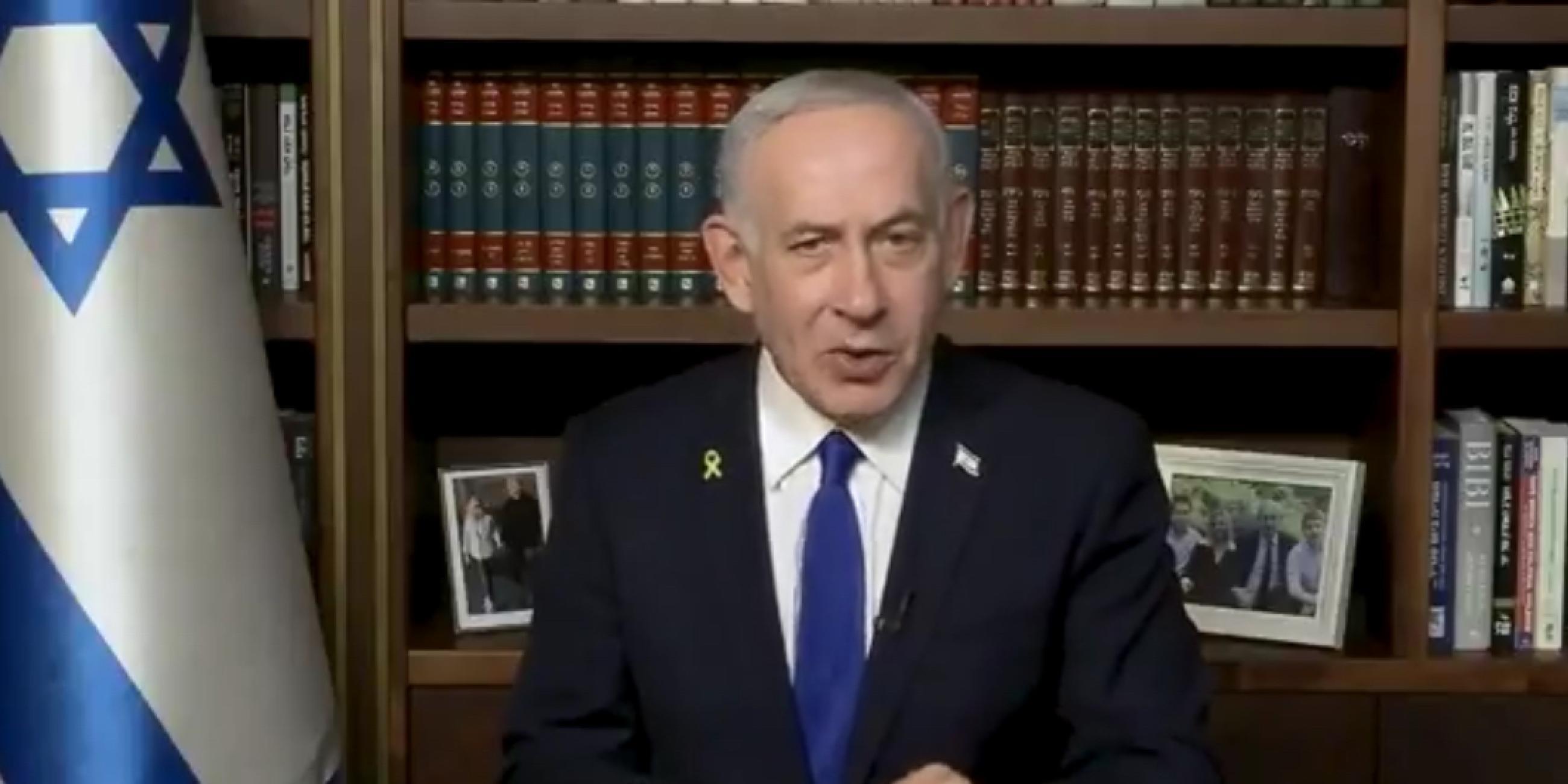
  • Israeli PM Netanyahu Condemns Attacks on Christians in Nigeria, Calls for Immediate End to Religious Violence

    Israeli Prime Minister Benjamin Netanyahu has condemned militant attacks against Christians in Nigeria, calling the violence “must end, and it must end now” in his Christmas message from Jerusalem. Netanyahu highlighted Israel as a model of religious freedom, contrasting it with regions where Christians face persecution, including Iraq, Syria, Lebanon, Turkey, the Palestinian Authority, and Nigeria. He cited the dwindling Christian population in Bethlehem, which fell from 80% to 20% under Palestinian Authority control, and criticized ongoing violence against Christian communities. Netanyahu reaffirmed Israel’s support for Christians globally, stating that the country “stands up for Christians across the region” and sends blessings to Christians worldwide.

    #NetanyahuSpeaks #ChristianPersecutionNigeria #ReligiousFreedom
    Israeli PM Netanyahu Condemns Attacks on Christians in Nigeria, Calls for Immediate End to Religious Violence Israeli Prime Minister Benjamin Netanyahu has condemned militant attacks against Christians in Nigeria, calling the violence “must end, and it must end now” in his Christmas message from Jerusalem. Netanyahu highlighted Israel as a model of religious freedom, contrasting it with regions where Christians face persecution, including Iraq, Syria, Lebanon, Turkey, the Palestinian Authority, and Nigeria. He cited the dwindling Christian population in Bethlehem, which fell from 80% to 20% under Palestinian Authority control, and criticized ongoing violence against Christian communities. Netanyahu reaffirmed Israel’s support for Christians globally, stating that the country “stands up for Christians across the region” and sends blessings to Christians worldwide. #NetanyahuSpeaks #ChristianPersecutionNigeria #ReligiousFreedom
    0 Commenti ·0 condivisioni ·680 Views
  • Christmas: Governor Fubara seeks Peace, Tolerance and Progress.

    Rivers state governor Siminalayi Fubara has called on residents of the state to exemplify the virtues of peace, tolerance and sacrifice which Christmas represents and be vigilant as they celebrate the birth of Jesus Christ.

    On this sacred day, Governor Fubara enjoins residents to honour the Prince of Peace, whose life remains the eternal model of love, humility, sacrifice and compassion.

    The governor in his Christmas message congratulates all residents in the state for witnessing what he called the season of hope, renewal, and thanksgiving.

    Christmas, he notes, stands as a profound expression of God’s boundless love and His gift of peace to humanity.

    The governor urged everybody to reflect deeply on these enduring values and allow them to guide their conduct towards one another.

    Governor Fubara also added that regardless of individual faiths, let everyone uphold religious tolerance and recommit themselves to the noble responsibility of being one's brother’s keeper amid the socio-economic challenges.

    The governor further called on residents to replace discord with dialogue while choosing understanding over division.

    On security during the yuletide, Governor Fubara urged all residents to remain security-conscious, as safeguarding the state is a shared responsibility that begins with vigilance, cooperation, mutual respect and support.
    Christmas: Governor Fubara seeks Peace, Tolerance and Progress. Rivers state governor Siminalayi Fubara has called on residents of the state to exemplify the virtues of peace, tolerance and sacrifice which Christmas represents and be vigilant as they celebrate the birth of Jesus Christ. On this sacred day, Governor Fubara enjoins residents to honour the Prince of Peace, whose life remains the eternal model of love, humility, sacrifice and compassion. The governor in his Christmas message congratulates all residents in the state for witnessing what he called the season of hope, renewal, and thanksgiving. Christmas, he notes, stands as a profound expression of God’s boundless love and His gift of peace to humanity. The governor urged everybody to reflect deeply on these enduring values and allow them to guide their conduct towards one another. Governor Fubara also added that regardless of individual faiths, let everyone uphold religious tolerance and recommit themselves to the noble responsibility of being one's brother’s keeper amid the socio-economic challenges. The governor further called on residents to replace discord with dialogue while choosing understanding over division. On security during the yuletide, Governor Fubara urged all residents to remain security-conscious, as safeguarding the state is a shared responsibility that begins with vigilance, cooperation, mutual respect and support.
    0 Commenti ·0 condivisioni ·426 Views
  • Court Orders Final Forfeiture of Goodluck Jonathan Estate Lands to FG

    The Federal High Court in Abuja has permanently forfeited lands approved for the Goodluck Jonathan Legacy Model Housing Estate to the Federal Government. Judge Mohammed Umar granted the ICPC’s request on December 11, 2025, directing supervision in collaboration with the Federal Mortgage Bank of Nigeria to ensure the housing units benefit end-users. The forfeited plots include Plot 5 in Kaba District (122,015.80 m², valued at N1.94 billion) and Plot 4 (157,198.30 m², valued at N3.34 billion), suspected to be proceeds of unlawful activity. A joint ICPC-FMBN committee will oversee completion of the project. This follows similar government action on ex-CBN Governor Godwin Emefiele’s estate, with public calls for transparency and productive use of recovered assets.

    #GoodluckJonathanEstate #ICPC #AssetRecovery #FederalGovernment #NigeriaNews #HousingDevelopment #FMBN #CourtForfeiture
    Court Orders Final Forfeiture of Goodluck Jonathan Estate Lands to FG The Federal High Court in Abuja has permanently forfeited lands approved for the Goodluck Jonathan Legacy Model Housing Estate to the Federal Government. Judge Mohammed Umar granted the ICPC’s request on December 11, 2025, directing supervision in collaboration with the Federal Mortgage Bank of Nigeria to ensure the housing units benefit end-users. The forfeited plots include Plot 5 in Kaba District (122,015.80 m², valued at N1.94 billion) and Plot 4 (157,198.30 m², valued at N3.34 billion), suspected to be proceeds of unlawful activity. A joint ICPC-FMBN committee will oversee completion of the project. This follows similar government action on ex-CBN Governor Godwin Emefiele’s estate, with public calls for transparency and productive use of recovered assets. #GoodluckJonathanEstate #ICPC #AssetRecovery #FederalGovernment #NigeriaNews #HousingDevelopment #FMBN #CourtForfeiture
    0 Commenti ·0 condivisioni ·739 Views
  • Prominent Kwara Cleric Warns APC, PDP Against Zoning 2027 Governorship Ticket Outside Ilorin, Traditional Rulers Back Kwara North Power Shift

    Ahead of the 2027 governorship election in Kwara state, Islamic cleric Sheikh Ahmad Labeeb Agbaji has warned political parties against zoning the governorship ticket outside Ilorin, stressing that doing so could result in electoral failure. While the cleric emphasized Ilorin’s central role in state development, leaders from Kwara North, including traditional rulers, are pushing for a historic power shift due to insecurity and underdevelopment in the region. The Emir of Yashikira and other monarchs highlighted the need for local security models and equitable governance, with Kwara South rulers expressing support for the initiative, signaling growing consensus for a Kwara North governor in 2027.
    Prominent Kwara Cleric Warns APC, PDP Against Zoning 2027 Governorship Ticket Outside Ilorin, Traditional Rulers Back Kwara North Power Shift Ahead of the 2027 governorship election in Kwara state, Islamic cleric Sheikh Ahmad Labeeb Agbaji has warned political parties against zoning the governorship ticket outside Ilorin, stressing that doing so could result in electoral failure. While the cleric emphasized Ilorin’s central role in state development, leaders from Kwara North, including traditional rulers, are pushing for a historic power shift due to insecurity and underdevelopment in the region. The Emir of Yashikira and other monarchs highlighted the need for local security models and equitable governance, with Kwara South rulers expressing support for the initiative, signaling growing consensus for a Kwara North governor in 2027.
    0 Commenti ·0 condivisioni ·363 Views
  • Peter Obi Frames Dangote-Farouk Controversy as Moral and Public Responsibility Debate, Proposes Alternative $5 Million Education Model

    Former Labour Party presidential candidate Peter Obi has weighed in on the Farouk Ahmed controversy, reframing the debate as a question of public responsibility and morality rather than personal conduct. Responding to allegations that Ahmed spent $5 million on his children’s education in Switzerland, Obi highlighted the disparity against Nigeria’s 18 million out-of-school children and proposed redirecting such funds to build a self-sustaining national education ecosystem. He detailed a model that could fund 25 school blocks, employ 450 teachers, and create long-term financial returns for sustained education, emphasizing ethical governance and equitable resource allocation.
    Peter Obi Frames Dangote-Farouk Controversy as Moral and Public Responsibility Debate, Proposes Alternative $5 Million Education Model Former Labour Party presidential candidate Peter Obi has weighed in on the Farouk Ahmed controversy, reframing the debate as a question of public responsibility and morality rather than personal conduct. Responding to allegations that Ahmed spent $5 million on his children’s education in Switzerland, Obi highlighted the disparity against Nigeria’s 18 million out-of-school children and proposed redirecting such funds to build a self-sustaining national education ecosystem. He detailed a model that could fund 25 school blocks, employ 450 teachers, and create long-term financial returns for sustained education, emphasizing ethical governance and equitable resource allocation.
    0 Commenti ·0 condivisioni ·323 Views
  • SuperModel Anok Yai, 28, Diagnosed with Serious Lung Defect, Undergoes Surgery

    Supermodel Anok Yai has opened up about a private health battle, revealing she has a congenital defect that is destroying her lungs and overworking her heart.

    The 28-year-old Fashion Awards’ Model of the Year disclosed this on Friday.
    SuperModel Anok Yai, 28, Diagnosed with Serious Lung Defect, Undergoes Surgery Supermodel Anok Yai has opened up about a private health battle, revealing she has a congenital defect that is destroying her lungs and overworking her heart. The 28-year-old Fashion Awards’ Model of the Year disclosed this on Friday.
    0 Commenti ·0 condivisioni ·259 Views
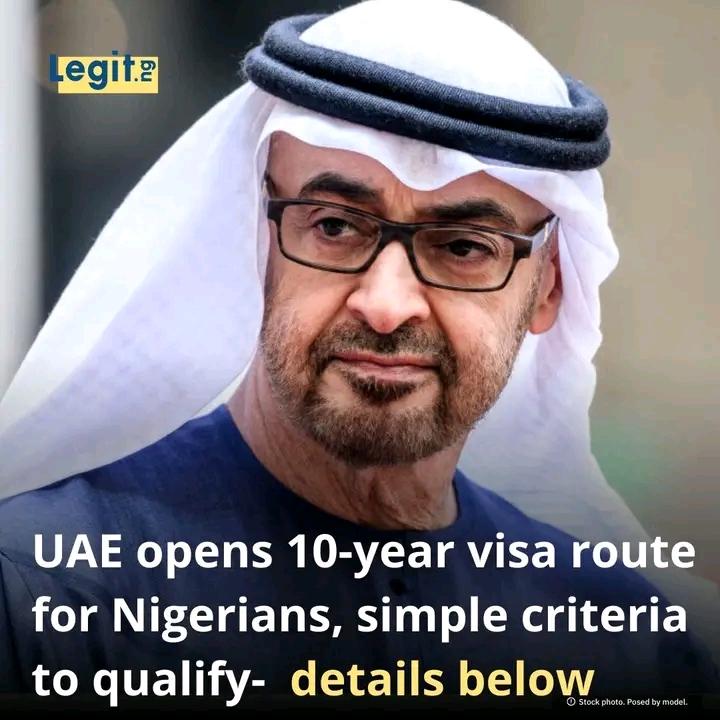
  • UAE Opens 10-Year Golden Visa to Nigerians Supporting Humanitarian Work
    Published October 22, 2025; Updated December 12, 2025

    The United Arab Emirates (UAE) has introduced a new Golden Visa category offering 10-year renewable residency to Nigerians and international donors who contribute to certified humanitarian projects or Islamic endowment (Waqf) initiatives. The announcement was made at the GITEX Global 2025 event in Dubai.

    Eligibility and Requirements:

    Minimum donation of AED 2 million (~£450,000) to approved humanitarian or Waqf projects.

    Hold a university degree.

    Receive nomination from Awqaf Dubai or another authorized humanitarian institution.

    Submit application through the GDRFA Smart Services portal or at any Amer center in Dubai.


    Benefits of the Golden Visa:

    10-year renewable residency without needing a local sponsor.

    Freedom to live, work, and study anywhere in the UAE.

    Ability to sponsor family members (spouse, children, parents).

    Visa remains valid even if the holder spends more than six months abroad.


    Purpose and Impact:
    The initiative aims to:

    Encourage global philanthropy and social impact.

    Attract charitable capital to the UAE.

    Foster international collaboration in community development.


    Officials’ Remarks:

    Mohammed Ahmed Al Marri (GDRFA-Dubai) called it a “pioneering model” empowering donors in community development.

    Ali Mohammed Al Mutawa (Awqaf Dubai) described it as a natural extension of Dubai’s vision to integrate endowment work into sustainable development.


    This policy expands Dubai’s Golden Visa framework, which previously targeted investors, scientists, entrepreneurs, and medical professionals, to include philanthropists and humanitarian financiers.
    UAE Opens 10-Year Golden Visa to Nigerians Supporting Humanitarian Work Published October 22, 2025; Updated December 12, 2025 The United Arab Emirates (UAE) has introduced a new Golden Visa category offering 10-year renewable residency to Nigerians and international donors who contribute to certified humanitarian projects or Islamic endowment (Waqf) initiatives. The announcement was made at the GITEX Global 2025 event in Dubai. Eligibility and Requirements: Minimum donation of AED 2 million (~£450,000) to approved humanitarian or Waqf projects. Hold a university degree. Receive nomination from Awqaf Dubai or another authorized humanitarian institution. Submit application through the GDRFA Smart Services portal or at any Amer center in Dubai. Benefits of the Golden Visa: 10-year renewable residency without needing a local sponsor. Freedom to live, work, and study anywhere in the UAE. Ability to sponsor family members (spouse, children, parents). Visa remains valid even if the holder spends more than six months abroad. Purpose and Impact: The initiative aims to: Encourage global philanthropy and social impact. Attract charitable capital to the UAE. Foster international collaboration in community development. Officials’ Remarks: Mohammed Ahmed Al Marri (GDRFA-Dubai) called it a “pioneering model” empowering donors in community development. Ali Mohammed Al Mutawa (Awqaf Dubai) described it as a natural extension of Dubai’s vision to integrate endowment work into sustainable development. This policy expands Dubai’s Golden Visa framework, which previously targeted investors, scientists, entrepreneurs, and medical professionals, to include philanthropists and humanitarian financiers.
    0 Commenti ·0 condivisioni ·285 Views

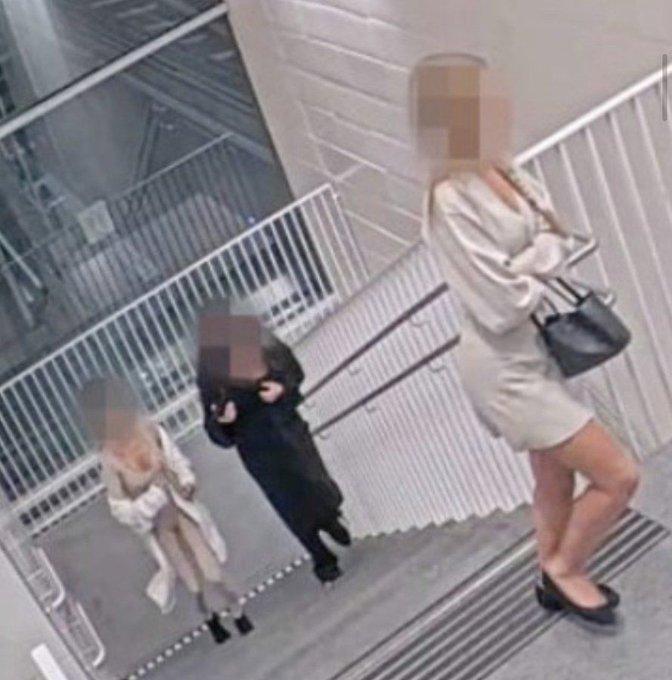
  • SWEDEN'S GANGS ARE RECRUITING 14-YEAR-OLDS TO THROW GRENADES FOR $4,800 - AND THE LAW CAN'T TOUCH THEM

    Three Swedish girls - aged 14, 16, and 17 - threw three hand grenades at residential buildings in Gothenburg. One exploded outside an apartment. Two didn't. They got paid 45,000 kronor each. That's $4,800.

    The 14-year-old organized it. She was recruited online by "SuperMario," a Foxtrot gang member operating from abroad. She recruited the 16-year-old. The 17-year-old carried the grenades in her handbag. They took a train, threw the grenades, went home, and withdrew the cash from ATMs. Police caught them via DNA on the unexploded grenades.

    All three admitted it. The two older girls are on trial. The 14-year-old? She's below Sweden's age of criminal responsibility. She gets an "evidentiary hearing" and walks.

    This isn't an isolated incident - it's Swedish gang warfare's new business model. Last year, 280 girls aged 15-17 were charged with murder, manslaughter, or violent crimes. Children as young as 11 are being recruited for contract killings. The going rate for throwing a grenade is 50,000 kronor. For murder, it's 100,000 to 800,000 depending on the target.

    Sweden has the highest per capita gun violence rate in the EU. Hand grenade attacks are near-daily occurrences - surplus Yugoslav War munitions smuggled from the Balkans. Three criminal networks (Foxtrot, Dalen, Rumba) control nearly half of all gang violence resulting in death or injury.

    Their leaders? Operating from Turkey, Iran, and Mexico. Rawa "Kurdish Fox" Majid runs Foxtrot from Turkey after being detained and released by Iran. Mossad claims he's working with Iranian intelligence to attack Israeli targets in Stockholm. Mikael "The Greek" Tenezos runs Dalen from Mexico. They recruit children via encrypted apps because Swedish law can't prosecute anyone under 15.

    The Swedish government just announced they're building special youth prisons for 13- and 14-year-olds. They're lowering the age of criminal responsibility because the legal loophole has turned Sweden's children into the perfect disposable soldiers for transnational crime networks.

    Police found text conversations between gang handlers and child recruits. "Shooter needed NOW NOW NOW. EVERYTHING READY. Housing, travel, you just have to go. 800,000." Another: "Denmark 500k, head shot 500k, throw a grenade 200k, Sweden murder 100k."

    Sweden was the low-crime Scandinavian model. Now it has nine times more deadly shootings than Norway, Denmark, and Finland combined. Prime Minister Ulf Kristersson admitted his government has "lost control over organised-crime violence."

    Three teenage girls just got paid to throw grenades at apartment buildings. The youngest one can't be prosecuted. And somewhere abroad, "SuperMario" is still recruiting.

    Source: Aftonbladet, CBS News, Al Jazeera
    🇸🇪 SWEDEN'S GANGS ARE RECRUITING 14-YEAR-OLDS TO THROW GRENADES FOR $4,800 - AND THE LAW CAN'T TOUCH THEM Three Swedish girls - aged 14, 16, and 17 - threw three hand grenades at residential buildings in Gothenburg. One exploded outside an apartment. Two didn't. They got paid 45,000 kronor each. That's $4,800. The 14-year-old organized it. She was recruited online by "SuperMario," a Foxtrot gang member operating from abroad. She recruited the 16-year-old. The 17-year-old carried the grenades in her handbag. They took a train, threw the grenades, went home, and withdrew the cash from ATMs. Police caught them via DNA on the unexploded grenades. All three admitted it. The two older girls are on trial. The 14-year-old? She's below Sweden's age of criminal responsibility. She gets an "evidentiary hearing" and walks. This isn't an isolated incident - it's Swedish gang warfare's new business model. Last year, 280 girls aged 15-17 were charged with murder, manslaughter, or violent crimes. Children as young as 11 are being recruited for contract killings. The going rate for throwing a grenade is 50,000 kronor. For murder, it's 100,000 to 800,000 depending on the target. Sweden has the highest per capita gun violence rate in the EU. Hand grenade attacks are near-daily occurrences - surplus Yugoslav War munitions smuggled from the Balkans. Three criminal networks (Foxtrot, Dalen, Rumba) control nearly half of all gang violence resulting in death or injury. Their leaders? Operating from Turkey, Iran, and Mexico. Rawa "Kurdish Fox" Majid runs Foxtrot from Turkey after being detained and released by Iran. Mossad claims he's working with Iranian intelligence to attack Israeli targets in Stockholm. Mikael "The Greek" Tenezos runs Dalen from Mexico. They recruit children via encrypted apps because Swedish law can't prosecute anyone under 15. The Swedish government just announced they're building special youth prisons for 13- and 14-year-olds. They're lowering the age of criminal responsibility because the legal loophole has turned Sweden's children into the perfect disposable soldiers for transnational crime networks. Police found text conversations between gang handlers and child recruits. "Shooter needed NOW NOW NOW. EVERYTHING READY. Housing, travel, you just have to go. 800,000." Another: "Denmark 500k, head shot 500k, throw a grenade 200k, Sweden murder 100k." Sweden was the low-crime Scandinavian model. Now it has nine times more deadly shootings than Norway, Denmark, and Finland combined. Prime Minister Ulf Kristersson admitted his government has "lost control over organised-crime violence." Three teenage girls just got paid to throw grenades at apartment buildings. The youngest one can't be prosecuted. And somewhere abroad, "SuperMario" is still recruiting. Source: Aftonbladet, CBS News, Al Jazeera
    0 Commenti ·0 condivisioni ·437 Views
Pagine in Evidenza
Fintter https://fintter.com