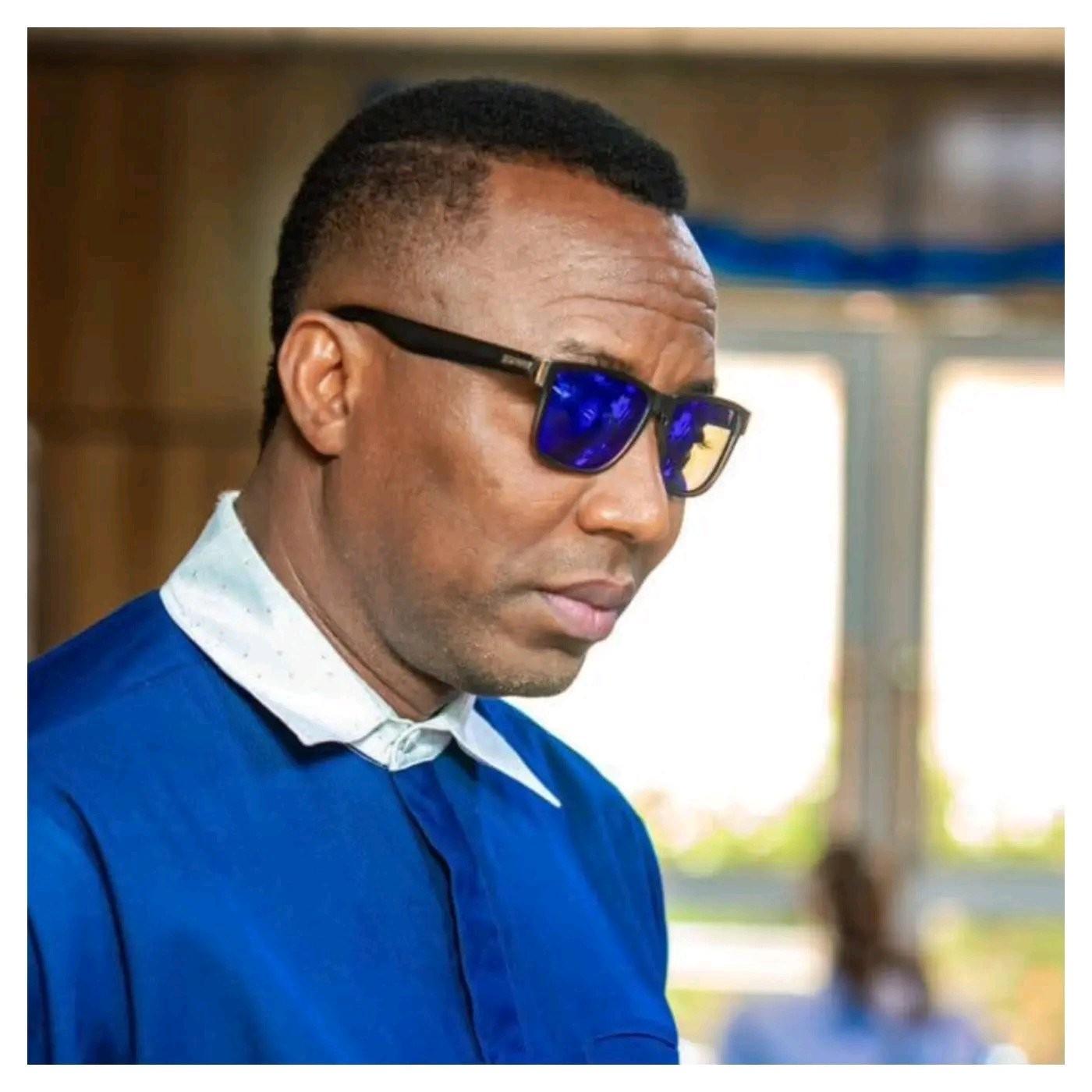
• Is the ‘Christian Genocide’ in Nigeria a Political Narrative? Why Trump Admits Muslims Are Also Killed as Sowore Accuses the U.S. of Using Religion to Justify Power, Oil, and Military Influence

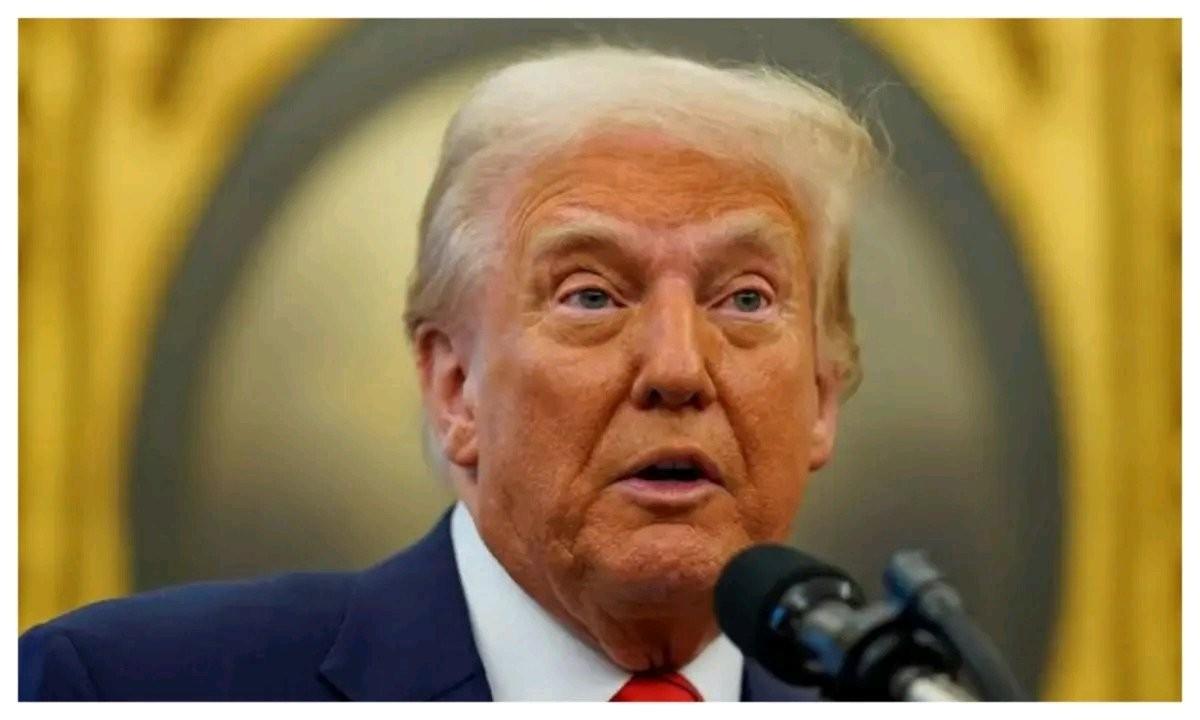
    Is the narrative of a “Christian genocide” in Nigeria an honest reflection of the country’s security crisis—or a political tool shaped by foreign interests? United States President Donald Trump has made a partial shift in his long-standing rhetoric on religious violence in Nigeria, acknowledging that Muslims are also being killed, even while maintaining that Christians remain the primary victims.

    Trump made the remarks during an interview with The New York Times following questions about Washington’s Christmas Day military strike in northwest Nigeria. The U.S. military said the operation, carried out at the request of the Nigerian government, targeted Islamic State West Africa Province (ISWAP), a Boko Haram splinter group responsible for years of deadly attacks across northern Nigeria.

    When asked about earlier comments from his own Africa adviser—who had stated that extremist groups in Nigeria kill more Muslims than Christians—Trump responded: “I think that Muslims are being killed also in Nigeria. But it’s mostly Christians.” The statement marked a rare acknowledgment that Nigeria’s victims of terrorism cut across religious lines, even as Trump continued to frame the conflict primarily through a Christian persecution lens.

    The comments immediately drew a sharp response from Omoyele Sowore, former Nigerian presidential candidate and prominent human rights activist. In a series of posts on X (formerly Twitter), Sowore dismissed the “Christian genocide” narrative as a calculated political construct, arguing that it is designed to stir emotion, mobilize conservative audiences abroad, and provide moral cover for foreign military, economic, and geopolitical agendas.

    Sowore accused Trump of using religion as a rhetorical device while pursuing what he described as imperial interests tied to oil, rare earth minerals, and strategic dominance. “The narrative used to justify it is secondary,” Sowore wrote, adding that such framing only needs to “match the gullibility of the intended audience.” According to him, claims of systematic religious genocide in Nigeria are not grounded in objective reality but are deliberately shaped to occupy a powerful emotional space in Western political discourse.

    He further challenged Trump’s moral authority to speak on Christian values, asserting that the former U.S. president does not embody the compassion, humility, or solidarity central to the faith he frequently invokes. Sowore argued that Trump’s selective concern for religious identity masks a broader indifference to human suffering—both abroad and at home—unless it aligns with his political interests.

    The controversy highlights a deeper question: Is Nigeria’s complex security crisis being oversimplified into a religious conflict for international consumption? While jihadist groups like ISWAP and Boko Haram have undeniably targeted Christian communities, they have also killed thousands of Muslims, including traditional leaders, clerics, villagers, and security personnel. Analysts have long warned that framing the violence as exclusively anti-Christian risks distorting reality, inflaming sectarian tensions, and obscuring the political, economic, and territorial dimensions of the conflict.

    Trump’s admission that Muslims are also victims, even if partial, challenges his earlier absolutist framing. Yet his insistence that Christians remain the main targets continues to fuel debate about whether U.S. policy toward Nigeria is being shaped by faith-based narratives rather than nuanced security analysis.

    As Nigeria battles insurgency, banditry, and transnational terrorism, the exchange between Trump and Sowore underscores how global power politics, religious identity, and media narratives intersect in shaping international responses to African conflicts. The key question remains: is the world seeing Nigeria’s crisis as it truly is—or as it is most politically useful to portray?


    Is the ‘Christian Genocide’ in Nigeria a Political Narrative? Why Trump Admits Muslims Are Also Killed as Sowore Accuses the U.S. of Using Religion to Justify Power, Oil, and Military Influence Is the narrative of a “Christian genocide” in Nigeria an honest reflection of the country’s security crisis—or a political tool shaped by foreign interests? United States President Donald Trump has made a partial shift in his long-standing rhetoric on religious violence in Nigeria, acknowledging that Muslims are also being killed, even while maintaining that Christians remain the primary victims. Trump made the remarks during an interview with The New York Times following questions about Washington’s Christmas Day military strike in northwest Nigeria. The U.S. military said the operation, carried out at the request of the Nigerian government, targeted Islamic State West Africa Province (ISWAP), a Boko Haram splinter group responsible for years of deadly attacks across northern Nigeria. When asked about earlier comments from his own Africa adviser—who had stated that extremist groups in Nigeria kill more Muslims than Christians—Trump responded: “I think that Muslims are being killed also in Nigeria. But it’s mostly Christians.” The statement marked a rare acknowledgment that Nigeria’s victims of terrorism cut across religious lines, even as Trump continued to frame the conflict primarily through a Christian persecution lens. The comments immediately drew a sharp response from Omoyele Sowore, former Nigerian presidential candidate and prominent human rights activist. In a series of posts on X (formerly Twitter), Sowore dismissed the “Christian genocide” narrative as a calculated political construct, arguing that it is designed to stir emotion, mobilize conservative audiences abroad, and provide moral cover for foreign military, economic, and geopolitical agendas. Sowore accused Trump of using religion as a rhetorical device while pursuing what he described as imperial interests tied to oil, rare earth minerals, and strategic dominance. “The narrative used to justify it is secondary,” Sowore wrote, adding that such framing only needs to “match the gullibility of the intended audience.” According to him, claims of systematic religious genocide in Nigeria are not grounded in objective reality but are deliberately shaped to occupy a powerful emotional space in Western political discourse. He further challenged Trump’s moral authority to speak on Christian values, asserting that the former U.S. president does not embody the compassion, humility, or solidarity central to the faith he frequently invokes. Sowore argued that Trump’s selective concern for religious identity masks a broader indifference to human suffering—both abroad and at home—unless it aligns with his political interests. The controversy highlights a deeper question: Is Nigeria’s complex security crisis being oversimplified into a religious conflict for international consumption? While jihadist groups like ISWAP and Boko Haram have undeniably targeted Christian communities, they have also killed thousands of Muslims, including traditional leaders, clerics, villagers, and security personnel. Analysts have long warned that framing the violence as exclusively anti-Christian risks distorting reality, inflaming sectarian tensions, and obscuring the political, economic, and territorial dimensions of the conflict. Trump’s admission that Muslims are also victims, even if partial, challenges his earlier absolutist framing. Yet his insistence that Christians remain the main targets continues to fuel debate about whether U.S. policy toward Nigeria is being shaped by faith-based narratives rather than nuanced security analysis. As Nigeria battles insurgency, banditry, and transnational terrorism, the exchange between Trump and Sowore underscores how global power politics, religious identity, and media narratives intersect in shaping international responses to African conflicts. The key question remains: is the world seeing Nigeria’s crisis as it truly is—or as it is most politically useful to portray?
    0 Comments ·0 Shares ·2K Views
  • US Congressman Riley Moore Warns of Escalating Violence Against Christians in Nigeria, Cites ISIS ‘Convert or Die’ Threats and U.S.–Nigeria Security Cooperation

    U.S. Congressman Riley Moore has raised fresh alarm over what he describes as a worsening campaign of violence against Christian communities in Nigeria, citing threats from ISIS-linked groups demanding that Christians “convert or die.” Speaking on Newsmax TV, Moore said he visited Nigeria in December as part of a congressional delegation sent at the direction of President Donald Trump to assess security conditions and humanitarian needs.

    Moore recounted harrowing testimonies from internally displaced persons (IDPs), including women who witnessed the قتل of their children, families torn apart, and unborn babies killed. He said these accounts point to targeted religious persecution, not random criminal violence. According to him, extremist groups—such as ISIS-affiliated factions and Islamist militants active in Nigeria’s Middle Belt—are deliberately attacking churches, Christian villages, and IDP camps.

    The West Virginia lawmaker stated that U.S.–Nigeria security cooperation has intensified, claiming recent joint military actions, including a reported strike around Christmas, helped deter attacks during the holiday period. While some details of these operations have not been independently verified, Moore said discussions are ongoing to establish a broader strategic security framework to strengthen Nigeria’s military capacity, improve intelligence sharing, and close operational gaps.

    Rejecting explanations that attribute the violence mainly to climate change or land disputes, Moore argued that the rhetoric and actions of extremist groups clearly show a specific focus on Christian communities. He acknowledged that Nigerians of all backgrounds have suffered but insisted that Christians face targeted persecution.

    Human rights groups continue to document widespread insecurity in Nigeria involving Boko Haram, ISIS–West Africa Province (ISWAP), and armed militias, with debate persisting over the root causes of the violence. Moore said his conclusions are based on firsthand observations: “What is happening in Nigeria is Christian persecution,” he maintained, urging sustained international attention and support.
    US Congressman Riley Moore Warns of Escalating Violence Against Christians in Nigeria, Cites ISIS ‘Convert or Die’ Threats and U.S.–Nigeria Security Cooperation U.S. Congressman Riley Moore has raised fresh alarm over what he describes as a worsening campaign of violence against Christian communities in Nigeria, citing threats from ISIS-linked groups demanding that Christians “convert or die.” Speaking on Newsmax TV, Moore said he visited Nigeria in December as part of a congressional delegation sent at the direction of President Donald Trump to assess security conditions and humanitarian needs. Moore recounted harrowing testimonies from internally displaced persons (IDPs), including women who witnessed the قتل of their children, families torn apart, and unborn babies killed. He said these accounts point to targeted religious persecution, not random criminal violence. According to him, extremist groups—such as ISIS-affiliated factions and Islamist militants active in Nigeria’s Middle Belt—are deliberately attacking churches, Christian villages, and IDP camps. The West Virginia lawmaker stated that U.S.–Nigeria security cooperation has intensified, claiming recent joint military actions, including a reported strike around Christmas, helped deter attacks during the holiday period. While some details of these operations have not been independently verified, Moore said discussions are ongoing to establish a broader strategic security framework to strengthen Nigeria’s military capacity, improve intelligence sharing, and close operational gaps. Rejecting explanations that attribute the violence mainly to climate change or land disputes, Moore argued that the rhetoric and actions of extremist groups clearly show a specific focus on Christian communities. He acknowledged that Nigerians of all backgrounds have suffered but insisted that Christians face targeted persecution. Human rights groups continue to document widespread insecurity in Nigeria involving Boko Haram, ISIS–West Africa Province (ISWAP), and armed militias, with debate persisting over the root causes of the violence. Moore said his conclusions are based on firsthand observations: “What is happening in Nigeria is Christian persecution,” he maintained, urging sustained international attention and support.
    like
    1
    · 1 Comments ·0 Shares ·807 Views
  • Nicki Minaj Faces Backlash, Loses Followers After Speaking On Christian Persecution In Nigeria At Turning Point USA Event

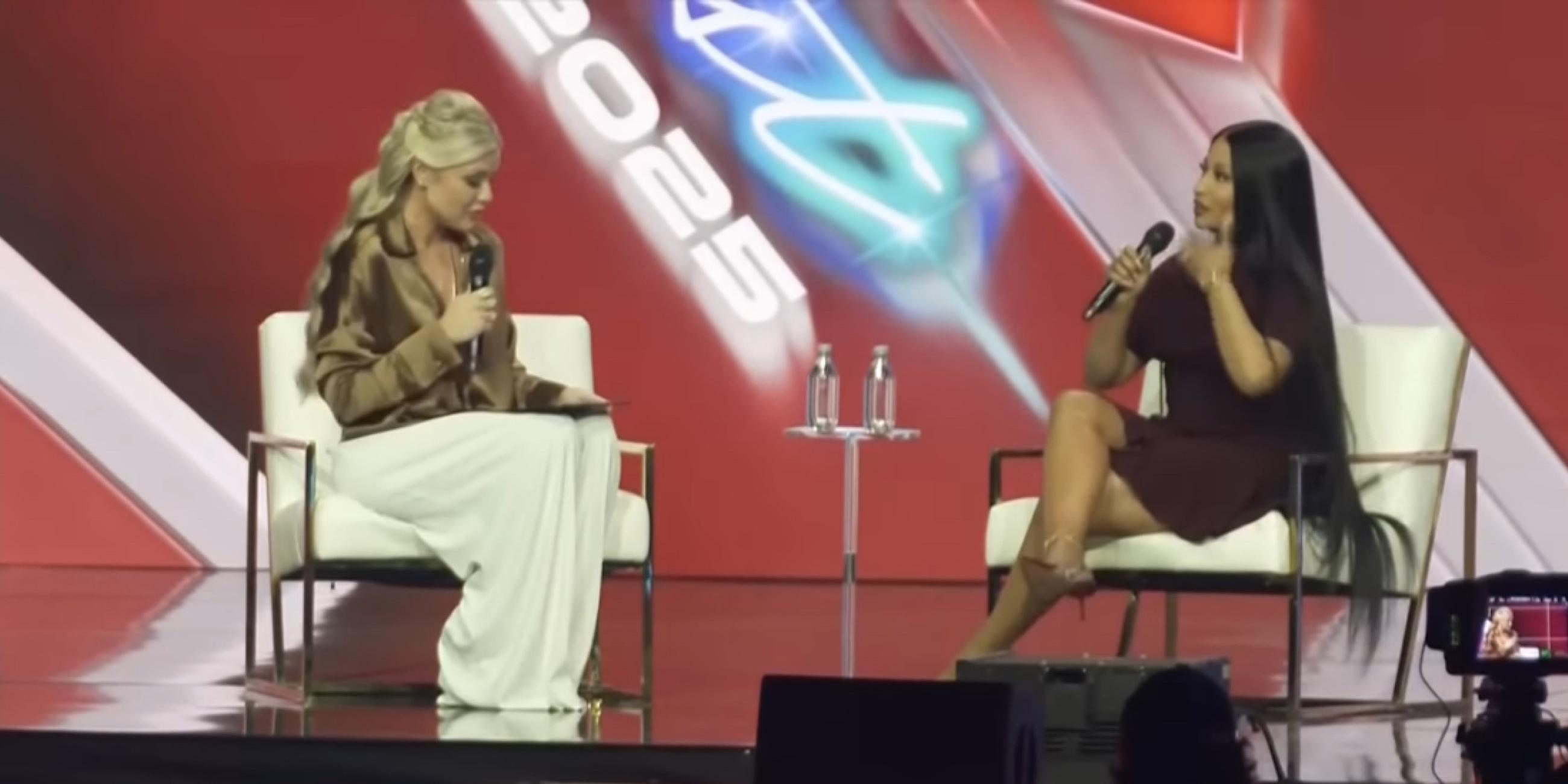
    American rap superstar Nicki Minaj has sparked widespread controversy and social media backlash following her surprise appearance at Turning Point USA’s AmericaFest, where she spoke on faith, politics, and global issues, including the persecution of Christians in Nigeria. Minaj appeared alongside conservative activist Erika Kirk and used the platform to praise former U.S. President Donald Trump and Vice President JD Vance for what she described as their efforts in raising global awareness about violence against Christians, particularly in Nigeria.

    Her remarks immediately triggered mixed reactions online. While some supporters commended her for drawing attention to religious persecution and amplifying the plight of Nigerian Christians—an issue she has previously addressed at international forums—others expressed strong opposition. Critics, especially from her progressive and LGBTQ+ fanbase, accused Minaj of aligning with conservative politics and abandoning communities that have long supported her career. Viral clips and posts alleging that she had “gone MAGA” intensified the backlash across multiple platforms.

    The controversy quickly spilled into Minaj’s social media presence, with reports indicating that her Instagram account was deactivated shortly after the event. Viral claims suggested she lost up to 10 million followers, although independent checks indicate that the figure may be exaggerated, with some reports pointing to a smaller decline or noting that the account may have been inactive prior to the event.

    The debate has drawn reactions from fellow artists, public figures, and commentators, with opinions sharply divided between those defending her right to speak on matters of faith and global violence, and those criticising what they see as a political and ideological shift. The Turning Point USA event itself has also attracted scrutiny, reflecting broader debates about celebrity involvement in politically charged causes.

    Earlier in November, Minaj had spoken at a United Nations event hosted by the U.S. Mission, where she also highlighted alleged violence against Christians in Nigeria. That appearance marked the beginning of heightened public attention on her growing advocacy for religious freedom, a stance that continues to provoke both support and criticism worldwide.

    Tags:
    #NickiMinaj, #ChristianPersecution, #Nigeria
    Nicki Minaj Faces Backlash, Loses Followers After Speaking On Christian Persecution In Nigeria At Turning Point USA Event American rap superstar Nicki Minaj has sparked widespread controversy and social media backlash following her surprise appearance at Turning Point USA’s AmericaFest, where she spoke on faith, politics, and global issues, including the persecution of Christians in Nigeria. Minaj appeared alongside conservative activist Erika Kirk and used the platform to praise former U.S. President Donald Trump and Vice President JD Vance for what she described as their efforts in raising global awareness about violence against Christians, particularly in Nigeria. Her remarks immediately triggered mixed reactions online. While some supporters commended her for drawing attention to religious persecution and amplifying the plight of Nigerian Christians—an issue she has previously addressed at international forums—others expressed strong opposition. Critics, especially from her progressive and LGBTQ+ fanbase, accused Minaj of aligning with conservative politics and abandoning communities that have long supported her career. Viral clips and posts alleging that she had “gone MAGA” intensified the backlash across multiple platforms. The controversy quickly spilled into Minaj’s social media presence, with reports indicating that her Instagram account was deactivated shortly after the event. Viral claims suggested she lost up to 10 million followers, although independent checks indicate that the figure may be exaggerated, with some reports pointing to a smaller decline or noting that the account may have been inactive prior to the event. The debate has drawn reactions from fellow artists, public figures, and commentators, with opinions sharply divided between those defending her right to speak on matters of faith and global violence, and those criticising what they see as a political and ideological shift. The Turning Point USA event itself has also attracted scrutiny, reflecting broader debates about celebrity involvement in politically charged causes. Earlier in November, Minaj had spoken at a United Nations event hosted by the U.S. Mission, where she also highlighted alleged violence against Christians in Nigeria. That appearance marked the beginning of heightened public attention on her growing advocacy for religious freedom, a stance that continues to provoke both support and criticism worldwide. Tags: #NickiMinaj, #ChristianPersecution, #Nigeria
    0 Comments ·0 Shares ·828 Views
  • Northern Elders Begin Reconciliation Talks Between Christians and Muslims Amid Rising Tensions in Northern Nigeria

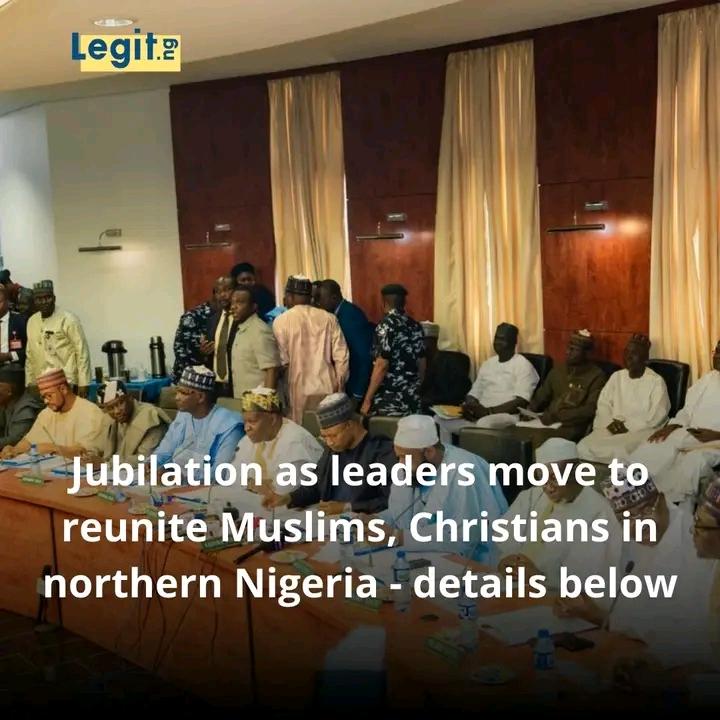
    Northern leaders under the newly formed Northern Reconciliation Group (NRG) have begun peace and reconciliation efforts between Christians and Muslims across the 19 northern states. Led by former Northern Elders Forum spokesperson Hakeem Baba Ahmed and former NHIS Executive Secretary Professor Yusuf Usman, the delegation visited the headquarters of the Christian Association of Nigeria (CAN) and Jama’atu Nasril Islam (JNI) to promote unity and peaceful coexistence. The move comes amid heightened tensions following allegations by former US President Donald Trump of Christian persecution in Nigeria. Religious leaders from both faiths welcomed the initiative, expressing hope that dialogue and cooperation would help address decades of conflict and foster lasting peace in the region.
    Northern Elders Begin Reconciliation Talks Between Christians and Muslims Amid Rising Tensions in Northern Nigeria Northern leaders under the newly formed Northern Reconciliation Group (NRG) have begun peace and reconciliation efforts between Christians and Muslims across the 19 northern states. Led by former Northern Elders Forum spokesperson Hakeem Baba Ahmed and former NHIS Executive Secretary Professor Yusuf Usman, the delegation visited the headquarters of the Christian Association of Nigeria (CAN) and Jama’atu Nasril Islam (JNI) to promote unity and peaceful coexistence. The move comes amid heightened tensions following allegations by former US President Donald Trump of Christian persecution in Nigeria. Religious leaders from both faiths welcomed the initiative, expressing hope that dialogue and cooperation would help address decades of conflict and foster lasting peace in the region.
    0 Comments ·0 Shares ·354 Views
  • U.S. Pledges Action on Religious Freedom in Nigeria After Lawmakers Visit Benue IDP Camps

    The United States has reaffirmed its commitment to defending religious freedom in Nigeria following a visit by U.S. Congressman Riley Moore to Internally Displaced Persons (IDP) camps in Benue State. During the visit, Moore met with Christian victims who recounted horrific attacks that left families murdered and communities displaced. The U.S. House Committee on Appropriations responded by pledging that America “will not look away,” noting that the visit forms part of a fact-finding mission ordered by President Donald Trump to address Christian persecution and guide future policy. Moore later met with Nigeria’s National Security Adviser, Nuhu Ribadu, discussing concrete steps to tackle terrorism and violence in the North-East and Middle Belt. While acknowledging some progress, the U.S. stressed that Nigeria’s security crisis remains severe and requires urgent action.
    U.S. Pledges Action on Religious Freedom in Nigeria After Lawmakers Visit Benue IDP Camps The United States has reaffirmed its commitment to defending religious freedom in Nigeria following a visit by U.S. Congressman Riley Moore to Internally Displaced Persons (IDP) camps in Benue State. During the visit, Moore met with Christian victims who recounted horrific attacks that left families murdered and communities displaced. The U.S. House Committee on Appropriations responded by pledging that America “will not look away,” noting that the visit forms part of a fact-finding mission ordered by President Donald Trump to address Christian persecution and guide future policy. Moore later met with Nigeria’s National Security Adviser, Nuhu Ribadu, discussing concrete steps to tackle terrorism and violence in the North-East and Middle Belt. While acknowledging some progress, the U.S. stressed that Nigeria’s security crisis remains severe and requires urgent action.
    love
    1
    · 0 Comments ·0 Shares ·483 Views
  • Nigerian govt aware of policies fueling Christian persecution, chooses media manipulation – Ted Cruz.

    United States Senator, Ted Cruz has claimed that the Nigerian government is aware of policies fueling alleged Christian persecution in Nigeria, but chooses media manipulation over accountability.

    In a statement he posted on his X account on Friday, Cruz also warned about a PR campaign being waged by the Nigerian government to fight the accusations.

    “Nigerian officials know their policies have created an environment in which Christians are being persecuted and slaughtered, including their enforcement of sharia law and their tolerance of Islamist violence,” Cruz said (via Fox News Digital).

    “Instead of reversing these policies, they are waging a media campaign to escape exposure and accountability. I intend to prevent them from doing so.”

    This is coming after the Minister of Foreign Affairs of Nigeria, Yusuf Tuggar, recently spoke on the alleged Christian genocide in Nigeria on Piers Morgan Uncensored.

    United States President Donald Trump had designated Nigeria as a country of particular concern a few weeks ago.

    Trump cited what he described as ongoing violence against Christians and the failure of the Nigerian government to protect religious minorities.

    The US leader also said he had asked the Department of Defense to prepare for possible military action in Nigeria if the Nigerian government “continues to allow the killing of Christians.”

    But the Nigerian government has strongly denied the persecution of any religious groups in the country
    Nigerian govt aware of policies fueling Christian persecution, chooses media manipulation – Ted Cruz. United States Senator, Ted Cruz has claimed that the Nigerian government is aware of policies fueling alleged Christian persecution in Nigeria, but chooses media manipulation over accountability. In a statement he posted on his X account on Friday, Cruz also warned about a PR campaign being waged by the Nigerian government to fight the accusations. “Nigerian officials know their policies have created an environment in which Christians are being persecuted and slaughtered, including their enforcement of sharia law and their tolerance of Islamist violence,” Cruz said (via Fox News Digital). “Instead of reversing these policies, they are waging a media campaign to escape exposure and accountability. I intend to prevent them from doing so.” This is coming after the Minister of Foreign Affairs of Nigeria, Yusuf Tuggar, recently spoke on the alleged Christian genocide in Nigeria on Piers Morgan Uncensored. United States President Donald Trump had designated Nigeria as a country of particular concern a few weeks ago. Trump cited what he described as ongoing violence against Christians and the failure of the Nigerian government to protect religious minorities. The US leader also said he had asked the Department of Defense to prepare for possible military action in Nigeria if the Nigerian government “continues to allow the killing of Christians.” But the Nigerian government has strongly denied the persecution of any religious groups in the country
    0 Comments ·0 Shares ·684 Views
  • Alleged Genocide: Christian Council says Trump’s intervention is an answered prayer, not an invasion.

    The Christian Council of Nigeria (CCN) has urged Nigerians to view the recent US designation of the country as a “Country of Particular Concern” (CPC) not as an invasion, but as a call to tackle the nation’s decades-long insecurity challenges.

    In a statement signed by Most Rev. Dr. David Onuoha, President, and Rt. Rev. Dr. Evans Onyemara, General Secretary, CCN said: “This is not the time to debate the existence of Christian persecution in Nigeria. Political, ethnic, and religious divisions must be set aside so that all Nigerians can work together to confront this crisis decisively. Instead of spinning conspiracy theories around the US warning, leaders should focus on collaborating with international partners to confront these enemies of humanity, whether local or foreign.”

    CCN emphasized that the continued lack of political will to stop the widespkkread violence including killings, kidnappings, banditry, and religious intolerance is a grave reflection of Nigeria’s deteriorating mooral and governance standards. “Every life lost diminishes our humanity and offends the image of God. While insecurity is not new, protecting citizens remains the sacred duty of any government,” the council said.

    The faith-based organization called on all Nigerians of goodwill to pray fervently for the nation, stressing that peace is not merely the absence of war but the presence of justice. CCN reaffirmed its commitment to working with government, civil society, and international partners to build a just, peaceful, and united Nigeria where every individual’s dignity is protected.

    “History will be kind to President Bola Ahmed Tinubu if he seizes this opportunity to end the long-standing killings in the country. Every right-thinking Nigerian should pray for him to have the wisdom and courage to act decisively,” the statement concluded.
    Alleged Genocide: Christian Council says Trump’s intervention is an answered prayer, not an invasion. The Christian Council of Nigeria (CCN) has urged Nigerians to view the recent US designation of the country as a “Country of Particular Concern” (CPC) not as an invasion, but as a call to tackle the nation’s decades-long insecurity challenges. In a statement signed by Most Rev. Dr. David Onuoha, President, and Rt. Rev. Dr. Evans Onyemara, General Secretary, CCN said: “This is not the time to debate the existence of Christian persecution in Nigeria. Political, ethnic, and religious divisions must be set aside so that all Nigerians can work together to confront this crisis decisively. Instead of spinning conspiracy theories around the US warning, leaders should focus on collaborating with international partners to confront these enemies of humanity, whether local or foreign.” CCN emphasized that the continued lack of political will to stop the widespkkread violence including killings, kidnappings, banditry, and religious intolerance is a grave reflection of Nigeria’s deteriorating mooral and governance standards. “Every life lost diminishes our humanity and offends the image of God. While insecurity is not new, protecting citizens remains the sacred duty of any government,” the council said. The faith-based organization called on all Nigerians of goodwill to pray fervently for the nation, stressing that peace is not merely the absence of war but the presence of justice. CCN reaffirmed its commitment to working with government, civil society, and international partners to build a just, peaceful, and united Nigeria where every individual’s dignity is protected. “History will be kind to President Bola Ahmed Tinubu if he seizes this opportunity to end the long-standing killings in the country. Every right-thinking Nigerian should pray for him to have the wisdom and courage to act decisively,” the statement concluded.
    0 Comments ·0 Shares ·948 Views
  • We’re number one nuclear power in the world – Trump boasts amid tension in Nigeria.

    President Donald Trump on Wednesday boasted that the United States has the best military equipment in the world.

    Trump, who spoke at the American Business Forum, said he rebuilt the American military with the best missiles, rockets and other dangerous weapons.

    According to Trump, the United States is the number one nuclear power followed by Russia and China.

    He said, “I rebuilt the military, we have the best military in the world, we make the best equipment, the best missiles, rockets and the best everything.

    “We’re the number one nuclear power, which I hate to admit because it’s so horrible. Russia is second. China is a distant third, but they will catch us within four or five years… And we’re maybe working on a plan to denuclearize the three of us.”

    His remark is coming amid fear of possible US military action in Nigeria following alleged Christian genocide in the most populous black nation.

    Trump, who designated Nigeria as Country of Particular Concerns on Friday, had also threatened that the US military may strike in Nigeria to take out the perpetrators of alleged Christian persecution if the Nigerian government fails to stop the terrorists.
    We’re number one nuclear power in the world – Trump boasts amid tension in Nigeria. President Donald Trump on Wednesday boasted that the United States has the best military equipment in the world. Trump, who spoke at the American Business Forum, said he rebuilt the American military with the best missiles, rockets and other dangerous weapons. According to Trump, the United States is the number one nuclear power followed by Russia and China. He said, “I rebuilt the military, we have the best military in the world, we make the best equipment, the best missiles, rockets and the best everything. “We’re the number one nuclear power, which I hate to admit because it’s so horrible. Russia is second. China is a distant third, but they will catch us within four or five years… And we’re maybe working on a plan to denuclearize the three of us.” His remark is coming amid fear of possible US military action in Nigeria following alleged Christian genocide in the most populous black nation. Trump, who designated Nigeria as Country of Particular Concerns on Friday, had also threatened that the US military may strike in Nigeria to take out the perpetrators of alleged Christian persecution if the Nigerian government fails to stop the terrorists.
    0 Comments ·0 Shares ·592 Views
  • Akpabio Slams Viral Post Mocking Trump: “It’s a Complete Fabrication” — Senate President Denies Making Anti-Trump Comments

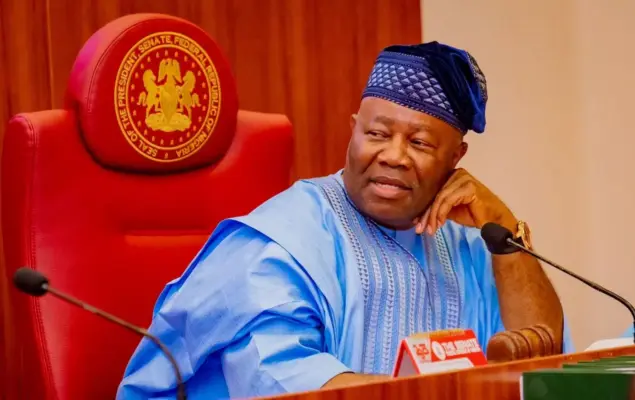
    Senate President Godswill Akpabio has firmly denied a viral social media post alleging that he mocked U.S. President Donald Trump over his recent comments on alleged Christian persecution in Nigeria.

    The Senate leader, through his Special Adviser on Media and Publicity, Eseme Eyiboh, described the viral post as “malicious, fabricated, and reckless misinformation”, warning Nigerians to disregard it entirely.

    The controversial post, circulated by a social media page known as Rant HQ, falsely quoted Akpabio as saying that Nigerians were “satisfied with killings” and that Trump should “focus on the U.S.” The statement stirred widespread outrage amid rising diplomatic tension following Trump’s warning of possible military action in Nigeria.

    “The post is a total falsehood — a product of mischief and a desperate attempt to incite misunderstanding between Senator Akpabio and President Trump,” Eyiboh stated.


    He clarified that Akpabio, known for his diplomatic approach and global reputation, holds Trump in “high regard as a leader of a great nation” and would “never issue comments on matters concerning U.S. domestic affairs or Nigeria’s foreign policy.”

    The Senate President’s office condemned the post as “digital recklessness aimed at tarnishing reputations and inflaming diplomatic sentiments,” urging social media users to verify information before sharing.

    Trump’s earlier post on Truth Social — where he threatened potential U.S. military intervention in Nigeria to tackle “Islamic terrorists” — has continued to generate global debate.

    “Freedom of expression is not freedom to lie,” Eyiboh warned, calling for responsible communication online.


    Akpabio’s office reaffirmed that the Senate remains focused on strengthening democratic institutions and maintaining Nigeria’s global diplomatic respect.
    Akpabio Slams Viral Post Mocking Trump: “It’s a Complete Fabrication” — Senate President Denies Making Anti-Trump Comments Senate President Godswill Akpabio has firmly denied a viral social media post alleging that he mocked U.S. President Donald Trump over his recent comments on alleged Christian persecution in Nigeria. The Senate leader, through his Special Adviser on Media and Publicity, Eseme Eyiboh, described the viral post as “malicious, fabricated, and reckless misinformation”, warning Nigerians to disregard it entirely. The controversial post, circulated by a social media page known as Rant HQ, falsely quoted Akpabio as saying that Nigerians were “satisfied with killings” and that Trump should “focus on the U.S.” The statement stirred widespread outrage amid rising diplomatic tension following Trump’s warning of possible military action in Nigeria. “The post is a total falsehood — a product of mischief and a desperate attempt to incite misunderstanding between Senator Akpabio and President Trump,” Eyiboh stated. He clarified that Akpabio, known for his diplomatic approach and global reputation, holds Trump in “high regard as a leader of a great nation” and would “never issue comments on matters concerning U.S. domestic affairs or Nigeria’s foreign policy.” The Senate President’s office condemned the post as “digital recklessness aimed at tarnishing reputations and inflaming diplomatic sentiments,” urging social media users to verify information before sharing. Trump’s earlier post on Truth Social — where he threatened potential U.S. military intervention in Nigeria to tackle “Islamic terrorists” — has continued to generate global debate. “Freedom of expression is not freedom to lie,” Eyiboh warned, calling for responsible communication online. Akpabio’s office reaffirmed that the Senate remains focused on strengthening democratic institutions and maintaining Nigeria’s global diplomatic respect.
    0 Comments ·0 Shares ·627 Views
  • Asari Dokubo Warns Trump: ‘Nigeria Will Be the Graveyard of Any US Invasion’.

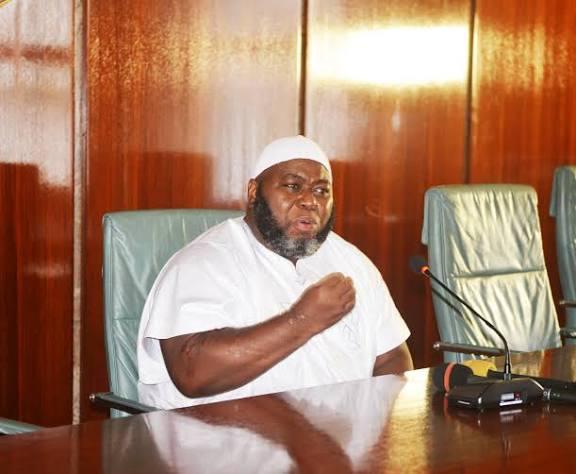
    Former Niger Delta militant leader, Asari Dokubo, has issued a stern warning to United States President Donald Trump, cautioning him against making good on his alleged threat to launch a military incursion into Nigeria over claims of widespread Christian persecution.

    In a viral video shared via Facebook, the ex-leader of the Niger Delta People’s Volunteer Force (NDPVF) vowed that any American troops sent to Nigeria would meet fierce resistance. According to him, Nigeria would become “the graveyard” of Trump and any invading US forces.

    “Let Trump come with his America, they will all die,” Asari declared passionately. “This lunatic wants to annex Canada, wants Iceland, wants to kill the president of Venezuela and the Supreme Leader of Iran. America is a sick country that elects madmen as leaders.”

    The former warlord accused Trump of hypocrisy, saying the US ignored several humanitarian crises around the world while choosing to target Nigeria. “He can’t see the genocide in Congo, Gaza, or Sudan, but he’s talking about genocide against Christians in Nigeria,” he said. “If you come here, you’ll die here Nigeria will be your graveyard.”

    Asari, who described himself as a Muslim raised among non-Muslims, also dismissed the idea that the killings in Nigeria are purely religious, insisting that both Muslims and Christians are victims of the ongoing violence.

    He concluded by warning that unlike others who merely talk, he and his allies are ready to act if Nigeria’s sovereignty is threatened.
    Asari Dokubo Warns Trump: ‘Nigeria Will Be the Graveyard of Any US Invasion’. Former Niger Delta militant leader, Asari Dokubo, has issued a stern warning to United States President Donald Trump, cautioning him against making good on his alleged threat to launch a military incursion into Nigeria over claims of widespread Christian persecution. In a viral video shared via Facebook, the ex-leader of the Niger Delta People’s Volunteer Force (NDPVF) vowed that any American troops sent to Nigeria would meet fierce resistance. According to him, Nigeria would become “the graveyard” of Trump and any invading US forces. “Let Trump come with his America, they will all die,” Asari declared passionately. “This lunatic wants to annex Canada, wants Iceland, wants to kill the president of Venezuela and the Supreme Leader of Iran. America is a sick country that elects madmen as leaders.” The former warlord accused Trump of hypocrisy, saying the US ignored several humanitarian crises around the world while choosing to target Nigeria. “He can’t see the genocide in Congo, Gaza, or Sudan, but he’s talking about genocide against Christians in Nigeria,” he said. “If you come here, you’ll die here Nigeria will be your graveyard.” Asari, who described himself as a Muslim raised among non-Muslims, also dismissed the idea that the killings in Nigeria are purely religious, insisting that both Muslims and Christians are victims of the ongoing violence. He concluded by warning that unlike others who merely talk, he and his allies are ready to act if Nigeria’s sovereignty is threatened.
    0 Comments ·0 Shares ·698 Views
  • US Lawmakers Move to Sanction 12 Nigerian Governors Over Alleged Christian Persecution.

    According to a report by The Punch on Monday, November 3, 2025, a major diplomatic clash is brewing between Nigeria and the United States as the US Congress considers a bill that could impose sanctions on 12 northern governors, judges, and traditional rulers accused of complicity in religious persecution.

    The proposed Nigeria Religious Freedom Accountability Act of 2025, sponsored by Senator Ted Cruz, follows President Donald Trump’s designation of Nigeria as a “Country of Particular Concern” for alleged Christian genocide.

    The bill seeks visa bans, asset freezes, and financial restrictions on officials enforcing or tolerating Sharia or blasphemy laws under the Global Magnitsky framework.

    Trump claimed thousands of Christians have been killed in Nigeria, directing the US Secretary of State, Marco Rubio, to act “without delay.” He warned of possible military intervention if the killings persist, saying the US could go “guns-a-blazing” against Islamic terrorists.

    Nigeria’s Federal Government rejected the allegations, asserting that the Constitution guarantees freedom of religion and prohibits any state religion. It clarified that Sharia applies only to Muslims in certain northern states and is subject to constitutional review.

    Foreign affairs experts warn the crisis could damage bilateral relations, reduce US aid, and affect arms deals vital to Nigeria’s counterterrorism efforts.

    Former ambassador Mohammed Mabdul said the CPC tag would “weaken diplomatic cooperation,” while ex–Foreign Ministry spokesman Ogbole Amedu-Ode urged the government to protect citizens’ rights and rebuild global trust.

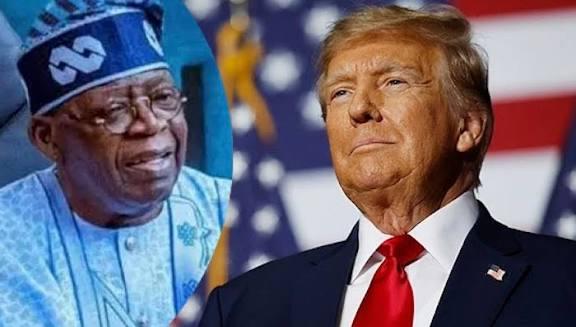
    President Bola Tinubu is expected to meet Trump soon to clarify Nigeria’s stance and strengthen security ties amid rising global scrutiny.
    US Lawmakers Move to Sanction 12 Nigerian Governors Over Alleged Christian Persecution. According to a report by The Punch on Monday, November 3, 2025, a major diplomatic clash is brewing between Nigeria and the United States as the US Congress considers a bill that could impose sanctions on 12 northern governors, judges, and traditional rulers accused of complicity in religious persecution. The proposed Nigeria Religious Freedom Accountability Act of 2025, sponsored by Senator Ted Cruz, follows President Donald Trump’s designation of Nigeria as a “Country of Particular Concern” for alleged Christian genocide. The bill seeks visa bans, asset freezes, and financial restrictions on officials enforcing or tolerating Sharia or blasphemy laws under the Global Magnitsky framework. Trump claimed thousands of Christians have been killed in Nigeria, directing the US Secretary of State, Marco Rubio, to act “without delay.” He warned of possible military intervention if the killings persist, saying the US could go “guns-a-blazing” against Islamic terrorists. Nigeria’s Federal Government rejected the allegations, asserting that the Constitution guarantees freedom of religion and prohibits any state religion. It clarified that Sharia applies only to Muslims in certain northern states and is subject to constitutional review. Foreign affairs experts warn the crisis could damage bilateral relations, reduce US aid, and affect arms deals vital to Nigeria’s counterterrorism efforts. Former ambassador Mohammed Mabdul said the CPC tag would “weaken diplomatic cooperation,” while ex–Foreign Ministry spokesman Ogbole Amedu-Ode urged the government to protect citizens’ rights and rebuild global trust. President Bola Tinubu is expected to meet Trump soon to clarify Nigeria’s stance and strengthen security ties amid rising global scrutiny.
    0 Comments ·0 Shares ·789 Views
  • FG refutes Trump’s claim of christian persecution.

    The Federal Government has responded to U.S. President Donald Trump’s decision to redesignate Nigeria as a “Country of Particular Concern,” following his claim that Christianity is facing an existential threat in the country.

    Trump, in a statement on Friday, alleged that thousands of Christians were being killed by radical Islamists in Nigeria and directed U.S. lawmakers to investigate the situation. “Christianity is facing an existential threat in Nigeria. Thousands of Christians are being killed. Radical Islamists are responsible for this mass slaughter… something must be done!” he said.

    Reacting in a statement issued in Abuja by Kimiebi Imomotimi Ebienfa, spokesperson for the Ministry of Foreign Affairs, the Nigerian government said Trump’s remarks do not reflect the reality on the ground.

    The statement emphasized that Nigerians of all faiths have long lived, worked, and worshipped together peacefully.

    It further noted that under President Bola Ahmed Tinubu’s leadership, Nigeria remains committed to fighting terrorism, strengthening interfaith harmony, and safeguarding the rights and lives of all citizens. The government added that it will continue to engage constructively with the United States to deepen understanding and cooperation on peace and security issues.
    FG refutes Trump’s claim of christian persecution. The Federal Government has responded to U.S. President Donald Trump’s decision to redesignate Nigeria as a “Country of Particular Concern,” following his claim that Christianity is facing an existential threat in the country. Trump, in a statement on Friday, alleged that thousands of Christians were being killed by radical Islamists in Nigeria and directed U.S. lawmakers to investigate the situation. “Christianity is facing an existential threat in Nigeria. Thousands of Christians are being killed. Radical Islamists are responsible for this mass slaughter… something must be done!” he said. Reacting in a statement issued in Abuja by Kimiebi Imomotimi Ebienfa, spokesperson for the Ministry of Foreign Affairs, the Nigerian government said Trump’s remarks do not reflect the reality on the ground. The statement emphasized that Nigerians of all faiths have long lived, worked, and worshipped together peacefully. It further noted that under President Bola Ahmed Tinubu’s leadership, Nigeria remains committed to fighting terrorism, strengthening interfaith harmony, and safeguarding the rights and lives of all citizens. The government added that it will continue to engage constructively with the United States to deepen understanding and cooperation on peace and security issues.
    0 Comments ·0 Shares ·770 Views
  • There’s genocide against poor Nigerians, Muslims, Christians, children – Sowore tells U.S govt .

    Human rights activist and African Action Congress (AAC) presidential candidate, Omoyele Sowore, has accused both the United States and the Nigerian government of hypocrisy in their response to the ongoing killings across the country.

    Sowore said Nigeria’s violence is caused by bad governance and insecurity, not religion, warning against portraying it as persecution of Christians or Muslims.

    He was reacting to renewed calls by some U.S. lawmakers, urging Washington to label Nigeria as a “Country of Particular Concern” (CPC) over alleged Christian persecution.

    According to him, such claims are misleading and fail to reflect the real situation in Nigeria.

    “There’s genocide against the poor, against Muslims, against Christians, against children. Trying to separate it by religion is dishonest,” Sowore said.

    He argued that Nigeria does not identify victims by religion, saying, “The country doesn’t check who carries a Bible or a Koran before counting the dead.”

    Sowore also criticised the U.S. for ignoring similar crises elsewhere.

    “Why is the U.S silent about Gaza, where Muslims are being killed by Israel? That’s international hypocrisy,” he said.

    There’s genocide against poor Nigerians, Muslims, Christians, children – Sowore tells U.S govt . Human rights activist and African Action Congress (AAC) presidential candidate, Omoyele Sowore, has accused both the United States and the Nigerian government of hypocrisy in their response to the ongoing killings across the country. Sowore said Nigeria’s violence is caused by bad governance and insecurity, not religion, warning against portraying it as persecution of Christians or Muslims. He was reacting to renewed calls by some U.S. lawmakers, urging Washington to label Nigeria as a “Country of Particular Concern” (CPC) over alleged Christian persecution. According to him, such claims are misleading and fail to reflect the real situation in Nigeria. “There’s genocide against the poor, against Muslims, against Christians, against children. Trying to separate it by religion is dishonest,” Sowore said. He argued that Nigeria does not identify victims by religion, saying, “The country doesn’t check who carries a Bible or a Koran before counting the dead.” Sowore also criticised the U.S. for ignoring similar crises elsewhere. “Why is the U.S silent about Gaza, where Muslims are being killed by Israel? That’s international hypocrisy,” he said.
    0 Comments ·0 Shares ·570 Views
  • Tinubu Dismisses Claims of Christian Persecution in Nigeria as “Lie from the Pit of Hell”.

    President Bola Ahmed Tinubu has rejected allegations of religious persecution in Nigeria, describing them as a “lie from the pit of hell.”

    Tinubu made the remark on Tuesday during the inauguration of projects and the launch of Governor Hope Uzodimma’s book in Imo State.

    “They l+e all over the place that we have religious persecution. Our Muslim brothers and sisters, our Christian brothers and sisters are united. No religious persecution in Nigeria, it is a lie from the pit of hell,” he said.

    His statement came in response to recent claims by American comedian and political commentator, Bill Maher, who accused Nigeria of committing genocide against its Christian population.

    Maher alleged that over 100,000 Christians have been killed since 2009, 18,000 churches burned, and described the situation as “a systematic attempt to wipe out the Christian population of an entire country.” He also criticised the Nigerian media for failing to adequately report the violence.

    “If you don’t know what’s going on in Nigeria, your media sources suck. You are in a bubble. I’m not a Christian, but they are systematically killing the Christians in Nigeria… This is so much more of a genocide attempt than what is going on in Gaza,” Maher said.

    Meanwhile, Nigeria’s Minister of Information and National Orientation, Mohammed Idris, has dismissed Maher’s claims, stressing that the country’s security challenges should not be misrepresented as religious persecution.

    According to him, such assertions amount to a grass distortion of reality.
    Tinubu Dismisses Claims of Christian Persecution in Nigeria as “Lie from the Pit of Hell”. President Bola Ahmed Tinubu has rejected allegations of religious persecution in Nigeria, describing them as a “lie from the pit of hell.” Tinubu made the remark on Tuesday during the inauguration of projects and the launch of Governor Hope Uzodimma’s book in Imo State. “They l+e all over the place that we have religious persecution. Our Muslim brothers and sisters, our Christian brothers and sisters are united. No religious persecution in Nigeria, it is a lie from the pit of hell,” he said. His statement came in response to recent claims by American comedian and political commentator, Bill Maher, who accused Nigeria of committing genocide against its Christian population. Maher alleged that over 100,000 Christians have been killed since 2009, 18,000 churches burned, and described the situation as “a systematic attempt to wipe out the Christian population of an entire country.” He also criticised the Nigerian media for failing to adequately report the violence. “If you don’t know what’s going on in Nigeria, your media sources suck. You are in a bubble. I’m not a Christian, but they are systematically killing the Christians in Nigeria… This is so much more of a genocide attempt than what is going on in Gaza,” Maher said. Meanwhile, Nigeria’s Minister of Information and National Orientation, Mohammed Idris, has dismissed Maher’s claims, stressing that the country’s security challenges should not be misrepresented as religious persecution. According to him, such assertions amount to a grass distortion of reality.
    0 Comments ·0 Shares ·505 Views
Fintter https://fintter.com