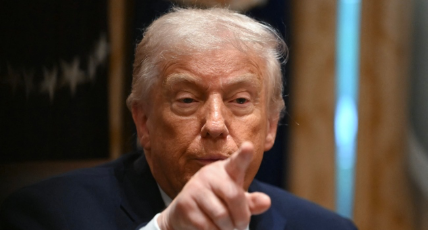
• US President Trump Invites Over 50 Nations to Join ‘Board of Peace for Gaza’
    ……..

    US President Donald Trump has invited over 50 countries to join a proposed “Board of Peace for Gaza” to oversee the ceasefire, reconstruction, and future peace efforts in the region. About 60 nations received invitations, including China, France, Germany, the UK, UAE, Saudi Arabia, Israel, Egypt, Japan, India, and Russia. Some countries have confirmed participation, while others are still considering. France has reportedly declined, citing concerns over the board’s impact on existing international institutions. The move has sparked global attention as a new approach to managing post-war Gaza.
    #fintternews
    US President Trump Invites Over 50 Nations to Join ‘Board of Peace for Gaza’ …….. US President Donald Trump has invited over 50 countries to join a proposed “Board of Peace for Gaza” to oversee the ceasefire, reconstruction, and future peace efforts in the region. About 60 nations received invitations, including China, France, Germany, the UK, UAE, Saudi Arabia, Israel, Egypt, Japan, India, and Russia. Some countries have confirmed participation, while others are still considering. France has reportedly declined, citing concerns over the board’s impact on existing international institutions. The move has sparked global attention as a new approach to managing post-war Gaza. #fintternews
    love
    1
    · 0 Kommentare ·0 Geteilt ·617 Ansichten
  • China’s Population Shrinks Again in 2025 as Baby Bonuses, Three-Child Policy Fail

    China’s population has fallen for the fourth consecutive year, highlighting the deepening demographic crisis facing the world’s second-largest economy. Official data released on January 19, 2026, shows the population dropped by 3.39 million to about 1.4 billion by the end of 2025—an even faster decline than the previous year. Birth rates fell to a record low of 5.63 per 1,000 people, while death rates climbed to their highest level since 1968. Despite scrapping the one-child policy, introducing a three-child limit, cash baby bonuses and extended maternity leave, births have failed to rebound. High living costs, career pressures and an ageing society continue to discourage young Chinese from having children. The UN warns China’s population will keep shrinking, with serious long-term economic and social consequences.
    #china
    China’s Population Shrinks Again in 2025 as Baby Bonuses, Three-Child Policy Fail China’s population has fallen for the fourth consecutive year, highlighting the deepening demographic crisis facing the world’s second-largest economy. Official data released on January 19, 2026, shows the population dropped by 3.39 million to about 1.4 billion by the end of 2025—an even faster decline than the previous year. Birth rates fell to a record low of 5.63 per 1,000 people, while death rates climbed to their highest level since 1968. Despite scrapping the one-child policy, introducing a three-child limit, cash baby bonuses and extended maternity leave, births have failed to rebound. High living costs, career pressures and an ageing society continue to discourage young Chinese from having children. The UN warns China’s population will keep shrinking, with serious long-term economic and social consequences. #china
    love
    1
    · 0 Kommentare ·0 Geteilt ·513 Ansichten
  • China Steel Plant Explosion Kills Two, Injures 66 in Inner Mongolia Factory Blast

    A deadly explosion has rocked a steel factory in China’s Inner Mongolia region, killing two people and leaving 66 others hospitalised. The blast occurred around 3 p.m. on Sunday at a plate plant owned by Baogang United Steel in Baotou City, sending thick smoke into the sky and causing tremors in nearby areas. Chinese state media reported that three victims suffered serious injuries, while five workers remain missing. Emergency responders rushed to the scene as rescue operations continue. Authorities have yet to confirm the cause of the explosion, raising fresh concerns over industrial safety standards in the region.

    #ChinaExplosion
    #SteelPlantBlast
    #IndustrialAccident
    China Steel Plant Explosion Kills Two, Injures 66 in Inner Mongolia Factory Blast A deadly explosion has rocked a steel factory in China’s Inner Mongolia region, killing two people and leaving 66 others hospitalised. The blast occurred around 3 p.m. on Sunday at a plate plant owned by Baogang United Steel in Baotou City, sending thick smoke into the sky and causing tremors in nearby areas. Chinese state media reported that three victims suffered serious injuries, while five workers remain missing. Emergency responders rushed to the scene as rescue operations continue. Authorities have yet to confirm the cause of the explosion, raising fresh concerns over industrial safety standards in the region. #ChinaExplosion #SteelPlantBlast #IndustrialAccident
    love
    1
    · 0 Kommentare ·0 Geteilt ·497 Ansichten
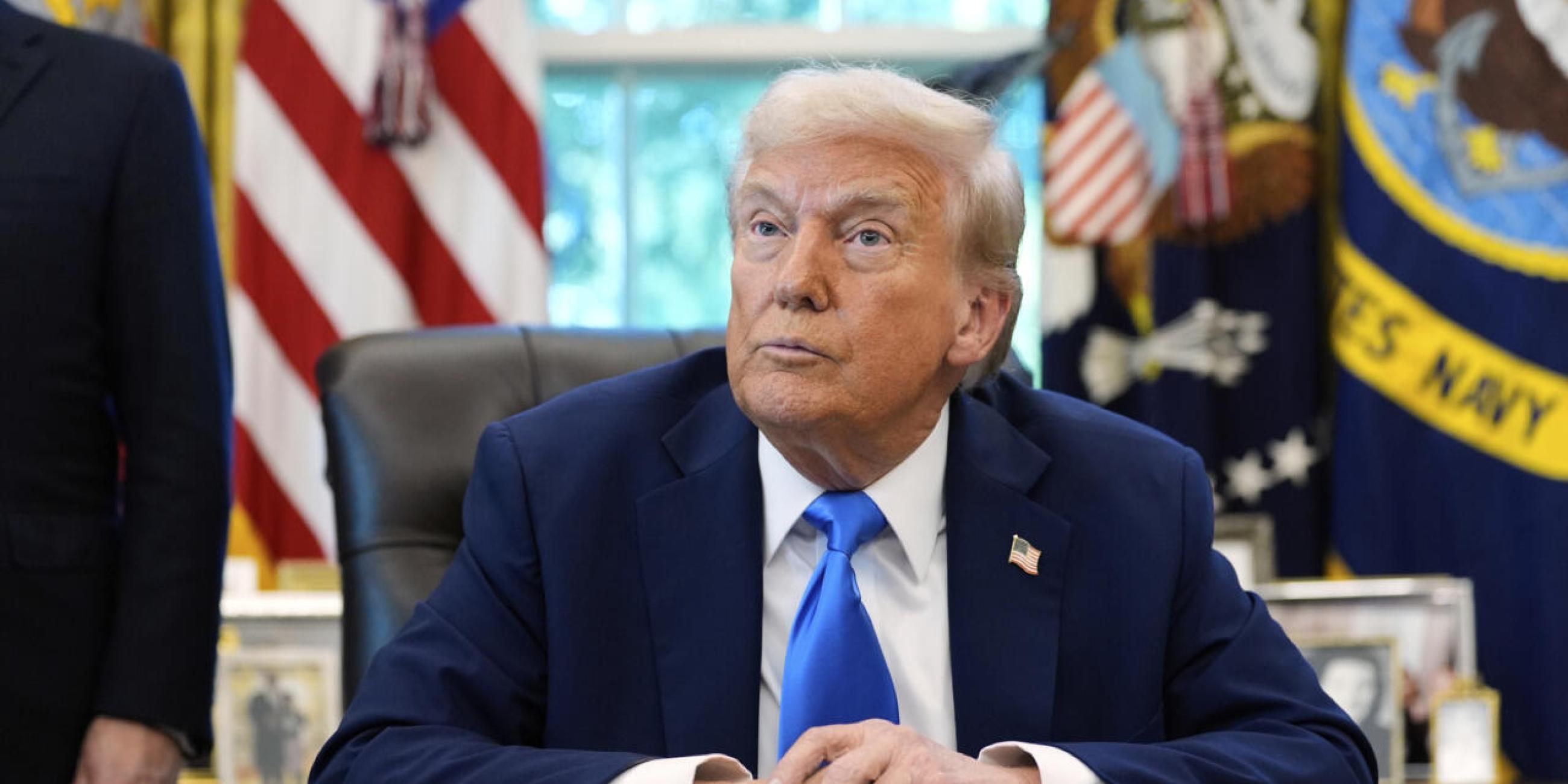
  • Trump Threatens Tariffs on Countries Opposing US Plan to Take Over Greenland

    US President Donald Trump has warned that his administration may impose trade tariffs on countries that refuse to support America’s plan to take control of Greenland, a territory belonging to NATO ally Denmark. Trump argued that the United States needs mineral-rich Greenland for strategic reasons, accusing the territory of failing to do enough to secure itself against growing influence from rivals Russia and China. The remarks signal a sharp escalation in pressure on allies amid rising geopolitical competition in the Arctic.

    #Trump #Greenland #USTrade #GlobalPolitics
    Trump Threatens Tariffs on Countries Opposing US Plan to Take Over Greenland US President Donald Trump has warned that his administration may impose trade tariffs on countries that refuse to support America’s plan to take control of Greenland, a territory belonging to NATO ally Denmark. Trump argued that the United States needs mineral-rich Greenland for strategic reasons, accusing the territory of failing to do enough to secure itself against growing influence from rivals Russia and China. The remarks signal a sharp escalation in pressure on allies amid rising geopolitical competition in the Arctic. #Trump #Greenland #USTrade #GlobalPolitics
    0 Kommentare ·0 Geteilt ·607 Ansichten
  • The United States is reportedly redeploying the USS Abraham Lincoln Carrier Strike Group from the South China Sea, moving at high speed toward the Middle East amid rising regional tensions and growing speculation over potential U.S. military action involving Iran.

    #USMilitary #MiddleEastTensions #Iran #Geopolitics #USNavy #AircraftCarrier #GlobalSecurity #BreakingNews
    The United States is reportedly redeploying the USS Abraham Lincoln Carrier Strike Group from the South China Sea, moving at high speed toward the Middle East amid rising regional tensions and growing speculation over potential U.S. military action involving Iran. #USMilitary #MiddleEastTensions #Iran #Geopolitics #USNavy #AircraftCarrier #GlobalSecurity #BreakingNews
    love
    Dislike
    2
    · 1 Kommentare ·0 Geteilt ·511 Ansichten ·21 Plays
  • Naphtha Scam Burst: EFCC Return N64.8m Give Edo Businessman, Carry Suspects Go Court

    Big relief land for Benin as EFCC recover N64.8 million and return am to businessman Uzoechina Anene after fuel deal wey turn scam. Anene talk say one Adegboyega Adebanbo collect N65.7m promise say e go supply 90,000 litres of naphtha, but after money enter, product no show. EFCC investigate for months, trace the cash through different accounts, even after suspect waka comot Nigeria and try hide the money through him associate wife. Finally, commission recover the funds and hand am back to the victim. EFCC warn Nigerians make dem shine eye for business deals, say fraudsters plenty. Dem don already charge all suspects to court.
    🔥 Naphtha Scam Burst: EFCC Return N64.8m Give Edo Businessman, Carry Suspects Go Court Big relief land for Benin as EFCC recover N64.8 million and return am to businessman Uzoechina Anene after fuel deal wey turn scam. Anene talk say one Adegboyega Adebanbo collect N65.7m promise say e go supply 90,000 litres of naphtha, but after money enter, product no show. EFCC investigate for months, trace the cash through different accounts, even after suspect waka comot Nigeria and try hide the money through him associate wife. Finally, commission recover the funds and hand am back to the victim. EFCC warn Nigerians make dem shine eye for business deals, say fraudsters plenty. Dem don already charge all suspects to court.
    0 Kommentare ·0 Geteilt ·317 Ansichten
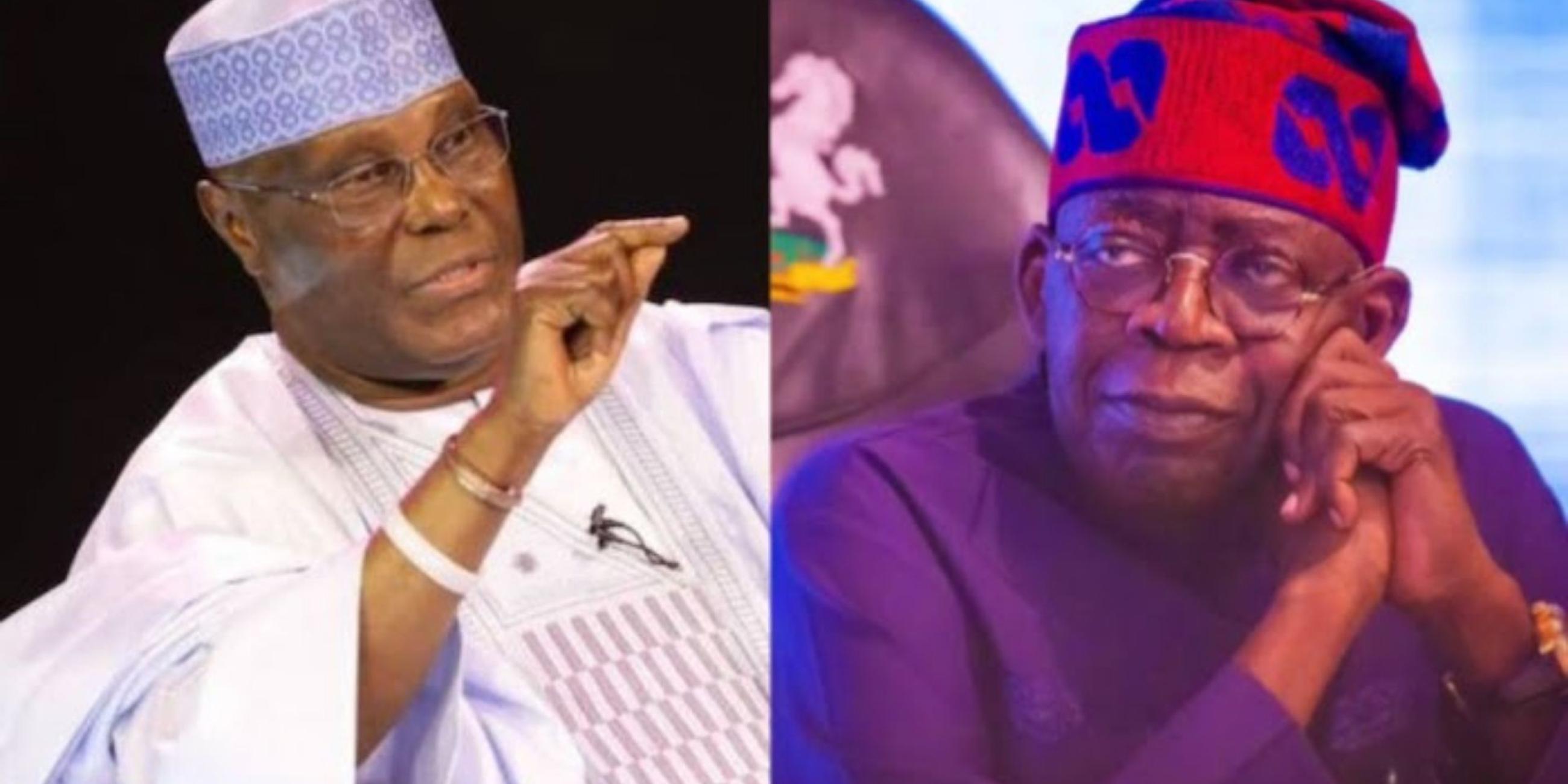
  • Atiku Blasts Tinubu Govt Over Abandoning Nigerian Students Abroad

    People, wahala don burst! Former VP Atiku Abubakar don accuse Tinubu administration of leaving about 1,600 Nigerian students stranded abroad after quietly stopping the BEA scholarship programme.

    Students supposed to get stipends of $6,000+ each—nothing paid since 2025

    Some faced hunger, unpaid rent, even life-threatening medical emergencies

    One tragic case: student in Morocco died reportedly due to hardship


    Atiku calls it “cruel, negligent, and damaging to Nigeria’s international reputation”

    Government allegedly offered to sponsor students back home instead—callous!

    BEA originally meant to build Nigeria’s future workforce in countries like China, Russia, Morocco, Hungary


    Federal Ministry of Education, however, denies abandonment

    Says no new scholarships in 2025

    Existing students supposed to be supported until completion

    Policy now focuses on local training programs to save public funds


    Atiku warns: “Abandoning students mid-course destroys years of effort and Nigeria’s credibility”


    Atiku Blasts Tinubu Govt Over Abandoning Nigerian Students Abroad 😡🎓 People, wahala don burst! Former VP Atiku Abubakar don accuse Tinubu administration of leaving about 1,600 Nigerian students stranded abroad after quietly stopping the BEA scholarship programme. Students supposed to get stipends of $6,000+ each—nothing paid since 2025 💸 Some faced hunger, unpaid rent, even life-threatening medical emergencies One tragic case: student in Morocco died reportedly due to hardship 😢 Atiku calls it “cruel, negligent, and damaging to Nigeria’s international reputation” Government allegedly offered to sponsor students back home instead—callous! BEA originally meant to build Nigeria’s future workforce in countries like China, Russia, Morocco, Hungary Federal Ministry of Education, however, denies abandonment Says no new scholarships in 2025 Existing students supposed to be supported until completion Policy now focuses on local training programs to save public funds Atiku warns: “Abandoning students mid-course destroys years of effort and Nigeria’s credibility” 💥
    0 Kommentare ·0 Geteilt ·718 Ansichten
  • Will the U.S. Control Venezuela for Years? Trump Says Washington Will Oversee Venezuela’s Oil, Rebuild the Country and Decide Its Future After Maduro’s Removal

    Is the United States preparing to govern Venezuela for years, and will oil revenues determine the country’s political and economic future?

    U.S. President Donald Trump has said that Washington will take control of Venezuela and oversee its oil sector for a period that will extend far beyond a short-term transition. Speaking in a wide-ranging interview published on January 8, 2026, Trump indicated that American involvement in Venezuela would be long-term, with the country’s vast oil reserves at the center of U.S. strategy.

    When asked how long the United States would remain in control—whether for months, a year, or longer—Trump responded: “Only time will tell… I would say much longer.” The statement signals that U.S. oversight of Venezuela is not envisioned as a brief handover process but one that could last several years.

    Trump said the United States plans to rebuild Venezuela while exerting control over its most valuable resource, oil. “We will rebuild it in a very profitable way,” he said, following the January 3 operation in which U.S. forces seized President Nicolás Maduro. According to Trump, oil will play a central role in the rebuilding effort. “We’re going to be using oil, and we’re going to be taking oil. We’re getting oil prices down, and we’re going to be giving money to Venezuela, which they desperately need,” he stated.

    The president also confirmed that Washington is working closely with Venezuela’s interim government after Maduro’s removal, describing relations with interim president Delcy Rodríguez—a longtime ally and former vice president of Maduro—as cooperative. Trump further appeared to soften earlier rhetoric toward neighboring Colombia, inviting its leftist leader to Washington after previously criticizing him.

    The remarks come amid a broader shift in U.S.–Venezuela relations centered on energy and trade. Trump recently announced that Venezuela would use proceeds from a new oil agreement to purchase only American-made products, including agricultural goods, medicines, medical devices, and equipment for upgrading the country’s electricity grid and energy facilities. He portrayed the move as strengthening bilateral ties and positioning the United States as Venezuela’s principal commercial partner.

    Earlier reports also confirmed a deal allowing Venezuela to export $2 billion worth of crude oil to the United States—an agreement the administration described as a major diplomatic breakthrough. The arrangement is expected to divert Venezuelan oil away from China, ease production pressures, and mark a significant realignment in the region following months of heightened U.S. pressure on Caracas.

    But Trump’s comments raise major questions:
    Will U.S. control of Venezuela become a prolonged political and economic occupation?
    Who will ultimately decide how Venezuela’s oil wealth is managed and distributed?
    And can long-term foreign oversight deliver stability—or deepen regional tensions?

    As Washington places oil revenues at the heart of its strategy, the future of Venezuela appears increasingly tied to U.S. policy, energy markets, and geopolitical interests. Whether this approach leads to reconstruction or controversy, Trump’s statements make one thing clear: American involvement in Venezuela is not temporary, and the country’s oil will shape what comes next.


    Will the U.S. Control Venezuela for Years? Trump Says Washington Will Oversee Venezuela’s Oil, Rebuild the Country and Decide Its Future After Maduro’s Removal Is the United States preparing to govern Venezuela for years, and will oil revenues determine the country’s political and economic future? U.S. President Donald Trump has said that Washington will take control of Venezuela and oversee its oil sector for a period that will extend far beyond a short-term transition. Speaking in a wide-ranging interview published on January 8, 2026, Trump indicated that American involvement in Venezuela would be long-term, with the country’s vast oil reserves at the center of U.S. strategy. When asked how long the United States would remain in control—whether for months, a year, or longer—Trump responded: “Only time will tell… I would say much longer.” The statement signals that U.S. oversight of Venezuela is not envisioned as a brief handover process but one that could last several years. Trump said the United States plans to rebuild Venezuela while exerting control over its most valuable resource, oil. “We will rebuild it in a very profitable way,” he said, following the January 3 operation in which U.S. forces seized President Nicolás Maduro. According to Trump, oil will play a central role in the rebuilding effort. “We’re going to be using oil, and we’re going to be taking oil. We’re getting oil prices down, and we’re going to be giving money to Venezuela, which they desperately need,” he stated. The president also confirmed that Washington is working closely with Venezuela’s interim government after Maduro’s removal, describing relations with interim president Delcy Rodríguez—a longtime ally and former vice president of Maduro—as cooperative. Trump further appeared to soften earlier rhetoric toward neighboring Colombia, inviting its leftist leader to Washington after previously criticizing him. The remarks come amid a broader shift in U.S.–Venezuela relations centered on energy and trade. Trump recently announced that Venezuela would use proceeds from a new oil agreement to purchase only American-made products, including agricultural goods, medicines, medical devices, and equipment for upgrading the country’s electricity grid and energy facilities. He portrayed the move as strengthening bilateral ties and positioning the United States as Venezuela’s principal commercial partner. Earlier reports also confirmed a deal allowing Venezuela to export $2 billion worth of crude oil to the United States—an agreement the administration described as a major diplomatic breakthrough. The arrangement is expected to divert Venezuelan oil away from China, ease production pressures, and mark a significant realignment in the region following months of heightened U.S. pressure on Caracas. But Trump’s comments raise major questions: Will U.S. control of Venezuela become a prolonged political and economic occupation? Who will ultimately decide how Venezuela’s oil wealth is managed and distributed? And can long-term foreign oversight deliver stability—or deepen regional tensions? As Washington places oil revenues at the heart of its strategy, the future of Venezuela appears increasingly tied to U.S. policy, energy markets, and geopolitical interests. Whether this approach leads to reconstruction or controversy, Trump’s statements make one thing clear: American involvement in Venezuela is not temporary, and the country’s oil will shape what comes next.
    0 Kommentare ·0 Geteilt ·665 Ansichten
  • What Will 2026 Really Bring for Nigeria and the World? Azu Ishiekwene Predicts Power Shifts, Economic Strain, AI Disruption, 2027 Politics and Who Wins the World Cup

    Is 2026 a year of quiet recovery—or the beginning of deeper political, economic and global turbulence? And is Nigeria already slipping into the politics of 2027?

    In what he describes as possibly his final annual forecast, journalist and columnist Azu Ishiekwene delivers a sweeping, high-stakes outlook on Nigeria and the world, blending political prediction, economic analysis, technology trends and global power shifts. Known for earlier forecasts that accurately anticipated election outcomes and cabinet shake-ups, Ishiekwene argues that 2026 will be a year where politics collides head-on with harsh economic realities, leaving citizens caught between daily hardship and recycled political promises.

    He warns that Nigeria’s economy will remain under pressure, with tensions growing between tight monetary policy and rising demands for fiscal expansion in a pre-election year. Could divisions inside the Ministry of Finance undermine investor confidence? And will petrol prices remain stable around ₦850 per litre, as he suggests, only if oil output rises and NNPC escapes its heavy crude obligations?

    While cheaper fuel from the Dangote Refinery may offer temporary consumer relief, Ishiekwene predicts continued instability in electricity supply, pointing to a fragile transmission system that still requires massive investment. He also foresees President Bola Tinubu possibly unveiling private-sector-led reforms in power transmission involving major business players.

    But is Nigeria already entering the politics of 2027 in 2026?

    Ishiekwene argues that although early elections are unlikely, political realignments are accelerating. With multiple opposition governors defecting to the ruling APC, claims of a creeping one-party state are growing. Yet, he suggests the reality is more complex: a weakened opposition plagued by internal fractures, financial constraints and a lack of coherent alternatives.

    Turning to the emerging African Democratic Congress (ADC) coalition—uniting figures such as Atiku Abubakar, Peter Obi, Nasir El-Rufai, Rotimi Amaechi and Rabiu Kwankwaso—he raises a critical question: is ADC truly built to win in 2027, or merely to survive until 2031? He predicts Atiku will clinch the party’s ticket over Obi, with Obi likely offered the vice-presidential slot—potentially triggering backlash among “Obidients.” With limited grassroots reach and the enormous financial demands of a presidential campaign, Ishiekwene concludes that ADC may struggle to pose a serious challenge to the ruling party in the next election cycle.

    Beyond Nigeria, he paints 2026 as a year shaped by geopolitical rivalry, especially between Donald Trump’s America and Xi Jinping’s China, and by growing global unease over U.S. trade policies, immigration enforcement and economic nationalism. Could gold and non-dollar assets accelerate as the world quietly prepares for a less dollar-centric future?

    He also highlights the rapid evolution of artificial intelligence, warning that 2026 will mark a shift from basic generative AI to agentic, autonomous systems capable of independent action. As AI blurs the line between reality and fabrication, he predicts rising confusion, misinformation, and ethical challenges—ushering in what he calls the “Year of the Humanoid.”

    Even football is not spared his forecasting. With the 2026 FIFA World Cup approaching, Ishiekwene tips Spain to win, citing tactical depth and cohesion, while acknowledging Morocco as Africa’s strongest hope.

    Ultimately, the essay asks uncomfortable but urgent questions:
    Is Nigeria drifting toward political dominance by one party?
    Will economic reforms truly ease citizens’ burdens—or merely reshuffle the pressure?
    Can a fractured opposition reorganise in time?
    And in a world increasingly shaped by AI and geopolitical rivalry, where does Nigeria truly stand?

    For Ishiekwene, 2026 is not just another year—it is a crossroads where technology, politics, power and survival intersect, setting the tone for Nigeria’s future well beyond the next election.


    What Will 2026 Really Bring for Nigeria and the World? Azu Ishiekwene Predicts Power Shifts, Economic Strain, AI Disruption, 2027 Politics and Who Wins the World Cup Is 2026 a year of quiet recovery—or the beginning of deeper political, economic and global turbulence? And is Nigeria already slipping into the politics of 2027? In what he describes as possibly his final annual forecast, journalist and columnist Azu Ishiekwene delivers a sweeping, high-stakes outlook on Nigeria and the world, blending political prediction, economic analysis, technology trends and global power shifts. Known for earlier forecasts that accurately anticipated election outcomes and cabinet shake-ups, Ishiekwene argues that 2026 will be a year where politics collides head-on with harsh economic realities, leaving citizens caught between daily hardship and recycled political promises. He warns that Nigeria’s economy will remain under pressure, with tensions growing between tight monetary policy and rising demands for fiscal expansion in a pre-election year. Could divisions inside the Ministry of Finance undermine investor confidence? And will petrol prices remain stable around ₦850 per litre, as he suggests, only if oil output rises and NNPC escapes its heavy crude obligations? While cheaper fuel from the Dangote Refinery may offer temporary consumer relief, Ishiekwene predicts continued instability in electricity supply, pointing to a fragile transmission system that still requires massive investment. He also foresees President Bola Tinubu possibly unveiling private-sector-led reforms in power transmission involving major business players. But is Nigeria already entering the politics of 2027 in 2026? Ishiekwene argues that although early elections are unlikely, political realignments are accelerating. With multiple opposition governors defecting to the ruling APC, claims of a creeping one-party state are growing. Yet, he suggests the reality is more complex: a weakened opposition plagued by internal fractures, financial constraints and a lack of coherent alternatives. Turning to the emerging African Democratic Congress (ADC) coalition—uniting figures such as Atiku Abubakar, Peter Obi, Nasir El-Rufai, Rotimi Amaechi and Rabiu Kwankwaso—he raises a critical question: is ADC truly built to win in 2027, or merely to survive until 2031? He predicts Atiku will clinch the party’s ticket over Obi, with Obi likely offered the vice-presidential slot—potentially triggering backlash among “Obidients.” With limited grassroots reach and the enormous financial demands of a presidential campaign, Ishiekwene concludes that ADC may struggle to pose a serious challenge to the ruling party in the next election cycle. Beyond Nigeria, he paints 2026 as a year shaped by geopolitical rivalry, especially between Donald Trump’s America and Xi Jinping’s China, and by growing global unease over U.S. trade policies, immigration enforcement and economic nationalism. Could gold and non-dollar assets accelerate as the world quietly prepares for a less dollar-centric future? He also highlights the rapid evolution of artificial intelligence, warning that 2026 will mark a shift from basic generative AI to agentic, autonomous systems capable of independent action. As AI blurs the line between reality and fabrication, he predicts rising confusion, misinformation, and ethical challenges—ushering in what he calls the “Year of the Humanoid.” Even football is not spared his forecasting. With the 2026 FIFA World Cup approaching, Ishiekwene tips Spain to win, citing tactical depth and cohesion, while acknowledging Morocco as Africa’s strongest hope. Ultimately, the essay asks uncomfortable but urgent questions: Is Nigeria drifting toward political dominance by one party? Will economic reforms truly ease citizens’ burdens—or merely reshuffle the pressure? Can a fractured opposition reorganise in time? And in a world increasingly shaped by AI and geopolitical rivalry, where does Nigeria truly stand? For Ishiekwene, 2026 is not just another year—it is a crossroads where technology, politics, power and survival intersect, setting the tone for Nigeria’s future well beyond the next election.
    0 Kommentare ·0 Geteilt ·1KB Ansichten
  • Trump Announces Venezuela Will Buy Only American-Made Products From New Oil Deal Funds

    U.S. President Donald J. Trump announced that Venezuela will use proceeds from a newly agreed oil deal to purchase exclusively American-made products, strengthening economic ties between the two countries. The announcement was made via Trump’s Truth social media platform, where he outlined that the purchases will span several key U.S. industries, including agriculture, medicines, medical devices, and energy infrastructure equipment to improve Venezuela’s electric grid and energy facilities.

    Trump framed the agreement as a strategic move that positions the United States as Venezuela’s principal commercial partner, describing it as a “wise choice” benefiting both nations. The oil deal allows Venezuela to export $2 billion worth of crude oil to the U.S., diverting supplies away from China and helping Caracas avoid production cuts caused by export restrictions and storage bottlenecks.

    The agreement comes amid heightened U.S. pressure on Venezuela, which previously included sanctions and a blockade on oil exports starting in mid-December 2025. The deal also reflects compliance by Venezuelan authorities with U.S. demands to open the oil sector to American companies, signaling a potential shift in U.S.–Venezuela relations after months of tension.

    This arrangement is expected to boost U.S. exports, support key domestic industries, and expand U.S. influence in the South American energy market, while providing Venezuela access to critical products and technology to modernize its energy infrastructure.

    Trump Announces Venezuela Will Buy Only American-Made Products From New Oil Deal Funds U.S. President Donald J. Trump announced that Venezuela will use proceeds from a newly agreed oil deal to purchase exclusively American-made products, strengthening economic ties between the two countries. The announcement was made via Trump’s Truth social media platform, where he outlined that the purchases will span several key U.S. industries, including agriculture, medicines, medical devices, and energy infrastructure equipment to improve Venezuela’s electric grid and energy facilities. Trump framed the agreement as a strategic move that positions the United States as Venezuela’s principal commercial partner, describing it as a “wise choice” benefiting both nations. The oil deal allows Venezuela to export $2 billion worth of crude oil to the U.S., diverting supplies away from China and helping Caracas avoid production cuts caused by export restrictions and storage bottlenecks. The agreement comes amid heightened U.S. pressure on Venezuela, which previously included sanctions and a blockade on oil exports starting in mid-December 2025. The deal also reflects compliance by Venezuelan authorities with U.S. demands to open the oil sector to American companies, signaling a potential shift in U.S.–Venezuela relations after months of tension. This arrangement is expected to boost U.S. exports, support key domestic industries, and expand U.S. influence in the South American energy market, while providing Venezuela access to critical products and technology to modernize its energy infrastructure.
    0 Kommentare ·0 Geteilt ·429 Ansichten
  • Chinese Hacking Group ‘Salt Typhoon’ Breaches U.S. House Committee Emails

    A Chinese-linked hacking group, nicknamed Salt Typhoon, has reportedly compromised email systems used by staff members of several U.S. House of Representatives committees, including the House China Committee and panels overseeing foreign affairs, intelligence, and the armed services. The breach, detected in December, targeted committee aides, though it remains unclear whether lawmakers’ emails were accessed.

    The cyberattack is part of ongoing allegations of espionage linked to Chinese intelligence, which has previously been accused of intercepting communications involving U.S. politicians and officials. In response, Beijing has denied involvement, while U.S. authorities have imposed sanctions on individuals and companies allegedly connected to Salt Typhoon’s operations.

    The Federal Bureau of Investigation has declined to comment, and the White House and the targeted committees have yet to issue official statements. Cybersecurity experts note that U.S. lawmakers and staffers have frequently been targeted for espionage, with prior incidents reported in the Senate and among senior officials.

    Salt Typhoon’s alleged operations highlight persistent vulnerabilities in U.S. government digital communications and underscore the ongoing geopolitical tensions between the United States and China.

    Chinese Hacking Group ‘Salt Typhoon’ Breaches U.S. House Committee Emails A Chinese-linked hacking group, nicknamed Salt Typhoon, has reportedly compromised email systems used by staff members of several U.S. House of Representatives committees, including the House China Committee and panels overseeing foreign affairs, intelligence, and the armed services. The breach, detected in December, targeted committee aides, though it remains unclear whether lawmakers’ emails were accessed. The cyberattack is part of ongoing allegations of espionage linked to Chinese intelligence, which has previously been accused of intercepting communications involving U.S. politicians and officials. In response, Beijing has denied involvement, while U.S. authorities have imposed sanctions on individuals and companies allegedly connected to Salt Typhoon’s operations. The Federal Bureau of Investigation has declined to comment, and the White House and the targeted committees have yet to issue official statements. Cybersecurity experts note that U.S. lawmakers and staffers have frequently been targeted for espionage, with prior incidents reported in the Senate and among senior officials. Salt Typhoon’s alleged operations highlight persistent vulnerabilities in U.S. government digital communications and underscore the ongoing geopolitical tensions between the United States and China.
    0 Kommentare ·0 Geteilt ·460 Ansichten
  • Trump Claims He Boosted NATO Spending, Prevented Russia from Taking Ukraine, and Deserves Nobel Peace Prize
    January 7, 2026 – International News

    U.S. President Donald Trump sparked controversy on Truth Social, claiming that before his presidency, most NATO members were failing to meet financial obligations, leaving the United States to shoulder the burden.

    Key points from his post:

    He allegedly pushed NATO allies to raise defense spending to 5% of GDP, insisting they now pay promptly.

    Trump claimed his leadership prevented a total Russian takeover of Ukraine, without providing detailed evidence.

    He boasted that he ended eight wars during his presidency.

    Expressed frustration that Norway did not award him the Nobel Peace Prize, describing it as “foolish.”

    He credited himself with rebuilding the U.S. military, which he says is the only force respected by Russia and China.

    Despite skepticism about NATO’s loyalty, he affirmed that the U.S. will continue supporting the alliance.


    Trump framed these achievements as central to saving millions of lives and ensuring NATO’s relevance in global security.

    Trump Claims He Boosted NATO Spending, Prevented Russia from Taking Ukraine, and Deserves Nobel Peace Prize January 7, 2026 – International News U.S. President Donald Trump sparked controversy on Truth Social, claiming that before his presidency, most NATO members were failing to meet financial obligations, leaving the United States to shoulder the burden. Key points from his post: He allegedly pushed NATO allies to raise defense spending to 5% of GDP, insisting they now pay promptly. Trump claimed his leadership prevented a total Russian takeover of Ukraine, without providing detailed evidence. He boasted that he ended eight wars during his presidency. Expressed frustration that Norway did not award him the Nobel Peace Prize, describing it as “foolish.” He credited himself with rebuilding the U.S. military, which he says is the only force respected by Russia and China. Despite skepticism about NATO’s loyalty, he affirmed that the U.S. will continue supporting the alliance. Trump framed these achievements as central to saving millions of lives and ensuring NATO’s relevance in global security.
    0 Kommentare ·0 Geteilt ·522 Ansichten
  • Why Did the US and Venezuela Sign a $2 Billion Oil Deal Now? Is Maduro’s Crisis Reshaping Global Energy Politics?”

    The United States and Venezuela have signed a controversial agreement allowing the export of $2 billion worth of Venezuelan crude oil to the U.S., a move that has triggered intense global debate. Announced by former U.S. President Donald Trump, the deal is being described as a major shift in relations between Washington and Caracas—coming at a time when Venezuela is grappling with political instability, economic collapse, and international sanctions.
    But the big question on Fintter is: Why now?
    According to U.S. officials, the agreement is designed to redirect Venezuelan oil away from China, weaken Beijing’s grip on the country’s energy sector, and prevent Venezuela from suffering deeper production cuts due to storage backlogs and export restrictions. Trump described the deal as a “flagship negotiation,” insisting that it reflects Venezuela’s compliance with U.S. demands to open its oil industry to American companies.
    Even more striking is the political backdrop. The deal comes after the reported capture of President Nicolás Maduro by U.S. forces, a move Venezuelan authorities have denounced as a “kidnapping” and an attempt by Washington to seize control of the country’s vast oil resources. While the U.S. claims the proceeds from the oil sales will be managed to benefit both nations, it remains unclear whether Venezuela’s state oil company PDVSA will gain any real financial access, given that it is still largely frozen out of the global financial system by U.S. sanctions.
    Trump further stated that 30 to 50 million barrels of what he called “sanctioned oil” would be transferred to the United States at market prices, with the U.S. government controlling the revenue. Energy Secretary Chris Wright is expected to oversee the operation, with crude shipped directly from tankers to U.S. ports. Industry insiders revealed that some shipments initially bound for China will now be redirected to the U.S.—potentially ending Beijing’s dominance as Venezuela’s biggest crude buyer.
    Market reactions were swift. U.S. oil prices dropped by more than 1.5%, while heavy crude prices along the Gulf Coast slipped amid expectations of increased supply. Currently, only Chevron is authorized to export Venezuelan crude under a special U.S. license, handling between 100,000 and 150,000 barrels per day, but this deal could dramatically expand that flow.
    At the same time, Venezuela’s oil output remains under threat. Storage shortages caused by the embargo have already forced production cuts, and industry sources warn that without stable export routes, output could decline even further. Meanwhile, discussions are ongoing about whether Venezuelan oil could eventually be used in the U.S. Strategic Petroleum Reserve, raising even bigger geopolitical implications.
    So, Fintter readers are left with powerful questions:
    Is this deal truly about helping Venezuela’s collapsing economy—or is it a strategic move to weaken China’s influence in global energy markets?
    Will Venezuelans actually benefit from this agreement, or will control of their oil wealth remain in foreign hands?
    Does this mark a new era of U.S.–Venezuela relations, or is it simply a high-stakes political maneuver tied to Maduro’s crisis?
    As global energy politics continue to shift, this $2 billion oil agreement could reshape not only Venezuela’s future, but also the balance of power between the U.S., China, and Latin America.
    What do you think, Fintter community? Is this a breakthrough for Venezuela—or another chapter in global resource politics? Drop your thoughts in the comments.
    Why Did the US and Venezuela Sign a $2 Billion Oil Deal Now? Is Maduro’s Crisis Reshaping Global Energy Politics?” The United States and Venezuela have signed a controversial agreement allowing the export of $2 billion worth of Venezuelan crude oil to the U.S., a move that has triggered intense global debate. Announced by former U.S. President Donald Trump, the deal is being described as a major shift in relations between Washington and Caracas—coming at a time when Venezuela is grappling with political instability, economic collapse, and international sanctions. But the big question on Fintter is: Why now? According to U.S. officials, the agreement is designed to redirect Venezuelan oil away from China, weaken Beijing’s grip on the country’s energy sector, and prevent Venezuela from suffering deeper production cuts due to storage backlogs and export restrictions. Trump described the deal as a “flagship negotiation,” insisting that it reflects Venezuela’s compliance with U.S. demands to open its oil industry to American companies. Even more striking is the political backdrop. The deal comes after the reported capture of President Nicolás Maduro by U.S. forces, a move Venezuelan authorities have denounced as a “kidnapping” and an attempt by Washington to seize control of the country’s vast oil resources. While the U.S. claims the proceeds from the oil sales will be managed to benefit both nations, it remains unclear whether Venezuela’s state oil company PDVSA will gain any real financial access, given that it is still largely frozen out of the global financial system by U.S. sanctions. Trump further stated that 30 to 50 million barrels of what he called “sanctioned oil” would be transferred to the United States at market prices, with the U.S. government controlling the revenue. Energy Secretary Chris Wright is expected to oversee the operation, with crude shipped directly from tankers to U.S. ports. Industry insiders revealed that some shipments initially bound for China will now be redirected to the U.S.—potentially ending Beijing’s dominance as Venezuela’s biggest crude buyer. Market reactions were swift. U.S. oil prices dropped by more than 1.5%, while heavy crude prices along the Gulf Coast slipped amid expectations of increased supply. Currently, only Chevron is authorized to export Venezuelan crude under a special U.S. license, handling between 100,000 and 150,000 barrels per day, but this deal could dramatically expand that flow. At the same time, Venezuela’s oil output remains under threat. Storage shortages caused by the embargo have already forced production cuts, and industry sources warn that without stable export routes, output could decline even further. Meanwhile, discussions are ongoing about whether Venezuelan oil could eventually be used in the U.S. Strategic Petroleum Reserve, raising even bigger geopolitical implications. So, Fintter readers are left with powerful questions: Is this deal truly about helping Venezuela’s collapsing economy—or is it a strategic move to weaken China’s influence in global energy markets? Will Venezuelans actually benefit from this agreement, or will control of their oil wealth remain in foreign hands? Does this mark a new era of U.S.–Venezuela relations, or is it simply a high-stakes political maneuver tied to Maduro’s crisis? As global energy politics continue to shift, this $2 billion oil agreement could reshape not only Venezuela’s future, but also the balance of power between the U.S., China, and Latin America. 👉 What do you think, Fintter community? Is this a breakthrough for Venezuela—or another chapter in global resource politics? Drop your thoughts in the comments.
    0 Kommentare ·0 Geteilt ·546 Ansichten
  • Ousted Venezuelan President Nicolás Maduro Appears in New York Court Amid UN Debate Over Legality of U.S. Capture

    Former Venezuelan President Nicolás Maduro and his wife, Cilia Flores, appeared in a Manhattan federal court to face long-standing U.S. drug trafficking charges following a U.S. special forces operation in Caracas. The raid, described as the largest U.S. military intervention in Latin America since Panama in 1989, allegedly involved breaching Maduro’s security to arrest him.

    U.S. authorities accuse Maduro of leading a vast cocaine-trafficking network linked to Mexico’s cartels, Colombian rebels, and Venezuelan gangs. Maduro denies the charges, calling them politically motivated.

    Despite the arrest, Maduro’s allies still control Caracas, and Venezuela’s acting president, Delcy Rodríguez, signaled cautious openness to dialogue with the U.S. The operation has sparked international controversy, with Russia, China, and Cuba condemning the U.S. action, while Western allies have urged dialogue and adherence to international law.

    The UN Security Council is set to debate the legality of the U.S. operation, while markets reacted with modest gains in oil prices, Venezuelan bonds, and defense stocks amid geopolitical uncertainty.
    Ousted Venezuelan President Nicolás Maduro Appears in New York Court Amid UN Debate Over Legality of U.S. Capture Former Venezuelan President Nicolás Maduro and his wife, Cilia Flores, appeared in a Manhattan federal court to face long-standing U.S. drug trafficking charges following a U.S. special forces operation in Caracas. The raid, described as the largest U.S. military intervention in Latin America since Panama in 1989, allegedly involved breaching Maduro’s security to arrest him. U.S. authorities accuse Maduro of leading a vast cocaine-trafficking network linked to Mexico’s cartels, Colombian rebels, and Venezuelan gangs. Maduro denies the charges, calling them politically motivated. Despite the arrest, Maduro’s allies still control Caracas, and Venezuela’s acting president, Delcy Rodríguez, signaled cautious openness to dialogue with the U.S. The operation has sparked international controversy, with Russia, China, and Cuba condemning the U.S. action, while Western allies have urged dialogue and adherence to international law. The UN Security Council is set to debate the legality of the U.S. operation, while markets reacted with modest gains in oil prices, Venezuelan bonds, and defense stocks amid geopolitical uncertainty.
    1 Kommentare ·0 Geteilt ·385 Ansichten
  • China Condemns U.S. Detention of Venezuela’s President Maduro, Says No Country Has the Right to Act as the ‘World’s Judge’ or Global Police

    China has strongly criticised the detention of Venezuelan President Nicolás Maduro by the United States, declaring that it will never accept any country positioning itself as the “world’s judge” or acting as a global police force. The position was stated by Chinese Foreign Minister Wang Yi during talks with Pakistan’s Foreign Minister, Ishaq Dar, in Beijing, following what he described as sudden and serious developments in Venezuela.

    Without naming the United States directly, Wang Yi stressed that international law does not permit any nation to unilaterally police or judge others, insisting that the sovereignty and security of all countries must be respected. His remarks marked China’s first public response since images of Maduro blindfolded and handcuffed surfaced, sparking global controversy. Maduro is currently detained in New York and awaiting a court appearance on drug-related charges.

    The development poses a diplomatic test for China, which has cultivated close ties with Venezuela and considers itself a dependable partner to Caracas. Beijing has played a significant economic and political role in supporting Venezuela, particularly since Western sanctions intensified in 2017, investing billions of dollars and purchasing large volumes of Venezuelan crude oil. Analysts say China’s growing confidence on the global stage, reinforced by its past confrontations with Washington and recent diplomatic initiatives, is shaping its firm stance.

    However, U.S. President Donald Trump’s assertion that Washington will temporarily oversee Venezuela’s government has raised concerns about the future of China–Venezuela relations and Beijing’s ambition to act as a major diplomatic power. Chinese officials privately described Maduro’s detention as a major setback, highlighting years of diplomatic engagement and economic cooperation now overshadowed by escalating geopolitical tensions.
    China Condemns U.S. Detention of Venezuela’s President Maduro, Says No Country Has the Right to Act as the ‘World’s Judge’ or Global Police China has strongly criticised the detention of Venezuelan President Nicolás Maduro by the United States, declaring that it will never accept any country positioning itself as the “world’s judge” or acting as a global police force. The position was stated by Chinese Foreign Minister Wang Yi during talks with Pakistan’s Foreign Minister, Ishaq Dar, in Beijing, following what he described as sudden and serious developments in Venezuela. Without naming the United States directly, Wang Yi stressed that international law does not permit any nation to unilaterally police or judge others, insisting that the sovereignty and security of all countries must be respected. His remarks marked China’s first public response since images of Maduro blindfolded and handcuffed surfaced, sparking global controversy. Maduro is currently detained in New York and awaiting a court appearance on drug-related charges. The development poses a diplomatic test for China, which has cultivated close ties with Venezuela and considers itself a dependable partner to Caracas. Beijing has played a significant economic and political role in supporting Venezuela, particularly since Western sanctions intensified in 2017, investing billions of dollars and purchasing large volumes of Venezuelan crude oil. Analysts say China’s growing confidence on the global stage, reinforced by its past confrontations with Washington and recent diplomatic initiatives, is shaping its firm stance. However, U.S. President Donald Trump’s assertion that Washington will temporarily oversee Venezuela’s government has raised concerns about the future of China–Venezuela relations and Beijing’s ambition to act as a major diplomatic power. Chinese officials privately described Maduro’s detention as a major setback, highlighting years of diplomatic engagement and economic cooperation now overshadowed by escalating geopolitical tensions.
    0 Kommentare ·0 Geteilt ·409 Ansichten
  • Analyst Who Predicted Trump’s Move Against Venezuela Reacts as Nicolás Maduro Is Removed, Says US Now Controls Global Oil Power

    An Indian political analyst, Aravind, who accurately predicted the removal of Venezuelan President Nicolás Maduro, has reacted after his forecast appeared to come true. In April 2025, Aravind had warned that once a Russia–Ukraine peace deal was concluded, the United States under Donald Trump would aggressively target Venezuela through sanctions, covert actions, or even direct military intervention.

    By June 2025, he expanded his analysis, arguing that oil was the central driver of Washington’s strategy. He predicted that the US would engineer a coup against Maduro, gain control of Venezuela’s vast oil reserves, influence global oil prices, and reshape geopolitical alliances, including drawing Russia away from China.

    Following the January 3, 2026 raid in which Maduro was reportedly captured by US forces, Aravind declared that Venezuela had been “couped” exactly as he predicted, claiming the US now controls Venezuelan oil and holds dominance over much of the world’s energy supply. His comments have reignited debates about US foreign policy, energy politics, rising oil prices, and the wider geopolitical consequences of Washington’s actions in Latin America.
    Analyst Who Predicted Trump’s Move Against Venezuela Reacts as Nicolás Maduro Is Removed, Says US Now Controls Global Oil Power An Indian political analyst, Aravind, who accurately predicted the removal of Venezuelan President Nicolás Maduro, has reacted after his forecast appeared to come true. In April 2025, Aravind had warned that once a Russia–Ukraine peace deal was concluded, the United States under Donald Trump would aggressively target Venezuela through sanctions, covert actions, or even direct military intervention. By June 2025, he expanded his analysis, arguing that oil was the central driver of Washington’s strategy. He predicted that the US would engineer a coup against Maduro, gain control of Venezuela’s vast oil reserves, influence global oil prices, and reshape geopolitical alliances, including drawing Russia away from China. Following the January 3, 2026 raid in which Maduro was reportedly captured by US forces, Aravind declared that Venezuela had been “couped” exactly as he predicted, claiming the US now controls Venezuelan oil and holds dominance over much of the world’s energy supply. His comments have reignited debates about US foreign policy, energy politics, rising oil prices, and the wider geopolitical consequences of Washington’s actions in Latin America.
    0 Kommentare ·0 Geteilt ·398 Ansichten
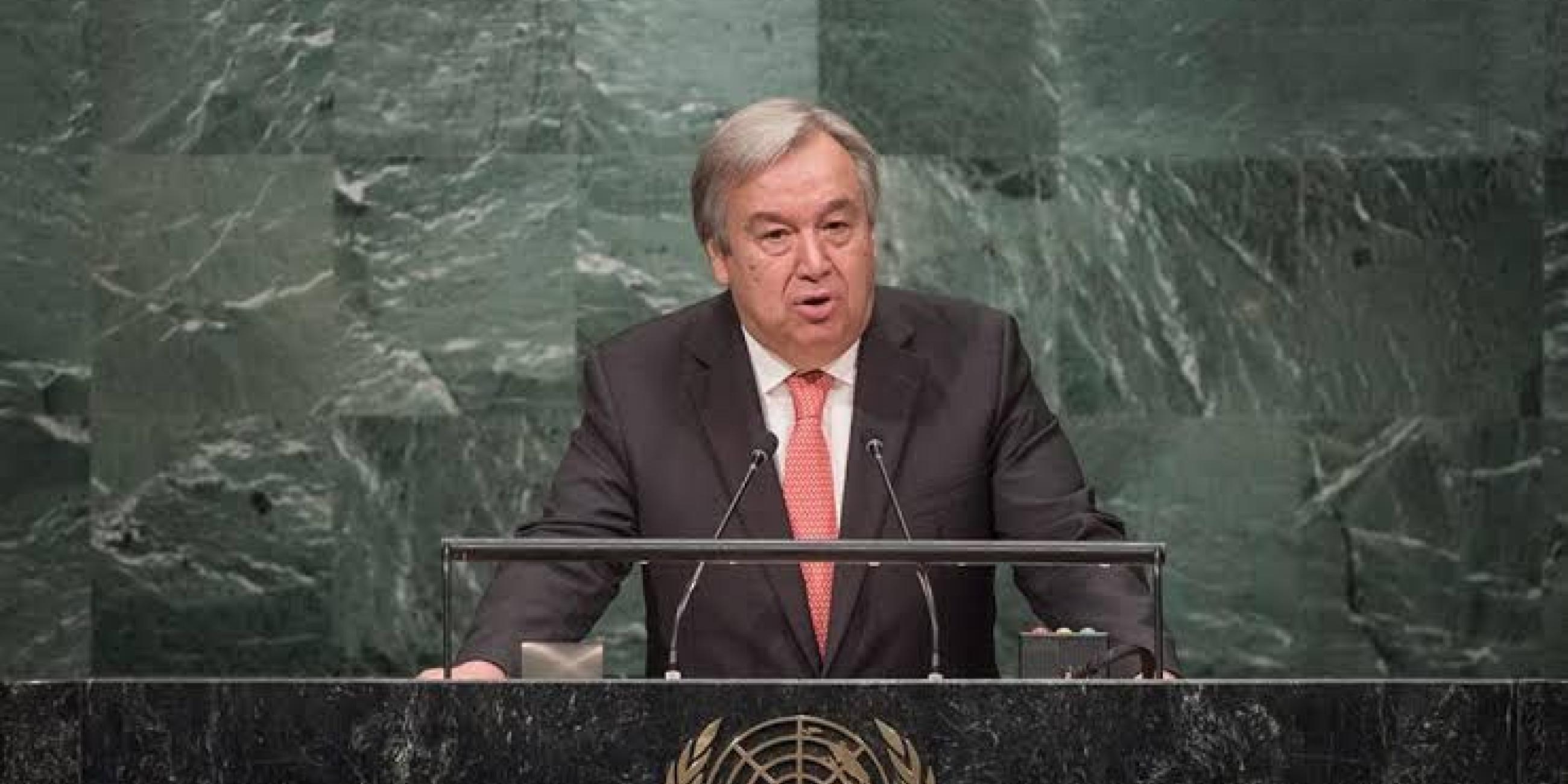
  • UN Secretary-General António Guterres Condemns US Military Action In Venezuela, Warns It Sets Dangerous Precedent And Threatens Regional Stability

    United Nations Secretary-General António Guterres has strongly criticised the United States over its reported military action in Venezuela, warning that the escalation poses serious risks to regional stability and undermines international law. In a statement delivered by UN spokesman Stéphane Dujarric on January 3, 2026, Guterres said he was deeply alarmed by the worsening crisis, describing the US action as a “dangerous precedent” with potentially far-reaching implications for Latin America and beyond.

    The UN chief stressed that regardless of Venezuela’s internal political situation, all parties are obligated to respect international law, including the principles enshrined in the United Nations Charter. He expressed grave concern that the established rules governing the use of force may not have been adhered to, cautioning that such actions could weaken the global legal order.

    Guterres urged Venezuelan stakeholders to de-escalate tensions and pursue inclusive dialogue rooted in respect for human rights and the rule of law. Meanwhile, reactions in the United States remained divided, with Congressman Riley M. Moore defending the military action by accusing President Nicolás Maduro’s government of narcotics trafficking and enabling strategic influence by China, Russia, and Iran in the Western Hemisphere. The developments have further intensified international debate over the legality, consequences, and long-term impact of US intervention in Venezuela.
    UN Secretary-General António Guterres Condemns US Military Action In Venezuela, Warns It Sets Dangerous Precedent And Threatens Regional Stability United Nations Secretary-General António Guterres has strongly criticised the United States over its reported military action in Venezuela, warning that the escalation poses serious risks to regional stability and undermines international law. In a statement delivered by UN spokesman Stéphane Dujarric on January 3, 2026, Guterres said he was deeply alarmed by the worsening crisis, describing the US action as a “dangerous precedent” with potentially far-reaching implications for Latin America and beyond. The UN chief stressed that regardless of Venezuela’s internal political situation, all parties are obligated to respect international law, including the principles enshrined in the United Nations Charter. He expressed grave concern that the established rules governing the use of force may not have been adhered to, cautioning that such actions could weaken the global legal order. Guterres urged Venezuelan stakeholders to de-escalate tensions and pursue inclusive dialogue rooted in respect for human rights and the rule of law. Meanwhile, reactions in the United States remained divided, with Congressman Riley M. Moore defending the military action by accusing President Nicolás Maduro’s government of narcotics trafficking and enabling strategic influence by China, Russia, and Iran in the Western Hemisphere. The developments have further intensified international debate over the legality, consequences, and long-term impact of US intervention in Venezuela.
    love
    1
    · 0 Kommentare ·0 Geteilt ·359 Ansichten
  • China Condemns US Military Attack on Venezuela, Slams Capture of President Nicolás Maduro as Violation of Sovereignty and International Law

    China has strongly condemned the United States over its reported military action against Venezuela and the alleged capture of President Nicolás Maduro, describing the move as a blatant violation of international law and an attack on a sovereign nation. In an official statement issued on January 3, 2026, the Chinese government warned that such actions threaten peace and security across Latin America and the Caribbean.

    Beijing accused Washington of hegemonic behavior, stressing that the use of force undermines Venezuela’s sovereignty and contravenes the principles of the United Nations Charter. China urged the United States to immediately cease actions that violate other countries’ security and independence and to resolve disputes through lawful and diplomatic means.

    The condemnation follows claims by former U.S. President Donald Trump that American forces carried out a large-scale military operation in Venezuela, allegedly capturing President Maduro and his wife and flying them out of the country—claims made without supporting evidence. Reports of multiple explosions and blackouts in Caracas, particularly near key military installations, have further heightened tensions, fuelling speculation of a coordinated U.S.-linked operation amid an escalating standoff between Washington and Caracas.
    China Condemns US Military Attack on Venezuela, Slams Capture of President Nicolás Maduro as Violation of Sovereignty and International Law China has strongly condemned the United States over its reported military action against Venezuela and the alleged capture of President Nicolás Maduro, describing the move as a blatant violation of international law and an attack on a sovereign nation. In an official statement issued on January 3, 2026, the Chinese government warned that such actions threaten peace and security across Latin America and the Caribbean. Beijing accused Washington of hegemonic behavior, stressing that the use of force undermines Venezuela’s sovereignty and contravenes the principles of the United Nations Charter. China urged the United States to immediately cease actions that violate other countries’ security and independence and to resolve disputes through lawful and diplomatic means. The condemnation follows claims by former U.S. President Donald Trump that American forces carried out a large-scale military operation in Venezuela, allegedly capturing President Maduro and his wife and flying them out of the country—claims made without supporting evidence. Reports of multiple explosions and blackouts in Caracas, particularly near key military installations, have further heightened tensions, fuelling speculation of a coordinated U.S.-linked operation amid an escalating standoff between Washington and Caracas.
    0 Kommentare ·0 Geteilt ·437 Ansichten
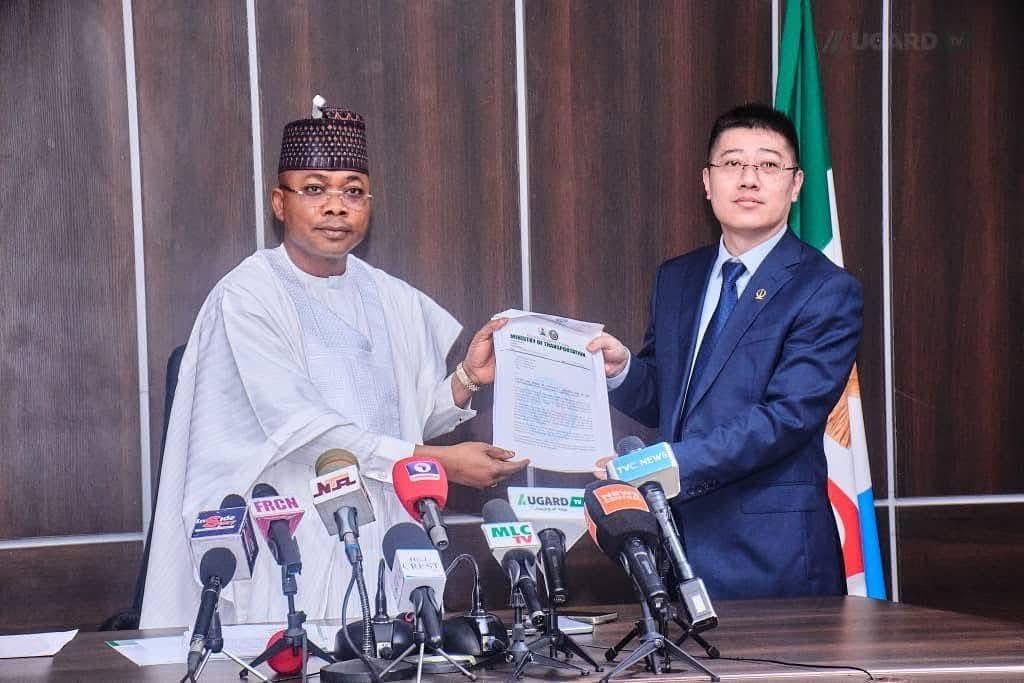
  • LAGOS: NEMA MOBILIZES CCECC TO BUILDING COLLAPSE SITE

    The National Emergency Management Agency, NEMA has mobilised the China Civil Engineering Construction Corporation, CCECC to the site of the Great Nigeria House gutted by fire in Marina.

    This is in response to the request by the Lagos state Governor Babajide Sanwo-olu for federal agencies to give a helping hand in bringing down the 22 storey building to make way for excavation work.

    NEMA's Director, Search & Rescue, Air Commodore Usman Bature and the Agency's Head of Operations in Lagos, Tunde Mohammed led the chinese Company to the site.

    Governor Babajide Samwu- Olu on his second visit to the site said no excavation work can be carried out except the building is brought down for the Safety of emergency workers.

    The China Civil Engineering Construction Corporation has since mobilised Equipment to site awaiting further directives to commence work.
    LAGOS: NEMA MOBILIZES CCECC TO BUILDING COLLAPSE SITE The National Emergency Management Agency, NEMA has mobilised the China Civil Engineering Construction Corporation, CCECC to the site of the Great Nigeria House gutted by fire in Marina. This is in response to the request by the Lagos state Governor Babajide Sanwo-olu for federal agencies to give a helping hand in bringing down the 22 storey building to make way for excavation work. NEMA's Director, Search & Rescue, Air Commodore Usman Bature and the Agency's Head of Operations in Lagos, Tunde Mohammed led the chinese Company to the site. Governor Babajide Samwu- Olu on his second visit to the site said no excavation work can be carried out except the building is brought down for the Safety of emergency workers. The China Civil Engineering Construction Corporation has since mobilised Equipment to site awaiting further directives to commence work.
    1 Kommentare ·0 Geteilt ·451 Ansichten
  • Over 530 Journalists Imprisoned Worldwide in 2025, Including 4 in Nigeria – IFJ Report

    The International Federation of Journalists (IFJ) reported that 533 journalists and media staff were jailed globally in 2025, highlighting ongoing threats to press freedom. Detentions were largely related to professional activities, with China (136), Myanmar (49), Vietnam (37), and Israel (41 Palestinian journalists) recording the highest numbers.

    In Africa, Nigeria accounted for four imprisonments, while other countries affected included Eritrea, Ethiopia, Sudan, and Cameroon. The report also noted 128 journalists and media workers were killed worldwide during the year.

    IFJ General Secretary Anthony Bellanger described the situation as a global crisis, urging governments to protect journalists, bring perpetrators to justice, and support a UN convention ensuring journalists’ safety and independence.
    Over 530 Journalists Imprisoned Worldwide in 2025, Including 4 in Nigeria – IFJ Report The International Federation of Journalists (IFJ) reported that 533 journalists and media staff were jailed globally in 2025, highlighting ongoing threats to press freedom. Detentions were largely related to professional activities, with China (136), Myanmar (49), Vietnam (37), and Israel (41 Palestinian journalists) recording the highest numbers. In Africa, Nigeria accounted for four imprisonments, while other countries affected included Eritrea, Ethiopia, Sudan, and Cameroon. The report also noted 128 journalists and media workers were killed worldwide during the year. IFJ General Secretary Anthony Bellanger described the situation as a global crisis, urging governments to protect journalists, bring perpetrators to justice, and support a UN convention ensuring journalists’ safety and independence.
    0 Kommentare ·0 Geteilt ·341 Ansichten
Weitere Ergebnisse
Fintter https://fintter.com