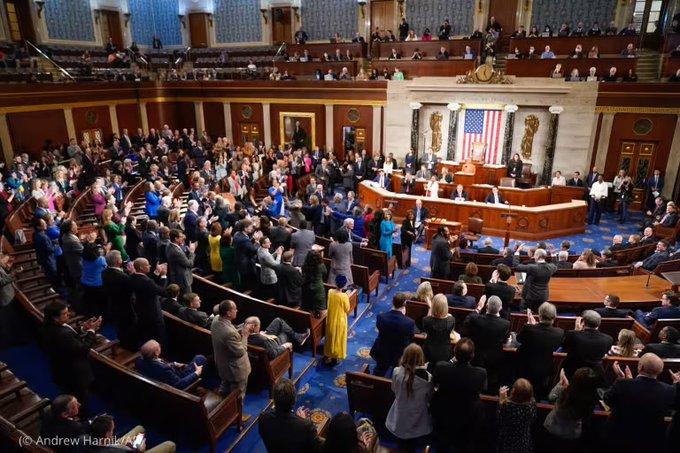
• U.S. House Committee Warns Nigeria Is Becoming One of the Most Dangerous Places for Christians

    The U.S. House Appropriations Committee has raised fresh concerns over the escalating violence against Christians in Nigeria, warning that the country is becoming “one of the most dangerous places on Earth to follow Christ.” In a statement posted on its official X account, the Committee highlighted increasing attacks by extremist groups, bandits, and armed herders, which disproportionately affect Christian communities across the Middle Belt and northern regions.
    Rep. Robert Aderholt and other American lawmakers urged the White House to take firmer action, accusing Nigerian authorities of failing to protect vulnerable populations. The Committee’s warning signals renewed legislative pressure that could influence U.S. policy, including foreign aid, sanctions, and security cooperation. The development reflects rising international alarm as Nigeria’s security crisis becomes a major global concern.
    U.S. House Committee Warns Nigeria Is Becoming One of the Most Dangerous Places for Christians The U.S. House Appropriations Committee has raised fresh concerns over the escalating violence against Christians in Nigeria, warning that the country is becoming “one of the most dangerous places on Earth to follow Christ.” In a statement posted on its official X account, the Committee highlighted increasing attacks by extremist groups, bandits, and armed herders, which disproportionately affect Christian communities across the Middle Belt and northern regions. Rep. Robert Aderholt and other American lawmakers urged the White House to take firmer action, accusing Nigerian authorities of failing to protect vulnerable populations. The Committee’s warning signals renewed legislative pressure that could influence U.S. policy, including foreign aid, sanctions, and security cooperation. The development reflects rising international alarm as Nigeria’s security crisis becomes a major global concern.
    0 Comentários ·0 Compartilhamentos ·114 Visualizações
  • BREAKING: The United States House Appropriations Committee is convening a joint congressional briefing today to examine the rising wave of mass abductions and targeted attacks in Nigeria , particularly against Christian communities
    BREAKING: The United States House Appropriations Committee is convening a joint congressional briefing today to examine the rising wave of mass abductions and targeted attacks in Nigeria 🇳🇬 , particularly against Christian communities
    0 Comentários ·0 Compartilhamentos ·43 Visualizações
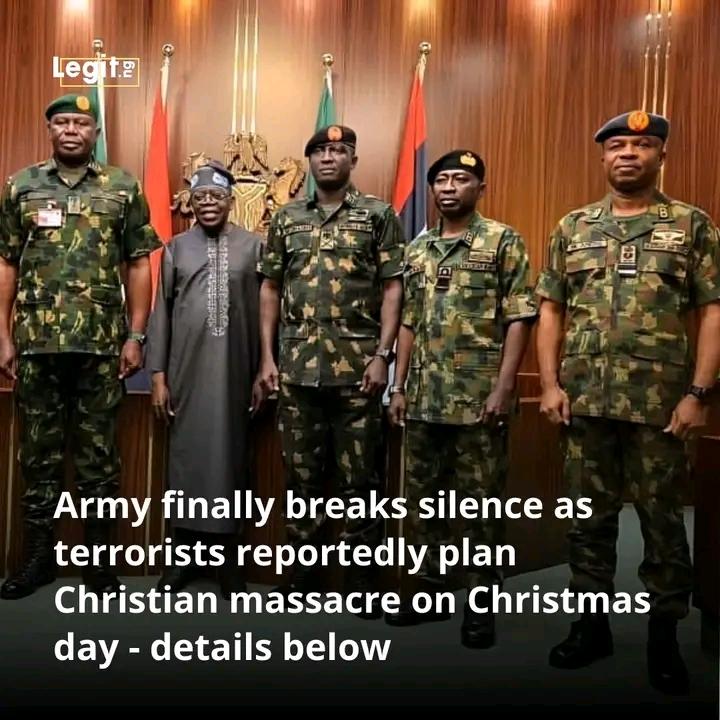
  • U.S. Congressman Riley M. Moore met in Washington, D.C., with Nigeria’s National Security Adviser Nuhu Ribadu and other top security and government officials to discuss terrorist killings and the alleged persecution of Christians in Nigeria. The Nigerian delegation included the NSA, Minister of State for Foreign Affairs Bianca Ojukwu, the Inspector General of Police, the Attorney General of the Federation, the Chief of Defence Staff, and senior intelligence officials.

    The meeting focused on rising violence, terrorist threats, and attacks by Boko Haram, ISWAP, and armed groups in the Northeast and Middle Belt. Nigerian officials outlined the country’s security challenges and the need for stronger counterterrorism support.

    Congressman Moore said the United States is ready to deepen cooperation but stressed that Nigeria must take “tangible steps” to protect Christian communities. He echoed former President Donald Trump’s warning that the U.S. will not tolerate continued religious persecution, stating that “President Trump does not make idle threats.”

    The discussion comes as the U.S. House Appropriations Committee prepares to submit a report to the White House describing the situation as “genocide against Christians in Nigeria.” Trump recently redesignated Nigeria as a “Country of Particular Concern” and hinted at possible U.S. military action if the killings continue.

    Moore also criticised the Nigerian government for failing to justify the significant U.S. military support it has received, saying global silence on the killings is unacceptable.
    U.S. Congressman Riley M. Moore met in Washington, D.C., with Nigeria’s National Security Adviser Nuhu Ribadu and other top security and government officials to discuss terrorist killings and the alleged persecution of Christians in Nigeria. The Nigerian delegation included the NSA, Minister of State for Foreign Affairs Bianca Ojukwu, the Inspector General of Police, the Attorney General of the Federation, the Chief of Defence Staff, and senior intelligence officials. The meeting focused on rising violence, terrorist threats, and attacks by Boko Haram, ISWAP, and armed groups in the Northeast and Middle Belt. Nigerian officials outlined the country’s security challenges and the need for stronger counterterrorism support. Congressman Moore said the United States is ready to deepen cooperation but stressed that Nigeria must take “tangible steps” to protect Christian communities. He echoed former President Donald Trump’s warning that the U.S. will not tolerate continued religious persecution, stating that “President Trump does not make idle threats.” The discussion comes as the U.S. House Appropriations Committee prepares to submit a report to the White House describing the situation as “genocide against Christians in Nigeria.” Trump recently redesignated Nigeria as a “Country of Particular Concern” and hinted at possible U.S. military action if the killings continue. Moore also criticised the Nigerian government for failing to justify the significant U.S. military support it has received, saying global silence on the killings is unacceptable.
    0 Comentários ·0 Compartilhamentos ·525 Visualizações
  • Russia Monitors Nigeria Situation After Trump’s Military Threat Warning.

    Russia has said it is closely watching events in Nigeria following reports that the United States might consider military action there after recent remarks by former U.S. President Donald Trump.

    Russian Foreign Ministry spokeswoman Maria Zakharova disclosed this during a press briefing in Moscow, responding to a question from Anadolu Agency. She urged Washington to respect international law and act responsibly in handling global security matters.

    “We are carefully observing this issue and call on all parties involved to comply with international legal norms,” Zakharova stated.

    On November 1, Trump announced that he had directed the Pentagon to prepare possible military measures against terrorist groups in Nigeria, claiming it was to protect Christian communities.

    When asked about Kazakhstan’s recent decision to join the Abraham Accords, Zakharova said Moscow had no immediate comment on the development. Kazakhstan confirmed its participation after President Kassym-Jomart Tokayev informed Israeli Prime Minister Benjamin Netanyahu during a phone conversation attended by Trump.

    Zakharova also voiced concern over continued Israeli violations of ceasefire agreements along the Lebanese border, stressing the need to avoid any escalation that could reignite conflict.

    She reaffirmed Russia’s commitment to working with regional and international partners to sustain peace and stability in Lebanon, the Middle East, and other regions.
    Russia Monitors Nigeria Situation After Trump’s Military Threat Warning. Russia has said it is closely watching events in Nigeria following reports that the United States might consider military action there after recent remarks by former U.S. President Donald Trump. Russian Foreign Ministry spokeswoman Maria Zakharova disclosed this during a press briefing in Moscow, responding to a question from Anadolu Agency. She urged Washington to respect international law and act responsibly in handling global security matters. “We are carefully observing this issue and call on all parties involved to comply with international legal norms,” Zakharova stated. On November 1, Trump announced that he had directed the Pentagon to prepare possible military measures against terrorist groups in Nigeria, claiming it was to protect Christian communities. When asked about Kazakhstan’s recent decision to join the Abraham Accords, Zakharova said Moscow had no immediate comment on the development. Kazakhstan confirmed its participation after President Kassym-Jomart Tokayev informed Israeli Prime Minister Benjamin Netanyahu during a phone conversation attended by Trump. Zakharova also voiced concern over continued Israeli violations of ceasefire agreements along the Lebanese border, stressing the need to avoid any escalation that could reignite conflict. She reaffirmed Russia’s commitment to working with regional and international partners to sustain peace and stability in Lebanon, the Middle East, and other regions.
    0 Comentários ·0 Compartilhamentos ·428 Visualizações
  • "Despite receiving billions of Dollars in military assistance, Nigeria has failed to curb killings or safeguard Christians" — U.S. lawmaker alleges

    United States lawmaker Riley Moore, who chairs President Donald Trump’s investigative committee on alleged killings of Christians in Nigeria has criticized the Nigerian government for failing to justify the significant military assistance it has received from Washington

    In an interview on the Dinesh D’Souza programme, Moore said Christians in Nigeria were facing what he described as an ongoing “genocide,” alleging that the violence has continued “under the radar” with minimal global attention. He expressed concern that despite years of US-funded training, equipment & security support running into billions of dollars, the Nigerian government has not prioritized the protection of Christian communities

    “My brothers & sisters in Christ are being murdered for practicing their faith,” he said, accusing both Nigerian authorities & the international community of neglect.

    Moore warned that if the situation deteriorates further, the United States may be forced to respond. “If we don’t address this and terrorists take hold in Nigeria, we would have to act one way or another,” he said, stressing that he preferred a cooperative approach with the Nigerian government.

    He added that the “pieces are already in place” for Nigeria to tackle the violence but insisted that stronger political will was needed. Moore also praised President Trump for his “decisive leadership,” saying he would soon submit a full report to him.

    Trump recently redesignated Nigeria a “Country of Particular Concern,” claiming that Christians are being killed on a large scale and warning that the US could cut aid or consider military measures if the attacks continue. He directed Moore and House Appropriations Committee Chairman Tom Cole to immediately review the situation and report back.

    The Nigerian government has rejected the allegations, insisting there is no targeted genocide against Christians and noting that insecurity affects citizens across religious and ethnic lines.
    "Despite receiving billions of Dollars in military assistance, Nigeria has failed to curb killings or safeguard Christians" — U.S. lawmaker alleges United States lawmaker Riley Moore, who chairs President Donald Trump’s investigative committee on alleged killings of Christians in Nigeria has criticized the Nigerian government for failing to justify the significant military assistance it has received from Washington In an interview on the Dinesh D’Souza programme, Moore said Christians in Nigeria were facing what he described as an ongoing “genocide,” alleging that the violence has continued “under the radar” with minimal global attention. He expressed concern that despite years of US-funded training, equipment & security support running into billions of dollars, the Nigerian government has not prioritized the protection of Christian communities “My brothers & sisters in Christ are being murdered for practicing their faith,” he said, accusing both Nigerian authorities & the international community of neglect. Moore warned that if the situation deteriorates further, the United States may be forced to respond. “If we don’t address this and terrorists take hold in Nigeria, we would have to act one way or another,” he said, stressing that he preferred a cooperative approach with the Nigerian government. He added that the “pieces are already in place” for Nigeria to tackle the violence but insisted that stronger political will was needed. Moore also praised President Trump for his “decisive leadership,” saying he would soon submit a full report to him. Trump recently redesignated Nigeria a “Country of Particular Concern,” claiming that Christians are being killed on a large scale and warning that the US could cut aid or consider military measures if the attacks continue. He directed Moore and House Appropriations Committee Chairman Tom Cole to immediately review the situation and report back. The Nigerian government has rejected the allegations, insisting there is no targeted genocide against Christians and noting that insecurity affects citizens across religious and ethnic lines.
    0 Comentários ·0 Compartilhamentos ·509 Visualizações
  • 31 U.S. lawmakers praise Trump for reinstating Nigeria as country of particular concern.

    Thirty-one members of the united states congress have commended former president donald trump for reinstating nigeria’s designation as a “country of particular concern” (cpc), a status reserved for nations accused of severe violations of religious freedom.

    In a joint statement released by Rep. Robert Aderholt, chairman of the house values action team, the lawmakers described trump’s move as a bold and moral step to confront what they called the persecution of christians in nigeria. Aderholt said the decision revived hope among nigeria’s christian communities and reaffirmed america’s commitment to defending global religious liberty.

    House majority whip tom emmer hailed trump’s courage, calling him “a leader unafraid to defend people of faith,” while republican chair lisa mcclain condemned the killings in nigeria as “a moral outrage.”

    Representatives chris smith, josh brecheen, mary miller, and mark alford urged for stronger u.s. sanctions and action against perpetrators of religious violence. smith, who chairs the house subcommittee on africa, said the move corrected the biden administration’s earlier decision to lift nigeria’s cpc status in 2020.

    Trump had announced the reinstatement on his truth social page, warning that christianity faced an “existential threat” in nigeria and vowing that the U.S. would not ignore the killings. rep. riley moore, who raised the issue in congress, praised trump’s “moral clarity and leadership.”

    However, nigeria’s government rejected the allegations, saying its conflicts are driven by crime, insurgency, and socio-economic issues — not religion. minister of information mohammed idris said the u.s. report was based on misinformation. President Bola Tinubu also reaffirmed nigeria’s commitment to religious freedom, stressing that the nation’s constitution guarantees equality and peaceful coexistence among all faiths.
    31 U.S. lawmakers praise Trump for reinstating Nigeria as country of particular concern. Thirty-one members of the united states congress have commended former president donald trump for reinstating nigeria’s designation as a “country of particular concern” (cpc), a status reserved for nations accused of severe violations of religious freedom. In a joint statement released by Rep. Robert Aderholt, chairman of the house values action team, the lawmakers described trump’s move as a bold and moral step to confront what they called the persecution of christians in nigeria. Aderholt said the decision revived hope among nigeria’s christian communities and reaffirmed america’s commitment to defending global religious liberty. House majority whip tom emmer hailed trump’s courage, calling him “a leader unafraid to defend people of faith,” while republican chair lisa mcclain condemned the killings in nigeria as “a moral outrage.” Representatives chris smith, josh brecheen, mary miller, and mark alford urged for stronger u.s. sanctions and action against perpetrators of religious violence. smith, who chairs the house subcommittee on africa, said the move corrected the biden administration’s earlier decision to lift nigeria’s cpc status in 2020. Trump had announced the reinstatement on his truth social page, warning that christianity faced an “existential threat” in nigeria and vowing that the U.S. would not ignore the killings. rep. riley moore, who raised the issue in congress, praised trump’s “moral clarity and leadership.” However, nigeria’s government rejected the allegations, saying its conflicts are driven by crime, insurgency, and socio-economic issues — not religion. minister of information mohammed idris said the u.s. report was based on misinformation. President Bola Tinubu also reaffirmed nigeria’s commitment to religious freedom, stressing that the nation’s constitution guarantees equality and peaceful coexistence among all faiths.
    0 Comentários ·0 Compartilhamentos ·470 Visualizações
  • "In Nigeria, they’re killing Christians in record numbers and we’ll not allow that"— President Trump says in new interview.

    U.S. President Donald Trump has condemned what he described as the “record killing of Christians” in Nigeria, warning that his administration would not tolerate such violence.

    Speaking in a recent interview, Trump expressed deep concern over rising attacks on Christians in Nigeria, saying the country was “going bad” and that the situation in that part of the world remained “very dangerous.”

    “They’re killing record numbers of Christians in Nigeria. And the country is going bad, you know that. That part of the world is very bad they’re killing Christians in very large numbers. We’re not going to allow that to happen,” Trump said.

    The former president has frequently highlighted religious persecution in Africa and the Middle East, often singling out Nigeria as a country where Christians face increasing hostility.

    Trump’s comments come amid global attention on reports of attacks against Christian communities in parts of northern and central Nigeria, where extremist groups and armed militias have been accused of widespread violence.

    His remarks are expected to draw mixed reactions in diplomatic circles, especially as U.S.-Nigeria relations remain under scrutiny over human rights and security concerns.
    "In Nigeria, they’re killing Christians in record numbers and we’ll not allow that"— President Trump says in new interview. U.S. President Donald Trump has condemned what he described as the “record killing of Christians” in Nigeria, warning that his administration would not tolerate such violence. Speaking in a recent interview, Trump expressed deep concern over rising attacks on Christians in Nigeria, saying the country was “going bad” and that the situation in that part of the world remained “very dangerous.” “They’re killing record numbers of Christians in Nigeria. And the country is going bad, you know that. That part of the world is very bad they’re killing Christians in very large numbers. We’re not going to allow that to happen,” Trump said. The former president has frequently highlighted religious persecution in Africa and the Middle East, often singling out Nigeria as a country where Christians face increasing hostility. Trump’s comments come amid global attention on reports of attacks against Christian communities in parts of northern and central Nigeria, where extremist groups and armed militias have been accused of widespread violence. His remarks are expected to draw mixed reactions in diplomatic circles, especially as U.S.-Nigeria relations remain under scrutiny over human rights and security concerns.
    0 Comentários ·0 Compartilhamentos ·312 Visualizações
  • How Tinubu blamed Jonathan for killing of Christians in 2014.

    As allegations of an ongoing ‘Christian genocide’ in Nigeria intensify, a 2014 statement from President Bola Tinubu condemning former President Goodluck Jonathan for failing to protect Christian worshippers has resurfaced, drawing sharp parallels to criticisms now leveled at Tinubu’s administration.

    In January 2014, Tinubu, then an opposition leader, lambasted Jonathan over attacks by Boko Haram in Borno and Adamawa states that targeted Christian communities.

    “The slaughtering of Christian worshippers is strongly condemnable. It calls into question the competence of Jonathan to protect Nigerians,” Tinubu stated at the time.

    By April 2014, amid escalating violence including the Nyanya bombing in Abuja, Tinubu doubled down, emphasising the president’s non-negotiable duty to ensure citizen safety.

    “My heart bleeds for our people and the country over the deaths in Nyanya. A government unable to protect its citizens deserves to be queried,” he said.

    Eleven years on, Tinubu’s words are being repurposed by critics amid reports of widespread violence against Christians across northern and central Nigeria.

    According to a recent report from the International Society for Civil Liberties and the Rule of Law (Intersociety), at least 7,087 Christians were killed in the first 220 days of 2025 alone—an average of 32 deaths per day.
    How Tinubu blamed Jonathan for killing of Christians in 2014. As allegations of an ongoing ‘Christian genocide’ in Nigeria intensify, a 2014 statement from President Bola Tinubu condemning former President Goodluck Jonathan for failing to protect Christian worshippers has resurfaced, drawing sharp parallels to criticisms now leveled at Tinubu’s administration. In January 2014, Tinubu, then an opposition leader, lambasted Jonathan over attacks by Boko Haram in Borno and Adamawa states that targeted Christian communities. “The slaughtering of Christian worshippers is strongly condemnable. It calls into question the competence of Jonathan to protect Nigerians,” Tinubu stated at the time. By April 2014, amid escalating violence including the Nyanya bombing in Abuja, Tinubu doubled down, emphasising the president’s non-negotiable duty to ensure citizen safety. “My heart bleeds for our people and the country over the deaths in Nyanya. A government unable to protect its citizens deserves to be queried,” he said. Eleven years on, Tinubu’s words are being repurposed by critics amid reports of widespread violence against Christians across northern and central Nigeria. According to a recent report from the International Society for Civil Liberties and the Rule of Law (Intersociety), at least 7,087 Christians were killed in the first 220 days of 2025 alone—an average of 32 deaths per day.
    0 Comentários ·0 Compartilhamentos ·610 Visualizações
  • FG, Senate Leaders Head to Washington to Stop US Sanctions Over Christian Genocide.

    Top officials of the Federal Government and the National Assembly are set to travel to Washington D.C. in a diplomatic move to stop possible United States sanctions over alleged persecution and genocide of Christians in Nigeria.

    The high-powered delegation, which includes federal lawmakers, senior military officers, and heads of security agencies, will meet with members of the U.S. Congress to clarify Nigeria’s position and counter the growing narrative of “Christian genocide.”

    The trip follows an urgent resolution by the 10th Senate, sponsored by Senator Ali Ndume, who urged the government to “put the record straight” and prevent sanctions against the country.

    According to sources, the delegation will present evidence to prove that the security crisis in Nigeria is not religiously motivated but rather a result of terrorism, banditry, and communal conflicts. The team is expected to depart Abuja early next week.

    In recent months, U.S. lawmakers and advocacy groups have increased pressure on Nigeria over rising attacks on Christian communities. Senator Ted Cruz recently accused Nigeria of “mass murder” of Christians and introduced the “Nigeria Religious Freedom Accountability Act of 2025” (S.2747).

    The proposed bill seeks to list Nigeria as a “Country of Particular Concern,” a move that could trigger travel bans, arms restrictions, and other economic sanctions.

    The Nigerian Senate had earlier dismissed the genocide allegations as “false and dangerous,” warning that such claims could damage the country’s image and inflame religious tensions.

    Lawmakers maintained that the ongoing violence is complex and tied to criminality and resource struggles, not state-backed religious persecution.

    Data from the Armed Conflict Location & Event Data Project (ACLED) shows that between January 2020 and September 2025, over 11,800 civilian attacks were recorded in Nigeria. Among them, 385 incidents involved Christian victims, while 196 targeted Muslims, reflecting the widespread nature of insecurity across regions.

    FG, Senate Leaders Head to Washington to Stop US Sanctions Over Christian Genocide. Top officials of the Federal Government and the National Assembly are set to travel to Washington D.C. in a diplomatic move to stop possible United States sanctions over alleged persecution and genocide of Christians in Nigeria. The high-powered delegation, which includes federal lawmakers, senior military officers, and heads of security agencies, will meet with members of the U.S. Congress to clarify Nigeria’s position and counter the growing narrative of “Christian genocide.” The trip follows an urgent resolution by the 10th Senate, sponsored by Senator Ali Ndume, who urged the government to “put the record straight” and prevent sanctions against the country. According to sources, the delegation will present evidence to prove that the security crisis in Nigeria is not religiously motivated but rather a result of terrorism, banditry, and communal conflicts. The team is expected to depart Abuja early next week. In recent months, U.S. lawmakers and advocacy groups have increased pressure on Nigeria over rising attacks on Christian communities. Senator Ted Cruz recently accused Nigeria of “mass murder” of Christians and introduced the “Nigeria Religious Freedom Accountability Act of 2025” (S.2747). The proposed bill seeks to list Nigeria as a “Country of Particular Concern,” a move that could trigger travel bans, arms restrictions, and other economic sanctions. The Nigerian Senate had earlier dismissed the genocide allegations as “false and dangerous,” warning that such claims could damage the country’s image and inflame religious tensions. Lawmakers maintained that the ongoing violence is complex and tied to criminality and resource struggles, not state-backed religious persecution. Data from the Armed Conflict Location & Event Data Project (ACLED) shows that between January 2020 and September 2025, over 11,800 civilian attacks were recorded in Nigeria. Among them, 385 incidents involved Christian victims, while 196 targeted Muslims, reflecting the widespread nature of insecurity across regions.
    0 Comentários ·0 Compartilhamentos ·682 Visualizações
  • Senate Moves to Engage US Lawmakers over Alleged Christian Genocide in Nigeria.

    The Nigerian Senate is preparing to open a heated debate on a motion seeking to address what it calls “dangerous misrepresentations” of the country’s security crisis as a campaign of “Christian genocide” — a narrative gaining traction in international circles, particularly in the United States.

    The motion, titled “Urgent Need to Correct Misconceptions Regarding the Purported ‘Christian Genocide’ Narrative in Nigeria and International Communities,” is sponsored by Senator Mohammed Ali Ndume (Borno South) and co-sponsored by several senior lawmakers, including Senators Sani Musa, Magatakarda Wamako, Ibrahim Bomai, and Ahmed Wadada.

    Senators Raise Alarm Over ‘Misleading Narratives’
    In the draft motion, Ndume expressed alarm over what he described as a growing wave of misleading claims in both local and foreign media alleging systematic attacks on Christians in Nigeria.

    While acknowledging the devastating assaults suffered by Christian communities, the lawmaker stressed that violent attacks have affected citizens of all faiths. He warned that framing the crisis in purely religious terms could inflame sectarian tensions and distort international understanding of Nigeria’s complex security landscape.

    According to the motion, Nigeria’s insecurity stems from terrorism, insurgency, banditry, communal conflicts, and criminal violence — all of which have claimed lives across religious, ethnic, and regional lines.

    Fear Over US Designation
    The Senate also expressed unease about developments in Washington, where some lawmakers are pushing to designate Nigeria as a “Country of Particular Concern” (CPC) for alleged religious persecution.

    Lawmakers cautioned that such a designation could damage Nigeria’s diplomatic standing and trigger economic consequences. The motion reaffirmed that the Nigerian government is constitutionally obligated to protect the lives and property of all citizens, regardless of their religion or ethnicity.

    Senate’s Strategy: Facts and Diplomacy
    To counter the growing international narrative, the Senate is proposing a coordinated communication and diplomatic strategy. Key elements include:

    Engaging US lawmakers and diaspora networks through official briefings and fact-based publications.
    Releasing verified data and investigative reports to clarify casualty figures and contexts.
    Strengthening collaboration between the Senate Committees on Foreign Affairs, National Security, and Information with relevant ministries to shape Nigeria’s international messaging.

    Urging local media, civil society, and religious leaders to exercise restraint and accuracy in public statements to avoid stoking sectarian division.
    The Senate also called on foreign embassies, international organisations, and media outlets to rely on balanced and credible information, rather than unverified claims, when reporting on religiously sensitive matters in Nigeria.
    Senate Moves to Engage US Lawmakers over Alleged Christian Genocide in Nigeria. The Nigerian Senate is preparing to open a heated debate on a motion seeking to address what it calls “dangerous misrepresentations” of the country’s security crisis as a campaign of “Christian genocide” — a narrative gaining traction in international circles, particularly in the United States. The motion, titled “Urgent Need to Correct Misconceptions Regarding the Purported ‘Christian Genocide’ Narrative in Nigeria and International Communities,” is sponsored by Senator Mohammed Ali Ndume (Borno South) and co-sponsored by several senior lawmakers, including Senators Sani Musa, Magatakarda Wamako, Ibrahim Bomai, and Ahmed Wadada. Senators Raise Alarm Over ‘Misleading Narratives’ In the draft motion, Ndume expressed alarm over what he described as a growing wave of misleading claims in both local and foreign media alleging systematic attacks on Christians in Nigeria. While acknowledging the devastating assaults suffered by Christian communities, the lawmaker stressed that violent attacks have affected citizens of all faiths. He warned that framing the crisis in purely religious terms could inflame sectarian tensions and distort international understanding of Nigeria’s complex security landscape. According to the motion, Nigeria’s insecurity stems from terrorism, insurgency, banditry, communal conflicts, and criminal violence — all of which have claimed lives across religious, ethnic, and regional lines. Fear Over US Designation The Senate also expressed unease about developments in Washington, where some lawmakers are pushing to designate Nigeria as a “Country of Particular Concern” (CPC) for alleged religious persecution. Lawmakers cautioned that such a designation could damage Nigeria’s diplomatic standing and trigger economic consequences. The motion reaffirmed that the Nigerian government is constitutionally obligated to protect the lives and property of all citizens, regardless of their religion or ethnicity. Senate’s Strategy: Facts and Diplomacy To counter the growing international narrative, the Senate is proposing a coordinated communication and diplomatic strategy. Key elements include: Engaging US lawmakers and diaspora networks through official briefings and fact-based publications. Releasing verified data and investigative reports to clarify casualty figures and contexts. Strengthening collaboration between the Senate Committees on Foreign Affairs, National Security, and Information with relevant ministries to shape Nigeria’s international messaging. Urging local media, civil society, and religious leaders to exercise restraint and accuracy in public statements to avoid stoking sectarian division. The Senate also called on foreign embassies, international organisations, and media outlets to rely on balanced and credible information, rather than unverified claims, when reporting on religiously sensitive matters in Nigeria.
    0 Comentários ·0 Compartilhamentos ·526 Visualizações
Fintter https://fintter.com