


 About
About
Anambra Healthcare Crisis Worsens as 55 PHCs Operate With Fewer Than Five Qualified Health Workers
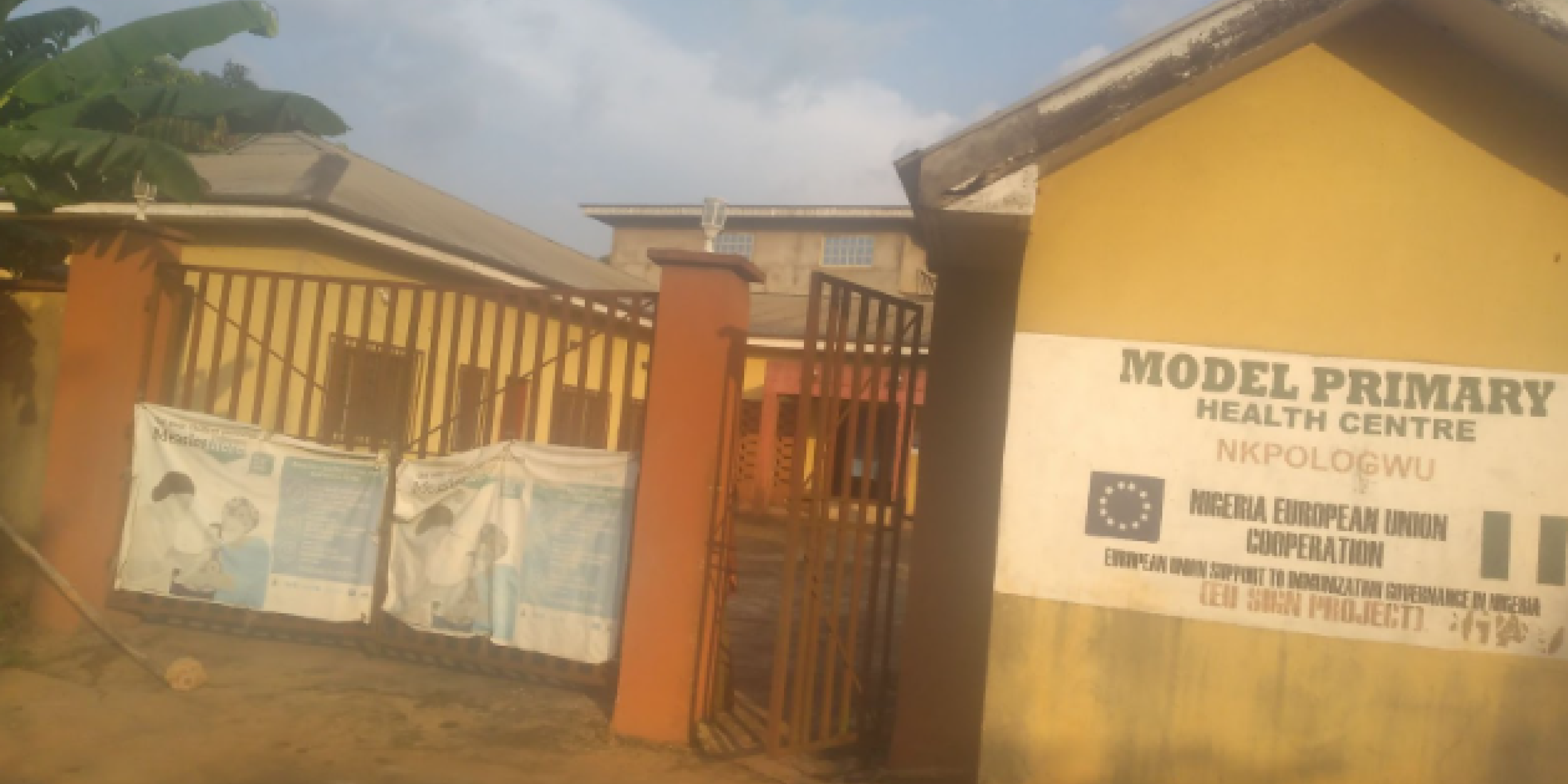
A severe healthcare crisis is unfolding in Anambra State, where 55 out of 66 assessed Primary Healthcare Centres (PHCs) operate with fewer than five government-employed health workers. Data from Orodata Science’s CheckMyPHCs platform reveals widespread understaffing across 16 local government areas, with some facilities run by only one worker—often a community extension worker or volunteer with limited training.
The situation falls far below the National Primary Health Care Development Agency (NPHCDA) and WHO minimum staffing standards, which require at least 12 staff for primary health clinics and 24 for fully equipped PHCs. Years of underfunding, stalled recruitment, and poor incentives have left rural communities without adequate maternal care, emergency response, or 24-hour medical support.
Residents describe many PHCs as “buildings without workers,” with emergencies often unattended at night. Health experts warn that the shortage threatens progress in maternal and child health, immunization, and disease surveillance. Despite the state government’s recent effort to recruit 10 health workers per ward, analysts say it is far from sufficient to reverse the deepening crisis.
A severe healthcare crisis is unfolding in Anambra State, where 55 out of 66 assessed Primary Healthcare Centres (PHCs) operate with fewer than five government-employed health workers. Data from Orodata Science’s CheckMyPHCs platform reveals widespread understaffing across 16 local government areas, with some facilities run by only one worker—often a community extension worker or volunteer with limited training.
The situation falls far below the National Primary Health Care Development Agency (NPHCDA) and WHO minimum staffing standards, which require at least 12 staff for primary health clinics and 24 for fully equipped PHCs. Years of underfunding, stalled recruitment, and poor incentives have left rural communities without adequate maternal care, emergency response, or 24-hour medical support.
Residents describe many PHCs as “buildings without workers,” with emergencies often unattended at night. Health experts warn that the shortage threatens progress in maternal and child health, immunization, and disease surveillance. Despite the state government’s recent effort to recruit 10 health workers per ward, analysts say it is far from sufficient to reverse the deepening crisis.
Anambra Healthcare Crisis Worsens as 55 PHCs Operate With Fewer Than Five Qualified Health Workers
A severe healthcare crisis is unfolding in Anambra State, where 55 out of 66 assessed Primary Healthcare Centres (PHCs) operate with fewer than five government-employed health workers. Data from Orodata Science’s CheckMyPHCs platform reveals widespread understaffing across 16 local government areas, with some facilities run by only one worker—often a community extension worker or volunteer with limited training.
The situation falls far below the National Primary Health Care Development Agency (NPHCDA) and WHO minimum staffing standards, which require at least 12 staff for primary health clinics and 24 for fully equipped PHCs. Years of underfunding, stalled recruitment, and poor incentives have left rural communities without adequate maternal care, emergency response, or 24-hour medical support.
Residents describe many PHCs as “buildings without workers,” with emergencies often unattended at night. Health experts warn that the shortage threatens progress in maternal and child health, immunization, and disease surveillance. Despite the state government’s recent effort to recruit 10 health workers per ward, analysts say it is far from sufficient to reverse the deepening crisis.
0 Comments
·0 Shares
·564 Views
