


 Über
Über
Muhammad Bello The Scholar King Who Strengthened the Sokoto Caliphate
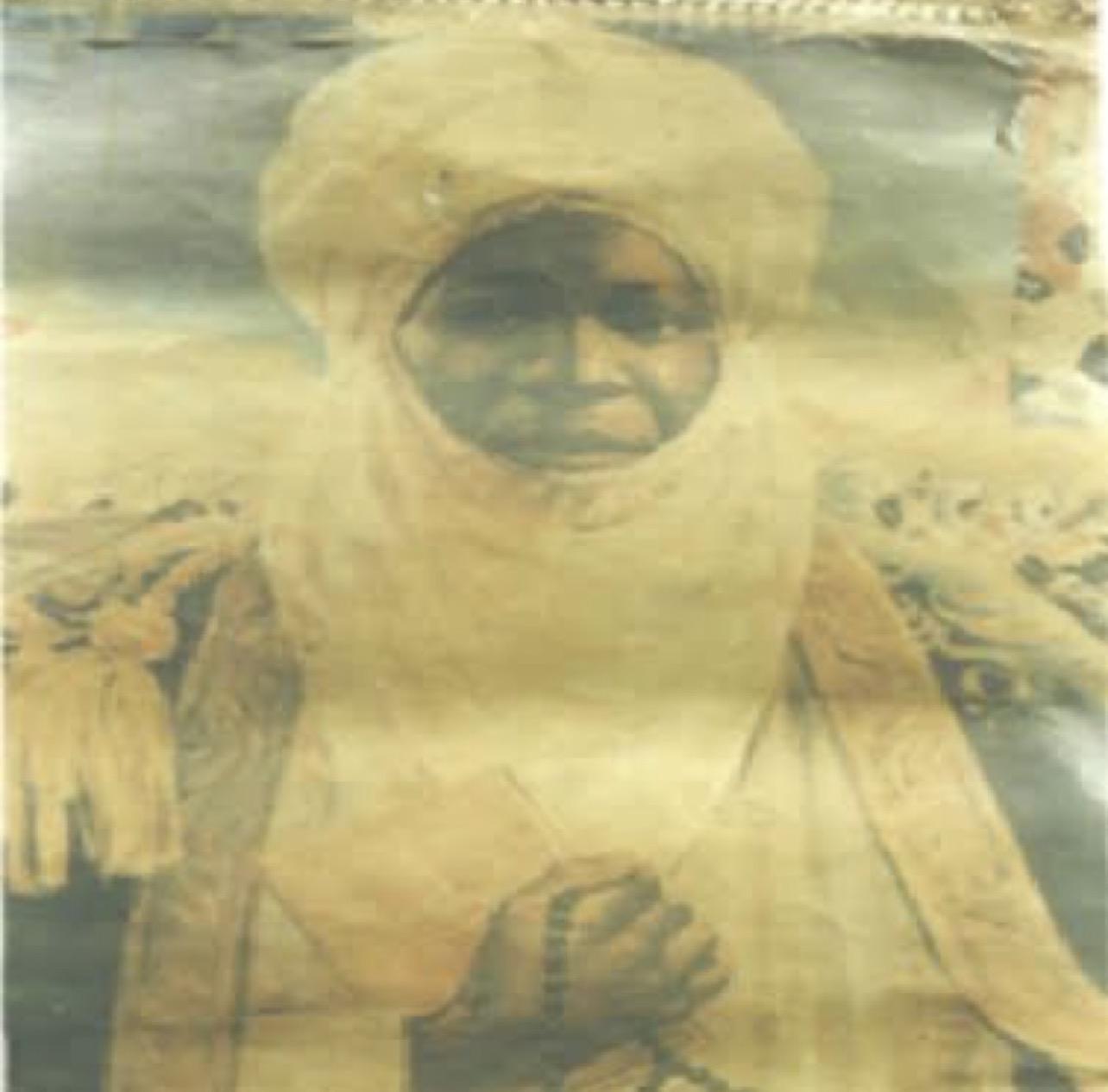
Muhammad Bello
Introduction
Muhammad Bello was one of the most respected leaders in West African history. He was not just a ruler but also a scholar, writer, and teacher. As the son of Usman dan Fodio, he continued his father’s legacy and helped build one of the strongest Islamic empires in Africa, known as the Sokoto Caliphate.
His life was a story of knowledge, leadership, and deep faith.
Early Life
Muhammad Bello was born in the late 18th century in what is now northern Nigeria. He grew up in a religious and disciplined home. His father, Usman dan Fodio, was a respected Islamic scholar and reformer.
From a young age, Bello showed great intelligence. He loved learning and spent most of his time studying the Qur’an, Islamic law, and history. His father personally trained him, making sure he understood both religion and leadership.
As he grew older, Bello became known for his calm nature, wisdom, and strong character.
Education and Knowledge
Education was a major part of Muhammad Bello’s life. He did not just learn for himself, he believed knowledge should be shared.
He became a great scholar and wrote many books on religion, governance, and society. His writings helped guide people on how to live good and meaningful lives.
Bello also encouraged others to seek knowledge. During his time, many schools and learning centers were established across the caliphate.
He believed that a strong society must be built on knowledge and justice.
Rise to Leadership
After the death of his father in 1817, Muhammad Bello became one of the key leaders of the Sokoto Caliphate.
Leadership was not easy. The empire was large, and there were many challenges. But Bello handled them with wisdom and patience.
He worked closely with his brother, Abdullahi dan Fodio, to ensure stability in the region.
Bello was not a harsh ruler. Instead, he focused on fairness, justice, and unity among his people.
Leadership Style
Muhammad Bello ruled with a strong sense of responsibility. He believed a leader must serve the people, not control them.
He made sure laws were fair and based on Islamic teachings. He also promoted peace and discouraged unnecessary conflict.
Under his leadership, the Sokoto Caliphate became more organized. Trade improved, education expanded, and communities grew stronger.
People respected him not just because he was a ruler, but because he lived a simple and honest life.
Contributions and Achievements
Muhammad Bello made many important contributions during his reign.
He helped strengthen the political structure of the caliphate, making governance more effective. He supported agriculture and trade, which improved the economy.
One of his greatest achievements was in education. He promoted learning across the empire, ensuring that knowledge reached both young and old.
He also wrote several important books that are still studied today.
Challenges and Struggles
Like every great leader, Bello faced challenges. Managing a large empire required constant attention. There were internal disagreements and external threats.
However, Bello remained calm and focused. He used dialogue and wisdom to solve problems rather than violence.
His ability to stay patient during difficult times made him a strong and respected leader.
Legacy
Muhammad Bello’s legacy is still felt today. He is remembered as a scholar king who combined knowledge with leadership.
The Sokoto Caliphate became one of the most influential Islamic states in Africa under his rule. His writings continue to inspire scholars and historians.
His life teaches us that true leadership comes from knowledge, humility, and service to others.
Conclusion
Muhammad Bello was more than a ruler. He was a teacher, a writer, and a guide to his people.
His story is a reminder that leadership is not about power alone, but about wisdom, fairness, and helping others grow.
Even today, his name remains strong in the history of Nigeria and Africa as a whole.

Kategorien
Mehr lesen
Slimcase Slimcase is a Nigerian musician, hype man, and entertainer known for his energetic performances and street style music. He became popular for his unique sound, lively personality, and ability to entertain audiences both on stage and through his music. Slimcase’s real name is Oluwafemi Oladapo, and he was born on May 29, 1982, in Ikorodu, Lagos State, Nigeria....

On Friday, over two billion Muslims across the globe marked Eid-el-Kabir — one of the most significant festivals in Islam — in a celebration rooted in faith, sacrifice, and community. The festival, also known as Eid al-Adha, commemorates the Prophet Ibrahim’s unwavering willingness to sacrifice his son, Ismail, in obedience to Allah’s command. It also marks the...

Adeshewa was the daughter of a wealthy merchant, but her mother’s cruelty had twisted her heart into cold stone. When her father remarried, Adeshewa gained a stepsister named Ife—a gentle, kind girl whose laughter seemed to brighten even the darkest corners of their home. From the moment they met, Adeshewa’s envy boiled. She mocked Ife’s sweetness, tore her clothes, hid...

Bhaira Mcwizu Bhaira Mcwizu is a Nigerian actress, model, and television personality known for her roles in Nollywood films and TV series. She gained widespread recognition for her performance in the popular TV series Tinsel, where she showcased her talent and screen presence. Early Life and Background Bhaira Mcwizu was born on October 12, 1986, in Enugu State, Nigeria. She grew up in...

Ibrahim Itele Yekini The Man Behind Koleoso Ibrahim Yekini, popularly known as Ibrahim Itele or Itele d’Icon, is one of the most respected and dynamic actors in the Yoruba movie industry. Over the years, he has built a reputation as a powerful on-screen presence, especially in action-packed and emotionally intense roles. His performance in the movie Koleoso further...

