


 About
About
Sheikh Sani Yahaya Jingir Biography Life Teachings Controversy and Influence in Nigeria
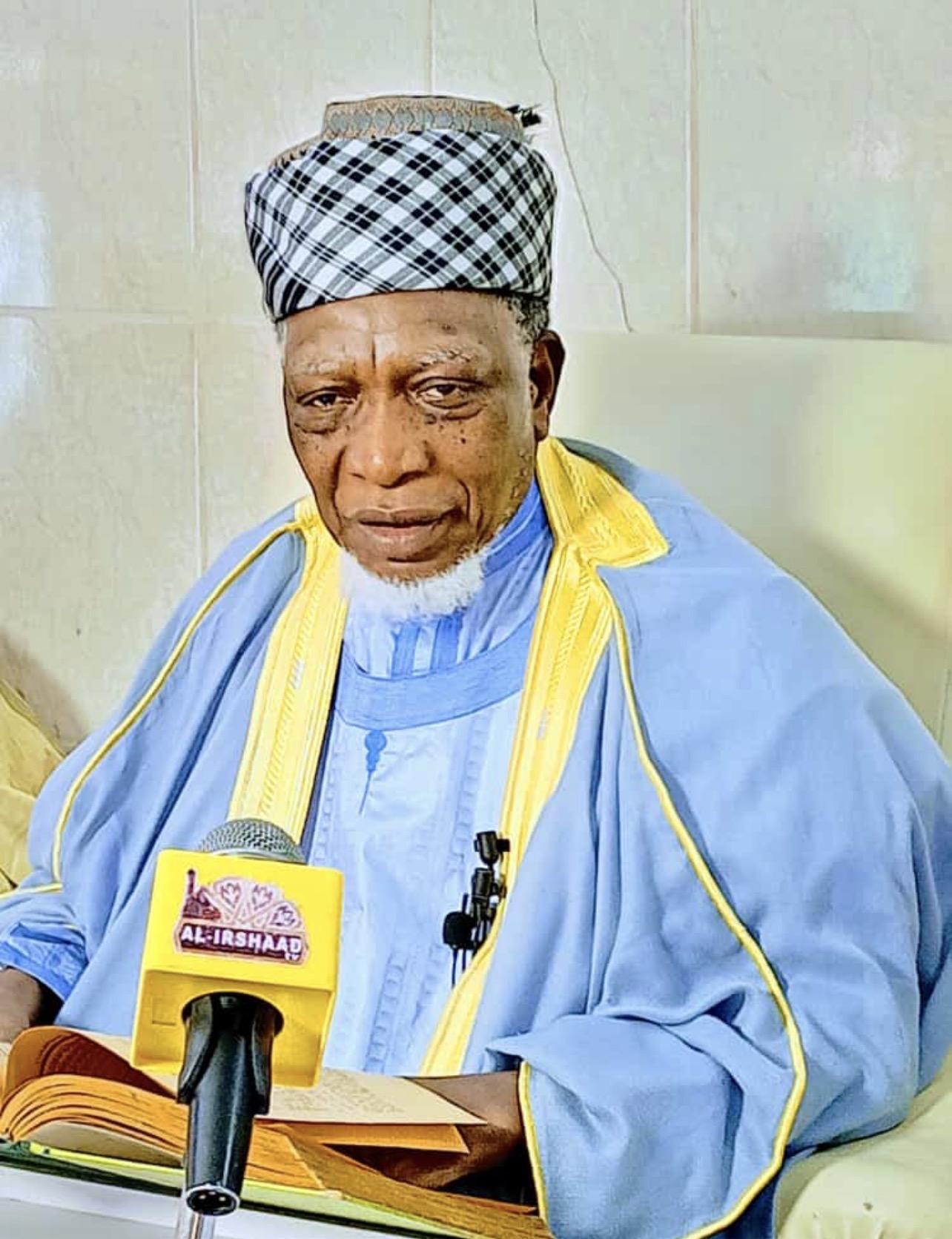
Sheikh Sani Yahaya Jingir
Early Life and Background
Sheikh Sani Yahaya Jingir was born in Plateau State, Nigeria, into a deeply religious Muslim family. From a young age, he was exposed to Islamic teachings and grew up in an environment where faith shaped daily life.
As a child, Jingir showed strong interest in religious learning. He attended traditional Islamic schools, where he memorized the Qur’an and studied basic Islamic principles. His upbringing laid the foundation for what would later become a powerful religious journey.
Education and Religious Training
Jingir pursued Islamic education through local scholars and institutions rather than Western-style schooling. He trained under respected clerics, gaining knowledge in Qur’anic interpretation, Hadith, and Islamic jurisprudence.
Over time, he developed a reputation as a passionate preacher who could speak in simple language that ordinary people easily understood. His teaching style made him popular among both young and old followers.
Rise to Prominence
Sheikh Jingir became widely known through his involvement with Jama’atu Izalatil Bid’ah Wa Iqamatus Sunnah (JIBWIS), one of the largest Islamic reform movements in Nigeria.
The organization focuses on promoting what it considers pure Islamic teachings and discouraging practices seen as innovations. Through JIBWIS, Jingir rose to a leadership position and eventually became one of its most recognized figures.
His sermons, often delivered in Hausa, spread quickly across northern Nigeria through radio, recordings, and social gatherings. Large crowds regularly attend his teachings.
Teaching Style and Influence
Jingir is known for his bold and direct preaching style. He often speaks strongly against practices he believes go against Islamic teachings.
His influence extends beyond mosques. Many followers see him as a guiding voice on moral, social, and religious issues. His messages focus on discipline, faith, and returning to strict Islamic principles.
Because of his ability to connect with the masses, he has built a large and loyal following over the years.
Controversies and Criticism
Despite his popularity, Sheikh Jingir has faced criticism and controversy.
Some of his sermons have been described as harsh or divisive by critics. At times, his strong opinions on religious differences have sparked debates among Muslims and between different Islamic groups.
There have also been concerns about the tone of some of his teachings, with critics arguing that they can deepen divisions rather than promote unity.
However, his supporters defend him, saying he is simply speaking the truth as he understands it and standing firmly for his beliefs.
Leadership Role
As a leader within JIBWIS, Jingir has played a key role in expanding the organization’s reach. Under his leadership, the movement has continued to grow across northern Nigeria and beyond.
He oversees religious programs, teachings, and community outreach efforts. His leadership style is firm, and he remains deeply committed to the mission of the organization.
Personal Life
Sheikh Jingir is known to live a relatively private life outside his public religious duties. He is respected by his followers not only as a preacher but also as a family man and community leader.
He maintains a strong connection with his roots and continues to dedicate his life to religious service.
Legacy and Impact
Sheikh Sani Yahaya Jingir remains one of the most influential Islamic clerics in northern Nigeria today.
His teachings have shaped the beliefs and practices of many followers. Whether praised or criticized, his voice continues to be heard across the region.
He stands as a figure of strong conviction, whose impact on religious discourse in Nigeria cannot be ignored.

Categorieën
Read More
Damilola Adekoya Damilola Adekoya, popularly known as Princess, is a Nigerian actress, comedian, and filmmaker known for her bold personality and strong presence in the Yoruba Nollywood industry. She has built a reputation for both her acting talent and outspoken nature. Early Life and Background Damilola Adekoya was born on May 3, 1977, in Lagos State, Nigeria. She hails from...
Mildred Okwo Mildred Okwo is a Nigerian filmmaker, director, producer, and screenwriter known for her impactful storytelling and contributions to Nollywood. She is respected for creating films that blend entertainment with strong social messages and high production quality. Early Life and Background Mildred Okwo was born on September 28, 1966, in Enugu State, Nigeria. She grew up in a...
The moment I stepped inside, my children ran toward me like they had been waiting forever. My daughter hugged my legs tightly, refusing to let go. My son climbed onto my lap, coughing softly. My wife stood by the door, watching everything quietly. “I missed you,” my daughter whispered. That was when I broke. I held them close, breathing in their familiar scent, realizing how much...

The Managing Director of Fidelity Bank Plc, Dr. Nneka Onyeali-Ikpe, allegedly confessed to paying ₦5 billion to avoid detention by the police amid a multi-billion-naira fraud investigation. Court documents from Charge No: FHC/L/138C/2025 before the Federal High Court in Lagos reveal that the Federal Republic of Nigeria is prosecuting Victor Ukutt, Fidelity Bank Plc, Dr. Onyeali-Ikpe, and a...
That was the beginning of my secret life. From that moment on, I learned how to exist in two different worlds parallel lives that never truly touched, yet tore me apart every day. In the first world, I was Mrs. Stacy. Perfect. Polished. Predictable. I attended church every Sunday, my head bowed, my lips moving in practiced prayers. I hosted elegant dinners where the...

