About
About
Sheikh Ahmad Tijani Biography The Founder of Tijaniyya and His Spiritual Journey
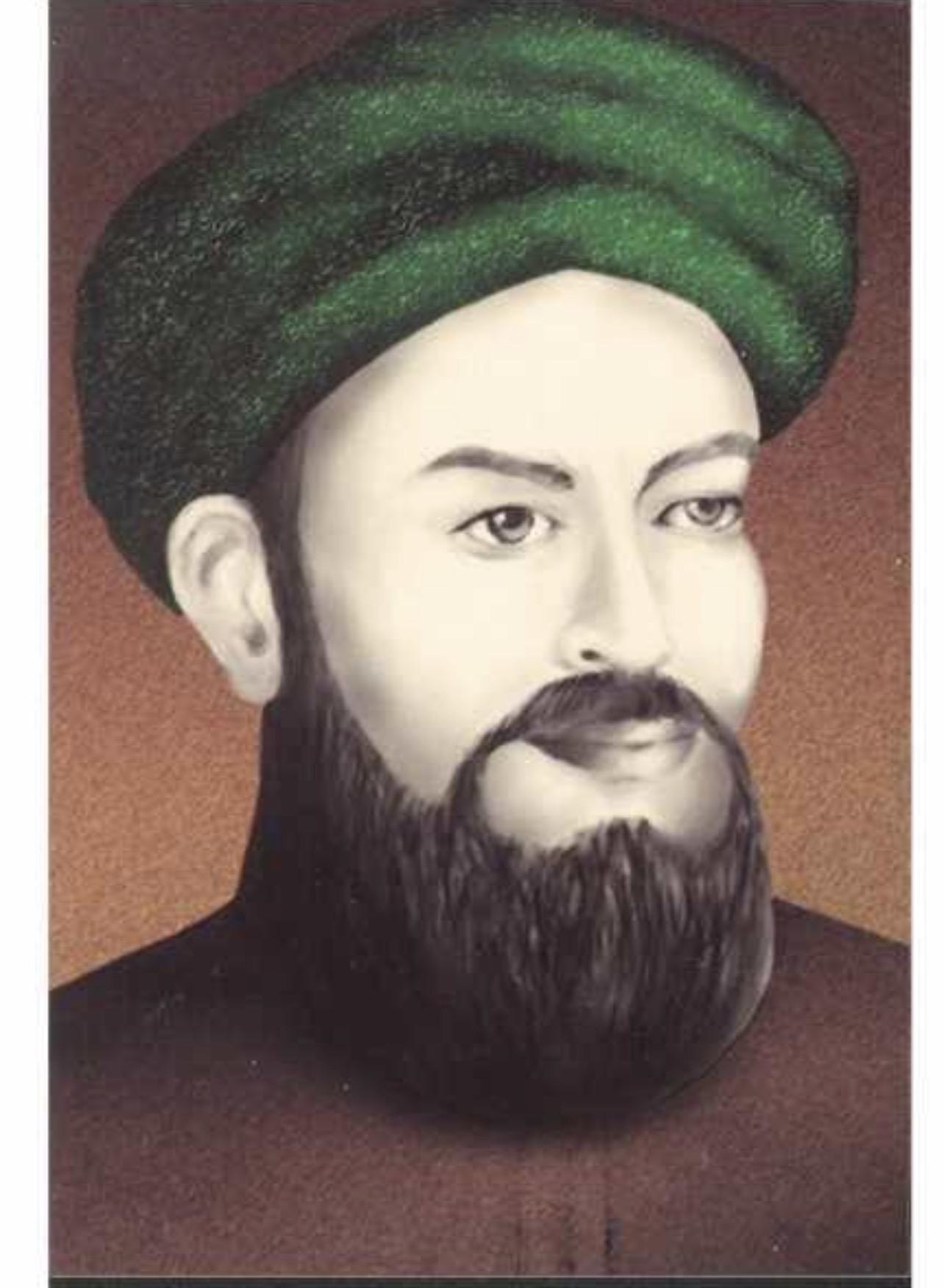
Sheikh Ahmad Tijani
Ahmad al-Tijani was a great Islamic scholar, spiritual leader, and the founder of the Tijaniyya Sufi order, one of the most influential Islamic movements in Africa. His life story is filled with deep faith, knowledge, and a strong desire to guide people toward God.
Early Life and Background
Sheikh Ahmad Tijani was born in 1737 in Ain Madhi, a small town in present day Algeria. He came from a respected family known for their Islamic knowledge and strong religious values.
From a young age, he showed great intelligence and love for learning. He memorized the Qur’an at an early age and began studying Islamic sciences such as jurisprudence, theology, and Arabic language.
Despite losing his parents while still young, he remained focused on his studies and spiritual growth. His early life shaped him into a disciplined and devoted seeker of knowledge.
Search for Knowledge
Ahmad Tijani traveled widely in search of knowledge and spiritual truth. He moved across North Africa, visiting important Islamic centers in Algeria, Tunisia, and Morocco.
During his travels, he studied under many respected scholars and joined different Sufi paths. However, he continued searching for deeper spiritual understanding, always wanting a closer connection to God.
His journey was not easy. He faced hardship, long travels, and challenges, but his determination never faded.
Spiritual Experience and Calling
One of the most important moments in his life came when he had a powerful spiritual experience. Ahmad Tijani believed he received direct guidance from the Prophet Muhammad in a waking vision.
This experience changed his life completely. He felt chosen to lead people on a special spiritual path that focused on remembrance of God and strong faith.
Because of this, he stopped following other Sufi orders and began teaching his own path.
Founding of the Tijaniyya
Ahmad Tijani later settled in the city of Fez, where he officially established the Tijaniyya Sufi order.
The Tijaniyya focused on simple but powerful spiritual practices, including:
• Regular remembrance of God (dhikr)
• Special prayers upon the Prophet
• Strong discipline and sincerity in worship
His teachings spread quickly because they were easy to follow and deeply spiritual. Many people were drawn to his message of direct connection with God.
Spread Across Africa
After his death, the Tijaniyya order continued to grow rapidly, especially in West Africa.
Today, millions of followers across countries like Nigeria, Senegal, Mali, and Niger practice his teachings. The Tijaniyya became one of the largest Sufi orders in the world.
Many African scholars and leaders helped spread his teachings, making his influence very strong across the continent.
Teachings and Beliefs
Sheikh Ahmad Tijani taught that:
• True faith comes from sincerity and devotion
• Constant remembrance of God brings peace
• Love for the Prophet Muhammad is very important
• Spiritual growth should be simple and pure
He emphasized discipline, humility, and strong belief in God.
Controversy and Criticism
Like many influential religious leaders, Ahmad Tijani’s teachings were not accepted by everyone.
Some scholars questioned his claim of receiving direct guidance from the Prophet Muhammad. Others believed his teachings gave too much importance to spiritual visions.
Despite these criticisms, his followers remained loyal and believed strongly in his spiritual authority.
Even today, debates about his teachings still exist in some Islamic circles.
Death and Legacy
Sheikh Ahmad Tijani died in 1815 in Fez, where he was buried.
His legacy continues to live on through millions of followers worldwide. The Tijaniyya order remains a major spiritual force in Islam, especially in Africa.
He is remembered as a man of deep faith, knowledge, and spiritual influence who changed the lives of many people.
Sources
• John O. Hunwick, Sufism in Africa
• Jamil M. Abun-Nasr, The Tijaniyya: A Sufi Order in the Modern World
• Encyclopaedia Britannica – Ahmad al-Tijani
• Islamic scholarly historical records on Sufi orders

Categories
Read More
The Nigeria Police Force has issued a strict directive banning officers from escorting VIPs while dressed in mufti, warning that any violation will attract disciplinary action. A wireless signal from the AIG in charge of Protection reiterated the Inspector General’s earlier order withdrawing personnel from unauthorized VIP escorts. The directive follows President Tinubu’s...

Liz Benson Liz Benson is a veteran Nigerian actress, television personality, and ordained minister who became one of the most recognizable faces in Nollywood during the 1990s. Born on April 5, 1966, she is currently 59 years old (as of 2026). Known for her elegance, emotional depth, and commanding screen presence, Liz Benson remains one of the most respected actresses in the Nigerian...

Popular Nigerian influencer Papaya Ex has clapped back at critics questioning her recent trip to Tanzania, which sparked a swirl of online rumors linking her to singer Juma Jux and his ex, Priscilla Ojo. Social media went wild with speculation after Papaya shared stunning photos from her trip—fueling gossip about her connection to Jux, especially following his past ties with Priscilla....

Elon Musk Elon Musk is a billionaire entrepreneur, engineer, and inventor widely known for founding and leading some of the world’s most innovative technology companies. Born Elon Reeve Musk on June 28, 1971, in Pretoria, South Africa, he became one of the most influential figures in modern technology through his work in electric vehicles, space exploration, artificial...

Ukrainian President Volodymyr Zelensky has accused Russia of launching one of the largest aerial offensives in recent months, involving over 400 drones and 40 missiles, resulting in casualties and widespread destruction across several regions. In a statement shared on his official X (formerly Twitter) account on Friday, Zelensky described the coordinated assault as a brutal continuation of...