


 About
About
Tewodros II the Ethiopian Emperor Who Began Modernizing Africa
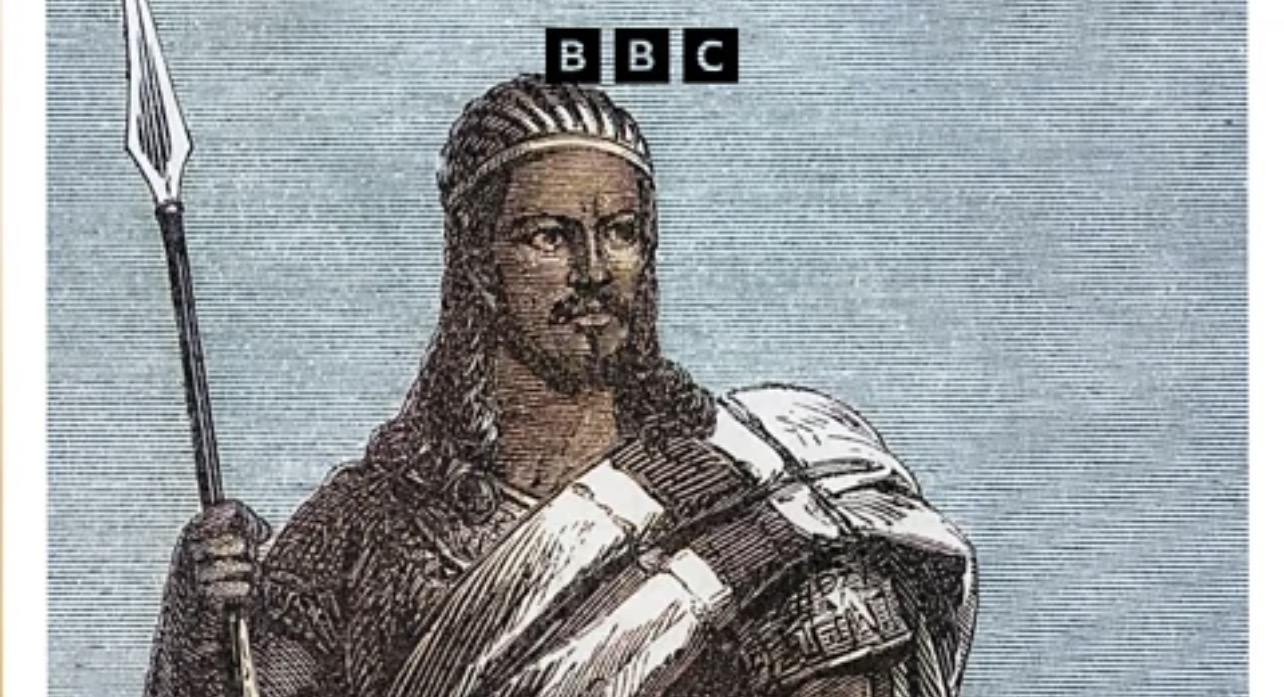
Tewodros II
Early Life and Background
Tewodros II was born around 1818 in Ethiopia with the name Kassa Hailu. He did not grow up as a prince or in a royal palace. Instead, his childhood was simple and sometimes difficult.
He lost his father at a young age and faced many struggles while growing up. Because of this, he learned to be strong, independent, and determined very early in life.
As a young boy, Kassa Hailu lived during a time when Ethiopia was divided into many regions ruled by powerful local leaders. There was no strong central government, and conflict was common. This situation shaped his dream of uniting the country one day.
Rise to Power
Kassa Hailu began his journey as a fighter. He joined local groups and proved himself as a brave and skilled warrior. Over time, he gained followers who believed in his vision.
He defeated several regional rulers and slowly built his power. His courage and leadership made people respect him, and many saw him as a man chosen to restore order in Ethiopia.
In 1855, he crowned himself Emperor and took the name Tewodros II. This marked the beginning of a new chapter in Ethiopian history.
Vision for a United Ethiopia
Tewodros II believed that Ethiopia needed unity to grow stronger. He worked hard to bring the different regions under one central authority.
He wanted to end the era of division and create a nation where laws and leadership came from one place. His dream was not just about power, but about building a stable and organized country.
Through military campaigns and strong leadership, he managed to unite large parts of Ethiopia under his rule.
Modernization Efforts
Tewodros II is remembered as a modernizer because he wanted Ethiopia to develop like European nations at the time.
He introduced new ideas and tried to build a stronger government. One of his goals was to create a modern army equipped with better weapons. He even started local production of cannons and firearms.
He also tried to improve administration by reducing the power of local rulers and making the central government stronger.
Tewodros believed that education, technology, and organization were important for the future of Ethiopia. Although his resources were limited, his vision was far ahead of his time.
Relationship with Europe
Tewodros II wanted to build friendly relations with European countries. He believed that cooperation would help Ethiopia gain knowledge and modern tools.
He wrote letters to European leaders, including Britain, asking for support and skilled workers. However, his requests were not taken seriously.
This rejection frustrated him deeply. He felt that Ethiopia was being ignored and disrespected by powerful nations.
Conflict and the Battle of Magdala
Tension grew between Tewodros II and Britain after misunderstandings and diplomatic issues. Eventually, this led to a military confrontation.
In 1868, British forces marched into Ethiopia and attacked Tewodros’s stronghold at Magdala. The battle was intense, and despite his bravery, Tewodros realized he could not win against the well equipped British army.
Rather than surrender, he chose to take his own life. This marked the end of his reign but not the end of his legacy.
Legacy and Impact
Tewodros II is remembered as one of Ethiopia’s most important leaders. Even though his rule faced challenges, his vision for unity and modernization left a lasting impact.
He was one of the first African rulers to seriously attempt to modernize his country and strengthen central authority.
Today, many see him as a symbol of resistance, courage, and national pride. His story continues to inspire people across Africa and beyond.
Conclusion
The story of Tewodros II is one of struggle, vision, and determination. From a difficult childhood to becoming an emperor, he never stopped believing in a better future for Ethiopia.
Though his journey ended in conflict, his dream of a united and modern nation remains one of the most powerful chapters in African history.

Categories
Read More
Victoria’s POV I knew my mother was coming before she said it. Her voice on the phone that morning carried that familiar firmness the tone that didn’t ask permission. “I’m coming to your house today,” she said. “We need to talk properly about that man in Abuja.” My heart sank. “Mummy ” I started. “No excuses,” she...

Introduction to Granny Horror Game Experience Granny is a popular horror survival game that challenges players with intense stealth gameplay and puzzle solving. The setting takes place inside a dark and unsettling house where danger waits in every corner. The main objective is simple but difficult to achieve: escape within five days without getting caught. This game attracts players through...

If you’ve been spending time in Grow A Garden, you probably know that rare event items can be some of the trickiest collectibles to get your hands on. Whether you’re aiming to complete your seasonal collection or simply want to flex your garden with exclusive decorations, knowing the right strategies can save you countless hours of grinding. Here are some practical tips that have...

The father of three pupils abducted in Niger State has tragically passed away after suffering a heart attack. The development was confirmed by Rev. John Hayab, Chairman of the Christian Association of Nigeria (CAN) for the Northern Region and the Federal Capital Territory. Rev. Hayab explained that the man’s death was linked to the emotional trauma and distress he endured following the...
Donald Trump will on Sunday showcase his unexpected attachment to a sport in which “America First” remains a dream, for now. The US president is attending the final of the newly expanded FIFA Club World Cup in his latest use of the beautiful game as a soft power political weapon. His appearance at the MetLife stadium in New Jersey, where Paris Saint-Germain face Chelsea,...

