Environ
Patrice Lumumba The Brave Voice of Congo Freedom
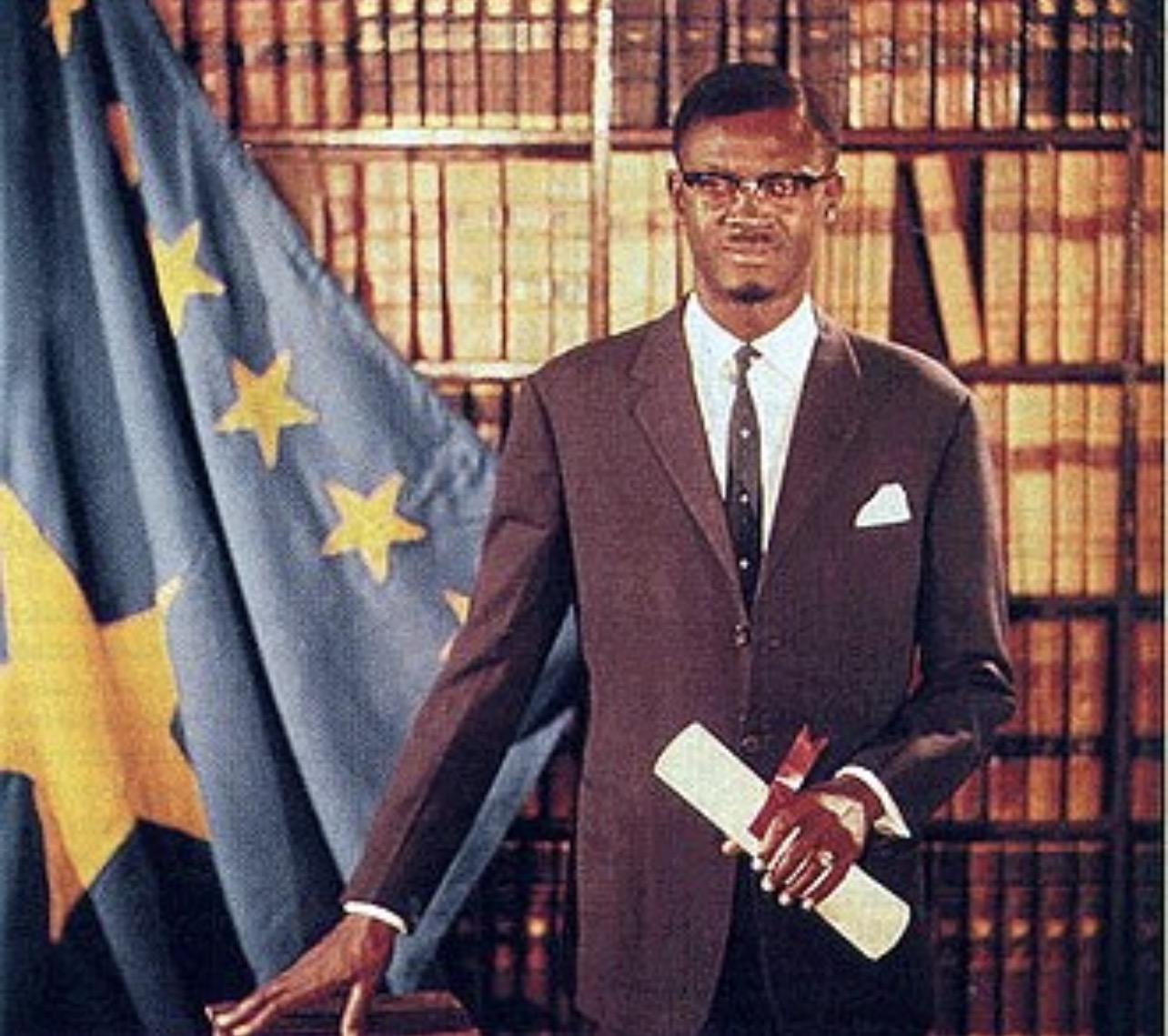
Patrice Lumumba
Early Life and Background
Patrice Lumumba was born on July 2, 1925, in Onalua village in the Kasai region of what was then the Belgian Congo. He grew up in a simple African home where life was not easy, but it was filled with strong cultural values and community spirit.
As a young boy, Lumumba was curious and intelligent. He loved learning and often asked questions about the world around him. Even though opportunities were limited under colonial rule, he worked hard to educate himself and became one of the few Congolese who could read and write fluently at the time.
Education
Lumumba attended mission schools where he received basic education. Unlike many children of his time, he continued learning beyond what was expected. He read books, studied politics, and followed global events.
His education helped shape his thinking. He began to understand the unfair system of colonial rule and how Africans were treated as second-class citizens in their own land.
Early Career
Before entering politics, Patrice Lumumba worked as a postal clerk and later as a salesman. These jobs allowed him to travel and meet different people across the Congo.
Through his experiences, he saw the struggles of ordinary Congolese people. He also witnessed the inequality between Africans and Europeans. These moments deeply influenced him and pushed him toward leadership.
Entry into Politics
Lumumba became active in political movements in the late 1950s. He founded the Congolese National Movement, a party that aimed to unite all ethnic groups in the Congo.
At a time when many leaders focused only on their regions or tribes, Lumumba believed in one strong, united nation. His powerful speeches inspired many people. He spoke about freedom, dignity, and independence.
Role in Congo Independence
In 1960, the Congo gained independence from Belgium. Patrice Lumumba became the country’s first Prime Minister.
During the independence ceremony, he gave a bold and emotional speech. Instead of praising colonial rule, he spoke about the suffering and injustice the Congolese people had endured. His words shocked many foreign leaders but made him a hero to his people.
Lumumba wanted true independence, not just political freedom but also control over Congo’s resources and future.
Challenges and Crisis
After independence, the Congo quickly fell into crisis. There were conflicts within the country, including a rebellion in the Katanga region.
Foreign powers also became involved because Congo was rich in natural resources. Lumumba’s strong stance against foreign control made him many enemies both inside and outside the country.
Soon, political tensions grew. He was removed from power in a political struggle.
Arrest and Death
In late 1960, Patrice Lumumba was arrested. Despite his popularity among the people, he was treated harshly.
On January 17, 1961, Lumumba was executed under tragic circumstances. His death shocked Africa and the world. Many saw it as the silencing of a strong African voice for freedom.
Legacy
Today, Patrice Lumumba is remembered as a symbol of African independence and courage. He stood for unity, justice, and true freedom.
Many African leaders and young people still look up to him as a hero who spoke the truth without fear. His story reminds the world of the price of freedom and the importance of standing up for what is right.
Patrice Lumumba’s life was short, but his impact remains powerful. He was not just a leader, but a voice for millions who wanted dignity and control over their future.

Catégories
Lire la suite
The Zamfara State Government has hailed Monday’s daring security raid as a major breakthrough in the ongoing war against banditry in the northwest. Speaking to the BBC Hausa Service, Ahmad Manga, Special Adviser on Security Matters to Governor Dauda Lawal, confirmed that security operatives stormed a remote hideout previously untouched by law enforcement and inflicted heavy casualties on...
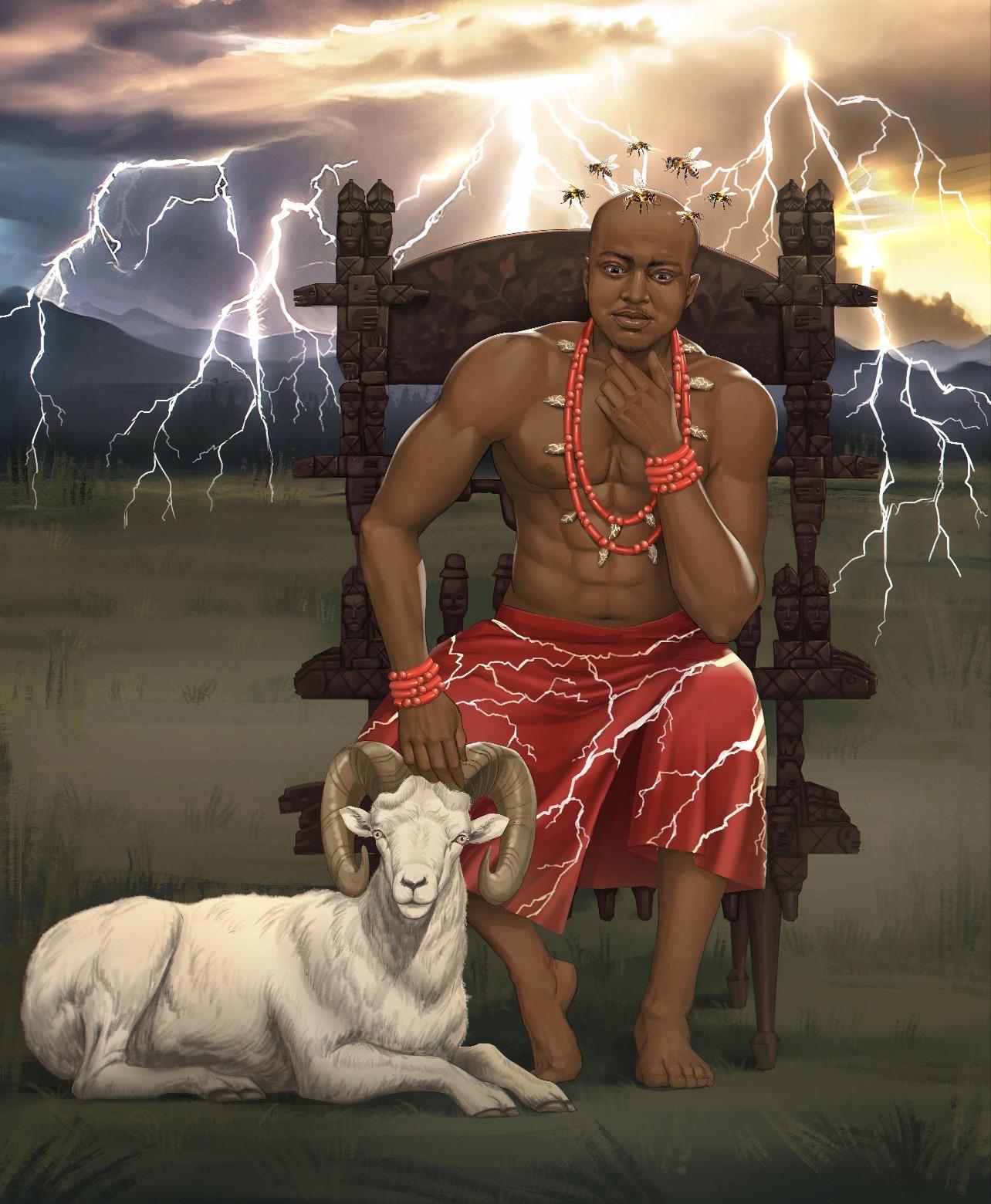
Amadioha The Thunder That Walked Among Men Long before the world learned to name storms or measure the distance between lightning and thunder, the people of Igboland already knew the truth: thunder was not just a sound. It was a voice. A warning. A judgment. And that voice belonged to Amadioha. In those ancient days, when the earth was still young and the forests of Igbo land...
Arnold Schwarzenegger Arnold Schwarzenegger is an Austrian American actor, businessman, former professional bodybuilder, and politician who served as the Governor of California. Born on July 30, 1947, in Thal, Styria, Austria, he became one of the most recognizable global icons through achievements in bodybuilding, Hollywood, and politics. Early Life and Background Arnold...

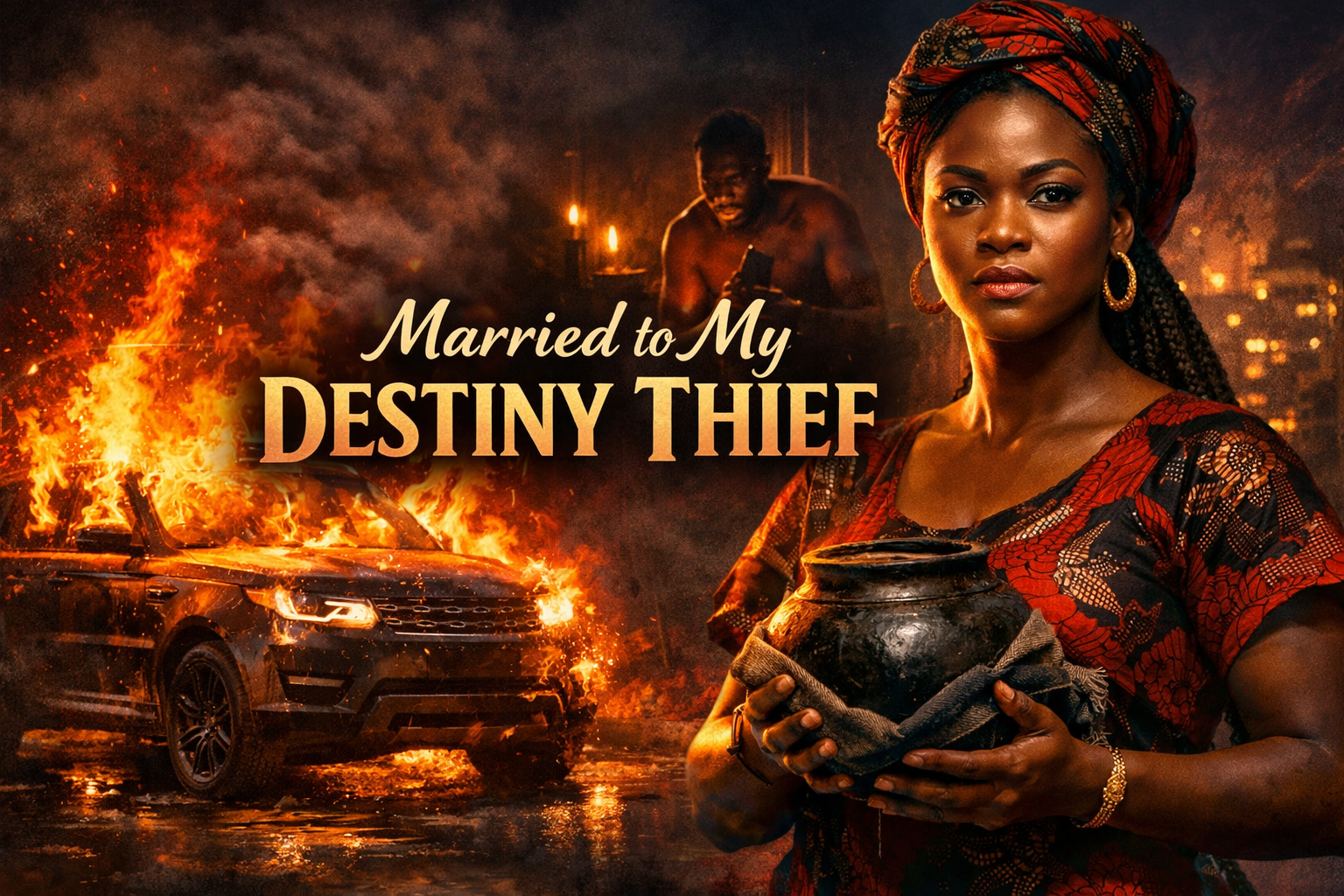
Married to My Destiny Thief Part 2 The Day Femi Came Begging Femi came on a Tuesday the kind of afternoon that looks harmless until it changes your life. I was at my desk, signing onboarding papers, when the receptionist called. “There’s a man here asking for you. He says it’s urgent.” I didn’t need to ask his name. Some wounds announce themselves. He stood...
Ruth Kadiri Ruth Kadiri is a Nigerian actress, screenwriter, and film producer known for her emotional performances and strong presence in Nollywood. Over the years, she has become one of the most successful actresses in the Nigerian movie industry, particularly in romantic and family-centered dramas. Early Life and Background Ruth Kadiri was born on March 24, 1988, in Benin...