About
About
The Lion of Kanem Bornu Who Refused to Bow
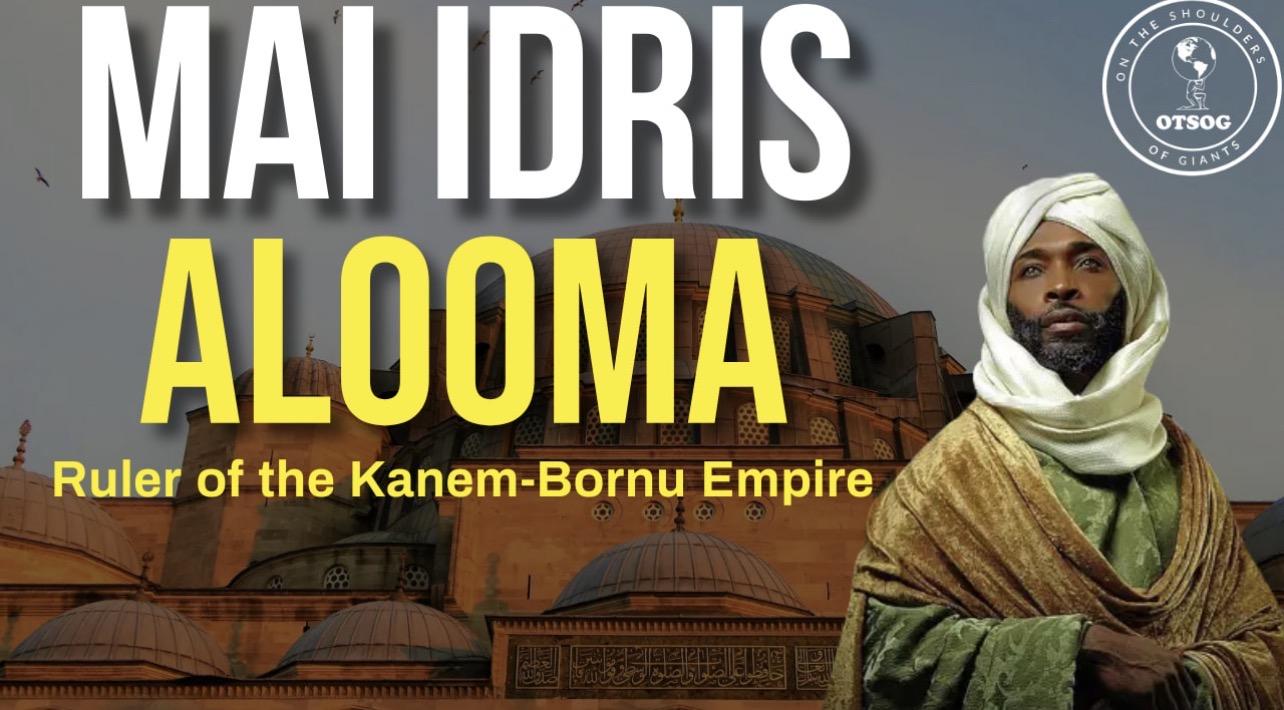
Idris Alooma
In the heart of ancient Africa, where the wind carried whispers of empires and the sands remembered every footstep of kings, there lived a ruler whose name refused to fade with time, a man called Idris Alooma, a king not just of land but of spirit, a warrior whose story still echoes in the silence of Lake Chad and in the pride of a people who once stood unbroken under his command, and from the very moment he rose to power, the world around him knew that something different had arrived, something fierce, something determined, something that would not kneel to fear or surrender to fate.
He did not inherit peace, he inherited struggle, a kingdom surrounded by enemies, weakened by internal conflicts, and threatened by forces that believed the Kanem Bornu Empire would crumble like dry sand under pressure, but Idris Alooma was not made for collapse, he was made for rebuilding, for restoring honor, for turning fear into fire, and while others saw chaos, he saw opportunity, while others saw danger, he saw purpose, and that is what separated him from ordinary rulers, he was not born to rule, he was born to transform.
The land he governed was vast, stretching across territories that demanded strength, wisdom, and vision, and yet it was not the size of the empire that made his task difficult, it was the constant threat of invasion, rebellion, and betrayal, but Idris Alooma faced all of it with a calm intensity that unsettled his enemies, he studied war like a scholar studies knowledge, he observed tactics, he listened, he learned, and then he acted with precision that left his opponents confused and defeated before they even understood what had happened.
It was said that he introduced new military strategies, that he did not fight blindly like many rulers of his time, he organized his army, disciplined his soldiers, and brought innovation into warfare, using mounted troops, fortified camps, and even strategic alliances that strengthened his position, but beyond all these, what truly made him powerful was not just his army, it was his mind, a mind that refused to be limited by tradition when survival demanded change.
Under his leadership, the empire began to breathe again, trade routes reopened, merchants traveled with less fear, and the people began to feel a sense of stability that had long been missing, and this was not by accident, Idris Alooma understood that a kingdom is not sustained by war alone, it is sustained by prosperity, by justice, by the trust of its people, and so he built systems that allowed commerce to flourish, he encouraged learning, and he strengthened the cultural and religious identity of his empire, making it not just strong, but meaningful.
He was deeply devoted to Islam, and his faith guided many of his decisions, but he did not rule with blind imposition, instead he used his belief as a foundation for discipline, for fairness, for moral direction, and through this, he connected his people to something greater than themselves, something that gave them purpose beyond survival, and in doing so, he united them in a way that made the empire more resilient than ever before.
But no story of greatness comes without trials, and Idris Alooma faced battles that tested not just his strength, but his resolve, enemies who refused to back down, conflicts that dragged on longer than expected, and moments where defeat seemed close enough to taste, yet he never allowed despair to take root, he stood firm, he adjusted, he fought again, and every time he rose, he rose stronger, sharper, more determined than before.
There were nights when the weight of leadership must have pressed heavily on his shoulders, when the silence of the palace could not drown the noise of responsibility, when the lives of thousands depended on the choices he made, and yet he carried that burden without breaking, because he understood something many never do, that leadership is not about comfort, it is about sacrifice, about choosing the harder path so that others may walk an easier one.
His influence reached beyond the battlefield, into governance, into diplomacy, into the everyday lives of his people, and slowly but surely, the Kanem Bornu Empire transformed into a force that commanded respect, not just through fear, but through excellence, through organization, through the undeniable presence of a ruler who knew exactly what he was doing and why he was doing it.
Travelers and scholars spoke of his kingdom with admiration, of its order, its strength, its leadership, and even those who once saw it as weak began to reconsider, because under Idris Alooma, weakness was no longer an option, it had been replaced by resilience, by strategy, by a relentless pursuit of greatness that refused to be ignored.
And yet, despite all his achievements, what makes his story truly powerful is not just what he built, but how he built it, not just the victories he achieved, but the mindset he carried, the refusal to accept decline, the courage to challenge the status quo, the belief that even in the face of overwhelming odds, a determined leader can rewrite the destiny of an entire people.
As time passed, his name became more than just a name, it became a symbol, a reminder of what is possible when strength meets wisdom, when faith meets action, when leadership is driven not by ego, but by purpose, and even today, long after the dust of his battles has settled, the story of Idris Alooma continues to inspire, to remind, to awaken something in those who hear it, something that says greatness is not reserved for a few, it is earned by those who refuse to give up.
In the quiet corners of history, where many stories fade into obscurity, his remains alive, not because it was written in books, but because it was etched into the identity of a people, carried through generations, whispered in pride, remembered in strength, and as long as there are those who seek courage, who seek purpose, who seek to rise above their circumstances, the story of Idris Alooma will never truly end.

Categories
Read More
At a time when thousands in Yobe State lack clean water, access to education, and basic healthcare, the state government has approved an additional ₦2.1 billion for the purchase of luxury vehicles in its 2025 budget. This fresh allocation comes on the heels of a staggering ₦6.088 billion already spent on cars in 2024—an amount that accounted for more than half of the state's entire...

Survivability in Call of Duty: Black Ops 7 isn’t just about raw aim — it’s about building a class that minimizes your vulnerabilities. From perks and attachments to secondary weapons and field upgrades, the right combination can keep you alive longer and give you more chances to win fights. After plenty of matches and loadout experimentation, here are 20 class setups that make...
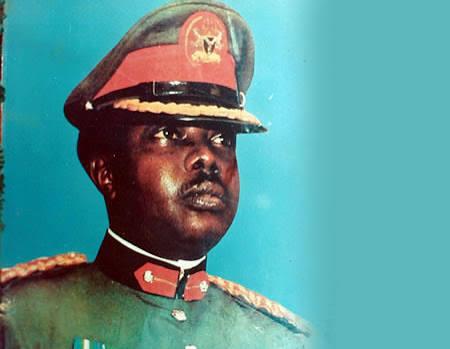
Murtala Muhammed Murtala Ramat Muhammed was a Nigerian military officer and statesman who served as the Head of State of Nigeria from July 1975 until his assassination in February 1976. He is remembered as one of Nigeria’s most dynamic and influential leaders because of his bold reforms and determination to fight corruption. Born on November 8, 1938, in Kano, Nigeria, Murtala...
I was only twelve when my world shattered. I still remember that night like it was etched into my skin the cold metal of the knife, the look in my mother’s eyes, the sound of her scream piercing through the house. And then silence. My father had killed her, right there, in front of me. I froze, too terrified to move, my heart pounding like it would burst from my chest. After that,...

Isabella Pov I had never known love like this dangerous, consuming, eternal. Every night with him was a dance on the edge of death, a game I had chosen to play despite knowing the stakes. And yet, for the first time in my life, I felt alive in ways I never imagined. We walked the moonlit streets together, his presence a shadow that both protected and terrified me. I knew the world...