About
About
The Living Forest of the Goddess: The Powerful History of the Osun Osogbo Sacred Grove
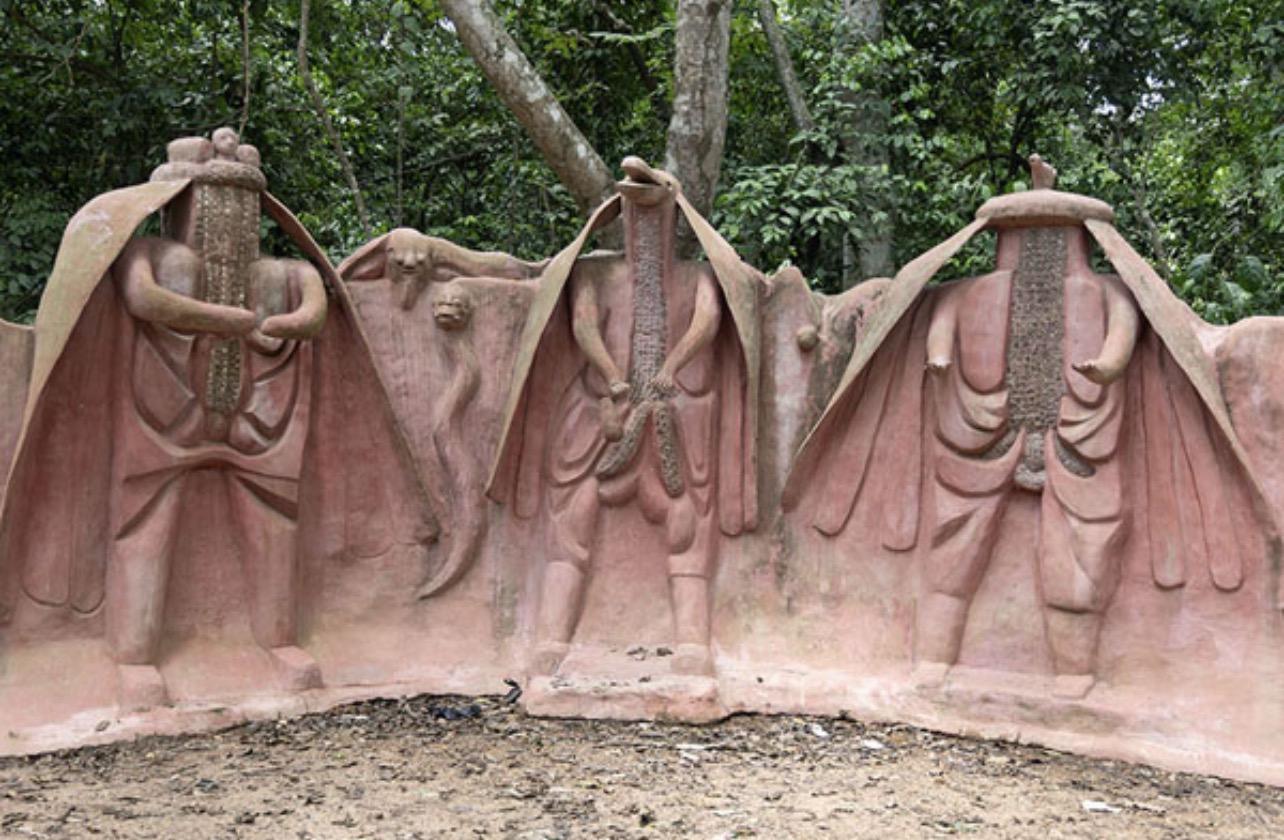
Osun Osogbo Sacred Grove
Deep in the southwestern part of Nigeria, where the Osun River quietly flows through thick forest and ancient trees whisper stories of centuries past, lies one of the most spiritually powerful places in Africa. This place is the Osun Osogbo Sacred Grove, a sacred forest that has stood for hundreds of years as a center of spirituality, culture, and history for the Yoruba people.
Unlike many historical places that are remembered only through ruins or old stones, the Osun Osogbo Sacred Grove is alive. It breathes with rituals, festivals, prayers, and traditions that have continued without interruption for generations. Here, history is not just written in books. It is performed through songs, carved in sacred sculptures, spoken through myths, and carried in the hearts of the people.
The story of the Osun Osogbo Sacred Grove is a story of faith, survival, identity, and the deep relationship between humans, nature, and the spiritual world.
The Beginning of Osogbo and the Promise of the River Goddess
The history of the Osun Osogbo Sacred Grove begins with the founding of the ancient town of Osogbo. According to Yoruba oral tradition, the earliest settlers arrived in the region many centuries ago while searching for a place to build a new community.
Among these settlers was a respected hunter named Olutimehin. He led the group through forests and rivers until they reached the banks of a beautiful river surrounded by dense forest. The land seemed fertile and peaceful, and the settlers believed they had finally found a home.
But as the story goes, something unexpected happened.
One day while clearing the forest to build their village, one of the settlers accidentally broke some sacred bowls placed beside the river. Suddenly a powerful voice was heard from the water.
The voice belonged to Osun, the river goddess.
She spoke to the settlers and warned them that the area they were clearing was sacred to her. The settlers were frightened, but they quickly showed respect and asked for forgiveness.
Olutimehin promised the goddess that if she allowed them to settle nearby, they would honor her forever and protect the sacred forest along the river.
Osun accepted the promise.
She blessed the settlers and promised that the river would always provide protection, fertility, prosperity, and healing for the people of Osogbo.
From that moment, the sacred grove was born.
The Forest Becomes Sacred Ground
The forest surrounding the Osun River was declared sacred and protected. No one was allowed to destroy it or use it for farming. Instead it became a spiritual sanctuary dedicated to the goddess Osun.
Shrines were built throughout the forest where priests and priestesses could offer prayers and sacrifices to the goddess. Sacred sculptures were placed in different parts of the grove representing spiritual forces and Yoruba deities.
The grove became a place where humans and the spiritual world met.
For centuries the people of Osogbo visited the grove to pray for children, healing, protection, and blessings. They believed that Osun was not only the goddess of the river but also the mother of fertility, love, beauty, and prosperity.
Women seeking children would come to the river to pray. Farmers would ask for rain and fertile land. Kings and chiefs would offer sacrifices seeking guidance and protection for their people.
The grove slowly grew into one of the most powerful spiritual centers in Yoruba land.
The Yoruba Spiritual World
To understand the importance of the Osun Osogbo Sacred Grove, one must understand the spiritual beliefs of the Yoruba people.
In Yoruba culture, the universe is believed to consist of both the physical world and the spiritual world. Humans live in the physical world, but the spiritual world is filled with powerful forces known as Orisha.
These Orisha are divine beings who act as intermediaries between humans and the supreme creator.
Osun is one of the most revered Orisha.
She represents water, fertility, love, femininity, and life itself. Rivers are seen as sources of spiritual power, and Osun is believed to dwell in the Osun River that flows through the grove.
Because of this belief, the forest surrounding the river is treated with deep respect. Cutting trees, hunting animals, or disturbing the land inside the grove was traditionally forbidden.
This respect for nature helped preserve the grove for centuries.
The Rise of the Osun Festival
One of the most important traditions connected to the sacred grove is the Osun Osogbo Festival.
This festival has been celebrated for hundreds of years. It is one of the oldest surviving spiritual festivals in Africa.
Every year thousands of people gather in Osogbo to honor the goddess Osun and renew the ancient agreement made by the town’s founders.
The festival usually lasts for about two weeks.
During the celebration, priests, priestesses, traditional rulers, and devotees perform rituals, prayers, music, and dances dedicated to the goddess.
One of the most important moments of the festival is the procession to the sacred grove.
A young woman known as the Arugba carries a sacred calabash filled with offerings for the goddess. She walks slowly through the town followed by thousands of devotees until she reaches the Osun River inside the grove.
This moment symbolizes the connection between the people and the goddess.
When the offerings reach the river, prayers are made asking for peace, prosperity, fertility, and protection for the coming year.
The festival has become not only a spiritual event but also an important cultural celebration attracting visitors from all over the world.
Colonial Influence and the Threat to Tradition
Like many African cultural sites, the Osun Osogbo Sacred Grove faced serious challenges during the colonial era.
When European missionaries and colonial authorities arrived in Nigeria, they often viewed traditional African religions as pagan practices. Many sacred places across Africa were destroyed or abandoned as communities converted to new religions.
The sacred grove in Osogbo also faced this danger.
As modernization spread and Christianity and Islam became more widespread, some people began abandoning traditional practices. Parts of the forest were threatened by farming and development.
By the early twentieth century, the grove was slowly losing its sacred protection.
If nothing had changed, the forest might have disappeared completely.
The Woman Who Helped Save the Grove
In the 1950s something remarkable happened.
An Austrian artist named Susanne Wenger arrived in Osogbo and became deeply fascinated by Yoruba culture and spirituality.
Unlike many foreigners at the time, she did not try to change the traditions she found. Instead she embraced them.
She studied Yoruba religion and became a devotee of the goddess Osun.
Together with local artists and traditional priests, Susanne Wenger helped restore many of the shrines and sculptures inside the sacred grove.
They created beautiful sacred sculptures representing Yoruba deities and spiritual guardians. These artworks blended traditional Yoruba symbolism with creative artistic expression.
Her work helped revive interest in the grove and encouraged the community to protect it again.
Susanne Wenger later became known as Adunni Olorisha, meaning beloved devotee of the gods.
Her efforts played a crucial role in preserving the sacred grove during a time when it might have been lost forever.
Recognition as a World Heritage Site
Because of its cultural, spiritual, and historical importance, the Osun Osogbo Sacred Grove gained international attention.
In 2005 it was recognized by UNESCO as a World Heritage Site.
This recognition confirmed that the grove is one of the most important cultural landscapes in the world.
It is considered unique because it represents a living sacred tradition that has survived for centuries.
The grove covers about seventy five hectares of forest along the Osun River. Inside the forest are numerous shrines, sculptures, sanctuaries, and ritual spaces.
These structures reflect Yoruba mythology, religious beliefs, and artistic traditions.
The recognition also helped strengthen efforts to protect the grove from environmental damage and urban expansion.
Why the Osun Osogbo Sacred Grove Is History
The Osun Osogbo Sacred Grove is considered historical for several important reasons.
First it represents one of the oldest surviving sacred forests in Africa where traditional religious practices are still actively performed.
Second it preserves the spiritual relationship between humans and nature that has existed in Yoruba culture for centuries.
Third it tells the story of how indigenous beliefs, colonial influence, cultural survival, and artistic revival shaped Nigerian history.
The grove is not just a forest. It is a cultural archive filled with symbols, stories, rituals, and artworks that explain the worldview of the Yoruba people.
Each shrine and sculpture inside the grove represents a chapter in that story.
The Grove Today
Today the Osun Osogbo Sacred Grove remains one of the most important spiritual and cultural landmarks in Nigeria.
Every year thousands of visitors including tourists, researchers, artists, and spiritual devotees travel to Osogbo to experience the sacred grove and witness the Osun festival.
Despite modern development around the city, the forest itself remains protected.
Traditional priests continue to perform rituals inside the grove, maintaining a connection between the past and the present.
The grove also serves as a reminder that cultural heritage is not only about buildings or monuments. It is about living traditions that continue to shape people’s identity and beliefs.
The Legacy of the River Goddess
The story of the Osun Osogbo Sacred Grove is ultimately a story about promise and continuity.
Centuries ago the early settlers of Osogbo promised the river goddess that they would respect her forest and honor her presence.
That promise has survived generations.
Through wars, colonial rule, modernization, and social change, the sacred grove has remained a place where tradition, spirituality, and nature meet.
It stands as proof that history is not only preserved in museums or archives. Sometimes it lives in forests, rivers, songs, and rituals carried forward by people who refuse to forget their past.
And along the quiet flow of the Osun River, the voice of the goddess still echoes through the trees, reminding the world that some stories are too sacred to ever disappear.

Categories
Read More
Bhaira Mcwizu Bhaira Mcwizu is a Nigerian actress, model, and television personality known for her roles in Nollywood films and TV series. She gained widespread recognition for her performance in the popular TV series Tinsel, where she showcased her talent and screen presence. Early Life and Background Bhaira Mcwizu was born on October 12, 1986, in Enugu State, Nigeria. She grew up in...

If you’ve been diving into Grow A Garden recently, you know that choosing the right pet pairing can significantly impact your gardening success and overall gameplay experience. With so many options available, it can get overwhelming trying to figure out which combinations will yield the best results. In this article, I’ll break down the 21 best Grow A Garden pet pairings, ranking...

Credo Mutwa Early Life Credo Vusamazulu Mutwa was born on July 21, 1921, in South Africa. He grew up during a time when African traditions were under pressure from colonial influence and modern changes. From a young age, his life was not ordinary. He was raised within a culture rich in stories, rituals, and deep spiritual meaning. As a child, Credo experienced illness and hardship,...
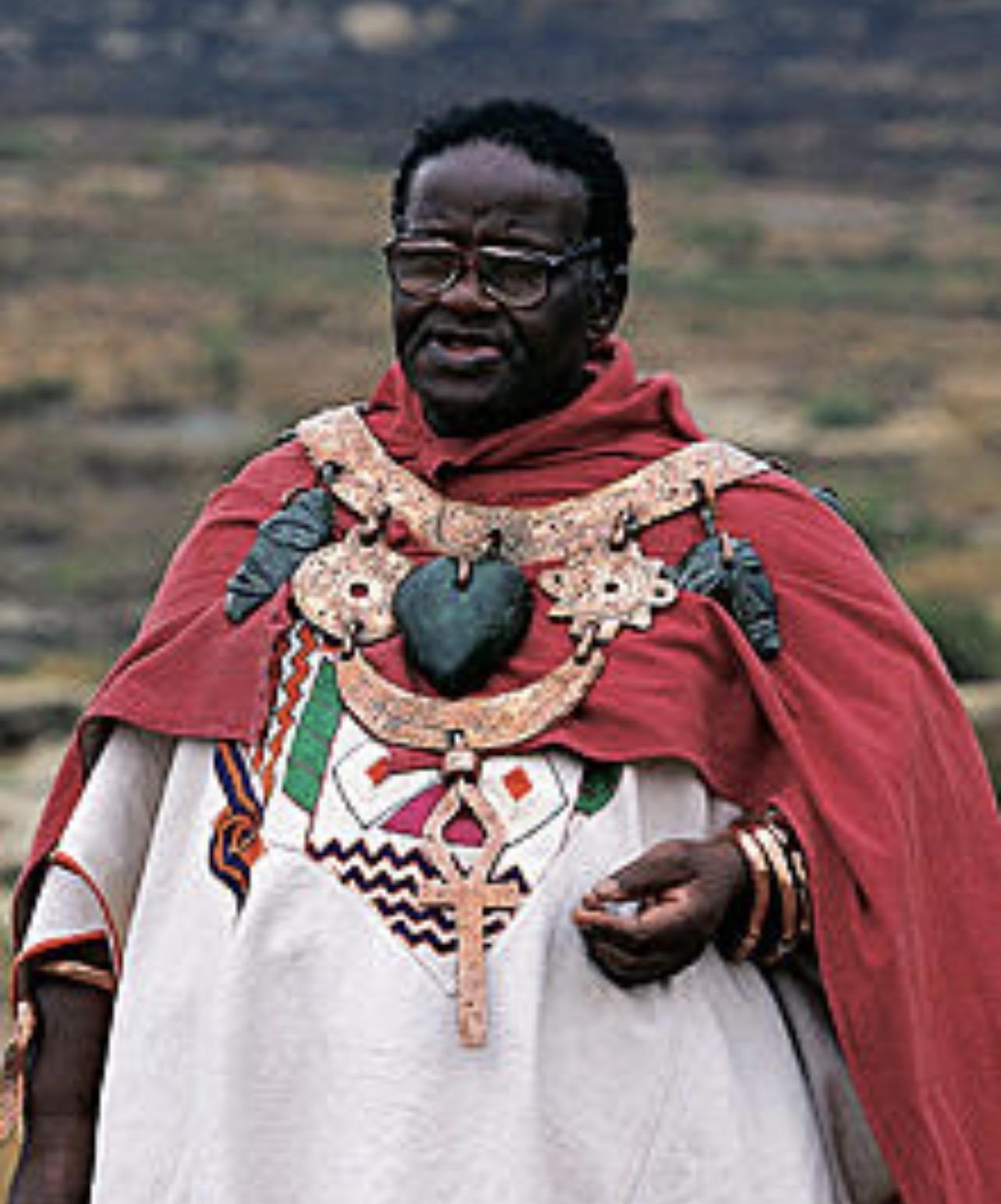
Pascal Gabriel Dozie was the kind of man whose power never needed noise. He didn’t look for the spotlight; he built the stage, reinforced the beams, and then stepped back to watch others perform. In Nigeria’s financial history, his name sits in that rare category of builders—people who didn’t just chase success for themselves, but created institutions that outlived their...
Saidi Balogun Saidi Balogun is one of the most respected figures in Nollywood, particularly in the Yoruba movie industry. Known for his versatility as an actor, producer, and director, he has built a career that spans decades and continues to influence new generations of filmmakers in Nigeria. Born on February 5, 1967, in Enugu State, Nigeria, Saidi Balogun hails originally from Oyo State in...