About
About
Mariam Eluma of Nigeria and the Rise of HoBeei
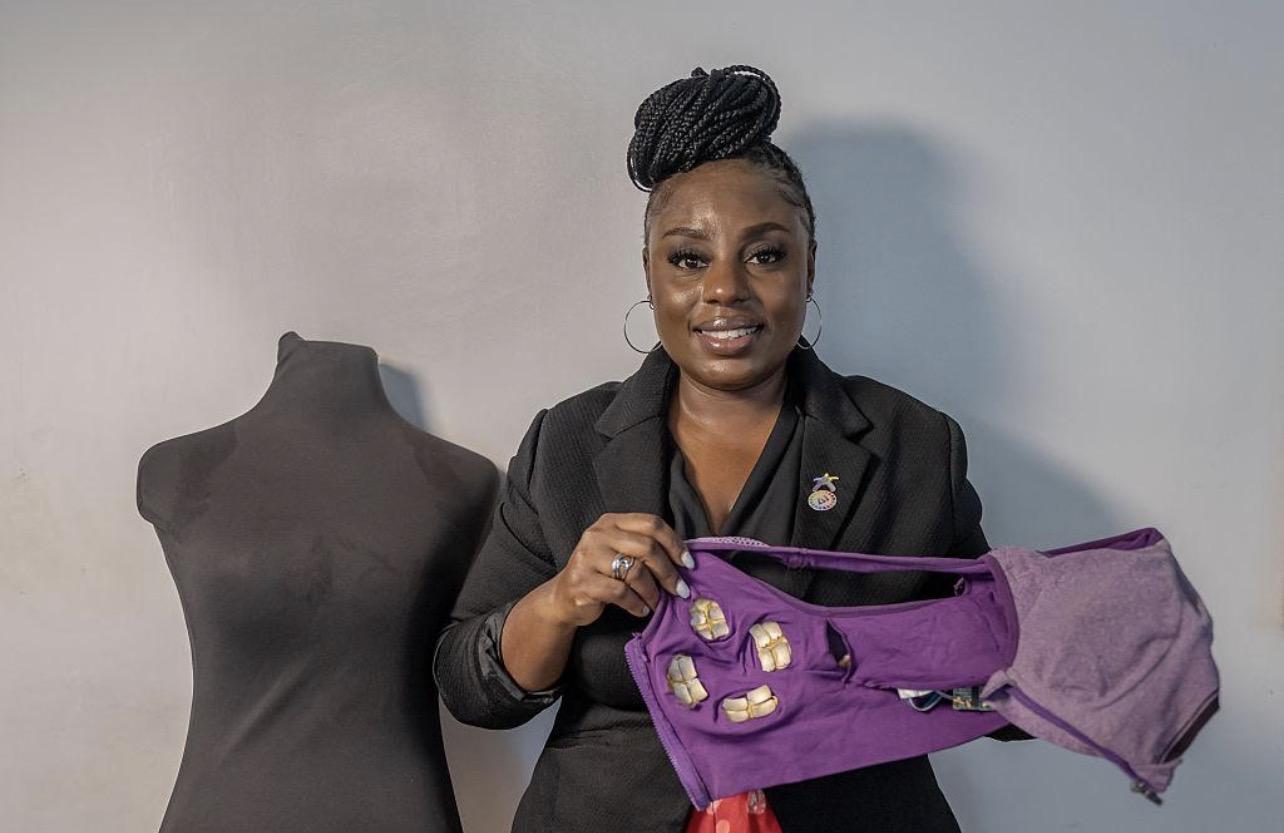
Mariam Eluma
Mariam Eluma is known today as a Nigerian innovator, social entrepreneur, and the visionary founder of HoBeei. Her story is often described as one of determination, curiosity, and an unshakable belief that technology can improve everyday life for people across Africa. Although she later became widely recognized in the world of digital innovation and youth entrepreneurship, her journey started in a modest environment where creativity and resilience shaped her outlook on life.
Mariam Eluma was born in Nigeria into a family that valued education and personal discipline. Growing up in a busy community, she witnessed both the opportunities and the challenges that came with living in a developing society. Her parents encouraged learning, and even though resources were not always abundant, Mariam was exposed to books, discussions about ideas, and the importance of solving problems through knowledge.
As a child, Mariam showed an unusual curiosity about how things worked. She loved asking questions and experimenting with ideas. When other children were satisfied with using devices or tools, Mariam wanted to understand what was happening behind the scenes. She would take apart simple gadgets, examine them carefully, and try to put them back together again. This early fascination with systems and structures planted the seed that would later grow into a passion for technology and innovation.
Her teachers noticed that she had a strong ability to think critically. Mariam enjoyed subjects that involved logic and creativity. Mathematics, science, and later computer related topics quickly became areas where she excelled. However, her strengths were not limited to academics. She also had a deep interest in community life and often participated in school activities that encouraged leadership and teamwork.
Education and the Spark of Innovation
Mariam Eluma continued her education in Nigeria where she developed a deeper interest in technology and digital tools. During her secondary school years she encountered computers more regularly, and this experience changed the direction of her ambitions. For many young people the computer was simply a device for typing documents or browsing information. For Mariam it represented an entire universe of possibilities.
She began to explore how software could be used to solve everyday problems. She learned about programming concepts, digital design, and online communication platforms. Even when access to advanced equipment was limited, Mariam spent long hours studying tutorials, reading about technological developments, and practicing on whatever devices were available to her.
During this time she also noticed a pattern around her community. Many people struggled with coordination of services, sharing resources, and accessing opportunities. Small businesses often had difficulty reaching customers. Skilled individuals sometimes lacked the right platform to offer their services. Students and young professionals wanted tools that could connect them with jobs, projects, and networks.
Instead of seeing these challenges as permanent problems, Mariam viewed them as puzzles waiting for solutions. She started imagining a platform that could help people connect, collaborate, and support one another through digital technology.
The Birth of the HoBeei Idea
The idea that eventually became HoBeei did not appear suddenly. It evolved gradually as Mariam continued to observe the needs of people around her. She noticed that communities thrive when individuals can easily find help, exchange skills, and build relationships. Yet many existing systems were fragmented or difficult to access.
Mariam imagined creating a platform that would act as a digital hub where individuals could connect for services, ideas, opportunities, and collaboration. The concept was simple yet powerful. If people could easily discover one another’s talents and needs, communities would become stronger and more productive.
The name HoBeei reflected Mariam’s belief in collective growth and human connection. The platform was designed to bring together people with different skills, ambitions, and ideas in a way that felt natural and supportive.
What made the concept unique was that it focused not only on technology but also on community empowerment. Mariam believed technology should be a bridge rather than a barrier. She wanted HoBeei to be accessible to everyday users, including young entrepreneurs, students, artisans, and freelancers.
Building HoBeei from Vision to Reality
Turning the idea of HoBeei into a real working platform required persistence and creativity. Mariam Eluma faced many obstacles along the way. Like many innovators starting out, she had to work with limited resources. Developing software, designing a platform, and building a team all required time and dedication.
Mariam began by sketching the structure of the platform. She outlined how users would create profiles, share skills, request services, and connect with others. She researched user experience design so that the platform would be easy to navigate even for people who were not highly familiar with technology.
As development progressed, Mariam focused on three major principles that would guide HoBeei.
Accessibility
She wanted the platform to be simple enough for users from various backgrounds to understand and use.
Community building
HoBeei was designed to encourage cooperation rather than competition.
Opportunity creation
The platform aimed to help people discover work opportunities, partnerships, and mentorship.
Mariam worked closely with developers and collaborators who believed in the same mission. Together they built the early versions of HoBeei and tested them with small groups of users. Feedback from these users helped refine the platform and improve its features.
What HoBeei Invented and Introduced
HoBeei became known for introducing several innovative ideas that focused on practical benefits for communities and young professionals.
One of the most important inventions within the HoBeei ecosystem was a digital collaboration system that allowed individuals to exchange services based on skills rather than traditional hiring structures. A designer could collaborate with a writer. A developer could partner with a marketer. Each person could contribute their expertise while gaining access to opportunities that might otherwise be unavailable.
Another innovation within HoBeei was the community opportunity discovery engine. This feature helped users find projects, collaborations, and events based on their interests and abilities. Instead of searching through scattered information, users could easily locate relevant opportunities within the platform.
HoBeei also introduced a reputation and trust system. Mariam believed that trust is essential for digital collaboration. Users could build credibility through their work, reviews, and contributions to the community. Over time this system encouraged responsible participation and strengthened relationships among members.
The platform also experimented with educational support features that helped young entrepreneurs learn about digital skills, business management, and creative industries. Mariam wanted HoBeei to function not only as a network but also as a learning environment where people could grow together.
Impact on Nigerian Youth and Entrepreneurs
As HoBeei expanded, it began attracting attention from students, freelancers, small business owners, and aspiring entrepreneurs. The platform provided a new way for people to showcase their talents and connect with collaborators who shared their ambitions.
For many young Nigerians, HoBeei offered an alternative path to professional growth. Instead of waiting for traditional job opportunities, users could create projects, build teams, and develop ideas directly through the platform.
Mariam Eluma became a role model for young innovators who wanted to use technology to solve local challenges. Her journey demonstrated that impactful ideas do not always begin with massive funding or large corporations. Sometimes they start with a simple observation and a commitment to improvement.
HoBeei also encouraged creativity across multiple industries including technology, media, design, education, and digital entrepreneurship. The platform showed how digital tools could unlock hidden potential within communities.
Leadership Style of Mariam Eluma
One of the qualities that made Mariam Eluma stand out as a founder was her leadership style. She believed that innovation thrives when people feel empowered and heard. Instead of focusing only on hierarchy, she encouraged collaboration and open discussion within her team.
Mariam often emphasized the importance of listening to users. She believed that the best improvements come from understanding real experiences rather than making assumptions. This philosophy helped HoBeei remain responsive to the needs of its growing community.
Her leadership approach also focused on resilience. Mariam openly acknowledged that building a startup involves setbacks, uncertainty, and continuous learning. She encouraged aspiring entrepreneurs to see challenges as opportunities for improvement rather than reasons to give up.
Recognition and Influence
As HoBeei continued to grow, Mariam Eluma gained recognition within innovation circles in Nigeria and beyond. Her work attracted attention from organizations that support youth entrepreneurship, digital transformation, and African technology development.
She was invited to speak at events focused on innovation, community technology, and startup development. During these events she shared insights from her journey, explaining how creativity, persistence, and collaboration can lead to meaningful solutions.
Mariam’s influence also extended into mentorship. She began supporting young innovators who wanted to build their own platforms and startups. Through mentorship programs and workshops she helped others understand how to transform ideas into working solutions.
Vision for the Future
Mariam Eluma continues to believe that technology will play a crucial role in shaping Africa’s future. Her vision for HoBeei extends beyond a single platform. She imagines an ecosystem where digital tools empower individuals to create opportunities for themselves and their communities.
In this vision, young people will have access to networks that support their ambitions. Creative professionals will be able to collaborate across borders. Entrepreneurs will find resources and partners more easily. Communities will benefit from systems that encourage cooperation and knowledge sharing.
Mariam also emphasizes ethical innovation. She believes technology must always serve human needs and respect social values. For her, success is not measured only by growth or revenue but also by positive impact on people’s lives.
Personal Philosophy
Behind Mariam Eluma’s achievements lies a simple but powerful philosophy. She believes every individual has the potential to contribute something meaningful to society. The challenge is often finding the right platform, tools, and encouragement.
Her journey reflects the idea that innovation can emerge from curiosity, empathy, and determination. By paying attention to the needs of communities and combining creativity with technology, it becomes possible to build solutions that empower others.
Legacy in Progress
Although Mariam Eluma is still building her career and expanding the reach of HoBeei, her story already represents an inspiring chapter in Nigeria’s innovation landscape. She embodies a new generation of African entrepreneurs who combine technological creativity with social awareness.
Her work demonstrates that digital platforms can become powerful engines for collaboration and opportunity when designed with community in mind. Through HoBeei she has shown that technology can help individuals discover their potential, connect with others, and contribute to shared progress.
The story of Mariam Eluma continues to evolve as HoBeei grows and adapts to new challenges and possibilities. What remains constant is her belief that innovation should bring people together and open doors that once seemed closed.
For many young dreamers across Nigeria and Africa, her journey serves as a reminder that the future is shaped by those who dare to imagine solutions and work tirelessly to bring them to life.

Categories
Read More
Abune Mathias Early Life Abune Mathias was born in Ethiopia, in a time when life was simple but not easy. He grew up in a deeply religious environment where faith shaped everyday life. As a young boy, he was quiet, thoughtful, and drawn to spiritual things. From an early age, he spent time in church, learning prayers and traditions. While other children played, he often sat with...

Victoria’s POV That night, sleep refused to come. I lay on my bed staring at the ceiling, my mother’s words replaying over and over in my head like a stubborn echo. Love does not feed a family. I turned from one side to the other, hugging my pillow tightly, wishing it were Daniel’s chest instead. I loved him. That part was certain. But loving him suddenly felt like...

Maintaining pets'appearance and hygiene is an essential part of responsible ownership. The Pet Grooming Products from Pawtechpet provide a comprehensive solution, combining innovation, high-quality materials, and user-friendly design to make grooming a simple, safe, and enjoyable experience. Each tool incorporates thoughtful features, reflecting the growing awareness among pet owners about the...

King Expresses Deep Shock Over Tragic Incident at Liverpool Parade Buckingham Palace has released a statement conveying King Charles III and Queen Camilla’s deep shock and sadness following the tragic events that occurred during Liverpool FC’s Premier League victory parade on Monday. "It is truly devastating to see that what should have been a joyous celebration for so many could...

Episode Three (18+) “Why she no go open? She go don hear about us na, and have decided to give in. I thought she is claiming hard to get?” Mark said smiling…. That was the beginning of their DOOM.. One week gone, and they kept counting down on the two weeks given to them by Lucifiana. But in all these period, she was not seen anywhere around the campus, neither...