About
About
Sonny Okosun: The Voice of Liberation Who Sang Africa’s Freedom
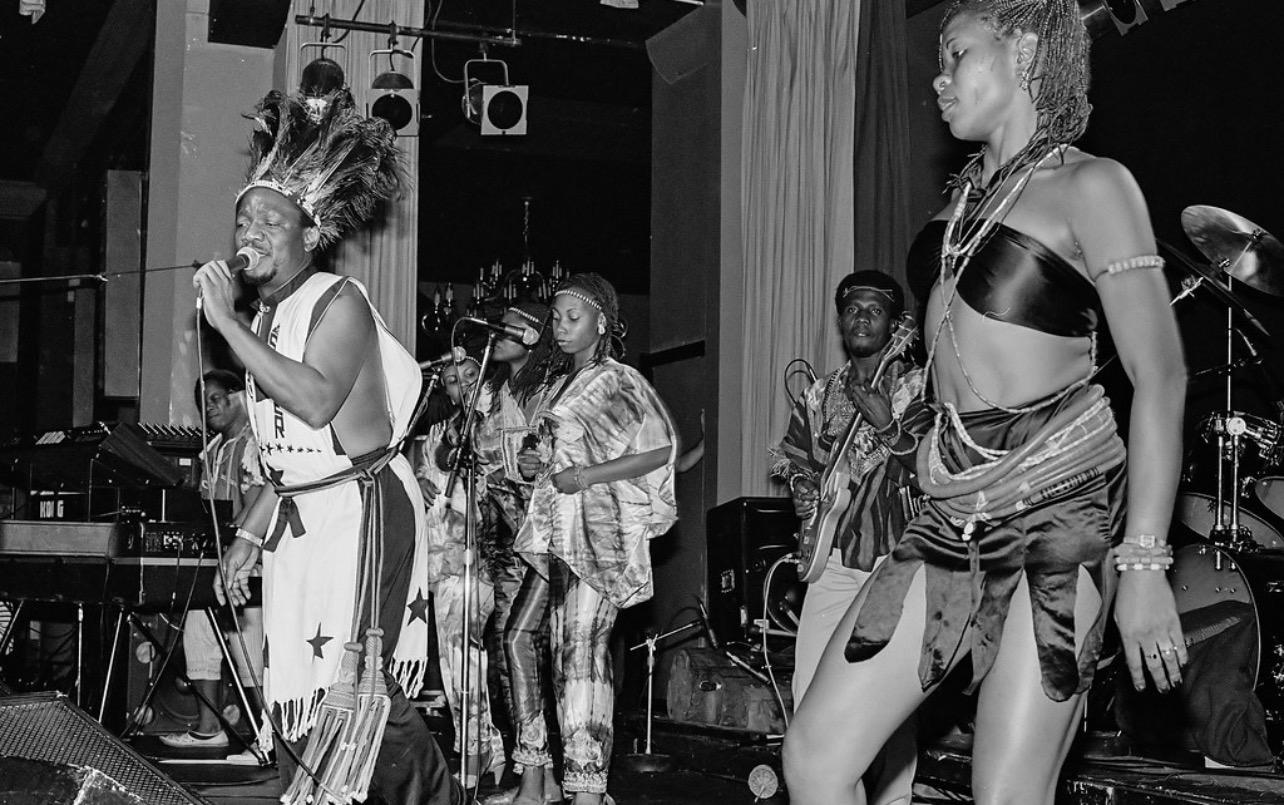
Sonny Okosun
In the vibrant musical landscape of Nigeria, where rhythm and storytelling have always been intertwined, a young boy from Edo State would grow into one of Africa’s most powerful musical voices. His songs were not just melodies. They were messages of freedom, justice, and African pride. That boy was Sonny Okosun.
For decades, Sonny Okosun’s music echoed across Africa and beyond, blending reggae, funk, soul, and traditional African sounds into a unique style that carried both political weight and cultural pride. His story is one of talent, struggle, faith, and a relentless commitment to using music as a tool for social change.
Early Life and Musical Beginnings
Sonny Okosun was born on January 1, 1947, in Benin City, Edo State, Nigeria. Benin City has long been a cultural center with deep artistic traditions, and young Sonny grew up surrounded by music, festivals, and vibrant storytelling.
As a child, he developed a strong love for rhythm and melody. Music was everywhere in his environment, from church choirs to local performances. His early exposure to traditional African sounds would later influence his distinctive musical style.
In his teenage years, he joined a music group called the Postmen. This experience gave him his first real exposure to professional performance and studio recording. At the time, Nigeria’s music scene was dominated by highlife and emerging Afrobeat influences.
Okosun absorbed these sounds but also looked beyond them.
Formation of the Ozziddi Sound
By the early 1970s, Sonny Okosun began developing his own musical identity. He formed the band Ozziddi, which would become synonymous with his career.
The term “Ozziddi” was more than just a band name. It represented a musical philosophy. Okosun fused African percussion with reggae rhythms, funk basslines, and soulful melodies. The result was a vibrant and politically conscious sound that stood out in the African music scene.
His music carried strong messages about African liberation, social justice, and unity. At a time when many African nations were fighting colonial rule or recovering from its effects, Okosun’s songs became anthems of resistance and hope.
Rise to International Fame
One of Sonny Okosun’s most famous songs was Fire in Soweto. The song was inspired by the struggle against apartheid in South Africa. Its powerful lyrics and energetic rhythm captured the anger and determination of Africans resisting oppression.
Fire in Soweto quickly gained international recognition. It was played across radio stations and became an anthem of solidarity with South African freedom fighters.
Unlike many musicians who focused solely on entertainment, Okosun used his platform to address political and social issues. His songs spoke about African unity, economic independence, and the dignity of Black people worldwide.
Throughout the late 1970s and 1980s, he toured internationally and performed at major concerts. His music connected audiences across Africa, Europe, and North America.
During this period, Sonny Okosun became one of Nigeria’s most influential musicians, alongside other African legends who used music as a form of activism.
Musical Style and Influence
Sonny Okosun’s music cannot be confined to a single genre. His Ozziddi sound blended reggae, funk, rock, and traditional African rhythms.
The reggae influence was particularly strong, reflecting the global impact of artists like Bob Marley. But Okosun infused the style with African identity, creating something distinctively his own.
His songs often carried strong political themes. They addressed colonial history, economic exploitation, and the need for African unity.
Beyond politics, his music also celebrated African culture and identity. His performances were energetic and theatrical, filled with vibrant instrumentation and passionate vocals.
Awards and Recognition
During his career, Sonny Okosun received numerous awards and recognition both in Nigeria and internationally. His music was praised for its artistic innovation and political significance.
He became widely respected as a pioneer who demonstrated that African musicians could combine entertainment with activism.
Younger artists looked up to him as proof that music could be both commercially successful and socially meaningful.
Personal Life and Faith
Later in life, Sonny Okosun underwent a spiritual transformation and became a devout Christian. This shift influenced his music and public activities.
He gradually moved away from politically charged music and focused more on gospel themes. His performances began reflecting messages of faith, hope, and spiritual renewal.
While some fans missed the fiery political songs of his earlier career, others appreciated the sincerity of his new direction.
Later Years and Legacy
In his later years, Okosun remained respected within Nigeria’s music community. Though the music industry had evolved with new genres and younger stars, his influence remained evident.
Many musicians credited him with opening doors for African artists who wished to address social and political issues through music.
On May 24, 2008, Sonny Okosun passed away at the age of 61 after a brief illness. His death marked the end of an era for many fans who had grown up listening to his music.
Tributes poured in from across Nigeria and beyond. Musicians, politicians, and cultural leaders remembered him as a fearless artist whose voice carried the hopes of a continent.
Impact on African Music
Sonny Okosun’s legacy extends far beyond his recordings. He helped redefine the role of African musicians in society.
Before artists like him, music was often seen primarily as entertainment. Okosun demonstrated that songs could also become tools of political awareness and social change.
His influence can still be heard in modern African music, particularly among artists who address social issues through their lyrics.
His Ozziddi sound also showed that African rhythms could blend seamlessly with global musical styles while maintaining cultural authenticity.
Remembering the Voice of Liberation
Sonny Okosun’s life tells the story of an artist who refused to remain silent in the face of injustice. He believed music had the power to inspire resistance and unite people across borders.
From Benin City to international stages, his voice carried the struggles and dreams of Africa.
He sang about freedom when many were afraid to speak. He celebrated African identity at a time when colonial narratives still lingered. And he reminded listeners that music could be more than sound. It could be a movement.
Today, long after the final notes of his concerts faded, the spirit of Sonny Okosun continues to echo in the history of African music.
His songs remain reminders that art can challenge oppression, inspire courage, and shape the identity of a continent.

Categories
Read More
Satguru Maharaj Ji Introduction In the quiet corners of Ibadan, a spiritual figure emerged whose name would travel far beyond his immediate environment. Satguru Maharaj Ji is known by his followers as a divine teacher, a guide sent to bring peace, unity, and truth to humanity. His life is surrounded by devotion, mystery, and strong belief from his followers, while others see...
Daniel’s POV The next morning, I already knew I was in trouble. I told myself to be calm. To be professional. To remember the walls had ears and the corridors had eyes. I repeated it like a prayer as I walked into the school compound. Then I saw Victoria. She stepped through the gate like the morning itself had dressed her. She wore a deep green dress—simple, elegant, but...

In a quiet village, there lived a housewife named Mama Fola. She was clever and hardworking, but she had a flaw that everyone knew: she was extremely stingy. Even though her home overflowed with food and gold, Mama Fola would never share with neighbors, relatives, or even those in need. “Why give when I can keep?” she would mutter, counting her coins with a greedy grin.Her...
Gbenga Adeboye In the bustling streets of southwestern Nigeria, where storytelling is as old as the talking drum and humor travels faster than harmattan wind, a young boy once discovered that laughter could open hearts, soften pain, and command crowds. That boy grew into one of the most influential comedians Nigeria has ever produced. His name was Gbenga Adeboye. Long before comedy...
Mary Lazarus Mary Lazarus is a Nigerian actress, model, and filmmaker known for her beauty, elegance, and strong performances in Nollywood films. She has built a successful career in the Nigerian entertainment industry and continues to gain recognition for her talent. Early Life and Background Mary Lazarus was born on May 5, 1989, in Abia State, Nigeria. She grew up in a...