About
About
Christy Essien Igbokwe: The Lady of Songs Who Became Nigeria’s Musical Queen

Christy Essien Igbokwe
In the golden era of Nigerian music, when vinyl records spun in living rooms and radio stations carried voices across cities and villages, one voice stood out with grace, power, and unmistakable elegance. That voice belonged to Christy Essien-Igbokwe, a woman who would become one of Nigeria’s most celebrated female musicians.
Her journey was not simply about fame or entertainment. It was a story of determination, talent, resilience, and a woman who broke barriers in a male dominated music industry.
Early Life and Childhood
Christy Essien Igbokwe was born on November 11, 1960, in Okat Ita, a community in Ibiono Ibom Local Government Area of Akwa Ibom State, Nigeria. She grew up in a culturally rich environment where music, storytelling, and tradition were woven into daily life.
From a young age, Christy displayed an unusual love for singing. Family members recalled how she would perform at gatherings and school events, captivating audiences with her confident voice.
She attended secondary school in Calabar, Cross River State. It was there that her passion for music became impossible to ignore. While other students were still discovering their talents, Christy was already performing publicly.
Her voice carried warmth and emotion, and people who heard her sing often predicted she would go far.
Early Steps Into Music
After finishing secondary school, Christy moved to Lagos, Nigeria’s cultural and entertainment capital. Lagos in the late 1970s was buzzing with musical experimentation. Highlife, funk, disco, and emerging pop influences blended across nightclubs and recording studios.
Christy began performing with local bands and musicians, learning the craft of live performance. She was determined to prove herself not just as a singer but as a songwriter and performer.
In 1981, she released her debut album titled Freedom. The album introduced her to Nigerian audiences and revealed a distinctive sound that blended African rhythms with soulful melodies.
It was the beginning of a remarkable musical journey.
Rise to Stardom
Throughout the 1980s, Christy Essien Igbokwe released several albums that solidified her position in Nigeria’s music industry. Songs like Seun Rere, Hear the Call, and Ever Liked My Person resonated with audiences across the country.
Her music carried messages of love, unity, and social consciousness. Unlike many performers who focused solely on entertainment, Christy often used her songs to reflect societal issues.
Her most iconic song, Seun Rere, became a cultural anthem. The song’s melody and message about kindness and compassion touched listeners deeply.
Christy Essien’s voice had a unique quality. It was smooth yet powerful, capable of expressing both joy and vulnerability. She also possessed remarkable stage presence. When she performed, audiences were drawn to her elegance and confidence.
Soon, fans began calling her Nigeria’s Lady of Songs, a title that followed her throughout her career.
Breaking Barriers for Women in Music
During the 1980s, the Nigerian music industry was dominated by male artists. Female performers often faced skepticism and limited opportunities.
Christy Essien Igbokwe challenged these barriers with grace and determination. She proved that a woman could command the stage, write powerful songs, and maintain commercial success.
Her achievements inspired many young women who dreamed of entering the music industry. Artists who came after her often cited her as a role model.
She also showed that female artists could maintain dignity and professionalism while achieving stardom.
Acting and Television Career
Beyond music, Christy Essien Igbokwe also explored acting. She appeared in Nigerian television productions and stage performances during the early days of Nigeria’s entertainment industry.
Her charisma translated easily to the screen. Audiences who loved her music were equally delighted to see her in dramatic roles.
Though acting never overshadowed her music career, it revealed another dimension of her artistic talent.
Advocacy and Leadership in Music
As her influence grew, Christy Essien became involved in efforts to protect the rights of Nigerian musicians. She worked within professional organizations advocating for better recognition and compensation for artists.
She served in leadership roles within the Performing Musicians Association of Nigeria, helping push for reforms that would benefit creative professionals.
Her involvement showed that she was not only an artist but also a voice for the industry.
Personal Life
Christy Essien later married Edwin Igbokwe, a relationship that blended two cultures. Her marriage symbolized the unity often reflected in her music.
Despite the pressures of fame, she remained grounded in family values. She balanced motherhood, music, and public life with remarkable dedication.
Those who knew her personally described her as warm, generous, and deeply committed to helping others.
Challenges and Industry Changes
Like many artists of her era, Christy Essien witnessed dramatic changes in the music industry. The rise of new genres and shifting commercial trends challenged many performers from earlier generations.
However, her legacy remained strong. Younger artists continued to respect her contribution to the evolution of Nigerian music.
She also remained active in public events and music advocacy initiatives.
Final Years and Passing
In June 2011, Nigeria received heartbreaking news. Christy Essien Igbokwe passed away on June 30, 2011, after a brief illness.
Her death shocked fans and colleagues across the country. Tributes poured in from musicians, actors, political leaders, and admirers who had grown up listening to her songs.
Many described her passing as the loss of a national treasure.
Legacy and Cultural Impact
Christy Essien Igbokwe’s legacy lives on in Nigerian music history. She helped shape the golden era of Nigerian pop and highlife music, paving the way for female artists to pursue successful careers.
Her songs continue to be played decades after their release, reminding listeners of a time when music carried powerful messages of hope and unity.
More importantly, she proved that music could inspire change and connect people across cultural boundaries.
From a small village in Akwa Ibom to national and international stages, her journey was a testament to talent, perseverance, and purpose.
Christy Essien Igbokwe did more than sing songs. She gave voice to emotions, dreams, and values that continue to resonate long after the music stops.
Her story remains one of Nigeria’s most inspiring artistic journeys, a reminder that true artistry leaves an echo that time cannot silence.


Kategoriler
Read More
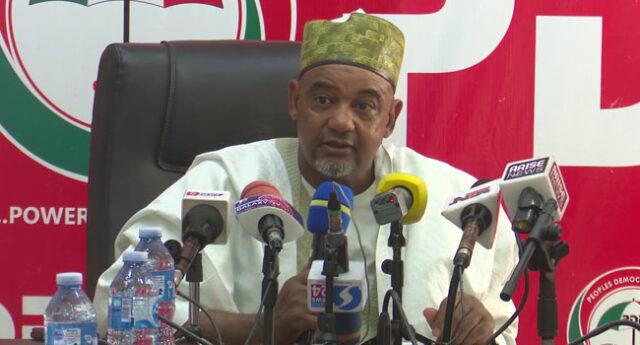
PDP to Restructure South-South Leadership, Weed Out Disloyal Members Amid Defections In a decisive move to restore internal stability and prepare for the 2027 general elections, the Peoples Democratic Party (PDP) is set to overhaul its South-South zonal and state leadership structures. The action is aimed at purging disloyal elements and preventing further defections to rival parties. A member...
This opinion piece reflects on the remarkable three-decade journey of Omoyele Sowore, tracing his evolution from UNILAG student activist in the June 12 struggle to citizen journalist, civil rights advocate, and persistent presidential contender. Described as a “marathon man” of activism, Sowore has spent his life confronting state power, enduring arrests, court battles, and...

Akwa Ibom Assembly Members, Key Allies Reject Governor Eno’s Defection to APC. A significant political rift has emerged in Akwa Ibom State as several prominent figures, including members of the State House of Assembly and top allies of Governor Umo Eno, have distanced themselves from his recent defection to the All Progressives Congress (APC). Despite Governor Eno’s formal...
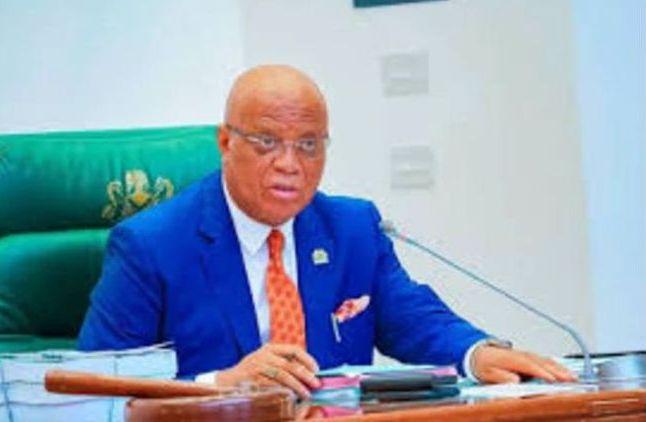
Benue State Police Command has confirmed the rescue of six law students who were kidnapped on July 28, 2025, along the Benue-Taraba border while en route to the Nigerian Law School in Adamawa State. According to a statement released on Friday by the Command’s spokesperson, Udeme Edet, the students were traveling from Anambra State to the Yola campus of the Law School when they fell into...

Nengi Hampson Nengi Hampson is a Nigerian reality television personality, model, entrepreneur, and social media influencer. She became widely known after appearing in the Nigerian reality TV show Big Brother Naija. Early Life and Background Nengi whose full name is Rebecca Nengi Hampson was born on January 1, 1998, in Bayelsa State, Nigeria. She was raised in the city of Port...