About
About
Emmanuel Iwuanyanwu: The Industrial Dreamer Who Built Empires and Bridged Generations
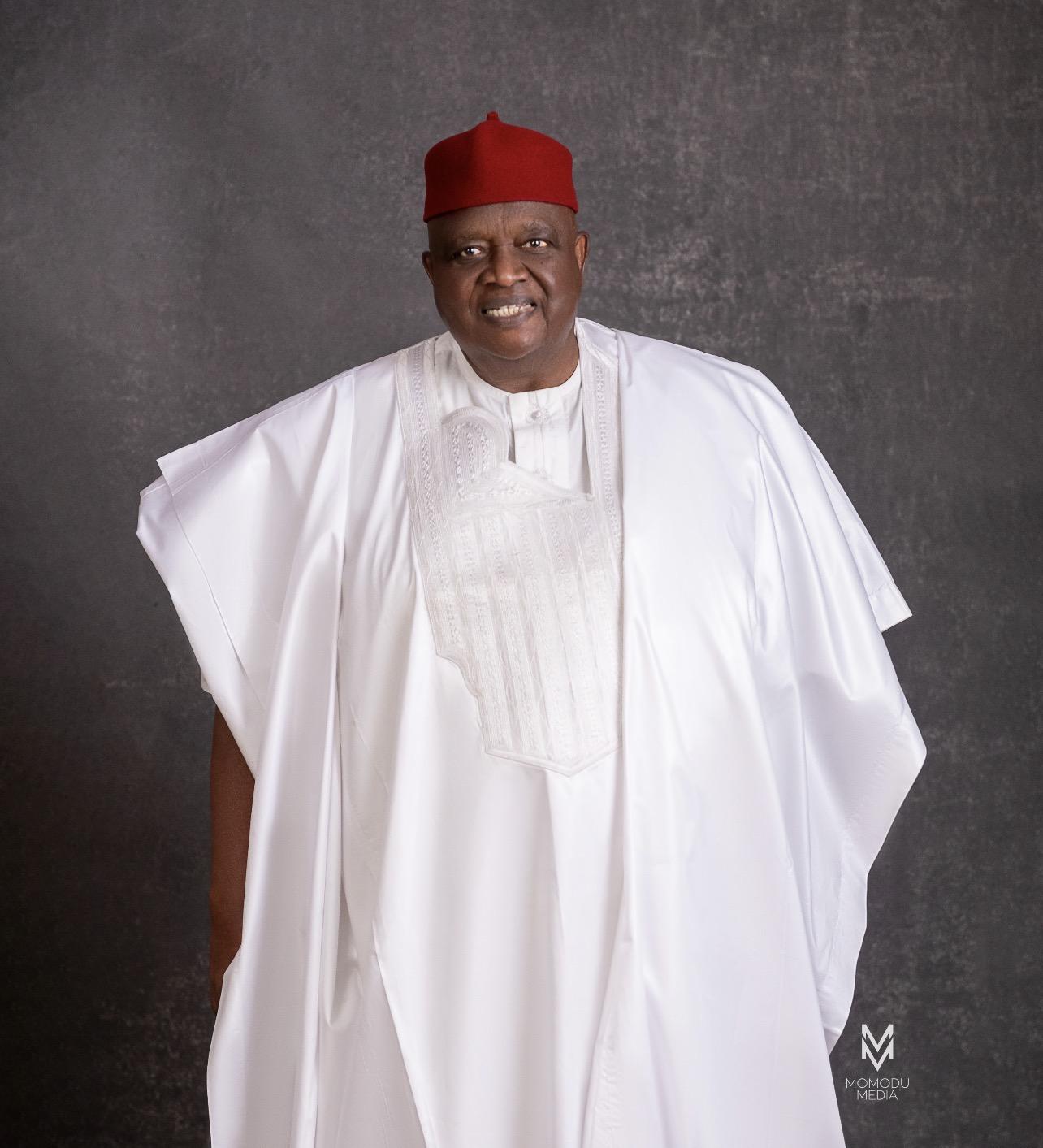
Emmanuel Iwuanyanwu
In the rolling hills of Atta in Ikeduru, Imo State, a boy was born in 1942 into a Nigeria still under colonial rule. No one could have predicted that he would grow into one of the most influential businessmen and political figures in the Southeast. His life would span engineering, construction, sports, politics, philanthropy, and elder statesmanship. That boy was Emmanuel Iwuanyanwu.
His story is one of ambition shaped by education, business courage, political involvement, and a lifelong commitment to the Igbo nation and Nigeria at large.
Early Life and Education
Emmanuel Chukwuemeka Iwuanyanwu was born on September 4, 1942, in Atta, Ikeduru Local Government Area of present day Imo State. He grew up in a modest family that valued hard work and education.
He attended primary and secondary schools in Eastern Nigeria before gaining admission into the University of Nigeria, Nsukka, where he studied Civil Engineering. Engineering appealed to his practical mind. It offered tools to build, to construct, to shape physical spaces.
However, his university years coincided with turbulent times. The Nigerian Civil War broke out in 1967. As a young man from the Eastern Region, the war deeply affected his worldview. Like many of his generation, he experienced hardship, uncertainty, and disruption.
When the war ended in 1970, Nigeria began the slow process of rebuilding. For Iwuanyanwu, reconstruction was not just national policy. It was personal mission.
Building an Engineering Empire
After completing his studies, Iwuanyanwu ventured into construction and engineering. He founded Iwuanyanwu Nationale Investments and later established Hardel and Enic Construction Company.
In the years following the civil war, Eastern Nigeria required infrastructure rebuilding. Roads, buildings, and public facilities needed reconstruction. Iwuanyanwu positioned himself at the center of that rebuilding process.
His engineering firm executed major projects across Nigeria. Over time, his name became associated with large scale construction contracts and business expansion.
But he was not content with engineering alone.
Diversifying Into Business and Media
Iwuanyanwu diversified into multiple sectors, including oil and gas, shipping, banking, publishing, and sports.
One of his most visible ventures was Iwuanyanwu Nationale Football Club, which later became Heartland FC. The club gained prominence in Nigerian football during the 1980s and 1990s, competing at continental levels.
He also founded Champion Newspapers, a media outlet that contributed to national political discourse. Through media ownership, he gained influence not just in business but in public opinion shaping.
His empire symbolized post war Igbo economic resurgence. For many in the Southeast, he represented resilience and entrepreneurial excellence.
Entry Into Politics
Business success naturally intersected with politics. During Nigeria’s transition periods in the 1980s and 1990s, Iwuanyanwu became politically active.
He was involved in the National Republican Convention during the Third Republic and later contested for presidential nomination. Although he did not secure the presidency, his ambition reflected his desire to shape national leadership.
Throughout Nigeria’s military and democratic transitions, he maintained a presence in political discussions, often advocating for equity, federal balance, and Igbo inclusion in national power structures.
Advocacy for the Southeast
As Nigeria’s Fourth Republic matured, Iwuanyanwu emerged as a respected elder statesman in the Southeast. He consistently advocated for greater political representation for the Igbo people.
He supported calls for restructuring and national dialogue. In 2023, he was appointed President General of Ohanaeze Ndigbo, the apex socio cultural organization of the Igbo people. In that role, he sought unity within the Southeast and constructive engagement with the federal government.
His leadership in Ohanaeze symbolized the transition from businessman and politician to elder statesman.
Philanthropy and Community Development
Iwuanyanwu invested heavily in community development. Scholarships, empowerment programs, and infrastructure support became part of his legacy.
He believed wealth must extend beyond personal accumulation. Many beneficiaries of his philanthropy regarded him as a mentor and benefactor.
His business empire created employment opportunities across sectors. For decades, he was one of the most prominent Igbo industrialists in Nigeria.
Leadership Style
Emmanuel Iwuanyanwu combined entrepreneurial boldness with political pragmatism. He understood negotiation and alliance building.
Supporters admired his loyalty to the Southeast and his consistent advocacy for fairness in Nigeria’s federal arrangement. Critics sometimes questioned the intersection of business and politics in his career.
Yet even critics acknowledged his influence and longevity.
Personal Life
Iwuanyanwu was married and had children. His family life remained central to his identity. After the passing of his first wife, he later remarried, a decision that attracted public attention given his age and stature.
He maintained strong ties to his hometown in Ikeduru and frequently invested in local development projects.
Challenges and Criticism
Like many prominent businessmen in Nigeria, Iwuanyanwu faced scrutiny regarding business dealings and political alliances. Nigeria’s complex political economy often blurs lines between entrepreneurship and state contracts.
Nevertheless, he remained a central figure in Southeastern economic and political life for decades.
Final Years and Passing
In his later years, Iwuanyanwu continued to speak on national issues. As President General of Ohanaeze Ndigbo, he emphasized dialogue over confrontation, urging unity and strategic engagement.
In 2024, his passing marked the end of an era. Tributes poured in from across Nigeria. Politicians, business leaders, and community figures recognized his contributions to engineering, sports, media, and regional advocacy.
Legacy
Emmanuel Iwuanyanwu’s life reflects Nigeria’s post civil war reconstruction story. He belonged to a generation that rebuilt from devastation and pursued economic self determination.
From civil engineering projects to football fields, from media houses to political platforms, he left visible footprints.
He demonstrated that entrepreneurship could serve as both economic engine and political influence. He became a symbol of Igbo industrial resilience and a bridge between generations.
His story is not confined to contracts or titles. It is the story of a man who believed in building, whether infrastructure, institutions, or community identity.
From Atta in Ikeduru to national prominence, Emmanuel Iwuanyanwu’s journey stands as a testament to ambition sustained across decades of Nigeria’s evolving history.

Categorieën
Read More
At first, I told myself it was normal. Distance does things to people. New country, new pressure, new life. That was the excuse I used every time Folarin became colder, every time his replies grew shorter, every time days passed without a proper conversation. But the signs were there. Clear. Loud. I just refused to listen. He stopped calling me by my pet name. The name he used to...
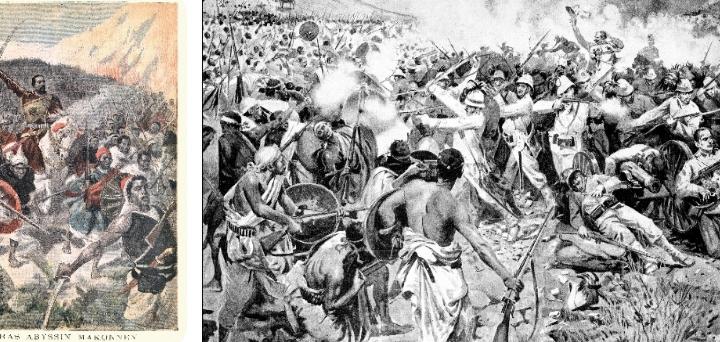
Introduction The history of Ethiopia is one of the oldest and most remarkable in the world. Often referred to as the cradle of humanity, Ethiopia holds a unique place not only in African history but in global civilization. Unlike most African nations, Ethiopia was never permanently colonized, and it developed a rich cultural, religious, and political tradition that stretches back thousands of...
Chizzy Alichi Chizzy Alichi is a Nigerian actress, film producer, and entrepreneur known for her performances in Nollywood films. She gained recognition for her roles in Nigerian drama movies and has built a reputation as one of the prominent actresses in the modern Nollywood industry. Early Life and Background Chigozie Stephanie Alichi, popularly known as Chizzy Alichi, was...

Laura Ikeji Laura Ikeji is a Nigerian fashion influencer, entrepreneur, and social media personality known for her bold style, business mindset, and strong online presence. She is also widely recognized as the younger sister of Linda Ikeji. Early Life and Background Laura Ikeji was born on March 15, 1988, in Lagos State, Nigeria. She hails from Imo State. She grew up in a close knit...

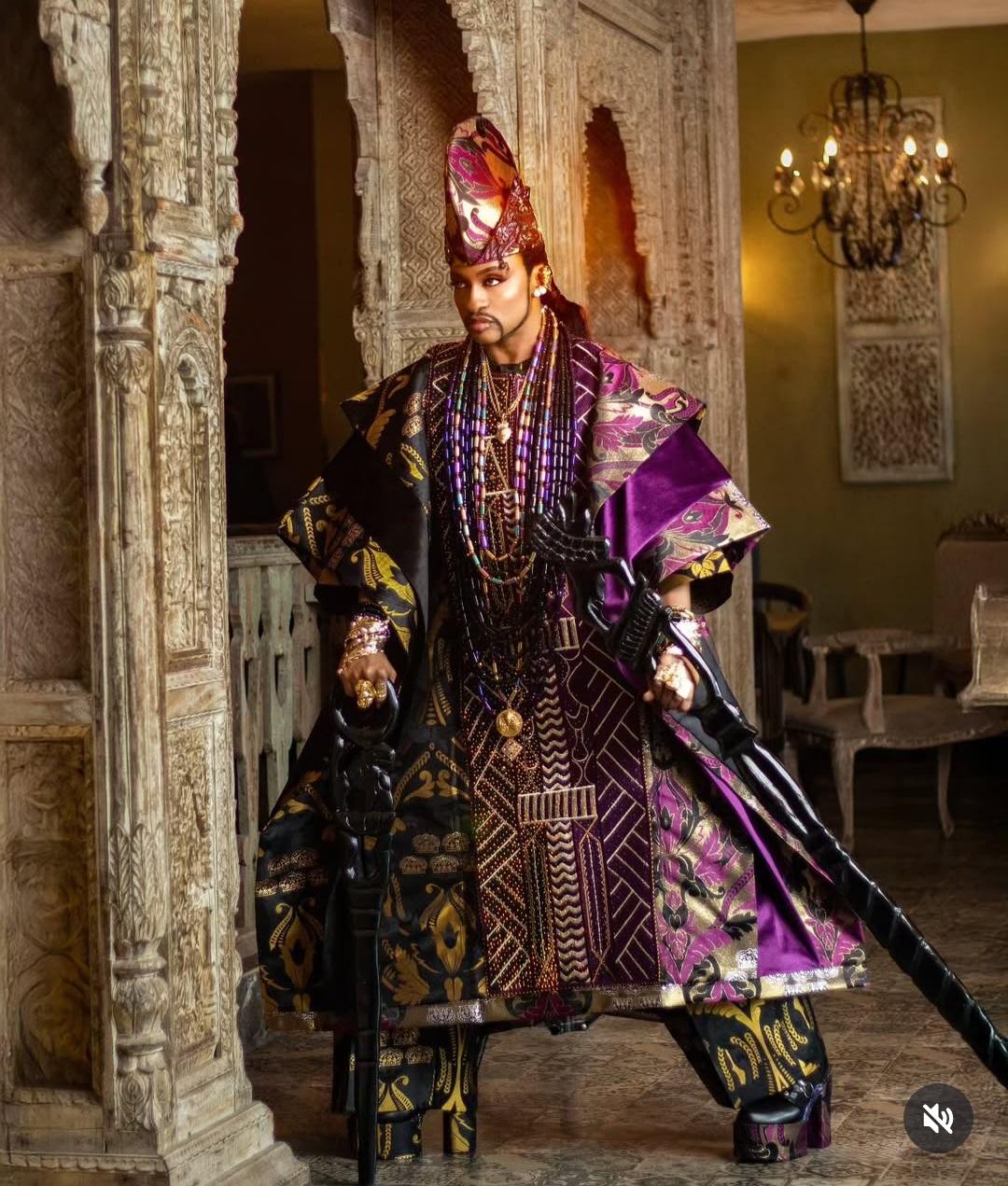
In true fashion-forward flair, Nigerian media icon Denrele Edun marked his 44th birthday with a stunning royal-themed photoshoot that left fans speechless. Known for his eccentric style and fearless personality, Denrele once again proved he’s in a league of his own. Clad in luxurious regalia and striking poses that oozed confidence, the birthday shoot was a celebration of not just age,...