About
About
Gbong Gwom Jos Jacob Buba The Soldier King Guiding Plateau Through Storms
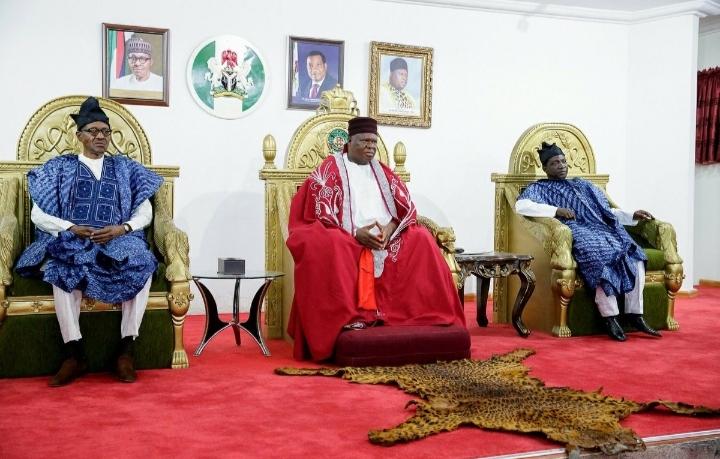
Gbong Gwom Jos Jacob Buba
In the cool highlands of Jos, where rocky hills rise above green valleys and cultures meet in delicate balance, the throne of the Gbong Gwom Jos stands as a symbol of unity among the Berom people and other indigenous communities of Plateau State. Upon that throne sits Jacob Gyang Buba, a monarch whose journey began in military uniform before destiny called him to ancestral leadership.
His story is shaped by discipline, crisis, reconciliation, and an enduring commitment to peace.
A Son of the Plateau
Jacob Gyang Buba was born on January 5, 1950, into a respected Berom family in Plateau State. The Berom people are among the indigenous ethnic groups of the Jos Plateau, known for farming, cultural pride, and strong communal bonds.
Growing up in the serene but culturally complex environment of Jos meant understanding diversity from childhood. Plateau State has long been home to multiple ethnic and religious communities living side by side.
Young Jacob Buba absorbed the values of respect, courage, and service.
Education and the Call to Service
He attended local schools before joining the Nigerian military. His decision to enter the armed forces marked the beginning of a disciplined life devoted to national service.
Through years of training and dedication, Jacob Buba rose through the ranks in the Nigerian Army. He participated in strategic roles and gained experience in leadership under pressure.
Military service demands clarity of command, strategic thinking, and calm during crisis. These qualities would later define his approach to traditional leadership.
He eventually retired as a Major General in the Nigerian Army.
Few traditional rulers in Nigeria bring such extensive military background to the throne.
The Throne of the Gbong Gwom
The title Gbong Gwom Jos represents the paramount traditional ruler of the Berom people. The institution symbolizes unity, moral guidance, and cultural preservation.
In 2009, following the passing of the previous Gbong Gwom, the throne became vacant.
The selection process involved kingmakers and consultations among Berom elders.
Jacob Gyang Buba was chosen and installed as the 5th Gbong Gwom Jos in 2009.
The general became king.
His coronation took place during a period of significant tension in Plateau State.
A King in Times of Crisis
Plateau State has faced recurrent episodes of communal and religious conflict.
Jos, in particular, has witnessed violent clashes rooted in land disputes, identity politics, and religious differences.
Ascending the throne during such turbulence placed enormous responsibility on Gbong Gwom Jacob Buba.
Drawing from his military experience, he emphasized calm, dialogue, and coordination with government authorities.
He frequently called for peaceful coexistence and condemned violence.
His voice became a steady presence during turbulent periods.
Bridging Communities
As Gbong Gwom, Jacob Buba does not represent only one clan. He serves as a unifying figure among Berom communities and engages with other ethnic and religious groups across Plateau State.
He has participated in interfaith dialogues and community reconciliation efforts.
He understands that leadership in Jos requires sensitivity and firmness.
His military discipline blends with cultural responsibility.
Advocate for Security and Development
Gbong Gwom Buba has consistently advocated stronger security measures to protect communities.
He has urged government agencies to address root causes of conflict and to promote equitable development.
Beyond security, he emphasizes agriculture and youth empowerment as pathways to stability.
The Plateau region is agriculturally rich. He encourages investment in farming and local enterprise.
Leadership Style
Jacob Buba’s leadership style reflects structured command combined with cultural humility.
He does not seek flamboyance. He projects quiet authority.
When he speaks, his tone carries both the command of a general and the compassion of a traditional father.
He favors consultation and collective decision making within the traditional council.
Role in Plateau State Traditional Council
As Gbong Gwom Jos, Jacob Buba plays a prominent role within the Plateau State Council of Traditional Rulers.
His influence extends beyond Berom communities.
He engages with governors and national leaders, offering perspectives grounded in grassroots realities.
His background in national service enhances his credibility in security related discussions.
Personal Life
Major General Jacob Gyang Buba is married and maintains a family life consistent with Berom and Christian values.
Despite the weight of leadership, he remains accessible to community members seeking guidance.
Within the palace, ceremonies and cultural observances continue under his stewardship.
Balancing Tradition and Modern Governance
Traditional rulers in Nigeria do not wield executive power, yet their influence remains significant.
Gbong Gwom Buba understands this balance.
He works alongside state authorities while preserving the autonomy and dignity of traditional institutions.
His reign reflects the evolving role of monarchy in a constitutional democracy.
The Plateau Identity
Plateau State is often called the Home of Peace and Tourism.
Yet peace has sometimes been fragile.
Gbong Gwom Jacob Buba carries the symbolic responsibility of nurturing that peace.
He reminds communities that coexistence is possible despite differences.
His message consistently centers on unity and justice.
Legacy of a Soldier King
Jacob Buba’s life journey is unique.
He was shaped by military barracks and battle readiness.
He now presides over palace rituals and cultural festivals.
Few individuals transition so dramatically from uniform to crown.
His reign continues to unfold in a region that demands patience and resilience.
The Throne on the Hills
In Jos, where rocky hills overlook valleys of farmland and churches stand near mosques, the palace of the Gbong Gwom represents continuity.
Within those walls, Jacob Gyang Buba sits not merely as ceremonial figure, but as guardian of a people navigating modern challenges.
He is a soldier turned king.
A mediator in times of unrest.
A custodian of Berom heritage.
His story reflects Plateau itself. Beautiful. Complex. Resilient.
And in the cool breeze of the Jos highlands, where tradition and modernity meet daily, Gbong Gwom Jos Jacob Buba continues to guide his people with disciplined resolve and cultural pride.

Categorie
Leggi tutto
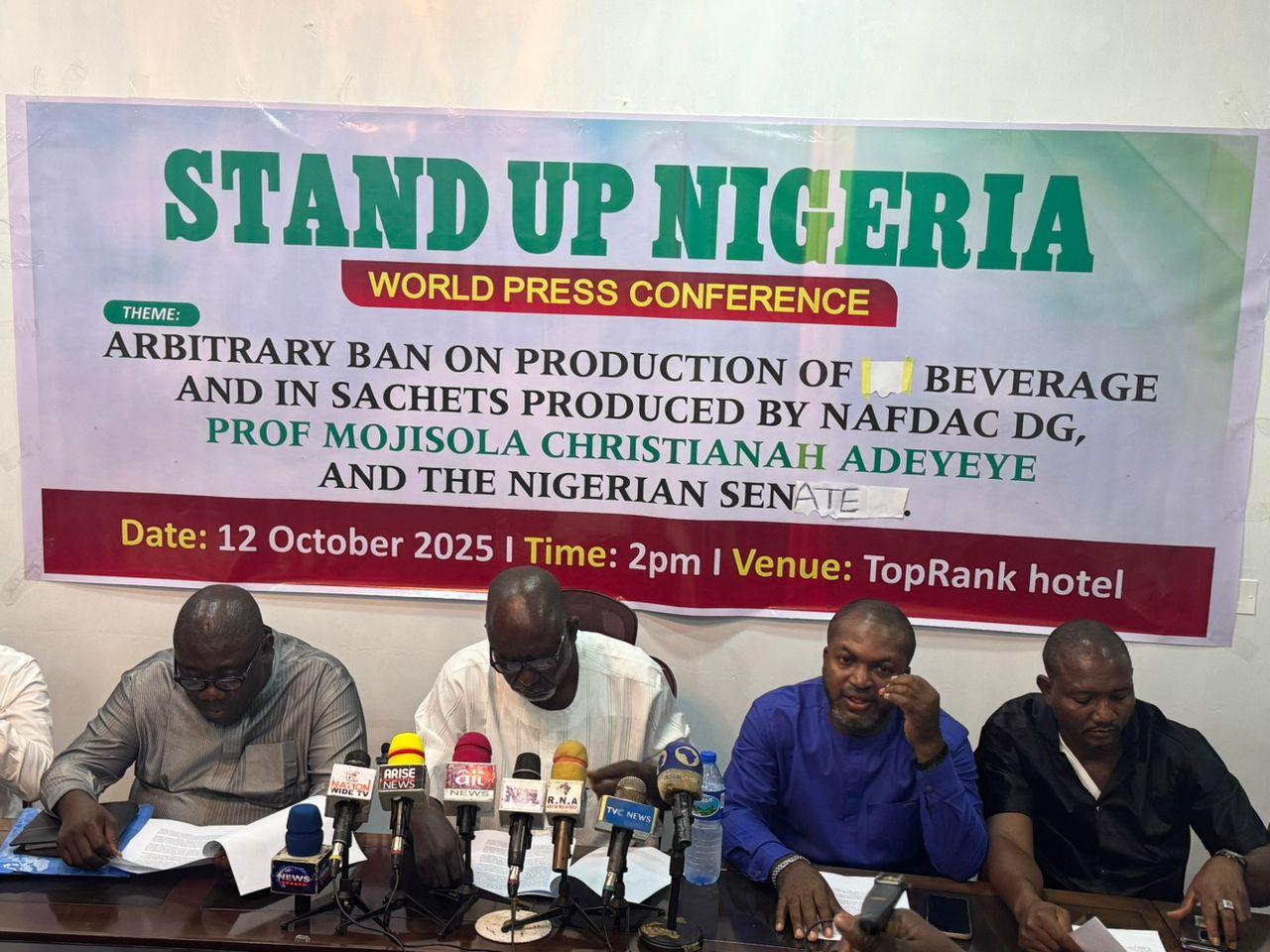
The Manufacturers Association of Nigeria (MAN) has called on the National Agency for Food and Drug Administration and Control (NAFDAC) to rescind the recent directive banning the production and sale of alcoholic beverages in sachets and small PET bottles by December 31, 2025. This directive, which followed a resolution reportedly passed by the Senate on Thursday, November 6, was...
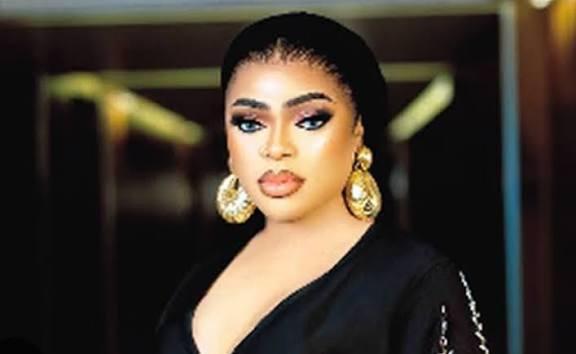
Okuneye Idris Olanrewaju Bobrisky, born Okuneye Idris Olanrewaju on August 31, 1991, is one of Nigeria’s most controversial and talked-about internet personalities. Known for a bold lifestyle, dramatic fashion choices, and unapologetic self-expression, Bobrisky rose to fame through social media and quickly became a household name in Nigeria’s entertainment and pop culture...
Daniel Ajayi-Adeniran Daniel Ajayi-Adeniran is a Nigerian Pentecostal pastor best known for his work in the Redeemed Christian Church of God, RCCG, especially in North America. Public profiles describe him as the pastor of RCCG Chapel of Restoration in the Bronx, New York, and as an Assistant Continental Overseer for RCCG in the Americas, with a long record in church planting and pastoral...
The Sardauna Memorial Foundation has called for traditional institutions to be given a stronger role in governance, particularly in improving service delivery and enhancing grassroots security. The call was made during a courtesy visit to the Emir of Dutse, Alhaji Hamim Nuhu Sunusi. Dr. Babangida Aliyu, Chairman of the Foundation’s Board of Trustees, emphasized that tackling Northern...

The Nigerian Stock Exchange recorded a market value loss of N378bn as trading resumed after the holiday break. At the close of Tuesday’s session, a total of 646,636,912 shares were traded in 23,977 deals, amounting to a turnover of ₦18.84bn. Compared with the previous trading day last week, the day’s trading volume declined by 50 per cent, while turnover dropped by 42 per cent....