Environ
Benedict Peters The Oil Magnate Who Built Aiteo Into an Energy Giant

Benedict Peters
Benedict Peters is one of Nigeria’s most powerful yet low profile oil entrepreneurs. While many business leaders dominate headlines, Peters built his influence quietly within the energy sector. His story is rooted in strategy, timing, and the ability to navigate one of the most competitive industries in Africa.
From trading petroleum products to controlling major oil blocks, his rise reflects long term positioning inside Nigeria’s most valuable economic sector.
Early Life and Education
Benedict Peters was born in Anambra State, Nigeria. Raised in a disciplined environment, he pursued education seriously. He studied Geography and Regional Planning at the University of Benin. Though not trained as an engineer, he understood early that oil and gas was not just about drilling. It was about logistics, contracts, finance, and relationships.
In the 1990s, Nigeria’s oil sector was dominated by multinational corporations. Local participation was growing but limited. Peters entered the industry during this transitional period.
Entry Into the Oil Business
He began his career working in the oil trading and supply chain segment. This gave him practical exposure to crude lifting, product distribution, and international commodity markets.
Through experience and networking, he gained deep understanding of upstream and downstream oil operations. Over time, he built partnerships and developed credibility within the sector.
This groundwork prepared him for a larger move.
Founding Aiteo
Benedict Peters founded Aiteo Group, which would later become one of Africa’s largest indigenous energy companies. Aiteo started in petroleum marketing and trading before expanding aggressively into upstream oil exploration and production.
The defining moment came in 2014 when Aiteo acquired Oil Mining Lease 29 and the Nembe Creek Trunk Line from Shell and its partners. The acquisition was valued at billions of dollars and marked one of the largest asset transfers from international oil companies to an indigenous Nigerian firm.
The deal transformed Aiteo overnight. From a trading company, it became a major upstream producer controlling significant oil output.
Expansion and Diversification
After securing upstream assets, Aiteo expanded into gas processing, power generation, and energy infrastructure. Peters positioned the company as a fully integrated energy player.
Managing large oil blocks in the Niger Delta comes with operational and environmental challenges. Infrastructure sabotage, pipeline vandalism, and regulatory complexities require strong crisis management.
Despite these hurdles, Aiteo maintained production and became a significant contributor to Nigeria’s oil output.
Wealth and Influence
Following the Shell asset acquisition, Benedict Peters emerged as one of Nigeria’s wealthiest oil businessmen. His influence extended beyond Nigeria, with Aiteo expanding operations into other African countries.
Though often described as private and media shy, his financial footprint is substantial. Major oil contracts, export agreements, and infrastructure investments placed him among Africa’s top energy entrepreneurs.
Philanthropy and Public Presence
Benedict Peters is also known for philanthropy through the Aiteo Foundation. The foundation has supported education, sports, and community development initiatives.
Aiteo sponsored major football events, including partnerships connected to African football competitions. These initiatives boosted the company’s visibility beyond the oil sector.
Philanthropy became part of his broader influence strategy.
Controversies and Legal Scrutiny
Like many high profile figures in Nigeria’s oil industry, Benedict Peters has faced scrutiny and investigations at different times. Reports of regulatory disputes and financial examinations have surfaced over the years.
Operating in the oil sector means navigating intense oversight and political dynamics. While allegations have appeared in public discourse, outcomes and interpretations have varied.
Such scrutiny reflects the high stakes nature of energy wealth in Nigeria.
Legacy of Indigenous Control
Benedict Peters represents a generation of Nigerian businessmen who took advantage of local content policies and asset divestments by international oil companies.
When global giants reduced exposure in the Niger Delta, he stepped forward with capital and ambition. That bold acquisition strategy reshaped indigenous participation in upstream oil production.
From trading petroleum products to controlling major oil mining leases, his journey illustrates strategic timing and financial courage.
He did not discover oil.
He positioned himself to control it.
And in doing so, he built one of Africa’s most significant indigenous energy empires.


Catégories
Lire la suite
Gary Oldman Gary Oldman is a British actor, filmmaker, and one of the most versatile performers in modern cinema. He is known for his ability to completely transform into different characters, making him one of the most respected actors in Hollywood. Gary Leonard Oldman was born on March 21, 1958, in London, England. Early Life and Background Gary Oldman was born and raised in London. He...
Jet Li Jet Li is a Chinese martial artist, actor, film producer, and philanthropist widely regarded as one of the greatest martial arts stars in cinema history. Born Li Lianjie on April 26, 1963, in Beijing, China, he rose to international fame through his extraordinary martial arts skills and successful film career in both Chinese and Hollywood movies. Early Life and Background...

Scores Of Bandits On Over 40 Motorcycles Spotted Advancing Toward Lile Community In Kwara, Residents Panic Residents of Lile community in Patigi Local Government Area, Kwara State, were thrown into panic on Tuesday evening as scores of terrorists were reportedly seen advancing toward the area on dozens of motorcycles. According to local sources who spoke with SaharaReporters,...

Victoria’s POV I arrived in Abuja late in the evening, the sky already dark and heavy with the quiet of a city preparing to sleep. The journey from Lagos had drained every bit of strength from my body. My head throbbed softly, my back ached, and my heart felt even more tired than my bones. But the moment I stepped into my mother’s house, everything changed....

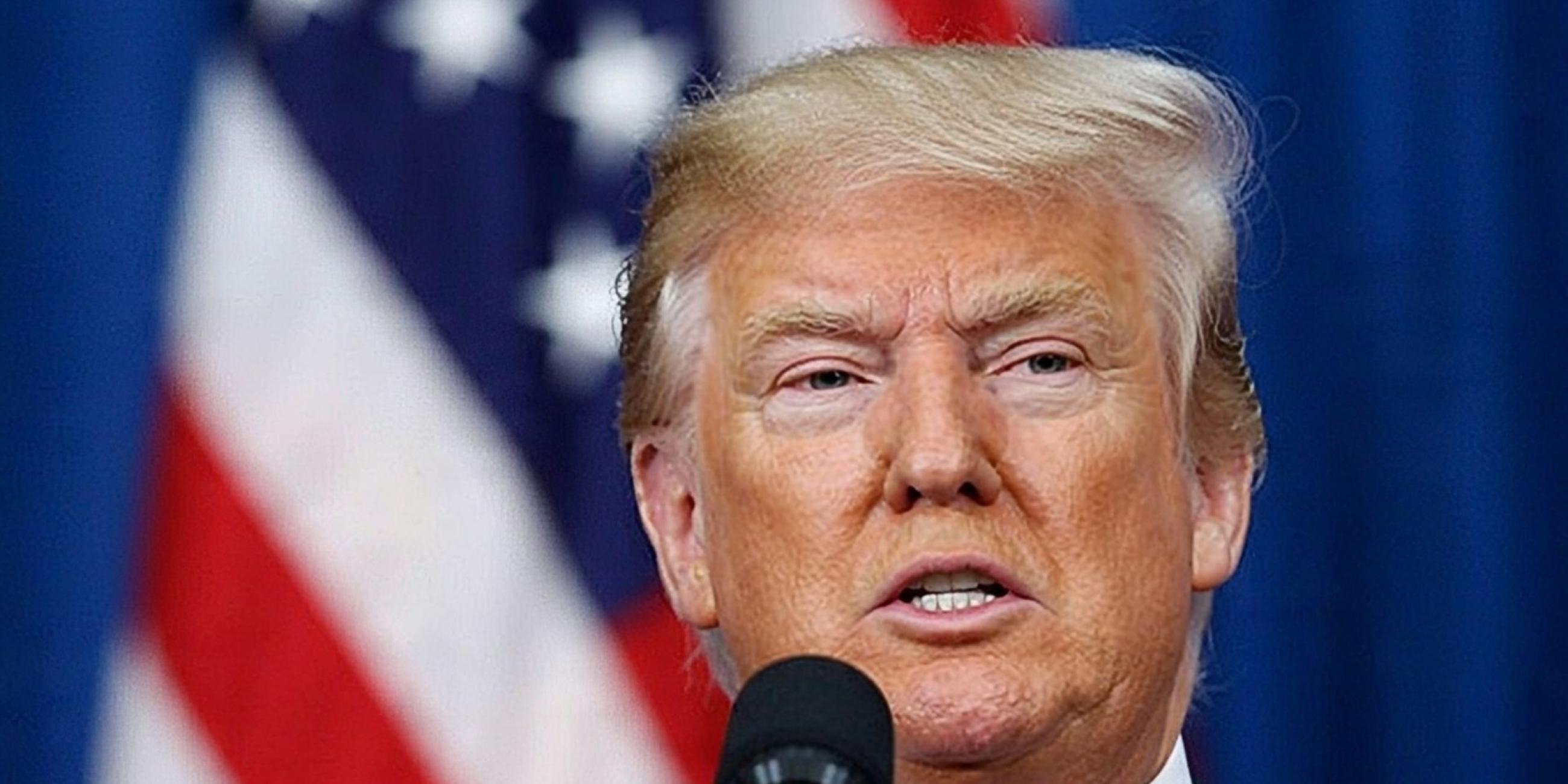
United States President Donald Trump has issued one of his strongest warnings yet against Iran, threatening total destruction of the country if any assassination attempt against him succeeds. Trump made the remarks while responding to questions from reporters about alleged threats from Iran’s leadership amid ongoing protests and unrest within the country. According to Trump, the Iranian...