


 Environ
Burkina Faso The Land of Upright People and the Fire of Resilience
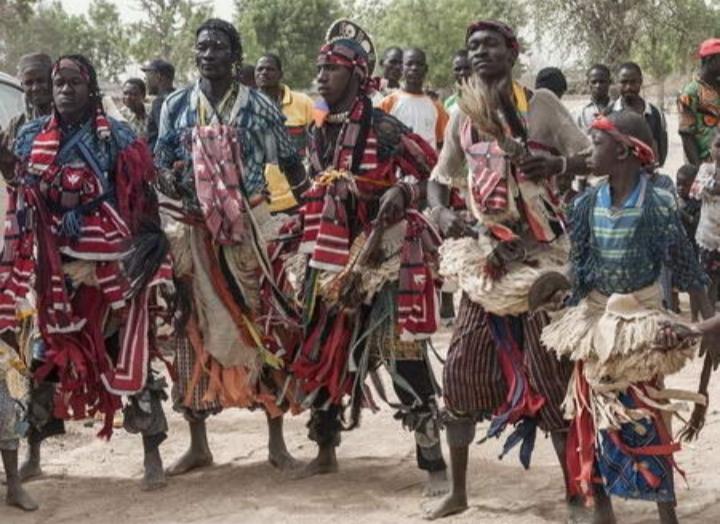
Burkina Faso
Burkina Faso is a country whose name means Land of Upright People. That name reflects a deep spirit of dignity, courage, and resistance that has shaped its journey for centuries. From ancient farming communities and powerful Mossi kingdoms to colonial rule and revolutionary change, the story of Burkina Faso is one of endurance and identity.
The Earliest Roots
Long before it became a nation, the land now known as Burkina Faso was home to early agricultural societies. Archaeological discoveries show that people lived in this region thousands of years ago. They farmed millet and sorghum, raised animals, and formed organized communities.
The area lies in the heart of West Africa, between the Sahara Desert to the north and fertile savannah lands to the south. This location made it a crossroads for migration and trade. Over time, different ethnic groups settled in the region, bringing their languages, traditions, and political systems.
Among these groups, the Mossi people would rise to become the most influential.
The Rise of the Mossi Kingdoms
Around the eleventh century, the Mossi kingdoms began to form in central Burkina Faso. According to oral tradition, they were founded by warriors who migrated from the north and established powerful states.
The Mossi kingdoms, including Ouagadougou and Yatenga, developed strong centralized leadership. The ruler, known as the Mogho Naba, held both political and spiritual authority. The capital of Ouagadougou became the heart of Mossi power.
Unlike some neighboring empires such as Mali and Songhai, the Mossi kingdoms were not fully absorbed into larger Islamic empires. They maintained their independence for centuries. While Islam spread through trade routes, traditional religious practices remained strong.
The Mossi built stable societies based on agriculture, tribute systems, and military strength. They successfully defended their territory against invasions and slave raids for generations.
Trade and Cultural Exchange
Although Burkina Faso does not have a coastline, it was connected to important trans Saharan trade routes. Merchants traveled across West Africa exchanging gold, salt, livestock, and textiles.
Islam gradually influenced parts of the population through traders and scholars, especially in northern regions. However, traditional beliefs centered on ancestors and nature spirits remained deeply rooted.
The land became a meeting point of cultures, languages, and ideas.
French Colonization
In the late nineteenth century, European powers began dividing Africa among themselves in what became known as the Scramble for Africa. France moved into the region and gradually took control.
By the 1890s, the Mossi kingdoms were defeated by French military forces. The territory was incorporated into French West Africa and named Upper Volta.
Under French rule, the local population was subjected to forced labor and heavy taxation. Many people were required to work on infrastructure projects or plantations in other French colonies.
Colonial authorities reorganized the economy to serve French interests. Cotton production expanded, and traditional systems of governance were weakened. Despite this, local customs and traditional leadership survived in many communities.
In 1932, Upper Volta was dissolved and divided among neighboring colonies. It was later reestablished in 1947 after local resistance and demands for recognition.
The Road to Independence
After World War Two, African nationalist movements gained strength across the continent. In Upper Volta, political leaders began organizing for greater autonomy.
In 1960, Upper Volta gained independence from France. Maurice Yameogo became the country’s first president.
However, the early years of independence were marked by instability. Military coups and political changes became frequent. Economic challenges and droughts added to the difficulties.
The Revolutionary Era
One of the most significant chapters in Burkina Faso’s history began in 1983 when a young army officer named Thomas Sankara came to power.
Thomas Sankara believed in self reliance, anti corruption, and African unity. In 1984, he changed the country’s name from Upper Volta to Burkina Faso, meaning Land of Upright People.
Sankara launched bold reforms. He promoted education, vaccination campaigns, and women’s rights. He encouraged local production and reduced government spending on luxury.
He became widely admired across Africa for his strong stance against neocolonialism and his efforts to empower ordinary citizens.
However, in 1987, Thomas Sankara was assassinated in a coup led by Blaise Compaore. His death shocked the nation and ended his revolutionary government.
Years of Political Change
After Sankara’s death, Blaise Compaore ruled for nearly twenty seven years. His government brought some stability but faced criticism over corruption and limited political freedoms.
In 2014, mass protests erupted when Compaore attempted to extend his time in power. The people demanded change. He resigned and fled the country.
Since then, Burkina Faso has experienced further political transitions, including military interventions. The country has also faced growing security challenges from armed extremist groups, particularly in northern and eastern regions.
Despite these difficulties, the spirit of resilience remains strong among the people.
Culture and Identity
Burkina Faso is home to more than sixty ethnic groups, including the Mossi, Fulani, Bobo, and Gourmantche. French is the official language, but many local languages are widely spoken.
Music and dance are central to cultural life. Traditional drums and masks play important roles in ceremonies and festivals.
Burkina Faso is also known for its contribution to African cinema. The country hosts FESPACO, one of the largest and most important film festivals in Africa, held in the capital city Ouagadougou.
Agriculture remains the backbone of the economy. Cotton is a major export crop, and many families rely on farming for survival.
Burkina Faso Today
Today, Burkina Faso stands at a crossroads. It faces economic and security challenges, but it also carries a powerful legacy of resistance and reform.
From the ancient Mossi kingdoms to the era of Thomas Sankara, from colonial struggle to modern political movements, Burkina Faso’s story is shaped by determination.
Its name reflects its character. Land of Upright People is not just a title. It is a reminder of dignity, courage, and the will to stand firm even in difficult times.
Burkina Faso’s journey continues. Its history proves that even in the face of hardship, a nation built on pride and unity can endure.


Catégories
Lire la suite
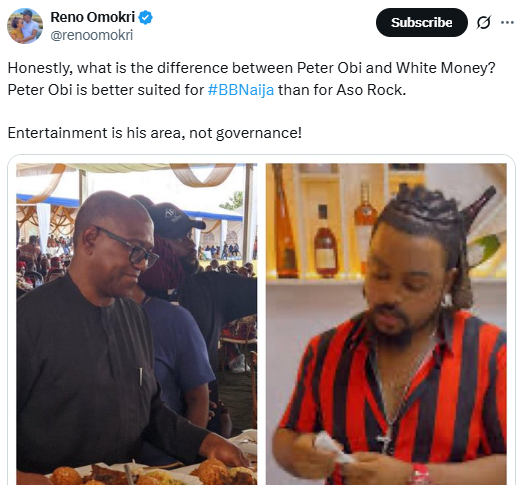
Once a loud critic of Bola Tinubu, calling him a “drug dealer” and questioning the authenticity of his U.S. university records, Reno Omokri is now singing a different tune — suddenly backing the same man he once condemned. But that’s not all. Reno has now turned his attention to Peter Obi, ridiculing him with this statement: "Honestly, what is the difference between...
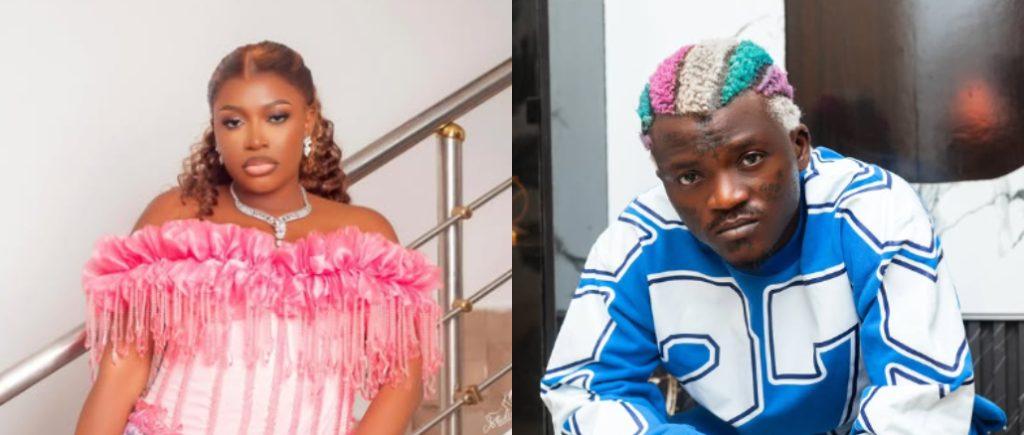
Omobolarinde Akinyanju, popularly known as Ashabi Simple, has publicly addressed the growing wave of criticism surrounding her relationship with controversial street-pop star Portable (Habeeb Olalomi Badmus). Speaking during a TikTok live session, Ashabi responded to a range of comments questioning her decision to remain in the marriage despite the couple’s frequent public clashes....
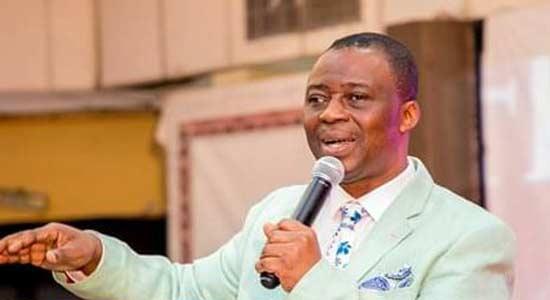
Daniel Olukoya Daniel Kolawole Olukoya is a Nigerian pastor, scientist, and professor best known as the founder and General Overseer of Mountain of Fire and Miracles Ministries. He is also closely associated with Mountain Top University, where the university directory lists him as Chancellor and identifies Molecular Genetics as his academic specialization. Early Life and Background Daniel...
𝐖𝐡𝐚𝐭 𝐘𝐨𝐮𝐫 F𝐢𝐧𝐚𝐧𝐜𝐢𝐚𝐥 𝐖𝐞𝐚𝐤𝐧𝐞𝐬𝐬 𝐒𝐚𝐲𝐬 𝐀𝐛𝐨𝐮𝐭 𝐘𝐨𝐮—𝐚𝐧𝐝 𝐇𝐨𝐰 𝐭𝐨 𝐁𝐫𝐞𝐚𝐤 F𝐫𝐞𝐞. If you chose one of these in the last poll, here’s what it really means—and how to fix it: --> 𝐈𝐦𝐩𝐮𝐥𝐬𝐞 𝐁𝐮𝐲𝐢𝐧𝐠 Why it happens: You spend emotionally, often to relieve boredom, stress, or to reward yourself. How to fix it: – Use the 24-Hour Rule: If it’s not urgent, wait a day. – Create a...

EPISODE 1: WHEN ENVY BECAME HATE Bola and Amanda were once the kind of friends people admired. They lived together in Yaba, Lagos, shared one small apartment, cooked together, laughed together, and dreamed about the future. Both were beautiful, loving girls, but life treated them very differently. Bola’s life flowed easily. Good things followed her naturally. Men especially wealthy...

