


 Σχετικά
MOSES OLAIYA Aka Baba Sala: Nigerian Actor, Comedian and Dramatist
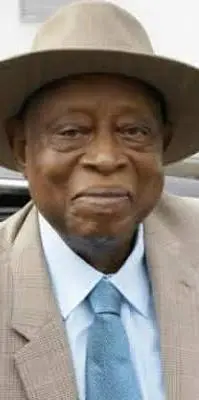
Moses Olaiya
Moses Olaiya, popularly known as Baba Sala, was one of Nigeria’s most influential comedians, actors, and filmmakers. Born on May 18, 1935, in Ilesa, Osun State, Nigeria, he grew up in a modest Yoruba family where discipline, culture, and tradition were highly valued. From an early age, Moses Olaiya displayed a lively personality. He loved entertaining friends and classmates, often mimicking elders and creating humorous situations that made people laugh. What seemed like childish playfulness would later become the foundation of a legendary career.
Baba Sala began his professional journey not in film, but in music. In the 1950s, he formed a highlife music band known as the Federal Rhythm Dandies. The group performed at social gatherings and events, blending music with short comedic skits. Over time, Olaiya realized that comedy attracted more attention than the music itself. This discovery pushed him to focus fully on drama and stage performance.
In 1964, he established the Young Concert Party, a traveling theater group that would become one of the most successful comedy troupes in southwestern Nigeria. The group toured towns and cities, performing in community halls and open fields. Their performances combined satire, slapstick humor, music, and moral lessons. Baba Sala’s style was unique. He often wore exaggerated costumes, oversized glasses, and colorful outfits that made him instantly recognizable. His humor was playful yet meaningful, often addressing social issues like greed, corruption, and family conflict.
By the 1970s, Baba Sala had become a household name. His ability to make audiences laugh while teaching valuable lessons set him apart. He broke barriers in Nigerian entertainment by moving from stage drama into television and eventually film. At a time when indigenous Yoruba-language films were still developing, Baba Sala took bold steps to expand the industry.
One of his most famous works was the 1982 film Orun Mooru, which became a major success. The film blended comedy with traditional Yoruba beliefs and spirituality. Its popularity marked a turning point for indigenous filmmaking in Nigeria. Baba Sala demonstrated that local stories told in local languages could attract large audiences and compete commercially. His success paved the way for future generations of Yoruba filmmakers and Nollywood pioneers.
Despite his fame, Baba Sala faced serious challenges. In the 1980s, he reportedly lost a significant portion of his wealth due to financial difficulties and alleged fraud. At one point, he struggled deeply, and many thought his career had ended. However, his resilience and the love of his fans kept his legacy alive. Over time, he regained recognition as one of the true fathers of modern Nigerian comedy.
Beyond entertainment, Baba Sala was a mentor to many actors and performers. Several well-known Yoruba actors began their careers under his guidance. He nurtured talent, teaching discipline, stage presence, and storytelling techniques. His theater group served as a training ground for future stars who would later dominate Nollywood.
Moses Olaiya was not only a comedian but also a cultural ambassador. Through his work, he preserved Yoruba language, customs, and values. He believed strongly in telling African stories from an African perspective. His productions reflected everyday life, mixing laughter with lessons about morality and responsibility.
In recognition of his contributions, Baba Sala received numerous awards and honors later in life. He was celebrated as a pioneer who laid the foundation for Nigeria’s vibrant film and comedy industries. Even younger comedians who never performed alongside him acknowledged his influence on their craft.
Baba Sala passed away on October 7, 2018, at the age of 83. His death marked the end of an era, but his legacy continues to live on. Today, he is remembered not just for his jokes and colorful costumes, but for his courage to innovate and invest in local storytelling at a time when the industry was still finding its voice.
Moses Olaiya, Baba Sala, remains a symbol of creativity, resilience, and cultural pride. From humble beginnings in Ilesa to becoming a national icon, his life story is one of passion and perseverance. He proved that laughter can be powerful, and through it, a nation can find both joy and reflection.

Κατηγορίες
Διαβάζω περισσότερα
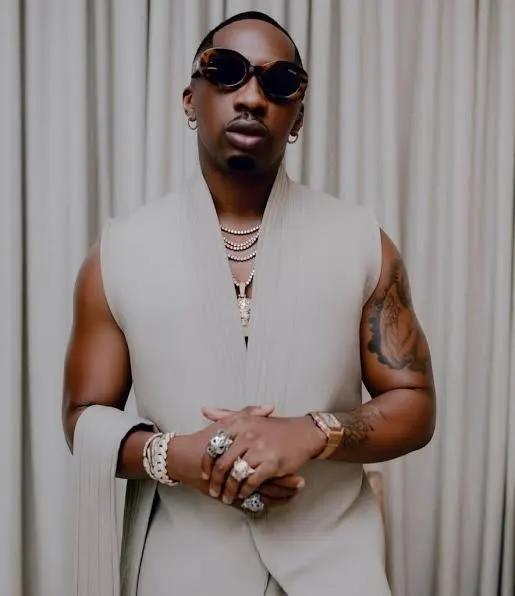
Jux Mussa mkambala Juma Mussa Mkambala, popularly known as Jux, is one of Tanzania’s most celebrated contemporary musicians. Born on September 1, 1989, in Dar es Salaam, Tanzania, Jux grew up in a vibrant coastal city known for its rich blend of culture, music, and Swahili heritage. From a young age, he displayed a deep love for music, often listening to R&B, Bongo...
This opinion piece reflects on the remarkable three-decade journey of Omoyele Sowore, tracing his evolution from UNILAG student activist in the June 12 struggle to citizen journalist, civil rights advocate, and persistent presidential contender. Described as a “marathon man” of activism, Sowore has spent his life confronting state power, enduring arrests, court battles, and...

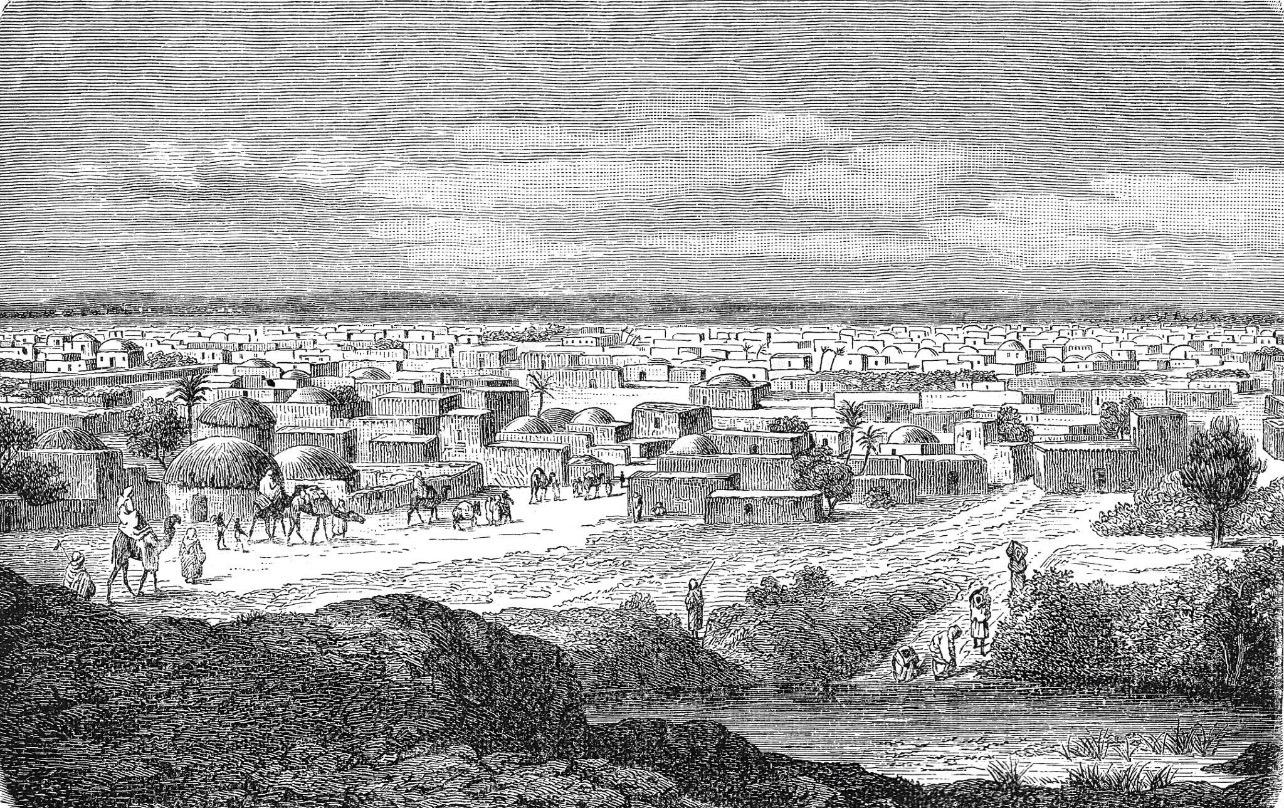
Sarki Kano In the heart of the ancient savannah, where the winds carried stories across the sands and the sun painted the earth gold, there stood a city that refused to be forgotten. Kano was not just a place, it was a spirit, a living memory of power, trade, culture, and kingship. And at the center of it all stood the Sarki Kano, the King of Kano, whose name echoed across generations...
Sophie chisom Sophie Chisom Ikemba also known as you Sophie Ososo is a beautiful Nigerian model, actress, social media influencer, chef, skit maker, brand ambassador and content creator born 12th May 1999. She's currently 25 years old and hails from Inewi, Anambra state Nigeria. She is of Igbo descent and Christian by religion.Chisom Ikemba Biography Chisom Ikemba is a Nigerian...

Toke Makinwa Toke Makinwa is a Nigerian media personality, radio host, television presenter, author, and entrepreneur widely known for her bold personality and strong influence in Nigeria’s entertainment industry. Over the years, she has built a powerful brand as one of the most recognizable female voices in African media. Early Life and Background Toke Makinwa was born...

