


 About
About
Mo Ibrahim Biography : The Telecom Engineer Who Sold Celtel for $3.4B and Turned His Fortune into Africa’s Governance Mirror
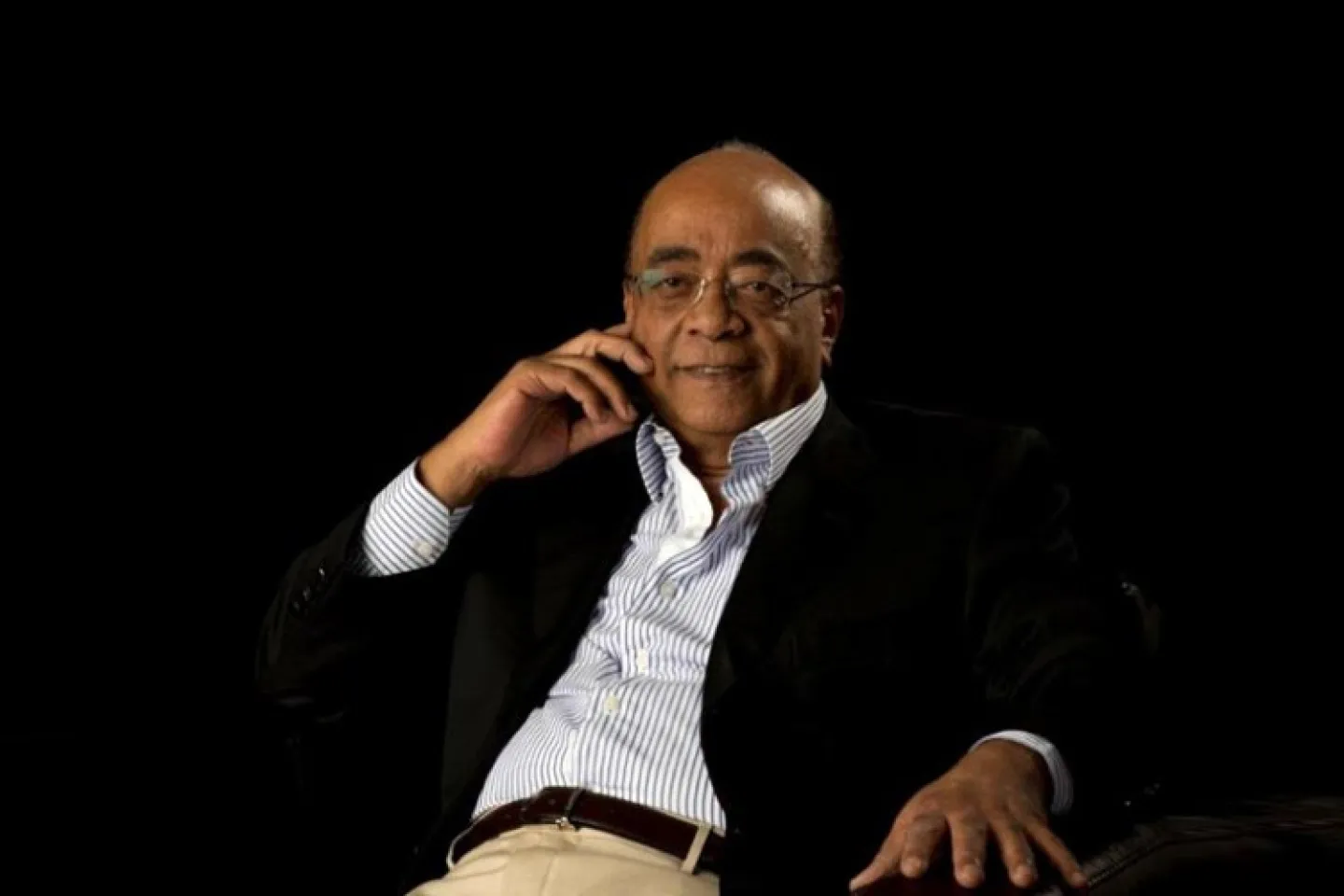
Mo Ibrahim
Mo Ibrahim didn’t set out to become a symbol. He set out to solve a problem.
In the 1970s and 80s, telecoms was the kind of industry where only big governments and bigger corporations seemed to belong. But Ibrahim—an engineer with a sharp mind for systems—kept noticing something others ignored: Africa wasn’t “too risky” for telecoms; Africa was simply underserved.
He was born May 3, 1946, in Sudan, and later became a Sudanese-born British entrepreneur.
His education story reads like a ladder built from pure focus: Alexandria University (BSc), University of Bradford (MSc), and a PhD from the University of Birmingham in mobile communications.
The engineer who learned business the hard way
Before the world knew him as “Sir Mo Ibrahim,” he worked in telecoms roles that taught him how networks actually spread—how you plan coverage, how you price access, how you survive regulation. Major bios describe his career path through telecom companies and then into his own ventures.
Then came the step that changed everything: he built a company that would become one of the most important telecom stories on the continent.
Celtel: betting on Africa when the world was afraid
In 1998, Ibrahim’s telecom business spun into what became Celtel, a mobile operator focused on African markets—at a time many global financiers still treated Africa like a headline risk.
Celtel grew rapidly across multiple countries, and by the time Ibrahim chose to sell, it was operating in many African markets with tens of millions of subscribers.
In 2005, Celtel was sold to MTC (Kuwait) in a deal widely reported as about $3.4 billion—the kind of exit that didn’t just make him wealthy; it made the world pay attention to African telecom value.
The twist: he used the money to talk about leadership
Most people sell a company and disappear into comfort. Mo Ibrahim sold his company and started asking uncomfortable questions.
In 2006, he established the Mo Ibrahim Foundation to support good governance and exceptional leadership in Africa.
Two major tools became the Foundation’s loudest voice:
-
The Ibrahim Prize for Achievement in African Leadership, launched after the Foundation’s creation (the Foundation documents describe the initiative and its purpose).
-
The Ibrahim Index of African Governance (IIAG), published since 2007, tracking governance performance across 54 African countries using a large set of indicators.
And that’s the heart of his legend: he didn’t just build networks that connected phones—he tried to build pressure that could connect African leadership to accountability.
Mo Ibrahim’s story is what happens when a man looks at a continent and refuses to accept the lazy narrative. First, he proved Africa could scale a world-class telecom business. Then, he used the profit from that proof to push a harder message: progress needs leadership you can measure.


Categorii
Citeste mai mult
Kelvin Ikeduba Kelvin Ikeduba is a Nigerian actor known for his intense roles in Nollywood, particularly in Yoruba and English-language films. He became popular for playing tough characters, street-smart villains, and action-driven roles that showcased his strong screen presence. Early Life and Background Kelvin Ikeduba was born on August 21, 1976, in Ebute Metta, Lagos State,...
Liquorose Roseline Afije, popularly known as Liquorose, is a Nigerian professional dancer, actress, entrepreneur, and reality television star who rose to national fame after participating in Big Brother Naija Season 6, themed “Shine Ya Eye.” Known for her vibrant personality, talent, and resilience, Liquorose has become one of the most recognizable faces from the BBNaija...

Yakubu Gowon Yakubu Gowon is one of the most important figures in Nigerian history. His name is forever tied to one of the most turbulent periods the country ever experienced. As a young soldier who suddenly became the head of state in a deeply divided nation, he carried the heavy burden of leadership during the Nigerian Civil War and later worked to rebuild the country afterward. His...

Maintaining pets'appearance and hygiene is an essential part of responsible ownership. The Pet Grooming Products from Pawtechpet provide a comprehensive solution, combining innovation, high-quality materials, and user-friendly design to make grooming a simple, safe, and enjoyable experience. Each tool incorporates thoughtful features, reflecting the growing awareness among pet owners about the...

PvP battles in Roblox can get intense, and having the right weapon can be the difference between victory and defeat. If you're aiming to become a top-tier PvP player, it's essential to arm yourself with weapons that offer both power and versatility. Whether you're facing off in Roblox's most popular battle arenas or participating in intense player-versus-player duels, these five weapons will...

