


 Sobre
Sobre
Chimamanda Ngozi Adichie: The Girl Who Turned Stories Into Power
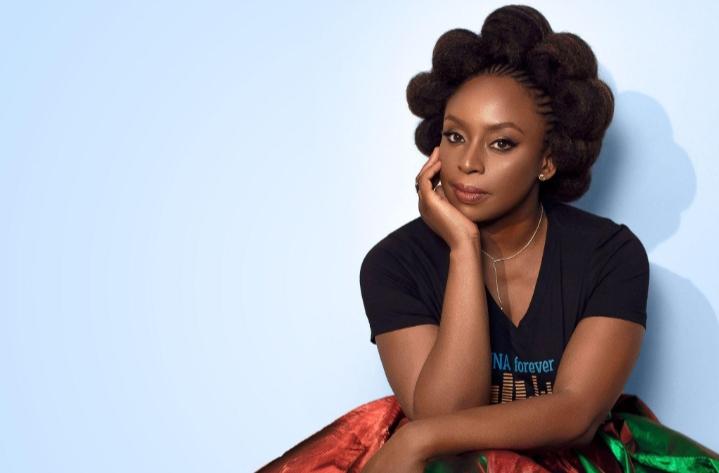
Chimamanda Ngozi Adichie
There are writers who entertain. There are writers who educate. And then there are writers who reshape how the world sees itself. Chimamanda Ngozi Adichie belongs to the last category.
Her life is not just a story of books and awards. It is a journey of courage, identity, feminism, culture, loss, and the powerful belief that stories matter. From a quiet girl in Nsukka to one of the most influential literary voices in the world, Chimamanda’s life reads like one of her own novels layered, emotional, and deeply human.
A Child of Stories
Chimamanda Ngozi Adichie was born on September 15, 1977, in Enugu, Nigeria, and grew up in Nsukka, a university town in southeastern Nigeria. She was the fifth of six children in an Igbo family that valued education deeply.
Her father, James Nwoye Adichie, was a professor of statistics at the University of Nigeria, Nsukka. Her mother, Grace Ifeoma Adichie, became the university’s first female registrar. Their home was filled with books, conversation, and quiet discipline.
Interestingly, Chimamanda grew up in the same house that once belonged to the legendary Nigerian writer Chinua Achebe. Though she was too young to understand the significance at the time, that detail would later feel symbolic. She was growing up in the shadow of literary greatness.
As a child, she read British and American books. The characters were always white, blue eyed, eating apples and talking about snow. She later recalled that when she began writing her own stories at the age of seven, her characters also had blue eyes and drank ginger beer.
It took time for her to realize that people who looked like her could exist in literature too.
That realization would change her life.
Growing Up During History
Chimamanda’s early years were shaped by the lingering shadows of the Nigerian Civil War. Though she was born after the war ended, its presence remained strong in Igbo households. Stories of loss, starvation, and displacement were part of family memory.
These memories would later inspire her acclaimed novel Half of a Yellow Sun, which explored the Biafran War with emotional depth and historical clarity.
But before she became the voice of history, she was simply a bright, observant girl trying to understand her world.
She attended the University of Nigeria Secondary School, where she excelled academically. She studied medicine and pharmacy briefly at the University of Nigeria, Nsukka, but something inside her felt restless. Science was respected. It was stable. But her heart belonged to stories.
At nineteen, she made a bold decision.
She left Nigeria for the United States.
A New World
Moving to America was not easy. She had to adjust to a different culture, accent expectations, stereotypes, and the loneliness of being far from home.
She studied communication and political science at Drexel University before transferring to Eastern Connecticut State University, where she graduated summa cum laude.
During this time, she faced an identity shift. In Nigeria, she had simply been Chimamanda. In America, she suddenly became “Black.” She experienced race in ways she had never imagined.
These experiences later shaped her novel Americanah, which explored race, immigration, love, and belonging with striking honesty.
Even as a student, she was writing constantly.
Her first novel, Purple Hibiscus, was published in 2003. She was only twenty six.
Purple Hibiscus: A Powerful Beginning
Purple Hibiscus was a quiet but explosive debut. It told the story of a young girl growing up in a strict, religious household marked by violence and silence.
The novel explored themes of faith, power, family, and freedom. Critics praised its emotional intelligence and subtle strength.
It won the Commonwealth Writers’ Prize for Best First Book.
Suddenly, the world was paying attention.
But Chimamanda was just getting started.
Half of a Yellow Sun: Telling the Untold
In 2006, she released Half of a Yellow Sun. The novel told the story of the Biafran War through the lives of multiple characters.
This was not just fiction. It was reclamation. It was memory. It was history told from the inside.
The book won the Orange Prize for Fiction and later the Women’s Prize for Fiction “Best of the Best” award.
It cemented her status as a global literary force.
The novel was later adapted into a film starring Thandiwe Newton and Chiwetel Ejiofor, bringing the story to an even wider audience.
Through this book, Chimamanda gave voice to a generation whose suffering had often been simplified or ignored.
The Power of a Single Story
In 2009, Chimamanda delivered a TED Talk titled The Danger of a Single Story.
The speech became one of the most watched TED Talks in history.
She spoke calmly, almost gently, about how stereotypes flatten humanity. How Africa is often reduced to poverty. How stories shape perception.
Her message was simple yet profound. If you hear only one story about a people, you risk misunderstanding them.
The talk transformed her into not just a novelist but a global intellectual voice.
Americanah: Love and Identity
In 2013, she published Americanah.
The novel followed Ifemelu, a Nigerian woman navigating life in America, blogging about race and eventually returning home.
Americanah was bold, witty, and deeply introspective. It examined hair politics, cultural adjustment, love across continents, and the complexity of returning home after migration.
The book won the National Book Critics Circle Award and was named one of the best books of the year by numerous publications.
Readers connected deeply with Ifemelu’s journey because it felt real. Honest. Unfiltered.
Feminism and Global Conversation
Chimamanda’s voice extended beyond literature into feminism.
Her TED Talk We Should All Be Feminists became a cultural phenomenon. The phrase appeared on T shirts, including one worn by Beyoncé, who also sampled Chimamanda’s speech in her song Flawless.
Suddenly, a Nigerian writer’s words were echoing in global pop culture.
Chimamanda defined feminism not as anger but as fairness. She spoke about gender roles in Nigerian society, about raising daughters and sons differently, about the quiet ways inequality persists.
Her essays were later published as books, including Dear Ijeawele, or A Feminist Manifesto in Fifteen Suggestions.
Personal Life and Loss
Despite her global fame, Chimamanda has remained private about her personal life. She married Dr Ivara Esege, a Nigerian doctor based in the United States.
In 2020, she experienced profound loss when both of her parents died within months of each other. She spoke publicly about her grief, describing it as disorienting and consuming.
Her later work, including Notes on Grief, reflects that raw vulnerability.
Grief stripped away her public persona and revealed a daughter mourning deeply.
It showed the world that even icons break.
Criticism and Courage
Chimamanda has not been without controversy. Some of her comments on gender identity sparked intense debate online. She faced criticism from various communities.
Yet she has consistently defended her right to nuanced conversation. She does not retreat easily. She speaks carefully, often clarifying her position but standing firm in her belief in open dialogue.
This willingness to engage in uncomfortable conversations has defined her public life.
A Legacy Still Growing
Chimamanda Ngozi Adichie has received honorary degrees from universities around the world. She has been named among Time magazine’s most influential people.
But perhaps her greatest legacy is simpler.
She made African stories visible without apology.
She wrote Nigerians as complex, flawed, brilliant human beings.
She reminded young African girls that their voices matter.
From the small girl in Nsukka reading foreign books to the woman standing on global stages, her journey has been about reclaiming narrative power.
The Girl Who Knew Stories Matter
If you look closely at her life, a pattern appears.
A child writing about snow before she had seen it. A young woman crossing oceans for education. A writer daring to tell painful history. A speaker challenging stereotypes. A daughter grieving publicly. A feminist reshaping conversation.
Chimamanda Ngozi Adichie did not simply become famous.
She became necessary.
Her words continue to travel across continents, classrooms, and conversations.
And somewhere in Nsukka, perhaps another little girl is writing her first story, this time with brown skin, braided hair, and mango trees instead of snow.
Because Chimamanda showed her that she can.
And that is how stories change the world.


Categorias
Leia Mais
The Child They Threw Away Five years ago, my life changed before the sun had fully risen. My name is Grace Adebayo, and I used to believe that shame only visits those who deserve it. That morning taught me that shame can be forced on the innocent. My son Daniel was just seventeen then. Quiet, gentle, and too afraid of disappointing me. He carried a secret heavy in his chest. A secret that...

The Federal High Court in Abuja has granted bail to Bauchi State’s Finance Commissioner, Yakubu Adamu, and three civil servants accused of terrorism financing involving ₦400 million. Justice Mohammed Umar set bail at ₦100 million each, requiring two sureties per defendant—one serving permanent secretary and one serving director. The defendants must also surrender their...
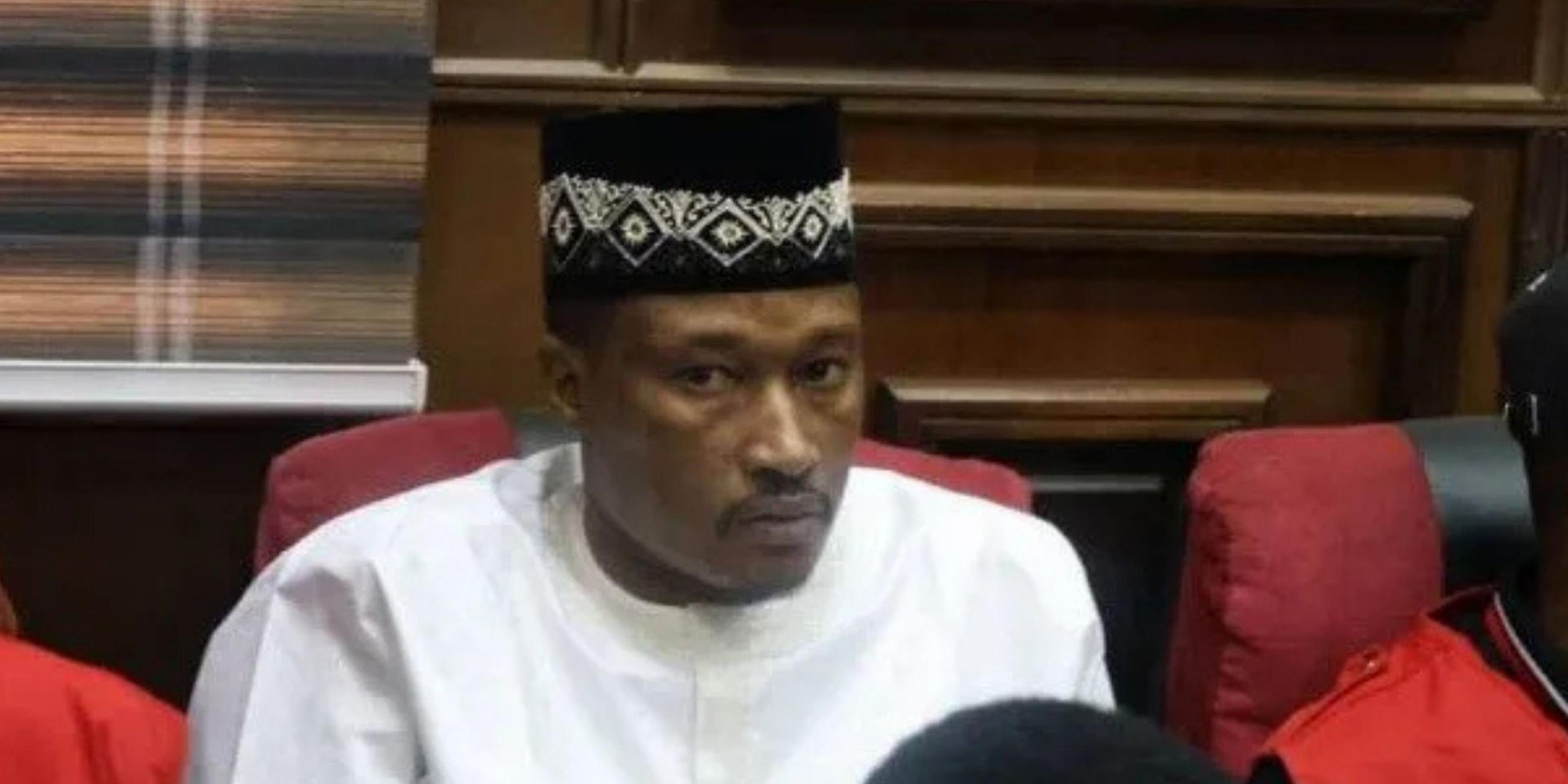
Sheikh Jamiu Bulala Early Life and Background Sheikh Jamiu Bulala was born in Nigeria into a humble Muslim family where faith and discipline were part of everyday life. From a young age, he showed a deep interest in religion. While other children played, Jamiu often stayed close to elders, listening to Quran recitations and Islamic discussions. His environment shaped him. He grew up...
Aisha Lawal Aisha Lawal is a Nigerian Nollywood actress, film producer, and entrepreneur known for her outstanding roles in Yoruba language movies. Over the years she has become one of the respected actresses in the Yoruba film industry, admired for her expressive acting style and strong personality on screen. Early Life and Background Aisha Lawal was born in Lagos State, Nigeria,...
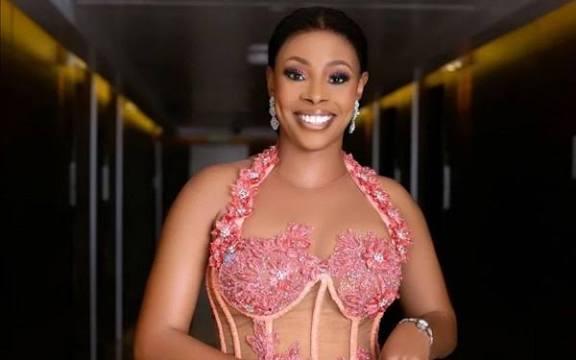
Maja Salvador is a Filipina actress, singer, dancer, and television personality known for her powerful acting roles and impressive dancing skills. She is one of the most popular entertainers in the Philippines and has been active in the entertainment industry for many years. Early Life Maja Salvador was born October 5, 1988, in Aparri. Her full name is Maja Ross Andres Salvador. She grew up...

