9ICE; Nigerian Singer, Songwriter and Dancer
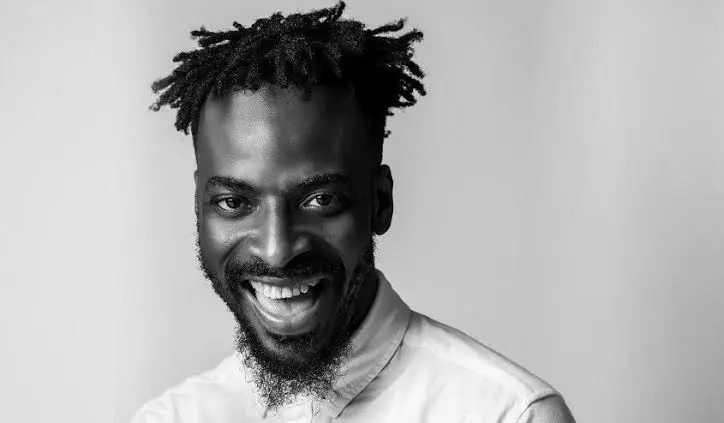
9ICE
9ice, born Abolore Akande, is one of Nigeria’s most respected and influential indigenous hip-hop artists. Renowned for his poetic use of the Yoruba language, deep cultural references, and socially conscious storytelling, 9ice carved a unique lane in the Nigerian music industry at a time when English-dominant pop and hip-hop were becoming mainstream. His career stands as a testament to authenticity, resilience, and the power of embracing one’s roots.
Abolore Akande was born on January 17, 1980, in Ogbomosho, Oyo State, Nigeria. He grew up in a culturally rich Yoruba environment that strongly influenced his worldview and later his music. From an early age, he was exposed to traditional Yoruba proverbs, folklore, and moral teachings elements that would become hallmarks of his songwriting. Although music fascinated him, his path into the industry was not immediate or easy. Like many Nigerian youths of his generation, he faced economic challenges and uncertainty about the future.
9ice’s journey into music began seriously in the early 2000s. His debut album, Seventeen Reasons, was released in 2003. Despite the promise it showed, the album did not enjoy commercial success, largely due to poor distribution and limited promotion. For many artists, this would have been a discouraging end, but for 9ice, it became a formative experience.
He learned hard lessons about the business side of music and the importance of control, structure, and perseverance.
His breakthrough came in 2005 with the release of Gongo Aso. The album, named after a traditional Yoruba gong, resonated deeply with listeners across Nigeria and beyond. Songs like “Gongo Aso” blended contemporary hip-hop beats with traditional rhythms and lyrical depth, making the album both innovative and culturally grounded. It was a defining moment not just for 9ice, but for indigenous rap in Nigeria. The album earned him widespread acclaim and multiple awards, firmly establishing him as a major force in the industry.
Following this success, 9ice released Certificate in 2007. The album showcased his growth as an artist and storyteller, addressing themes such as success, betrayal, humility, and societal values. His lyrics were rich with Yoruba idioms and philosophical reflections, earning him a reputation as a “thinking man’s rapper.” At a time when many artists focused on dance tracks and party anthems, 9ice stood out for his depth and message-driven music.
In 2008, he released Tradition, an album that further solidified his commitment to preserving Yoruba culture through modern music.
The project featured collaborations with notable artists and producers, and it emphasized moral lessons, cultural pride, and social responsibility. By this stage, 9ice was not just a musician but a cultural ambassador, proving that indigenous language music could achieve commercial success without losing its soul.
However, his career was not without controversy and setbacks. In 2010, 9ice publicly announced his retirement from music, citing personal reasons, industry frustrations, and spiritual reflection. The announcement shocked fans and colleagues alike.
Although he later returned to music, the period marked a turning point in his life, prompting deeper introspection and maturity. His subsequent works reflected a more reflective and grounded artist.
Over the years, 9ice released several other projects, including Bashorun Gaa (2009), Versus (2010), Tradition Reloaded (2013), and Id Cabasa (2016). While the commercial landscape of Nigerian music shifted toward Afrobeats and global pop sounds, 9ice remained consistent in his style, choosing substance over trends. This consistency earned him lasting respect, even as mainstream attention fluctuated.
Beyond music, 9ice ventured into politics. In 2014, he contested for a seat in the Oyo State House of Assembly under a major political party.
Although he did not win, his decision reflected his desire to contribute to societal development beyond entertainment. It also reinforced his long-standing image as an artist concerned with governance, leadership, and the welfare of the people.
On a personal level, 9ice is a father and has spoken openly about responsibility, growth, and the lessons life has taught him.
His experiences both successes and failures have shaped his philosophy and art. He is often regarded as a mentor figure, especially to younger indigenous rappers who see him as a pioneer who opened doors for Yoruba rap on a national scale.
Today, 9ice’s legacy is firmly cemented in Nigerian music history.
He is celebrated not just for hit songs, but for proving that local language, culture, and wisdom can thrive in a modern, competitive industry. His music remains relevant for its honesty, cultural depth, and timeless messages.
In an ever-changing musical landscape, 9ice stands as a symbol of authenticity an artist who stayed true to his roots while inspiring generations to value their identity and voice.

الأقسام
إقرأ المزيد
Slimcase: Oladipupo Olamide Emmanuel Slimcase, whose real name is Oladipupo Olamide Emmanuel, is one of the most energetic and colorful figures to emerge from Nigeria’s street music culture. Known for his loud personality, eccentric hairstyles, comedic style, and powerful dance energy, Slimcase became a symbol of the Shaku Shaku movement that once dominated Nigerian streets and...
Leonardo DiCaprio Leonardo DiCaprio is an American actor, film producer, and environmental activist widely regarded as one of the most talented actors of his generation. Known for his intense performances and dedication to his craft, he has starred in some of the most successful and critically acclaimed films in history. Leonardo Wilhelm DiCaprio was born on November 11, 1974, in Los...
Niniola Apata Before the thumping Afro house beats, before international DJs remixed her vocals, and before she became known as the Queen of Afro House in Nigeria, there was a young girl in Lagos who sang to escape silence. The world knows her as Niniola — bold, energetic, rhythm-driven. But her story begins with Niniola Apata, a determined child who grew through grief and built...
Azeez Adeshina Fashola In the world of Nigerian street pop, few names spark as much reaction as Naira Marley. Some hear the name and think of rebellion. Others think of controversy. Many think of loyalty, street anthems, and an entire youth movement called Marlian Nation. But before the fame, before the headlines, and before the chants of “Marlians!”, there was a young boy...
Governor Nasir Idris of Kebbi State has signed a strategic partnership with Chinese security firm G-Safety to bolster the fight against banditry and escalating violence by the Lakurawa terrorist group across the state. The governor’s office described the deal as a “strategic collaboration on intelligence and technology,” aimed at enhancing local capacity to respond to...