About
About
Nnamdi Azikiwe: The Nationalist Who Led Nigeria Into Independence
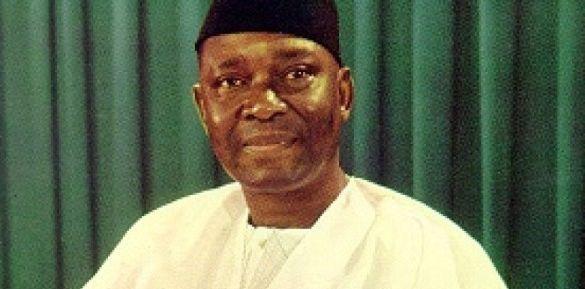
Zik of Africa
Nnamdi Azikiwe, popularly called Zik of Africa, was one of the greatest nationalist leaders in Nigeria’s history and a key voice behind the struggle for independence. He became Nigeria’s first indigenous Governor General (1960–1963) and later the first President of Nigeria (1963–1966) in the First Republic.
Early Life and Background
Nnamdi Benjamin Azikiwe was born on November 16, 1904, in Zungeru (in present day Niger State, then Northern Nigeria) and later became closely identified with Onitsha, Anambra State, where his Igbo roots and identity were strongly formed. He grew up in a Nigeria shaped by colonial rule, regional divisions, and rising demands for African self determination.
Education and Training Abroad
Azikiwe pursued higher education in the United States, studying at institutions that included Howard University and Lincoln University, among others. His years abroad exposed him to Black political thought, Pan African ideas, and anti colonial movements, which later became central to his ideology and public voice.
Journalism and the Rise of a Nationalist Voice
In 1937, Azikiwe returned to Nigeria and founded the newspaper West African Pilot, which became a major platform for nationalist politics and mass mobilization. Through journalism, he helped popularize the demand for independence, challenged colonial policies, and built a national political audience beyond ethnic and regional lines.
Political Career and the Independence Era
Azikiwe became a leading political figure through the NCNC (National Council of Nigeria and the Cameroons), working closely with other nationalists as Nigeria moved toward independence. He served as Premier of Eastern Nigeria (1954–1959) and later rose to the center of federal politics in the final years of British rule.
Governor General and First President of Nigeria
When Nigeria gained independence in 1960, Azikiwe became the Governor General of Nigeria (the ceremonial head of state representing the British monarch). In 1963, Nigeria became a republic, and Azikiwe was named the country’s first President, serving until the military coup of January 1966 ended the First Republic.
Ideas, Beliefs, and Public Impact
Azikiwe was known for strong Pan African thinking and a belief that African nations should control their political and economic destiny. He used speeches, writing, and party politics to argue for dignity, unity, education, and a modern African identity that was not defined by colonial stereotypes.
Later Years and Death
After the fall of the First Republic, Azikiwe remained an important elder statesman in Nigerian public life. He died on May 11, 1996, in Enugu, leaving behind a legacy tied to Nigeria’s independence story and the foundations of modern Nigerian nationalism.


Categories
Read More
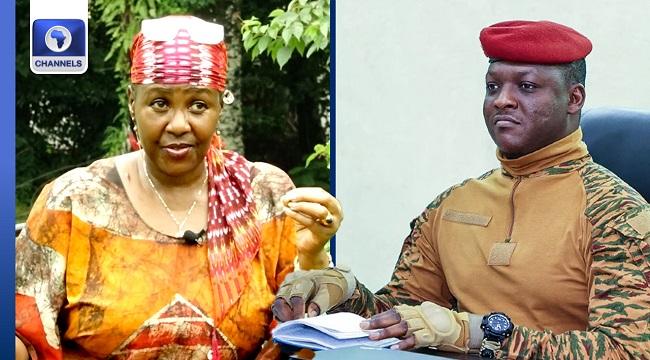
Dr. Rachel Leslie, a renowned Pan-African scholar and historian, believes Nigeria has the potential to surpass the developmental strides of Burkina Faso under the leadership of Captain Ibrahim Traoré — but only with visionary and civilian leadership. Speaking on Channels Television’s Amazing Africans, Dr. Leslie, who was born in Paris and raised across multiple countries...
Ibadan: From War Camp to Warrior Empire The Full Untold Story of Its Rise Ibadan is not just a city. It is a story of war, survival, ambition, betrayal, strategy, and power. It is a city born from fire and raised by warriors. Unlike many Yoruba towns that trace their origin to royal migration from Ile Ife, Ibadan emerged from the chaos of war. It was not founded by a single crowned king...

Abass Akande Obesere Abass Akande Obesere, popularly known simply as Obesere, is a renowned Nigerian Fuji musician celebrated for his bold style, energetic performances, and controversial lyrical approach. Born on January 28, 1965, in Ibadan, Oyo State, Nigeria, Obesere grew up in a culturally rich Yoruba environment that strongly influenced his musical journey. Raised...

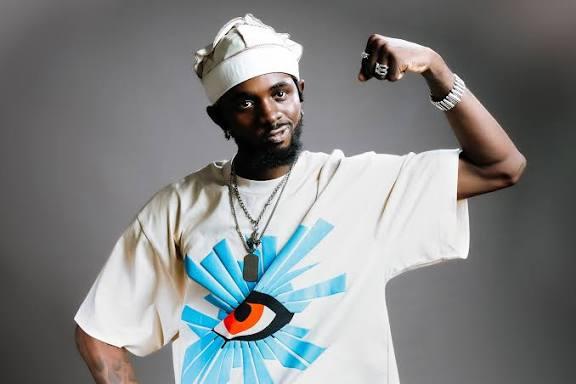
Black Sherif Black Sherif is a Ghanaian singer, rapper, and songwriter. He is known for his unique blend of Afrobeats, highlife, drill, and hip hop, which has made him one of the fastest rising African music stars. Early Life and Background Black Sherif whose full name is Mohammed Ismail Sherif Kwaku Frimpong was born on January 9, 2002, in Konongo, a town in the Ashanti Region of...
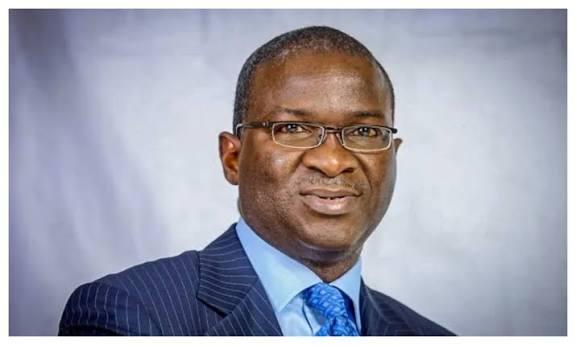
Babatunde Fashola Babatunde Fashola is a Nigerian lawyer, politician, and public administrator. He is widely known for serving as the Governor of Lagos State from 2007 to 2015 and later as a Federal Minister in Nigeria. Early Life and Background Babatunde Raji Fashola was born on June 28, 1963, in Lagos State, Nigeria. He comes from a respected Yoruba family and grew up in Lagos....