О нас
О нас
Olusegun Obasanjo: The Soldier Who Led Nigeria Through War and Democracy
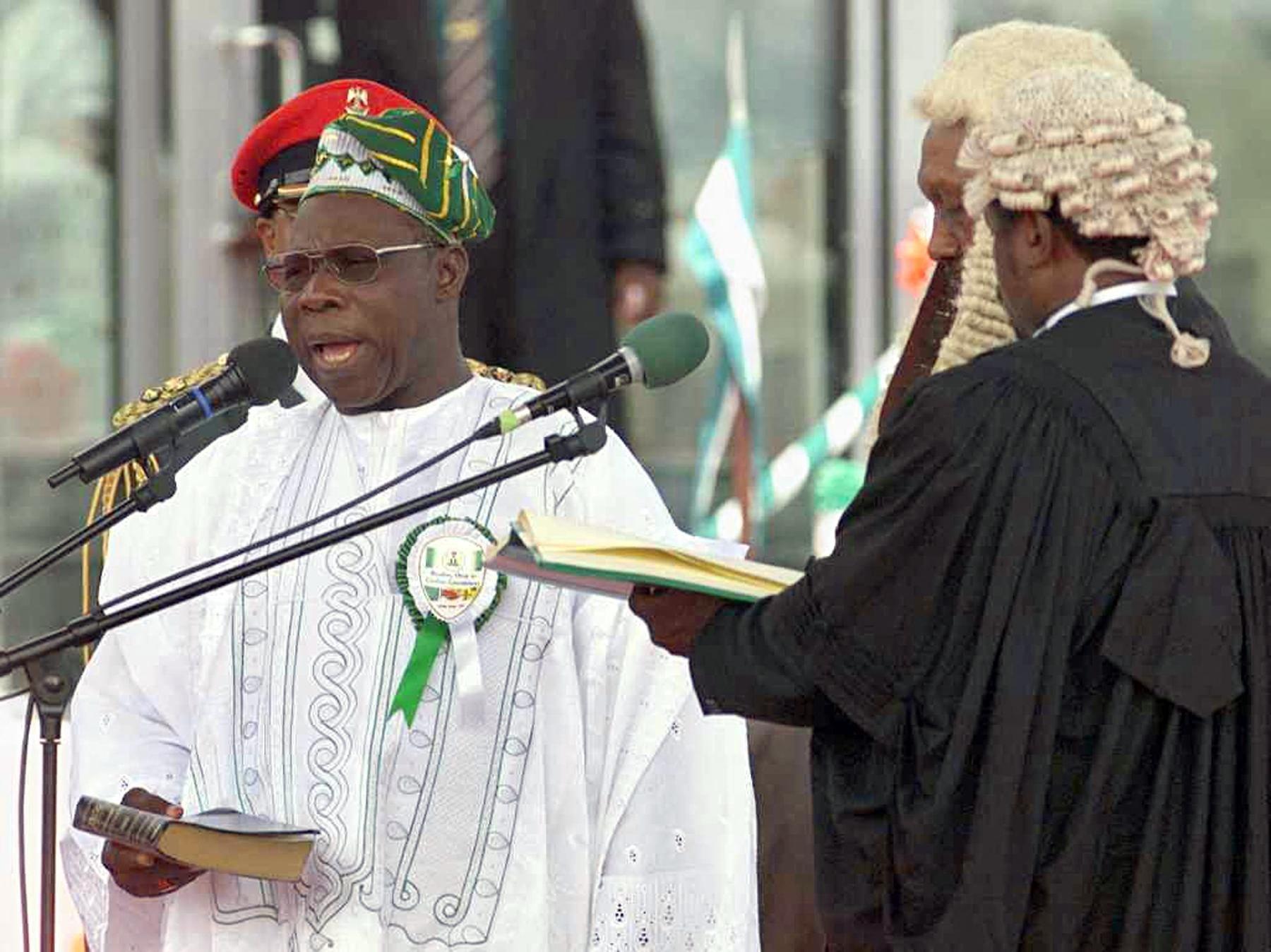
Olusegun Obasanjo is one of Nigeria’s most influential political figures, having served both as a military Head of State and later as a democratically elected President. His leadership spans critical periods in Nigeria’s political history, including the post civil war era and the return to civilian rule in 1999.
Early Life and Education
Olusegun Matthew Okikiola Aremu Obasanjo was born on March 5, 1937, in Abeokuta, Ogun State, Nigeria. He grew up in a modest Christian family and received his early education in Abeokuta.
He later joined the Nigerian Army in 1958 and received military training in Nigeria and abroad, including the United Kingdom and India. His military education prepared him for leadership roles during a turbulent period in Nigeria’s history.
Military Career and Civil War
Obasanjo rose through the ranks of the Nigerian Army during the 1960s. During the Nigerian Civil War from 1967 to 1970, he played a significant role as a military commander. In 1970, he accepted the surrender of Biafran forces, marking the official end of the war.
His actions during and after the war positioned him as a key national figure.
Military Head of State
In 1976, following the assassination of General Murtala Mohammed, Obasanjo became Nigeria’s military Head of State. During his leadership, he supervised a transition program that returned Nigeria to civilian rule in 1979.
He handed over power to an elected civilian president, Shehu Shagari, making him one of the few African military leaders to voluntarily transfer power to a civilian government at the time.
Imprisonment and Political Return
In 1995, during the military regime of General Sani Abacha, Obasanjo was arrested and imprisoned over alleged coup plotting. He spent several years in prison until his release in 1998 following Abacha’s death.
In 1999, he contested Nigeria’s presidential election as a civilian candidate and won. He served two terms as President from 1999 to 2007.
Civilian Presidency
As President, Obasanjo focused on economic reform, debt relief, anti corruption initiatives, and strengthening Nigeria’s democratic institutions. Under his administration, Nigeria secured significant debt forgiveness from international creditors.
He also worked to improve Nigeria’s role in African peacekeeping and regional diplomacy.
Post Presidency Influence
After leaving office in 2007, Obasanjo remained active in national and continental affairs. He has served as a mediator in African conflicts and often speaks on governance, democracy, and leadership issues.
He has written books reflecting on his experiences in military and civilian leadership.
Legacy
Olusegun Obasanjo’s legacy is complex and far reaching. He is credited with stabilizing Nigeria after military rule and strengthening democratic governance. However, like many long serving leaders, his administration faced criticism and political controversies.
From military commander to elected president, Obasanjo remains one of the most significant figures in Nigeria’s modern political history.

Категории
Больше
Article: Former Minister of Education and founder of the School of Politics, Policy and Governance (SPPG), Dr. Obiageli “Oby” Ezekwesili, has condemned the Bola Tinubu administration for failing to protect Nigerian schoolchildren, calling it the “highest acceptance of governing without legitimacy.” In a statement issued on Monday, Ezekwesili warned that the...

Maryam Babangida Maryam Babangida was one of the most influential First Ladies in Nigeria’s history. She was the wife of former Nigerian military president Ibrahim Babangida and is widely remembered for transforming the role of the First Lady into an active platform for social development and women empowerment. During the late 1980s and early 1990s, Maryam Babangida became a...
Idris Abdulkareem Ajenifuja Idris Abdulkareem is a Nigerian rapper, songwriter, and activist widely known for his bold lyrics, street credibility, and politically conscious music. Often described as the “Voice of the Masses,” he became famous for using hip-hop as a tool to address corruption, poverty, and government failures in Nigeria. Over the years, he has...

Kashali came to Lagos with two bags, big dreams, and a heart full of trust. He was a hardworking young man from Ikorodu, determined to make something better for himself. Every morning before sunrise, he joined the rush of buses, conductors shouting, engines roaring, and the endless movement that made Lagos feel alive. He believed if he worked hard enough, the city would eventually smile at...

United States President Donald Trump has issued one of his strongest warnings yet against Iran, threatening total destruction of the country if any assassination attempt against him succeeds. Trump made the remarks while responding to questions from reporters about alleged threats from Iran’s leadership amid ongoing protests and unrest within the country. According to Trump, the Iranian...