О нас
О нас
Chimamanda Ngozi Adichie: Voice of a New African Literary Generation
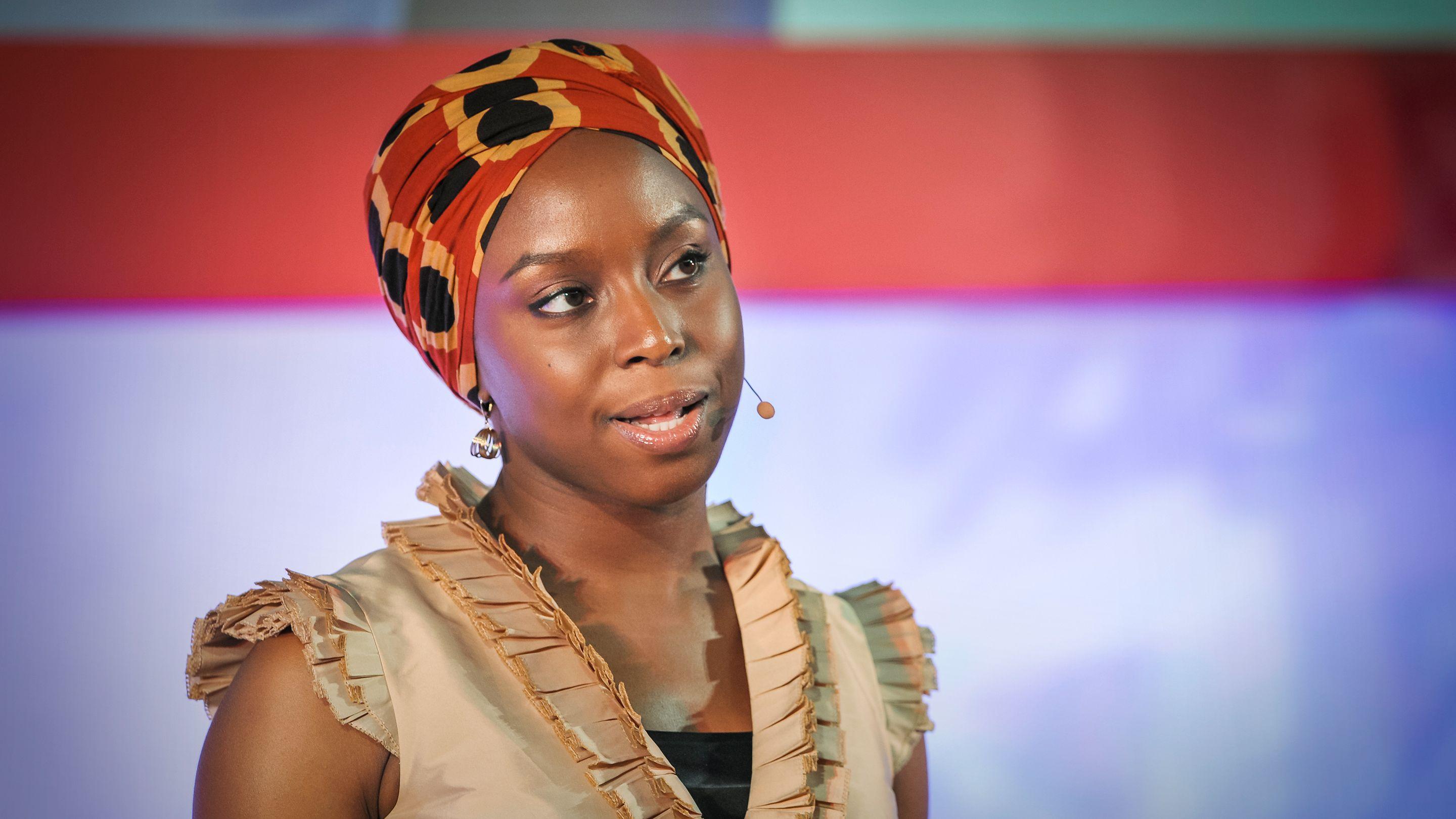
Chimamanda Ngozi Adichie is widely regarded as one of the most influential African writers of the twenty first century. Celebrated for her powerful storytelling, intellectual clarity, and bold exploration of identity, gender, colonialism, and migration, she has become a leading global literary voice while remaining deeply connected to Nigeria’s cultural and historical realities.
This is a clean and comprehensive account of her life, tracing her journey from childhood to international recognition, and examining her literary achievements, ideas, and enduring impact.
Early Life and Family Background
Chimamanda Ngozi Adichie was born on September 15, 1977, in Enugu, Nigeria. She grew up in Nsukka, a university town in southeastern Nigeria. Both of her parents were academics at the University of Nigeria. Her father, James Nwoye Adichie, was a professor of statistics who later served as deputy vice chancellor of the university. Her mother, Grace Ifeoma Adichie, made history as the first female registrar of the institution.
She was raised in a middle class Igbo household in a home that had once been occupied by the renowned Nigerian writer Chinua Achebe. Although she did not grow up under Achebe’s direct mentorship, his legacy and influence would later shape her literary path. Life in Nsukka exposed her to intellectual conversations, books, and the lingering memories of the Nigerian Civil War, also known as the Biafran War. These early experiences deeply influenced her imagination and future writing.
As a child, Adichie read widely. She often recalls reading British and American children’s books filled with unfamiliar settings such as snow covered landscapes and blue eyed characters. At first, she wrote stories that mirrored those foreign worlds because she had not yet realized that people like her could exist at the center of literature. Discovering African writers transformed her perspective and gave her the confidence to write stories grounded in her own reality.
Education in Nigeria and the United States
At sixteen, Adichie began studying medicine and pharmacy at the University of Nigeria. Although she excelled academically, she felt limited by the structure of the program and longed for broader intellectual freedom. After about a year and a half, she left Nigeria to pursue higher education in the United States.
She enrolled at Eastern Connecticut State University, where she studied communication and political science. During this period, she began to take writing more seriously, producing plays and short stories that explored themes such as migration, cultural identity, and racism.
She later earned a Master of Arts degree in creative writing from Johns Hopkins University and another Master of Arts degree in African studies from Yale University. These academic experiences refined her craft and deepened her understanding of African history, colonial legacies, and global political structures.
Literary Breakthrough
Adichie’s debut novel, Purple Hibiscus, was published in 2003. The novel tells the story of Kambili, a young girl growing up in a strict and oppressive religious household in post colonial Nigeria. The book explores domestic violence, faith, political unrest, and personal awakening. It received critical acclaim and won the Commonwealth Writers Prize for Best First Book, establishing Adichie as an important new voice in world literature.
Her second novel, Half of a Yellow Sun, published in 2006, brought her international recognition. Set during the Nigerian Civil War, the novel follows several characters whose lives are disrupted by the Biafran struggle. The title refers to the symbol on the Biafran flag. The novel won the Orange Prize for Fiction and was later adapted into a feature film. Through this work, Adichie revisited the historical trauma that shaped her parents’ generation and examined its lasting effects on identity and memory.
In 2013, she published Americanah, a novel centered on Ifemelu, a young Nigerian woman who migrates to the United States. The book explores race, immigration, love, hair politics, and the contrast between being Black in America and being African in Africa. Americanah won the National Book Critics Circle Award and further solidified her global reputation.
Essays and Global Influence
Beyond fiction, Adichie has had a significant impact through her essays and public lectures. Her 2009 TED Talk, The Danger of a Single Story, became one of the most widely viewed talks in TED history. In it, she explained how reducing people or nations to a single narrative creates stereotypes and limits understanding.
Her 2012 TEDx talk, We Should All Be Feminists, expanded her influence beyond literary circles. The talk was later published as an essay and gained widespread attention when excerpts were featured in a song by Beyoncé. This moment brought her feminist ideas into mainstream global culture.
In 2017, she published Dear Ijeawele, or A Feminist Manifesto in Fifteen Suggestions. Written as a letter to a friend about raising a daughter, the book offers practical guidance on promoting equality and independence in everyday life.
Major Themes in Her Work
Adichie’s writing consistently addresses identity, particularly the tension between African and Western experiences. Her characters often move between cultures and must negotiate complex questions of belonging.
Feminism is another central theme. She challenges restrictive gender roles within Nigerian society while also critiquing certain Western assumptions about African women. Her approach to feminism is both personal and culturally grounded.
She also explores colonialism and its lasting consequences. Through historical and contemporary narratives, she demonstrates how colonial histories continue to shape political and social realities.
Although she writes primarily in English, she frequently incorporates Igbo language and cultural references, preserving authenticity and resisting cultural erasure.
Personal Life
Adichie maintains a relatively private personal life. She is married to Ivara Esege, a Nigerian medical doctor. The couple has children, though she rarely shares details about her family publicly.
She divides her time between Nigeria and the United States. Despite her international status, she remains committed to Nigeria and has organized writing workshops in Lagos to mentor emerging African writers.
Controversies and Intellectual Debates
As a public intellectual, Adichie has not been free from criticism. Some of her views on gender identity and feminism have generated debate within global feminist communities. She has defended her positions while encouraging thoughtful and respectful dialogue.
Her willingness to address complex and controversial issues reflects her commitment to independent thinking. She consistently emphasizes nuance and rejects simplistic ideological labels.
Awards and Recognition
Adichie has received numerous honors throughout her career. She has been awarded honorary degrees from institutions such as Harvard University and the University of Edinburgh. She was named among Time magazine’s 100 Most Influential People.
In 2020, Half of a Yellow Sun was awarded the Best of the Best Women’s Prize for Fiction, recognizing it as the most outstanding novel among previous winners over a twenty five year period.
Legacy and Global Impact
Chimamanda Ngozi Adichie has reshaped global perceptions of African literature. As part of a new generation of African writers, she has expanded the literary canon and challenged outdated stereotypes about the continent.
Her work inspires young writers to tell authentic stories rooted in their own realities. Her influence extends beyond literature into discussions on gender, race, history, and identity across universities and cultural spaces worldwide.
Her enduring message is one of complexity. She insists that Africa is not a single story, that women are not confined to narrow roles, and that identity is layered and evolving.
Conclusion
Chimamanda Ngozi Adichie stands as a defining literary figure of her generation. From her early years in Nsukka to international stages and prestigious awards, she has used storytelling as a powerful instrument for truth and transformation.
Through her novels, essays, and speeches, she continues to shape global conversations about history, belonging, gender, and power. Her work ensures that African voices occupy a central and respected place in world literature, represented not by a single narrative but by many diverse and compelling stories.

Категории
Больше
Citizens’ Privacy at Risk as NINs, Addresses, and Passport Photos Are Sold Online Nigeria’s leading digital rights group, Paradigm Initiative (PIN), has raised alarm over a massive data breach that puts the personal information of citizens — including top leaders — at risk. At a press briefing in Abuja, Executive Director Gbenga Sesan revealed that sensitive details...

President Bola Tinubu has announced a major shake-up in the Nigerian military leadership, appointing General Olufemi Oluyede as the new Chief of Defence Staff (CDS) to replace General Christopher Musa. In the new appointments, Major-General W. Shaibu becomes the Chief of Army Staff, Air Vice Marshal S.K. Aneke takes over as Chief of Air Staff, and Rear Admiral I. Abbas is the new Chief of...

had just gotten married, the kind of marriage people congratulated you endlessly for. The wedding pictures were still fresh, gifts unopened, prayers still echoing in my ears. Everyone said I was lucky. I believed them at least in public. But behind the beautiful photos and perfect smiles was a quiet loneliness I didn’t anticipate. My husband was a good man, responsible and hardworking,...

Park Shin Hye Park Shin Hye is a South Korean actress and singer. She is one of the most famous actresses in Korean dramas (K-dramas) and has gained international popularity through her television series and films. Early Life and Background Park Shin Hye was born on February 18, 1990, in Gwangju, South Korea. She later moved with her family to Seoul, where she grew up. From a young...

Nuhu Ribadu In a quiet part of Yola, Adamawa State, a boy was born on November 21, 1960. He grew up in Northern Nigeria at a time when the country was still shaping its post civil war identity. Discipline, faith, and education were central pillars of his upbringing. That boy would one day become one of Nigeria’s most recognized anti corruption figures, feared by the powerful and...