About
About
The hand that learned mercy

At twenty-five years old, I was proud to call myself a teacher. I taught Primary Five in a public school in Osogbo, and I loved my job deeply. Every morning, I woke up with purpose, dressed neatly, and walked into my classroom believing I was shaping the future, one child at a time. Teaching was not just work to me it was a calling.
Most of my pupils were playful, curious, and eager to learn. But among them was one girl who always tested my patience. Her name was Bisi. She was stubborn beyond words. There was nothing she knew well, yet she behaved as if she knew everything. Whenever I corrected her, she would roll her eyes, hiss loudly, or answer back with attitude. Other pupils feared her confidence, mistaking it for intelligence.
I tried to ignore her behavior at first. I encouraged her gently, corrected her calmly, and even spoke to her privately. Nothing changed. Each day, her disrespect grew worse, and my patience grew thinner.
One afternoon, during a Mathematics lesson, Bisi gave a wrong answer. When I corrected her, she stood up abruptly and said, “You’re wrong.” The class went silent. Anger rose in me like hot water. Without thinking deeply, I grabbed my cane and flogged her.
She screamed and cried, but instead of begging, she hissed at me, picked up her bag, and walked out of the classroom. That act shocked me more than anything she had ever done. My anger doubled. I felt disrespected, challenged, and embarrassed in front of the class.
The next day, when she returned, my heart was still burning. I flogged her again harder this time. She cried, but I felt justified. In my mind, I was correcting stubbornness.
That evening, something strange happened.
My right hand began to swell. A deep pain settled in, sharp and heavy. I could not lift my hand properly. By night, my whole body felt weak, as though something heavy was pressing me down. I could not sleep well. By morning, the pain had worsened. I could not even hold a spoon. Going to work was impossible.
I lay on my bed, confused and afraid. I had never experienced such pain before. I tried pain relief medicine, but it didn’t help. My body felt heavy, and my heart felt troubled.
That night, I prayed.
I asked God for mercy. I asked Him to heal me. I asked Him to show me what I had done wrong. I slept with tears in my eyes.
When I woke up the next morning, the pain was gone.
My hand was normal again. No swelling. No pain. I sat up slowly, amazed. As I thanked God silently, a clear thought entered my mind like a whisper: It started the day you flogged that child.
My heart sank.
I remembered Bisi’s eyes angry, hurt, confused. I remembered how she hissed and walked away. I realized then that my hand was not just swollen from anger, but from guilt. I had crossed a line. I had acted out of pride, not love.
That day, I learned a lesson no book ever taught me.
Not every child can be corrected with beating. Not every stubbornness is wickedness. Some children carry battles you cannot see. Some act tough because they are hurting. As a teacher, I was meant to guide, not harm.
When I returned to school, I changed. I apologized to Bisi quietly. I spoke to her with patience. I stopped beating or touching any pupil. I chose words over canes, understanding over anger.
Teaching became harder but purer.
I am still a teacher in Osogbo. I still love my job. But now, my hands are for writing, pointing, and lifting children up not for flogging them down.
And every time I look at my right hand, I remember the day it learned mercy.


Categories
Read More
Nemesis did not announce itself with thunder or lightning. It crept in quietly, like a thief in the night. David gained admission into the university, and I celebrated as though he had already become a great man. I organized a small party at home. I bought him new clothes, a new phone, and gave him more money than I could truly afford. “This is just the beginning, my...
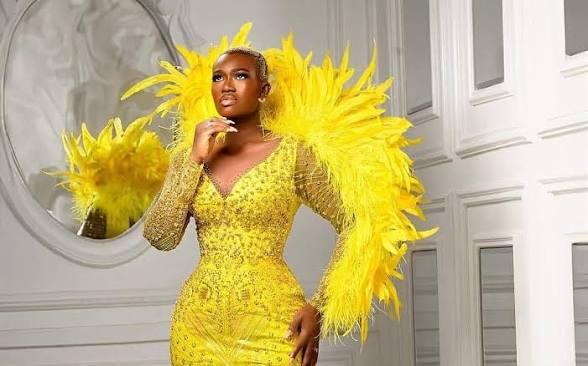
Real Warri Pikin Real Warri Pikin, whose real name is Anita Alaire Afoke Asuoha, is a Nigerian comedian, actress, and motivational speaker known for her energetic comedy style and inspiring life story. She has become one of the most popular female comedians in Nigeria through her performances on stage, social media, and television. Early Life and Background Real Warri Pikin was...
A catastrophic flood has devastated Mokwa Local Government Area in Niger State, claiming at least 153 lives and displacing over 3,000 residents, according to emergency officials. In response to the tragedy, former Labour Party presidential candidate Peter Obi visited the affected communities on Monday, June 2, 2025, to offer his condolences and pledge support for recovery efforts....
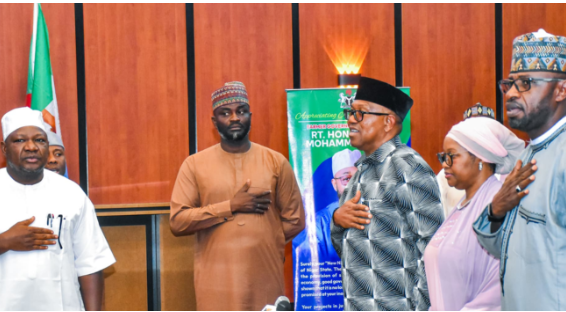
Resident doctors at Barau Dikko Teaching Hospital in Kaduna have officially suspended their six-day warning strike. The announcement was made by Dr. Josiah Yakubu, President of the hospital’s chapter of the National Association of Resident Doctors (NARD), during an interview with the News Agency of Nigeria on Monday. According to Dr. Yakubu, the decision to suspend the strike followed an...

Chibuzo Nnanna The first time anyone saw him again, they did not recognize him, not because his face had changed beyond memory but because time had carried him so far from the boy they once knew that even the wind hesitated to call his name, and yet he walked slowly into the village as though every step was a prayer, his feet touching the earth like a man asking forgiveness from the...