About
About
Old Nigerian Markets vs Modern Shopping Malls
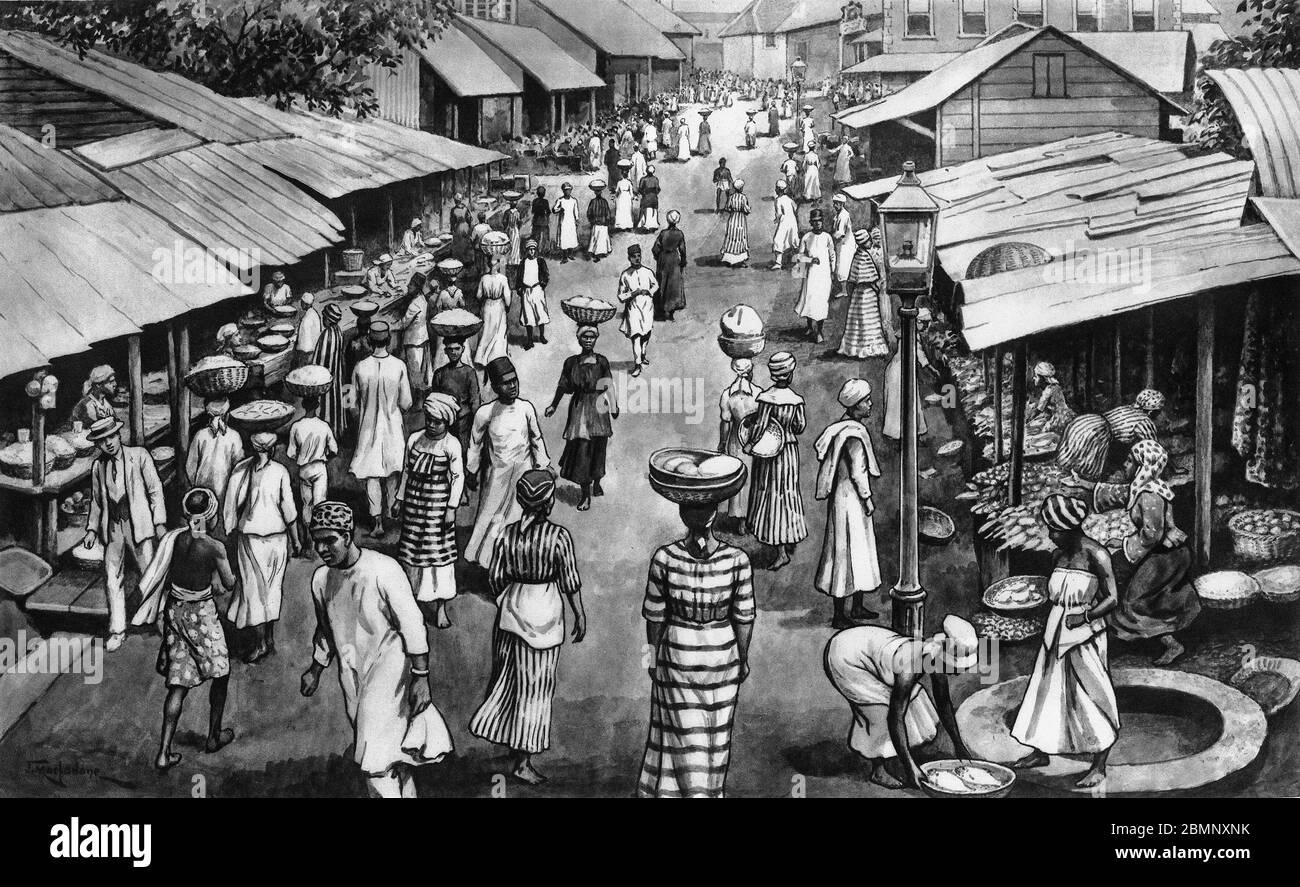
Long before glass buildings, air conditioners, and escalators, shopping in Nigeria meant one thing — the market square.
The market was not just a place to buy food or clothes. It was the heartbeat of the community.
The Old Nigerian Markets In the old days, markets were open spaces under the sun or shade of big trees. Traders spread their goods on mats, wooden tables, or small stalls made from bamboo and zinc.
You could hear voices everywhere.
“Come and buy fresh pepper!”
“Sweet oranges, two for one!”
“Aunty, I will dash you extra!”
Prices were not fixed. Bargaining was part of the culture. Buyers and sellers laughed, argued playfully, and negotiated until both were happy.
Everything felt alive.
Women carried baskets on their heads. Farmers arrived at dawn with fresh vegetables. Butchers displayed meat. Fishermen brought their catch straight from the river. Blacksmiths, cloth sellers, spice traders — everyone had a place.
But markets were more than business.
They were social centres.
People came to:
- meet friends
- share news
- settle disputes
- hear village gossip
- celebrate festivals
If you wanted to know what was happening in town, you simply went to the market.
Famous markets like Onitsha Main Market, Balogun Market, Kano Kurmi Market, and Oja-Oba in Ibadan became symbols of trade and culture.
The Rise of Modern Shopping Malls
Today, things look very different.
Modern shopping malls stand tall with shining glass doors, tiled floors, and bright lights. Inside, everything is neat and organized.
Instead of open stalls, there are:
- supermarkets
- fashion stores
- restaurants
- cinemas
- electronics shops
Prices are fixed. No bargaining. What you see is what you pay.
Air conditioners keep the place cool. Music plays softly in the background. Security guards watch the entrance. Payments are made with cards or transfers instead of cash.
Places like Shoprite, Ikeja City Mall, Jabi Lake Mall, and Novare malls have changed how many Nigerians shop.
Shopping has become faster, quieter, and more private.
The Difference in Experience
The difference between both worlds is clear.
Old markets are noisy, lively, and full of human connection.
Modern malls are calm, clean, and comfortable.
In the market, you talk to people.
In the mall, you mostly walk alone.
In the market, you bargain.
In the mall, you scan and pay.
One feels traditional and communal.
The other feels modern and convenient.
Which Is Better?
Neither is truly better — they simply serve different generations.
Old markets keep culture alive.
Modern malls bring comfort and technology.
Even today, many Nigerians still prefer the market for fresh food and cheaper prices, while malls are chosen for convenience and leisure.
Both tell the story of Nigeria’s journey — from tradition to modernization.
And somehow, they both belong.
Categorii
Citeste mai mult
Saidi Balogun Saidi Balogun is one of the most respected figures in Nollywood, particularly in the Yoruba movie industry. Known for his versatility as an actor, producer, and director, he has built a career that spans decades and continues to influence new generations of filmmakers in Nigeria. Born on February 5, 1967, in Enugu State, Nigeria, Saidi Balogun hails originally from Oyo State in...

Kathryn Bernardo Kathryn Bernardo is a Filipino actress, model, and entrepreneur widely regarded as one of the most successful and influential actresses in the Philippines. Born Kathryn Chandria Manuel Bernardo on March 26, 1996, in Cabanatuan City, Nueva Ecija, Philippines, she rose to fame through television dramas and blockbuster films. Early Life and Background Kathryn Bernardo was born...

Annabella had always trusted adults. That was what she’d been taught. So when Mr. Samson offered extra lessons, praised her intelligence, and told her she had a rare future, she believed him. At first, it felt harmless encouragement after class, longer explanations, promises that she could be anything. Then the praise changed. “You’re special,” he’d say....
The Kaduna State Government, led by Governor Uba Sani, has reportedly directed security agencies to prevent journalists without official clearance from entering villages abandoned after bandit attacks. The move is believed to be a response to reporting by journalist Luka Binniyat, whose videos and articles contradicted the government’s narrative that its peace deal with bandits had...

Israel's ongoing military campaign against Iran's nuclear infrastructure has sparked discussions about whether the United States might deploy its most powerful bunker-busting weapons to target heavily fortified Iranian facilities, particularly as President Donald Trump weighs intervention options. Israeli officials maintain that Iran approaches nuclear weapons capability, with enriched uranium...