Sobre
Sobre
Queen Without a Crown
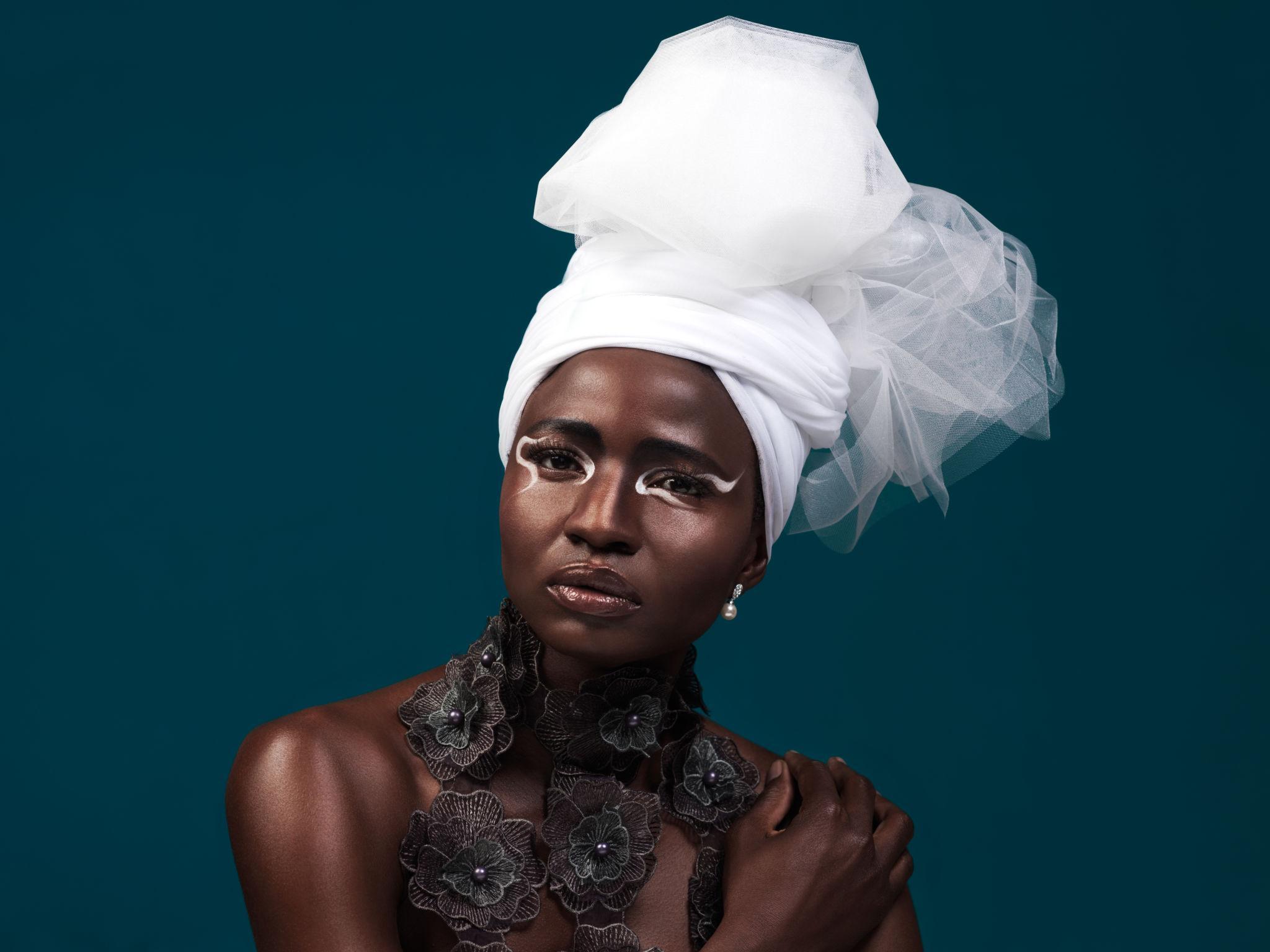
Aderíyọ̀ was born into royalty, but more than that, she was born to lead.
From a young age, she showed a sharp mind and steady authority. She understood the customs of the kingdom, the meaning of its laws, and the weight of its history. When her father, the king, grew weak with illness, many in the palace quietly believed she was the right heir.
But tradition refused to bend.
“The throne cannot be ruled by a woman,” the council declared.
And so, a distant male relative—unprepared and arrogant—was crowned instead.
On the night the drums announced the new king, Aderíyọ̀ left the palace in silence.
Exile became her teacher.
Away from her homeland, she learned how real power is built. She traded, negotiated, and formed alliances. She studied leadership, strategy, and the spiritual laws that guided nations. People trusted her judgment. Warriors respected her discipline. Over time, she built influence that no crown could give.
Her name spread across regions—not as a princess, but as a leader.
Back home, the kingdom suffered. The new king ruled through fear and poor decisions. The land grew restless. Taxes increased. The people whispered the name of the woman they had rejected.
Aderíyọ̀ heard those whispers.
She returned when the time was right.
Not with violence, but with truth and support. The people stood with her. The elders could no longer deny what was clear. Even the chief priest spoke:
“The ancestors did not reject her. We did.”
The false king was removed without bloodshed.
Aderíyọ̀ was crowned at dawn.
Not because she was female.
Not simply because she was royal blood.
But because she had proven herself worthy.
From that day, the kingdom changed. Tradition learned to grow, and daughters were no longer told to step aside—they were taught how to lead.

Categorias
Leia mais
I was twenty-one when I knew him He came into the small restaurant where I worked, the kind of place where the smell of fried rice and pepper soup clung to your clothes long after your shift ended. He was calm, well-dressed, and carried himself with a quiet confidence that made people listen when he spoke. That first day, I attended to him with the politeness my mother drilled into me soft...

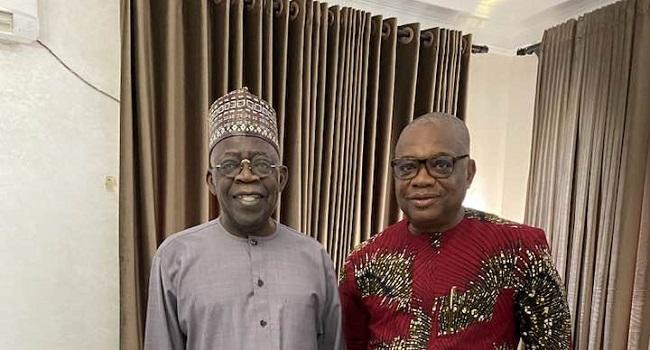
Senator Orji Uzor Kalu, representing Abia North, has called on President Bola Tinubu to dismiss some ministers and security chiefs, citing their poor performance and lack of tangible contributions to national progress. Speaking on Politics Today, a Channels Television programme aired Monday, the former Abia State governor said the President must make “bold and courageous” decisions...
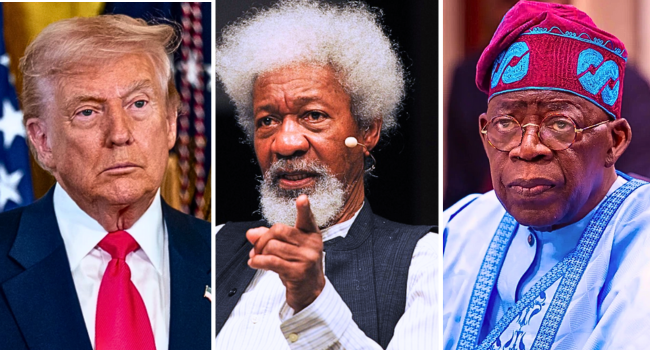
Nobel laureate Wole Soyinka has criticised U.S. President Donald Trump for threatening military intervention in Nigeria, describing Trump’s comments as simplistic and based on a “pre-set mindset.” Speaking in Makurdi after meeting Governor Hyacinth Alia, Soyinka warned that Nigeria’s security challenges cannot be addressed with “guns blazing,” and urged...
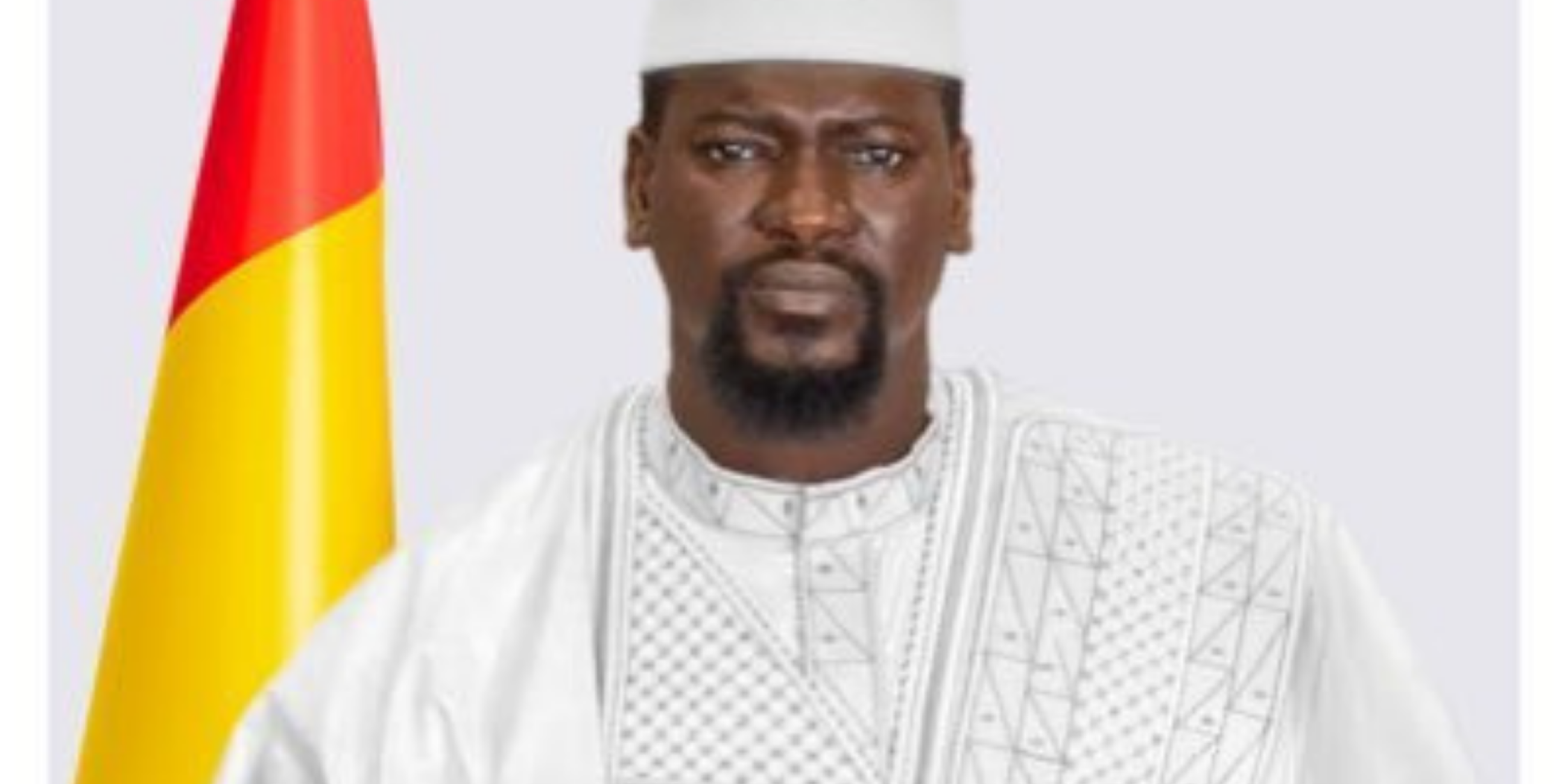
Guinea’s former coup leader, Mamady Doumbouya, has been declared the winner of the country’s presidential election, according to provisional results released on Tuesday. The results show Doumbouya secured 86.72% of votes cast in the December 28 election, giving him an outright majority and eliminating the need for a runoff. Turnout was officially put at 80.95%, though participation...
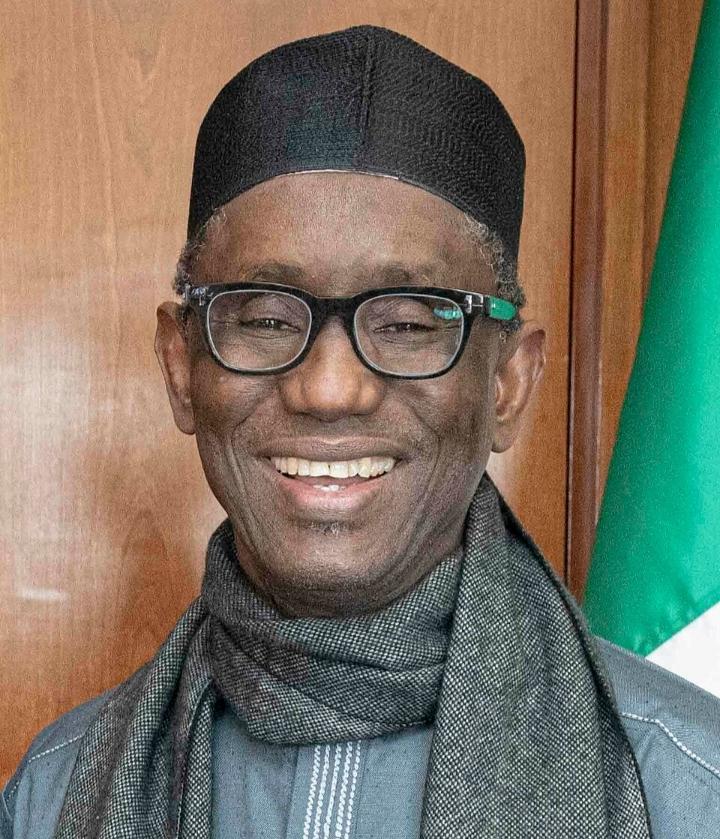
Nuhu Ribadu In a quiet part of Yola, Adamawa State, a boy was born on November 21, 1960. He grew up in Northern Nigeria at a time when the country was still shaping its post civil war identity. Discipline, faith, and education were central pillars of his upbringing. That boy would one day become one of Nigeria’s most recognized anti corruption figures, feared by the powerful and...