About
About
$9m Lobby Scandal: Tinubu Govt Blamed ‘Screwdriver Trader’ for US Airstrikes, National Embarrassment Nnamdi Kanu’s Lawyer
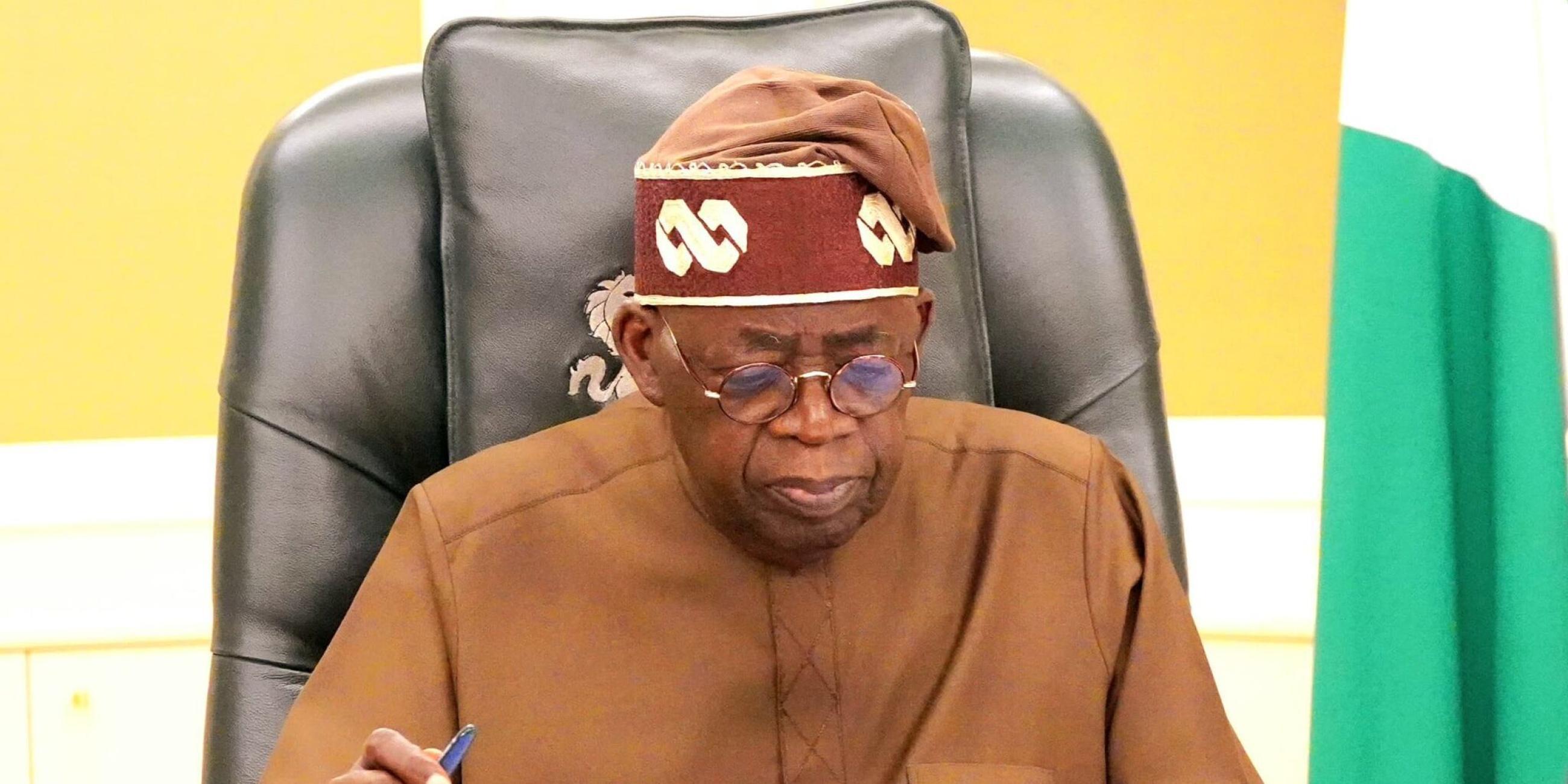
Human rights lawyer and lead counsel to IPOB leader, Nnamdi Kanu, Barrister Aloy Ejimakor, has strongly criticised the Federal Government over what he described as a shameful and contradictory narrative surrounding the recent United States military airstrikes in Sokoto State.
Ejimakor was reacting to reports traced to The New York Times, which suggested that the Nigerian government had reversed its earlier claim of providing intelligence for the December 2025 US airstrike. Instead, the government allegedly shifted responsibility to a private individual—an Onitsha-based “screwdriver salesman” and Catholic activist, Emeka Umeagbalasi, founder of the International Society for Civil Liberties and the Rule of Law (Intersociety).
This reversal, according to Ejimakor, directly contradicts the Nigerian government’s earlier public position, where it openly took credit for supplying actionable intelligence and collaborating with the United States on the military operation in Sokoto.
In a post on his X (formerly Twitter) handle, Ejimakor condemned the inconsistency, accusing the Tinubu-led government of engaging foreign lobbyists—reportedly paid $9 million—to rewrite the narrative and deflect responsibility.
“Previously, the Nigerian government claimed the credit for providing the intelligence for the US airstrike in Sokoto,” Ejimakor wrote. “Now, the same government, through its $9m lobbyists, has contradicted itself by shifting the credit to a ‘screwdriver trader’. This is a national embarrassment.”
The comments have further intensified public debate over the controversial airstrike, which has remained under scrutiny both locally and internationally. While Nigerian authorities initially maintained that local security agencies played a decisive role in identifying the target, recent media narratives now suggest that reports and research circulated by a civilian activist may have influenced the US military action.
Ejimakor argued that the shifting explanations damage Nigeria’s credibility, raise questions about transparency and sovereignty, and expose the growing role of expensive foreign lobbyists in managing the country’s international image.
As the controversy continues to spread, the incident has reignited broader discussions about Nigeria’s security cooperation with the United States and the integrity of official communication on sensitive national security matters.

Categorii
Citeste mai mult
A recent high-risk counter-terror operation has ended in tragedy, as 13 operatives were confirmed dead, contrary to earlier inflated reports. According to insights gathered by Zagazola Makama, security experts are raising red flags over the lack of real-time intelligence sharing, poor inter-agency collaboration, and absence of critical air support. The operation, spearheaded by the Department...
The Nigerian Army has confirmed the death of four soldiers following an insurgent attack on the Military Super Camp at Ngamdu along the Damaturu–Maiduguri highway in Borno State. In a statement released by Lieutenant Colonel Sani Uba, Media Information Officer of the Joint Task Force North East Operation HADIN KAI, the army said troops successfully repelled the attack despite heavy...
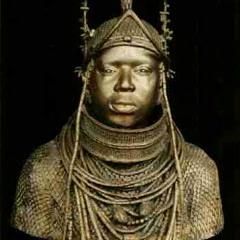
Oba Ewuakpe Oba Ewuakpe Oba Ewuakpe was one of the most remarkable kings in the history of the Benin Kingdom. His story is one of struggle, exile, love, and eventual victory. He is remembered as the king who restored unity and strength to Benin after a period of chaos. Early Life and Background Oba Ewuakpe was born into the royal family of the ancient Benin Kingdom, located in...
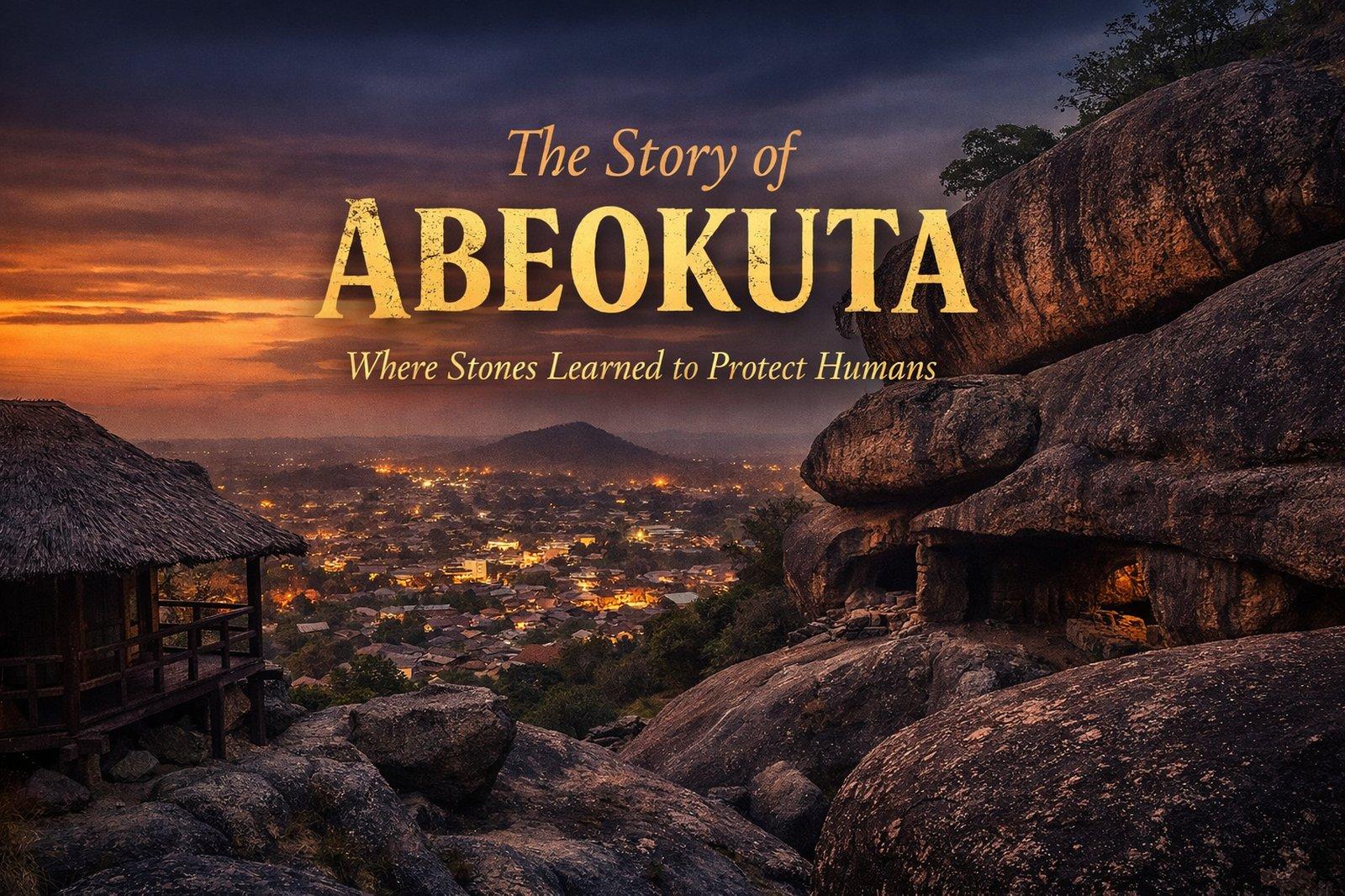
Before the city had a name, there was fear. Villages burned easily in those days. People slept with one ear open, listening for the sound of war drums, the scream of metal against metal, the rush of feet in the dark. Children learned how to run before they learned how to laugh. The Egba people were always moving. They moved when kingdoms fell.They moved when raiders came.They moved when...
Corbin Bleu Corbin Bleu is an American actor, singer, dancer, and performer best known for his role as Chad Danforth in the High School Musical film series. He is also recognized for his strong dance skills and successful career on Broadway. His full name is Corbin Bleu Reivers, and he was born on February 21, 1989, in Brooklyn, New York, United States. Early Life and Background Corbin...