About
About
How China’s ‘Go Out’ Policy Intensified Ghana’s Galamsey Crisis and Cost the Country Billions
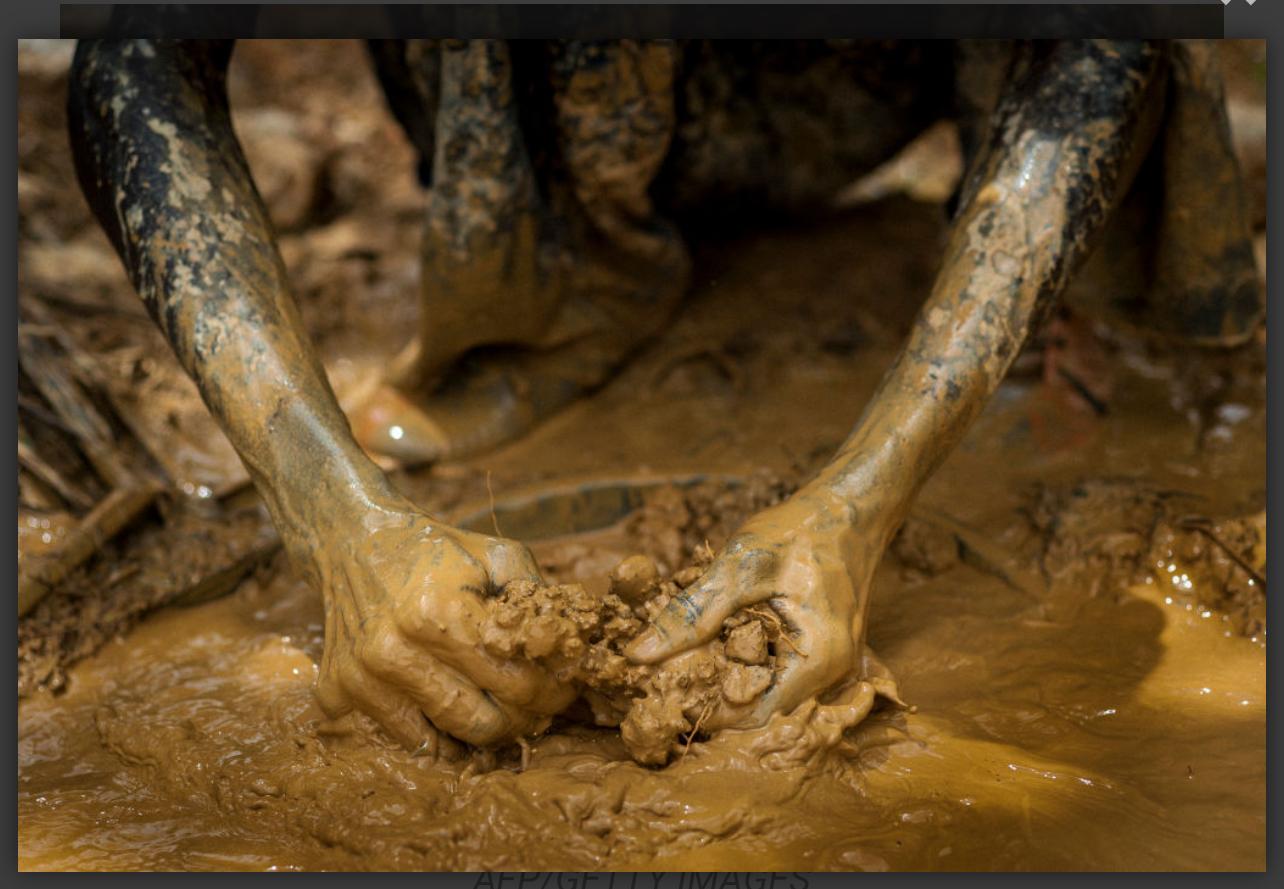
Decades after China launched its “Go Out” policy, its ripple effects are now fueling Ghana’s escalating galamsey (illegal mining) crisis, costing the country billions of dollars each year.
Despite a nationwide crackdown, galamsey continues across rural communities due to economic hardship, lack of jobs, weak enforcement, and an influx of foreign miners, especially from China. Analysts say Chinese miners exploited regulatory loopholes and brought in heavy machinery that transformed small-scale mining into destructive mechanized operations.
According to researcher Nathaniel Ocquaye of the London School of Economics, Chinese involvement “irreversibly transformed” Ghana’s artisanal sector. Bulldozers and excavators cleared forests in days, and cocoa farms disappeared “like mist” wherever the miners operated.
The use of mercury and cyanide has contaminated major rivers, causing illnesses, birth defects, reduced fish populations, and worsening Ghana’s water crisis. Fishermen like Benjamin Yankey, who once relied on the Ankobra River, say the pollution has wiped out previously abundant fish species.
In towns such as Elmina, residents like 72-year-old Jennifer Dazi spend hours waiting for water that may only flow before dawn. Many now rely entirely on sachet water, despite widespread poverty. UNICEF data shows that 22% of rural Ghanaians lack safe water, with some regions exceeding 40%.
Although Ghana deported 4,500 Chinese miners in 2013, their equipment remained and continues to be replicated locally. Dredging machines known as changfa, along with bulldozers and excavators, still enter the country, prompting the Ghana National Association of Small-Scale Miners to demand a ban.
Some Chinese miners have used illegal profits to open supermarkets, casinos, construction firms, and other businesses that form networks involved in gold smuggling and recruitment. Their operations thrive through corrupt Ghanaian officials, chiefs selling land, and locals who obtain mining licenses on their behalf.
Recent months have seen intensified government actions, including new multi-agency task forces, deployment of “Blue Water Guards” to rivers, and proposals for drones and digital monitoring to track illegal operations.
Ocquaye argues that Ghana must strictly regulate all Chinese-owned businesses, and calls for structured Ghana–China cooperation to address the crisis. He recommends civic education in mining communities to promote lawful mining practices and environmental protection.
Kategoriler
Read More
**Daniel’s POV** I cleaned my apartment three times before she arrived. Not because it was dirty but because my hands needed something to do to calm the storm inside my chest. I changed the cushion covers, rearranged the books on the small shelf, even sprayed air freshener twice, then opened the windows again because I didn’t want it to smell *too prepared*. When my phone...

President Bola Tinubu has urged African nations to take control of their mineral resources and strengthen their role in global supply chains, warning that sovereignty cannot be safeguarded without financial and industrial independence. Speaking through Vice President Kashim Shettima at the Second Africa Minerals Strategy Group (AMSG) High-Level Roundtable on Critical Minerals Development in...

She Didn’t Wait Zainab noticed it first. The silence. Not the peaceful kind… but the quiet distance that slowly grows between two people. Yusuf was still there. Still kind. Still present. But something was missing. He stopped saying the little things. Stopped checking in the way he used to. Not because he didn’t care but because life had taken over Work. Stress....

Purity Gakuo In many parts of Africa, the distance between opportunity and survival can be measured in hours. For thousands of fish traders and fishermen across lakes and coastal communities, the race against time begins the moment a fish leaves the water. Without reliable refrigeration, fish spoil quickly under the African sun. What should have been income becomes waste. What...

The National Secretary of the All Progressives Congress (APC), Senator Ajibola Basiru, has withdrawn from the 2026 governorship race in Osun State.He announced his decision on Saturday in Osogbo during the inauguration of Alubarika House, the headquarters of his political movement. Basiru explained that the demands of his current office and consultations with party leaders—including...