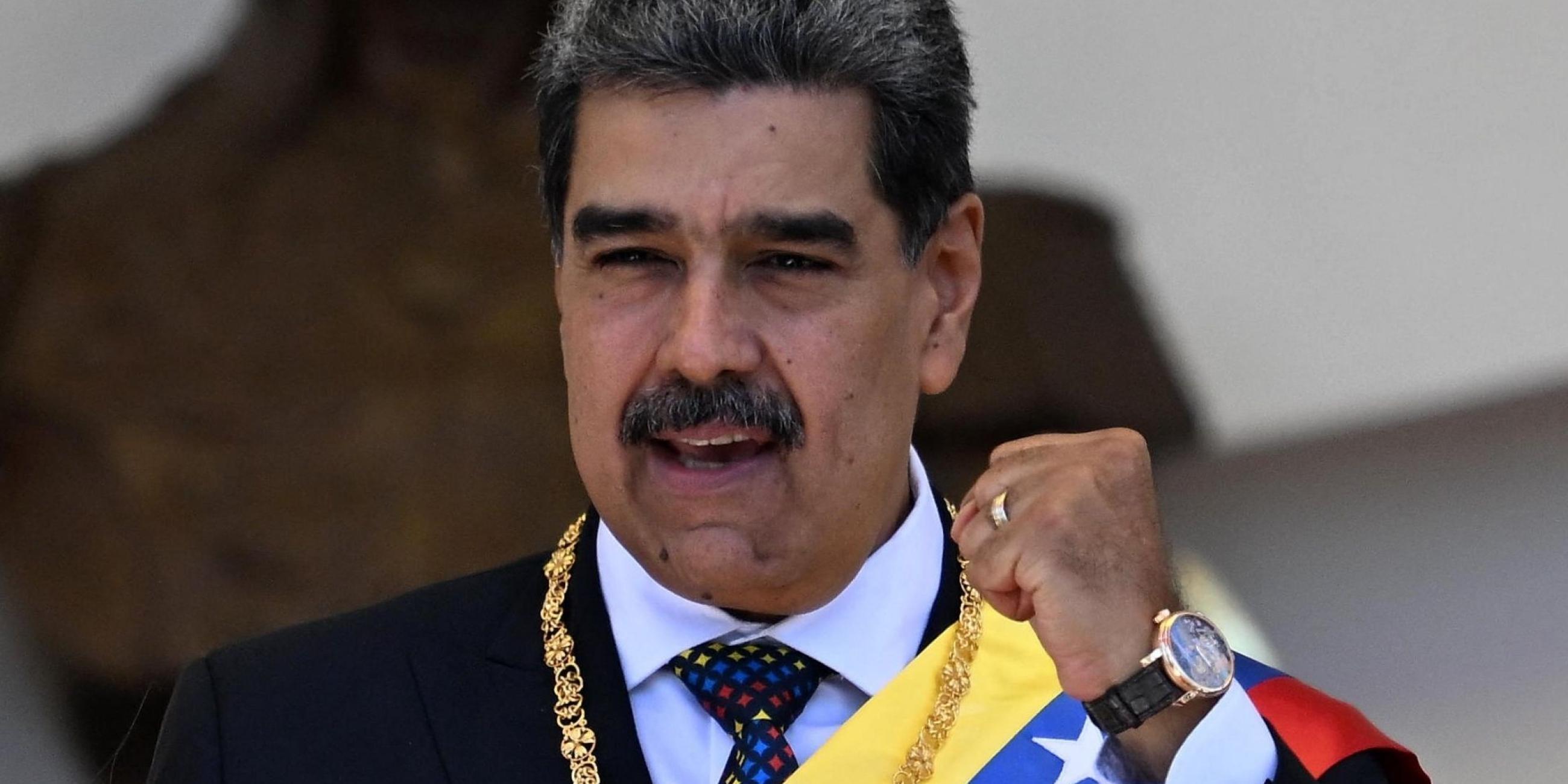
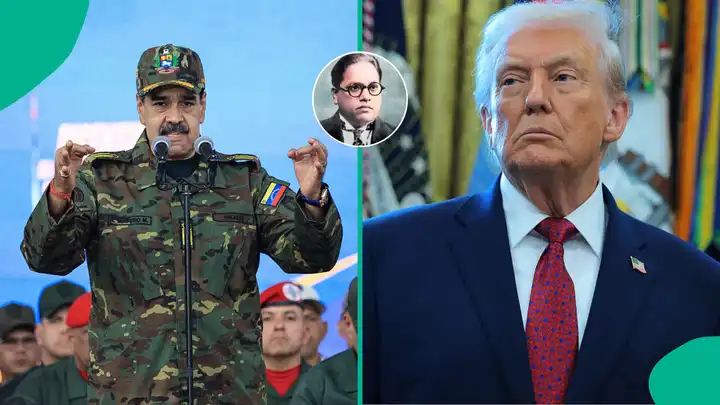
• Young Nigerians Launch Bango, Africa’s First Tech-Driven Price Intelligence Platform…….


    Two young Nigerian innovators, Ademuyiwa Adebola and Caleb Adenegan, have founded Bango Nigeria, Africa’s first technology-powered price intelligence platform aimed at tackling arbitrary pricing. The platform is designed to provide transparent, real-time pricing information across markets, helping consumers and businesses make informed decisions. By promoting fairness and accountability, the founders say Bango will address price manipulation, boost consumer confidence, and support a more stable and competitive Nigerian economy.
    Young Nigerians Launch Bango, Africa’s First Tech-Driven Price Intelligence Platform……. Two young Nigerian innovators, Ademuyiwa Adebola and Caleb Adenegan, have founded Bango Nigeria, Africa’s first technology-powered price intelligence platform aimed at tackling arbitrary pricing. The platform is designed to provide transparent, real-time pricing information across markets, helping consumers and businesses make informed decisions. By promoting fairness and accountability, the founders say Bango will address price manipulation, boost consumer confidence, and support a more stable and competitive Nigerian economy.
    love
    2
    · 0 Comentários ·0 Compartilhamentos ·588 Visualizações
  • NNPC Sets New Petrol Prices; Lagos Remains Cheapest State….

    New petrol prices have been announced, with Nigerian National Petroleum Company (NNPC) filling stations set to sell to the public at government-approved rates. The adjustment follows recent market changes, aiming to regularize pump prices nationwide and ease fuel scarcity concerns. Petrol marketers and consumers are watching closely as retailers comply with the updated tariff. Lagos has been confirmed as the cheapest state to purchase petrol, offering lower pump prices compared to other regions, providing some relief for motorists and commuters.
    #fintternews
    NNPC Sets New Petrol Prices; Lagos Remains Cheapest State…. New petrol prices have been announced, with Nigerian National Petroleum Company (NNPC) filling stations set to sell to the public at government-approved rates. The adjustment follows recent market changes, aiming to regularize pump prices nationwide and ease fuel scarcity concerns. Petrol marketers and consumers are watching closely as retailers comply with the updated tariff. Lagos has been confirmed as the cheapest state to purchase petrol, offering lower pump prices compared to other regions, providing some relief for motorists and commuters. #fintternews
    love
    1
    · 0 Comentários ·0 Compartilhamentos ·480 Visualizações
  • Tinubu Hails Abubakar Kyari on Birthday, Praises Food Reforms

    President Bola Tinubu has congratulated Agriculture and Food Security Minister, Senator Abubakar Kyari, on his birthday, praising his leadership and reforms in Nigeria’s agriculture sector. Tinubu described Kyari as a seasoned statesman with years of service in the House of Representatives, Senate and APC leadership. He commended his push for mechanisation, stronger value chains and youth participation in farming. According to the president, these efforts have helped stabilise food prices, curb inflation and make agriculture more profitable. Tinubu prayed for Kyari’s strength to achieve food sufficiency.

    #Tinubu #AbubakarKyari #FoodSecurity
    Tinubu Hails Abubakar Kyari on Birthday, Praises Food Reforms President Bola Tinubu has congratulated Agriculture and Food Security Minister, Senator Abubakar Kyari, on his birthday, praising his leadership and reforms in Nigeria’s agriculture sector. Tinubu described Kyari as a seasoned statesman with years of service in the House of Representatives, Senate and APC leadership. He commended his push for mechanisation, stronger value chains and youth participation in farming. According to the president, these efforts have helped stabilise food prices, curb inflation and make agriculture more profitable. Tinubu prayed for Kyari’s strength to achieve food sufficiency. #Tinubu #AbubakarKyari #FoodSecurity
    0 Comentários ·0 Compartilhamentos ·508 Visualizações
  • Wahala Don Dey Oo! SERAP Drag INEC to Court Over ₦55.9B “Vanished” for 2019 Elections

    Bros and sis, na serious gbege don show face! SERAP don sue INEC because ₦55.9 billion wey suppose buy smart card readers, ballot papers, and other election wahala materials for 2019 don disappear.

    Na the Federal High Court, Abuja, dem carry matter go last Friday (FHC/ABJ/CS/38/2026). SERAP dey yan say:

    Make INEC show us how dem spend the ₦55.9B

    Make dem drop contractor names, directors, and shareholders


    The Auditor-General don yan tori wey go make you open mouth:

    ₦5.3B for smart card readers—paid but no proof say dem deliver am

    ₦4.5B for ballot papers—no documentation

    ₦41B printing election papers—contractor eligibility? Zero

    ₦297M for 4 Land Cruisers—market price? Maximum N50M each. Who dey approve this?


    SERAP dey yan say: “If INEC no clean their hands, how dem go run free and fair election again? Na wah oo! Nigerians need answer sharp sharp!”

    Court no don fix date yet, but wahala don really dey oo, people dey vex, and social media go soon scatter


    Wahala Don Dey Oo! SERAP Drag INEC to Court Over ₦55.9B “Vanished” for 2019 Elections 😳💸 Bros and sis, na serious gbege don show face! SERAP don sue INEC because ₦55.9 billion wey suppose buy smart card readers, ballot papers, and other election wahala materials for 2019 don disappear. Na the Federal High Court, Abuja, dem carry matter go last Friday (FHC/ABJ/CS/38/2026). SERAP dey yan say: Make INEC show us how dem spend the ₦55.9B Make dem drop contractor names, directors, and shareholders The Auditor-General don yan tori wey go make you open mouth: ₦5.3B for smart card readers—paid but no proof say dem deliver am 😱 ₦4.5B for ballot papers—no documentation ₦41B printing election papers—contractor eligibility? Zero ₦297M for 4 Land Cruisers—market price? Maximum N50M each. Who dey approve this? 🤯 SERAP dey yan say: “If INEC no clean their hands, how dem go run free and fair election again? Na wah oo! Nigerians need answer sharp sharp!” Court no don fix date yet, but wahala don really dey oo, people dey vex, and social media go soon scatter 🔥💥
    0 Comentários ·0 Compartilhamentos ·664 Visualizações
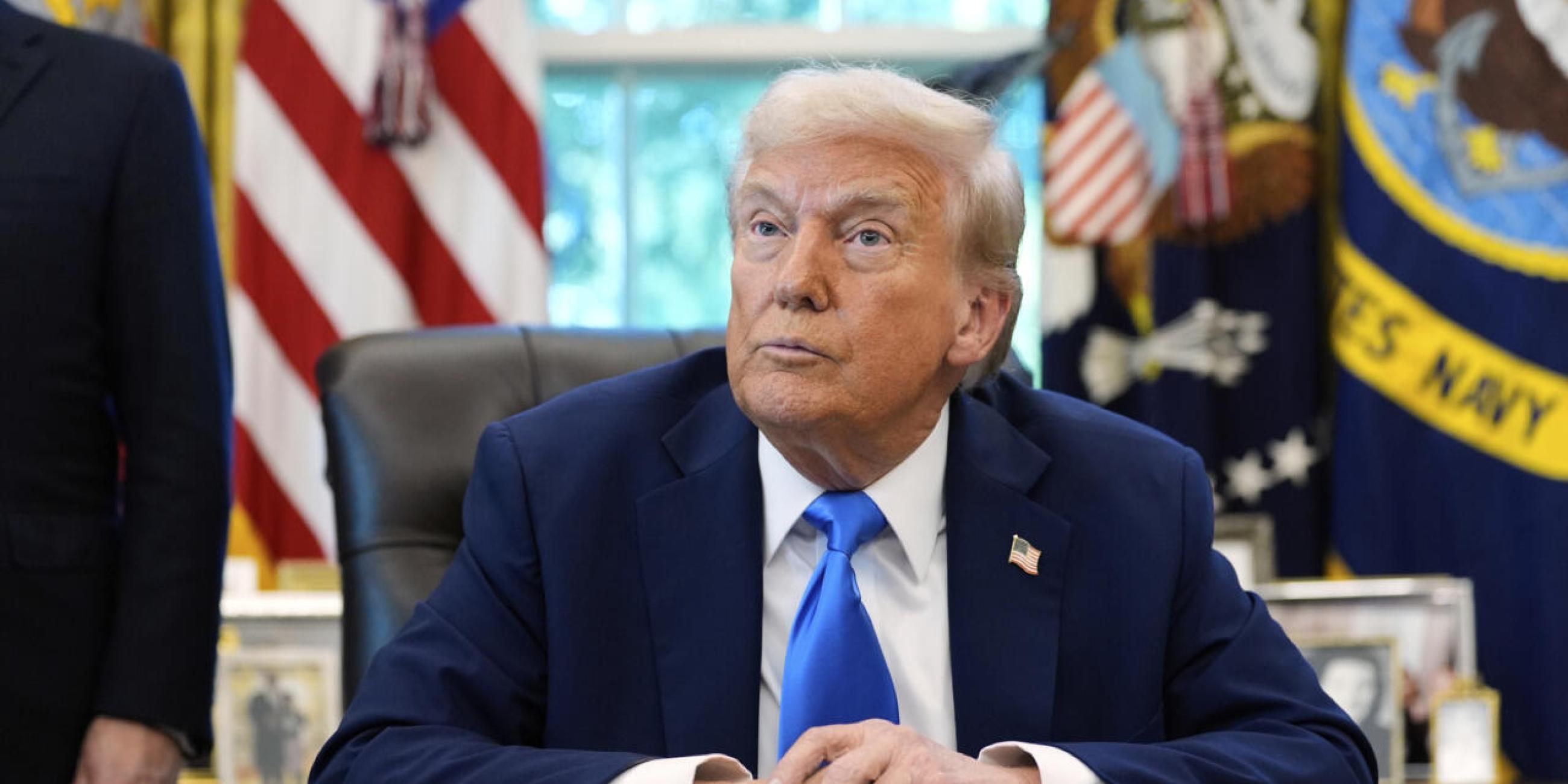
  • Trump Declares Emergency to Lock Down Venezuela’s Oil Funds in U.S. Treasury

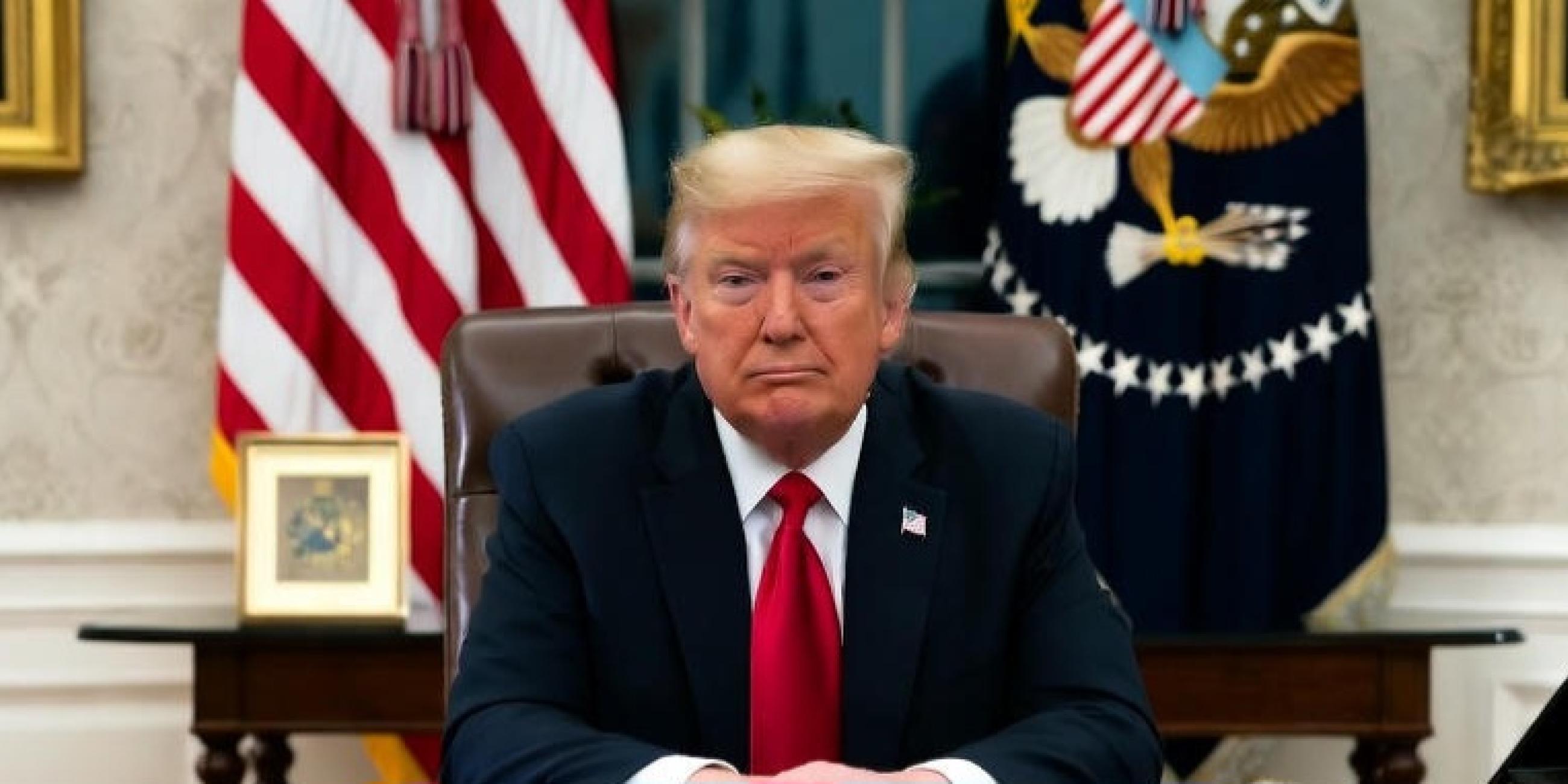
    President Donald Trump has signed an executive order declaring a national emergency to block courts, creditors, and private parties from seizing Venezuelan oil revenue held in U.S. Treasury accounts.

    The White House said the funds—classified as Foreign Government Deposit Funds—are now fully protected from attachment, judgment, liens, or any form of legal action. The order also bans any transfer or use of the money unless explicitly authorised by the U.S. government.

    According to the administration, allowing the funds to be accessed would undermine U.S. foreign policy goals, weaken efforts to stabilise Venezuela, and threaten regional security. Officials linked the decision to concerns over illegal immigration, drug trafficking, and the influence of hostile foreign actors.

    The White House warned that losing control of the oil revenues could strengthen groups such as Iran and Hezbollah while crippling initiatives aimed at restoring political and economic stability in Venezuela and across the Western Hemisphere.

    The move forms part of Trump’s hardline “America First” approach to Venezuela. His administration has designated several criminal groups as terrorist organisations, imposed strict measures on oil shipments, and authorised aggressive action against narcotics networks operating in the region.

    Earlier on the same day, Trump met with top oil executives, revealing plans for large-scale U.S. investment in Venezuela’s energy sector. He said the deals could involve “hundreds of billions of dollars,” boost oil production, and drive prices down globally.

    The White House described the executive order as a strategic step to safeguard U.S. national security interests while maintaining control over Venezuela’s most critical financial asset.


    Trump Declares Emergency to Lock Down Venezuela’s Oil Funds in U.S. Treasury President Donald Trump has signed an executive order declaring a national emergency to block courts, creditors, and private parties from seizing Venezuelan oil revenue held in U.S. Treasury accounts. The White House said the funds—classified as Foreign Government Deposit Funds—are now fully protected from attachment, judgment, liens, or any form of legal action. The order also bans any transfer or use of the money unless explicitly authorised by the U.S. government. According to the administration, allowing the funds to be accessed would undermine U.S. foreign policy goals, weaken efforts to stabilise Venezuela, and threaten regional security. Officials linked the decision to concerns over illegal immigration, drug trafficking, and the influence of hostile foreign actors. The White House warned that losing control of the oil revenues could strengthen groups such as Iran and Hezbollah while crippling initiatives aimed at restoring political and economic stability in Venezuela and across the Western Hemisphere. The move forms part of Trump’s hardline “America First” approach to Venezuela. His administration has designated several criminal groups as terrorist organisations, imposed strict measures on oil shipments, and authorised aggressive action against narcotics networks operating in the region. Earlier on the same day, Trump met with top oil executives, revealing plans for large-scale U.S. investment in Venezuela’s energy sector. He said the deals could involve “hundreds of billions of dollars,” boost oil production, and drive prices down globally. The White House described the executive order as a strategic step to safeguard U.S. national security interests while maintaining control over Venezuela’s most critical financial asset.
    0 Comentários ·0 Compartilhamentos ·823 Visualizações
  • Can Anyone Really Push Wike Out of Rivers Politics? FCT Minister Boasts of Unshakable Control, Defies Rivals, and Says Only His Camp Truly Delivered Tinubu’s 2023 Victory

    Is Nyesom Wike still the most powerful political force in Rivers State, and can any group truly challenge his grip on the state’s politics? The Federal Capital Territory (FCT) Minister has answered that question with confidence, declaring that no political camp can push him or his loyalists out of Rivers State, despite threats, attacks, and growing opposition since the 2023 general elections.

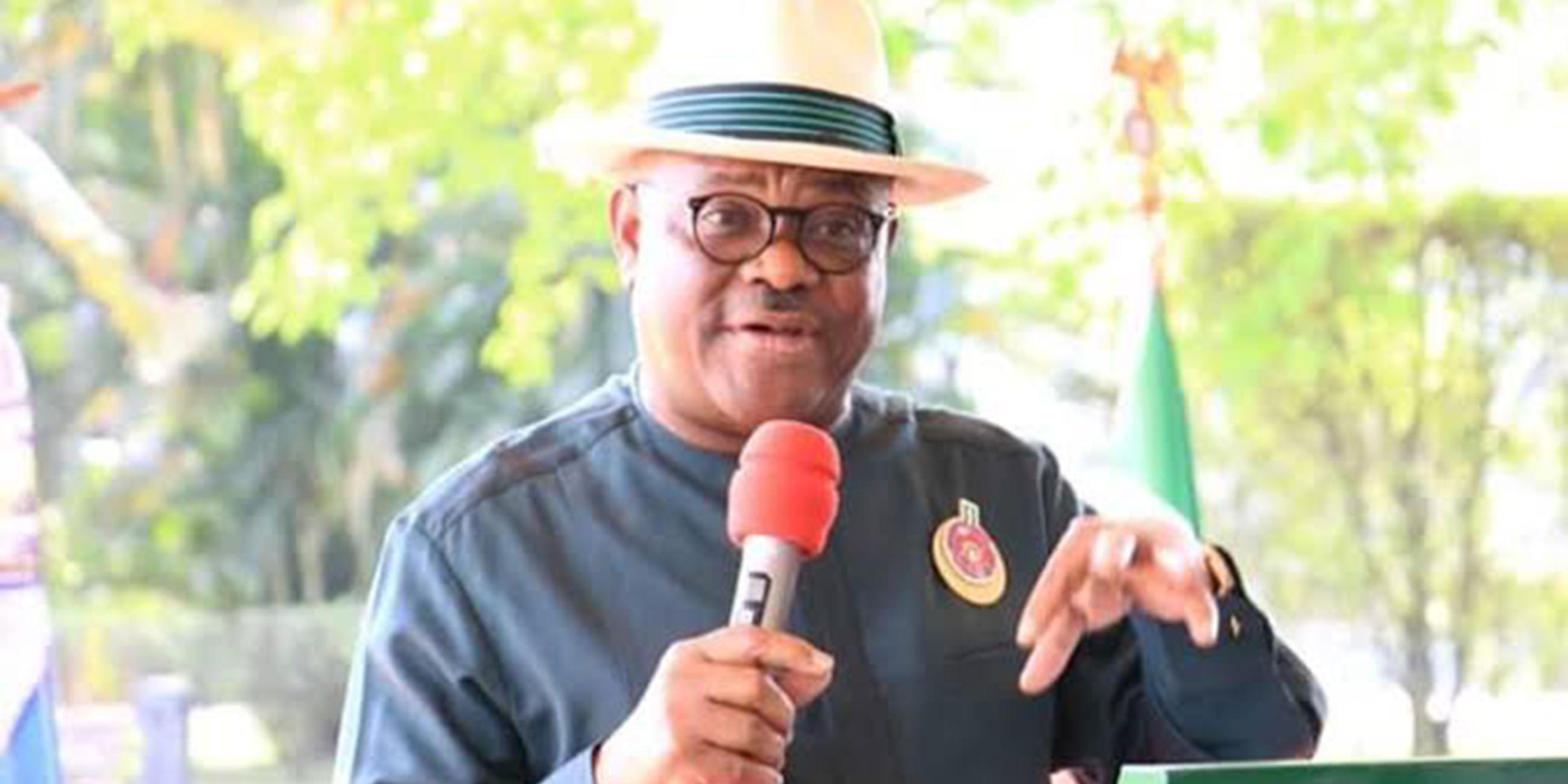
    Speaking during a visit to the Port Harcourt City Local Government Area Secretariat, where he met party leaders, traditional rulers, women, and youth groups, Wike insisted that his political structure remains intact and battle-tested. “Nobody in this state can push us out. We have led this war since 2023 and we have never reneged,” he said, adding that his supporters had stood firm in the face of intense pressure.

    The former Rivers governor explained that his ongoing tour of the state’s 23 local government areas was both a show of appreciation to his supporters and a rallying call to maintain backing for President Bola Ahmed Tinubu ahead of the 2027 elections. According to Wike, Rivers State remains one of the President’s most dependable strongholds.

    “If there is one state the President knows he can go home and sleep with his two eyes closed, it is Rivers State,” he declared, arguing that his political camp paid the price for its early and unwavering commitment to Tinubu’s Renewed Hope agenda.

    Wike also fired back at politicians he accused of opportunism, claiming that those who failed to support Tinubu in 2023 are now attempting to take over the Renewed Hope movement. He dismissed such efforts as dishonest and bound to fail. Using a vivid metaphor, he said they were like people who contributed nothing to a meal but suddenly wanted to eat first once the food was ready.

    Describing Port Harcourt as a politically complex, cosmopolitan city, Wike said electoral victories there are particularly difficult, making any success significant. He further claimed that Rivers State is unique in its ability to bring leaders of the two major political parties together to work as a team—a strategy he said was central to Tinubu’s victory.

    “This is the only state where you can see the leadership of two major political parties working as a team,” he said, urging other states to emulate Rivers rather than resent it.

    While projecting strength, Wike also called for unity, humility, and responsive leadership within the state. “Leadership is not a birthright,” he warned, adding that good leaders must listen to the people and be willing to change when advised. He concluded by praising the Port Harcourt City council leadership for its cooperation and urged sustained unity to drive development.

    His bold remarks raise key political questions: Is Wike’s dominance in Rivers truly unbreakable? Are his rivals capable of mounting a serious challenge? And will Rivers remain a decisive power base for Tinubu as the 2027 elections approach?

    Can Anyone Really Push Wike Out of Rivers Politics? FCT Minister Boasts of Unshakable Control, Defies Rivals, and Says Only His Camp Truly Delivered Tinubu’s 2023 Victory Is Nyesom Wike still the most powerful political force in Rivers State, and can any group truly challenge his grip on the state’s politics? The Federal Capital Territory (FCT) Minister has answered that question with confidence, declaring that no political camp can push him or his loyalists out of Rivers State, despite threats, attacks, and growing opposition since the 2023 general elections. Speaking during a visit to the Port Harcourt City Local Government Area Secretariat, where he met party leaders, traditional rulers, women, and youth groups, Wike insisted that his political structure remains intact and battle-tested. “Nobody in this state can push us out. We have led this war since 2023 and we have never reneged,” he said, adding that his supporters had stood firm in the face of intense pressure. The former Rivers governor explained that his ongoing tour of the state’s 23 local government areas was both a show of appreciation to his supporters and a rallying call to maintain backing for President Bola Ahmed Tinubu ahead of the 2027 elections. According to Wike, Rivers State remains one of the President’s most dependable strongholds. “If there is one state the President knows he can go home and sleep with his two eyes closed, it is Rivers State,” he declared, arguing that his political camp paid the price for its early and unwavering commitment to Tinubu’s Renewed Hope agenda. Wike also fired back at politicians he accused of opportunism, claiming that those who failed to support Tinubu in 2023 are now attempting to take over the Renewed Hope movement. He dismissed such efforts as dishonest and bound to fail. Using a vivid metaphor, he said they were like people who contributed nothing to a meal but suddenly wanted to eat first once the food was ready. Describing Port Harcourt as a politically complex, cosmopolitan city, Wike said electoral victories there are particularly difficult, making any success significant. He further claimed that Rivers State is unique in its ability to bring leaders of the two major political parties together to work as a team—a strategy he said was central to Tinubu’s victory. “This is the only state where you can see the leadership of two major political parties working as a team,” he said, urging other states to emulate Rivers rather than resent it. While projecting strength, Wike also called for unity, humility, and responsive leadership within the state. “Leadership is not a birthright,” he warned, adding that good leaders must listen to the people and be willing to change when advised. He concluded by praising the Port Harcourt City council leadership for its cooperation and urged sustained unity to drive development. His bold remarks raise key political questions: Is Wike’s dominance in Rivers truly unbreakable? Are his rivals capable of mounting a serious challenge? And will Rivers remain a decisive power base for Tinubu as the 2027 elections approach?
    0 Comentários ·0 Compartilhamentos ·1KB Visualizações
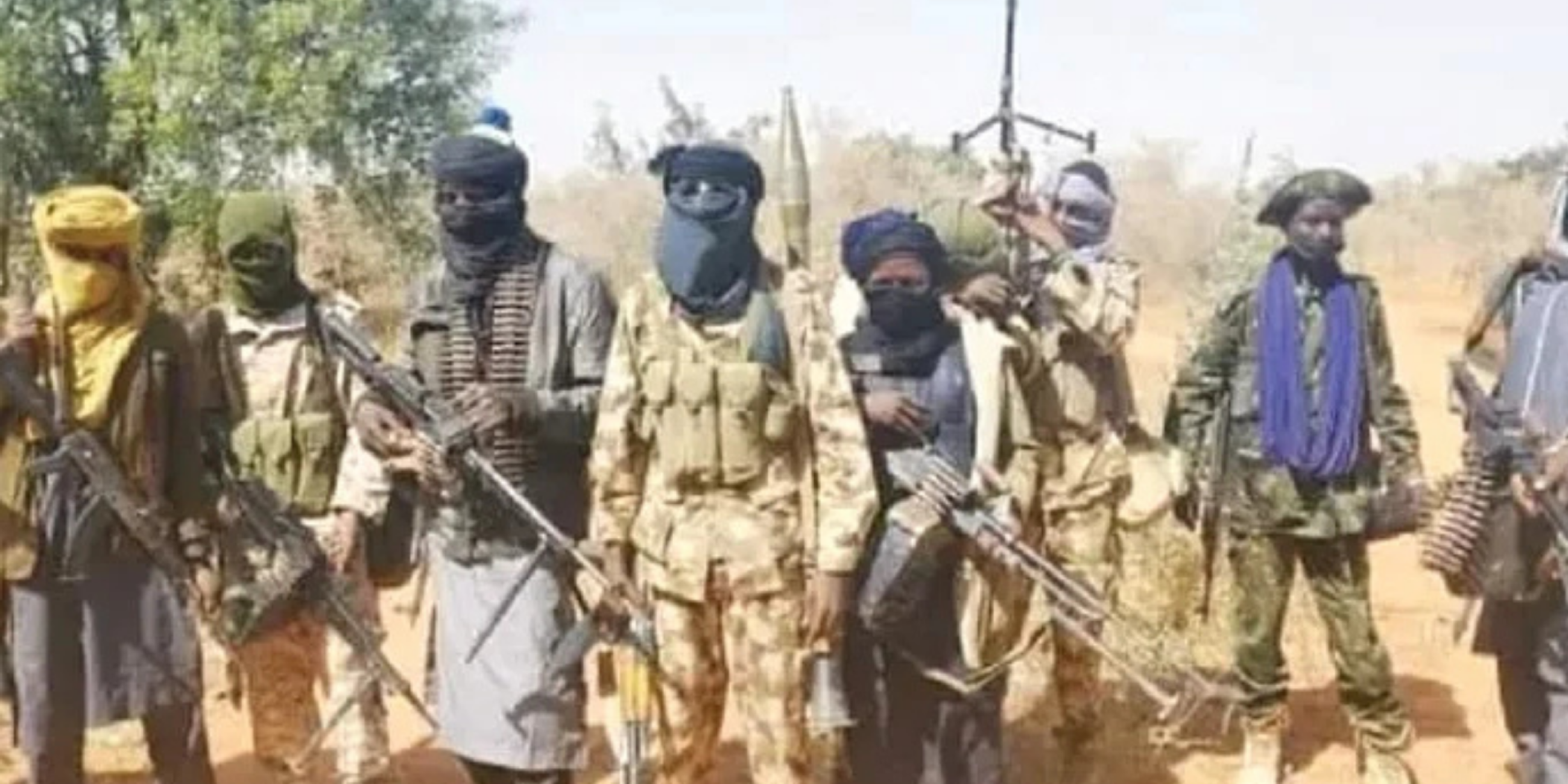
  • Bandits in Kano and Katsina Force Farmers to Pay ₦50,000 Levy, Establish Parallel ‘Government’ in Forest Communities

    Armed groups in Kano and Katsina states are reportedly imposing ₦50,000 per acre levies on farmers, primarily targeting sugarcane and maize growers, as they enforce a parallel governance system within the Rugu and Falgore Forest reserves. Farmers who refuse to comply face threats, destruction of crops, and the risk of violent attacks, forcing many to abandon their farmlands entirely.

    The affected areas are part of the Kano–Katsina food belt, a key agricultural corridor supplying major markets such as Dawanau Market in Kano. Activists warn that ongoing disruptions could lead to food shortages and rising prices across northern Nigeria, raising serious concerns about regional food security.

    Despite military and police checkpoints along key access roads, armed groups are operating within close proximity, highlighting potential gaps in security enforcement. Local residents report that the bandits are increasingly controlling daily economic activities, collecting levies, and imposing rules without resistance.

    The situation has intensified calls for urgent intervention by state and federal security agencies to dismantle these parallel structures and safeguard the livelihoods of farmers, who are essential to the nation’s agricultural stability. As of reporting, no official response has been issued by the Kano or Katsina state governments or federal security authorities.
    Bandits in Kano and Katsina Force Farmers to Pay ₦50,000 Levy, Establish Parallel ‘Government’ in Forest Communities Armed groups in Kano and Katsina states are reportedly imposing ₦50,000 per acre levies on farmers, primarily targeting sugarcane and maize growers, as they enforce a parallel governance system within the Rugu and Falgore Forest reserves. Farmers who refuse to comply face threats, destruction of crops, and the risk of violent attacks, forcing many to abandon their farmlands entirely. The affected areas are part of the Kano–Katsina food belt, a key agricultural corridor supplying major markets such as Dawanau Market in Kano. Activists warn that ongoing disruptions could lead to food shortages and rising prices across northern Nigeria, raising serious concerns about regional food security. Despite military and police checkpoints along key access roads, armed groups are operating within close proximity, highlighting potential gaps in security enforcement. Local residents report that the bandits are increasingly controlling daily economic activities, collecting levies, and imposing rules without resistance. The situation has intensified calls for urgent intervention by state and federal security agencies to dismantle these parallel structures and safeguard the livelihoods of farmers, who are essential to the nation’s agricultural stability. As of reporting, no official response has been issued by the Kano or Katsina state governments or federal security authorities.
    0 Comentários ·0 Compartilhamentos ·510 Visualizações
  • Why Are Nigerians Being Killed Abroad? Did New Year Violence in the UK and Canada Expose Growing Dangers for Nigerians in the Diaspora, as NiDCOM Mourns Two Victims?

    Are Nigerians in the diaspora becoming increasingly unsafe? The Nigerians in Diaspora Commission (NiDCOM) has expressed deep sorrow over the killing of two Nigerians in separate violent incidents in the United Kingdom and Canada in the early days of the new year, raising renewed concerns about the security of Nigerians living abroad.

    In a statement issued on behalf of the Commission’s Chairman and Chief Executive Officer, Abike Dabiri-Erewa, NiDCOM described the deaths as shocking and deeply troubling. The Commission noted that the incidents highlight growing fears over the vulnerability of Nigerians in foreign countries, even in societies often perceived as safer.

    Dabiri-Erewa extended heartfelt condolences to the families, friends, and loved ones of the victims, urging them to remain strong in the face of the tragic loss. While commending the prompt actions of the UK Metropolitan Police and the Toronto Police Service, she called for thorough, transparent, and timely investigations to ensure that those responsible are identified and brought to justice.

    According to reports, one of the victims, John Temitope Onetufo, a 23-year-old Nigerian, was fatally stabbed on New Year’s Eve in the Lewisham area of London. In a separate incident, Osemwengie Irorere, a 46-year-old Nigerian, was shot and killed at the Yorkdale GO Bus Terminal in Toronto, Canada, on Sunday, January 4. Both cases occurred within days of each other, amplifying anxiety within Nigerian communities abroad.

    NiDCOM further assured the public that it would work closely with the Nigerian High Commissions in the United Kingdom and Canada to provide all necessary support to the bereaved families, in line with the Commission’s mandate to safeguard the welfare and interests of Nigerians living outside the country.

    Beyond condolences, the tragedy has reignited a critical national conversation: Are existing diplomatic and consular protections enough to keep Nigerians abroad safe? Human rights advocates and diaspora groups argue that recurring reports of violent deaths, discrimination, and insecurity demand stronger international engagement, improved community policing partnerships, and better support systems for Nigerians facing risks overseas.

    As investigations continue, many Nigerians are asking whether these killings are isolated criminal acts—or part of a disturbing pattern affecting Africans and immigrants in Western societies. For families left behind and a diaspora already on edge, the pressing question remains: What more can be done to ensure that Nigerians seeking opportunity abroad do not pay the ultimate price?

    Why Are Nigerians Being Killed Abroad? Did New Year Violence in the UK and Canada Expose Growing Dangers for Nigerians in the Diaspora, as NiDCOM Mourns Two Victims? Are Nigerians in the diaspora becoming increasingly unsafe? The Nigerians in Diaspora Commission (NiDCOM) has expressed deep sorrow over the killing of two Nigerians in separate violent incidents in the United Kingdom and Canada in the early days of the new year, raising renewed concerns about the security of Nigerians living abroad. In a statement issued on behalf of the Commission’s Chairman and Chief Executive Officer, Abike Dabiri-Erewa, NiDCOM described the deaths as shocking and deeply troubling. The Commission noted that the incidents highlight growing fears over the vulnerability of Nigerians in foreign countries, even in societies often perceived as safer. Dabiri-Erewa extended heartfelt condolences to the families, friends, and loved ones of the victims, urging them to remain strong in the face of the tragic loss. While commending the prompt actions of the UK Metropolitan Police and the Toronto Police Service, she called for thorough, transparent, and timely investigations to ensure that those responsible are identified and brought to justice. According to reports, one of the victims, John Temitope Onetufo, a 23-year-old Nigerian, was fatally stabbed on New Year’s Eve in the Lewisham area of London. In a separate incident, Osemwengie Irorere, a 46-year-old Nigerian, was shot and killed at the Yorkdale GO Bus Terminal in Toronto, Canada, on Sunday, January 4. Both cases occurred within days of each other, amplifying anxiety within Nigerian communities abroad. NiDCOM further assured the public that it would work closely with the Nigerian High Commissions in the United Kingdom and Canada to provide all necessary support to the bereaved families, in line with the Commission’s mandate to safeguard the welfare and interests of Nigerians living outside the country. Beyond condolences, the tragedy has reignited a critical national conversation: Are existing diplomatic and consular protections enough to keep Nigerians abroad safe? Human rights advocates and diaspora groups argue that recurring reports of violent deaths, discrimination, and insecurity demand stronger international engagement, improved community policing partnerships, and better support systems for Nigerians facing risks overseas. As investigations continue, many Nigerians are asking whether these killings are isolated criminal acts—or part of a disturbing pattern affecting Africans and immigrants in Western societies. For families left behind and a diaspora already on edge, the pressing question remains: What more can be done to ensure that Nigerians seeking opportunity abroad do not pay the ultimate price?
    0 Comentários ·0 Compartilhamentos ·851 Visualizações
  • Will the U.S. Control Venezuela for Years? Trump Says Washington Will Oversee Venezuela’s Oil, Rebuild the Country and Decide Its Future After Maduro’s Removal

    Is the United States preparing to govern Venezuela for years, and will oil revenues determine the country’s political and economic future?

    U.S. President Donald Trump has said that Washington will take control of Venezuela and oversee its oil sector for a period that will extend far beyond a short-term transition. Speaking in a wide-ranging interview published on January 8, 2026, Trump indicated that American involvement in Venezuela would be long-term, with the country’s vast oil reserves at the center of U.S. strategy.

    When asked how long the United States would remain in control—whether for months, a year, or longer—Trump responded: “Only time will tell… I would say much longer.” The statement signals that U.S. oversight of Venezuela is not envisioned as a brief handover process but one that could last several years.

    Trump said the United States plans to rebuild Venezuela while exerting control over its most valuable resource, oil. “We will rebuild it in a very profitable way,” he said, following the January 3 operation in which U.S. forces seized President Nicolás Maduro. According to Trump, oil will play a central role in the rebuilding effort. “We’re going to be using oil, and we’re going to be taking oil. We’re getting oil prices down, and we’re going to be giving money to Venezuela, which they desperately need,” he stated.

    The president also confirmed that Washington is working closely with Venezuela’s interim government after Maduro’s removal, describing relations with interim president Delcy Rodríguez—a longtime ally and former vice president of Maduro—as cooperative. Trump further appeared to soften earlier rhetoric toward neighboring Colombia, inviting its leftist leader to Washington after previously criticizing him.

    The remarks come amid a broader shift in U.S.–Venezuela relations centered on energy and trade. Trump recently announced that Venezuela would use proceeds from a new oil agreement to purchase only American-made products, including agricultural goods, medicines, medical devices, and equipment for upgrading the country’s electricity grid and energy facilities. He portrayed the move as strengthening bilateral ties and positioning the United States as Venezuela’s principal commercial partner.

    Earlier reports also confirmed a deal allowing Venezuela to export $2 billion worth of crude oil to the United States—an agreement the administration described as a major diplomatic breakthrough. The arrangement is expected to divert Venezuelan oil away from China, ease production pressures, and mark a significant realignment in the region following months of heightened U.S. pressure on Caracas.

    But Trump’s comments raise major questions:
    Will U.S. control of Venezuela become a prolonged political and economic occupation?
    Who will ultimately decide how Venezuela’s oil wealth is managed and distributed?
    And can long-term foreign oversight deliver stability—or deepen regional tensions?

    As Washington places oil revenues at the heart of its strategy, the future of Venezuela appears increasingly tied to U.S. policy, energy markets, and geopolitical interests. Whether this approach leads to reconstruction or controversy, Trump’s statements make one thing clear: American involvement in Venezuela is not temporary, and the country’s oil will shape what comes next.


    Will the U.S. Control Venezuela for Years? Trump Says Washington Will Oversee Venezuela’s Oil, Rebuild the Country and Decide Its Future After Maduro’s Removal Is the United States preparing to govern Venezuela for years, and will oil revenues determine the country’s political and economic future? U.S. President Donald Trump has said that Washington will take control of Venezuela and oversee its oil sector for a period that will extend far beyond a short-term transition. Speaking in a wide-ranging interview published on January 8, 2026, Trump indicated that American involvement in Venezuela would be long-term, with the country’s vast oil reserves at the center of U.S. strategy. When asked how long the United States would remain in control—whether for months, a year, or longer—Trump responded: “Only time will tell… I would say much longer.” The statement signals that U.S. oversight of Venezuela is not envisioned as a brief handover process but one that could last several years. Trump said the United States plans to rebuild Venezuela while exerting control over its most valuable resource, oil. “We will rebuild it in a very profitable way,” he said, following the January 3 operation in which U.S. forces seized President Nicolás Maduro. According to Trump, oil will play a central role in the rebuilding effort. “We’re going to be using oil, and we’re going to be taking oil. We’re getting oil prices down, and we’re going to be giving money to Venezuela, which they desperately need,” he stated. The president also confirmed that Washington is working closely with Venezuela’s interim government after Maduro’s removal, describing relations with interim president Delcy Rodríguez—a longtime ally and former vice president of Maduro—as cooperative. Trump further appeared to soften earlier rhetoric toward neighboring Colombia, inviting its leftist leader to Washington after previously criticizing him. The remarks come amid a broader shift in U.S.–Venezuela relations centered on energy and trade. Trump recently announced that Venezuela would use proceeds from a new oil agreement to purchase only American-made products, including agricultural goods, medicines, medical devices, and equipment for upgrading the country’s electricity grid and energy facilities. He portrayed the move as strengthening bilateral ties and positioning the United States as Venezuela’s principal commercial partner. Earlier reports also confirmed a deal allowing Venezuela to export $2 billion worth of crude oil to the United States—an agreement the administration described as a major diplomatic breakthrough. The arrangement is expected to divert Venezuelan oil away from China, ease production pressures, and mark a significant realignment in the region following months of heightened U.S. pressure on Caracas. But Trump’s comments raise major questions: Will U.S. control of Venezuela become a prolonged political and economic occupation? Who will ultimately decide how Venezuela’s oil wealth is managed and distributed? And can long-term foreign oversight deliver stability—or deepen regional tensions? As Washington places oil revenues at the heart of its strategy, the future of Venezuela appears increasingly tied to U.S. policy, energy markets, and geopolitical interests. Whether this approach leads to reconstruction or controversy, Trump’s statements make one thing clear: American involvement in Venezuela is not temporary, and the country’s oil will shape what comes next.
    0 Comentários ·0 Compartilhamentos ·668 Visualizações
  • What Will 2026 Really Bring for Nigeria and the World? Azu Ishiekwene Predicts Power Shifts, Economic Strain, AI Disruption, 2027 Politics and Who Wins the World Cup

    Is 2026 a year of quiet recovery—or the beginning of deeper political, economic and global turbulence? And is Nigeria already slipping into the politics of 2027?

    In what he describes as possibly his final annual forecast, journalist and columnist Azu Ishiekwene delivers a sweeping, high-stakes outlook on Nigeria and the world, blending political prediction, economic analysis, technology trends and global power shifts. Known for earlier forecasts that accurately anticipated election outcomes and cabinet shake-ups, Ishiekwene argues that 2026 will be a year where politics collides head-on with harsh economic realities, leaving citizens caught between daily hardship and recycled political promises.

    He warns that Nigeria’s economy will remain under pressure, with tensions growing between tight monetary policy and rising demands for fiscal expansion in a pre-election year. Could divisions inside the Ministry of Finance undermine investor confidence? And will petrol prices remain stable around ₦850 per litre, as he suggests, only if oil output rises and NNPC escapes its heavy crude obligations?

    While cheaper fuel from the Dangote Refinery may offer temporary consumer relief, Ishiekwene predicts continued instability in electricity supply, pointing to a fragile transmission system that still requires massive investment. He also foresees President Bola Tinubu possibly unveiling private-sector-led reforms in power transmission involving major business players.

    But is Nigeria already entering the politics of 2027 in 2026?

    Ishiekwene argues that although early elections are unlikely, political realignments are accelerating. With multiple opposition governors defecting to the ruling APC, claims of a creeping one-party state are growing. Yet, he suggests the reality is more complex: a weakened opposition plagued by internal fractures, financial constraints and a lack of coherent alternatives.

    Turning to the emerging African Democratic Congress (ADC) coalition—uniting figures such as Atiku Abubakar, Peter Obi, Nasir El-Rufai, Rotimi Amaechi and Rabiu Kwankwaso—he raises a critical question: is ADC truly built to win in 2027, or merely to survive until 2031? He predicts Atiku will clinch the party’s ticket over Obi, with Obi likely offered the vice-presidential slot—potentially triggering backlash among “Obidients.” With limited grassroots reach and the enormous financial demands of a presidential campaign, Ishiekwene concludes that ADC may struggle to pose a serious challenge to the ruling party in the next election cycle.

    Beyond Nigeria, he paints 2026 as a year shaped by geopolitical rivalry, especially between Donald Trump’s America and Xi Jinping’s China, and by growing global unease over U.S. trade policies, immigration enforcement and economic nationalism. Could gold and non-dollar assets accelerate as the world quietly prepares for a less dollar-centric future?

    He also highlights the rapid evolution of artificial intelligence, warning that 2026 will mark a shift from basic generative AI to agentic, autonomous systems capable of independent action. As AI blurs the line between reality and fabrication, he predicts rising confusion, misinformation, and ethical challenges—ushering in what he calls the “Year of the Humanoid.”

    Even football is not spared his forecasting. With the 2026 FIFA World Cup approaching, Ishiekwene tips Spain to win, citing tactical depth and cohesion, while acknowledging Morocco as Africa’s strongest hope.

    Ultimately, the essay asks uncomfortable but urgent questions:
    Is Nigeria drifting toward political dominance by one party?
    Will economic reforms truly ease citizens’ burdens—or merely reshuffle the pressure?
    Can a fractured opposition reorganise in time?
    And in a world increasingly shaped by AI and geopolitical rivalry, where does Nigeria truly stand?

    For Ishiekwene, 2026 is not just another year—it is a crossroads where technology, politics, power and survival intersect, setting the tone for Nigeria’s future well beyond the next election.


    What Will 2026 Really Bring for Nigeria and the World? Azu Ishiekwene Predicts Power Shifts, Economic Strain, AI Disruption, 2027 Politics and Who Wins the World Cup Is 2026 a year of quiet recovery—or the beginning of deeper political, economic and global turbulence? And is Nigeria already slipping into the politics of 2027? In what he describes as possibly his final annual forecast, journalist and columnist Azu Ishiekwene delivers a sweeping, high-stakes outlook on Nigeria and the world, blending political prediction, economic analysis, technology trends and global power shifts. Known for earlier forecasts that accurately anticipated election outcomes and cabinet shake-ups, Ishiekwene argues that 2026 will be a year where politics collides head-on with harsh economic realities, leaving citizens caught between daily hardship and recycled political promises. He warns that Nigeria’s economy will remain under pressure, with tensions growing between tight monetary policy and rising demands for fiscal expansion in a pre-election year. Could divisions inside the Ministry of Finance undermine investor confidence? And will petrol prices remain stable around ₦850 per litre, as he suggests, only if oil output rises and NNPC escapes its heavy crude obligations? While cheaper fuel from the Dangote Refinery may offer temporary consumer relief, Ishiekwene predicts continued instability in electricity supply, pointing to a fragile transmission system that still requires massive investment. He also foresees President Bola Tinubu possibly unveiling private-sector-led reforms in power transmission involving major business players. But is Nigeria already entering the politics of 2027 in 2026? Ishiekwene argues that although early elections are unlikely, political realignments are accelerating. With multiple opposition governors defecting to the ruling APC, claims of a creeping one-party state are growing. Yet, he suggests the reality is more complex: a weakened opposition plagued by internal fractures, financial constraints and a lack of coherent alternatives. Turning to the emerging African Democratic Congress (ADC) coalition—uniting figures such as Atiku Abubakar, Peter Obi, Nasir El-Rufai, Rotimi Amaechi and Rabiu Kwankwaso—he raises a critical question: is ADC truly built to win in 2027, or merely to survive until 2031? He predicts Atiku will clinch the party’s ticket over Obi, with Obi likely offered the vice-presidential slot—potentially triggering backlash among “Obidients.” With limited grassroots reach and the enormous financial demands of a presidential campaign, Ishiekwene concludes that ADC may struggle to pose a serious challenge to the ruling party in the next election cycle. Beyond Nigeria, he paints 2026 as a year shaped by geopolitical rivalry, especially between Donald Trump’s America and Xi Jinping’s China, and by growing global unease over U.S. trade policies, immigration enforcement and economic nationalism. Could gold and non-dollar assets accelerate as the world quietly prepares for a less dollar-centric future? He also highlights the rapid evolution of artificial intelligence, warning that 2026 will mark a shift from basic generative AI to agentic, autonomous systems capable of independent action. As AI blurs the line between reality and fabrication, he predicts rising confusion, misinformation, and ethical challenges—ushering in what he calls the “Year of the Humanoid.” Even football is not spared his forecasting. With the 2026 FIFA World Cup approaching, Ishiekwene tips Spain to win, citing tactical depth and cohesion, while acknowledging Morocco as Africa’s strongest hope. Ultimately, the essay asks uncomfortable but urgent questions: Is Nigeria drifting toward political dominance by one party? Will economic reforms truly ease citizens’ burdens—or merely reshuffle the pressure? Can a fractured opposition reorganise in time? And in a world increasingly shaped by AI and geopolitical rivalry, where does Nigeria truly stand? For Ishiekwene, 2026 is not just another year—it is a crossroads where technology, politics, power and survival intersect, setting the tone for Nigeria’s future well beyond the next election.
    0 Comentários ·0 Compartilhamentos ·1KB Visualizações
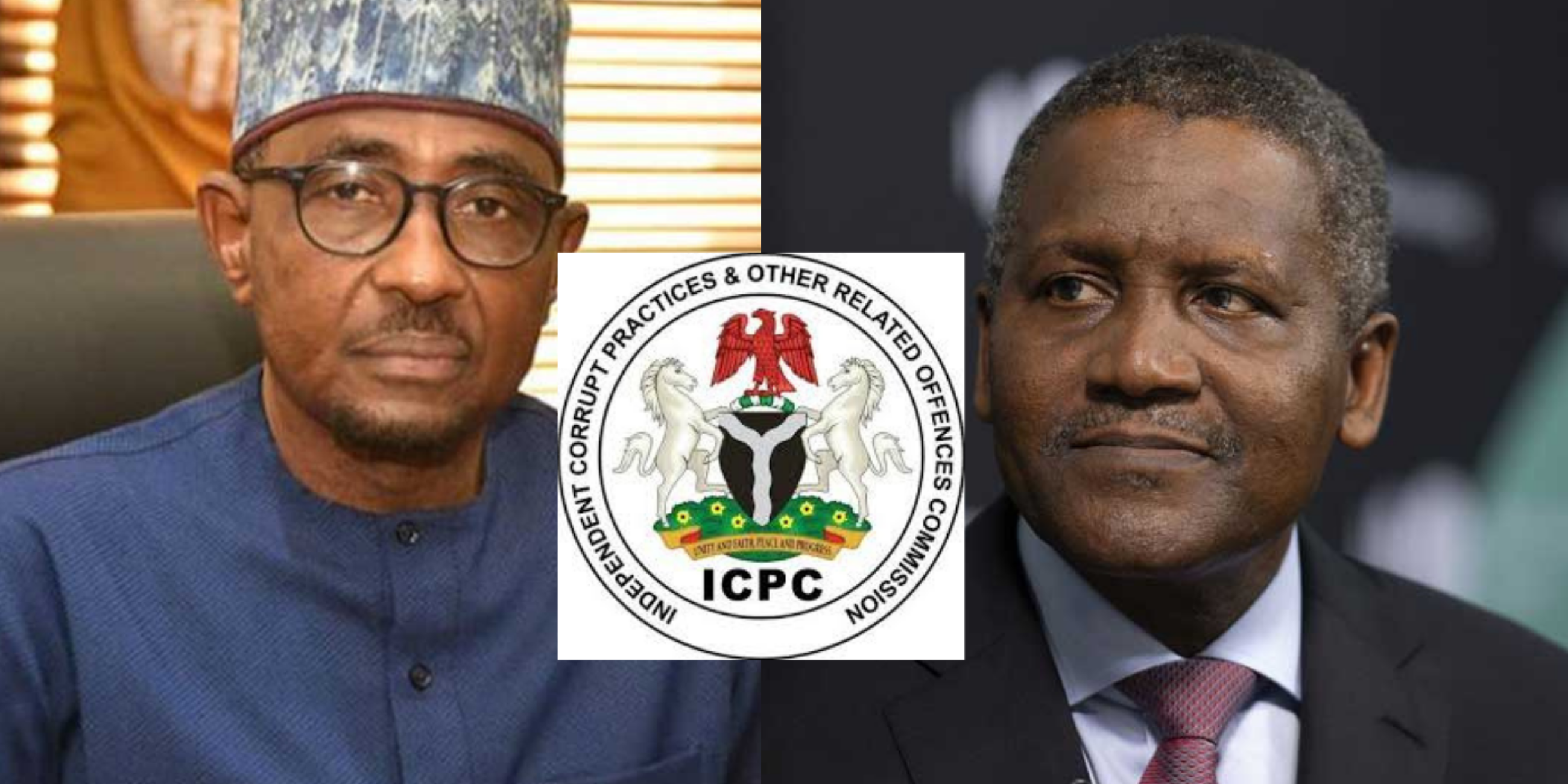
  • ICPC Rejects Dangote’s Petition Withdrawal, Continues Probe of Ex-NMDPRA Chief Farouk Ahmed

    The Independent Corrupt Practices and Other Related Offences Commission (ICPC) has confirmed that it will continue investigating allegations of corruption against Engineer Farouk Ahmed, the former Chief Executive Officer of the Nigerian Midstream and Downstream Petroleum Regulatory Authority (NMDPRA), despite the withdrawal of a petition by Africa’s richest man, Aliko Dangote.

    Dangote initially filed the petition in December 2025, accusing Ahmed of corruption, including the alleged misappropriation of public funds and spending approximately $5 million on his children’s education in Switzerland, despite lacking a verifiable lawful income to support such expenditure. The allegations sparked nationwide outrage and intensified scrutiny of Nigeria’s downstream petroleum sector.

    On January 5, 2026, Dangote’s legal team, led by Dr. O.J. Onoja, SAN, formally withdrew the petition, citing that another law enforcement agency had assumed responsibility for investigating the matter. However, the ICPC rejected the withdrawal, emphasizing that once a petition alleging corruption is received and an investigation commences, the process cannot be terminated at the discretion of the petitioner—particularly in cases of public interest and alleged abuse of office.

    In a press statement, ICPC spokesperson Okor Odey stressed that the commission’s investigation would proceed in line with its statutory mandate to ensure transparency, accountability, and the fight against corruption in Nigeria. The ICPC also highlighted that the inquiry serves the interest of the Nigerian people and cannot be halted simply because the petitioner withdraws.

    Following the accusations, Farouk Ahmed resigned from his position as NMDPRA Chief Executive, and President Bola Ahmed Tinubu appointed a successor. ICPC had earlier summoned Dangote to appear before a special panel of investigators in Abuja regarding his petition. Dangote had publicly criticized Ahmed’s alleged spending during a media briefing on December 14, 2025, highlighting the contrast between such expenditure and the economic struggles of ordinary Nigerians amid inflation and rising fuel prices.

    The ICPC’s decision to continue its probe underscores the agency’s commitment to holding public officials accountable, regardless of a petitioner’s withdrawal, and signals a robust approach to anti-corruption enforcement in Nigeria.

    ICPC Rejects Dangote’s Petition Withdrawal, Continues Probe of Ex-NMDPRA Chief Farouk Ahmed The Independent Corrupt Practices and Other Related Offences Commission (ICPC) has confirmed that it will continue investigating allegations of corruption against Engineer Farouk Ahmed, the former Chief Executive Officer of the Nigerian Midstream and Downstream Petroleum Regulatory Authority (NMDPRA), despite the withdrawal of a petition by Africa’s richest man, Aliko Dangote. Dangote initially filed the petition in December 2025, accusing Ahmed of corruption, including the alleged misappropriation of public funds and spending approximately $5 million on his children’s education in Switzerland, despite lacking a verifiable lawful income to support such expenditure. The allegations sparked nationwide outrage and intensified scrutiny of Nigeria’s downstream petroleum sector. On January 5, 2026, Dangote’s legal team, led by Dr. O.J. Onoja, SAN, formally withdrew the petition, citing that another law enforcement agency had assumed responsibility for investigating the matter. However, the ICPC rejected the withdrawal, emphasizing that once a petition alleging corruption is received and an investigation commences, the process cannot be terminated at the discretion of the petitioner—particularly in cases of public interest and alleged abuse of office. In a press statement, ICPC spokesperson Okor Odey stressed that the commission’s investigation would proceed in line with its statutory mandate to ensure transparency, accountability, and the fight against corruption in Nigeria. The ICPC also highlighted that the inquiry serves the interest of the Nigerian people and cannot be halted simply because the petitioner withdraws. Following the accusations, Farouk Ahmed resigned from his position as NMDPRA Chief Executive, and President Bola Ahmed Tinubu appointed a successor. ICPC had earlier summoned Dangote to appear before a special panel of investigators in Abuja regarding his petition. Dangote had publicly criticized Ahmed’s alleged spending during a media briefing on December 14, 2025, highlighting the contrast between such expenditure and the economic struggles of ordinary Nigerians amid inflation and rising fuel prices. The ICPC’s decision to continue its probe underscores the agency’s commitment to holding public officials accountable, regardless of a petitioner’s withdrawal, and signals a robust approach to anti-corruption enforcement in Nigeria.
    0 Comentários ·0 Compartilhamentos ·419 Visualizações
  • Who Is Illegally Selling Hostel Spaces at IBB University? Why IBBUL Is Warning Students, Investigating Racketeers, and Threatening Sanctions Over Exploitation of Freshers

    Who is behind the illegal sale of hostel spaces at Ibrahim Badamasi Babangida University (IBBUL), Lapai—and how are unsuspecting students being exploited? Why has the university stepped in with stern warnings, investigations, and threats of punishment? And what does this mean for students struggling to secure accommodation amid rising demand?

    IBB University, Niger State, has raised the alarm over what it describes as a growing and disturbing practice in which individuals and organised groups allegedly hijack hostel spaces and resell them to students at inflated prices. According to the institution, these activities typically target vulnerable students—especially freshers—who are desperate for accommodation at the beginning of academic sessions when hostel demand is highest.

    In a statement issued by the Deputy Registrar (Information), Alhaji Baba Akote, the university condemned the practice as exploitative and fraudulent. He explained that some individuals deliberately secure official hostel allocations only to turn around and sell them illegally at exorbitant rates, effectively profiting from students’ desperation and undermining the university’s accommodation system.

    How exactly does the scheme work? The university says these groups identify periods of high demand, corner available hostel spaces, and then offer them to students at prices far above approved rates—often misleading students into believing the transactions are legitimate. For many new students unfamiliar with campus processes, the trap is easy to fall into.

    What action is the university taking? IBBUL has directed its Student Affairs Division to launch a full investigation aimed at identifying and exposing those involved. University authorities insist that the matter will not be treated lightly and that all culprits will be held accountable.

    What are the consequences? In a strong warning, the management made it clear that both sellers and buyers of illegally traded hostel spaces will face disciplinary action. The university says “stringent measures” are being prepared to deter the practice and restore transparency and fairness in the hostel allocation process.

    But will this crackdown be enough to end racketeering on campus? As students continue to grapple with accommodation shortages, many are asking whether the investigation will uncover the networks behind the scheme—and whether enforcement will finally stop the exploitation that has quietly flourished for years.

    At the heart of the issue lies a pressing question for students and parents alike: can universities protect their communities from internal profiteering, or will desperate housing needs continue to be used as a tool for exploitation?
    Who Is Illegally Selling Hostel Spaces at IBB University? Why IBBUL Is Warning Students, Investigating Racketeers, and Threatening Sanctions Over Exploitation of Freshers Who is behind the illegal sale of hostel spaces at Ibrahim Badamasi Babangida University (IBBUL), Lapai—and how are unsuspecting students being exploited? Why has the university stepped in with stern warnings, investigations, and threats of punishment? And what does this mean for students struggling to secure accommodation amid rising demand? IBB University, Niger State, has raised the alarm over what it describes as a growing and disturbing practice in which individuals and organised groups allegedly hijack hostel spaces and resell them to students at inflated prices. According to the institution, these activities typically target vulnerable students—especially freshers—who are desperate for accommodation at the beginning of academic sessions when hostel demand is highest. In a statement issued by the Deputy Registrar (Information), Alhaji Baba Akote, the university condemned the practice as exploitative and fraudulent. He explained that some individuals deliberately secure official hostel allocations only to turn around and sell them illegally at exorbitant rates, effectively profiting from students’ desperation and undermining the university’s accommodation system. How exactly does the scheme work? The university says these groups identify periods of high demand, corner available hostel spaces, and then offer them to students at prices far above approved rates—often misleading students into believing the transactions are legitimate. For many new students unfamiliar with campus processes, the trap is easy to fall into. What action is the university taking? IBBUL has directed its Student Affairs Division to launch a full investigation aimed at identifying and exposing those involved. University authorities insist that the matter will not be treated lightly and that all culprits will be held accountable. What are the consequences? In a strong warning, the management made it clear that both sellers and buyers of illegally traded hostel spaces will face disciplinary action. The university says “stringent measures” are being prepared to deter the practice and restore transparency and fairness in the hostel allocation process. But will this crackdown be enough to end racketeering on campus? As students continue to grapple with accommodation shortages, many are asking whether the investigation will uncover the networks behind the scheme—and whether enforcement will finally stop the exploitation that has quietly flourished for years. At the heart of the issue lies a pressing question for students and parents alike: can universities protect their communities from internal profiteering, or will desperate housing needs continue to be used as a tool for exploitation?
    0 Comentários ·0 Compartilhamentos ·377 Visualizações
  • Looking to buy weed concentrates online in Canada. Visit us
    Buy premium weed concentrates online in Canada at Top BC Cannabis. Explore potent shatter, rich hash, live resin, flavorful kief, smooth distillates, and more. Enjoy lab-tested quality, competitive prices, discreet shipping, and reliable service nationwide. Elevate your experience with trusted BC-sourced concentrates delivered straight to your door. Fast ordering, secure payments, fresh batches guaranteed always.
    https://topbcbuds.ca/product-category/concentrates/
    Looking to buy weed concentrates online in Canada. Visit us Buy premium weed concentrates online in Canada at Top BC Cannabis. Explore potent shatter, rich hash, live resin, flavorful kief, smooth distillates, and more. Enjoy lab-tested quality, competitive prices, discreet shipping, and reliable service nationwide. Elevate your experience with trusted BC-sourced concentrates delivered straight to your door. Fast ordering, secure payments, fresh batches guaranteed always. https://topbcbuds.ca/product-category/concentrates/
    0 Comentários ·0 Compartilhamentos ·270 Visualizações
  • Why Did the US and Venezuela Sign a $2 Billion Oil Deal Now? Is Maduro’s Crisis Reshaping Global Energy Politics?”

    The United States and Venezuela have signed a controversial agreement allowing the export of $2 billion worth of Venezuelan crude oil to the U.S., a move that has triggered intense global debate. Announced by former U.S. President Donald Trump, the deal is being described as a major shift in relations between Washington and Caracas—coming at a time when Venezuela is grappling with political instability, economic collapse, and international sanctions.
    But the big question on Fintter is: Why now?
    According to U.S. officials, the agreement is designed to redirect Venezuelan oil away from China, weaken Beijing’s grip on the country’s energy sector, and prevent Venezuela from suffering deeper production cuts due to storage backlogs and export restrictions. Trump described the deal as a “flagship negotiation,” insisting that it reflects Venezuela’s compliance with U.S. demands to open its oil industry to American companies.
    Even more striking is the political backdrop. The deal comes after the reported capture of President Nicolás Maduro by U.S. forces, a move Venezuelan authorities have denounced as a “kidnapping” and an attempt by Washington to seize control of the country’s vast oil resources. While the U.S. claims the proceeds from the oil sales will be managed to benefit both nations, it remains unclear whether Venezuela’s state oil company PDVSA will gain any real financial access, given that it is still largely frozen out of the global financial system by U.S. sanctions.
    Trump further stated that 30 to 50 million barrels of what he called “sanctioned oil” would be transferred to the United States at market prices, with the U.S. government controlling the revenue. Energy Secretary Chris Wright is expected to oversee the operation, with crude shipped directly from tankers to U.S. ports. Industry insiders revealed that some shipments initially bound for China will now be redirected to the U.S.—potentially ending Beijing’s dominance as Venezuela’s biggest crude buyer.
    Market reactions were swift. U.S. oil prices dropped by more than 1.5%, while heavy crude prices along the Gulf Coast slipped amid expectations of increased supply. Currently, only Chevron is authorized to export Venezuelan crude under a special U.S. license, handling between 100,000 and 150,000 barrels per day, but this deal could dramatically expand that flow.
    At the same time, Venezuela’s oil output remains under threat. Storage shortages caused by the embargo have already forced production cuts, and industry sources warn that without stable export routes, output could decline even further. Meanwhile, discussions are ongoing about whether Venezuelan oil could eventually be used in the U.S. Strategic Petroleum Reserve, raising even bigger geopolitical implications.
    So, Fintter readers are left with powerful questions:
    Is this deal truly about helping Venezuela’s collapsing economy—or is it a strategic move to weaken China’s influence in global energy markets?
    Will Venezuelans actually benefit from this agreement, or will control of their oil wealth remain in foreign hands?
    Does this mark a new era of U.S.–Venezuela relations, or is it simply a high-stakes political maneuver tied to Maduro’s crisis?
    As global energy politics continue to shift, this $2 billion oil agreement could reshape not only Venezuela’s future, but also the balance of power between the U.S., China, and Latin America.
    What do you think, Fintter community? Is this a breakthrough for Venezuela—or another chapter in global resource politics? Drop your thoughts in the comments.
    Why Did the US and Venezuela Sign a $2 Billion Oil Deal Now? Is Maduro’s Crisis Reshaping Global Energy Politics?” The United States and Venezuela have signed a controversial agreement allowing the export of $2 billion worth of Venezuelan crude oil to the U.S., a move that has triggered intense global debate. Announced by former U.S. President Donald Trump, the deal is being described as a major shift in relations between Washington and Caracas—coming at a time when Venezuela is grappling with political instability, economic collapse, and international sanctions. But the big question on Fintter is: Why now? According to U.S. officials, the agreement is designed to redirect Venezuelan oil away from China, weaken Beijing’s grip on the country’s energy sector, and prevent Venezuela from suffering deeper production cuts due to storage backlogs and export restrictions. Trump described the deal as a “flagship negotiation,” insisting that it reflects Venezuela’s compliance with U.S. demands to open its oil industry to American companies. Even more striking is the political backdrop. The deal comes after the reported capture of President Nicolás Maduro by U.S. forces, a move Venezuelan authorities have denounced as a “kidnapping” and an attempt by Washington to seize control of the country’s vast oil resources. While the U.S. claims the proceeds from the oil sales will be managed to benefit both nations, it remains unclear whether Venezuela’s state oil company PDVSA will gain any real financial access, given that it is still largely frozen out of the global financial system by U.S. sanctions. Trump further stated that 30 to 50 million barrels of what he called “sanctioned oil” would be transferred to the United States at market prices, with the U.S. government controlling the revenue. Energy Secretary Chris Wright is expected to oversee the operation, with crude shipped directly from tankers to U.S. ports. Industry insiders revealed that some shipments initially bound for China will now be redirected to the U.S.—potentially ending Beijing’s dominance as Venezuela’s biggest crude buyer. Market reactions were swift. U.S. oil prices dropped by more than 1.5%, while heavy crude prices along the Gulf Coast slipped amid expectations of increased supply. Currently, only Chevron is authorized to export Venezuelan crude under a special U.S. license, handling between 100,000 and 150,000 barrels per day, but this deal could dramatically expand that flow. At the same time, Venezuela’s oil output remains under threat. Storage shortages caused by the embargo have already forced production cuts, and industry sources warn that without stable export routes, output could decline even further. Meanwhile, discussions are ongoing about whether Venezuelan oil could eventually be used in the U.S. Strategic Petroleum Reserve, raising even bigger geopolitical implications. So, Fintter readers are left with powerful questions: Is this deal truly about helping Venezuela’s collapsing economy—or is it a strategic move to weaken China’s influence in global energy markets? Will Venezuelans actually benefit from this agreement, or will control of their oil wealth remain in foreign hands? Does this mark a new era of U.S.–Venezuela relations, or is it simply a high-stakes political maneuver tied to Maduro’s crisis? As global energy politics continue to shift, this $2 billion oil agreement could reshape not only Venezuela’s future, but also the balance of power between the U.S., China, and Latin America. 👉 What do you think, Fintter community? Is this a breakthrough for Venezuela—or another chapter in global resource politics? Drop your thoughts in the comments.
    0 Comentários ·0 Compartilhamentos ·548 Visualizações
  • Ousted Venezuelan President Nicolás Maduro Appears in New York Court Amid UN Debate Over Legality of U.S. Capture

    Former Venezuelan President Nicolás Maduro and his wife, Cilia Flores, appeared in a Manhattan federal court to face long-standing U.S. drug trafficking charges following a U.S. special forces operation in Caracas. The raid, described as the largest U.S. military intervention in Latin America since Panama in 1989, allegedly involved breaching Maduro’s security to arrest him.

    U.S. authorities accuse Maduro of leading a vast cocaine-trafficking network linked to Mexico’s cartels, Colombian rebels, and Venezuelan gangs. Maduro denies the charges, calling them politically motivated.

    Despite the arrest, Maduro’s allies still control Caracas, and Venezuela’s acting president, Delcy Rodríguez, signaled cautious openness to dialogue with the U.S. The operation has sparked international controversy, with Russia, China, and Cuba condemning the U.S. action, while Western allies have urged dialogue and adherence to international law.

    The UN Security Council is set to debate the legality of the U.S. operation, while markets reacted with modest gains in oil prices, Venezuelan bonds, and defense stocks amid geopolitical uncertainty.
    Ousted Venezuelan President Nicolás Maduro Appears in New York Court Amid UN Debate Over Legality of U.S. Capture Former Venezuelan President Nicolás Maduro and his wife, Cilia Flores, appeared in a Manhattan federal court to face long-standing U.S. drug trafficking charges following a U.S. special forces operation in Caracas. The raid, described as the largest U.S. military intervention in Latin America since Panama in 1989, allegedly involved breaching Maduro’s security to arrest him. U.S. authorities accuse Maduro of leading a vast cocaine-trafficking network linked to Mexico’s cartels, Colombian rebels, and Venezuelan gangs. Maduro denies the charges, calling them politically motivated. Despite the arrest, Maduro’s allies still control Caracas, and Venezuela’s acting president, Delcy Rodríguez, signaled cautious openness to dialogue with the U.S. The operation has sparked international controversy, with Russia, China, and Cuba condemning the U.S. action, while Western allies have urged dialogue and adherence to international law. The UN Security Council is set to debate the legality of the U.S. operation, while markets reacted with modest gains in oil prices, Venezuelan bonds, and defense stocks amid geopolitical uncertainty.
    1 Comentários ·0 Compartilhamentos ·386 Visualizações
  • Analyst Who Predicted Trump’s Move Against Venezuela Reacts as Nicolás Maduro Is Removed, Says US Now Controls Global Oil Power

    An Indian political analyst, Aravind, who accurately predicted the removal of Venezuelan President Nicolás Maduro, has reacted after his forecast appeared to come true. In April 2025, Aravind had warned that once a Russia–Ukraine peace deal was concluded, the United States under Donald Trump would aggressively target Venezuela through sanctions, covert actions, or even direct military intervention.

    By June 2025, he expanded his analysis, arguing that oil was the central driver of Washington’s strategy. He predicted that the US would engineer a coup against Maduro, gain control of Venezuela’s vast oil reserves, influence global oil prices, and reshape geopolitical alliances, including drawing Russia away from China.

    Following the January 3, 2026 raid in which Maduro was reportedly captured by US forces, Aravind declared that Venezuela had been “couped” exactly as he predicted, claiming the US now controls Venezuelan oil and holds dominance over much of the world’s energy supply. His comments have reignited debates about US foreign policy, energy politics, rising oil prices, and the wider geopolitical consequences of Washington’s actions in Latin America.
    Analyst Who Predicted Trump’s Move Against Venezuela Reacts as Nicolás Maduro Is Removed, Says US Now Controls Global Oil Power An Indian political analyst, Aravind, who accurately predicted the removal of Venezuelan President Nicolás Maduro, has reacted after his forecast appeared to come true. In April 2025, Aravind had warned that once a Russia–Ukraine peace deal was concluded, the United States under Donald Trump would aggressively target Venezuela through sanctions, covert actions, or even direct military intervention. By June 2025, he expanded his analysis, arguing that oil was the central driver of Washington’s strategy. He predicted that the US would engineer a coup against Maduro, gain control of Venezuela’s vast oil reserves, influence global oil prices, and reshape geopolitical alliances, including drawing Russia away from China. Following the January 3, 2026 raid in which Maduro was reportedly captured by US forces, Aravind declared that Venezuela had been “couped” exactly as he predicted, claiming the US now controls Venezuelan oil and holds dominance over much of the world’s energy supply. His comments have reignited debates about US foreign policy, energy politics, rising oil prices, and the wider geopolitical consequences of Washington’s actions in Latin America.
    0 Comentários ·0 Compartilhamentos ·399 Visualizações
  • Nigeria Spends ₦1.4 Trillion Importing Food, Beverages and Vegetable Products in Three Months Amid Rising Hunger – NBS Report

    Nigeria spent a total of ₦1.4 trillion importing prepared foodstuffs, beverages and vegetable products between July and September 2025, according to third-quarter foreign trade data released by the National Bureau of Statistics (NBS). The report shows that prepared foodstuffs, beverages, spirits and vinegar alone accounted for ₦748 billion in imports, while vegetable products were valued at ₦697 billion within the same three-month period.

    The figures highlight Nigeria’s heavy dependence on imported food despite repeated government promises to boost local agricultural production. The spending comes at a time of worsening hunger, rising food prices and pressure from the high dollar-to-naira exchange rate.

    Beyond food items, the data revealed that Nigeria imported live animals and animal products worth ₦382 billion, animal and vegetable fats and oils valued at ₦140 billion, plastics and rubber products worth ₦933 billion, and vehicles, aircraft and related parts costing ₦1.6 trillion. Boilers, machinery and mechanical appliances topped the import list at ₦2.5 trillion, while textile materials and articles amounted to ₦248.3 billion.

    The NBS figures underscore the scale of Nigeria’s import dependence and its implications for food security and foreign exchange stability. The report also comes amid broader concerns about rising import bills, including arms and ammunition, at a time when economic pressures continue to mount across the country.
    Nigeria Spends ₦1.4 Trillion Importing Food, Beverages and Vegetable Products in Three Months Amid Rising Hunger – NBS Report Nigeria spent a total of ₦1.4 trillion importing prepared foodstuffs, beverages and vegetable products between July and September 2025, according to third-quarter foreign trade data released by the National Bureau of Statistics (NBS). The report shows that prepared foodstuffs, beverages, spirits and vinegar alone accounted for ₦748 billion in imports, while vegetable products were valued at ₦697 billion within the same three-month period. The figures highlight Nigeria’s heavy dependence on imported food despite repeated government promises to boost local agricultural production. The spending comes at a time of worsening hunger, rising food prices and pressure from the high dollar-to-naira exchange rate. Beyond food items, the data revealed that Nigeria imported live animals and animal products worth ₦382 billion, animal and vegetable fats and oils valued at ₦140 billion, plastics and rubber products worth ₦933 billion, and vehicles, aircraft and related parts costing ₦1.6 trillion. Boilers, machinery and mechanical appliances topped the import list at ₦2.5 trillion, while textile materials and articles amounted to ₦248.3 billion. The NBS figures underscore the scale of Nigeria’s import dependence and its implications for food security and foreign exchange stability. The report also comes amid broader concerns about rising import bills, including arms and ammunition, at a time when economic pressures continue to mount across the country.
    0 Comentários ·0 Compartilhamentos ·269 Visualizações
  • Revolutionary Socialist Movement Urges Nigerians to Resist Tinubu’s ‘Anti-Poor’ Tax Policies, Warns of Rising Hardship, Inflation, Fuel Hikes, and Growing Economic Inequality in 2026

    The Revolutionary Socialist Movement (RSM) has called on Nigerians to actively resist what it describes as “anti-poor tax policies” introduced by President Bola Tinubu’s administration, warning that the measures will deepen economic hardship for workers and low-income earners. In a New Year message issued by its Publicity Secretary, Comrade Salako Kayode, the group said Nigerians are entering 2026 under intense economic pressure driven by high inflation, soaring food prices, unemployment, repeated fuel price increases, and declining public services.

    RSM accused the federal government of responding to the economic crisis by shifting the burden onto ordinary citizens through new and increased taxes, while protecting wealthy individuals, big corporations, and political elites. According to the group, the current tax system has failed to improve essential services such as healthcare, education, housing, and employment, instead sustaining corruption, heavy debt servicing, and what it termed extravagant lifestyles among those in power.

    The movement argued that Nigerians should not be forced to pay for an economic crisis they did not create and proposed alternatives including recovering stolen public funds, ending wasteful governance and jumbo salaries, taxing big businesses and the super-rich, and investing more in public services and decent jobs. RSM also called on trade unions, civil society groups, students, and communities to form a united front and engage in peaceful mass resistance to defend living standards and democratic rights, expressing optimism that a more equitable Nigeria is achievable.
    Revolutionary Socialist Movement Urges Nigerians to Resist Tinubu’s ‘Anti-Poor’ Tax Policies, Warns of Rising Hardship, Inflation, Fuel Hikes, and Growing Economic Inequality in 2026 The Revolutionary Socialist Movement (RSM) has called on Nigerians to actively resist what it describes as “anti-poor tax policies” introduced by President Bola Tinubu’s administration, warning that the measures will deepen economic hardship for workers and low-income earners. In a New Year message issued by its Publicity Secretary, Comrade Salako Kayode, the group said Nigerians are entering 2026 under intense economic pressure driven by high inflation, soaring food prices, unemployment, repeated fuel price increases, and declining public services. RSM accused the federal government of responding to the economic crisis by shifting the burden onto ordinary citizens through new and increased taxes, while protecting wealthy individuals, big corporations, and political elites. According to the group, the current tax system has failed to improve essential services such as healthcare, education, housing, and employment, instead sustaining corruption, heavy debt servicing, and what it termed extravagant lifestyles among those in power. The movement argued that Nigerians should not be forced to pay for an economic crisis they did not create and proposed alternatives including recovering stolen public funds, ending wasteful governance and jumbo salaries, taxing big businesses and the super-rich, and investing more in public services and decent jobs. RSM also called on trade unions, civil society groups, students, and communities to form a united front and engage in peaceful mass resistance to defend living standards and democratic rights, expressing optimism that a more equitable Nigeria is achievable.
    0 Comentários ·0 Compartilhamentos ·509 Visualizações
  • Stop Treating Nigerians Like ATMs” — AAC FCT Chairman Warns of Mass Hardship, Slams Tinubu’s Tax Policies as ‘Declaration of War’ on the Poor in 2026

    The Chairman of the African Action Congress (AAC) in the Federal Capital Territory, Agena Robert Ande, has issued a strong warning that Nigeria is heading into a “year of reckoning” in 2026, accusing President Bola Tinubu’s administration of imposing a harsh and suffocating tax regime that disproportionately affects poor and vulnerable citizens. In a New Year statement, Ande described the government’s tax policies as exploitative, insisting that nearly everything Nigerians rely on for survival is now taxed.

    He rejected official claims that recent tax reforms are designed to target the wealthy, arguing instead that the rich evade taxes through offshore arrangements while ordinary Nigerians pay through Value Added Tax on food, fuel, data, transport and other essentials. According to the AAC chairman, subsidy removal has worsened living conditions nationwide, with transport costs soaring and food prices tripling, further pushing citizens into poverty.

    Ande also criticized the student loan scheme, saying it traps young graduates in debt due to high interest rates and bureaucratic barriers that exclude the most marginalized. He accused the political elite of manipulating public sentiment by weaponising poverty to silence criticism, warning that desperation created by poverty fuels gullibility and social instability.

    Questioning accountability, the AAC leader demanded transparency in the use of tax revenues, pointing to poor infrastructure, failing healthcare systems and dilapidated schools as evidence that increased taxation has not translated into development. He called for the removal of VAT on essential goods and services, insisting that luxury items—not basic livelihoods—should be taxed.

    Describing the tax policies as a “declaration of war against ordinary Nigerians,” Ande urged citizens to resist deception, organize politically and hold leaders accountable through civic engagement and the ballot. He concluded by warning that silence equals complicity, stressing that 2026 presents Nigerians with a choice to reject policies that deepen hardship and inequality.
    Stop Treating Nigerians Like ATMs” — AAC FCT Chairman Warns of Mass Hardship, Slams Tinubu’s Tax Policies as ‘Declaration of War’ on the Poor in 2026 The Chairman of the African Action Congress (AAC) in the Federal Capital Territory, Agena Robert Ande, has issued a strong warning that Nigeria is heading into a “year of reckoning” in 2026, accusing President Bola Tinubu’s administration of imposing a harsh and suffocating tax regime that disproportionately affects poor and vulnerable citizens. In a New Year statement, Ande described the government’s tax policies as exploitative, insisting that nearly everything Nigerians rely on for survival is now taxed. He rejected official claims that recent tax reforms are designed to target the wealthy, arguing instead that the rich evade taxes through offshore arrangements while ordinary Nigerians pay through Value Added Tax on food, fuel, data, transport and other essentials. According to the AAC chairman, subsidy removal has worsened living conditions nationwide, with transport costs soaring and food prices tripling, further pushing citizens into poverty. Ande also criticized the student loan scheme, saying it traps young graduates in debt due to high interest rates and bureaucratic barriers that exclude the most marginalized. He accused the political elite of manipulating public sentiment by weaponising poverty to silence criticism, warning that desperation created by poverty fuels gullibility and social instability. Questioning accountability, the AAC leader demanded transparency in the use of tax revenues, pointing to poor infrastructure, failing healthcare systems and dilapidated schools as evidence that increased taxation has not translated into development. He called for the removal of VAT on essential goods and services, insisting that luxury items—not basic livelihoods—should be taxed. Describing the tax policies as a “declaration of war against ordinary Nigerians,” Ande urged citizens to resist deception, organize politically and hold leaders accountable through civic engagement and the ballot. He concluded by warning that silence equals complicity, stressing that 2026 presents Nigerians with a choice to reject policies that deepen hardship and inequality.
    0 Comentários ·0 Compartilhamentos ·541 Visualizações
  • How to Profit from Market Swings: Pocket Option Strategies for Traders and Investors

    Market swings—upward, downward, and sideways—offer significant trading opportunities for those who can identify and act on trends. Understanding these movements is key for developing profitable trading strategies. Swing trading allows traders to capitalize on short- and medium-term price fluctuations, using tools like Bollinger Bands, support and resistance levels, and trend lines. Pocket Option is highlighted as a versatile platform for swing trading, offering a wide range of assets including forex, crypto, commodities, and stocks, with high execution speed and demo accounts for risk-free practice. Traders can optimize profits by confirming trends, managing risk, and adapting strategies to changing market conditions.
    How to Profit from Market Swings: Pocket Option Strategies for Traders and Investors Market swings—upward, downward, and sideways—offer significant trading opportunities for those who can identify and act on trends. Understanding these movements is key for developing profitable trading strategies. Swing trading allows traders to capitalize on short- and medium-term price fluctuations, using tools like Bollinger Bands, support and resistance levels, and trend lines. Pocket Option is highlighted as a versatile platform for swing trading, offering a wide range of assets including forex, crypto, commodities, and stocks, with high execution speed and demo accounts for risk-free practice. Traders can optimize profits by confirming trends, managing risk, and adapting strategies to changing market conditions.
    0 Comentários ·0 Compartilhamentos ·346 Visualizações
Páginas impulsionada
Fintter https://fintter.com