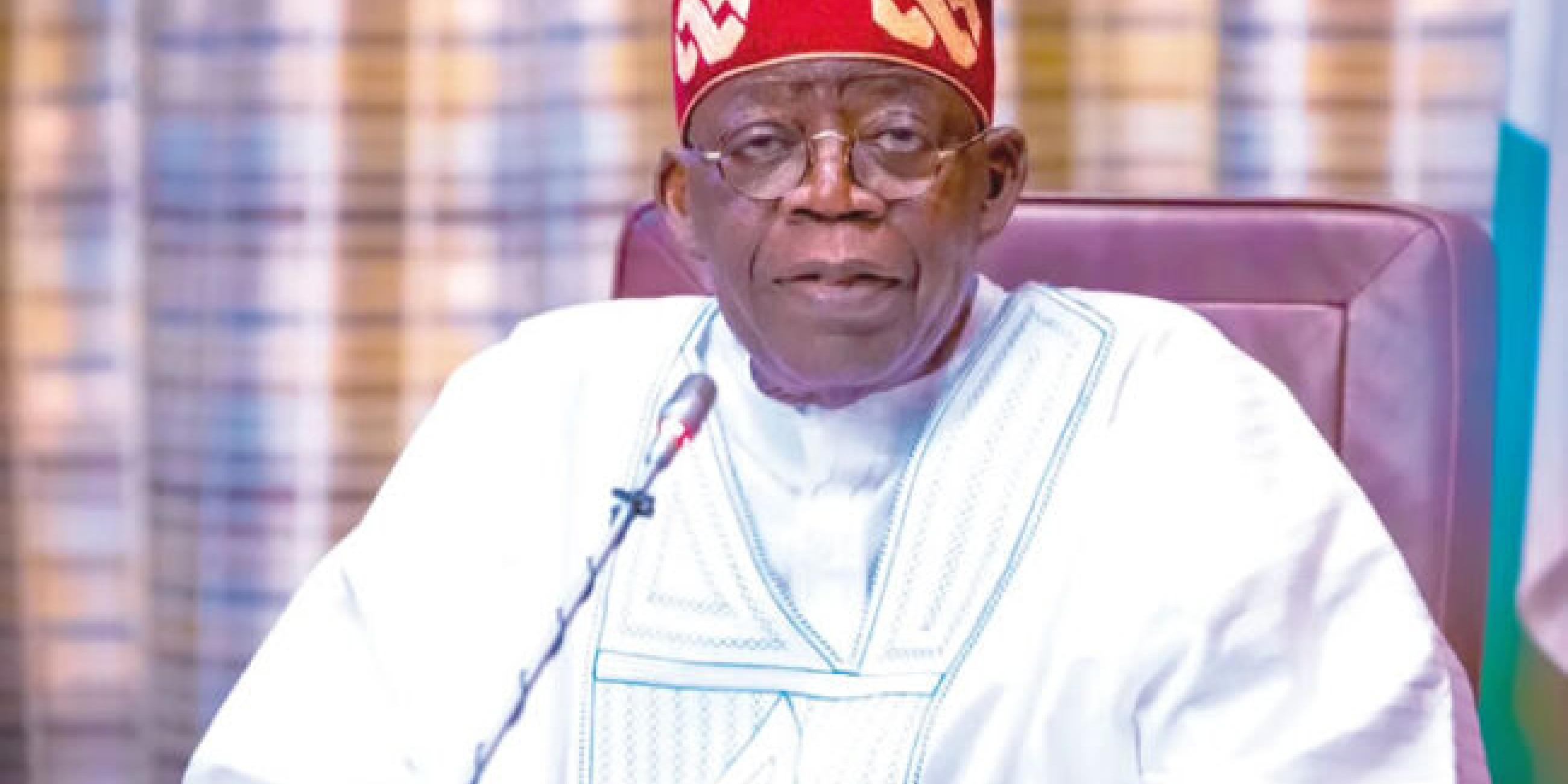
• Is Nigeria’s Health System Heading for Shutdown? JOHESU Orders Total Work Stoppage Over Tinubu Government’s ‘No Work, No Pay’ Policy

    Is Nigeria on the brink of another nationwide healthcare crisis? The Joint Health Sector Unions (JOHESU) has directed its members across federal health institutions to withdraw their services indefinitely, escalating its standoff with the Tinubu administration over a newly enforced “No Work, No Pay” directive from the Federal Ministry of Health.

    According to a statement issued by JOHESU leader Comrade Abubakar Sani Aminu, the policy was introduced without consultation or dialogue, a move the union describes as a direct violation of workers’ rights and collective bargaining principles. Why, the union asks, would the government impose such a far-reaching directive at a time when negotiations are still ongoing?

    JOHESU says hospital chief executives have been instructed to enforce the policy, which the union believes is a deliberate attempt to weaken organised labour and fracture solidarity among health workers. Aminu warned members that the directive represents “the final weapon” being deployed by the government to break the union’s resolve. Could this mark a turning point in labour relations within Nigeria’s health sector?

    In response, the union has ordered a total work stoppage, explicitly rejecting skeleton services, partial compliance, or compromise of any kind. “There should be no skeleton services, no attempt to help out, or compromise in any way,” the statement declared. JOHESU insists that only collective action can protect workers’ rights and prevent what it calls a dangerous precedent that could affect future industrial disputes.

    What does this mean for patients and public hospitals already struggling with limited resources? While the full impact on healthcare delivery remains uncertain, past JOHESU strikes have caused widespread disruptions across federal medical institutions, raising fears of another wave of service paralysis.

    The union has reaffirmed its commitment to what it describes as a fight for fair treatment, respect for dialogue, and protection of labour rights, urging members nationwide to remain united until its demands are addressed. As of the time of reporting, the Federal Ministry of Health has not issued an official response.

    Will the government reconsider its stance, or is Nigeria heading toward another prolonged healthcare shutdown? And in a sector where lives depend on continuity of care, who ultimately bears the cost of this policy standoff—workers, patients, or the state itself?

    Is Nigeria’s Health System Heading for Shutdown? JOHESU Orders Total Work Stoppage Over Tinubu Government’s ‘No Work, No Pay’ Policy Is Nigeria on the brink of another nationwide healthcare crisis? The Joint Health Sector Unions (JOHESU) has directed its members across federal health institutions to withdraw their services indefinitely, escalating its standoff with the Tinubu administration over a newly enforced “No Work, No Pay” directive from the Federal Ministry of Health. According to a statement issued by JOHESU leader Comrade Abubakar Sani Aminu, the policy was introduced without consultation or dialogue, a move the union describes as a direct violation of workers’ rights and collective bargaining principles. Why, the union asks, would the government impose such a far-reaching directive at a time when negotiations are still ongoing? JOHESU says hospital chief executives have been instructed to enforce the policy, which the union believes is a deliberate attempt to weaken organised labour and fracture solidarity among health workers. Aminu warned members that the directive represents “the final weapon” being deployed by the government to break the union’s resolve. Could this mark a turning point in labour relations within Nigeria’s health sector? In response, the union has ordered a total work stoppage, explicitly rejecting skeleton services, partial compliance, or compromise of any kind. “There should be no skeleton services, no attempt to help out, or compromise in any way,” the statement declared. JOHESU insists that only collective action can protect workers’ rights and prevent what it calls a dangerous precedent that could affect future industrial disputes. What does this mean for patients and public hospitals already struggling with limited resources? While the full impact on healthcare delivery remains uncertain, past JOHESU strikes have caused widespread disruptions across federal medical institutions, raising fears of another wave of service paralysis. The union has reaffirmed its commitment to what it describes as a fight for fair treatment, respect for dialogue, and protection of labour rights, urging members nationwide to remain united until its demands are addressed. As of the time of reporting, the Federal Ministry of Health has not issued an official response. Will the government reconsider its stance, or is Nigeria heading toward another prolonged healthcare shutdown? And in a sector where lives depend on continuity of care, who ultimately bears the cost of this policy standoff—workers, patients, or the state itself?
    0 التعليقات ·0 المشاركات ·2كيلو بايت مشاهدة
  • Why Did a Nigerian Court Stop Resident Doctors’ Planned Nationwide Strike—Is the Tinubu Government Using Legal Power to Silence Protests Over Salaries, Welfare, and Broken Agreements?

    Is the Nigerian government turning to the courts to prevent another healthcare shutdown—and what does it mean for doctors’ rights to protest? The National Industrial Court in Abuja has issued an interim injunction restraining the National Association of Resident Doctors (NARD) and its members from embarking on any form of industrial action across the country.

    The order, delivered by Justice Emmanuel Danjuma Subilim, followed an ex parte application filed by the Federal Government through the Office of the Attorney General of the Federation and Minister of Justice, Lateef Fagbemi (SAN). The court barred resident doctors from calling, organizing, directing, or participating in strikes, work stoppages, go-slows, picketing, or any other actions capable of disrupting healthcare services nationwide.

    In addition, the court prohibited NARD from taking any steps preparatory to industrial action with effect from January 12, 2026, ruling that the injunction would remain in force pending the hearing and determination of the motion on notice, scheduled for January 21, 2026.

    The ruling comes just days after the association threatened a nationwide strike over unresolved grievances related to welfare, salaries, and working conditions. NARD accused the Bola Tinubu-led administration of failing to honor previous agreements, stating that signed memoranda had been “totally neglected, altered or half implemented,” while earlier gains had been “overtaken by events of the government’s own making.”

    The association maintained that it had exhausted all avenues of dialogue, saying it had engaged respectfully, called attention to the issues, sought advice, and appealed for implementation—yet received no meaningful response. Defending its members against public criticism, NARD rejected portrayals of resident doctors as unpatriotic agitators, insisting that doctors have not committed any wrongdoing by demanding better conditions for healthcare workers who form “the backbone of service delivery in Nigeria.”

    In a strongly worded statement, the group argued that its members were “experienced enough to understand that merit doesn’t fetch a lot in Nigeria” and “militant enough to agitate for our legitimate rights, including signed and agreed MoUs.”

    While the government’s legal move is aimed at preventing disruptions in essential medical services, it raises pressing questions: Is the court order protecting patients—or curtailing workers’ rights to protest unfair conditions? Can judicial intervention resolve deep-rooted problems in Nigeria’s healthcare system, or will it merely postpone a larger confrontation? As the case returns to court later in January, Nigerians will be watching closely to see whether dialogue replaces confrontation—or whether tensions between the government and resident doctors escalate further.


    Why Did a Nigerian Court Stop Resident Doctors’ Planned Nationwide Strike—Is the Tinubu Government Using Legal Power to Silence Protests Over Salaries, Welfare, and Broken Agreements? Is the Nigerian government turning to the courts to prevent another healthcare shutdown—and what does it mean for doctors’ rights to protest? The National Industrial Court in Abuja has issued an interim injunction restraining the National Association of Resident Doctors (NARD) and its members from embarking on any form of industrial action across the country. The order, delivered by Justice Emmanuel Danjuma Subilim, followed an ex parte application filed by the Federal Government through the Office of the Attorney General of the Federation and Minister of Justice, Lateef Fagbemi (SAN). The court barred resident doctors from calling, organizing, directing, or participating in strikes, work stoppages, go-slows, picketing, or any other actions capable of disrupting healthcare services nationwide. In addition, the court prohibited NARD from taking any steps preparatory to industrial action with effect from January 12, 2026, ruling that the injunction would remain in force pending the hearing and determination of the motion on notice, scheduled for January 21, 2026. The ruling comes just days after the association threatened a nationwide strike over unresolved grievances related to welfare, salaries, and working conditions. NARD accused the Bola Tinubu-led administration of failing to honor previous agreements, stating that signed memoranda had been “totally neglected, altered or half implemented,” while earlier gains had been “overtaken by events of the government’s own making.” The association maintained that it had exhausted all avenues of dialogue, saying it had engaged respectfully, called attention to the issues, sought advice, and appealed for implementation—yet received no meaningful response. Defending its members against public criticism, NARD rejected portrayals of resident doctors as unpatriotic agitators, insisting that doctors have not committed any wrongdoing by demanding better conditions for healthcare workers who form “the backbone of service delivery in Nigeria.” In a strongly worded statement, the group argued that its members were “experienced enough to understand that merit doesn’t fetch a lot in Nigeria” and “militant enough to agitate for our legitimate rights, including signed and agreed MoUs.” While the government’s legal move is aimed at preventing disruptions in essential medical services, it raises pressing questions: Is the court order protecting patients—or curtailing workers’ rights to protest unfair conditions? Can judicial intervention resolve deep-rooted problems in Nigeria’s healthcare system, or will it merely postpone a larger confrontation? As the case returns to court later in January, Nigerians will be watching closely to see whether dialogue replaces confrontation—or whether tensions between the government and resident doctors escalate further.
    0 التعليقات ·0 المشاركات ·3كيلو بايت مشاهدة
  • Why AFCON 2025 Bonuses for Super Eagles Players Are Delayed: Tinubu Government Explains

    The Nigerian Government has clarified the delay in bonus payments to Super Eagles players participating in the 2025 Africa Cup of Nations (AFCON), attributing the issue to bureaucratic processes rather than negligence. Reports had suggested that the players considered boycotting their quarter-final match against Algeria due to unpaid entitlements, sparking national concern.

    Shehu Dikko, Chairman of the National Sports Commission (NSC), explained that all players were aware of the payment structure before the tournament and that funds approved for AFCON participation were being processed through the Finance Ministry, the Office of the Accountant General, and the Central Bank of Nigeria (CBN).

    Dikko noted that President Bola Tinubu had approved a special budget for AFCON as far back as November 14, 2025, but stressed that approval does not mean instant disbursement. According to him, AFCON bonuses are structured by tournament progression, not on a per-match basis, and the first phase of funds has already reached the CBN for processing.

    The NSC chairman assured that daily allowances and initial payments had been made, and the situation was being misrepresented in media reports. He emphasized that the Super Eagles were fully informed about the timing and structure of bonus payments.

    This explanation comes amid heightened public interest in player welfare and government accountability, highlighting the need for transparent and timely disbursement of funds for national sports teams representing Nigeria on the continental stage.


    Why AFCON 2025 Bonuses for Super Eagles Players Are Delayed: Tinubu Government Explains The Nigerian Government has clarified the delay in bonus payments to Super Eagles players participating in the 2025 Africa Cup of Nations (AFCON), attributing the issue to bureaucratic processes rather than negligence. Reports had suggested that the players considered boycotting their quarter-final match against Algeria due to unpaid entitlements, sparking national concern. Shehu Dikko, Chairman of the National Sports Commission (NSC), explained that all players were aware of the payment structure before the tournament and that funds approved for AFCON participation were being processed through the Finance Ministry, the Office of the Accountant General, and the Central Bank of Nigeria (CBN). Dikko noted that President Bola Tinubu had approved a special budget for AFCON as far back as November 14, 2025, but stressed that approval does not mean instant disbursement. According to him, AFCON bonuses are structured by tournament progression, not on a per-match basis, and the first phase of funds has already reached the CBN for processing. The NSC chairman assured that daily allowances and initial payments had been made, and the situation was being misrepresented in media reports. He emphasized that the Super Eagles were fully informed about the timing and structure of bonus payments. This explanation comes amid heightened public interest in player welfare and government accountability, highlighting the need for transparent and timely disbursement of funds for national sports teams representing Nigeria on the continental stage.
    like
    1
    · 0 التعليقات ·0 المشاركات ·1كيلو بايت مشاهدة
  • Broken Promise? Why Has Tinubu’s Government Failed to Give Ex-Corps Members the Jobs It Promised Since July? | Fintter

    Was the promise of “automatic employment” for ex-corps members a genuine commitment—or just another political announcement that has quietly faded away?

    Five months after President Bola Ahmed Tinubu’s administration publicly announced automatic employment, scholarships, and financial rewards for 210 honoured ex-corps members, the promised jobs are yet to materialise. What was once celebrated as a bold gesture of appreciation for young Nigerians who “went beyond the call of duty” has now become a painful reminder of unfulfilled government pledges.

    In a statement released by the National Youth Service Corps (NYSC) on July 29, the Tinubu government announced that 210 ex-corps members from the 2020–2023 service years would receive automatic employment in the Federal Civil Service, scholarships up to doctoral level within Nigeria, and cash awards of ₦250,000 each. Among them were individuals who had demonstrated exceptional service—and others who had suffered life-changing injuries while serving the nation.

    For many of the beneficiaries, the announcement was more than symbolic recognition. It represented hope, stability, and a long-awaited breakthrough after years of struggle, unemployment, and sacrifice. But today, that hope has turned into frustration, exhaustion, and a deep sense of betrayal.

    According to affected ex-corps members who spoke anonymously for fear of victimisation, no job placements have been made, no official communication has followed, and no clear explanation has been given by either the government or the NYSC. Although the promised cash award was reportedly paid, the most critical aspect of the pledge—automatic employment—remains unfulfilled.

    In October 2025, after public pressure intensified following investigative reports, the ex-corps members were invited to Abuja and instructed to submit documents for “urgent processing.” Many travelled long distances, spending scarce resources they could barely afford. Some arrived without accommodation or support, driven only by the hope that the long-promised jobs were finally becoming a reality.

    Yet, weeks turned into months—and no one contacted them again.

    One affected ex-corps member described borrowing money to make the trip, only to return home with nothing. Another said he slept in a religious centre, enduring discomfort and mosquito-infested nights, believing the government was finally about to fulfil its word. Instead, they were met with silence.

    Even more troubling are the stories of ex-corps members who sustained permanent injuries during national service. For them, the promise of government employment was not merely an opportunity—it was a lifeline. Many say private employers now reject them because of their disabilities. The government’s pledge had restored their sense of dignity and belonging, if only briefly.

    One injured ex-corps member said:
    “When they promised automatic employment, I believed there was still a place for me in this country despite my condition. Today, nobody has even called or sent an email.”

    The emotional toll has been devastating. Beneficiaries say the process left them financially drained, psychologically exhausted, and feeling used for public relations. What was once a moment of national praise has become a story of disappointment, neglect, and broken trust.

    The situation raises serious questions about government accountability, youth unemployment, and the credibility of public promises. If young Nigerians who risked their lives in service of the nation can be publicly honoured—and then quietly ignored—what message does that send to millions of other youths struggling for opportunity?

    Now, the affected ex-corps members are appealing directly to the federal government to redeem its word. They insist they do not want sympathy or publicity—they want action.

    As one of them put it:
    “We don’t want to be used as tools for government promotion. We only ask that the promises made to us be fulfilled.”


    ---

    Conversation Starters for Fintter Readers

    Should government promises come with legal consequences when they are not fulfilled?

    Is this another example of young Nigerians being used for political image-building?

    Why has there been no official explanation from the Presidency or the NYSC?

    What does this mean for trust in future government youth empowerment programmes?


    Join the discussion on Fintter:
    Do you believe the Tinubu administration will still honour this promise—or has it already been abandoned?


    Broken Promise? Why Has Tinubu’s Government Failed to Give Ex-Corps Members the Jobs It Promised Since July? | Fintter Was the promise of “automatic employment” for ex-corps members a genuine commitment—or just another political announcement that has quietly faded away? Five months after President Bola Ahmed Tinubu’s administration publicly announced automatic employment, scholarships, and financial rewards for 210 honoured ex-corps members, the promised jobs are yet to materialise. What was once celebrated as a bold gesture of appreciation for young Nigerians who “went beyond the call of duty” has now become a painful reminder of unfulfilled government pledges. In a statement released by the National Youth Service Corps (NYSC) on July 29, the Tinubu government announced that 210 ex-corps members from the 2020–2023 service years would receive automatic employment in the Federal Civil Service, scholarships up to doctoral level within Nigeria, and cash awards of ₦250,000 each. Among them were individuals who had demonstrated exceptional service—and others who had suffered life-changing injuries while serving the nation. For many of the beneficiaries, the announcement was more than symbolic recognition. It represented hope, stability, and a long-awaited breakthrough after years of struggle, unemployment, and sacrifice. But today, that hope has turned into frustration, exhaustion, and a deep sense of betrayal. According to affected ex-corps members who spoke anonymously for fear of victimisation, no job placements have been made, no official communication has followed, and no clear explanation has been given by either the government or the NYSC. Although the promised cash award was reportedly paid, the most critical aspect of the pledge—automatic employment—remains unfulfilled. In October 2025, after public pressure intensified following investigative reports, the ex-corps members were invited to Abuja and instructed to submit documents for “urgent processing.” Many travelled long distances, spending scarce resources they could barely afford. Some arrived without accommodation or support, driven only by the hope that the long-promised jobs were finally becoming a reality. Yet, weeks turned into months—and no one contacted them again. One affected ex-corps member described borrowing money to make the trip, only to return home with nothing. Another said he slept in a religious centre, enduring discomfort and mosquito-infested nights, believing the government was finally about to fulfil its word. Instead, they were met with silence. Even more troubling are the stories of ex-corps members who sustained permanent injuries during national service. For them, the promise of government employment was not merely an opportunity—it was a lifeline. Many say private employers now reject them because of their disabilities. The government’s pledge had restored their sense of dignity and belonging, if only briefly. One injured ex-corps member said: “When they promised automatic employment, I believed there was still a place for me in this country despite my condition. Today, nobody has even called or sent an email.” The emotional toll has been devastating. Beneficiaries say the process left them financially drained, psychologically exhausted, and feeling used for public relations. What was once a moment of national praise has become a story of disappointment, neglect, and broken trust. The situation raises serious questions about government accountability, youth unemployment, and the credibility of public promises. If young Nigerians who risked their lives in service of the nation can be publicly honoured—and then quietly ignored—what message does that send to millions of other youths struggling for opportunity? Now, the affected ex-corps members are appealing directly to the federal government to redeem its word. They insist they do not want sympathy or publicity—they want action. As one of them put it: “We don’t want to be used as tools for government promotion. We only ask that the promises made to us be fulfilled.” --- 💬 Conversation Starters for Fintter Readers Should government promises come with legal consequences when they are not fulfilled? Is this another example of young Nigerians being used for political image-building? Why has there been no official explanation from the Presidency or the NYSC? What does this mean for trust in future government youth empowerment programmes? 👉 Join the discussion on Fintter: Do you believe the Tinubu administration will still honour this promise—or has it already been abandoned?
    0 التعليقات ·0 المشاركات ·2كيلو بايت مشاهدة
  • “Tinubu Government Cites Fiscal Challenges for Delayed Support to Nigerian Scholars in Morocco”

    The Bola Tinubu-led Nigerian government has addressed allegations that Nigerian students studying in Morocco under federal scholarships have been abandoned, attributing delays to “temporary fiscal challenges.” This response comes amid claims by several students that they were left without financial support, shelter, or medical care over several years, with some facing life-threatening situations.
    One final-year medical student reported that scholarship beneficiaries, recruited to train as future doctors for Nigeria, were struggling to meet basic needs. Another case involved a student named Umar, who suffered from appendicitis requiring urgent surgery, highlighting the serious risks faced by the scholars.
    In a statement released by the Federal Ministry of Education, Director of Press Boriowo Folasade quoted Education Minister Dr. Maruf Alausa, who confirmed that no Nigerian student on a valid Federal Government scholarship has been abandoned. The ministry explained that students enrolled under the Bilateral Education Scholarship Programme prior to 2024 received funding up to the 2024 budget year. Any delays in payments were attributed to fiscal constraints, with ongoing coordination between the Ministries of Education and Finance to resolve outstanding issues.
    The ministry further clarified that no new bilateral scholarships were awarded in 2025, dismissing circulating documents as “fake and unauthenticated.” According to the government, overseas scholarships have been scaled down following a policy review, citing sufficient capacity in Nigerian universities, polytechnics, and colleges of education to accommodate affected programs locally. Under the new framework, only scholarships fully funded by host foreign governments are supported.
    Despite these changes, the government reiterated its commitment to students already enrolled abroad, promising continued support until they complete their studies. Students wishing to discontinue overseas programs may return to Nigerian institutions, with the Federal Government covering return travel costs. The ministry justified the reforms as a measure to reduce avoidable financial burdens on public resources while strengthening domestic educational capacity.
    The government concluded by rejecting what it described as misinformation or attempts to undermine policies, emphasizing that it remains dedicated to the welfare and academic progress of Nigerian students abroad.
    “Tinubu Government Cites Fiscal Challenges for Delayed Support to Nigerian Scholars in Morocco” The Bola Tinubu-led Nigerian government has addressed allegations that Nigerian students studying in Morocco under federal scholarships have been abandoned, attributing delays to “temporary fiscal challenges.” This response comes amid claims by several students that they were left without financial support, shelter, or medical care over several years, with some facing life-threatening situations. One final-year medical student reported that scholarship beneficiaries, recruited to train as future doctors for Nigeria, were struggling to meet basic needs. Another case involved a student named Umar, who suffered from appendicitis requiring urgent surgery, highlighting the serious risks faced by the scholars. In a statement released by the Federal Ministry of Education, Director of Press Boriowo Folasade quoted Education Minister Dr. Maruf Alausa, who confirmed that no Nigerian student on a valid Federal Government scholarship has been abandoned. The ministry explained that students enrolled under the Bilateral Education Scholarship Programme prior to 2024 received funding up to the 2024 budget year. Any delays in payments were attributed to fiscal constraints, with ongoing coordination between the Ministries of Education and Finance to resolve outstanding issues. The ministry further clarified that no new bilateral scholarships were awarded in 2025, dismissing circulating documents as “fake and unauthenticated.” According to the government, overseas scholarships have been scaled down following a policy review, citing sufficient capacity in Nigerian universities, polytechnics, and colleges of education to accommodate affected programs locally. Under the new framework, only scholarships fully funded by host foreign governments are supported. Despite these changes, the government reiterated its commitment to students already enrolled abroad, promising continued support until they complete their studies. Students wishing to discontinue overseas programs may return to Nigerian institutions, with the Federal Government covering return travel costs. The ministry justified the reforms as a measure to reduce avoidable financial burdens on public resources while strengthening domestic educational capacity. The government concluded by rejecting what it described as misinformation or attempts to undermine policies, emphasizing that it remains dedicated to the welfare and academic progress of Nigerian students abroad.
    0 التعليقات ·0 المشاركات ·2كيلو بايت مشاهدة
  • Nigerian Scholars Abandoned in Morocco Lament Hunger, Unpaid Rents, Medical Neglect, Urge Tinubu Government to Disburse Stipends

    Nigerian students on federal government scholarships in Morocco have accused the Tinubu administration of abandoning them to extreme hardship, hunger, unpaid rents, and medical neglect. Social media activist Martins Otse, known as VeryDarkMan, released a video highlighting the plight of these students, who say they have gone without promised monthly stipends for years.
    Students claim the scholarship prohibits them from working, leaving many stranded without income. One student suffered a broken thigh bone while secretly seeking work, while another recounted the death of a fellow scholar, Bashir Malami, due to untreated tuberculosis. Cases of life-threatening medical emergencies, unpaid hospital bills, and eviction threats were reported.
    The scholars appealed to the Federal Government to urgently intervene, warning that their academic futures and lives are at risk. As of the report, the Nigerian government has not responded.
    Nigerian Scholars Abandoned in Morocco Lament Hunger, Unpaid Rents, Medical Neglect, Urge Tinubu Government to Disburse Stipends Nigerian students on federal government scholarships in Morocco have accused the Tinubu administration of abandoning them to extreme hardship, hunger, unpaid rents, and medical neglect. Social media activist Martins Otse, known as VeryDarkMan, released a video highlighting the plight of these students, who say they have gone without promised monthly stipends for years. Students claim the scholarship prohibits them from working, leaving many stranded without income. One student suffered a broken thigh bone while secretly seeking work, while another recounted the death of a fellow scholar, Bashir Malami, due to untreated tuberculosis. Cases of life-threatening medical emergencies, unpaid hospital bills, and eviction threats were reported. The scholars appealed to the Federal Government to urgently intervene, warning that their academic futures and lives are at risk. As of the report, the Nigerian government has not responded.
    like
    1
    · 0 التعليقات ·0 المشاركات ·1كيلو بايت مشاهدة
  • Bauchi Governor Bala Mohammed Confirms Nephew Duguri as Co-Defendant in ₦4.6 Billion EFCC Money Laundering Case, Alleges Political Persecution by Tinubu Government

    Bauchi State Governor Bala Mohammed has confirmed that Muntaka Mohammed Duguri, a key suspect in an ongoing ₦4.6 billion money laundering case filed by the Economic and Financial Crimes Commission (EFCC), is his nephew. Duguri is listed as a co-defendant alongside Bauchi State Commissioner for Finance, Yakubu Adamu, and the Managing Director of I.S. Makayye Investment Resources Ltd, Ishaku Mohammed Aliyu.

    The EFCC alleges that between June and December 2023, Adamu, while serving as a branch manager at Polaris Bank in Bauchi, conspired with Duguri and Aliyu to facilitate the conversion, concealment, and transfer of about ₦4.65 billion under the guise of financing motorcycle supplies to the Bauchi State Government. Parts of the funds were allegedly routed through third-party and nominee accounts, including transactions involving I.S. Makayye Investment Resources Ltd and a ₦165.9 million transfer to Ayab Agro Products and Freight Company Ltd.

    Duguri and Aliyu are reportedly at large, a situation that has stalled the arraignment of Adamu before the Federal High Court in Abuja. Speaking on Channels TV’s Sunrise Daily, Governor Mohammed denied the allegations, describing the case as politically motivated persecution by the Bola Tinubu administration. He claimed there was no evidence linking his nephew to the crime and said he had written to the Attorney General of the Federation, with plans to escalate the matter to the international community over alleged violations of his fundamental human rights.

    Meanwhile, sources familiar with the investigation allege witness suppression and flight, claiming Aliyu initially cooperated with the EFCC before being forced into hiding, while Duguri allegedly fled the country. The EFCC maintains that the alleged offences contravene Section 20(a) of the Money Laundering (Prevention and Prohibition) Act, 2022, as investigations and legal proceedings continue.
    Bauchi Governor Bala Mohammed Confirms Nephew Duguri as Co-Defendant in ₦4.6 Billion EFCC Money Laundering Case, Alleges Political Persecution by Tinubu Government Bauchi State Governor Bala Mohammed has confirmed that Muntaka Mohammed Duguri, a key suspect in an ongoing ₦4.6 billion money laundering case filed by the Economic and Financial Crimes Commission (EFCC), is his nephew. Duguri is listed as a co-defendant alongside Bauchi State Commissioner for Finance, Yakubu Adamu, and the Managing Director of I.S. Makayye Investment Resources Ltd, Ishaku Mohammed Aliyu. The EFCC alleges that between June and December 2023, Adamu, while serving as a branch manager at Polaris Bank in Bauchi, conspired with Duguri and Aliyu to facilitate the conversion, concealment, and transfer of about ₦4.65 billion under the guise of financing motorcycle supplies to the Bauchi State Government. Parts of the funds were allegedly routed through third-party and nominee accounts, including transactions involving I.S. Makayye Investment Resources Ltd and a ₦165.9 million transfer to Ayab Agro Products and Freight Company Ltd. Duguri and Aliyu are reportedly at large, a situation that has stalled the arraignment of Adamu before the Federal High Court in Abuja. Speaking on Channels TV’s Sunrise Daily, Governor Mohammed denied the allegations, describing the case as politically motivated persecution by the Bola Tinubu administration. He claimed there was no evidence linking his nephew to the crime and said he had written to the Attorney General of the Federation, with plans to escalate the matter to the international community over alleged violations of his fundamental human rights. Meanwhile, sources familiar with the investigation allege witness suppression and flight, claiming Aliyu initially cooperated with the EFCC before being forced into hiding, while Duguri allegedly fled the country. The EFCC maintains that the alleged offences contravene Section 20(a) of the Money Laundering (Prevention and Prohibition) Act, 2022, as investigations and legal proceedings continue.
    0 التعليقات ·0 المشاركات ·1كيلو بايت مشاهدة
  • Atiku Abubakar Says 2025 Exposed Tinubu’s Incompetence and Policy Bankruptcy, Describes Year as One of Nigeria’s Most Punishing Amid Economic Hardship and Insecurity

    Former Vice-President Atiku Abubakar has described 2025 as one of the most punishing years in Nigeria’s recent history, blaming widespread hardship on what he called the incompetence and policy bankruptcy of President Bola Tinubu’s APC-led administration.

    In a New Year message to Nigerians, Atiku said the year was marked by economic suffocation, political recklessness, worsening insecurity, and governance without empathy. He accused the Tinubu government of mismanaging the economy, governing for months without a functional budget, and relying on reckless borrowing and propaganda, which he said pushed the country to the brink of economic collapse.

    Atiku also criticised the handling of a controversial tax law, describing it as a forged document disguised as reform, and faulted the President for allegedly refusing to allow proper legislative and legal scrutiny. He warned that a government that begins reforms with forgery cannot deliver prosperity.

    On democracy, the former vice-president accused the APC of weakening Nigeria’s democratic institutions and attempting to turn the country into a de facto one-party state through intimidation, coercion, and state capture. He further highlighted rising national debt, worsening insecurity, increased kidnappings and violent crimes, and the devastating impact on lives, livelihoods, and communities.

    Despite these challenges, Atiku said Nigeria survived the year not because of government competence but due to the resilience of its people, whom he praised for enduring hardship amid what he described as failed leadership and poor governance.
    Atiku Abubakar Says 2025 Exposed Tinubu’s Incompetence and Policy Bankruptcy, Describes Year as One of Nigeria’s Most Punishing Amid Economic Hardship and Insecurity Former Vice-President Atiku Abubakar has described 2025 as one of the most punishing years in Nigeria’s recent history, blaming widespread hardship on what he called the incompetence and policy bankruptcy of President Bola Tinubu’s APC-led administration. In a New Year message to Nigerians, Atiku said the year was marked by economic suffocation, political recklessness, worsening insecurity, and governance without empathy. He accused the Tinubu government of mismanaging the economy, governing for months without a functional budget, and relying on reckless borrowing and propaganda, which he said pushed the country to the brink of economic collapse. Atiku also criticised the handling of a controversial tax law, describing it as a forged document disguised as reform, and faulted the President for allegedly refusing to allow proper legislative and legal scrutiny. He warned that a government that begins reforms with forgery cannot deliver prosperity. On democracy, the former vice-president accused the APC of weakening Nigeria’s democratic institutions and attempting to turn the country into a de facto one-party state through intimidation, coercion, and state capture. He further highlighted rising national debt, worsening insecurity, increased kidnappings and violent crimes, and the devastating impact on lives, livelihoods, and communities. Despite these challenges, Atiku said Nigeria survived the year not because of government competence but due to the resilience of its people, whom he praised for enduring hardship amid what he described as failed leadership and poor governance.
    0 التعليقات ·0 المشاركات ·1كيلو بايت مشاهدة
  • Tinubu Government Denies ‘ADP4VIP’ Plot to Arrest and Detain Opposition Figures, Calls Allegations Fake and Baseless Disinformation

    The Federal Government has firmly denied allegations that it established a secret programme known as “ADP4VIP” to arrest, detain, or prosecute opposition politicians in Nigeria. In a statement issued on December 30, 2025, and signed by the Minister of Information and National Orientation, Mohammed Idris, the government described the claims as false, fabricated, and deliberately misleading. According to the government, the alleged programme—which purportedly involved a multi-agency task force comprising the EFCC, ICPC, and NFIU under the coordination of the Office of the National Security Adviser—does not exist. The administration said the forged document behind the claims was designed to portray lawful accountability as political persecution, particularly targeting members of the African Democratic Congress (ADC). Reaffirming President Bola Tinubu’s commitment to democracy, the rule of law, and constitutional freedoms, the government cited Section 40 of the 1999 Constitution, which guarantees freedom of association. It stressed that law enforcement and anti-corruption agencies operate independently and within legal boundaries. The government also warned Nigerians against the spread of misinformation and fake news as the 2027 general elections approach, cautioning that political actors may increasingly deploy disinformation for relevance. Despite accusations of a crackdown on opposition parties, the Tinubu administration insisted it remains focused on economic reforms, tackling insecurity, restoring investor confidence, and delivering measurable progress for Nigerians.
    Tinubu Government Denies ‘ADP4VIP’ Plot to Arrest and Detain Opposition Figures, Calls Allegations Fake and Baseless Disinformation The Federal Government has firmly denied allegations that it established a secret programme known as “ADP4VIP” to arrest, detain, or prosecute opposition politicians in Nigeria. In a statement issued on December 30, 2025, and signed by the Minister of Information and National Orientation, Mohammed Idris, the government described the claims as false, fabricated, and deliberately misleading. According to the government, the alleged programme—which purportedly involved a multi-agency task force comprising the EFCC, ICPC, and NFIU under the coordination of the Office of the National Security Adviser—does not exist. The administration said the forged document behind the claims was designed to portray lawful accountability as political persecution, particularly targeting members of the African Democratic Congress (ADC). Reaffirming President Bola Tinubu’s commitment to democracy, the rule of law, and constitutional freedoms, the government cited Section 40 of the 1999 Constitution, which guarantees freedom of association. It stressed that law enforcement and anti-corruption agencies operate independently and within legal boundaries. The government also warned Nigerians against the spread of misinformation and fake news as the 2027 general elections approach, cautioning that political actors may increasingly deploy disinformation for relevance. Despite accusations of a crackdown on opposition parties, the Tinubu administration insisted it remains focused on economic reforms, tackling insecurity, restoring investor confidence, and delivering measurable progress for Nigerians.
    0 التعليقات ·0 المشاركات ·1كيلو بايت مشاهدة
  • Nigerian Resident Doctors Threaten Fresh Indefinite Strike, Accuse Tinubu Government of Ignoring MoU

    The Nigerian Association of Resident Doctors (NARD) has warned of a possible nationwide indefinite strike due to the Federal Government’s failure to implement a Memorandum of Understanding (MoU) signed after a previous 29-day strike. NARD Secretary-General Dr. Shuaibu Ibrahim highlighted persistent delays, unfulfilled commitments, and broken timelines by the Federal Ministry of Health, stressing that resident doctors form the backbone of tertiary healthcare. The association appealed to medical elders and national leaders to intervene and prevent another shutdown that could disrupt healthcare delivery across Nigeria.
    Nigerian Resident Doctors Threaten Fresh Indefinite Strike, Accuse Tinubu Government of Ignoring MoU The Nigerian Association of Resident Doctors (NARD) has warned of a possible nationwide indefinite strike due to the Federal Government’s failure to implement a Memorandum of Understanding (MoU) signed after a previous 29-day strike. NARD Secretary-General Dr. Shuaibu Ibrahim highlighted persistent delays, unfulfilled commitments, and broken timelines by the Federal Ministry of Health, stressing that resident doctors form the backbone of tertiary healthcare. The association appealed to medical elders and national leaders to intervene and prevent another shutdown that could disrupt healthcare delivery across Nigeria.
    0 التعليقات ·0 المشاركات ·577 مشاهدة
  • Tinubu Government Writes Off NNPC’s ₦5.5 Trillion and $1.4 Billion Pre-2025 Debts After FAAC Reconciliation

    President Bola Tinubu has approved the clearance of long-standing debts owed by the Nigerian National Petroleum Company Limited (NNPC Ltd) to the Federation Account, wiping off about ₦5.5 trillion and $1.4 billion accumulated up to December 31, 2024. The decision followed a reconciliation exercise conducted by the Nigerian Upstream Petroleum Regulatory Commission (NUPRC) and presented at the November 2025 Federation Account Allocation Committee (FAAC) meeting. According to the report, most of the disputed royalty and lifting-related obligations were removed from government records based on recommendations by a Stakeholder Alignment Committee. However, statutory liabilities incurred after January 2025 were excluded from the approval and remain subject to recovery and FAAC scrutiny, drawing a clear line between legacy debts and new obligations.
    Tinubu Government Writes Off NNPC’s ₦5.5 Trillion and $1.4 Billion Pre-2025 Debts After FAAC Reconciliation President Bola Tinubu has approved the clearance of long-standing debts owed by the Nigerian National Petroleum Company Limited (NNPC Ltd) to the Federation Account, wiping off about ₦5.5 trillion and $1.4 billion accumulated up to December 31, 2024. The decision followed a reconciliation exercise conducted by the Nigerian Upstream Petroleum Regulatory Commission (NUPRC) and presented at the November 2025 Federation Account Allocation Committee (FAAC) meeting. According to the report, most of the disputed royalty and lifting-related obligations were removed from government records based on recommendations by a Stakeholder Alignment Committee. However, statutory liabilities incurred after January 2025 were excluded from the approval and remain subject to recovery and FAAC scrutiny, drawing a clear line between legacy debts and new obligations.
    0 التعليقات ·0 المشاركات ·1كيلو بايت مشاهدة
  • Forged Tax Laws: Yoruba Union Accuses Tinubu Government of Plot to Seize Nigerians’ Properties, Warns of Hardship From 2026

    A Yoruba socio-cultural group, Ìgbìnmó Májékóbájé Ilé-Yorùbá, has accused the Bola Tinubu administration of allegedly altering a tax reform law passed by the National Assembly to enable property seizures without court orders. The group claims the gazetted version removes judicial oversight and empowers tax authorities to confiscate and sell assets within 14 days of alleged tax default. Warning of increased poverty, insecurity, and business collapse from 2026, the union described the move as unconstitutional, anti-people, and authoritarian, calling for a full investigation and prosecution of those responsible.
    Forged Tax Laws: Yoruba Union Accuses Tinubu Government of Plot to Seize Nigerians’ Properties, Warns of Hardship From 2026 A Yoruba socio-cultural group, Ìgbìnmó Májékóbájé Ilé-Yorùbá, has accused the Bola Tinubu administration of allegedly altering a tax reform law passed by the National Assembly to enable property seizures without court orders. The group claims the gazetted version removes judicial oversight and empowers tax authorities to confiscate and sell assets within 14 days of alleged tax default. Warning of increased poverty, insecurity, and business collapse from 2026, the union described the move as unconstitutional, anti-people, and authoritarian, calling for a full investigation and prosecution of those responsible.
    0 التعليقات ·0 المشاركات ·902 مشاهدة
  • Take-It-Back Movement Condemns US Airstrikes In Nigeria, Says Tinubu Has Failed On Security, Demands His Resignation

    The Take-It-Back Movement (TIB) has strongly condemned recent United States airstrikes targeting ISIS-linked groups within Nigeria, warning that the action undermines national sovereignty and exposes the failure of President Bola Tinubu’s administration to secure the country. In a statement signed by its National Coordinator, Sanyaolu Juwon, the movement acknowledged the threat posed by terrorism but rejected foreign military intervention on Nigerian soil, citing the devastating consequences of past U.S.-led interventions in countries such as Iraq and Afghanistan. TIB accused the Tinubu government of failing to protect citizens and Nigeria’s territorial integrity, linking public support for the airstrikes to a growing loss of confidence in the administration. The group also referenced the government’s crackdown on the 2024 #EndBadGovernance protests as evidence of misplaced priorities, and concluded by calling for President Tinubu’s resignation, insisting that sovereignty belongs to the people and not a government that cannot guarantee security and welfare.
    Take-It-Back Movement Condemns US Airstrikes In Nigeria, Says Tinubu Has Failed On Security, Demands His Resignation The Take-It-Back Movement (TIB) has strongly condemned recent United States airstrikes targeting ISIS-linked groups within Nigeria, warning that the action undermines national sovereignty and exposes the failure of President Bola Tinubu’s administration to secure the country. In a statement signed by its National Coordinator, Sanyaolu Juwon, the movement acknowledged the threat posed by terrorism but rejected foreign military intervention on Nigerian soil, citing the devastating consequences of past U.S.-led interventions in countries such as Iraq and Afghanistan. TIB accused the Tinubu government of failing to protect citizens and Nigeria’s territorial integrity, linking public support for the airstrikes to a growing loss of confidence in the administration. The group also referenced the government’s crackdown on the 2024 #EndBadGovernance protests as evidence of misplaced priorities, and concluded by calling for President Tinubu’s resignation, insisting that sovereignty belongs to the people and not a government that cannot guarantee security and welfare.
    0 التعليقات ·0 المشاركات ·1كيلو بايت مشاهدة
  • Atiku Abubakar Slams Tinubu Government for Allegedly Ignoring Supreme Court Ruling on Local Government Autonomy, Calls It Constitutional Breach

    Former Vice President Atiku Abubakar has strongly criticised President Bola Tinubu’s administration for failing to implement a binding Supreme Court judgment mandating direct FAAC allocations to local governments. In a statement issued on December 24, 2025, Atiku described the prolonged non-implementation as deliberate defiance of the Constitution rather than administrative delay, accusing the federal government of using compliance as a political tool to control governors. He warned that continued denial of local government financial autonomy is crippling grassroots development, worsening poverty, and undermining democratic governance, while urging the president to immediately direct the Attorney-General to enforce the court’s ruling.

    #AtikuAbubakar
    #LocalGovernmentAutonomy
    #SupremeCourtRuling
    Atiku Abubakar Slams Tinubu Government for Allegedly Ignoring Supreme Court Ruling on Local Government Autonomy, Calls It Constitutional Breach Former Vice President Atiku Abubakar has strongly criticised President Bola Tinubu’s administration for failing to implement a binding Supreme Court judgment mandating direct FAAC allocations to local governments. In a statement issued on December 24, 2025, Atiku described the prolonged non-implementation as deliberate defiance of the Constitution rather than administrative delay, accusing the federal government of using compliance as a political tool to control governors. He warned that continued denial of local government financial autonomy is crippling grassroots development, worsening poverty, and undermining democratic governance, while urging the president to immediately direct the Attorney-General to enforce the court’s ruling. #AtikuAbubakar #LocalGovernmentAutonomy #SupremeCourtRuling
    0 التعليقات ·0 المشاركات ·2كيلو بايت مشاهدة
  • Tinubu Government Mandates Pre-Employment Drug Testing for All Nigerian Public Servants to Combat Rising Substance Abuse

    The Nigerian government, under President Bola Tinubu, has introduced mandatory pre-employment drug testing for all prospective public service applicants. The directive, issued via a circular from the Office of the Secretary to the Government of the Federation (SGF), requires Ministries, Departments, and Agencies (MDAs) to collaborate with the NDLEA in testing recruits. The initiative aims to curb illicit drug and substance abuse among Nigerian youth and enhance workplace productivity, public health, and national security. Permanent Secretaries and heads of parastatals must now make drug testing a core recruitment requirement.
    Tinubu Government Mandates Pre-Employment Drug Testing for All Nigerian Public Servants to Combat Rising Substance Abuse The Nigerian government, under President Bola Tinubu, has introduced mandatory pre-employment drug testing for all prospective public service applicants. The directive, issued via a circular from the Office of the Secretary to the Government of the Federation (SGF), requires Ministries, Departments, and Agencies (MDAs) to collaborate with the NDLEA in testing recruits. The initiative aims to curb illicit drug and substance abuse among Nigerian youth and enhance workplace productivity, public health, and national security. Permanent Secretaries and heads of parastatals must now make drug testing a core recruitment requirement.
    0 التعليقات ·0 المشاركات ·912 مشاهدة
  • AAC Accuses Tinubu Government of Legalising Poverty with Altered Tax Laws, Calls for People-Centred Economic Policies

    The African Action Congress (AAC) has condemned the Tinubu administration for allegedly altering Nigeria’s tax laws in a way that punishes ordinary citizens while benefiting the elite. In a statement signed by National Publicity Secretary Rex I. Elanu, the party described the move as “economic violence” that worsens poverty amid insecurity, unemployment, and failing public services. The AAC argued that the tax system has long been unjust and called for immediate suspension of regressive tax measures, full fiscal transparency, and people-centred policies prioritising job creation, living wages, healthcare, education, and infrastructure.
    AAC Accuses Tinubu Government of Legalising Poverty with Altered Tax Laws, Calls for People-Centred Economic Policies The African Action Congress (AAC) has condemned the Tinubu administration for allegedly altering Nigeria’s tax laws in a way that punishes ordinary citizens while benefiting the elite. In a statement signed by National Publicity Secretary Rex I. Elanu, the party described the move as “economic violence” that worsens poverty amid insecurity, unemployment, and failing public services. The AAC argued that the tax system has long been unjust and called for immediate suspension of regressive tax measures, full fiscal transparency, and people-centred policies prioritising job creation, living wages, healthcare, education, and infrastructure.
    0 التعليقات ·0 المشاركات ·656 مشاهدة
  • Nigeria’s National Shame Deepens as Peter Obi Slams Tinubu Government Over Alleged Alteration of Tax Laws Passed by National Assembly

    Former Labour Party presidential candidate, Peter Obi, has condemned the Federal Government over alleged alterations to tax-related laws passed by the National Assembly, describing the development as a national shame and a threat to constitutional governance. Obi said discrepancies between what lawmakers approved and what was later published as law point to a serious breakdown in legislative procedure, transparency, and respect for the rule of law. He warned that the alleged introduction of unapproved enforcement powers—such as mandatory deposits before appeals, asset seizures without court oversight, and arrest powers for tax authorities—could undermine taxpayers’ rights and access to justice, while criticising the Presidency’s silence on the matter.
    Nigeria’s National Shame Deepens as Peter Obi Slams Tinubu Government Over Alleged Alteration of Tax Laws Passed by National Assembly Former Labour Party presidential candidate, Peter Obi, has condemned the Federal Government over alleged alterations to tax-related laws passed by the National Assembly, describing the development as a national shame and a threat to constitutional governance. Obi said discrepancies between what lawmakers approved and what was later published as law point to a serious breakdown in legislative procedure, transparency, and respect for the rule of law. He warned that the alleged introduction of unapproved enforcement powers—such as mandatory deposits before appeals, asset seizures without court oversight, and arrest powers for tax authorities—could undermine taxpayers’ rights and access to justice, while criticising the Presidency’s silence on the matter.
    0 التعليقات ·0 المشاركات ·497 مشاهدة
  • Tinubu Government Warns Death Penalty for Kidnappers, Terrorists Could Worsen Insecurity in Nigeria

    The Tinubu administration has cautioned lawmakers against imposing the death penalty for kidnapping and terrorism offences, warning that it could exacerbate Nigeria’s security challenges. Attorney General Lateef Fagbemi (SAN) told a Senate hearing that capital punishment may fuel extremist narratives, hinder international cooperation, and create legal and moral complications due to difficulties in execution and the irreversible nature of death sentences. The government stressed that alternative punitive measures should be considered to effectively combat terrorism while maintaining Nigeria’s credibility in global counterterrorism efforts.
    Tinubu Government Warns Death Penalty for Kidnappers, Terrorists Could Worsen Insecurity in Nigeria The Tinubu administration has cautioned lawmakers against imposing the death penalty for kidnapping and terrorism offences, warning that it could exacerbate Nigeria’s security challenges. Attorney General Lateef Fagbemi (SAN) told a Senate hearing that capital punishment may fuel extremist narratives, hinder international cooperation, and create legal and moral complications due to difficulties in execution and the irreversible nature of death sentences. The government stressed that alternative punitive measures should be considered to effectively combat terrorism while maintaining Nigeria’s credibility in global counterterrorism efforts.
    0 التعليقات ·0 المشاركات ·953 مشاهدة
  • Conflicting Revenue Figures Under Tinubu Government Raise Concerns Over Fiscal Transparency in Nigeria

    Concerns are mounting over Nigeria’s fiscal transparency following conflicting revenue figures reported under President Bola Tinubu’s administration. While the Medium-Term Expenditure Framework (MTEF) indicates the government had generated ₦13.6 trillion as of July 2025, Finance Minister statements report only ₦10.7 trillion in revenue. Analysts warn that the discrepancy raises questions about budget accuracy, deficit financing, and long-term economic implications. Civil society groups, including BudgIT and MonITNG, have called for reconciled, transparent, and timely disclosure of revenue, borrowing, and expenditure data to ensure accountability and public trust.
    Conflicting Revenue Figures Under Tinubu Government Raise Concerns Over Fiscal Transparency in Nigeria Concerns are mounting over Nigeria’s fiscal transparency following conflicting revenue figures reported under President Bola Tinubu’s administration. While the Medium-Term Expenditure Framework (MTEF) indicates the government had generated ₦13.6 trillion as of July 2025, Finance Minister statements report only ₦10.7 trillion in revenue. Analysts warn that the discrepancy raises questions about budget accuracy, deficit financing, and long-term economic implications. Civil society groups, including BudgIT and MonITNG, have called for reconciled, transparent, and timely disclosure of revenue, borrowing, and expenditure data to ensure accountability and public trust.
    like
    1
    · 0 التعليقات ·0 المشاركات ·936 مشاهدة
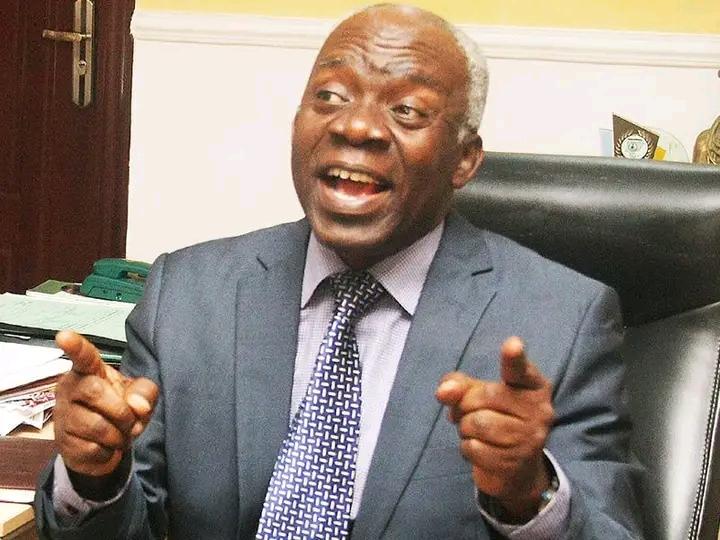
  • “Why is your government full of corruption and w!ckedness?”

    Renowned human rights lawyer Femi Falana (SAN) has openly challenged Bola Ahmed Tinubu, asking a hard-hitting question that’s now stirring nationwide debate:

    Falana’s blunt remark has reignited public anger over allegations of corruption, governance failures, and accountability at the highest levels of power. As reactions pour in from across the country, supporters and critics of the administration are locking horns over whether these claims reflect reality or political exaggeration.

    The question many Nigerians are now asking is: are these accusations being addressed — or ignored?

    Do you agree with Falana’s criticism, Do you think Tinubu government is enough pun!shment on Nigerians?

    If It’s Loud, It’s fintterblog

    Share this post so others can join the conversation

    New here? Follow our page for verified, up-to-date political news

    #NewsFlash #nigeriapolitics #BreakingNews
    “Why is your government full of corruption and w!ckedness?” Renowned human rights lawyer Femi Falana (SAN) has openly challenged Bola Ahmed Tinubu, asking a hard-hitting question that’s now stirring nationwide debate: Falana’s blunt remark has reignited public anger over allegations of corruption, governance failures, and accountability at the highest levels of power. As reactions pour in from across the country, supporters and critics of the administration are locking horns over whether these claims reflect reality or political exaggeration. The question many Nigerians are now asking is: are these accusations being addressed — or ignored? Do you agree with Falana’s criticism, Do you think Tinubu government is enough pun!shment on Nigerians? If It’s Loud, It’s fintterblog Share this post so others can join the conversation New here? Follow our page for verified, up-to-date political news #NewsFlash #nigeriapolitics #BreakingNews
    0 التعليقات ·0 المشاركات ·2كيلو بايت مشاهدة
الصفحات المعززة
Fintter https://fintter.com